
The word Armageddon can make an ordinary war headline feel like the final chapter of history. For some readers, it evokes a last confrontation described in Christian scripture. For others, it has become a general word for a disaster so great that normal life cannot continue.
Biblical interpretation of Armageddon matters because those meanings are often blended together. A conflict can be genuinely dangerous without being established as the final battle of prophecy. A religious expectation can be sincerely held without providing a verified date or identifying today's nations with certainty.
This article explains why the imagery creates such fear, what the relevant passages describe and how to discuss severe real-world consequences without pretending to prove a timetable. The aim is to take both faith and human suffering seriously, while refusing the shortcuts that turn every new crisis into a claimed certainty about the end.

Where the name appears in Revelation
In Revelation 16, the name appears within a vision of judgement, deceptive spirits and the gathering of rulers for conflict. The setting is theological and symbolic, not a modern military briefing listing current units and countries.
That does not settle every Christian interpretation of the passage. It does establish why reading the surrounding vision matters. An isolated place name cannot carry the whole meaning of the chapter without attention to what the text says about deception, power and judgement.
For a reader encountering the word in a headline, ask whether the writer is using a biblical reference, a metaphor or an asserted prediction. Those are different uses. A report can move between them so quickly that the emotional force remains while the evidence for the final claim disappears.
What Megiddo contributes to the discussion
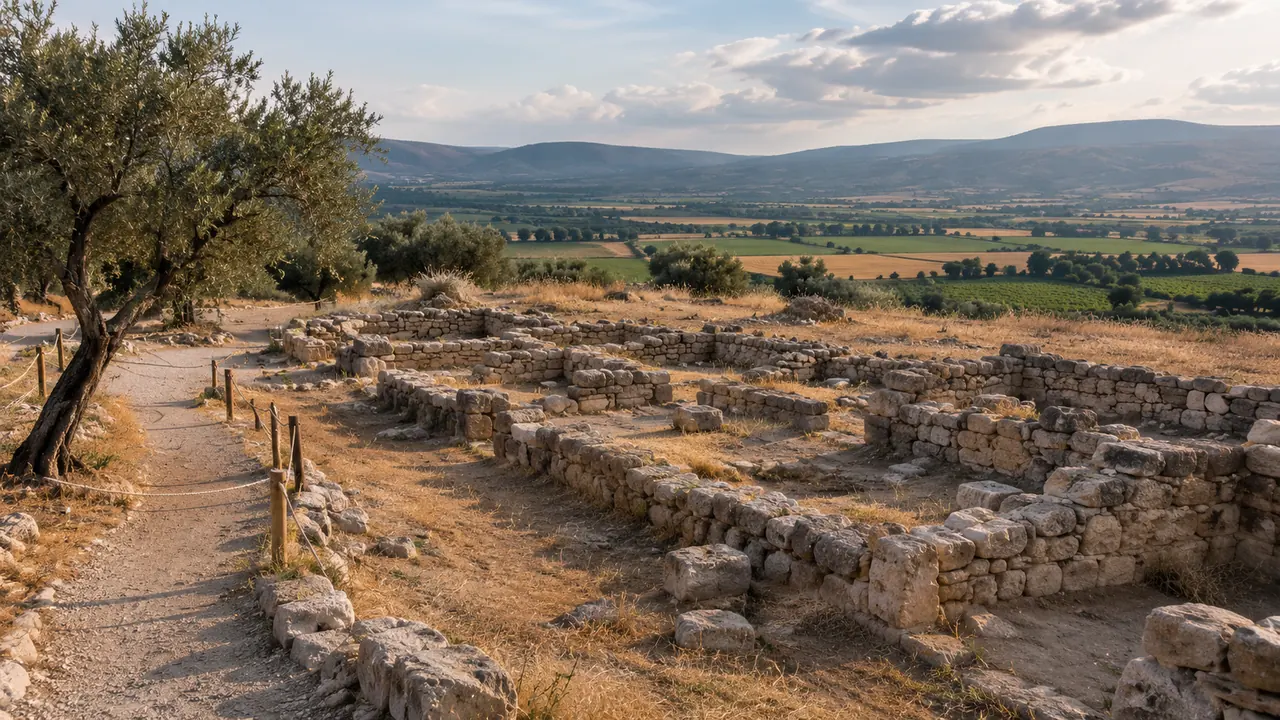
Armageddon is commonly associated with the name Megiddo, a place with a long historical and biblical significance. The physical site and its archaeological record are real; the interpretation of Revelation's use of the name is a separate question.
UNESCO's account of the biblical tels includes Megiddo among settlement mounds containing substantial ancient remains. That information establishes historical context, not a forecast of a future battle.
This distinction is important when maps are used persuasively. Showing that a place exists does not prove that a modern event there fulfils a prophecy. Archaeology, geography and theology can inform one another, but one should not be quietly substituted for another to make a prediction appear independently confirmed.
Why the idea of a final battle is so powerful
A final confrontation promises an end to uncertainty. It can make confusing events appear to fit a single story with a clear destination. That can be emotionally compelling when people are frightened by violence and worried about their children.
The danger comes when the story is used to erase the distinction between possibility and knowledge. A person may become convinced that every development confirms the interpretation, while contradictory evidence is dismissed as part of a hidden plan.
Serious belief need not depend on that pattern. A reader can hold a theological expectation while acknowledging uncertainty about the relationship between a passage and current events. The more consequential the claim becomes for people's decisions, the more carefully those limits should be stated.
A conviction that history has meaning is different from claiming personal access to its detailed schedule. The first can guide hope; the second makes assertions about people and dates. Asking someone to explain their timetable is therefore not the same as asking them to abandon belief. Keeping those issues separate makes room for a serious conversation, especially when a confident prediction is influencing a family's immediate choices.
Christians do not all read the battle imagery identically
Some expect a future concrete confrontation. Others emphasise symbolic representations of opposition to God, patterns of oppressive power or the culmination of themes already present in the book. Interpretive approaches can differ over sequence, geography and the relationship between visions.
The BibleProject guide to Revelation represents one approach to the book's apocalyptic imagery and scriptural connections. It is useful as an identified reading, not a substitute for acknowledging the range of Christian views.
A responsible article should not announce that every Christian agrees with one detailed map or timetable. Nor should disagreement automatically be treated as lack of seriousness. Readers benefit from understanding which interpretive assumptions lead to a conclusion, especially where the conclusion is being presented as a reason for urgent action.
Revelation's later battle scene is not a weapons catalogue
Revelation 19 contains further imagery of confrontation, judgement and the defeat of the beast and false prophet. The chapter's language belongs to its religious vision. It does not name modern weapon systems or provide a contemporary operational plan.
Comparing an image with a modern technology is therefore an interpretive act. The comparison may be meaningful to a particular reader, but it should not be reported as though the text explicitly describes a current machine, alliance or launch sequence.
The distinction protects the text from being reduced to a puzzle with a preferred modern answer. It also protects real people from a claim that their country or community has been definitively assigned a role as an enemy in a commentator's end-time scenario.

A dangerous war does not need a prophetic label to matter
War can destroy homes, interrupt healthcare, displace families and damage the systems supporting ordinary life. Those consequences deserve attention through evidence about the actual conflict. Their moral importance does not depend on establishing that it is Armageddon.
This matters because a debate over labels can draw attention away from people already suffering. A family needing food or medical care does not become more worthy of assistance if a prediction assigns the conflict a final historical role.
The practical question is what is happening, who is affected and which responses can protect life. Theological reflection can accompany that concern. It should not replace factual reporting or turn preventable suffering into a spectacle watched mainly for confirmation of a theory.
Be careful with claims that war must escalate
A regional conflict can have pathways towards wider involvement, but those pathways require assessment. Political choices, military developments and efforts to reduce tension matter. Declaring escalation inevitable can obscure the decisions that remain open.
An Armageddon interpretation does not supply a measured probability for a particular military outcome. A prophecy video and a strategic assessment use different forms of reasoning. They should not be presented as interchangeable evidence.
For readers, this means asking what supports the immediate claim. Is the source reporting a verified development, explaining a possible escalation route or asserting a theological certainty? The seriousness of the subject makes the distinction more important, not less. A frightening conclusion should still explain how it was reached.
Rumours of war are not an exact calendar
Matthew 24 includes warnings about wars, rumours, deception and uncertainty over timing. The passage should be read in its wider context rather than used as an unlimited licence to assign a date to every troubling headline.
A person claiming certainty should explain why their interpretation overrides those cautions. Selecting only the words that support urgency while ignoring the words that limit certainty gives the audience an incomplete account.
This does not ask believers to abandon watchfulness. It asks for a distinction between watchfulness and a claim to know what has not been established. A household can remain morally attentive and informed without treating every alarming post as a final instruction issued by scripture itself.
How a prediction can become impossible to test
Some accounts adjust their claims after every development. If conflict grows, the prediction was right; if tensions ease, the pause is said to prove that a hidden stage has begun. No possible outcome is allowed to count against the interpretation.
That pattern deserves scrutiny. A claim that cannot identify what would challenge it is functioning differently from an ordinary factual forecast. Readers should know whether they are being offered a theological conviction, a symbolic reading or a testable prediction.
| Statement | Question to ask |
|---|---|
| This is the final war | What evidence establishes that identification? |
| The date is certain | Which passage and reasoning support the date? |
| Every outcome confirms the prediction | What observation could show the claim was mistaken? |
| One nation is the biblical enemy | How are interpretation and verified facts distinguished? |
| You must act immediately | Why is independent checking being discouraged? |
Fear should not become permission to dehumanise
No contemporary population should be treated as expendable because someone has placed it inside an end-time chart. People of different nationalities and religions remain human beings with families, fears and individual lives.
The claim that a conflict has prophetic significance does not establish collective guilt. It does not justify harassment, celebratory responses to civilian deaths or pressure to harm another community. Those actions require moral responsibility in the present, not an appeal to an imagined role in a future drama.
A serious discussion should keep the suffering of children and vulnerable people visible. It should also leave room for efforts to prevent violence. Concern about a final war should increase the value placed on human life, rather than make ordinary compassion appear unnecessary.
Why fatalism can make a family less safe
If a household believes that nothing can change an outcome, it may stop paying attention to practical information. Members may ignore ordinary care, make unnecessary journeys or abandon responsibilities because a commentator says the end is certain.
Those actions can cause harm even when the prediction is wrong. A theological belief does not remove the need to assess the consequences of a decision for children, dependants and other people. Independent counsel and reliable information remain useful.
The alternative is neither denial nor panic. It is to act on what is actually known while holding uncertain interpretations with appropriate care. A family can discuss faith, support people affected by conflict and follow relevant local guidance without surrendering judgement to the most urgent voice online.
Talk about the subject without overwhelming children
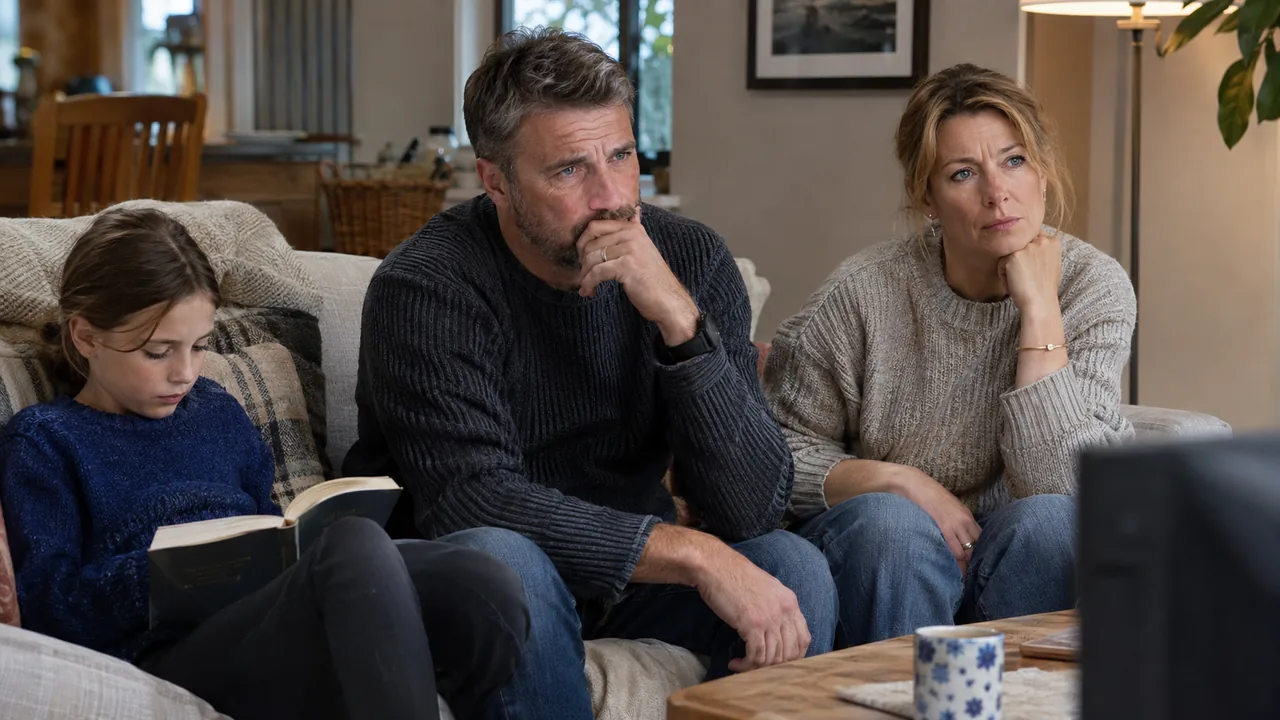
Children may hear the word Armageddon from news, games or adults and attach different meanings to it. Ask what they understand before offering a long explanation. Clarify whether the discussion concerns a religious text, a metaphor or an actual event.
Avoid presenting a speculative deadline as something the child must carry. Adults should explain uncertainty and the steps used to check real information. A truthful conversation can acknowledge that war is serious while making clear that one frightening clip does not establish the family's immediate future.
For adults who are distressed as well, repeated viewing may not improve understanding. Return to the original passage and source, and discuss the concern with someone trustworthy and accountable. The aim is informed reflection, not an endless cycle of increasingly dramatic predictions.
What a severe scenario can responsibly illustrate
The DEFCON sections below describe hypothetical human consequences of escalating war and failing services. They are not declarations that biblical fulfilment is under way, official military assessments or dates for the end of history.
Their assumptions should remain visible. A scenario can show how a conflict might create displacement, interrupted healthcare and loss of essentials. It cannot prove that the conflict is Armageddon simply because the imagined suffering is extreme.
Related articles on economic coercion and the mark and the Black Horse's famine imagery explore different themes. They should not be assembled into a claimed live sequence without independent evidence. A collection of interpretations is not the same as several independent confirmations of one prediction.
Your next step
When Armageddon appears in a headline, identify how the word is being used. Read the relevant passage and separate its text from the writer's modern comparison. Check any factual claim about a current conflict through reliable reporting and primary statements appropriate to that claim.
If an account demands certainty, a date or hostility towards a group, ask for the reasoning and what would challenge it. Do not let a dramatic label replace concern for people or the possibility of choices that reduce suffering.
The idea is powerful because a final devastating war would threaten everything families hope to preserve. That concern deserves care, humility and compassion. It is better served by serious reading and attention to human consequences than by announcing that every new conflict has already settled the meaning of the last battle.
Frequently asked questions
Where does the name Armageddon appear in the Bible?
It appears in Revelation 16 within a vision involving judgement, deception and rulers gathering for conflict. The surrounding passage matters; the name alone is not a modern military forecast.
Does the existence of Megiddo prove a future battle prediction?
No. Megiddo is a real historical and archaeological site. Connecting it with a particular future event is a separate interpretive claim that geography alone cannot establish.
Do all Christians agree on one Armageddon timetable?
No. Interpretations differ over symbolism, sequence, geography and future events. A responsible explanation identifies its approach rather than claiming universal agreement on a detailed modern scenario.
Can a current war be declared Armageddon from a frightening headline?
A headline does not establish that conclusion. Actual conflict developments and theological interpretation are different kinds of claims. Serious danger can be recognised without asserting proven prophetic fulfilment.
How should I respond if an end-time prediction is causing fear?
Separate the text, interpretation and checkable facts. Seek thoughtful independent counsel before irreversible decisions. Keep responsibilities to dependants and compassion for people affected by conflict central to the discussion.