
Not extinction itself, but a pathway to other risks. Rising geopolitical tensions, economic collapse, and resource conflicts can erode international cooperation and increase the likelihood of war, including nuclear conflict.
The bigger concern is civilizational collapse or severe global disruption. Many risks are interconnected (e.g., climate stress → conflict → war). Institutions like the United Nations exist partly to prevent this cascade.
Maintaining global stability and diplomatic channels is crucial for managing existential threats collectively.
Not extinction itself, but a pathway to other risks.
- Rising geopolitical tensions
- Economic collapse
- Resource conflicts
The bigger concern is civilizational collapse or severe global disruption.
Many risks are interconnected (e.g., climate stress → conflict → war).
Institutions like the United Nations exist partly to prevent this.
The world does not usually fall apart all at once it fractures slowly, through rising tensions, broken trust, and crises that expose the weakness of the systems meant to keep nations together. Today, many experts believe the global order that shaped international relations after the Second World War is under growing pressure, raising fears about the future of peace, stability, and cooperation.
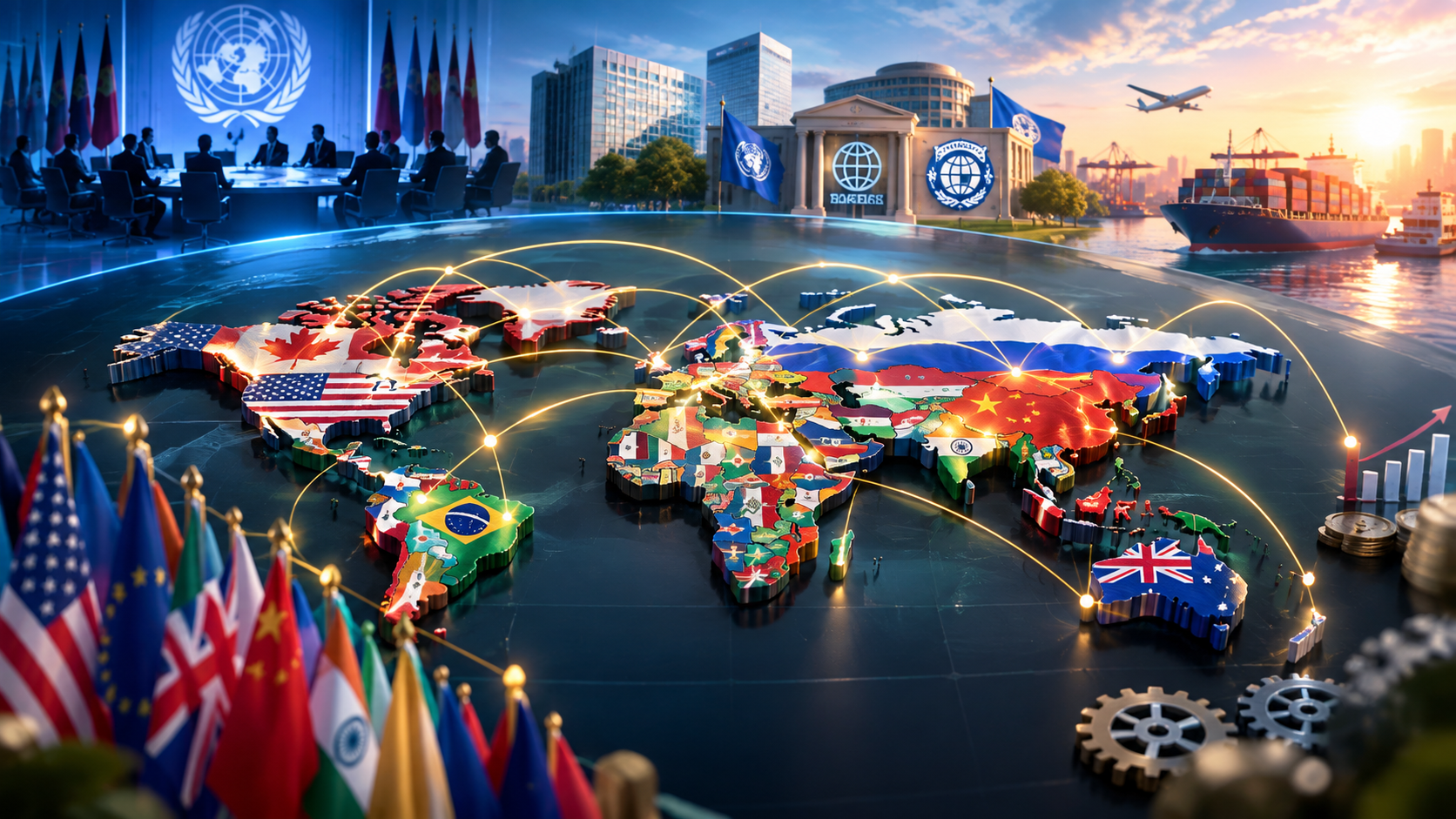
Global order is a broad term for the international system of rules‚ alliances‚ institutions‚ and agreements that guide cooperation between states and help maintain international stability‚ promote international trade‚ and prevent global war․ Organized international cooperation is not a new concept․ After the Peace of Westphalia in 1648‚ states were established‚ while the nineteenth century was characterized by diplomacy and the balance of power between European empires․ After World War I and World War II‚ organizations were established‚ such as the United Nations‚ International Monetary Fund and World Bank‚ to promote international stability and economic reconstruction in a growingly interdependent world․ The world seemed poised for globalization and international integration after the fall of the Soviet Union in 1991‚ despite a split between the United States and the Soviet Union․.
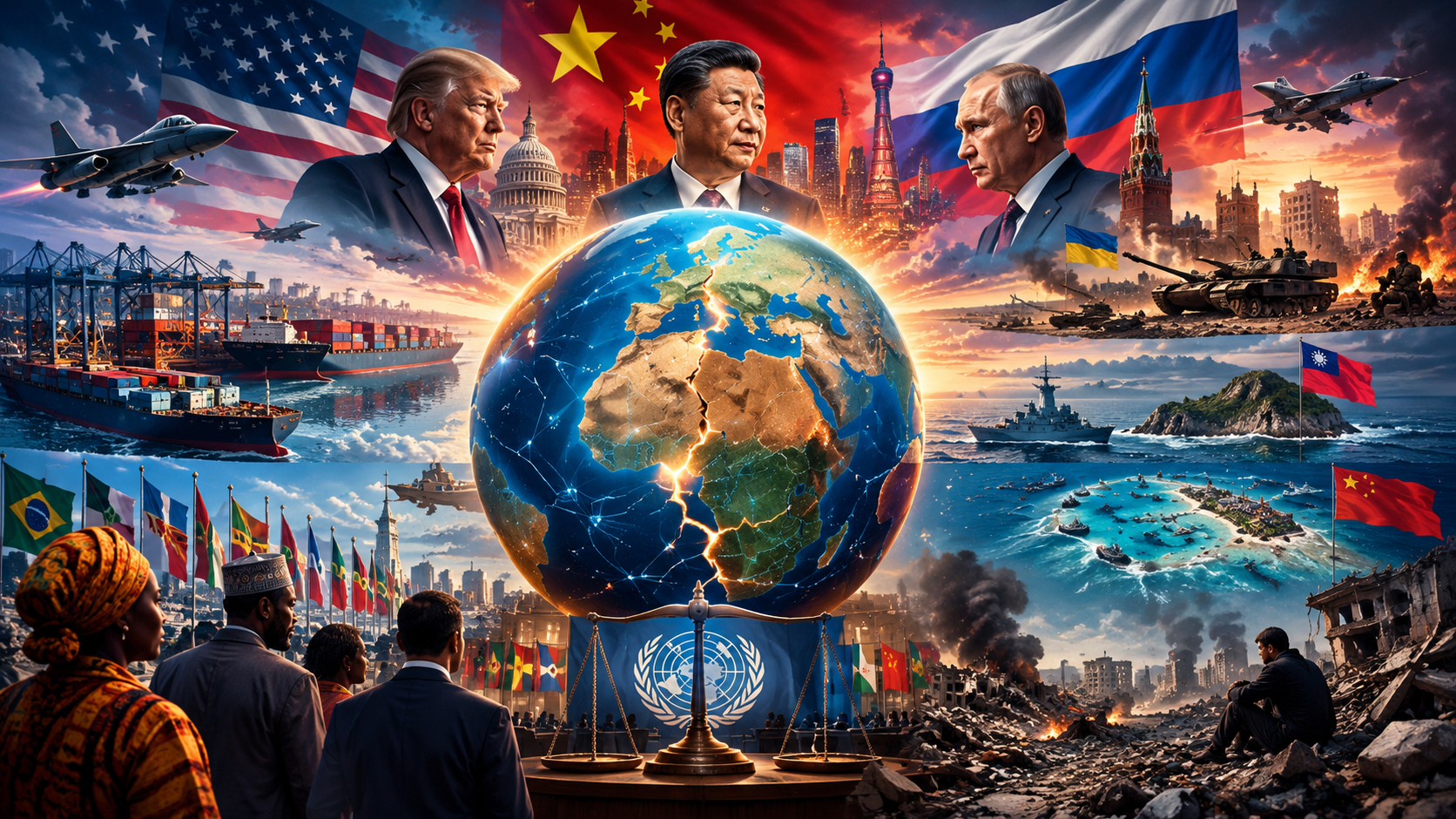
Instead‚ in the twenty-first century‚ we are faced with an increasingly fractured system․ This is largely due to the competition between the major powers - the United States‚ China‚ and Russia - over trade‚ military‚ technological‚ and regional leadership‚ which has weakened the degree of trust in the global system․ In addition‚ the war in Ukraine‚ tensions over Taiwan‚ and territorial disputes in the South China Sea have also led the world toward greater geopolitical rivalry․ Many countries in the Global South are also sceptical of international law‚ and argue that Western countries apply double standards to conflicts in Gaza and Ukraine․
Economic instability has aggravated these disparities․ The 2008 global financial crisis showed how deeply interconnected economies had become, as financial collapse in one region rapidly spread worldwide. Inflation, debt crises, and rising inequality have fuelled public frustration and political polarization. In many countries, this uncertainty has strengthened nationalist and populist movements that prioritize domestic interests over international cooperation. Protectionist policies, anti-immigration rhetoric, and distrust of globalization have strained diplomatic relationships and weakened multilateral institutions.
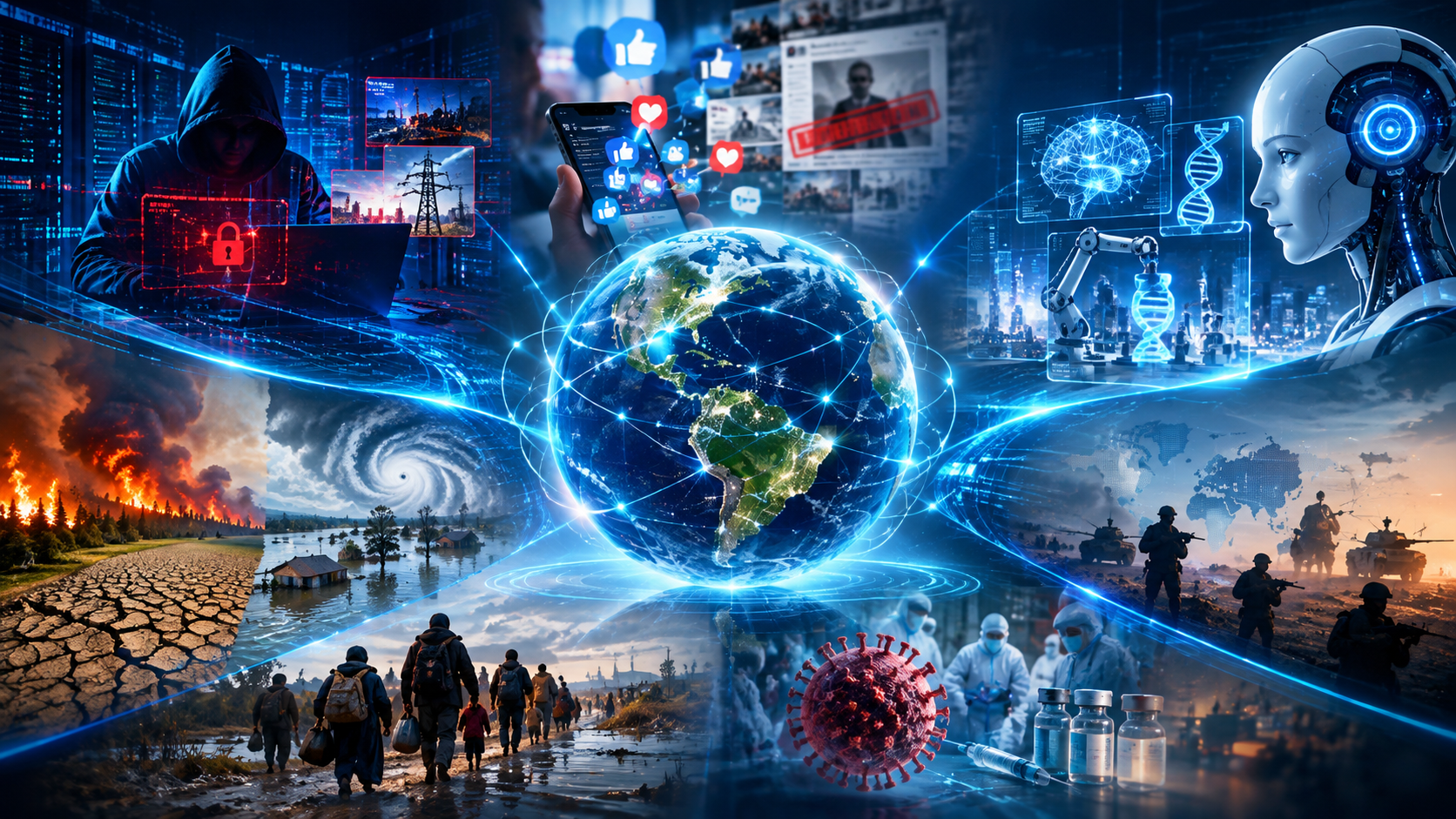
At the same time, technology has introduced entirely new forms of instability. Cyber warfare, misinformation, and artificial intelligence are reshaping global politics and security. Governments and criminal groups now use cyber-attacks to disrupt infrastructure, steal information, and influence elections. Social media has accelerated the spread of misinformation, making it harder for societies to distinguish truth from manipulation. Meanwhile, advances in AI, biotechnology, and automation are transforming industries while also creating fears about job displacement, surveillance, and autonomous weapons.
Climate change has become another major threat to global stability. Rising temperatures, droughts, floods, and extreme weather events are increasing food insecurity, damaging infrastructure, and forcing millions of people to migrate. Poorer countries, especially in Africa, are suffering the harshest consequences despite contributing the least to global emissions. The COVID-19 pandemic exposed similar weaknesses in international coordination, as nations competed over medical supplies, vaccines, and economic recovery rather than responding collectively.
The weakening of global cooperation has serious consequences. Conflicts are becoming more unpredictable as advanced weapons, drones, and cyber technologies spread across the world. Humanitarian crises in places such as Sudan, Gaza, and parts of the Sahel demonstrate how fragile states can rapidly descend into violence and displacement. Migration pressures are also rising as people flee war, poverty, and environmental disasters, placing a strain on neighbouring countries and political systems.
Not extinction itself, but a pathway to other risks.
- Rising geopolitical tensions
- Economic collapse
- Resource conflicts
The bigger concern is civilizational collapse or severe global disruption.
Many risks are interconnected (e.g., climate stress → conflict → war).
Institutions like the United Nations exist partly to prevent this.
The world does not usually fall apart all at once it fractures slowly, through rising tensions, broken trust, and crises that expose the weakness of the systems meant to keep nations together. Today, many experts believe the global order that shaped international relations after the Second World War is under growing pressure, raising fears about the future of peace, stability, and cooperation.
Global order is a broad term for the international system of rules‚ alliances‚ institutions‚ and agreements that guide cooperation between states and help maintain international stability‚ promote international trade‚ and prevent global war․ Organized international cooperation is not a new concept․ After the Peace of Westphalia in 1648‚ states were established‚ while the nineteenth century was characterized by diplomacy and the balance of power between European empires․ After World War I and World War II‚ organizations were established‚ such as the United Nations‚ International Monetary Fund and World Bank‚ to promote international stability and economic reconstruction in a growingly interdependent world․ The world seemed poised for globalization and international integration after the fall of the Soviet Union in 1991‚ despite a split between the United States and the Soviet Union․.
Instead‚ in the twenty-first century‚ we are faced with an increasingly fractured system․ This is largely due to the competition between the major powers - the United States‚ China‚ and Russia - over trade‚ military‚ technological‚ and regional leadership‚ which has weakened the degree of trust in the global system․ In addition‚ the war in Ukraine‚ tensions over Taiwan‚ and territorial disputes in the South China Sea have also led the world toward greater geopolitical rivalry․ Many countries in the Global South are also sceptical of international law‚ and argue that Western countries apply double standards to conflicts in Gaza and Ukraine․
Economic instability has aggravated these disparities․ The 2008 global financial crisis showed how deeply interconnected economies had become, as financial collapse in one region rapidly spread worldwide. Inflation, debt crises, and rising inequality have fuelled public frustration and political polarization. In many countries, this uncertainty has strengthened nationalist and populist movements that prioritize domestic interests over international cooperation. Protectionist policies, anti-immigration rhetoric, and distrust of globalization have strained diplomatic relationships and weakened multilateral institutions.
At the same time, technology has introduced entirely new forms of instability. Cyber warfare, misinformation, and artificial intelligence are reshaping global politics and security. Governments and criminal groups now use cyber-attacks to disrupt infrastructure, steal information, and influence elections. Social media has accelerated the spread of misinformation, making it harder for societies to distinguish truth from manipulation. Meanwhile, advances in AI, biotechnology, and automation are transforming industries while also creating fears about job displacement, surveillance, and autonomous weapons.
Climate change has become another major threat to global stability. Rising temperatures, droughts, floods, and extreme weather events are increasing food insecurity, damaging infrastructure, and forcing millions of people to migrate. Poorer countries, especially in Africa, are suffering the harshest consequences despite contributing the least to global emissions. The COVID-19 pandemic exposed similar weaknesses in international coordination, as nations competed over medical supplies, vaccines, and economic recovery rather than responding collectively.
The weakening of global cooperation has serious consequences. Conflicts are becoming more unpredictable as advanced weapons, drones, and cyber technologies spread across the world. Humanitarian crises in places such as Sudan, Gaza, and parts of the Sahel demonstrate how fragile states can rapidly descend into violence and displacement. Migration pressures are also rising as people flee war, poverty, and environmental disasters, placing a strain on neighbouring countries and political systems.
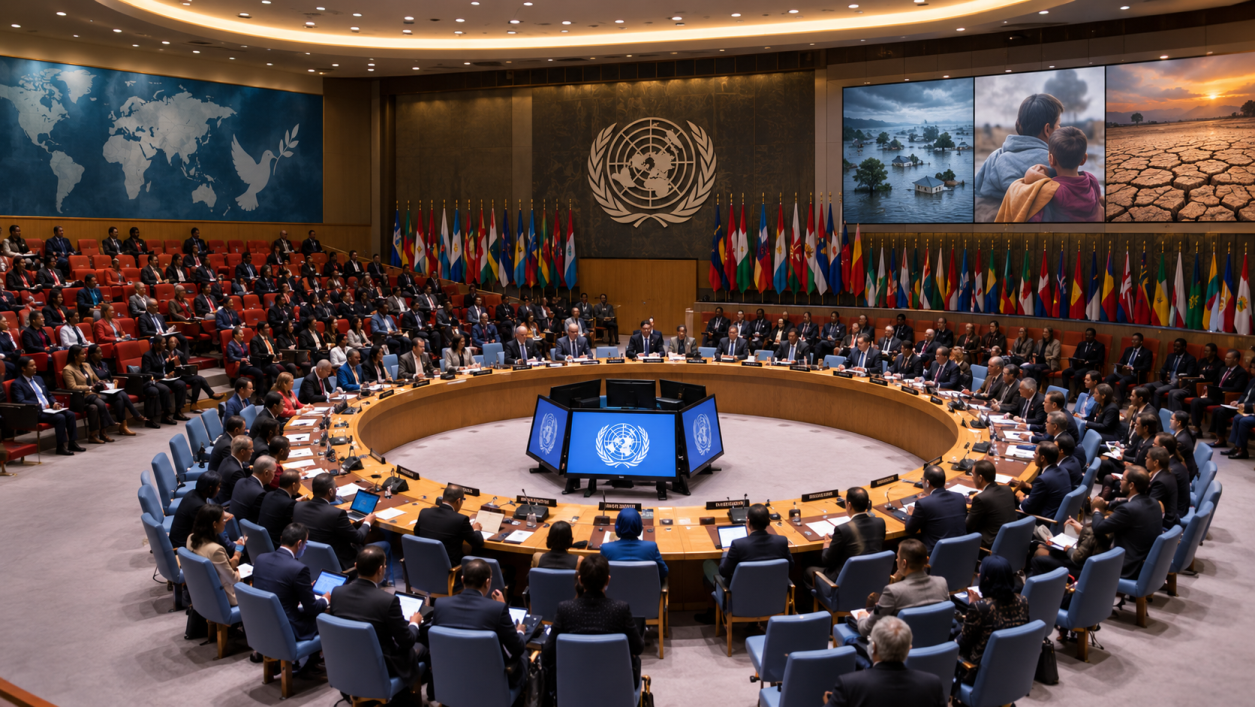
International institutions themselves are struggling to maintain influence. Organizations designed to protect peace and enforce international law are increasingly ignored or undermined by powerful states. At the same time, development aid has declined in many wealthy nations, even as climate disasters and humanitarian emergencies continue to grow. Critics argue that the current international system has become fragmented, overly political, and unable to respond effectively to modern global challenges.
Yet despite these dangers, the future is not necessarily doomed to disorder. History shows that international systems can adapt during periods of crisis. Many experts now argue that the world needs a new approach centred on resilience, stronger local governance, and fairer international cooperation. Addressing climate change, economic inequality, migration, and technological risks will require nations to work together rather than retreat into isolation.
The breakdown of global order is one of the defining challenges of the modern era, but it is also a test of humanity’s ability to adapt. The choices countries make today between cooperation and confrontation, diplomacy and division will shape the future for generations to come.
Did you know
- The Peace of Westphalia in 1648 is widely seen as the foundation of the modern state system and modern international relations.
- The United Nations was established in 1945 after World War II with the goal of preventing another devastating global conflict.
- The Cold War lasted for nearly 45 years, yet the United States and the Soviet Union avoided direct large-scale war despite intense rivalry.
- Diplomatic negotiations have quietly prevented countless international crises from turning into full-scale wars over the decades.
- International law today is largely built on treaties and agreements that countries voluntarily choose to accept and follow.
- Peacekeeping missions organized by the United Nations have operated in dozens of conflict zones around the world.
- The global economy became deeply interconnected after the rapid expansion of globalization during the 1990s.
- More than half of global trade now moves through major maritime shipping routes, making oceans critical to the world economy.
- Nuclear weapons remain one of the greatest and most dangerous threats to global security.
- Social media can spread information across the world within seconds but the same speed also allows misinformation to spread just as quickly.
- Cyber-attacks have evolved into a major security threat, capable of targeting hospitals, power grids, banks, and even election systems.
- Resource shortages, especially growing water scarcity, are expected to increase tensions and competition between nations in the future.
- Climate change is already increasing migration pressures as droughts, floods, and extreme weather force people to leave vulnerable regions.
- Many experts believe the world is gradually shifting toward a multipolar system with several competing centres of global power.
- The global rise of populism and authoritarianism is increasingly challenging the post-World War II rules-based order, fuelling instability and division across the world.