
Mass extinctions are different from normal extinction and have the magnitude (extinction of at least 75% of species on Earth) and the rate (occur within a geologically short period of time‚ typically‚ one to two million years)․ Species extinction is a normal part of evolution‚ with a background rate of 10% per million years․ However‚ the "Big Five" mass extinctions saw environmental pressures exceed the Earth's ecological carrying capacity and overwhelm the ability of life to survive‚ adapt‚ and recover․ Various reasons can cause mass extinction such as Asteroids Impact, Volcanic eruption, sudden climate change, oxygen depletion and shift of tectonic plates.
The first major extinction event occurred at the end of the Ordovician Period, around 443 million years ago. It is believed to have been caused by global cooling and glaciation. As ice sheets expanded, sea levels dropped dramatically, destroying shallow marine habitats where most life existed. Around 85% of marine species went extinct, particularly organisms such as trilobites and brachiopods. This event shows how sensitive life is to climate change, as rapid cooling altered ocean conditions and reduced the space available for survival.
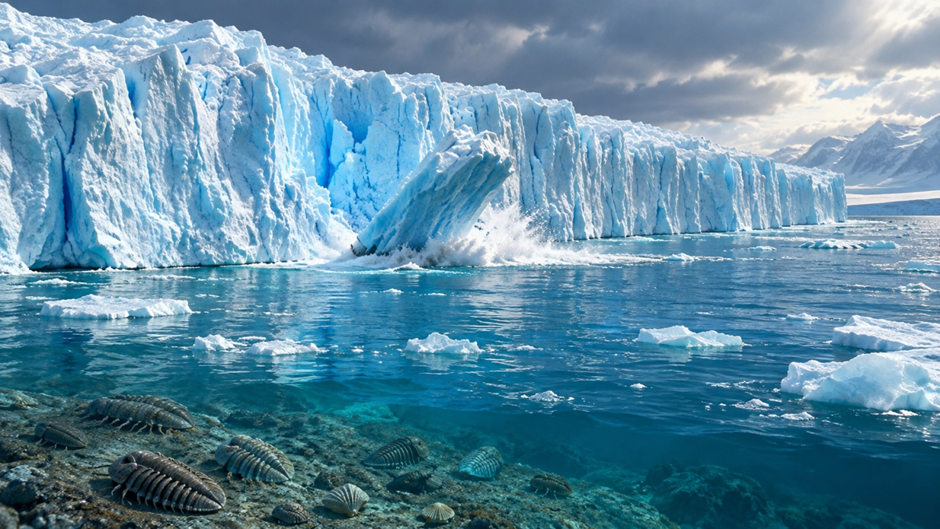
The Late Devonian extinction, which took place between approximately 375 and 359 million years ago, was not a single sudden event but a series of extinction pulses spread over millions of years. It has been linked to oxygen depletion in the oceans and changes in plant life on land that altered the atmosphere. About 70–80% of species disappeared, most of them were marine organisms. The spread of land plants increased nutrient runoff into oceans, leading to algal blooms that consumed oxygen. This suggests that life itself can reshape the environment in ways that may eventually threaten its own survival.
The most severe extinction event occurred at the end of the Permian Period, about 252 million years ago, often called “The Great Dying.” It was likely caused by massive volcanic eruptions in the Siberian Traps, which released enormous amounts of carbon dioxide into the atmosphere. This led to extreme global warming, ocean acidification, and oxygen loss. Around 90% of all species and 95% of marine life were wiped out. This catastrophe demonstrates how rapidly the Earth’s systems can collapse when the carbon cycle is disturbed, showing the deep connection between the atmosphere, oceans, and living organisms.
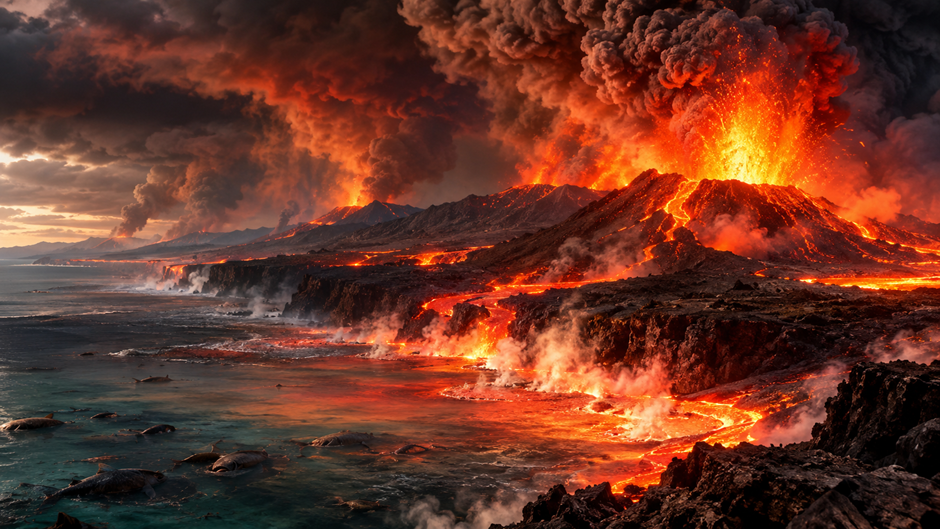
Around 201 million years ago, the Triassic–Jurassic extinction occurred and is thought to have been caused by volcanic activity linked to the breakup of the supercontinent Pangaea. This led to rapid climate change and the extinction of about 76% of species. With many ecological niches left empty, dinosaurs were able to rise and dominate the Jurassic period. This shows that extinction events, while destructive, can also reshape life by creating opportunities for new species to evolve.
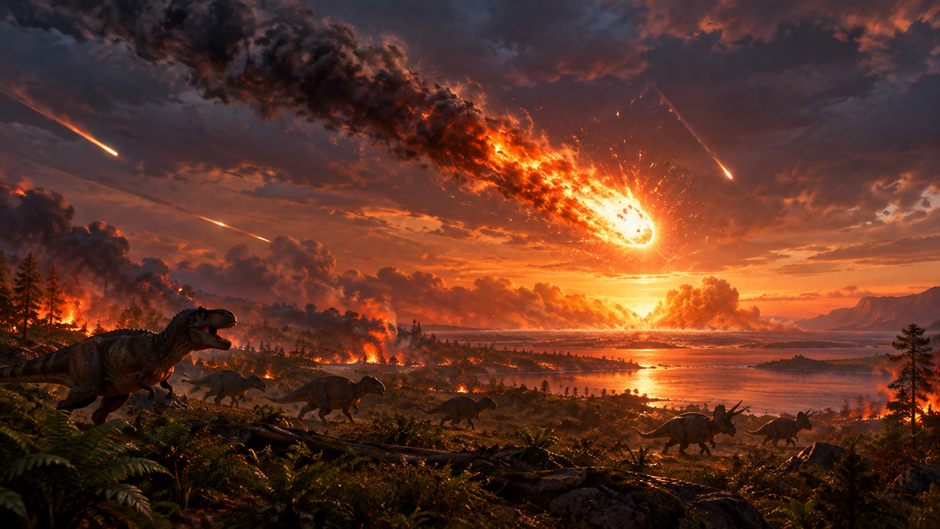
The most well-known extinction is the Cretaceous–Palaeogene event, which occurred about 66 million years ago and was caused by a massive asteroid impact, possibly combined with volcanic activity. Around 80% of species, including all non-avian dinosaurs went extinct. The impact caused global wildfires, blocked sunlight, and led to a collapse of food chains. Unlike earlier events driven mainly by environmental changes, this extinction happened very rapidly. It marked the end of the Age of Dinosaurs, allowing mammals to rise and eventually leading to the evolution of humans.
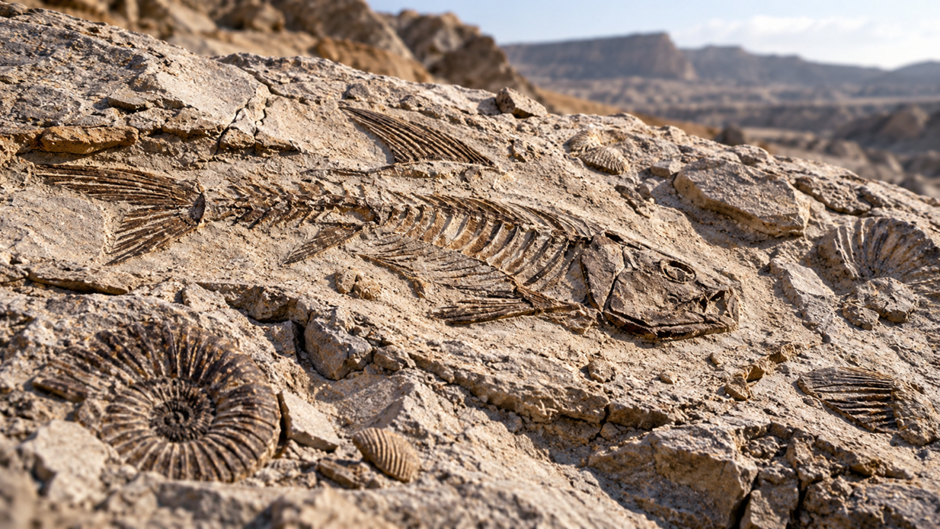
The evidence of these mass extinctions is that the fossil fuel record reveals that there is an abrupt drop in living organisms, and then they have recovered slowly. Mass extinctions show that the Earth’s systems, like land, oceans, atmosphere and biosphere, are connected, and disturbance in one system can cause massive destruction.
Did You Know
- For a mass extinction to occur, at least 75% of species must vanish within a geologically short time, far exceeding normal extinction rates.
- The first near-total loss of life on Earth occurred around 443 million years ago, when a sudden temperature drop triggered massive glaciation.
- Between 375 and 359 million years ago, another prolonged extinction unfolded, driven by climate shifts and oxygen depletion that reshaped life on Earth.
- In the same era, intense land weathering flooded oceans with nutrients, causing plankton blooms that later collapsed and suffocated deep marine life.
- During the Permian Period, volcanic eruptions about 252 million years ago burned forests across an area nearly four times the size of Korea.
- The “Great Dying” 252 million years ago remains Earth’s deadliest catastrophe, wiping out 70% of land vertebrates and 95% of marine species.
- Around 252 million years ago, the Siberian Traps eruptions released vast amounts of carbon dioxide, accelerating warming and ocean acidification that devastated shallow marine ecosystems.
- About 201 million years ago, volcanic activity triggered climate change that eliminated roughly 76% of species, paving the way for dinosaur dominance.
- Earth’s “Big Five” extinction events, including Devonian pulses and Ordovician glaciation, dramatically reshaped biological dominance across different eras.
- Dinosaurs ruled Earth for nearly 165 million years before their eventual extinction reshaped the course of life on the planet.
- A massive asteroid, roughly 10–15 kilometres wide, is believed to have caused the extinction of the dinosaurs.
- Around 66 million years ago, a giant asteroid ended the dinosaur age, showing how sudden cosmic events can instantly erase biodiversity.
- Birds are the surviving descendants of dinosaurs, carrying forward a lineage that endured when countless others disappeared.
- Studying past carbon cycle disruptions warns how rapidly Earth’s systems can collapse, especially as humans risk triggering a sixth mass extinction.
- Nearly 98% of all species that have ever lived on Earth are now extinct, highlighting the planet’s constant cycle of change.
- Recovery from a mass extinction takes far longer than the extinction itself, often requiring millions of years for ecosystems to rebuild.
- Despite five devastating extinction events, life never completely vanished. Resilient microorganisms and adaptable species have always found ways to survive.