
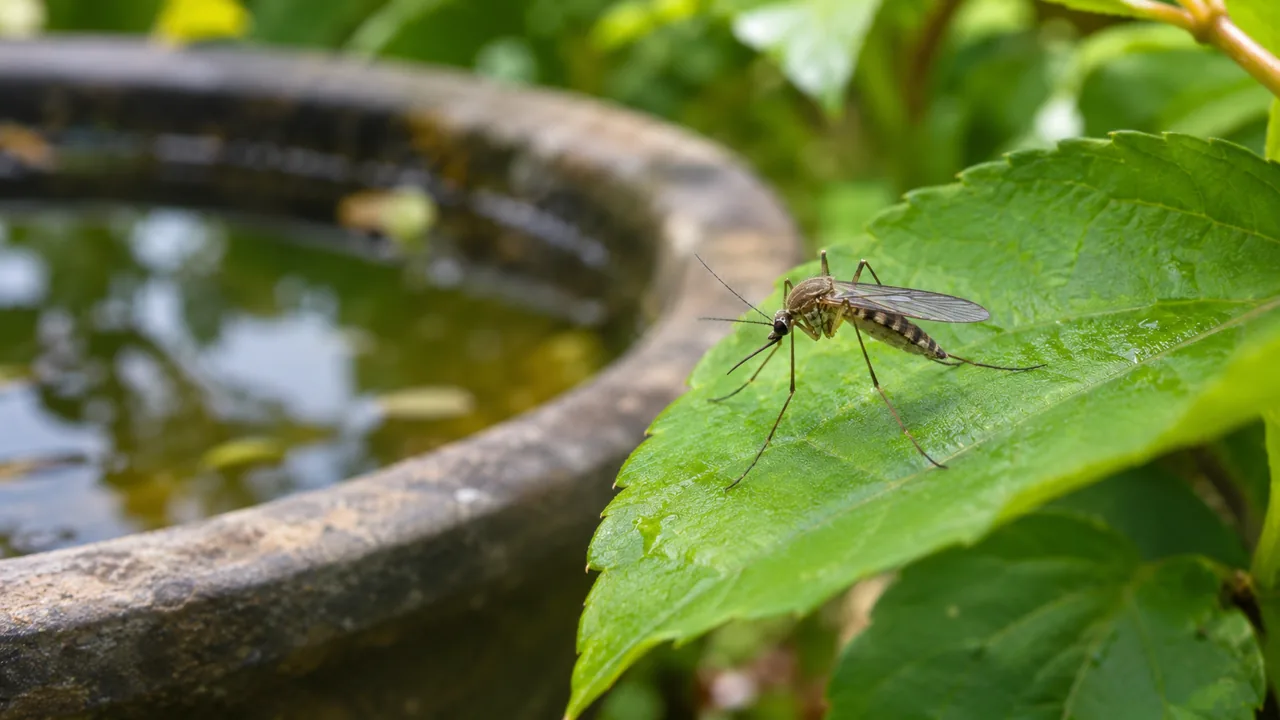
A holiday fever may look like something to sleep off before the flight home. With dengue, the change that deserves attention can come when the temperature starts falling. Severe abdominal pain, repeated vomiting, bleeding or breathing problems need urgent medical assessment, rather than an assumption that a lower fever proves recovery.
Most dengue infections do not become severe, and some cause no symptoms. That does not make prevention unimportant. A useful travel plan includes bite protection, access to care and a clear account of where you have been. For UK households, travel exposure is the main practical concern; a story about dengue elsewhere is not proof that the same transmission is occurring in your neighbourhood.
What dengue is
Dengue is a viral infection usually passed to people by infected Aedes mosquitoes. These mosquitoes can bite during the day, so a plan focused only on bedtime leaves a gap. Where and when exposure occurs depends on the destination and local conditions.
People do not ordinarily catch dengue through routine social contact with someone who is ill. That distinction helps families choose useful precautions rather than isolate a returning traveller on the basis of an incorrect transmission story. Medical assessment still matters, because a fever after travel has several possible causes and symptoms alone cannot reliably identify which one is responsible.

Why the destination matters more than a dramatic map
Dengue occurs in many tropical and subtropical areas, and some destinations outside those regions also have periods of risk. The NHS information reviewed for this article describes dengue as a travel concern for people in the UK, rather than an established locally circulating infection here.
Check current destination-specific advice before leaving. A country name alone may hide differences between areas, seasons and activities. Read the actual travel-health information and any recent notice. A large global map can explain why the subject matters, but it cannot tell you whether a particular journey needs changing or which precautions suit your family.
Daytime bites change the prevention routine
Do not reserve bite protection for the evening meal. Consider the walk to breakfast, sightseeing, school visits, garden time and the journey between buildings. A person can be exposed during ordinary activities rather than an obviously adventurous trip.
Use appropriate repellent according to its label and choose clothing that helps cover exposed skin where practical. Follow relevant travel-health advice about accommodation and mosquito barriers. Check age restrictions and ask a professional if a product's suitability is unclear. The useful question is whether protection works through the actual day, not whether a repellent bottle has been packed and forgotten at the bottom of a bag.
Prepare for children before departure
A child may need help applying a suitable product and remembering protection during outdoor play. Discuss the plan with other adults who will provide care. A grandparent collecting a child for an outing needs the same practical information as the parent who packed the suitcase.
Choose a manageable routine and follow product instructions rather than making protection depend on a child recognising a risky mosquito. Bring enough of the appropriate supplies for the journey and know how replacements can be obtained. If the child has medical needs or previous dengue, ask for individual travel advice before leaving. A generic packing checklist cannot assess those circumstances.
Accommodation is part of the plan
Ask practical questions about the room and its surroundings: can windows and doors be managed appropriately, are mosquito barriers available and who deals with a problem? Do not assume that an attractive booking photograph proves the protection arrangements are suitable.
If something is missing or damaged, raise it with the accommodation provider and follow local health advice. A room change may be more useful than purchasing an unverified gadget. Consider the child's sleeping arrangements, accessibility and daytime use as well as the bed itself. Bite prevention should fit how the household uses the space, rather than create a theoretical plan that nobody can maintain.
A fever after travel needs the travel history
Dengue symptoms can include fever, headache, pain behind the eyes, muscle or joint pain, nausea and rash. Other infections can resemble it. A clinician needs to know the destinations, travel dates and when symptoms began.
Seek prompt medical advice if you become unwell during or after travel to a risk area. Do not wait until you have returned home if assessment is needed while abroad. Tell the healthcare service about recent travel even if nobody asks immediately. An accurate itinerary helps identify what needs investigating and avoids a conversation based only on the assumption that the illness is ordinary flu.
The falling-fever trap
WHO and NHS guidance explain that severe symptoms can develop as the fever settles. That is why a thermometer reading should be considered alongside the person's condition. Less fever with more pain, repeated vomiting or unusual weakness is not a reassuring overall change.
Ask the assessing clinician which changes require urgent help and how to obtain it at that destination. Make the instructions available to another adult. A family should not have to search an unfamiliar city's transport options for the first time while someone deteriorates. Planning the route to care is a practical safeguard against delay, rather than a prediction that severe illness will occur.
Warning signs need urgent assessment
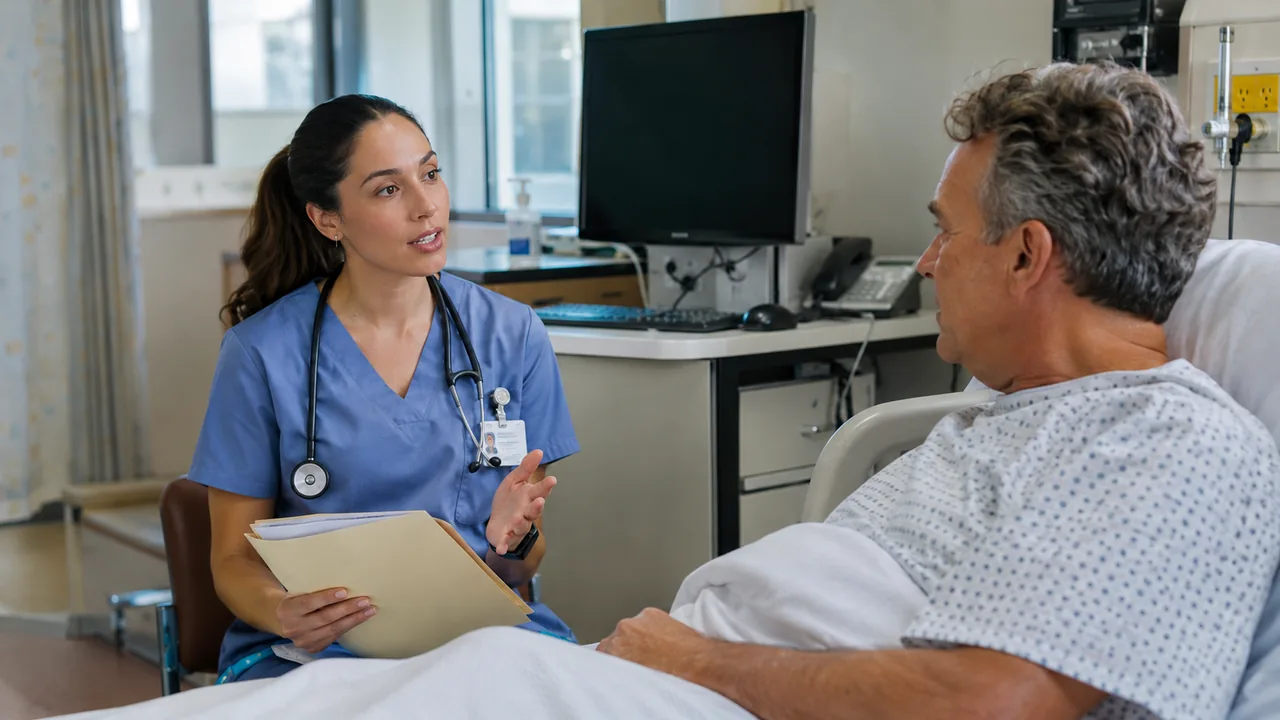
Severe abdominal pain, persistent vomiting, bleeding, rapid breathing or marked deterioration can signal a serious problem. The NHS advises emergency help for symptoms of severe dengue after relevant travel. In the UK, call 999 or obtain emergency care as directed; do not drive yourself when seriously unwell.
While abroad, use the local emergency service or reach a hospital promptly according to the situation. Tell responders about the travel history, possible dengue and any medicines taken. Do not wait for every listed symptom or for a home test to confirm the explanation. The immediate need is assessment of the seriously unwell person.
Symptom relief needs the right medicine advice
The NHS advises avoiding aspirin and anti-inflammatory painkillers such as ibuprofen for dengue symptom relief because they can increase bleeding problems. Paracetamol may be used when suitable, following the packet and professional advice. This article does not supply an individual dose.
If you already take a prescribed medicine that affects bleeding, contact a clinician promptly for personal instructions rather than independently stopping or changing it. Tell the healthcare professional exactly what has been taken. A travel kit needs an appropriate plan, not a rule that every familiar painkiller can be used for any fever. Ask a pharmacist before departure if you are unsure what is suitable.
Fluids and rest do not replace review
Follow the clinician's advice about rest, fluids and monitoring. If the person cannot keep fluids down, is becoming more unwell or develops warning signs, seek further assessment. Do not treat a general instruction to drink as a reason to keep managing a deteriorating person at home.
Someone with a medical condition may need individual guidance about fluid intake and medicines. Keep the relevant history available. The useful household check is whether the person can follow the plan and whether their condition is improving overall. A completed bottle or a lower temperature alone cannot answer that question.
Testing depends on timing and assessment
Different tests detect different features of an infection, and their usefulness can depend on when illness began. A clinician interprets results alongside the symptoms and history. An unverified test bought during travel should not be treated as a universal answer.
Ask how results will be communicated and whether you should be reviewed before they return if the condition changes. If you move between accommodation or return to the UK, explain how the healthcare service can contact you. A result is only useful to the household when the next step is understood. Keep copies of relevant records securely for a follow-up clinician.
Keep preventing bites while someone is ill
In a place where the relevant mosquitoes are present, bite protection still matters after a person develops dengue. CDC guidance explains that a mosquito can acquire the virus when biting an infected person during the early illness, creating another opportunity for transmission.
Ask the treating service how to maintain suitable protection while the person rests. Make the arrangement comfortable and practical, especially for a child who needs help. Do not confuse this with ordinary person-to-person spread or use it to justify abandoning somebody who needs care. The useful task is to reduce mosquito contact while following the clinical plan.
Previous dengue is worth mentioning
A previous infection does not provide a simple promise that every future infection will be harmless. WHO identifies a greater risk of severe dengue with a subsequent infection. Tell the travel-health practitioner and treating clinician about any previous diagnosis.
That history should support individual advice, rather than lead someone to assume a severe outcome is inevitable. Ask what it changes about the proposed journey and how to respond to illness. Bring the best available record, but do not delay urgent care while searching for an old laboratory report. Explain what is known and what is uncertain so the clinician can assess the present situation.
Vaccination questions need individual advice
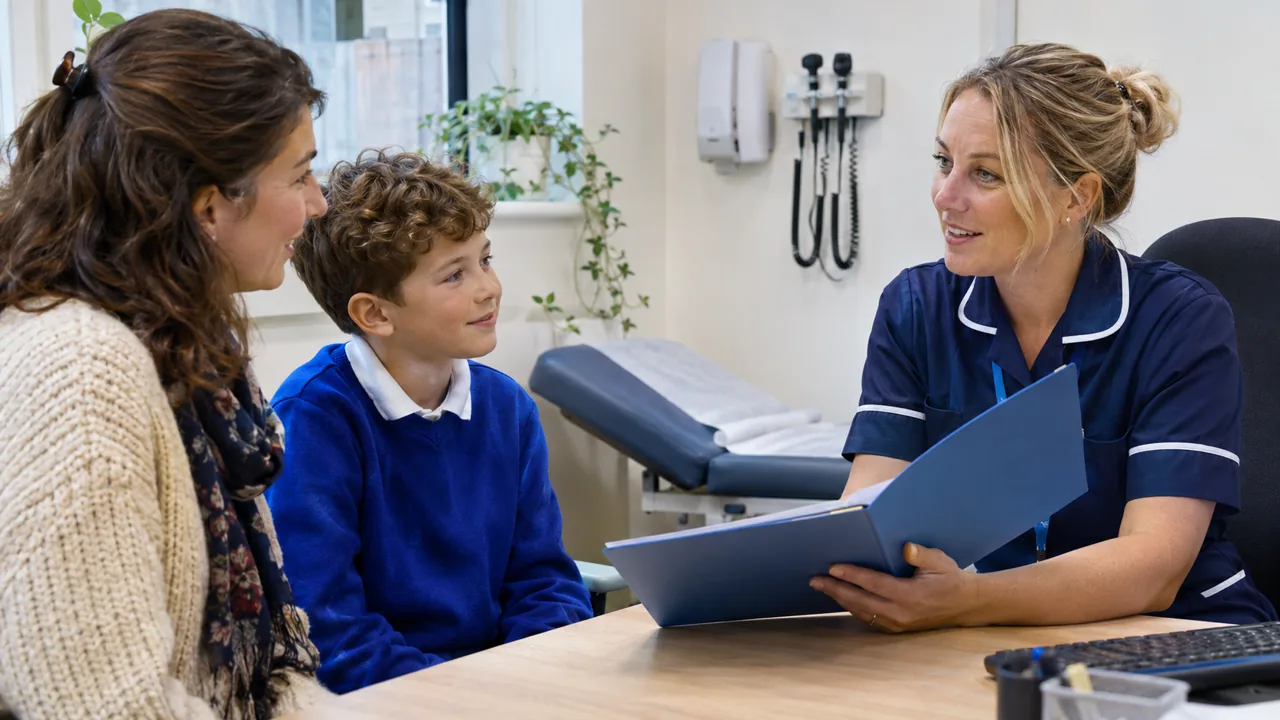
If you are considering vaccination, discuss it with an appropriate travel-health practitioner using the actual destination, age, medical history and previous dengue information. Recommendations and product suitability are not identical for every traveller or every health system.
Do not treat an online advertisement as a complete clinical recommendation. Ask what benefit is expected, what limitations apply and which bite precautions remain necessary. Check the timing before travel rather than assuming an appointment on departure day solves the problem. This article does not recommend a particular vaccine for an individual; the preparation step is to obtain advice specific enough to support a real decision.
Insurance should connect to usable care
Before departure, understand how to contact your insurer and obtain help while abroad. Check the relevant terms for medical conditions and the planned activities. Save contact information somewhere accessible if a phone is unavailable.
If urgent illness occurs, do not postpone emergency assessment solely to complete routine administrative steps. Another adult can help contact the insurer while the patient receives care. Keep necessary receipts and clinical documents when it is practical, and ask how follow-up will work. A policy is most useful when the household knows whom to call and can describe the actual situation clearly, rather than merely remembering that insurance was purchased.
A practical decision table
| Situation | Useful next action |
|---|---|
| Planning travel to a risk area | Review destination advice and bite protection |
| Unwell during or after that journey | Obtain medical advice and give the travel history |
| Fever falls but the person worsens | Seek reassessment rather than assuming recovery |
| Severe pain, bleeding, repeated vomiting or breathing problems | Obtain emergency assessment |
| Uncertain medicine or vaccination suitability | Ask a pharmacist or qualified clinician |
The table supports decisions, rather than diagnosing an infection. Other illnesses can also be urgent. Tell the healthcare service what is happening now instead of insisting that a particular online explanation must be correct.

Help a returning relative give a clear history
A relative may feel too unwell to reconstruct the journey. Another adult can prepare a short factual account of countries and areas visited, relevant dates, symptom onset and medicines already taken. Mention any previous assessment abroad and provide records if available.
Avoid filling gaps with guesses. A clinician can work with an uncertain detail more safely than a confidently incorrect one. Also avoid assuming the person has dengue simply because a friend had it on the same trip. Similar experiences can guide questions, but they cannot replace assessment. The aim is to make useful information available quickly while protecting the patient's privacy.
The wider problem is more than an individual bite
Mosquito control, reliable water management, surveillance and accessible healthcare help reduce the burden in affected communities. Travellers can follow local prevention advice and respect the people managing the response. A holiday destination is also somebody's home, school and workplace.
Do not describe an entire population as dangerous because an infection occurs there. Risk depends on the route of transmission and actual conditions. Accurate information helps both visitors and residents. Supporting effective prevention is more useful than sharing frightening images without dates or locations, especially when those images encourage people to buy products that do not address the problem.
An example: the day after a family outing
Imagine a family in a risk area where an adult develops fever and body pain. They contact a local healthcare service, explain the itinerary and follow the assessment plan. Another adult takes over childcare and notes how to obtain emergency help.
When the fever later falls, they also check how the person feels and behaves. New severe pain or repeated vomiting triggers urgent review, rather than a decision that the thermometer has given an all-clear. The family does not need to predict the diagnosis perfectly. It needs a reliable way to recognise change, explain the history and reach appropriate care.
Your next step before the next journey
Check the destination's current advice, choose suitable bite protection and save a usable route to medical help. If someone has already become unwell, act on the symptoms and travel history now rather than waiting to complete a preparation checklist.
Dengue is a reason to take an ordinary mosquito bite seriously without treating every bite as a medical emergency. The danger lies in missed prevention and delayed recognition when illness becomes severe. A clear family plan protects the holiday, but more importantly it protects the people whose health matters long after the suitcase is unpacked.
For a connected risk, read why travel can also reveal gaps in measles protection. Also explore how heat illness requires a different urgent response to compare the mechanisms and the practical choices involved.
Frequently asked questions
Do dengue mosquitoes only bite at night?
No. The mosquitoes involved can bite during the day, so protection should cover ordinary daytime activities as well as other relevant periods. Follow destination advice and the instructions for suitable repellents and barriers.
Does a falling temperature mean dengue is improving?
Not by itself. Severe symptoms can appear as fever settles. Assess the whole condition and seek urgent help for warning signs or deterioration. Do not use the thermometer alone as a reason to cancel a needed review.
Can I use ibuprofen for suspected dengue?
NHS guidance advises avoiding ibuprofen and aspirin for dengue symptom relief because of bleeding risk. Ask about suitable alternatives. If you already take prescribed medicines, obtain individual clinical advice rather than independently stopping or changing them.
What should I say when seeking medical help after travel?
Give the destinations, dates, symptom onset and medicines taken, and mention any previous dengue or assessment abroad. Seek prompt advice for illness after a risk-area journey, and emergency help for severe symptoms. Do not wait for a complete online symptom match.
Is dengue spread through ordinary contact with a returning traveller?
The usual transmission route is an infected mosquito bite, rather than ordinary social contact. A returning traveller with fever still needs appropriate assessment because several travel-related illnesses can be serious and require different responses.
Sources and further reading
NHS: dengue symptoms, treatment and urgent care WHO: dengue and severe dengue CDC: dengue transmission and symptoms CDC: care, warning signs and bite prevention during illness FCDO: foreign travel advice