

A regional war becomes a world war when outside powers move from supporting opposing sides to fighting one another across several regions. That is possible. It is not an automatic consequence of every border clash, weapons shipment or angry speech. The dangerous part is the chain of decisions between the first confrontation and a wider conflict, especially when nuclear powers believe their security or credibility is at stake.
For a family watching the news in Britain, the first effects might arrive through fuel costs, cancelled travel, a cyber incident or concern for relatives abroad. For people living near the fighting, the danger is immediate: homes, hospitals and the ordinary routines of childhood can disappear before international leaders agree on the words to describe the crisis. Understanding how escalation works helps us take that suffering seriously without mistaking every headline for a declaration of World War Three.
What would actually make a war become global?
There is no single official switch that changes a regional conflict into a world war. The description becomes more useful when several major powers are directly involved, fighting spreads beyond the original theatre, and military and economic commitments draw in a substantial part of the international system. A severe regional war can still cause worldwide damage without meeting that description.
That distinction matters. A price shock at a British petrol station does not prove that Britain is at war. Equally, a conflict does not need a world-war label before it destroys lives or threatens international stability. Waiting for the most dramatic name can make people overlook dangerous changes that are already visible.
Ask three questions when a report claims the world has crossed a line. Who is now fighting whom? Has the geographical area of combat changed? Have governments made new military commitments, rather than simply repeated an existing position? These questions bring a frightening claim back to facts that can be checked.
How allies can be pulled towards direct fighting
A country may supply equipment, share intelligence, impose sanctions or offer political support without becoming a direct participant in every military action. Escalation becomes more dangerous when outside forces begin striking an opposing state's territory, suffer casualties themselves or take responsibility for enforcing a military boundary.
Alliances can deter attacks because potential aggressors expect a wider response. They can also create difficult choices after an incident. A government may feel pressure to demonstrate that its promises mean something. Its opponent may read a limited operation as preparation for a larger attack. Each side can describe its own next move as defensive while the other side sees a new threat.
Treat alliance commitments carefully. A social-media post saying that one incident automatically activates every ally's military response is usually stripping away political and legal detail. Governments assess what happened, consult and decide how to respond. The choices may be grave, but they are still choices. Public scrutiny should focus on the actual commitment, its stated limits and whether communication remains possible.
The accident that changes the political calculation
Escalation does not always begin with a deliberate decision to start a larger war. A missile can land outside its intended area. An aircraft can be misidentified. A naval confrontation can produce casualties before commanders understand the other side's intentions. A damaged communications system can leave officials trying to interpret incomplete information.
The next decision is often more important than the first report. Do leaders wait for evidence? Can military officers contact their counterparts? Is there time to distinguish an accident from an organised attack? A public demand for immediate retaliation can narrow that space just when careful verification is most valuable.
This does not mean every incident should be dismissed. It means that uncertainty is itself part of the risk. A convincing early explanation can be wrong. Watch whether independent evidence strengthens the account over time, whether officials correct mistakes and whether the response leaves room for clarification. Speed can save lives in an attack, but speed without reliable information can widen one.
Why nuclear weapons make miscalculation more dangerous
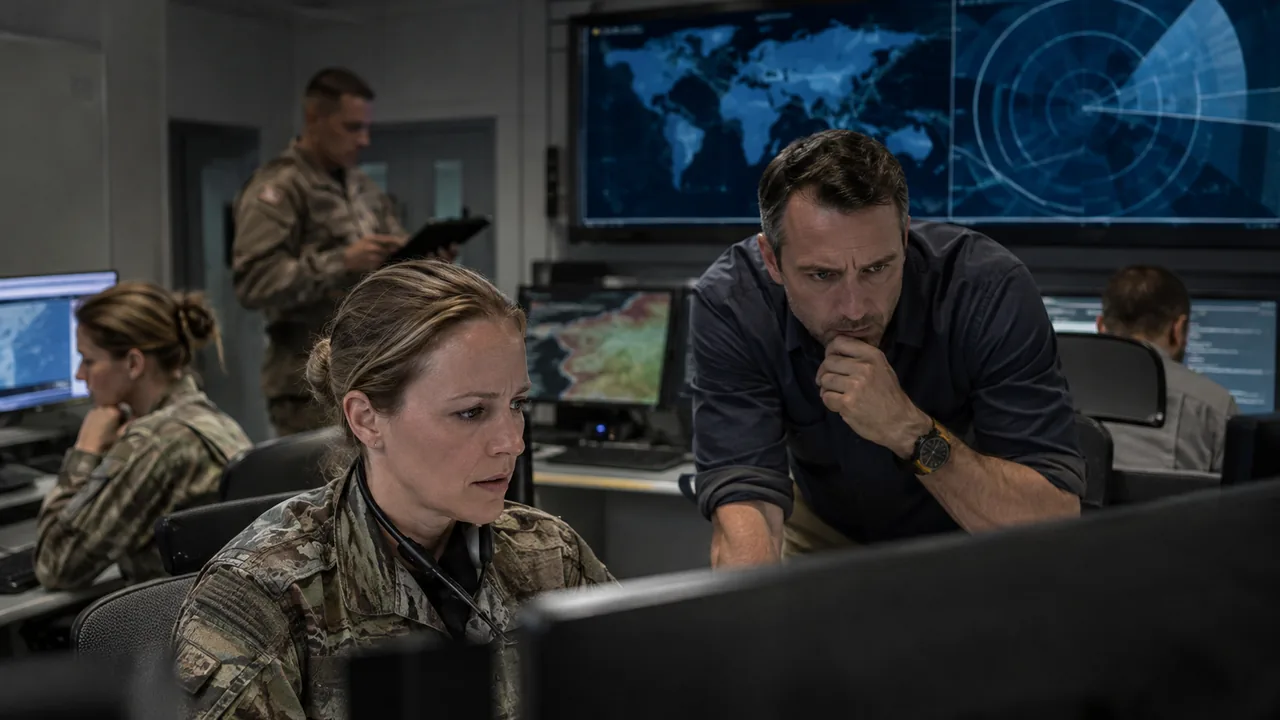
Nuclear weapons change the possible consequences of a confrontation between major powers. They do not make escalation predictable. A leader may believe that a threat will deter an opponent; that opponent may instead conclude that it must act before its options disappear. The more each side worries about surprise, the harder it can become to interpret preparations calmly.
SIPRI's nuclear arms-control overview describes the erosion of safeguards and strategic dialogue. The relevant warning is about a weaker environment for managing disagreement, rather than a timetable for nuclear war. More suspicion and fewer trusted channels can make an already serious confrontation harder to contain.
A nuclear warning, a change in readiness and an actual detonation are different events. They must not be blended into one dramatic story. The article on nuclear false alarms examines how incomplete information could become especially dangerous when leaders feel they have little time to decide.
The routes by which a distant war reaches home
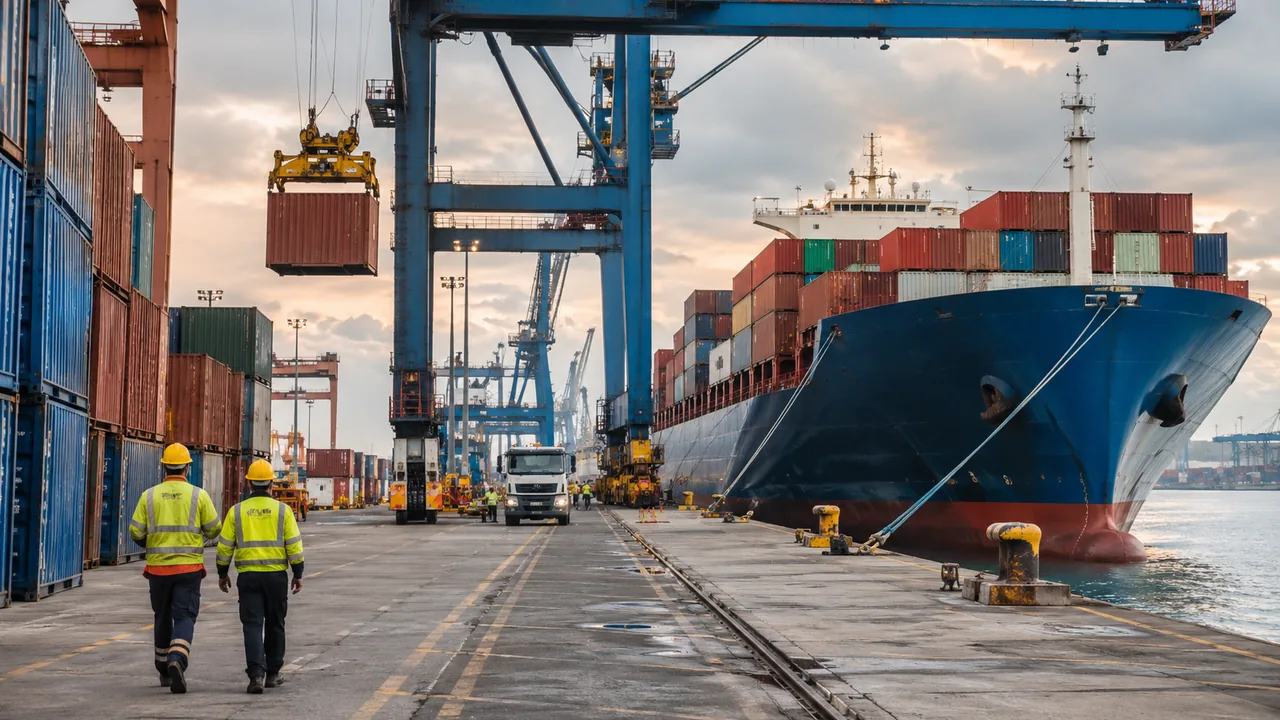
Shipping, energy, banking, communications and food markets connect households to events far away. A threat to an important sea route can raise transport costs or delay deliveries. A cyber incident can disrupt a supplier that serves organisations in several countries. Anxiety can also move faster than any physical shortage, changing how businesses and consumers behave.
These effects do not all happen together or to the same degree. A company may have alternative suppliers. A port may remain open. An energy price can rise and later fall as conditions change. Serious analysis follows the connection rather than assuming that the worst outcome has already occurred.
For your own household, identify the exposure. Is a relative travelling through the affected region? Does your employer rely on a particular import? Is a medical appointment dependent on a disrupted service? A specific answer gives you something useful to monitor. An endless feed of unsorted alarming claims usually does not.
What to watch, and what it can really tell you
A statement about a possible future action is different from evidence that the action has begun. Large exercises, diplomatic withdrawals, route restrictions and mobilisation announcements can be significant, but their meaning depends on context. No single public indicator gives an ordinary reader a reliable countdown to global war.
| Development | Useful question | What it does not prove |
|---|---|---|
| Additional forces are deployed | What mission and limits have been announced? | That a decision for wider war is final |
| A diplomatic channel closes | Are other channels still operating? | That all negotiations have ended |
| Shipping is disrupted | Which routes and operators are affected? | That every imported item will run out |
| A nuclear threat is reported | What was said, by whom and in what context? | That a launch has occurred |
Use a small number of reliable sources and compare reporting times. A story first published yesterday may be circulating today as if it describes a new event. An old video can also be reused to imply a fresh attack. Verification protects your judgement as well as the people who might act on what you share.
A realistic chain of escalation, without pretending it is a forecast
Consider an imagined sequence. A regional strike kills personnel from an outside power. That government responds against a limited military target. The opposing side believes a wider attack is coming and strikes a supply base elsewhere. Allies move forces to protect their personnel, while cyber incidents make it harder to establish what happened.
At each step, decision-makers might stop, negotiate or choose a more limited response. The sequence illustrates how separate actions can create a wider conflict; it does not claim that this chain is currently unfolding. The most useful question is where the brakes could work: reliable intelligence, direct contact, clear limits, mediation and a credible way for both sides to step back.
Thinking in chains also reveals why small diplomatic achievements matter. A prisoner exchange or agreement protecting a communications route may look modest beside dramatic footage. Yet preserving a working relationship can make the next dangerous incident easier to manage. Prevention often looks less dramatic than the catastrophe it helps avoid.
How to respond when a disturbing claim appears
Start with the source. Open the organisation's own website or recognised news service rather than following a forwarded login or payment link. Read the whole report, including the time, location and description of what remains uncertain. If the claim concerns your safety, look for the relevant official instruction for your location.
Next, separate information from action. A report about fighting abroad might justify checking travel advice. It does not automatically justify leaving your home, withdrawing all your money or buying equipment you cannot afford. Match the response to a verified consequence affecting you.
Finally, decide when to check again. A short review at a sensible interval is often more useful than refreshing the same uncertain story. If another family member is anxious, agree which source you will use together and what kind of change would require action. That turns a vague fear into a shared decision.
Families abroad, travel and unequal exposure
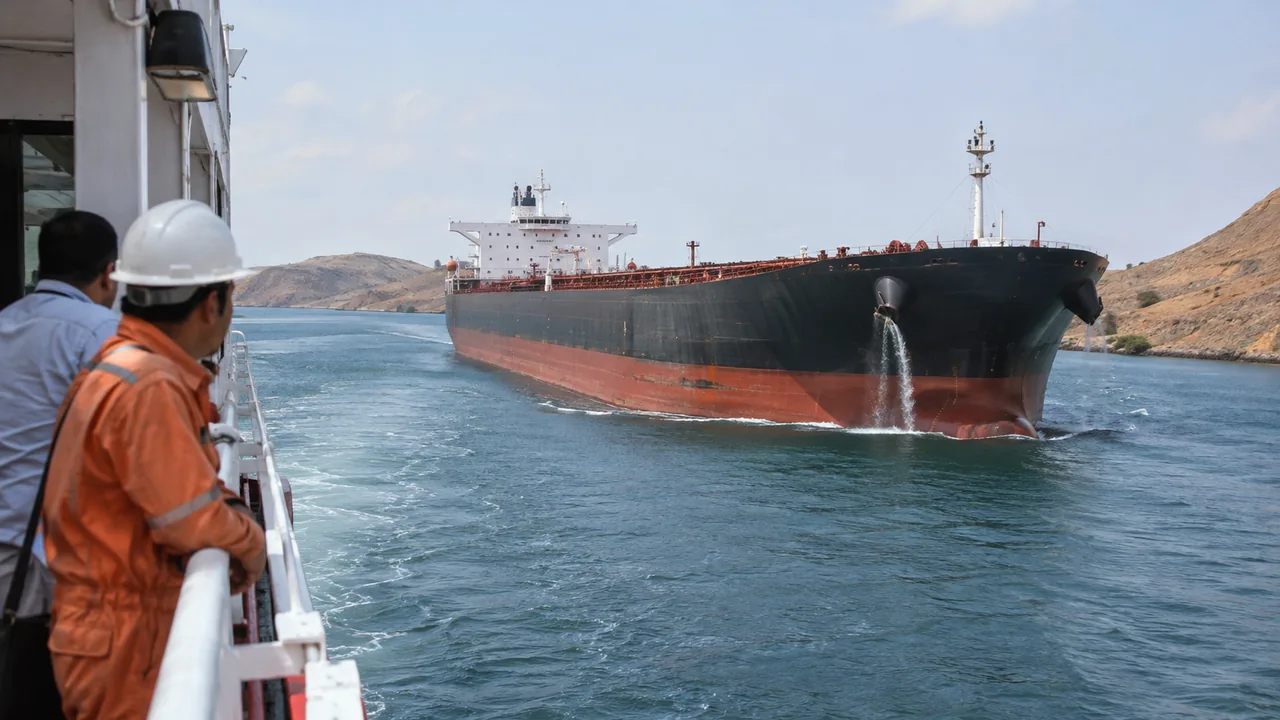
The same conflict can mean very different things to different readers. Someone with no direct connection may face rising costs. A household with relatives near the fighting may be trying to establish whether they are alive. A traveller may need current advice about borders, insurance or transport that changes quickly.
Use the FCDO foreign travel advice service for the actual destination and read the relevant local authority guidance. Advice for one country is not automatically suitable for its neighbour. If travel is already disrupted, contact the transport operator and insurer through details you have independently checked.
Avoid publishing a relative's live location or movement plans in public groups. Share necessary information with trusted contacts and appropriate services. When discussing a conflict, distinguish governments and armed groups from ordinary people of the same nationality or religion. Collective blame can create additional danger for people who have no control over military decisions.
Why a wider war would harm children long after the fighting
The most visible damage is often a destroyed building. Less visible harm includes interrupted schooling, missing vaccination visits, family separation and the loss of an adult's income. These effects can continue after a ceasefire, particularly where records, transport and local services have also been damaged.
For that reason, concern about war should include humanitarian access and the protection of civilian infrastructure. A hospital needs more than an intact roof: it needs staff, electricity, medicines, clean water and safe routes for patients. Damage to one part can weaken all the others.
Supporting reputable humanitarian work, checking a charity before donating and resisting dehumanising claims are practical forms of engagement. They do not give an individual control over a war. They do help preserve the human judgement that fear and propaganda can erode. A safer future depends partly on what societies are willing to accept in the treatment of civilians today.
Separate the military chain from the economic chain
Two families can experience the same war through very different routes. A household near a border may need immediate protection from violence. A household in Britain may first notice a cancelled journey or a higher delivery cost. Both experiences matter, but they should not be used as interchangeable evidence that the military conflict has expanded.
Consider an imagined report that a commercial shipping company is avoiding a route. That could change delivery times without adding a new country to the fighting. A separate report that armed forces have exchanged direct strikes would raise a different set of questions. Combining the two under a single dramatic headline can make it harder to identify the development that deserves the most urgent attention.
A useful assessment keeps a short record of the change and its consequence. For the military chain, note confirmed participants, operations and geographical spread. For the economic chain, note the affected route, product or service and the alternatives available. For humanitarian effects, ask which people cannot obtain safety, treatment or essential supplies. The categories connect, but each needs its own evidence.
This approach also helps when events improve. A resumed shipping route may ease one pressure while fighting continues. A ceasefire may reduce immediate violence while damaged services and displacement remain. Avoid treating one positive development as proof that every consequence is over, or one negative development as proof that all efforts at restraint have failed.
The purpose of following these separate changes is practical clarity. It shows what needs protection now, what needs monitoring and what requires a longer recovery. It also leaves room for people to act with compassion rather than see the whole crisis only through their own country's costs.
What can stop a regional war from spreading?
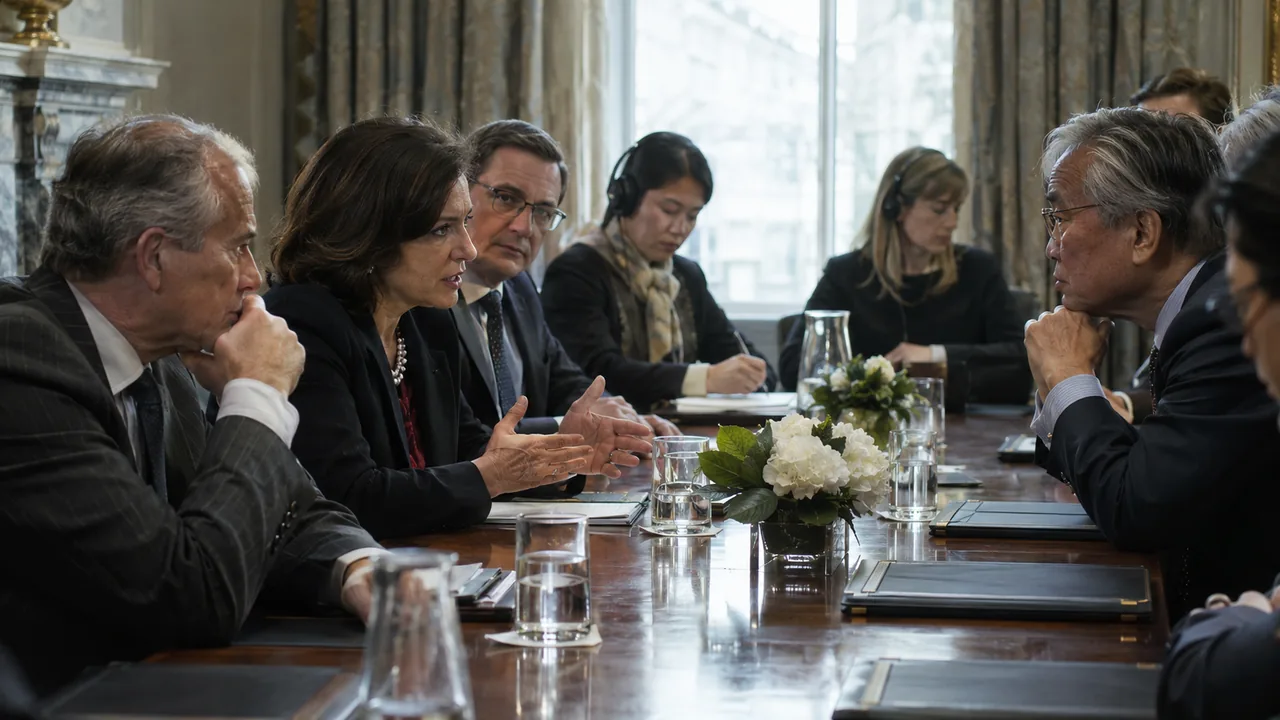
Escalation is influenced by political decisions, military restraint and the availability of workable alternatives. Direct communication can clarify an incident. Independent monitoring can reduce disputes about what occurred. Agreements with limited aims can create space for wider negotiations even when trust remains low.
There are also limits to what outsiders can know. Public reporting may not reveal private diplomatic contact. A quiet period may reflect progress, preparation or neither. Avoid treating uncertainty as proof of the most frightening explanation. A responsible assessment explains which evidence would make it change.
The practical next step is simple: choose one relevant exposure and one dependable source. Check a relative's communication plan, review destination advice or understand the service disruption that could affect your work. Keep the wider human stakes in view. A regional war could become something much larger, but recognising the routes to escalation also shows why careful choices still matter.
Frequently asked questions
Does sending weapons automatically mean a country is at war?
No. Military support can increase involvement and create escalation risks, but the consequences depend on what is supplied, how it is used and the actions of the states concerned. Assess actual operations and official commitments rather than treating every shipment as the same legal or military event.
Could Britain be affected without being directly attacked?
Yes. Energy prices, shipping, travel, cyber incidents and uncertainty can affect people far from combat. The scale varies. Identify the actual connection to your household before assuming that a disruption elsewhere will produce the same disruption at home.
Is a nuclear threat proof that nuclear war is about to begin?
No. Threats must be taken seriously, but they do not establish that weapons have been launched or that a particular outcome is inevitable. Check the original statement and reliable reporting, and distinguish political signalling from confirmed military action.
Can one person use public information to predict World War Three?
Public information can help explain risks and important developments. It cannot provide a dependable countdown. Claims of certainty often ignore unknown decisions, incomplete evidence and efforts to prevent escalation. Look for analysis that explains its limits and updates when facts change.
What should I do after reading an alarming war story?
Check its source, date and location, then ask whether it changes a practical decision for you. Review relevant travel or service advice where needed. Avoid spreading unverified claims, and choose a sensible time to check for further information rather than monitoring continuously.