
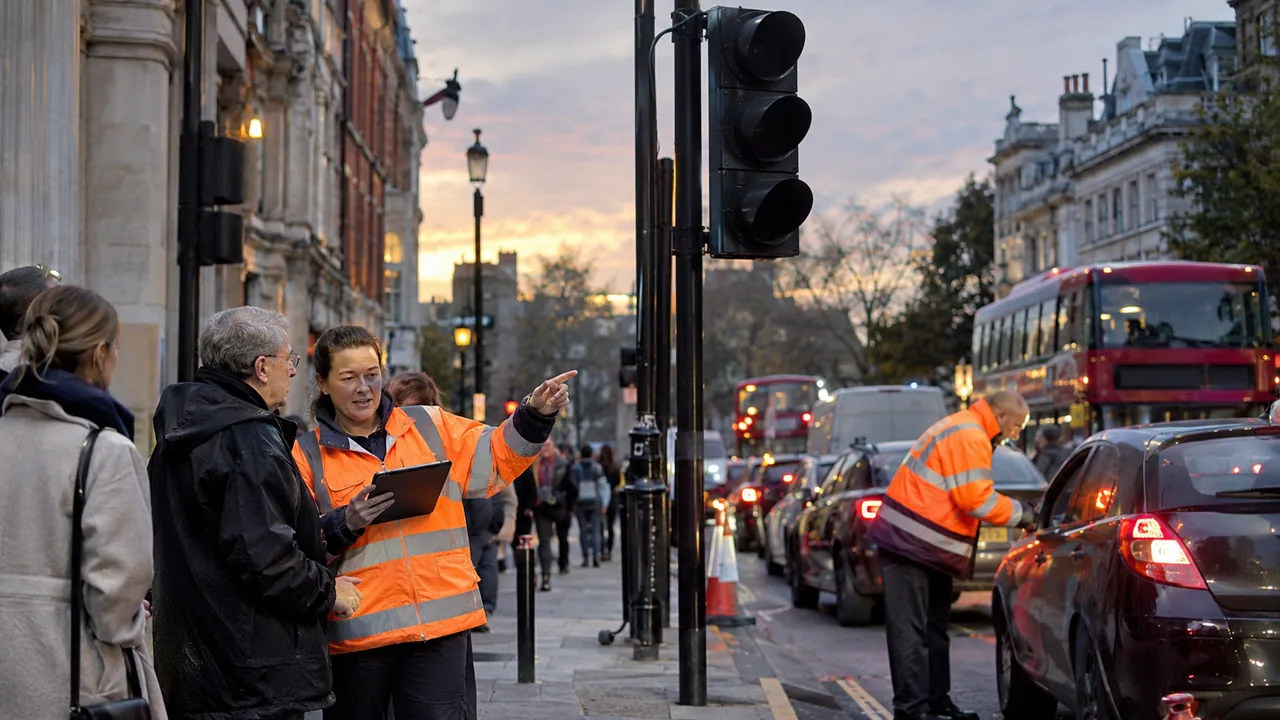
A city does not stop because one computer displays an error. It becomes vulnerable when the same disruption affects several services, the alternatives depend on those services too, and people cannot obtain reliable information. A cyberattack can create that kind of chain, particularly where many organisations rely on a small number of connected suppliers.
The threat is real, but an entire city switching off at once is not the normal result of every incident. The useful question is which functions have failed and how the failures interact. For a patient waiting for treatment, a worker unable to receive wages or a person relying on a powered medical device, even a partial breakdown can already be serious.
What does bringing a city to a standstill mean?
A city-wide disruption may involve delayed transport, unavailable payments, interrupted council services or difficulties accessing healthcare. Some neighbourhoods and organisations may continue normally while others face severe problems. Describing the city as stopped can hide those differences.
Start with the service rather than the dramatic label. Is electricity actually unavailable, or is an organisation's billing system down? Are trains suspended, or is the ticketing website affected? Is an appointment cancelled, or does the provider need extra time to confirm details? Accurate distinctions help people make safer decisions.
An attack can also cause precautionary shutdowns. An operator may isolate systems to prevent damage or investigate suspicious activity. That can be disruptive without proving that an attacker has taken direct control of every affected process. Early reports should make clear what is known, what is being checked and which functions remain usable.
Why separate organisations can fail together
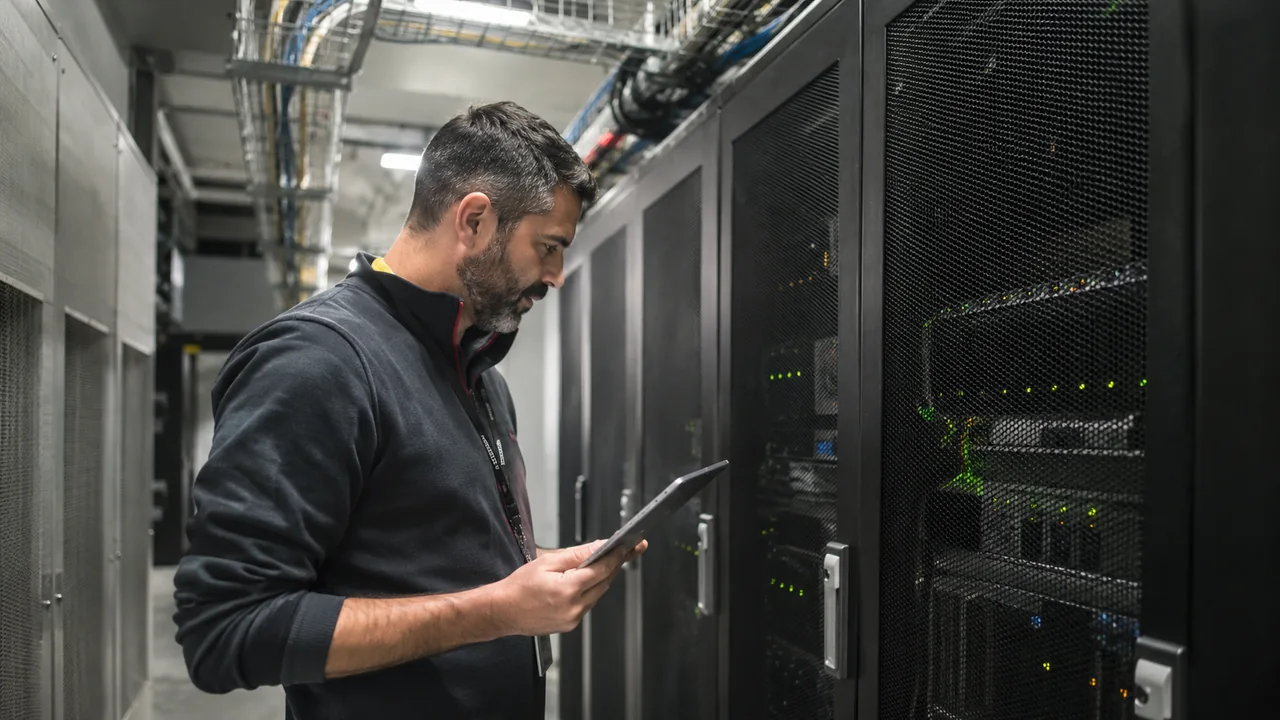
A hospital, retailer and local business may appear independent but share an outside technology provider. They may also depend on telecommunications, payments, electricity or a common software service. A problem at one point can therefore reach many users through normal business relationships.
This is a dependency: something another service needs in order to work. Resilience depends partly on whether an alternative avoids the same point of failure. Two contact methods are not truly independent if both require the same unavailable network or account.
For readers, dependency thinking is more useful than imagining a single all-powerful city computer. Write down a service you need, what it depends on and what would happen if that support failed. The exercise reveals where practical questions should be directed, including which provider can give trustworthy information during an interruption.
The difference between information systems and physical operations
An organisation's office systems may handle messages, appointments and payments. Other systems monitor or control physical equipment. The relationship between them varies. A compromise in one area does not automatically establish that an attacker can operate equipment in another.
Good separation can limit the reach of an incident, while poorly managed connections can create additional risk. Public reporting often lacks enough detail to judge the relationship immediately. Avoid converting a vague statement about IT disruption into a claim about control of water pumps, trains or electricity equipment.
The NCSC's incident-management review highlights the continuing significance of familiar weaknesses and essential-service dependencies. The practical point is that serious incidents can begin through ordinary failures. The presence of sophisticated technology does not remove the value of maintenance, access limits and well-rehearsed recovery.

Healthcare shows how a supplier problem becomes a human problem
A medical service needs access to records, laboratory results, booking information and reliable communication. If one part becomes unavailable, staff may have to slow or change work to keep patients safe. The consequences can extend beyond the organisation first affected.
That does not mean patients should assume that every appointment is cancelled. Follow the provider's instructions and check through an independently verified route. Attend as directed unless told otherwise, and seek urgent help when it is needed. A cyber incident is not a reason to ignore symptoms that require emergency care.
The article on hospital ransomware looks at this more closely. The wider lesson for a city is that the severity of a digital disruption is measured partly in delays, missed support and increased risk to people, rather than only in the number of damaged machines.
Transport disruption can create pressure elsewhere
A fault affecting signalling, scheduling, ticketing or information can have different consequences. A transport operator may reduce services while checking safety or use a different procedure. Passengers need clear instructions about the actual journey, not an unspecific claim that all travel is impossible.
When many people change plans together, other systems feel the pressure. Roads may become busier, taxis harder to obtain and staff less able to reach workplaces. A carer delayed by transport may be unable to visit someone at the expected time. The secondary effect can matter more than the original inconvenience.
Before setting out, check the operator's current information through a known channel. If a journey is essential, consider what happens if the return trip is also delayed. Coordinate with someone who may be expecting you. Avoid taking an unsafe route simply because an unverified account claims it is a shortcut around the disruption.

Payments and access to money
A payment failure can affect a particular retailer, bank, network or transaction type. It does not necessarily mean that accounts have been emptied or the whole banking system has failed. The first task is to identify the scope and obtain information from the relevant provider.
Fraud can follow disruption. A message may claim that you must move money to protect it, reconfirm credentials or pay a fee to regain access. Contact the bank using its official application or details you already trust. Do not let a caller's knowledge of the incident replace an identity check.
For businesses, a clear record of transactions and a documented process for interruptions help avoid confusion. For households, understand which payment methods you can realistically use if one service is unavailable. Do not keep repeating a failed payment without checking whether it has already been recorded, particularly when information is delayed.
Water, power and communications need careful reporting
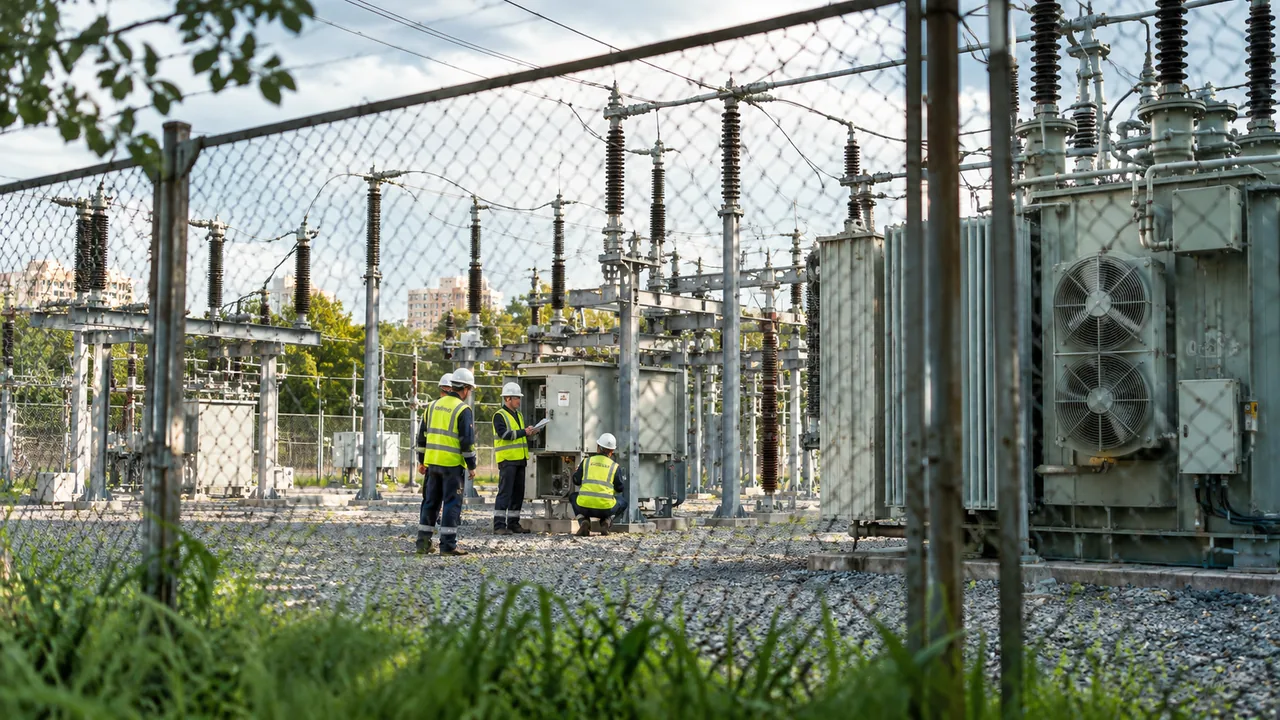
These services support many other activities, so a disruption can have broad effects. Yet the cause and consequence must be stated precisely. An unavailable customer website is different from an interruption to supply, and an interruption to supply is different from contamination or damage.
Follow the provider's actual instruction. If a water company issues advice about use, boiling or alternative supplies, apply that advice for the stated area. Do not assume that boiling resolves every possible water problem. If electricity is unavailable, use the operator's confirmed updates and appropriate support arrangements rather than attempting repairs yourself.
Communications can be affected by congestion as well as technical failure. Keep messages concise and use agreed contacts where possible. If an urgent service cannot be reached through the usual route, follow its published alternatives. Public information needs to be accessible to people who cannot rely on a smartphone or a continuous internet connection.
A realistic example of a cascading disruption
Imagine an attack affecting a shared business-services provider. Several organisations lose access to booking and communication systems. A medical supplier cannot confirm deliveries, a local employer cannot process some payments and a council service has difficulty answering routine enquiries.
Nothing in that imagined sequence requires all electricity or water to stop. Yet a vulnerable resident could face overlapping problems: a delayed delivery, uncertainty about support and difficulty contacting the right person. If staff also struggle to travel, the pressure increases further.
Now consider the alternatives. A paper contact list, an independently available telephone route and a pre-agreed delivery procedure could each interrupt part of the chain. They must be tested, maintained and suitable for the people using them. An alternative that depends on the same unavailable system may look reassuring on a document but fail in practice.
Which information should the public expect?
An early update should identify affected services, actions people should take and the next route for information. It may not yet identify the attacker or explain the full technical cause. Those uncertainties should not prevent practical guidance.
| Useful update | Why it matters |
|---|---|
| The specific service and area affected | People can identify whether the notice applies to them |
| Safe alternatives and important exceptions | Vulnerable users can make realistic arrangements |
| The time of the next update | Repeated checking and rumours become less necessary |
| A clear warning about impersonation | Criminal follow-up messages are easier to question |
| What remains uncertain | A provisional statement is not mistaken for a final finding |
A speculative restoration time can create further harm if people make decisions around it. It is better for a provider to explain what is being tested than to offer certainty it does not have. Recovery should include safe operation, not only a system starting again.
Who is likely to be affected first or hardest?
Someone who can work from home, delay a purchase or make another journey has options. Someone dependent on time-sensitive treatment, care visits, an accessible vehicle or an hourly wage may have fewer. The same technical failure can therefore create very unequal consequences.
A useful household conversation begins with those dependencies. What service cannot simply wait until tomorrow? Who knows about that need? What support arrangement exists, and when was it last checked? Contact the relevant provider to discuss actual arrangements rather than assuming a general registration guarantees a particular response.
Local organisations should include people with different access needs in exercises and communication plans. A website-only notice may miss people with limited connectivity, vision or literacy. Planning that accounts for those differences can reduce the human cost of an incident without requiring every resident to understand its technical details.
What to do during a confirmed incident
Choose a small number of reliable channels. Record important instructions and check their timestamps. If you contact a provider, explain the practical issue you face, such as an urgent appointment or essential delivery, rather than asking only whether the attack is serious.
Avoid spreading guesses about the cause. Attribution can take time, and an unsupported accusation may distract from the response. Do not download a supposed repair tool or reveal credentials because a message refers to the real disruption. Criminals can repeat public details just as easily as legitimate services.
If you are supporting someone else, confirm what help they actually need and what is safe for you to do. Informal assistance should complement professional care, not replace clinical decisions or specialist repairs. Keep a record of arrangements so that several well-meaning people do not all assume someone else has followed up.
Keep a record of unresolved consequences
During disruption, note the appointment, delivery or payment that still needs confirmation. Record the provider's instruction and when you received it. After services return, use the published follow-up route to check the outstanding issue. This prevents a restored website from being mistaken for resolution of every individual problem, especially when temporary records need to be reconciled.
Test whether the alternative shares the same weak point
A city service may advertise a backup contact route or a second technology provider. The arrangement is useful only if it remains available during the failure being considered. A different telephone number, application or company name may still depend on the same network, account or supplier.
Imagine a local organisation losing its main online system. Staff discover that the emergency contact list is stored inside the same account, and the alternative messaging service requires the same unavailable connection. The plan contains several options on paper, but all of them fail together. The weakness is shared dependence rather than a lack of good intentions.
A realistic exercise should therefore start with a specific failure. Ask which information and tools disappear, who notices first and how the next person is contacted. Use an actual essential task, such as confirming a care visit or an urgent delivery. The test should show whether the proposed alternative supports that task safely, not simply whether someone can open a second application.
Record the result and any limits. An alternative may work for a short interruption but not a prolonged one, or for routine enquiries but not sensitive records. Knowing that boundary helps people decide when additional support is needed. It is more useful than declaring the entire service resilient after one successful demonstration.
The public does not need every technical detail to ask for this discipline. A provider can explain how users obtain help and what is being tested without exposing sensitive infrastructure. The aim is a dependable service for the people who need it, particularly those whose circumstances leave little room for a failed assumption.
Recovery is more than switching systems back on
A restored website does not prove that every record, appointment and transaction is correct. Organisations may need to reconcile changes made during the interruption and check whether information was exposed. Users may receive later instructions that are separate from the original service recovery.
Keep relevant confirmation messages and review important outcomes through official channels. A missed appointment, duplicate payment or altered contact detail may need attention after the headline has moved on. For organisations, explaining that follow-up process is part of recovery rather than an optional communication exercise.
A cyberattack could bring major parts of a city to a standstill. The most useful response is to understand the connections that make it possible and the alternatives that can limit the harm. Choose one essential service today, identify its verified update route and ask what happens if its usual system is unavailable. The people who depend on it deserve an answer before a crisis tests the assumption.
Frequently asked questions
Can one attack shut down every city service?
It is possible for a serious incident to affect several connected services, but a single universal shutdown should not be assumed. The extent depends on shared providers, system separation and alternatives. Check which functions are actually affected and what the relevant operators confirm.
Does an unavailable website mean the physical service has stopped?
No. Customer information systems and physical operations can be separate. A provider should explain whether the issue concerns information, transactions or supply. Follow its specific guidance rather than inferring a water, power or transport failure from a website error.
Should I cancel a medical appointment because of cyberattack news?
Follow the healthcare provider's instructions and use a verified contact route if you need clarification. Do not assume every appointment is cancelled. Seek urgent help for urgent symptoms; a reported cyber incident does not remove the need for emergency care.
Why can recovery take longer than expected?
Operators may need to investigate access, restore information, test safety and reconcile work completed during the disruption. Restarting equipment is only one part. A responsible update distinguishes a working system from a fully checked and safely restored service.
What is one useful question to ask a service provider?
Ask how you should obtain verified information and essential support if its usual online system is unavailable. Explain any time-sensitive need. Check that the proposed alternative does not depend entirely on the same account, connection or service that might be affected.