

Your video call, bank payment and work files may feel as though they travel through the air. Much international communication actually depends on cables laid across the seabed. They are easy to overlook because the part most people see is a phone or router, not the physical infrastructure connecting one continent to another.
An undersea cable disruption can therefore affect services far from the damaged section. The consequence depends on alternative routes, spare capacity and how quickly repairs can be arranged. One break does not normally mean the entire internet disappears. The serious threat is concentrated dependence: too much essential activity relying on too few genuinely independent connections.
Why the internet needs cables beneath the sea
Submarine telecommunications cables carry data between places separated by water. They connect into wider networks on land, linking users to services and one another. Satellites provide important communications, but they do not make the cable network unnecessary or offer an unlimited replacement for it.
The internet is better understood as many connected networks than as one central machine. Data can sometimes take a different route when a connection fails. Whether that alternative performs well depends on the capacity and connections available along the way, not simply the existence of another line on a map.
For a household, this physical reality explains why a local internet connection can appear healthy while an overseas service becomes slow or unavailable. The problem may lie beyond the home network. Restarting equipment repeatedly cannot repair a distant link, and a vague report about cable damage does not establish that your router is faulty.
What can damage an undersea cable?
Cables face accidental damage, natural hazards and the possibility of deliberate interference. The cause of a particular incident should be established through evidence. A break occurring during political tension does not by itself prove an attack, just as an initially unclear cause does not prove the incident is harmless.
Fishing activity, anchors and seabed movement can be relevant in different settings. Conditions vary along a route, and risk management has to account for the actual environment. Public explanation does not need to identify vulnerable locations or describe ways to damage infrastructure in order to explain the threat.
The ITU's cable-resilience work highlights physical risks, repair challenges and concentrated dependence. Its useful message is about stronger resilience and cooperation. It is not evidence that every break has the same cause or that all countries would experience the same consequences.
What users might notice first
A disruption can appear as slower international connections, unavailable services, interrupted calls or difficulty reaching a particular provider. Other activity may continue normally. The pattern depends on the affected routes and the way operators redirect traffic.
Several unrelated-looking problems can also share a connection. A work application, payment provider and communications service may rely on infrastructure that users never see. At the same time, a failure in one application could have an entirely different cause. Symptoms alone rarely identify the damaged component with certainty.
Check provider updates before making major changes at home. A confirmed wider incident may explain the problem more usefully than repeated device resets. Record which services work and which do not, and pass that information to support if needed. A clear description helps distinguish a local fault from an issue further along the connection.
Why one break affects some places more than others
A region served by several diverse routes may redirect traffic and maintain much of its connectivity. A place with limited alternatives can face a more serious interruption. Geography, available capacity and the concentration of connections all influence the outcome.
Diversity must be real. Two services sold by different companies may share part of the same physical route or upstream provider. Buying another brand does not automatically remove the underlying dependence. This matters for organisations that need reliable access during a disruption.
The question is not whether every route can be made invulnerable. It is whether enough independent options exist to keep important services working when something fails. That is a planning and investment issue as well as a technical one. People in less connected places should not be expected to solve a national infrastructure gap by purchasing a different home package.
Why repairs are not as simple as replacing a home lead
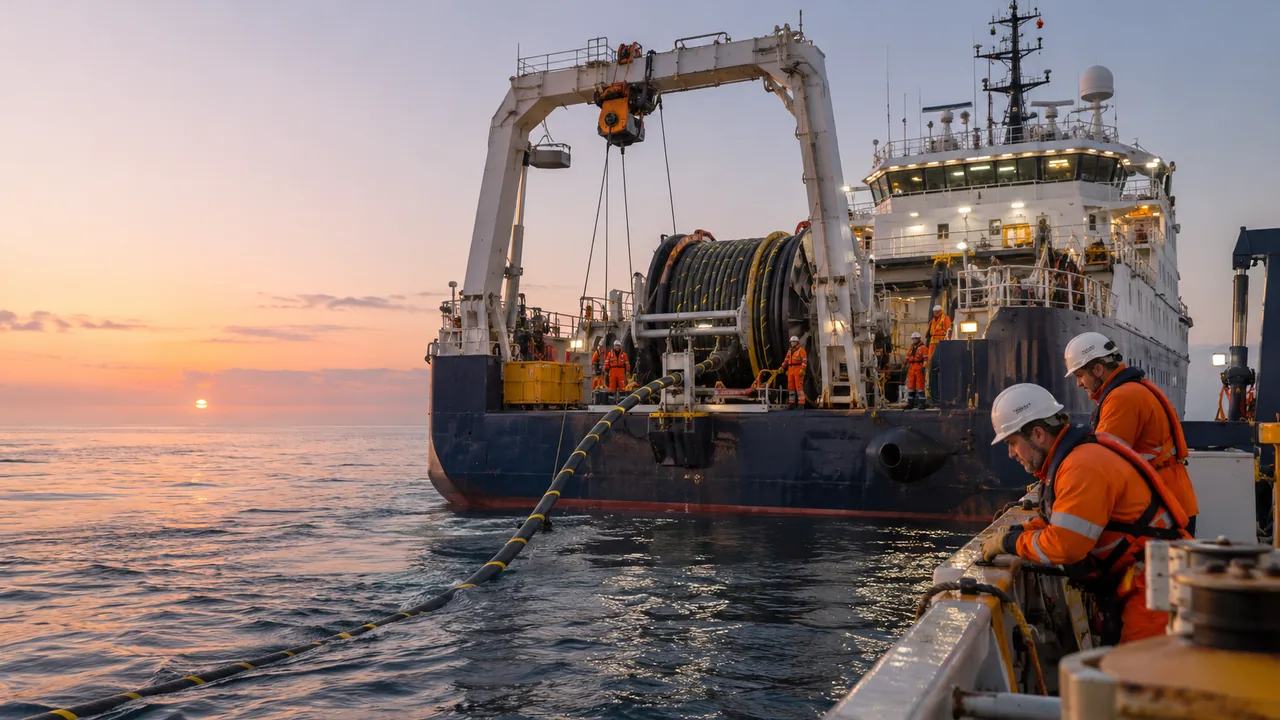
A repair can require a specialist vessel, suitable equipment, trained crews, permissions and workable sea conditions. The organisation of that work can take time even after the damaged section is identified. A restoration estimate may change as the investigation and repair progress.
The delay is not always evidence of neglect or a continuing attack. Equally, repair arrangements deserve scrutiny before an incident. Contracts, access, coordination and the availability of specialist resources influence how quickly a problem can be resolved.
Public updates should distinguish diagnosis, traffic management and physical repair. Service may improve through alternative routing before the cable itself is repaired. A successful repair may also require testing before normal operations resume. These are different stages, and explaining them helps users make realistic plans rather than interpret every change as a new failure.
Could satellite internet replace the lost connection?
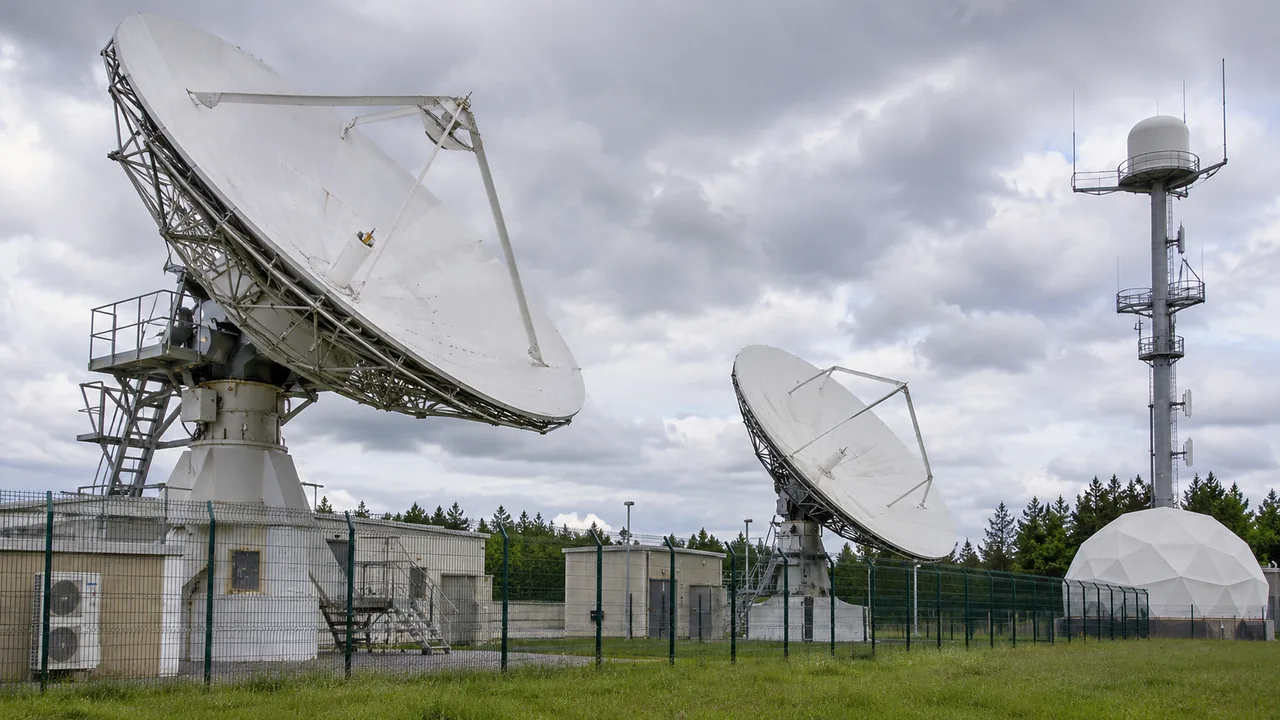
Satellite services can provide valuable alternatives for some users and locations. Their suitability depends on coverage, capacity, equipment, the service being used and the conditions of the interruption. They should not be described as an instant unlimited replacement for all international cable traffic.
An organisation considering an alternative needs to test whether it supports the tasks that matter. Can staff reach the required application? Is performance sufficient? Does the equipment have power, and who knows how to use it? A backup connection that has never been tried can create false confidence.
The Emerging Tech category provides the wider context for connected technology risks. Different technologies can reduce particular risks, but each has its own limits. The aim is a workable combination of options, rather than a belief that one technology eliminates every possible interruption.
How a cable problem reaches banking and business
A payment or business process may require communication with a provider in another country. If connectivity is disrupted, an apparently local transaction can slow or fail. The extent depends on how the service is designed and what alternatives are available.
A failed transaction does not automatically mean money is missing. Check the provider's own information and your records before repeating a payment. Keep confirmation details and distinguish a pending status from a final result. If you need help, use a trusted contact route rather than an unexpected message offering a faster fix.
For businesses, the important question is which operations can continue when a usual online service is unavailable. Customer communication, order records and payment checks may need an agreed temporary process. The process should protect information and avoid creating inconsistent records that take longer to resolve after the connection returns.
An imagined disruption with unequal consequences
Consider a small island community with limited international connections. Damage to more than one route leaves some services operating slowly while others are unreachable. A family cannot contact relatives abroad, a business cannot confirm an order and a local service struggles to reach an outside supplier.
The event does not need to disconnect every device to create serious harm. A delay that is inconvenient for one user may be critical for someone waiting for medical support or essential income. The severity comes from dependence and timing as well as the length of the outage.
Now imagine that alternative routes, tested continuity procedures and clear public updates are available. Those measures cannot prevent all inconvenience, but they can interrupt the chain of consequences. This scenario shows why resilience is a public-interest issue. The burden should not fall only on individuals after the physical connection has already failed.
What households should check during an incident
Begin with your internet and service providers' verified notices. Check whether the incident affects your area and the services you use. If there is no clear information, report the actual symptoms without guessing the cause. A technical support team needs specifics such as when the problem began and which functions still work.
Avoid following unfamiliar links promising to restore connectivity or move your account to an emergency network. A real disruption can be used as the background for fraud. Open the provider's normal application or website independently, and do not reveal security codes to an unsolicited caller.
If communication with relatives is affected, use an agreed alternative where available and keep messages concise. Decide when to check again rather than exhausting devices with repeated unsuccessful calls. If someone has an urgent health or safety need, use the relevant local service arrangements rather than waiting for an overseas application to return.

Questions for an employer or important provider
| Question | Why it is useful |
|---|---|
| Which essential tasks require overseas connectivity? | The actual exposure becomes clearer |
| Are alternative connections physically diverse? | A second brand may share the same route |
| When was the fallback tested? | A purchased service is not the same as a usable capability |
| How will updates reach users? | The normal channel may be part of the interruption |
| How are temporary records reconciled? | Recovery can otherwise create missing or duplicate work |
These questions do not require sensitive route details. A provider can explain the principles and user arrangements without publishing information that would create additional infrastructure risk. Transparency about service continuity is different from revealing every technical component.
The danger of jumping to conclusions about sabotage
Cable incidents can become part of geopolitical argument before the evidence is complete. An image of a ship, an unusual track or an anonymous claim may generate suspicion without establishing responsibility. Public attribution should be proportionate to the information available.
A premature accusation can worsen tension and distract from repair and service continuity. It can also encourage people to dismiss later evidence if the first confident account proves wrong. The responsible approach is to separate the confirmed damage, the investigation and possible explanations.
This is closely related to the threat discussed in deepfake misinformation. The medium may differ, but the decision problem is similar: a plausible story is not the same as a verified one. Share updates that make the uncertainty clear instead of turning an investigation into a completed finding.
Resilience needs international cooperation
A cable network crosses jurisdictions and depends on organisations with different responsibilities. Deployment, repair permissions, protection and information-sharing therefore require coordination. A technical solution can be delayed if the institutions around it do not work together.
Resilience also involves who receives investment. Communities with few routes or limited resources can experience greater harm from the same type of failure. Improving connectivity should include the ability to withstand disruption, rather than only adding capacity during normal conditions.
For the next generation, the issue is whether essential digital access is built on dependable foundations. Education, healthcare, work and family contact increasingly rely on them. It is reasonable to expect those foundations to be maintained, diversified where feasible and supported by realistic recovery arrangements.
A second connection should be tested with the real task
A connection that opens a simple webpage may still be unsuitable for an essential application or communication need. Test the activity that matters and record any limits. Include the people who will actually use it during an interruption. This turns a reassuring purchase into evidence about what the alternative can support.
Physical diversity is different from a different brand
A business may purchase connections from two companies and assume that the second will survive any failure of the first. That may be true for some incidents and false for others. Both services could share a physical route or depend on a common upstream connection.
The useful question is which failure the alternative is intended to address. A problem with one provider's account system is different from damage to shared infrastructure. A suitable arrangement should explain the relevant independence without requiring publication of sensitive route details. The objective is confidence in continuity, not a map that creates another risk.
Imagine an organisation needing access to an overseas application. Its backup connection is tested only against a local webpage. During an international disruption, the organisation discovers that the essential application is still unavailable. The test proved that some connectivity existed, but it did not prove that the required service could be reached.
Testing should therefore follow the real task. Include the people who will use the alternative, the equipment and power it needs, and the information required to activate it. Record any performance or access limits. A backup might support essential messages while being unsuitable for large transfers, which is still useful if its role is understood.
This approach also helps smaller organisations avoid expensive assumptions. They can identify the most important task and ask a provider how the proposed service supports it during a defined interruption. A clear answer about capability and limits is more valuable than an impressive promise of complete resilience. Physical internet risks deserve practical scrutiny because the people relying on the connection may have no other route to essential help.
A useful step before the next interruption
Choose one online task that would be difficult to postpone. Find out which provider supports it and where verified incident updates appear. If it is an essential work function, ask how the organisation handles a prolonged interruption. Record the answer somewhere accessible.
An undersea cable break is a reminder that the digital world has physical limits. Recognising those limits need not make every slow connection alarming. It helps us identify the real dependencies, reject easy explanations and ask for resilience that protects people when an unseen link beneath the sea stops carrying what they need.
Frequently asked questions
Does one broken cable switch off the whole internet?
Usually not. Networks may redirect traffic through other routes, although performance and availability can be affected. The seriousness depends on route diversity, spare capacity and the services involved. Places with fewer independent connections may experience much greater disruption.
Can a cable incident affect a service that seems local?
Yes. A local transaction or application may rely on an overseas provider or connection. The visible service does not reveal every dependency. Check the provider's information before assuming the problem is confined to your own device or premises.
Is cable damage always deliberate?
No. Accidents, natural hazards and deliberate interference are different possible causes. Responsibility for a particular incident requires evidence. Political tension or a circulating image does not by itself establish what happened or who caused it.
Will a second internet company guarantee an independent route?
No. Different brands can share physical infrastructure or upstream providers. Organisations with essential needs should ask about genuine diversity and test alternatives. A service agreement or second router alone does not prove resilience against the same failure.
Why might service improve before the repair is complete?
Operators may redirect traffic or add temporary capacity while physical repair continues. Diagnosis, traffic management, repair and testing are separate stages. Follow verified updates so that a temporary improvement is not mistaken for confirmation that every underlying problem has been resolved.