

A navigation display is useful because people expect it to describe where they are. When a satellite signal is blocked or made misleading, that expectation becomes a safety problem. In aviation, the concern is not simply a dot appearing in the wrong place. It is the extra uncertainty and workload introduced into a system where reliable information matters.
GPS jamming puts flights at risk by interfering with one source of navigation and timing information. Spoofing can be more deceptive because it may supply a plausible but incorrect signal. Aircraft and air traffic services have safety procedures and alternatives, but those barriers must be understood, maintained and used correctly. Their existence is a reason to examine the response carefully, not a reason to dismiss the threat.
GPS and GNSS: what the names mean
GPS is one satellite navigation system. GNSS is the broader term for global navigation satellite systems, which also include other constellations. A report may use GPS informally when it is discussing interference affecting satellite navigation more generally.
These systems provide more than a position on a map. Timing information can support other functions too. The consequence of an unreliable signal therefore depends on how the receiving equipment and surrounding systems use it. A problem in one function does not automatically mean every navigation capability has disappeared.
For a passenger, the useful distinction is between a reported signal issue and the operator's assessment of a particular flight. A phone application showing an odd location is not a tool for deciding whether an aircraft's procedures are safe. The relevant information comes from the airline, airport and responsible aviation authorities.
Jamming and spoofing create different problems
Jamming interferes with reception, potentially making a signal unavailable or unreliable. Spoofing involves misleading information that may cause a receiver to calculate an incorrect result. Both can create serious difficulties, but they are not interchangeable descriptions of every incident.
An obvious loss of information may be easier to recognise than information that appears normal while being wrong. That is why cross-checking and a clear response to inconsistency matter. A confident display should not be assumed correct simply because it looks familiar.
The technical cause of a particular event needs evidence. Unusual aircraft-tracking information, a social-media screenshot or a passenger's map does not by itself establish jamming, spoofing or responsibility. Distinguishing a symptom from a verified cause protects the quality of both safety reporting and public discussion.
Why aviation takes the problem seriously
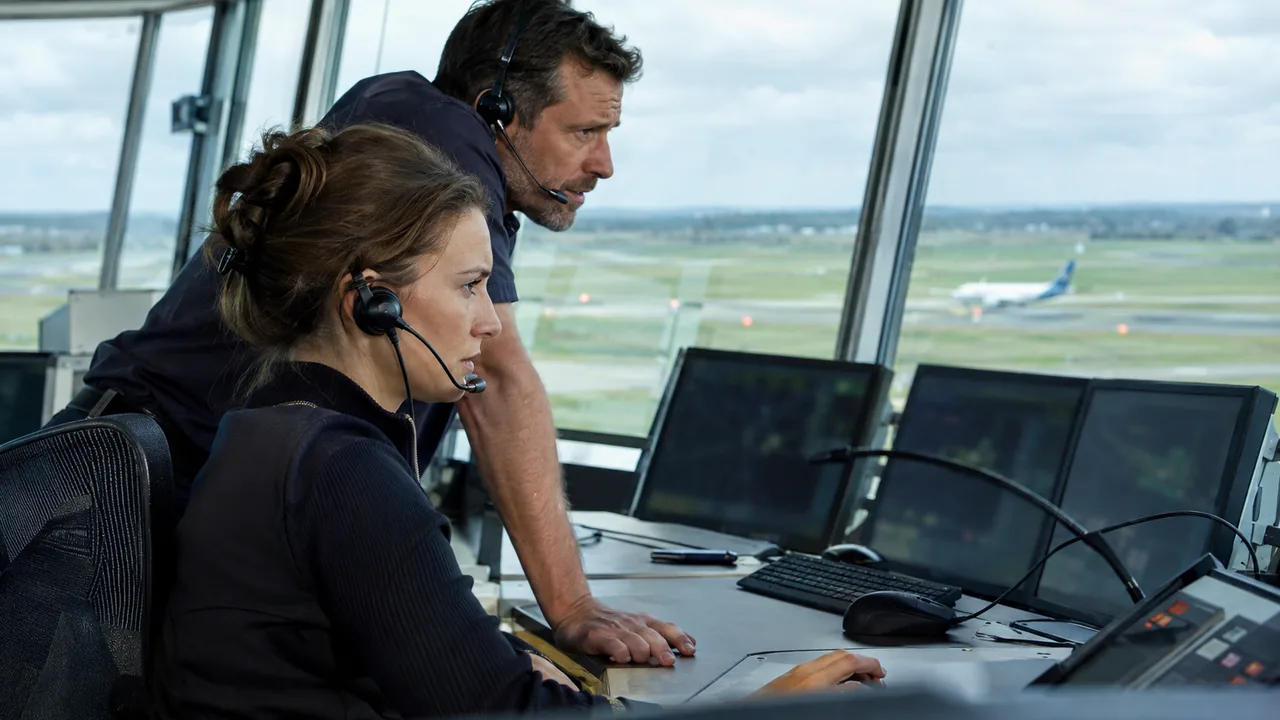
Aircraft operate within a coordinated system involving crews, controllers, navigation aids, procedures and information services. Unreliable satellite information can require additional checks or changes to operations. Those tasks create workload and can reduce capacity, especially if several flights are affected together.
EUROCONTROL's November 2026 guidance addresses preparation, detection, coordination, response and recovery. Its existence reflects a need for organised handling of degraded signals. It does not mean every aircraft in every location faces the same exposure.
Public explanation should preserve that context. A responsible report identifies the area, date, affected capability and operational response where known. A headline claiming that aircraft are flying blind can conceal important distinctions. Equally, a reassuring statement that pilots have alternatives should not be used to avoid examining whether those alternatives are available and suitable in the circumstances.
The danger is the interaction of failures
A single unreliable input can be manageable when other information is dependable and staff have time to assess it. Risk can increase when several pressures overlap: poor weather, busy traffic, unfamiliar indications or incomplete information about an affected area. The issue is the combined situation.
Imagine a crew encountering unexpected information while also handling an operational change. The need to identify which source is trustworthy can consume attention. Coordination with controllers and established procedures becomes especially valuable. This imagined example illustrates workload rather than providing flight-operating instructions.
Safety systems are designed with layers because no single component should carry the whole burden. The public interest lies in whether those layers remain effective together. Training, clear information, equipment capability and coordination should be assessed as a connected system rather than as separate reassuring words.
Why a disruption can cause delays without an accident
An operator may change a route, reduce capacity, delay departure or divert a flight in response to a navigation concern. These decisions can be costly and frustrating, but they may represent the safety system doing its job. Normal schedules are not the only measure of a successful response.
The effects can spread. A diverted aircraft may be unavailable for a later service. Crews may reach limits on their permitted duties. Passengers and cargo can miss connections, while airports need to manage changed arrivals. A geographically limited problem can therefore produce wider travel disruption.
Those consequences do not establish that every delayed flight was directly affected by interference. Airlines manage many types of disruption, and the cause of a particular delay should be confirmed. Read the actual notice and keep records relevant to your journey rather than assuming that a general news report explains every change.

What passengers should check
Use the airline's and airport's official channels for your flight. Check departure, arrival and connection information, including the time of the latest update. If your destination or route is affected by broader instability, consult the FCDO's destination advice as well.
Keep contact details and booking information accessible. If a change affects medicine, mobility support, a care arrangement or an essential onward journey, tell the operator through the appropriate route. A generic update may not address those personal consequences unless you explain them.
Do not make a safety judgement from a circulating map or an anonymous claim that a route is unaffected. The relevant conditions can change, and operational decisions depend on information unavailable to an ordinary observer. Passengers can ask for clear explanations and practical assistance without trying to replace the professional assessment of the flight.
A phone map is not an aircraft safety assessment
Passengers sometimes notice their phone showing an unexpected location during a flight. There can be several reasons for unusual consumer-device behaviour. A screenshot alone cannot establish what the aircraft's certified systems are displaying or how the crew is managing the situation.
Likewise, public flight-tracking services can contain incomplete or erroneous information. Their displays are useful for some purposes but should not be treated as a complete real-time record of every aircraft's safety status. A dramatic line on a map needs context before it becomes a claim about an incident.
If you have a concern during travel, follow crew instructions and communicate calmly through the appropriate route. Posting an unverified interpretation as an emergency can distress families and spread misinformation. The article on deepfakes and crisis rumours explains why a compelling visual can carry more apparent authority than its evidence supports.
What distinguishes interference from space weather?
Human-made interference and natural space-weather effects can both affect satellite-related services, but they have different causes. A disruption should not be attributed to an adversary or a solar event simply because either explanation is possible.
The Solar Storm category provides the wider context for this natural hazard. For the reader, the key is to check what the responsible operator or authority has confirmed. An explanation based only on timing, a visible aurora or a widely shared rumour is not enough to identify the cause.
This distinction also matters for recovery. A signal appearing normal again is one observation, not a complete assessment of every affected system. Operators may need to verify information and coordinate a return to usual procedures. Public updates should explain that process without disclosing sensitive operational details or promising certainty too early.

The issue extends beyond aircraft
Satellite navigation and timing support activities on land and at sea as well. A disruption can therefore affect different sectors in different ways. The same signal problem may be inconvenient for one user and safety-critical for another, depending on the task and available alternatives.
Do not assume that advice for one sector transfers directly to another. A ship, a road vehicle and an aircraft operate with different equipment, procedures and constraints. A general article can explain the shared dependence without supplying specialised operational instructions outside the reader's role.
The broader policy question is how essential services reduce excessive dependence on a single information source. That includes suitable alternatives, trained people and a clear response to inconsistency. Resilience is not created merely by adding another screen if both displays depend on the same unreliable input.

Questions that make aviation reporting more useful
| Reported development | What a reader should establish |
|---|---|
| GNSS interference is reported | Where, when and by which reliable source? |
| A flight is diverted | What has the operator confirmed about the reason? |
| Tracking data look unusual | Could the display be incomplete or erroneous? |
| Normal operations resume | What checks and updates support that decision? |
| A cause is alleged | What evidence distinguishes interference from another problem? |
These questions reduce the temptation to turn every technical term into a prediction of disaster. They also prevent complacency. The threat deserves scrutiny precisely because dependable navigation is part of the safety system, and degraded information must be handled with discipline.
An imagined escalation that shows the stakes
Consider an affected region where several crews report unreliable indications. Operators issue information and use established responses. Capacity falls and some flights divert. At this stage, disruption is already serious, but safety barriers are intended to prevent the information problem becoming an accident.
Now imagine that reports are not shared promptly, assumptions differ between organisations and staff face sustained extra workload. The risk grows because the response itself becomes harder to coordinate. A single system fault has become a broader organisational challenge.
The lesson is not that a catastrophe must follow. It is that successful prevention depends on more than one piece of equipment. Clear reporting, usable alternatives and the authority to reduce activity when necessary can interrupt the chain. The value of those actions may be visible as a cancelled flight rather than as a dramatic rescue.
What good recovery should demonstrate
Recovery requires confidence in the information used for safe operations. That can involve technical verification, coordination and review of events experienced during the disruption. The public should not expect every internal detail, but it should receive clear practical information about services and continuing restrictions.
After a journey disruption, keep relevant notices and use the operator's published process for unresolved issues. Avoid accepting unsolicited refund or rebooking offers that ask for sensitive information through an unfamiliar link. A real travel problem can become the background for an unrelated fraud.
For decision-makers, the longer-term question is what the incident revealed. Were warnings understandable? Were alternatives suitable? Did information reach the right people? Was there pressure to maintain a timetable at the expense of cautious judgement? Honest answers support a stronger system for the next event.
Plan for the consequence of a diversion
A safe operational decision can still create a difficult night for a traveller. Consider access to essential medicines, mobility support, accommodation and contact with someone expecting you. Keep necessary information accessible and ask the operator about assistance through its verified route. The aim is to manage the practical consequence while professionals manage the flight. Avoid allowing frustration about a missed connection to become pressure for an unsafe shortcut.
A safe decision can look inconvenient from the departure lounge
A passenger may see clear weather at the airport and wonder why a flight is delayed because of a navigation issue elsewhere. The visible local scene does not describe the whole journey or the conditions under which the aircraft and air traffic system must operate. A cautious decision can be based on information that is not apparent from the gate.
That does not remove the operator's duty to communicate. Travellers need to know what is confirmed, what practical assistance is available and when another update is expected. A technical phrase without an explanation of the journey consequence can leave people vulnerable to rumours and fraudulent rebooking offers.
Imagine a family whose flight is diverted. One traveller needs mobility assistance and another needs access to essential medicine. The useful next step is to explain those needs through the operator's verified process, keep records and contact the person expecting them. Trying to infer the safety of another route from a public tracking application does not resolve the practical problem.
Avoid turning frustration into a demand that normal service resume before the relevant checks are complete. A disruption prevented from becoming an accident is a meaningful safety outcome, even though it creates real costs for passengers. Those costs should be addressed openly through the appropriate service arrangements.
The wider lesson is to judge two responsibilities separately. The aviation system must make safe operational decisions and explain their limits. The travel provider must help people manage the resulting disruption. Clear accountability for both is more useful than either a dramatic claim that flying has become universally unsafe or a reassuring claim that passengers have nothing practical to worry about.
The threat is serious because reliability matters
Most passengers cannot inspect the technical details of an aviation navigation system, and they should not have to. They do need operators and authorities to manage uncertainty responsibly and explain the practical consequences. Trust grows when a serious problem is described accurately, with both its risks and the response made clear.
One useful step before travel is to save the airline's verified update route and consider any essential assistance you would need after a delay or diversion. The wider task belongs with the aviation system: maintain independent barriers, share reliable information and leave room for human judgement when a familiar signal can no longer be trusted.
Frequently asked questions
Are GPS and GNSS the same thing?
GPS is one satellite navigation system; GNSS is the broader term covering several systems. Reports sometimes use GPS informally. Understanding the distinction helps, but the practical issue is which information has become unreliable and how the relevant operator is responding.
Does jamming mean an aircraft has no navigation left?
Not necessarily. Aircraft and aviation services may have other equipment and established procedures. Suitability depends on the circumstances. The existence of alternatives does not remove the threat, but a signal problem should not automatically be described as loss of every navigation capability.
Can a passenger's phone identify an aviation interference incident?
A phone's unusual position is not enough to establish what the aircraft's systems show or how the crew is operating. Consumer devices and public tracking displays have limits. Follow crew instructions and rely on verified operator and authority information.
Why might a flight be cancelled if no accident has happened?
Reducing activity, rerouting or cancelling can be part of managing uncertainty safely. A successful precaution may appear as disruption rather than a visible emergency. Check the operator's actual explanation and practical arrangements for the affected journey.
Does a return of the signal mean normal operations resume immediately?
Not always. Operators may need to verify information, coordinate procedures and check affected systems before returning to normal activity. Follow current official updates rather than assuming that one apparently normal display establishes complete recovery.