
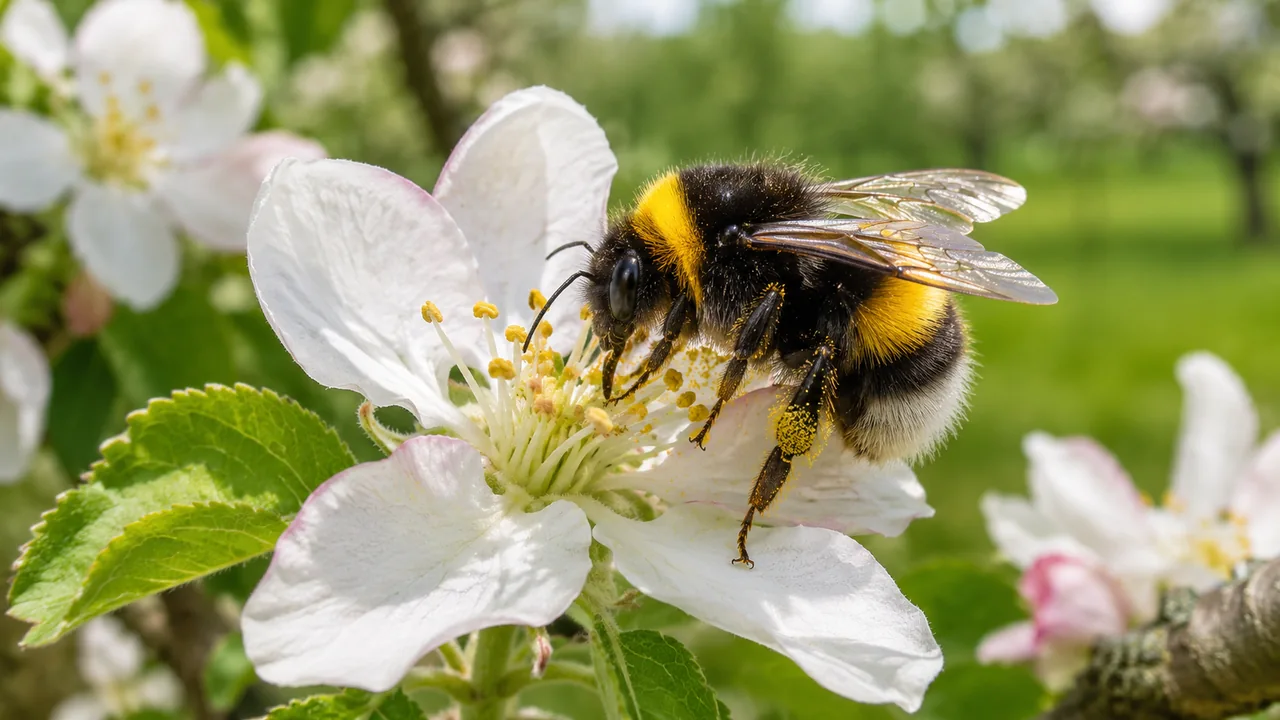
An orchard can be full of blossom and still face a problem that is easy to miss: too few suitable pollinators arriving at the right time. The consequences can extend beyond the harvest. Wild plants, animals and livelihoods can depend on relationships that begin with an insect or another animal carrying pollen between flowers.
Pollinator decline can affect food webs, but the story should not be reduced to a false claim that every crop would disappear without bees. Different plants depend on animal pollination to different degrees, and pollinators include far more than one familiar species.
The serious question is what happens when those relationships become less reliable. Understanding the chain makes the threat clearer and helps distinguish useful responses from a dramatic slogan that misstates how food and ecosystems actually work.
What pollination does
Pollination involves transferring pollen in a way that supports plant reproduction. In animal-pollinated plants, visitors can carry pollen as they move between flowers. The outcome depends on the plant, visitor and conditions; an insect landing on a flower is not automatically the same as successful pollination.
Some plants use wind or other reproductive arrangements instead. That is why a statement about animal pollination should identify which plants are involved. The biological relationship is important precisely because it is specific, not because every plant works in an identical way.
For a reader, the useful starting point is a question: what does this plant need to reproduce successfully, and which organisms provide that service here? The answer connects a general concern about insects with a particular ecological and agricultural function.
Bees matter, but they are not the whole workforce
Bees are prominent pollinators, including many wild species as well as managed honeybees. Other insects and, in some settings, birds and mammals also contribute to animal pollination. Their roles vary between plants and regions.
The IPBES pollination assessment emphasises both wild and managed pollinators and the value of diversity. A large number of one managed species does not automatically replace every function of a varied community.
This matters when a response focuses entirely on adding hives. Beekeeping can have value in an appropriate setting, but hive numbers are not a complete measurement of wild pollinator health or pollination reliability. A solution should match the actual plant relationships and local ecological context rather than assume one familiar animal solves every problem.
The widely repeated food statistic needs careful wording
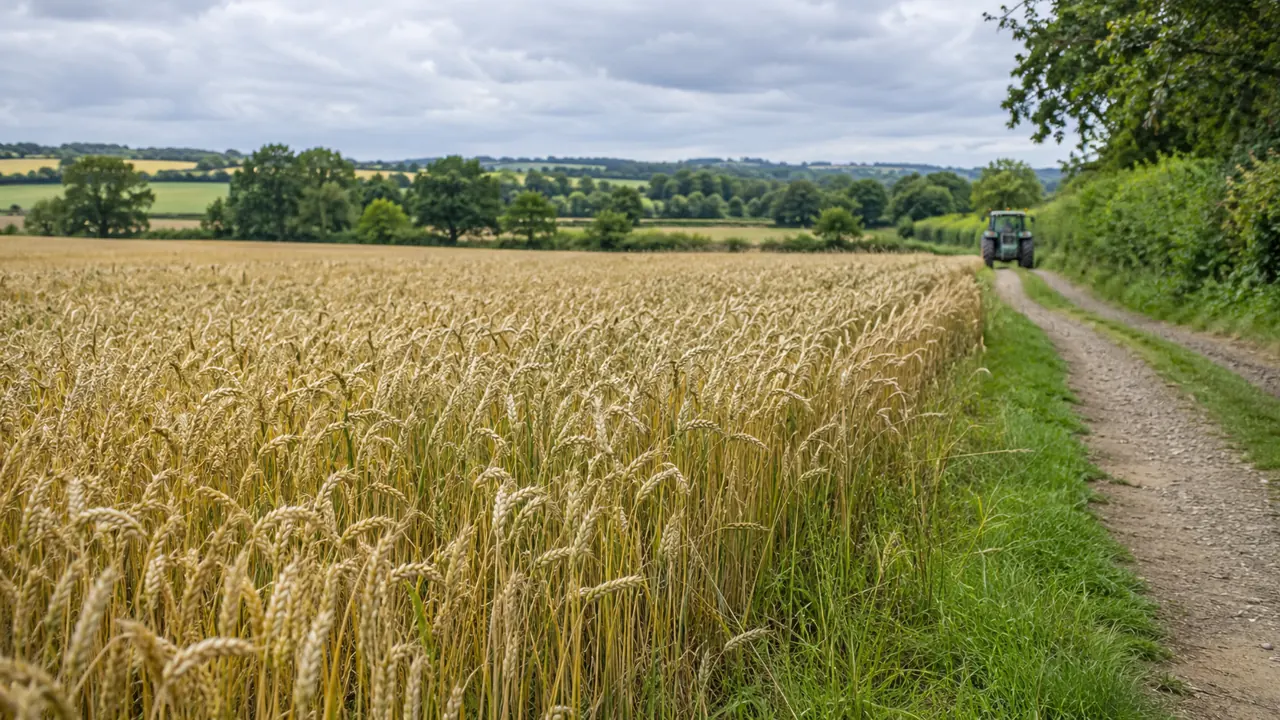
The IPBES assessment reports that more than three quarters of leading food-crop types benefit to some extent from animal pollination. Types are not the same as total food volume, and some dependence is not the same as complete dependence.
The assessment's official public explanation should be read with those distinctions. A claim that losing pollinators means losing three quarters of every meal is not what the measure establishes.
Important staple crops can rely on other mechanisms. At the same time, pollinator-dependent foods can contribute greatly to diet quality, livelihoods and variety. Correcting the exaggerated statistic does not make the threat trivial. It helps explain which parts of food production and nutrition deserve particular attention.
Wild plants connect pollination with wider food webs
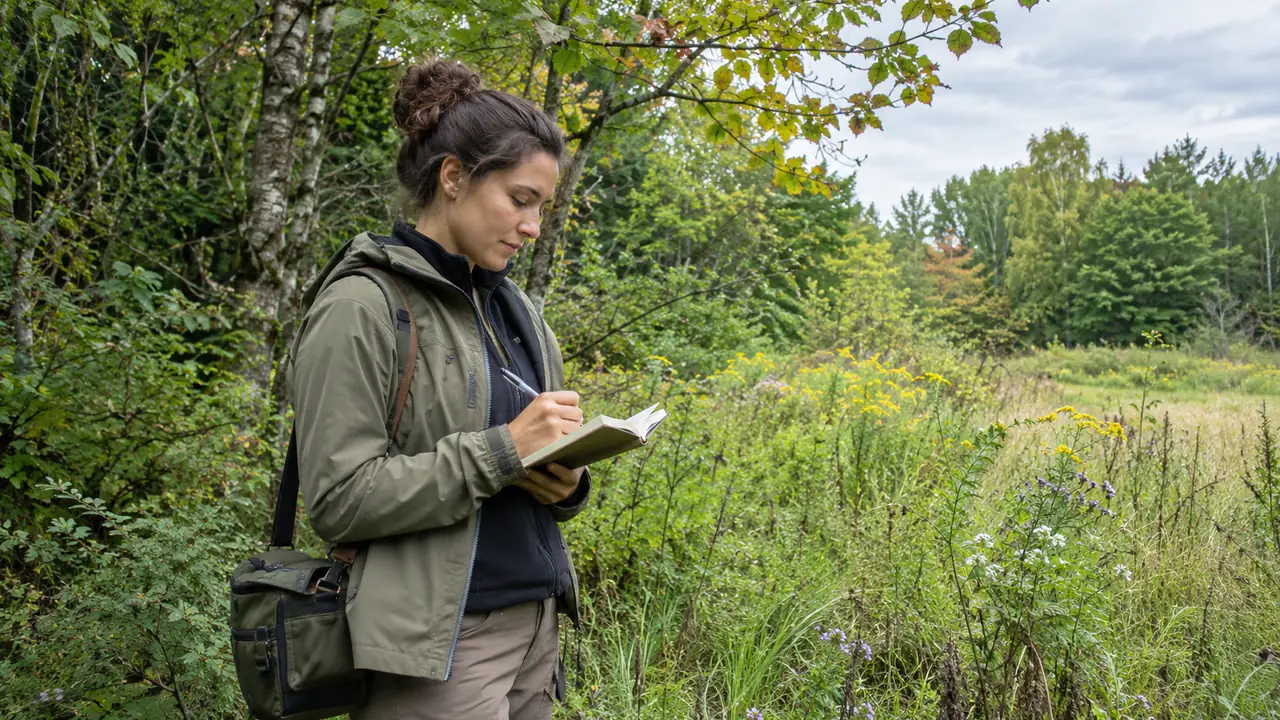
A plant can provide food, shelter or breeding resources for other organisms. If its reproduction becomes less successful, the consequences may extend beyond the plant itself. The timing and scale depend on the species and the relationships involved.
Consider an illustrative sequence. Fewer suitable visits reduce seed production in a particular wild plant. Animals depending on those seeds face a changed food supply, while later plant recruitment may also be affected. A real case would need evidence at each step, but the example explains the potential chain.
This is why the topic is broader than supermarket fruit. A pollination relationship can help maintain a habitat and the organisms within it. Looking only at the immediate commercial harvest would miss those wider roles and the people who value or depend on them.
Timing can matter as much as the number of visitors
A plant's flowering period and a pollinator's active period need to overlap usefully. Suitable weather and access to the right habitat can also affect the interaction. Counting insects at one convenient moment does not describe the whole reproductive season.
The point is not that every change in timing causes failure. Relationships can have flexibility, and different species respond differently. It is that a useful assessment considers when and where interactions happen, rather than treating all pollinators as interchangeable units available throughout the year.
For readers, this helps explain why diverse resources and observations over time matter. A brief abundance of flowers or insects may be encouraging while leaving gaps elsewhere in the season. Reliability is a relationship across time, not simply the largest number visible in one photograph.
Several pressures can act together
Habitat change, limited food resources, harmful exposures, disease and climate-related changes can affect pollinators in different combinations. The relevant causes vary by species and place. One explanation should not be applied automatically to every decline.
A response therefore needs to identify the actual pressure. Improving one patch of flowers may help with a resource gap but not resolve every problem in the surrounding landscape. A measure aimed at one managed species may not address the needs of wild species nearby.
This is not an argument against small actions. It is a reason to connect them with a clear purpose. A project is more useful when it can explain what it is changing, which organisms it aims to support and how it will assess whether the change has helped.
It also helps to separate a pressure from an outcome. Fewer flower visits, poorer seed production and fewer animals later in the food web are not identical measurements. A real investigation may need to examine each link rather than assume the whole chain from the first observation. That approach makes action more targeted: the measure chosen should address the part of the relationship that evidence shows is failing, while keeping other possible causes under review.
Why landscape connections matter
An isolated resource may be less useful if animals cannot move between the places needed for their life cycle. Food, nesting conditions and other requirements may occur in different parts of a landscape. The whole pattern can matter more than one attractive patch.
Think of a fictional pollinator that finds flowers but lacks suitable nesting habitat nearby. Adding more of the same flowers would not necessarily solve the missing requirement. Another species might face a different limitation altogether.
This example shows why ecological advice should be locally appropriate. A general image of a wildflower strip is not a complete plan for every site. Ask how the proposed change fits with the surrounding habitat, the species present and the practical management needed to maintain it over time.
A crop can be affected without vanishing entirely
The effect of inadequate pollination can involve yield, quality or reliability, depending on the crop and conditions. It should not always be described as a complete absence of food. Economic consequences can still be significant when a harvest becomes less dependable.
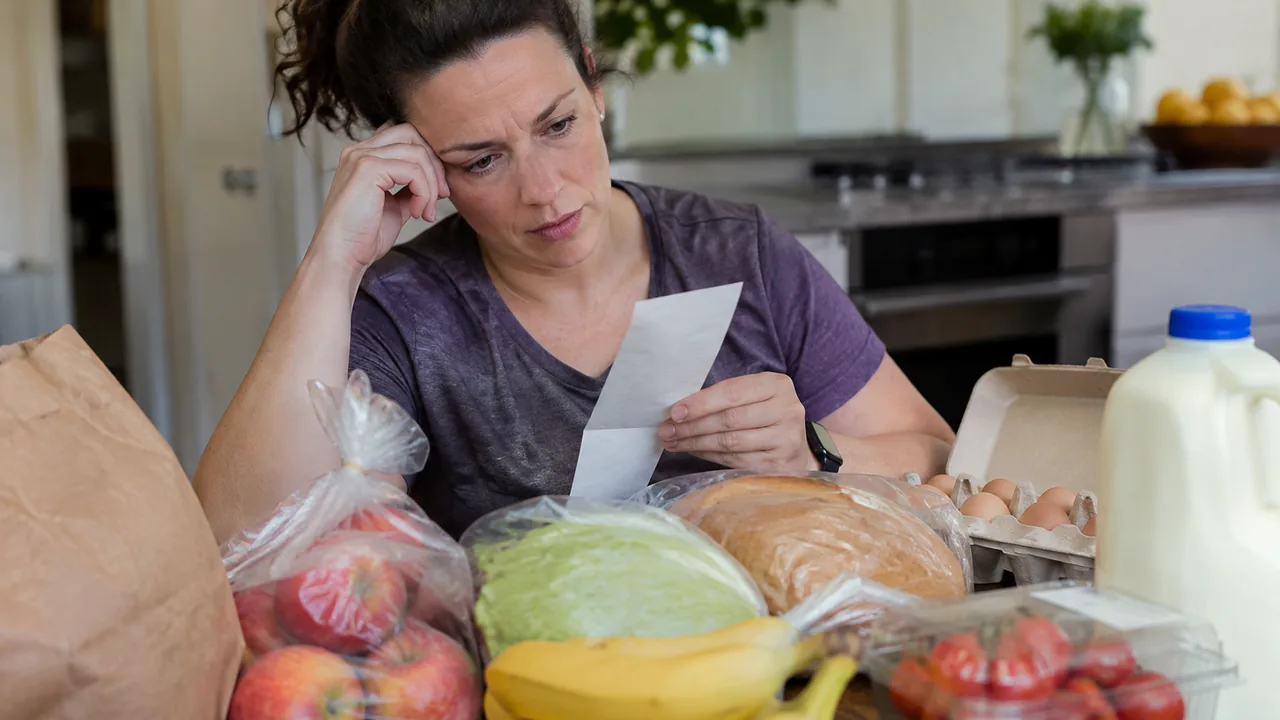
For a grower, uncertainty can complicate labour, sales and investment. For a household, the effect may appear through availability, price or reduced choice. The severity depends on how much the particular food and livelihood depend on the relationship and what alternatives exist.
This distinction makes the threat more credible. A problem does not need to remove every crop to matter. A sequence of smaller, uneven losses can affect people seriously, especially those with limited financial room or a livelihood tied closely to an affected product.
Food quantity and diet quality are different questions
Calories alone do not describe a varied, nutritious diet. Pollinator-dependent fruits, vegetables, nuts and other foods can matter in ways that a total tonnage figure does not capture. A change in access can therefore have consequences beyond the amount of bulk food available.
That does not justify assigning a universal health outcome to every pollinator decline. Diet, trade, income and alternatives all influence what people experience. The pathway should be explained rather than assumed.
| Question | Why it matters |
|---|---|
| Which crop is affected? | Dependence differs between plants |
| Is yield, quality or reliability changing? | Partial effects can matter without total loss |
| Who depends on the crop? | Livelihood and dietary consequences vary |
| What alternatives are accessible? | Availability elsewhere does not guarantee local access |
| Are other pressures involved? | Pollination may be one part of a wider problem |
More managed hives are not a universal substitute
A managed pollinator can provide a valuable service, but its contribution depends on the crop and location. Wild pollinators may provide complementary functions, and ecosystem needs extend beyond one commercial setting.
Before accepting a proposal to place hives, ask what problem is being addressed and what local expertise supports the choice. Do not equate the number of hives with the condition of every wild bee, butterfly or fly in the area.
The same caution applies to products advertised as saving bees. A useful measure should identify the intended species or function and avoid creating a new problem through inappropriate placement or management. Good intentions are valuable, but the ecological result still needs to be considered rather than inferred from the label on a product.
Monitoring turns an impression into useful evidence
People often notice that a place seems quieter or busier than they remember. Such observations can motivate questions, but systematic records are needed to distinguish a wider pattern from differences in weather, timing and attention.
The UK Pollinator Monitoring Scheme's FIT Counts offer a structured way for volunteers to record flower-visiting insects. The scheme provides its own season, weather and method requirements. Follow those current instructions rather than inventing a personal version and expecting directly comparable results.
You do not need to identify every insect to species for that particular count. The scheme explains the groups and how to record uncertainty. The value comes from a consistent method and submitted observations, not from making a confident identification where you are unsure. Do not disturb insects to obtain a more dramatic photograph.
What a useful local response looks like
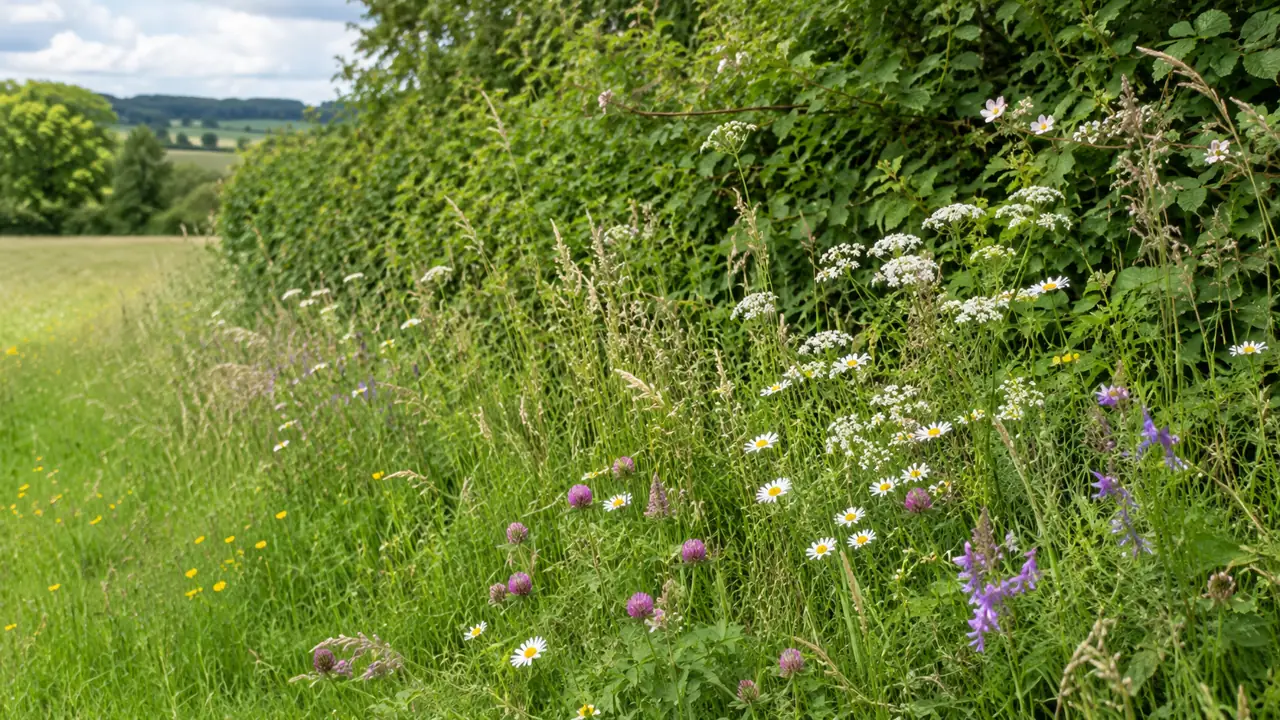
Begin by understanding the site and the need. Which resources are missing, which species or functions are being supported and how will the area be managed? An appealing planting scheme should have answers beyond the first day it looks colourful.
Work with credible local conservation or land-management advice where appropriate. Choose measures suited to the place rather than assuming that a mixture sold for one landscape fits every setting. Consider maintenance and the continuity of useful resources.
Avoid unnecessary harmful disturbance and follow applicable product and land-use guidance. This article is not a pesticide recommendation or a complete habitat-management prescription. Its purpose is to help readers recognise that effective support depends on the relationship being protected, not simply on purchasing something with a bee pictured on it.
Do not turn a serious warning into an inevitable collapse
Pollinator decline can threaten important relationships, but the outcome varies and responses can matter. Declaring that all food will disappear removes those distinctions and can leave people frightened without understanding the actual problem.
Our article on extinction rates and biodiversity claims explains why populations, species and projections should be distinguished. The discussion of the Great Dying considers an ancient crisis with a different scale and evidence base.
Those connections support concern without creating a false equivalence. A local decline deserves investigation on its own terms. It does not need to be labelled the end of all life to justify action, and correcting that exaggeration should not become an excuse to ignore the real relationship at risk.
Your next step
Choose one local place whose pollinators you want to understand. Use an established monitoring method or seek credible advice about the site's actual resources and management. Keep observations consistent and avoid treating one visit as a complete trend.
When reading a food statistic, check whether it refers to crop types, production volume or the portion directly attributable to animal pollination. Those are different quantities. Ask which plants and relationships the proposed response is intended to protect.
The threat is serious because small interactions can sustain much larger networks. A visitor moving between flowers can support a harvest, a wild plant and the organisms depending on it. Protecting those relationships is a more useful goal than repeating an inaccurate claim that one insect disappearing would instantly remove every meal from the table.
Frequently asked questions
Would losing pollinators remove every food crop?
No. Plants differ in their dependence on animal pollination, and important staples can use other mechanisms. The threat remains serious for particular crops, diet quality, livelihoods and wild-plant relationships without claiming that every crop would vanish.
Does the three-quarters statistic describe all food volume?
No. It concerns leading crop types benefiting to some extent from animal pollination. Types, total production volume and the portion directly attributable to pollination are different measures and should not be exchanged.
Are honeybees the only important pollinators?
No. Many wild bees and other animals contribute, with roles varying by plant and place. Managed honeybees can be valuable without replacing every function of a diverse pollinator community.
Can I prove a national decline from one quiet garden visit?
No. Weather, timing and observation affect what you see. Systematic monitoring helps identify patterns. Use an established method and record uncertainty rather than treating one experience as a complete national measurement.
How can UK readers contribute useful observations?
The UK Pollinator Monitoring Scheme provides FIT Count guidance and recording arrangements. Follow its current season, weather and counting instructions. Consistent submitted observations are more useful than an improvised count or an unsupported species identification.