
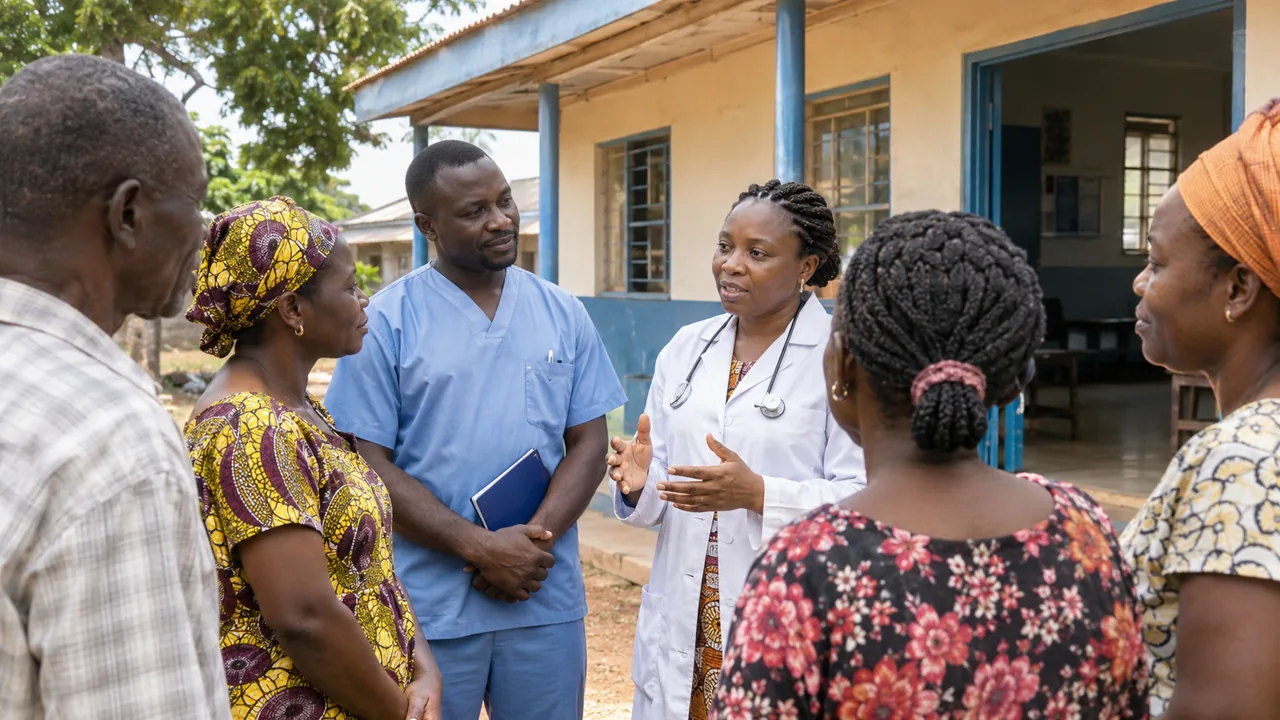
An outbreak can grow while a family waits for help, a patient cannot reach treatment or a frightened community stops trusting the response. Ebola is a severe disease, but its spread is not explained by fear alone. Control depends on people being able to report illness, obtain care and protect others without being abandoned.
The word vaccine also needs care. Different viruses cause Ebola disease, and a vaccine approved for one is not automatically a solution for another. For UK readers, the useful response is to understand actual exposure, check current travel advice and obtain prompt medical guidance after relevant illness. For affected communities, functioning services and respectful support are urgent necessities.
The current outbreak needs its own context
This article was researched on 26 November 2026. WHO's 20 November update described continuing transmission of Bundibugyo virus disease in the Democratic Republic of the Congo. It also described progress in some places and continuing needs for care, security and community trust.
An outbreak's geographical spread and the status of individual cases change. Read the date and reporting period in an official update rather than reusing a cumulative total as if every case were new today. A country named in a report may have an active outbreak, a controlled event or a medically transferred patient. Those situations require different interpretations.
Ebola is a group of related diseases
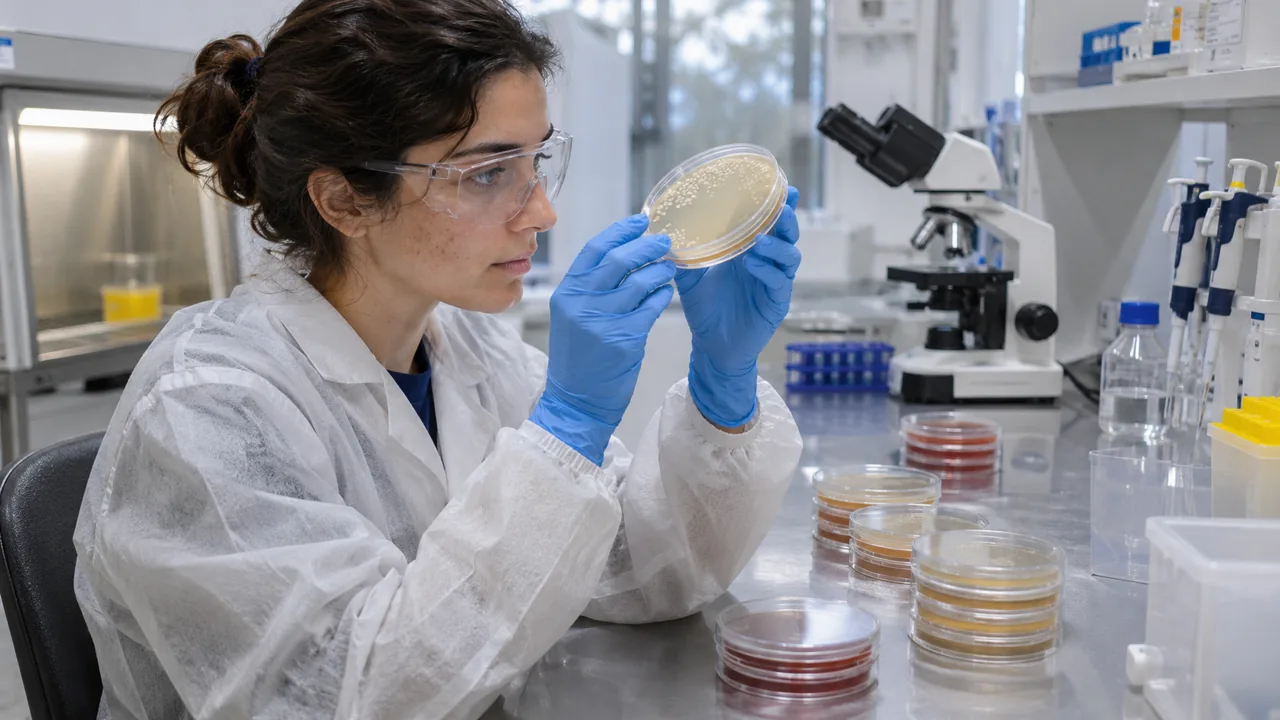
Several related viruses can cause Ebola disease. The names Ebola virus, Sudan virus and Bundibugyo virus identify different causes, rather than interchangeable labels for the same vaccine programme. The responsible virus matters when discussing approved products and clinical research.
WHO explains that approved vaccines and specific treatments are available for Ebola virus disease, while products for other Ebola diseases remain under development. Check the current assessment for the virus involved. A photograph of a vaccination team from another outbreak does not prove that an identical intervention is available now. This is one reason outbreak control cannot be reduced to a single product.
How the infection passes between people
Transmission involves direct contact with infected body fluids, or contaminated objects and materials, in relevant circumstances. Caring for a sick person and handling the body of someone who has died can create serious exposure. This differs from the ordinary airborne spread associated with measles.
The practical implication is not to improvise close care or cleanup after a suspected exposure. Obtain professional instructions promptly and tell the responding service why Ebola is a concern. Nobody should be expected to manage a possible high-consequence infection with an ordinary household cleaning routine. Compassion includes arranging safer care for the patient and for the people trying to help.
Why early symptoms can be misleading
Early illness may resemble other infections. Fever, severe tiredness, headache or digestive symptoms do not independently establish Ebola. Other causes of fever after travel also require timely assessment, and a clinician needs the travel and exposure history.
Do not wait for bleeding before seeking advice. Nor should a family assume every fever after any African journey is Ebola. Explain the destination, dates, activities and relevant contact so the healthcare team can assess the actual possibilities. An accurate account allows urgent problems to be investigated without turning a broad geographical association into a diagnosis or a reason to stigmatise somebody.
What a returning traveller should do
If you develop symptoms after travel to an affected area or relevant contact, seek urgent medical advice and describe that history at the beginning. In the UK, follow the NHS advice and the urgent-care route available where you are. Call 999 for a medical emergency and explain the possible exposure.
Avoid close contact while awaiting instructions and do not arrive unannounced in a crowded waiting room. Ask how assessment and transport should be arranged. Follow any monitoring advice already given by a public-health team. The purpose of calling ahead is to arrange appropriate care promptly, rather than leave an unwell person without help.
The first conversation should establish a route to care
Give the call handler the information you have: destination, return date, relevant work or contact and when symptoms began. Mention whether anyone else has provided instructions. Do not conceal a possible exposure because you fear inconvenience or blame.
Ask what to do while waiting, which service will contact you and what changes require another call. If communication is difficult, request language or accessibility support. A family member can help keep a record, but should not guess missing details. Clear communication prevents repeated explanations from turning into inconsistent accounts just when the information is most important.
Why treatment is about more than a named medicine
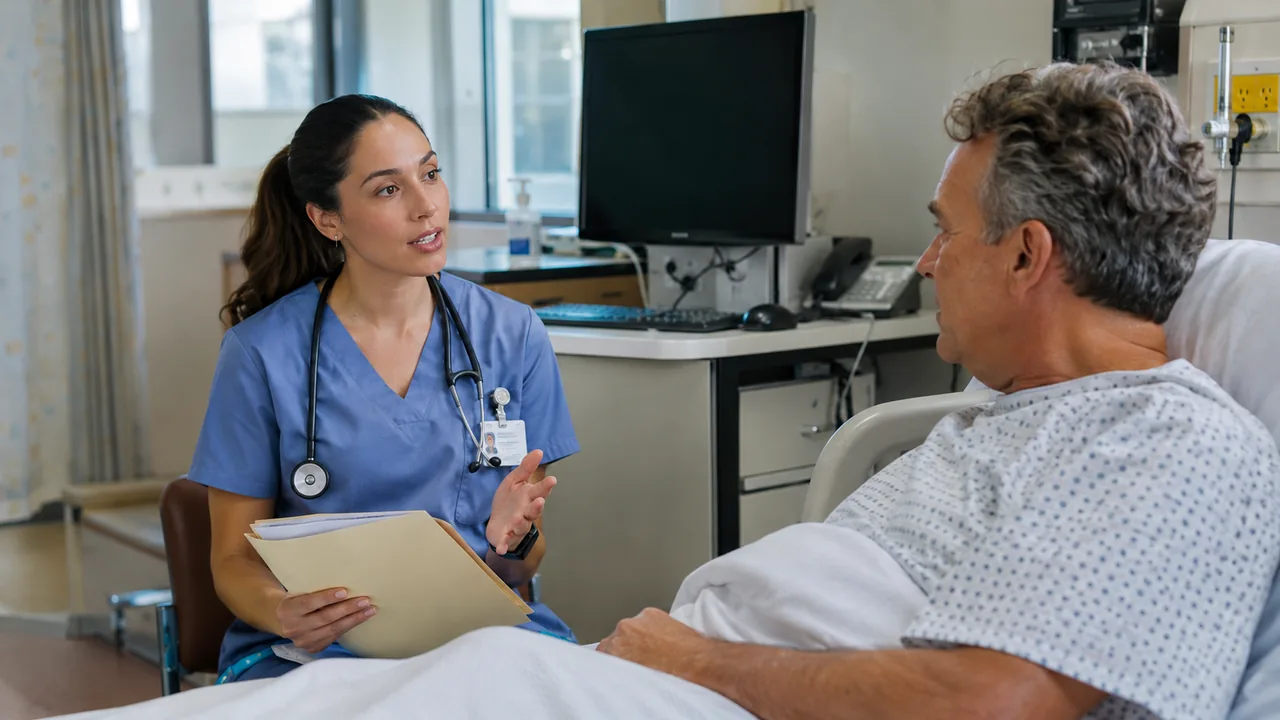
Specialist care supports the body through severe illness and manages the complications. Early appropriate care can improve survival even when a particular virus has no approved specific vaccine or treatment. “No specific treatment” must not be misread as “no useful care”.
A treatment centre also needs staff, safe water, electricity, supplies and reliable access. A building alone cannot provide those functions. When roads are unsafe or families cannot find transport, a technically available service may remain practically unreachable. Outbreak reporting should therefore examine whether people can actually obtain care, rather than merely count how many facilities appear on a map.
Contact tracing connects separate encounters
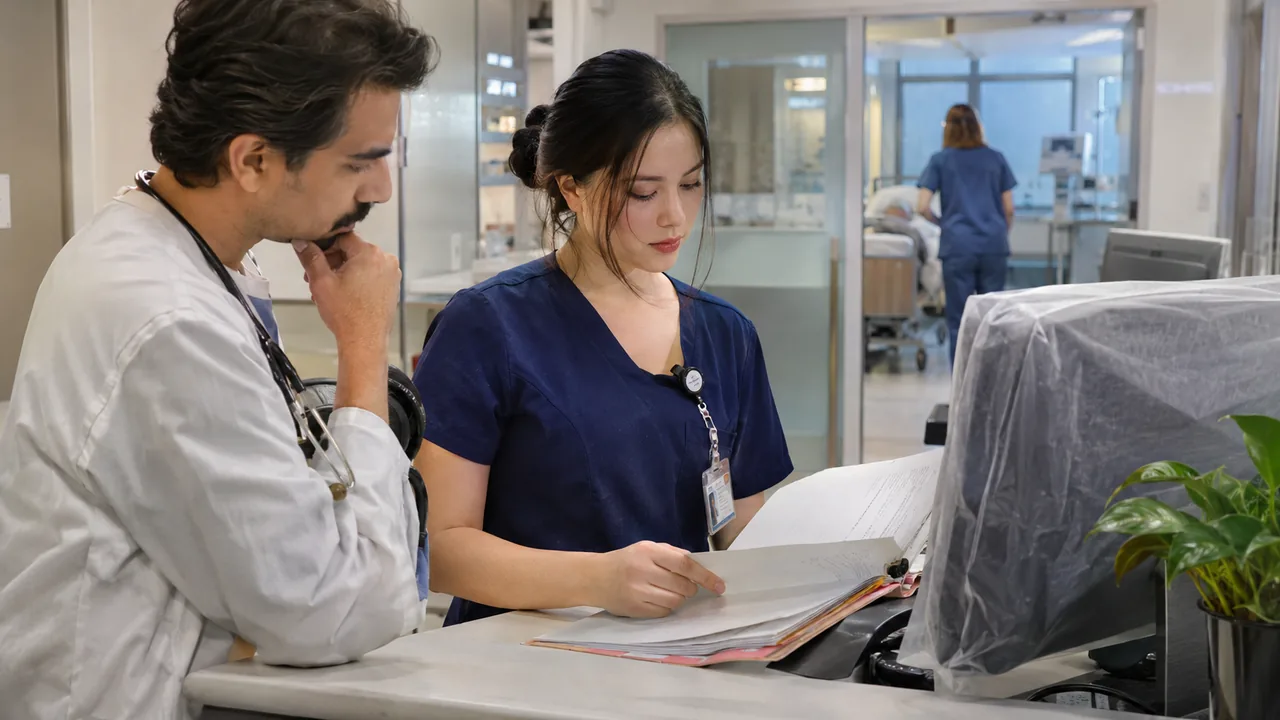
Public-health teams identify people who may have had relevant contact and provide monitoring or other instructions. The aim is to recognise illness early and interrupt further transmission. Being identified as a contact does not itself mean a person is infected.
Cooperation requires a realistic arrangement. Someone may need help understanding messages, meeting basic needs or maintaining contact with the response team. Ask the responsible team what the instructions mean for daily life, rather than replacing them with a rumour. Accurate contact information and honest exposure histories help the system work; publicly shaming named contacts can undermine it.
Trust is part of the response
A family is more likely to seek help when it understands where a patient will go and how relatives will receive information. Confusing messages, unexplained restrictions and previous mistreatment can create understandable fear. Dismissing every concern as ignorance misses the practical problem.
Useful communication explains what is known, what is uncertain and why a measure is being recommended. It also listens. Local health workers, community representatives and families can identify obstacles that an outside team may miss. Respect is not an optional addition after the technical work. It helps people take the steps on which the technical response depends.
Safe and dignified care after a death
Bereavement creates emotional and practical needs. If Ebola is suspected or confirmed, handling a body without specialist arrangements can expose relatives and others. Follow the outbreak team's instructions and do not attempt an informal household procedure.
A safe response should also recognise the family's need for information, dignity and meaningful participation within appropriate limits. Telling people only what they cannot do leaves important needs unanswered. Relatives deserve a clear explanation of the process and available support. This article provides no handling instructions: the useful household action is to contact the responsible service and obtain its current direction.
Why a controlled medical transfer is different
A medically evacuated patient receives care through a planned specialist process. That is different from an unidentified infection spreading in ordinary community settings. UKHSA has explained the precautions involved in specialist transfers and the role of high-consequence infectious disease services.
Check later updates before repeating an early report about a patient's condition. WHO's 20 November notice reported that a medically evacuated UK health worker had recovered and been discharged. Neither the presence of specialist care nor the patient's nationality proves uncontrolled community transmission. People should be able to receive treatment without their care becoming a source of invented local warnings.
Travel advice is specific to the destination
Before travel, review the current FCDO advice and relevant travel-health information for the actual country and area. An outbreak can affect services and access as well as infection exposure. Consider the activity planned, available care and the arrangements if travel changes.
Someone working in the response needs the employer's specialist preparation and return arrangements. An ordinary traveller should not assume that the same procedures apply to every visit. Advice for one country does not automatically apply to a neighbouring country. If travel is unavoidable or urgent, seek advice about the actual circumstances rather than treating an old itinerary as a complete plan.

Family connections require practical information
A person in Britain may be worried about relatives in an affected area. Agree how you will communicate and which local sources the family trusts. Ask about the practical obstacle: reaching care, understanding instructions, obtaining food or maintaining contact.
Support that responds to an identified need is more useful than forwarding a stream of alarming clips. Avoid requesting photographs of patients or publicising somebody's movements in an attempt to verify a story. Share sensitive information only with appropriate services and trusted contacts. The person near the outbreak needs help making decisions in their own setting, rather than being asked to calm everybody else's fears.
Read the numbers without losing the people
Reported cases, confirmed cases, suspected cases and deaths describe different categories. A cumulative total covers a period of time; it is not the number of people newly infected that morning. Changes in detection can also affect what is reported.
Numbers help assess the response, but they do not explain every family's experience. A patient dying outside treatment may reveal problems with access, recognition or trust. A declining count in one area does not erase needs elsewhere. Ask what the figures describe, what period they cover and what practical gap the response is trying to close. Avoid turning uncertainty into either complacency or a claim of inevitable global collapse.
Common claims that deserve a second look
| Claim | Missing distinction |
|---|---|
| “There is an Ebola vaccine, so the problem is solved” | Which virus and which approved product? |
| “A contact is definitely infected” | Exposure monitoring is different from a diagnosis |
| “A transferred patient means local spread” | Controlled specialist care is different from community transmission |
| “No specific medicine means care cannot help” | Supportive treatment and early assessment remain vital |
Use the distinction to ask a better question, rather than to dismiss the seriousness of the outbreak. Accurate explanations support useful action and keep attention on affected people.
Protecting children during an uncertain period
Children need explanations they can understand and adults who know where to obtain help. A frightening photograph or a discussion about death can leave a child imagining a risk that does not match their situation. Explain the practical rule and the role of the people providing care.
In affected settings, families may also need support maintaining ordinary care and education. In the UK, a story about an outbreak abroad is not by itself an instruction to withdraw a child from school. Follow relevant public-health advice for an actual exposure. Keep questions welcome so a child does not have to build their own explanation from rumours.
Help should strengthen the local response
If you want to support affected communities, verify an organisation's identity and current work before donating. Avoid unsolicited collections of medical products without knowing whether they are needed, appropriate and deliverable. A good intention can create extra work if the supplies cannot be used.
Be careful with urgent payment requests arriving through forwarded messages. Find the organisation independently and check its official information. You can also support accurate communication and refuse dehumanising claims about patients or places. An outbreak response needs resources and cooperation; it is weakened when fear becomes an excuse to exclude the people who most need help.
The next useful step
If you have no relevant exposure, choose one dependable source rather than following every alarming update. If you are travelling, check the actual destination and seek the appropriate advice. If illness follows relevant contact, arrange urgent assessment and explain the history promptly.
The wider lesson is that stopping Ebola requires connected care: identifying illness, protecting contacts, supporting families and making treatment reachable. A vaccine can be valuable where it applies, but it cannot substitute for those connections. Concern for children and future generations should strengthen the services and trust that give people a chance to survive, rather than turn suffering into a frightening spectacle.
For a connected risk, read why animal-linked bird flu cases need a different transmission assessment. Also explore why bacterial resistance and viral outbreaks require different treatment decisions to compare the mechanisms and the practical choices involved.
Frequently asked questions
Does one Ebola vaccine protect against every Ebola disease?
No. The virus causing the outbreak matters. Approved vaccines for Ebola virus disease are not automatically approved solutions for disease caused by Sudan or Bundibugyo viruses. Check current official information about the specific outbreak and the available interventions.
Should someone wait for bleeding before seeking help?
No. Early illness can resemble other infections, and bleeding is not required before urgent assessment. Explain relevant travel or exposure and symptoms promptly. A healthcare team should assess the possible causes rather than relying on an online symptom match.
What should I do if symptoms follow relevant travel?
Obtain urgent medical advice, explain the destination and contact history, and follow instructions about assessment and avoiding close contact. Call 999 for a medical emergency and tell the call handler about the possible exposure. Do not arrive unannounced in a busy waiting room.
Does a medically evacuated patient prove community spread?
No. A controlled transfer into specialist care is different from uncontrolled community transmission. Read the official account of the event and subsequent updates. Do not use a patient's treatment location or nationality as a substitute for evidence about transmission.
Can care help when there is no approved specific treatment?
Yes. Early specialist supportive care can improve survival and manage serious complications. The absence of a virus-specific approved product does not mean nothing useful can be done. Access to timely care remains a central part of outbreak control.
Sources and further reading
WHO: outbreak update issued 20 November 2026 WHO: Ebola disease, viruses and approved products NHS: Ebola symptoms and urgent advice UKHSA: specialist care and medical evacuation FCDO: foreign travel advice