
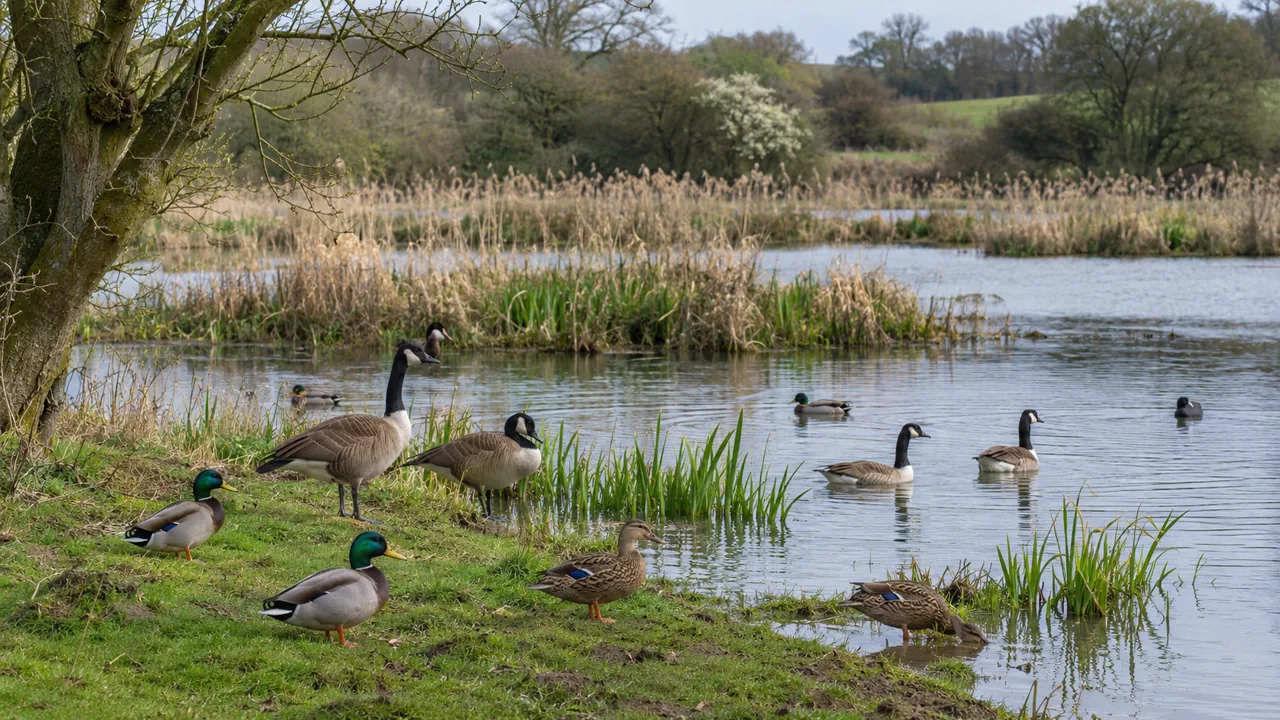
A dead bird beside a favourite walking route can make a distant health story suddenly feel close. The important first action is straightforward: keep your distance, keep children and pets away and check the relevant reporting advice. Picking it up to help, taking a close photograph or carrying it home creates an exposure that a headline alone does not.
Bird flu deserves serious attention because animal outbreaks can harm livelihoods and occasionally infect people. It does not follow that sustained spread between people is already happening. The practical question is what has changed: the animals affected, the kinds of exposure, the human cases or the evidence about transmission. Those distinctions help families act without inventing either reassurance or catastrophe.
What bird flu means
Avian influenza is influenza associated with birds. H5N1 is one subtype discussed in human-health reporting. The letters describe viral surface proteins; they do not provide an ordinary reader with a complete measure of severity or personal risk.
There are several influenza viruses and many possible animal hosts. A report about infection in wild birds, poultry or another animal needs its own context. Do not assume that a description of one affected farm applies to every animal, every food product or every person in the surrounding county. Start with the species, location and date in the actual notice.

The current human-risk assessment
For this article's research on 26 November 2026, WHO's latest reviewed notice about human H5N1 cases in the United States described the general-population risk as low. It distinguished that assessment from the higher exposure faced by some workers. The notice did not identify sustained transmission between people.
That is a dated assessment, rather than a promise that the virus cannot change. It also does not make an individual exposure harmless. Someone handling infected animals needs appropriate occupational advice even when a member of the public walking elsewhere faces little immediate risk. Read the assessment relevant to your location and circumstances.
Spillover is a crossing, not a complete chain
Spillover means an infection has crossed from an animal source into a person. Investigators then ask whether that person infected anyone else and, if so, whether further transmission continued. These are separate questions.
A cluster among people who all handled the same animals may have a shared animal source. It is not automatically proof that the workers infected one another. Establishing the route requires exposure histories, testing and investigation. When an alarming post uses the word cluster, ask what links the cases and what investigators have actually concluded. The missing explanation can change the meaning substantially.
What would change the assessment?
Public-health teams look for several kinds of evidence. Human infections without a clear animal exposure deserve investigation. Repeated, well-established transmission between people would raise different concerns from isolated animal-linked cases. Changes detected in the virus also require interpretation alongside the real-world evidence.
No single laboratory finding allows an ordinary reader to announce a coming global disease outbreak. Nor should uncertainty become a reason to ignore surveillance. The useful response is to follow updated assessments explaining what was observed, what it might mean and what remains unknown. A responsible warning identifies its evidence and the action it supports.
Why workers need a different plan
Poultry workers, veterinary teams, wildlife responders and others with close animal contact may face repeated exposure. Their protection depends on the task, equipment, training and local controls. A casual suggestion to wear gloves does not replace a complete workplace assessment.
If the work involves potentially infected animals or contaminated environments, follow the employer's and public-health team's current procedures. Know how to report an exposure or symptoms promptly. Ask for an explanation if instructions are unclear. A practical arrangement includes a person to contact, an accessible reporting route and time to act, rather than a poster nobody can follow during a busy shift.
Finding a sick or dead wild bird
Do not touch or move it while deciding what to do. Keep a child from approaching and keep a dog from investigating. Note the location from a safe distance, then use the relevant government or local-authority reporting guidance.
Arrangements differ across the UK and may depend on the species, number of birds and setting. A park notice or temporary closure can add local instructions. Follow those instructions rather than assuming a social-media reply is an authorised collection service. Reporting allows the responsible organisation to decide whether investigation or removal is needed. It does not require you to become the person handling the bird.
A family walk can remain a family walk
Explain one simple rule before arriving: look at wildlife without touching sick animals, dead birds, feathers or droppings. Choose another route if a site has restrictions or birds cannot be avoided safely. Give children something positive to notice from a distance.
An explanation such as “we leave this bird alone and tell the people responsible” is more useful than frightening a child about every duck. Wash hands after relevant outdoor contact and before eating. If an unexpected close contact has occurred, seek the appropriate advice and describe what happened accurately. Embarrassment should not delay a sensible conversation.
Keeping poultry is a separate responsibility
Backyard birds create duties beyond those of a passer-by. Owners need current animal-health guidance covering biosecurity, any applicable restrictions and what to do if birds become unwell. Requirements can change and differ between UK nations.
Check the actual notice for your location instead of relying on an old screenshot from another area. Plan who can care for the birds if you are unavailable and how that person will obtain the current instructions. Keep essential contact information accessible. Avoid moving birds, equipment or potentially contaminated material on the assumption that a small flock cannot matter. Scale does not remove the need for responsible advice.
Symptoms need an exposure history
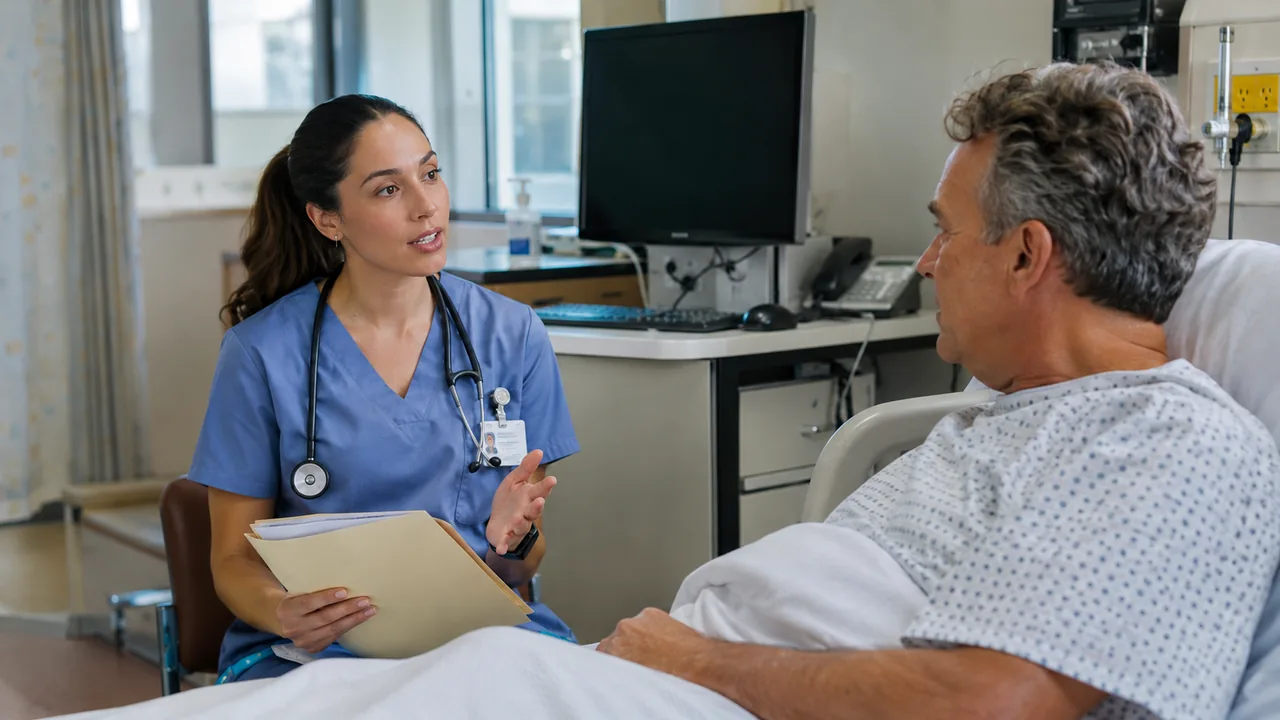
Human bird flu can produce symptoms overlapping with other illnesses, including fever, respiratory symptoms or irritated eyes. Symptoms alone cannot identify the cause. A clinician needs to know whether there was relevant contact with animals, contaminated material or an infected person.
If you develop symptoms after a possible exposure, seek prompt medical advice and explain the contact at the beginning. Use the appropriate urgent service for the UK nation where you are. In an emergency such as severe breathing difficulty, call 999 and tell the call handler about the exposure. Do not wait for a perfect match to an online symptom list.
Make the first telephone conversation useful
Before calling, gather the details you already know: where the exposure occurred, the date, the animals involved and the symptoms. Mention any workplace or public-health instructions already received. It is acceptable to say that a detail is uncertain.
Ask what to do next, whether you should attend in person and how to protect others while awaiting advice. Write down the instructions and whom to contact if symptoms change. Do not arrive unannounced at a busy waiting room merely to ask which queue to use. Early information helps services choose an appropriate route while ensuring that other possible causes of illness are also considered.
Food concerns require food-safety advice
A report of infection in animals does not establish that every item in a supermarket is unsafe. Follow official food-safety information about preparation, cooking and any specific product notice. Do not substitute a rumour for a recall or ignore a genuine recall because a product looks normal.
The NHS advises travellers in affected settings to avoid raw or undercooked poultry and eggs, as well as risky animal contact. More broadly, use recognised food-safety guidance rather than experimental household treatments. Do not pour chemicals onto food or buy products claiming to remove an unspecified viral threat. A frightening label is not evidence that a purchase is useful.
Testing is a clinical decision
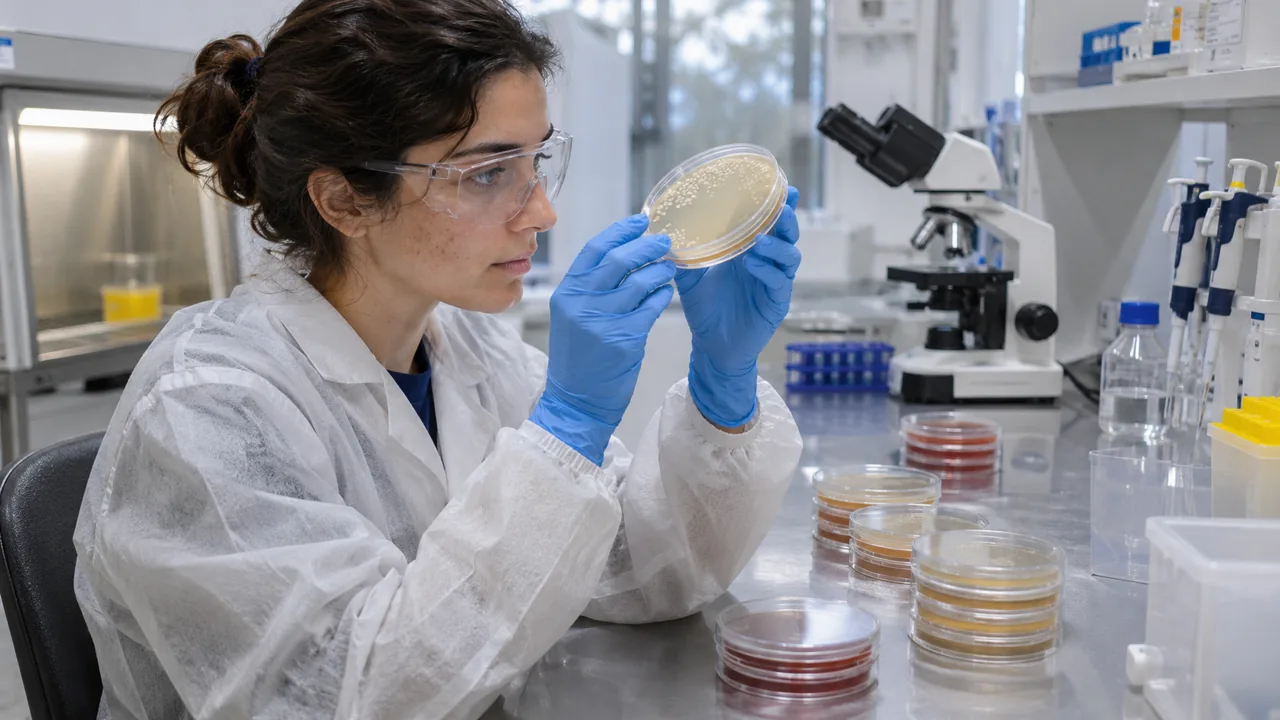
A home test intended for another infection cannot settle whether somebody has bird flu. Clinicians and laboratories choose appropriate investigations using symptoms, exposure and public-health guidance. A negative result for one illness does not identify every alternative cause.
Follow instructions about assessment and any precautions while results are pending. Keep a record of changes in symptoms and seek further help when advised or if the person deteriorates. Do not circulate an unconfirmed diagnosis as fact in a workplace or school group. Sharing relevant information with the responsible health team is different from publishing somebody's private medical story.

Why monitoring animal health helps people
Animal-health and human-health information describe parts of the same problem. Detecting infection in animals can help identify exposed workers, guide protective action and support investigation of human illness. It can also protect livelihoods and reduce suffering among animals.
For an ordinary household, this means respecting restrictions and supporting accurate reporting. For a workplace, it means making exposure information available to the professionals who need it. Do not interpret an increased number of tests as automatic proof that transmission has suddenly accelerated. More surveillance can reveal infections that previously went undetected; the results need to be read alongside the testing effort.
A useful way to compare two alarming reports
| Report | Question to ask | Practical response |
|---|---|---|
| A wild bird tested positive | Where and when was it found? | Follow local access and reporting advice |
| A worker became infected | What contact was identified? | Follow occupational and medical guidance |
| Several people tested positive | Shared animal exposure or person-to-person spread? | Read the investigation's findings |
| A viral change was detected | What does the official assessment say it means? | Avoid treating a mutation as a complete forecast |
The table is a reading aid, rather than a risk calculator. The same headline can describe very different situations. Look for evidence connecting the event to a decision you actually need to make.
Avoid turning concern into stigma
A person who works with animals or comes from an affected region is not a diagnosis. Blaming a nationality, occupation or neighbourhood discourages people from seeking advice and reporting relevant contact. That makes an actual investigation harder.
Ask for useful information respectfully and share only what is necessary with the responsible service. If a colleague is following monitoring instructions, practical support may involve rearranging a shift or helping them understand a message. Publicly identifying them in a group chat rarely improves anyone's safety. A health response depends on people being able to cooperate without being humiliated for doing so.
Preparation that works without a shopping spree
Keep ordinary handwashing supplies available, know how to reach healthcare and keep relevant workplace or animal-care contacts accessible. A family member who cannot read a long notice may need a short explanation in their preferred language.
If somebody becomes unwell, identify who can help with children, meals or essential responsibilities while medical advice is obtained. Base any additional precautions on current guidance. Buying specialist equipment without knowing its purpose can consume money and create false confidence. A usable contact plan and a clear account of exposure often help more immediately than a cupboard filled in response to an alarming video.
A worked example: a park notice and an anxious child
Imagine a parent finding a notice about bird flu beside a pond. The parent keeps the child and dog away from the water's edge, reads the restrictions and chooses a different part of the park. They do not handle a dead bird to demonstrate kindness.
At home, they explain that the concern involves particular animal contact and that professionals are investigating. If no exposure occurred, the notice alone does not establish an illness in the family. If contact did occur, they describe it to the relevant service. Each action follows the actual situation, leaving room for both sensible caution and ordinary life.
Keep one question ready for the next update
When the next story appears, ask: has it changed what people should do in my situation? A new animal location may matter to a bird keeper. A revised occupational assessment may matter to a worker. A change in human-transmission evidence would deserve wider attention.
The ability to tell those developments apart is part of preparedness. Bird flu is serious enough to deserve accurate language, timely reporting and protection for exposed people. Children and future generations benefit from that careful approach more than from repeated claims that a worst-case outcome is already certain. Begin with the exposure you can prevent today.
For a connected risk, read why Ebola control depends on a different transmission route. Also explore why bacterial resistance requires a different treatment discussion to compare the mechanisms and the practical choices involved.
Frequently asked questions
Does bird flu in animals prove a human outbreak is spreading?
No. Animal infections, animal-to-human spillover and sustained transmission between people are different findings. Investigators examine how cases are linked. Read the current assessment rather than using a report about one species or location as proof of every possible outcome.
Should I pick up a dead bird to keep children safe?
Keep children and pets away without handling the bird. Check the relevant reporting and removal advice for the location. Do not assume that ordinary gloves or a plastic bag make an unplanned collection appropriate.
What if I feel unwell after relevant animal contact?
Seek prompt medical advice and explain the exposure, place and date. Follow instructions about assessment and precautions. Call 999 for a medical emergency such as severe difficulty breathing, and tell the call handler about the contact.
Can one home test rule out bird flu?
A test designed for another infection cannot rule out every cause of illness. Appropriate testing depends on clinical assessment and the exposure history. Follow the healthcare team's advice rather than interpreting an unrelated negative result as a diagnosis.
Is the risk the same for everyone?
No. Repeated occupational contact with infected animals is different from being elsewhere in the community. Risk also changes with the location, activity and protective arrangements. Follow the assessment and instructions relevant to the actual exposure.
Sources and further reading
WHO: human H5N1 investigation and risk assessment WHO: avian and other zoonotic influenza NHS: bird flu UK Government: bird flu information