
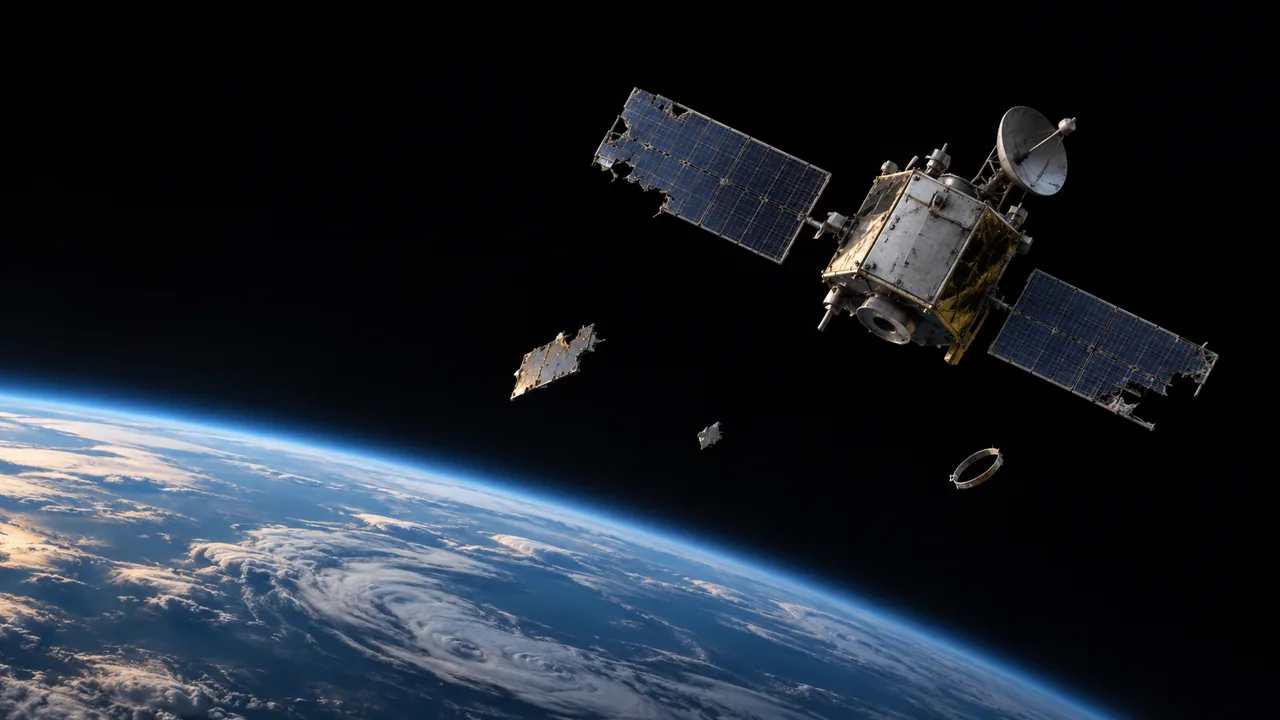
A piece of abandoned equipment does not have to work to remain dangerous. In orbit, a defunct satellite or a fragment can continue moving through paths used by functioning spacecraft. If a collision creates more fragments, the problem can become harder for the next mission rather than ending with the first damaged satellite.
That is the serious idea behind a debris collision chain. It is not a prediction that every satellite will be destroyed in one cinematic afternoon. Different orbital regions, spacecraft and services face different circumstances. For households, the useful question is how a verified loss of a service would affect daily life. For society, the larger question is whether we are preserving a usable environment for future generations.
What counts as space debris?
Orbital debris is human-made material in orbit that no longer serves a useful purpose. It includes abandoned spacecraft, spent rocket stages and fragments from breakups or collisions. Natural meteoroids are a different category, even though both can threaten spacecraft.
This distinction helps when reading a headline about a dangerous object. An active satellite passing another spacecraft, a defunct rocket stage and a cloud of fragments are not the same event. Ask what the object is, whether it can manoeuvre and which mission is affected. A broad label such as space junk should introduce an explanation rather than replace it.
Why a small object can matter
Objects in orbit move rapidly, and a collision can involve a high relative speed. Size alone therefore does not tell the whole story about potential damage. A small fragment can pose a serious engineering problem without looking impressive in a photograph.
Spacecraft design and protection depend on the mission and hazard. Do not assume that a satellite can simply be covered in enough armour to make every impact harmless. Nor does a general impact illustration establish the outcome of a particular encounter. Meaningful assessment needs the object, orbit, relative motion and vulnerability of the spacecraft involved, rather than a comparison based only on how large the fragment looks.
What a collision chain actually describes
A collision can break objects into fragments. Some fragments may remain in paths that intersect other spacecraft, adding opportunities for later impacts. Over time, repeated fragmentation can make an orbital region harder to use safely. Kessler syndrome is the term commonly associated with a self-sustaining growth in collision-generated debris.
The idea concerns an evolving environment, rather than a universal switch affecting all of space at once. An orbital region can become more hazardous without every satellite there immediately failing. Understanding that slower accumulation makes prevention more urgent: damage can persist long after the event that first attracted public attention.
What the current European assessment says
ESA's 2026 Space Environment Report, reviewed for this article on 26 November 2026, describes continued pressure from growing space activity and debris. The report uses data collected through the end of 2025 and includes projections about possible future development.
Those dates matter. An annual assessment is not a live collision warning, and a modelled future is not an observation of events that have already occurred. ESA emphasises both preventing new debris and addressing existing sources of future fragmentation. Read the assumptions and timeframe before turning a chart into a claim that a particular service will fail on a named date.
Space is large, but useful orbital paths are not interchangeable
Satellite missions use particular orbital conditions to perform their tasks. A mission cannot always move somewhere else without changing coverage, equipment needs or operations. Congestion therefore matters in the regions people actually want to use, rather than being cancelled by the overall size of space.
Risk also differs with altitude and orbit. A problem affecting one orbital band does not prove the same immediate conditions exist in another. Ask where the encounter or debris population is located. A picture showing every known object around Earth can explain why monitoring matters, but it does not show how close those objects are at the instant depicted.
A dot map is not a photograph of objects touching
Space-debris graphics often enlarge object symbols so readers can see them. The symbols may not represent the physical size of a satellite or the distance between objects. Treating the image as a literal picture can create a misleading impression of an almost solid shell.
Read the caption and what has been plotted: active spacecraft, tracked fragments, estimated objects or selected orbits. Check the date and viewpoint. A useful graphic supports an explanation of the environment. It does not by itself establish that a collision is imminent or that a particular spacecraft has no safe operating options.
Tracking provides information, not perfect certainty
Monitoring systems track many larger objects and support predictions of close approaches. Smaller debris is harder to track routinely, so measurements and models also help characterise the environment. A catalogue therefore does not contain a perfectly known path for every potentially harmful fragment.
This is a limit to manage, rather than a reason to dismiss monitoring. Better observations can improve decisions about known objects while engineering measures address other parts of the problem. When a headline says an object is being tracked, ask what the data support: an approximate population estimate, a predicted encounter or a specific operational decision. These are different kinds of information.
A close-approach warning is not a confirmed collision
Operators assess predicted encounters using the best available information and update the assessment as observations change. A warning can lead to a manoeuvre or another operational decision. The absence of a collision afterwards does not prove the warning was pointless.
Equally, a reported close approach should not be described as an impact unless that has been confirmed. Read the operator's account and distinguish the forecast from the outcome. A public story can be both serious and uncertain. Replacing that uncertainty with an invented certainty makes it harder to understand why responsible teams sometimes take precautionary action.
Avoidance has practical limits
A working spacecraft may be able to manoeuvre around a known threat, depending on its capabilities and circumstances. A dead satellite usually cannot cooperate in the same way. Repeated avoidance also creates planning demands and can affect mission operations.
Moving is not a complete answer to every encounter. Operators need to consider the resulting path and other risks, rather than solve one warning by creating another. For an ordinary reader, this explains why debris management involves ongoing coordination. It is not merely a matter of issuing one command whenever a red dot appears on a screen.
Disposal belongs in the mission from the beginning
Responsible end-of-life planning aims to limit the material left in useful orbital regions after a mission ends. The appropriate approach depends on the orbit, spacecraft and requirements. It should be designed into the mission rather than improvised after the ability to control the spacecraft is lost.
Ask what an operator means by successful disposal and how that performance will be demonstrated. A promise of future action is different from evidence that a completed mission followed through. This is a useful public-accountability question because later users inherit the consequences of today's choices. A mission's responsibility does not end when its customer-facing service stops.
Preventing breakups matters too
Avoiding new fragments includes managing the causes of accidental breakups and limiting debris released during normal operations. These measures receive less attention than an impressive cleanup demonstration, but prevention can reduce the problem future missions must confront.
Do not assume every mitigation measure removes material already in orbit. An approach can reduce future risk while leaving existing hazards to be managed separately. Clear reporting states what the measure does, which missions it applies to and what remains unresolved. The same standard helps readers judge whether a company's announcement describes an operating practice, a research project or an aspiration.
Active removal is a difficult intervention
Active debris removal aims to address selected objects already in orbit. It requires technical capability and responsible decisions about the target and operation. A successful demonstration does not mean every fragment can be collected immediately.
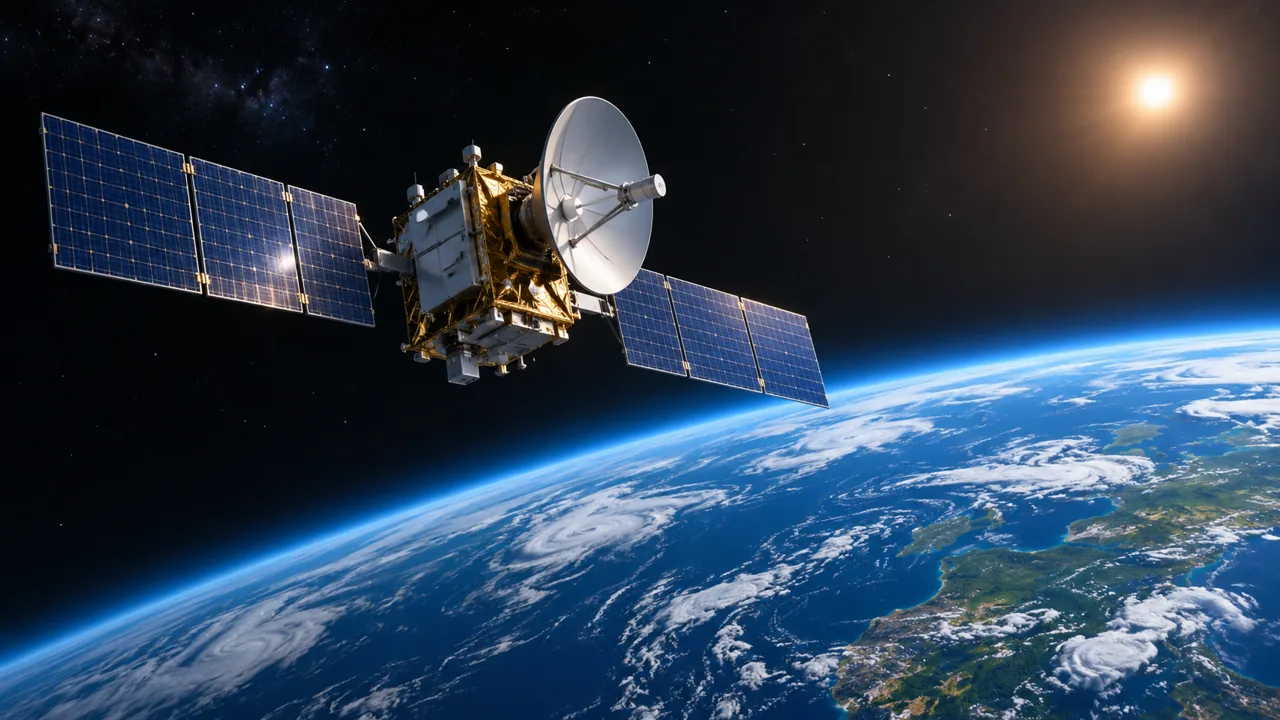
ESA's current assessment treats removal as part of a wider response alongside prevention and disposal. Those approaches serve different purposes. Judge a proposal by the actual task, evidence and limits, rather than the appearance of a rendering. A colourful illustration can explain a concept, but it is not proof that a complete service is operational or that the entire debris environment has been repaired.
The route from orbit to a household
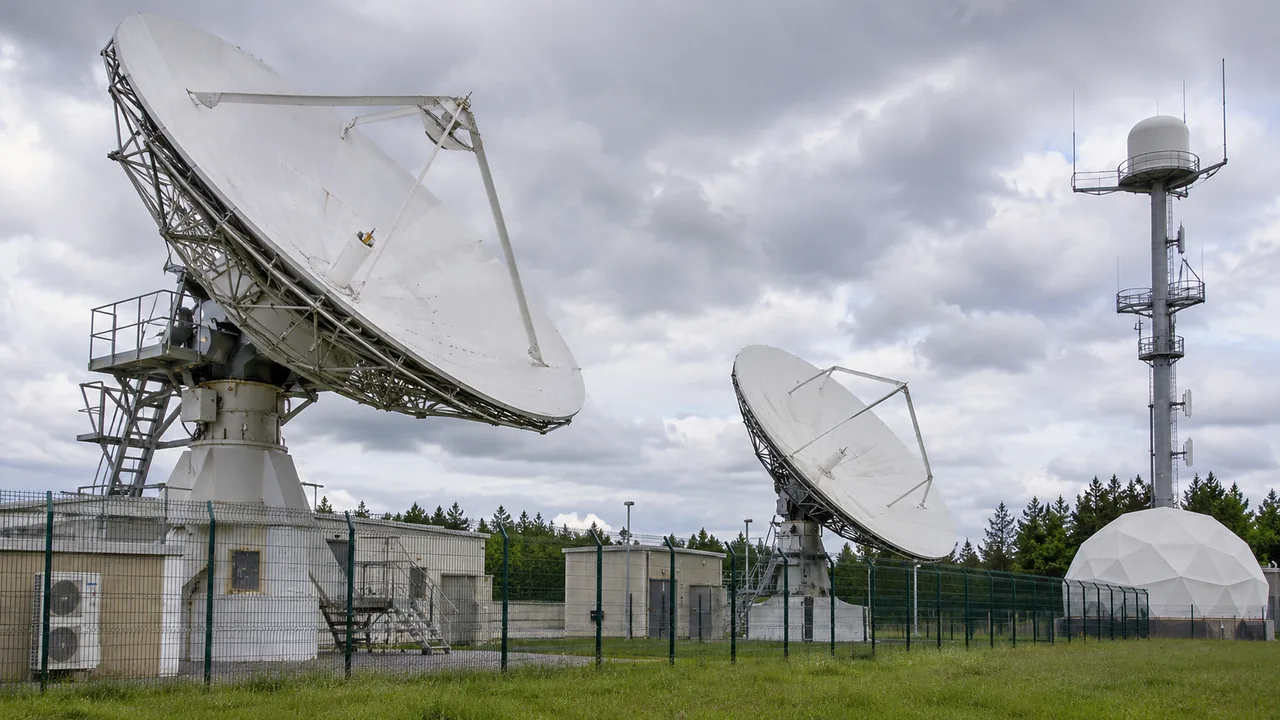
Satellites support services used by people and organisations, including some communications, navigation and observation. The loss of a spacecraft matters through the mission it performs and the alternatives available. It does not automatically mean every user loses every connected service.
A provider may have other spacecraft or different arrangements. Another service may have a more concentrated dependency. Ask which function has been affected, who uses it and how long the provider expects disruption to last. This keeps household decisions connected to an actual consequence rather than assuming that any orbital incident means a nationwide emergency has already begun.
Not every internet outage comes from space
An unavailable connection can have many causes, including local equipment, power, terrestrial networks or a provider incident. Even a service involving satellites also uses ground infrastructure. Start with the provider's actual status information and safe troubleshooting advice.
Do not treat a simultaneous space-news story as proof of the cause. Establishing the connection requires evidence. The immediate response may be the same regardless: use a suitable alternative, contact the provider and protect essential communication. Correctly identifying the failure helps avoid unnecessary purchases or risky changes to equipment made in response to an unrelated explanation.

A useful way to read an orbital-risk story
| Information in the story | Question that clarifies it |
|---|---|
| An object count | Tracked objects or a modelled population, and what sizes? |
| A close approach | Predicted encounter or confirmed collision? |
| A future chart | Which assumptions and timeframe were used? |
| A lost satellite | Which mission and users are affected? |
| A cleanup proposal | Demonstration, planned service or proven operation? |
The questions help separate immediate operational news from long-term environmental risk. Both can deserve attention. They simply support different decisions and should not be combined into a single unsupported countdown.
What households can sensibly prepare
Identify one service whose loss would create a practical difficulty. Keep essential contact information accessible and establish an appropriate communication or route-finding alternative. Make sure another household member knows how to use it.
The plan should be useful for ordinary disruptions too. A local power cut or broken phone is more familiar than an orbital collision, but it may expose a similar dependency. Do not buy specialist equipment solely because someone claims the whole orbital environment is about to become unusable. Define the problem, check the alternative and choose a safe, affordable action that remains useful after the headline disappears.

Organisations need to ask about shared dependencies
Two subscriptions may not be independent if they ultimately rely on the same provider or infrastructure. An organisation using satellite-dependent services should understand what the supplier actually provides and what a fallback can sustain.
The useful exercise is specific: which task stops, who notices and what changes first? A backup that has never been used by the people on shift may fail at the moment it is needed. Keep continuity decisions proportionate to the activity and relevant professional requirements. This is an organisational resilience question, rather than a reason for an ordinary household to reproduce an entire communications network.
Reentry is a different part of the problem
Some objects eventually re-enter the atmosphere, while the length of time spent in orbit depends on their circumstances. Reentry risk on the ground is different from collision risk in orbit. A headline about falling debris should therefore identify the event and relevant official advice.
Do not assume a predicted orbital collision path is a forecast of where material will land. Nor should an unusual object found on the ground be handled simply because it looks like a souvenir. Keep people away from a potentially hazardous unidentified object and contact the appropriate local authority or emergency service if immediate danger is present. Follow the actual incident instructions.
An example: one satellite and two different customers
Imagine a spacecraft failing after a confirmed collision. One customer is moved to an alternative service with limited disruption. Another customer relies on a capability that cannot be replaced quickly and must change an important operation.
The same orbital event has produced different practical consequences. A useful report explains the mission, alternatives and affected function. A household reading it can then ask whether its provider has issued a relevant notice. This approach takes the incident seriously while avoiding the unsupported jump from one damaged spacecraft to a claim that all navigation, communication and weather information have disappeared.
A shared environment needs long-term responsibility
Orbital safety involves operators, governments, researchers and service users. Better information, responsible mission design and follow-through after a mission all contribute. No household can individually prevent a collision between abandoned spacecraft, but the public can ask whether commitments are being measured and met.
Concern for future generations is especially relevant here. A benefit enjoyed today can leave a hazard for people whose spacecraft have not yet been designed. Treating orbit as a shared environment helps connect technical decisions to that responsibility. Prevention deserves attention before a dramatic failure makes the cost visible, rather than only after the fragments already exist.
Your next step
Choose one satellite-dependent service you use and find the provider's reliable status and support information. Check a practical alternative where loss of that function would matter. When reading space-news stories, distinguish a current encounter, a confirmed failure and a long-term projection.
Space debris is a serious, accumulating problem. It deserves clear explanations of how collisions create more risk and how responsible decisions can limit the damage. The hypothetical scenarios below describe possible consequences under increasingly severe conditions. They are not an official orbital alert or a prediction that every satellite will be lost together.
For a connected risk, read how solar activity can disrupt signals without a collision. Also explore why service backups need genuinely independent dependencies to compare the mechanisms and the practical choices involved.
Frequently asked questions
What is Kessler syndrome?
It describes a self-sustaining increase in collision-generated debris, where fragments from impacts contribute to later collisions. It concerns the development of an orbital environment over time, rather than a guaranteed instant destruction of every satellite.
Can every dangerous fragment be tracked?
No. Monitoring systems track many larger objects, while smaller debris is characterised using additional measurements and models. Tracking has important limits, but remains useful for assessing known encounters and supporting operational decisions.
Does one collision mean every satellite service will stop?
No. The effects depend on the spacecraft, mission, orbital region and available alternatives. Check which service has actually reported disruption. Do not infer a complete loss of communication or navigation from an incident involving one mission.
Will removing one object solve the debris problem?
No single action solves the entire environment. Removal, prevention of new fragments, responsible disposal and coordination address different parts of the problem. Assess the actual scope and demonstrated performance of a proposal rather than treating a concept image as a completed solution.
What should an ordinary household do?
Prepare for practical service interruptions by keeping essential information accessible and choosing usable alternatives where needed. Follow provider notices about actual disruption. Avoid major purchases based only on an unverified claim that space is about to become unusable.
Sources and further reading
ESA: Space Environment Report 2026 NASA: Orbital Debris Program Office questions and answers ESA: debris tracking, avoidance and mitigation explained ESA: current debris figures and definitions