
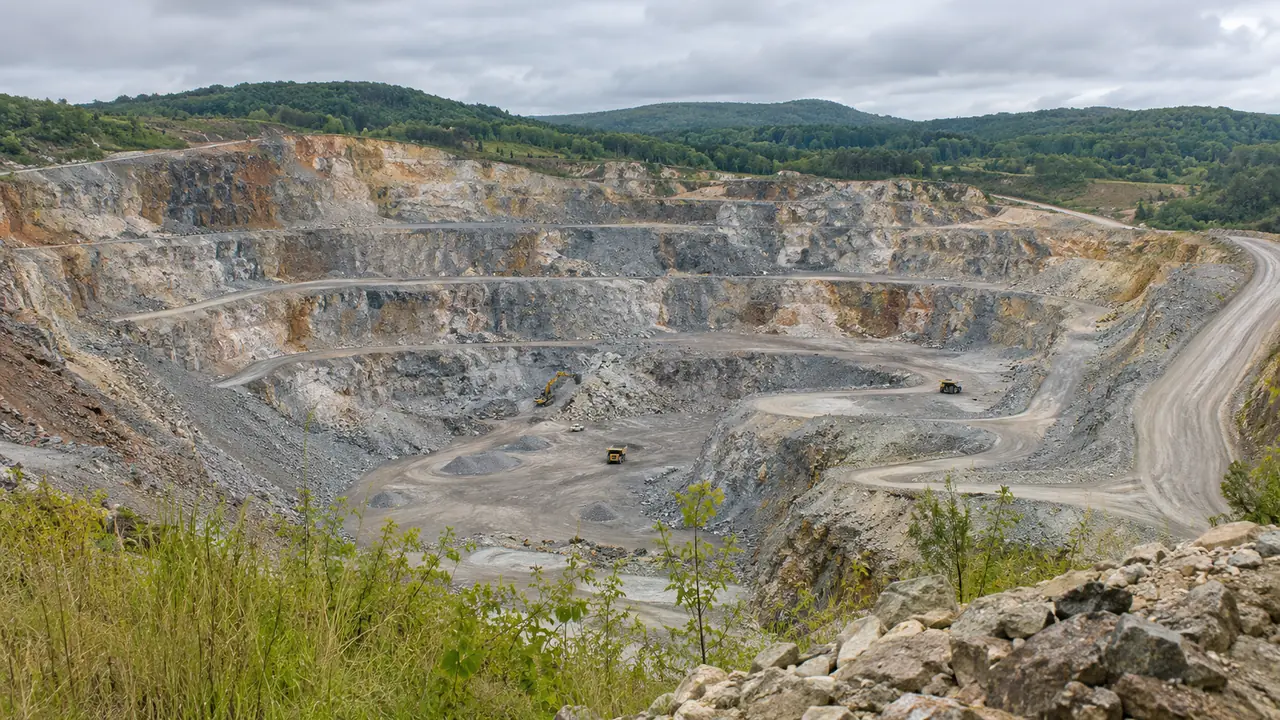
An alien civilisation would not have to hate humanity to harm it in a fictional resource-exploitation scenario. It might simply value something else more. The disturbing question is what could happen if a powerful visitor treated Earth's living systems as materials to use rather than a world whose inhabitants matter.
There is no evidence that such a civilisation exists, wants Earth's resources or is approaching the planet. This alien resource exploitation scenario is a thought experiment. Its value is in examining power, dependence and the difference between an activity being technically impressive and being safe for everyone affected by it.
It also challenges an easy assumption: that an advanced civilisation must share our priorities. We cannot establish alien values from an imagined level of technology. We can, however, examine why losing control over water, food systems or habitable land would threaten people even without the conventional invasion shown in films.
Why would anyone want Earth's resources?
That is the first question, not a detail to skip. Stories often assume that a visitor would cross interstellar distances for water, metals or energy. The existence of materials elsewhere in space means that a writer must explain why Earth would be selected rather than treating it as the only possible source.
We do not know the costs, preferences or constraints of a hypothetical civilisation. It might have no interest in the materials we value. It might value a particular environment, information or something we have not considered. These possibilities are speculative, not established motivations.
Recognising this gap makes the scenario more honest. The question is not whether alien mining is a likely next event. It is what the consequences could be if an external power did choose to extract something here without respecting the systems that keep Earth's inhabitants alive.
Extraction could threaten life without targeting people directly
Imagine a fictional operation that changes a landscape to obtain a material. Its operators might measure success by the amount extracted, while nearby communities experience lost water access, damaged habitats or interrupted livelihoods. Direct hostility towards those communities would not be required for serious harm.
This is an analogy about conflicting objectives. It does not prove that an alien civilisation would behave like a human mining company or empire. An analogy helps organise questions; it cannot supply evidence about an unknown society.
The important distinction is between intention and consequence. A reassuring statement that the visitors do not wish to kill anyone would not answer whether their actions made agriculture, drinking water or shelter impossible. Safety would need to be assessed through effects on people and ecosystems, rather than the visitor's claimed attitude alone.
Earth's value is not limited to minerals
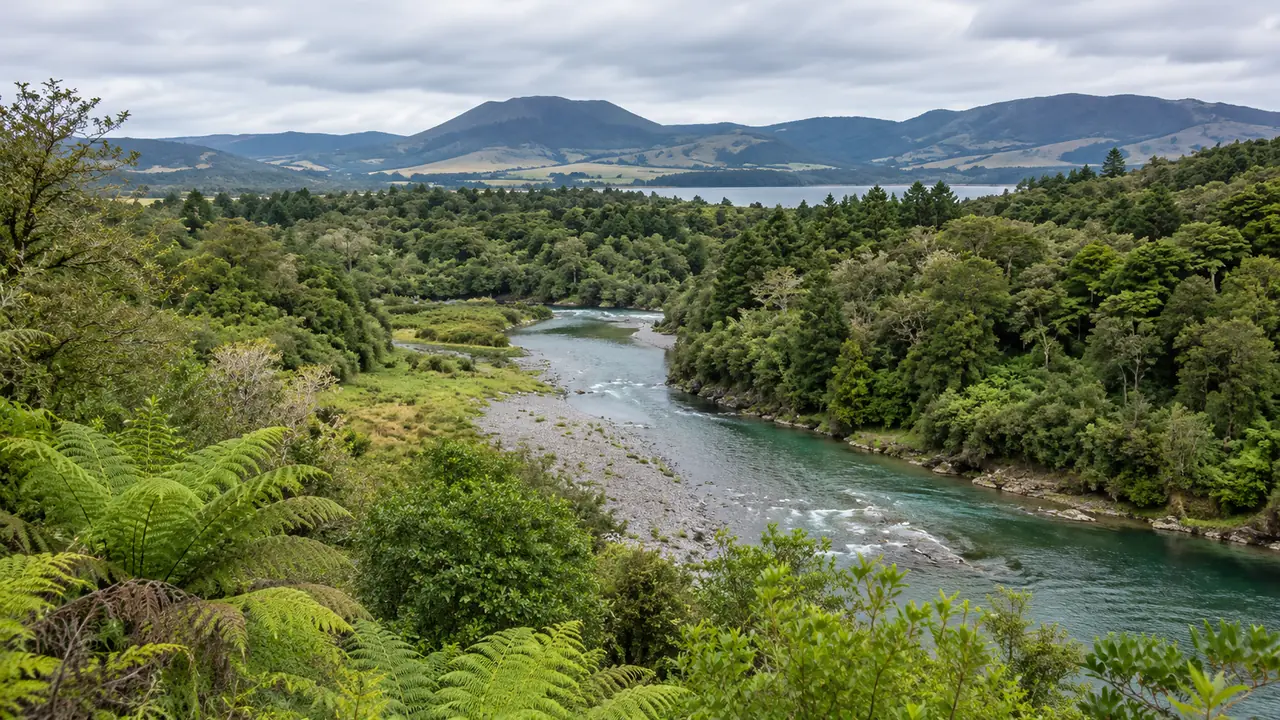
People depend on relationships between living and non-living systems. Soil supports plants, water moves through landscapes and food webs connect organisms. Removing or altering one part can affect much more than the material that first attracted attention.
A fictional resource plan might therefore misjudge the system it disturbed. Treating a forest as a quantity of biomass would leave out its relationships with soil, water and other life. Treating a coast as a convenient location would leave out the communities and habitats already there.
The threat in this scenario is the reduction of a living world to a narrow objective. That is a useful ethical concern even without aliens. It asks whether a decision-maker understands the dependencies that are absent from a simple inventory, and whether the people bearing the consequences have any meaningful voice.
The most dangerous loss could be control over essentials
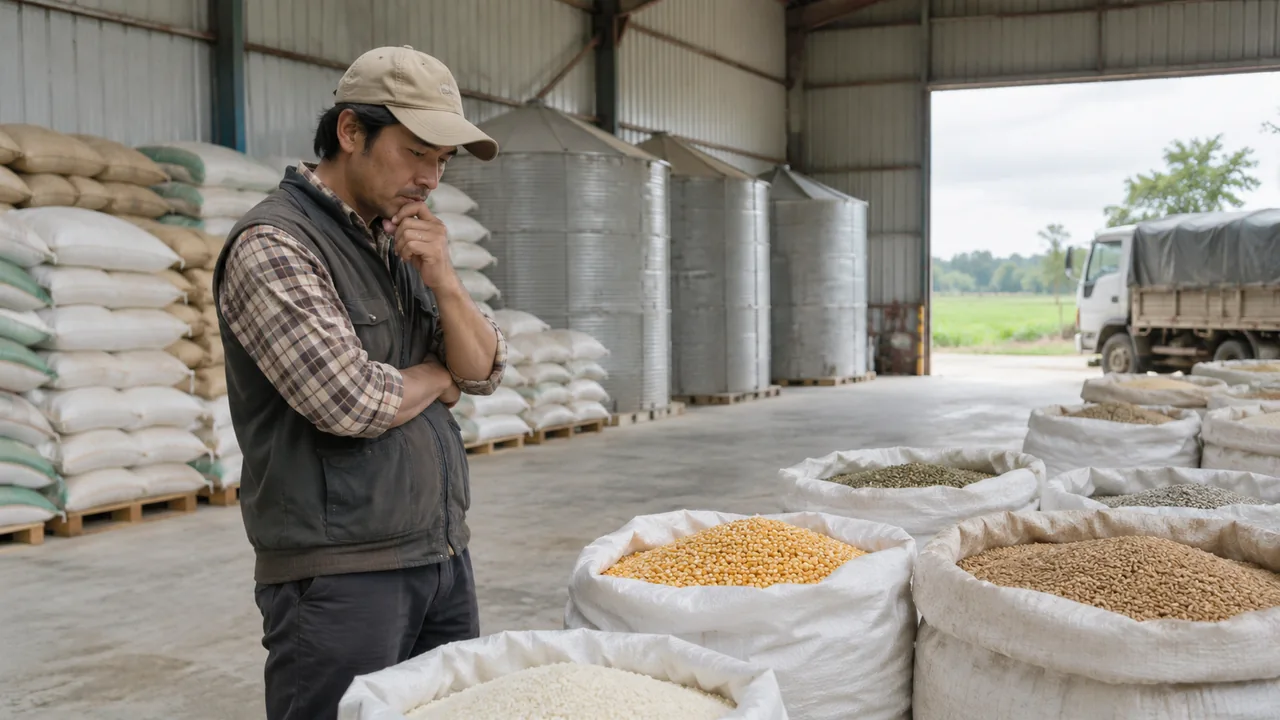
A community can remain physically intact while losing practical access to the resources it needs. If an external operation controlled a river, a transport corridor or productive land, the effects could spread through everyday services and prices.
For a family, the experience would not necessarily look like a battle. It could look like a shop that cannot obtain supplies, a water provider unable to maintain service or a relative whose treatment is interrupted. The scale of the consequences would depend on the actual changes, not on the dramatic appearance of the machinery.
Again, these are constructed examples. No alien operation is being identified. They show why an assessment of extraction must examine access and continuity, rather than only visible destruction. A resource can still exist somewhere while being unavailable to the people who depend on it.
Would superior technology remove the environmental problem?
Not automatically. A hypothetical civilisation might possess methods that are less damaging than ours. It might also pursue objectives whose scale creates effects we could not easily prevent. We have no observations that settle the question either way.
Technical efficiency is not the same as concern for another species. A process could use little energy per unit of output yet still be harmful if it changed an ecosystem on which others depended. Conversely, unfamiliar machinery should not be declared destructive solely because it looks strange.
The responsible standard would be evidence about effects. What is changing? How is it measured? Who can independently check it? Which limits prevent unacceptable harm? Those questions are more useful than assuming that advanced engineering guarantees wisdom or that an unfamiliar appearance proves a threat.
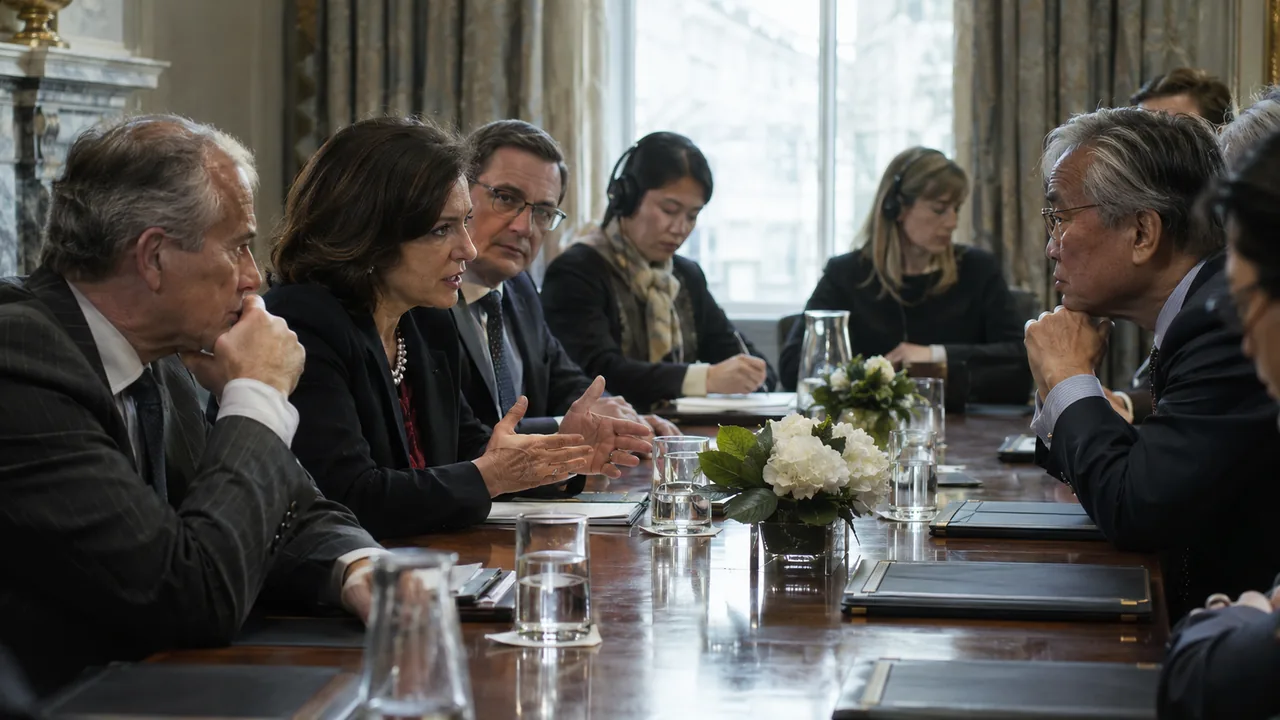
Consent becomes difficult when power is unequal
A decision made by one government or organisation would not necessarily represent every community affected by a hypothetical operation. Some consequences could cross borders or emerge only after a long delay. A promise of benefits might reach one group while costs fell on another.
This is why the word agreement needs examination. Who participated? What information was available? Could people refuse? Was there a way to challenge the decision or stop the activity if unexpected harm appeared?
These are ethical questions rather than a claim about a specific legal arrangement with extraterrestrials. No such arrangement is being assumed here. The scenario becomes dangerous when unequal power turns apparent cooperation into a choice people cannot meaningfully decline, especially when the resources involved are necessary for survival.
A promise of abundance could hide new dependence
Imagine a visitor offering energy, food or medical technology that appears to solve major human problems. In a fictional story, accepting it could bring genuine benefits. It could also create reliance on a system whose operation, limits and continued availability humans did not control.
The problem would not be that every gift is a trap. It would be the difficulty of evaluating an essential service without enough knowledge or independence. What happens if the supplier changes its terms? Can the system be repaired? Are there alternatives if it stops?
This line of questioning keeps the scenario balanced. Cooperation could be valuable, but the value of an offer does not remove the need to understand its conditions. A society should be able to ask how a new dependence affects its ability to protect people later.
What evidence would distinguish observation from a story?
An unexplained light does not establish a resource operation. An unusual environmental measurement does not prove an extraterrestrial cause. A convincing account would need independent evidence connecting a real activity to a real effect.
NASA's UAP information is relevant to the first step: unidentified observations are not confirmation of extraterrestrial origin. The rest of the scenario would require additional evidence rather than borrowing certainty from that initial mystery.
| Claim | Evidence that would be needed | Unsupported shortcut |
|---|---|---|
| A resource is being removed | Reliable measurements and a documented process | A distant light proves extraction |
| An unfamiliar actor is responsible | Independently verified identification | Unexplained means extraterrestrial |
| An operation is harming a community | Evidence linking activity and consequences | Every nearby problem has one cause |
| A proposal benefits everyone | Transparent assessment of benefits and costs | One spokesperson represents all humanity |
Why secrecy would make assessment harder
If a hypothetical proposal were discussed only by a small group, others could struggle to evaluate its purpose or consequences. Secrecy could also create space for fabricated claims, because the public would have few reliable details against which to check them.
Transparency does not mean publishing sensitive personal information or encouraging people to enter restricted sites. It means explaining the basis for decisions, the uncertainties and the process for independent scrutiny. Those principles protect both public trust and the quality of an assessment.
The SETI signal-detection principles offer a scientific example of verification and communication being considered before a discovery. They do not supply a complete governance system for a fictional extraction operation. That difference should remain clear rather than being hidden behind an official-sounding reference.
The threat could grow through several connected failures
Suppose, purely for analysis, that an operation reduced access to a major water source. The immediate question would be drinking water. But agriculture, sanitation, industry and energy services might also depend on that source. The wider consequences would emerge through those connections.
A second disruption could then make the first harder to manage. If transport were interrupted, alternative supplies might not reach the affected area. If communications failed, people might not know which services were still operating. A narrow count of the original extraction would miss that chain.
These examples illustrate why severe scenarios need more than one spectacular event. Humanitarian danger often depends on the loss of alternatives. A community with usable substitutes faces a different problem from one whose remaining support systems fail at the same time.
People should not become expendable in the discussion
A story about the fate of Earth can become so large that individual lives disappear from it. Yet the practical consequences would be experienced by particular people: a child without safe water, an older person unable to travel or a worker whose livelihood vanished.
Keeping those people visible changes the questions asked. Are benefits reaching them? Can they obtain clear information? Are their needs included in decisions? Who is responsible when a promised protection does not work?
The same care should prevent blame being redirected towards real communities. A rumour about secret deals with aliens is not evidence against a nationality, religion or institution. Threat analysis should not become a vehicle for harassment. Concern for humanity means protecting actual humans while an extraordinary claim is investigated.
What can this thought experiment teach us now?
Its useful lessons concern judgement, not an alien-specific survival product. Powerful proposals should be assessed through evidence, consequences, reversibility and accountability. A claimed benefit should be considered alongside the dependence or environmental cost it might create.
Our article on broadcasting Earth's location asks related questions about decisions made on humanity's behalf. The discussion of a hypothetical advanced civilisation examines why we cannot infer all capabilities or intentions from a single imagined achievement.
These connections should not be mistaken for independent proof that an encounter is approaching. They are different questions within a speculative topic. Keeping that status visible allows readers to explore serious possibilities without being misled into treating fiction as a current warning.
A household test for a persuasive extraordinary claim
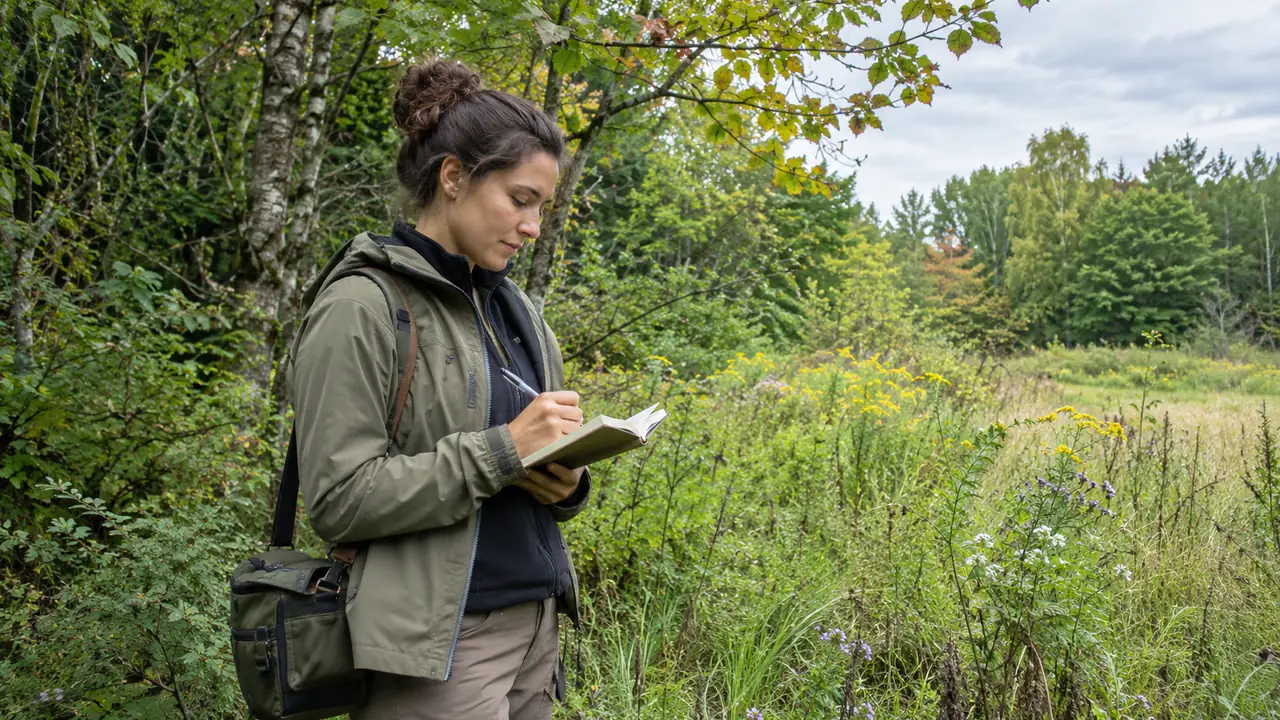
When a story says that outsiders are consuming Earth's resources, first identify the measurable claim. Which resource? Where? Over what period? What independent observations connect the alleged actor to the change? If those details are absent, the account is not ready to be treated as established fact.
Next, look at what the storyteller wants you to do. Are they asking for money, secrecy or hostility towards a group? Are they discouraging every source that might contradict them? A claim can be emotionally compelling while functioning as a way to control its audience.
Finally, separate the underlying environmental concern from the extraordinary explanation. A real water shortage, damaged habitat or unfair decision deserves attention on its own evidence. It does not become more important by attaching an unsupported alien cause to it.
Your next step
Take one claim about resource exploitation and divide it into three parts: the observed change, the proposed explanation and the action being demanded. Check whether each part is supported independently, rather than allowing a genuine concern to validate an invented cause.
Use the same discipline when discussing a fictional first-contact scenario. Ask what the visitors supposedly want, why Earth would matter and how the consequences would be measured. A story becomes more informative when its assumptions are visible.
The unsettling possibility is not simply that a stronger civilisation might attack. It is that a powerful actor could pursue an objective while overlooking the lives dependent on what it changed. We cannot claim that aliens would do this. We can recognise why consent, ecological understanding and protection of essential systems would matter if humanity ever faced such a choice.
Frequently asked questions
Is there evidence that aliens are taking Earth's resources?
No evidence of such an operation is presented in this article. It is an explicitly hypothetical scenario used to examine dependence, environmental consequences and decisions made under unequal power.
Would an advanced civilisation need Earth's water or minerals?
We do not know its needs or constraints, and materials also exist elsewhere in space. A story must state its assumptions rather than treating Earth as an obviously necessary target for interstellar extraction.
Could an operation harm people without intending to attack them?
Within the thought experiment, yes. Altering access to water, land or other essentials could cause serious consequences regardless of the operator's stated intention. That possibility does not establish that any alien activity exists.
Would advanced technology guarantee a harmless operation?
No such guarantee follows from technological capability alone. Safety would depend on actual effects, scale, limits and accountability. It would also be unjustified to declare every unfamiliar process destructive without relevant evidence.
What should I check before believing an alien-extraction report?
Look for a measured change, independently verified identification and evidence connecting the two. Keep genuine environmental problems separate from unsupported explanations, and be wary of demands for money, secrecy or hostility towards real communities.