
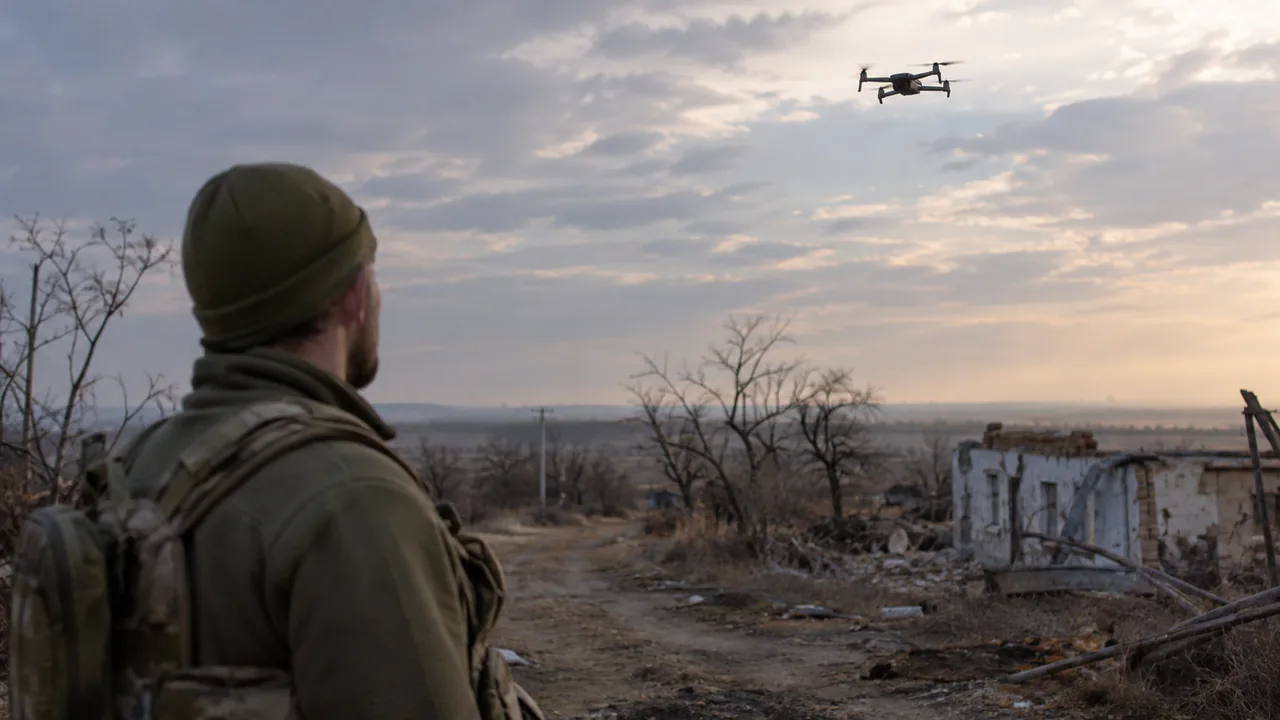
A person on a road may be carrying shopping, helping a neighbour or trying to leave a dangerous area. A weapon does not understand that life simply because its sensors recognise a shape. The threat from autonomous weapons begins when a system's classification becomes the basis for force without a person judging the specific situation.
AI weapons raise questions that reach beyond science fiction. Who decides what the system is allowed to target? Who can stop it when circumstances change? Who answers when a civilian is harmed? These are questions about human responsibility as much as technical performance, and they deserve attention before wider deployment makes harmful practices harder to reverse.
What makes a weapon autonomous?
The ICRC's explanation of autonomous weapons focuses on the ability to select and apply force to targets after activation without further human intervention. That is more specific than calling every advanced weapon an AI weapon. Autonomy and AI overlap, but they are not identical.
A remotely piloted drone may still have a person selecting the target and deciding whether to fire. A system can also perform some tasks automatically while a person retains control over an attack. The relevant question is where human judgement remains in the sequence, especially at the point where force is used.
Understanding that distinction prevents a misleading debate. The issue is not simply whether equipment looks robotic or operates without a pilot on board. It is what decisions have been delegated, how broad those decisions are and whether the effects can be constrained in a changing environment.
Why recognising an object is not understanding a situation
A system may identify features associated with a vehicle, structure or person. The meaning of those features depends on context. A damaged vehicle may no longer be used for fighting. A person may be wounded, surrendering or helping someone else. A location may contain both a military objective and civilians.
Better recognition can help with some technical tasks, but it does not remove the need to judge the circumstances. The consequences of a wrong classification are also different when software recommends a film and when a weapon applies lethal force. The tolerance for error cannot be transferred casually from one setting to another.
This is the central human concern. A civilian is more than a pattern in sensor data. Claims about accuracy should explain the conditions of testing, the kinds of error considered and what happens when the operating environment changes. A high average score does not by itself settle whether a particular use is acceptable.
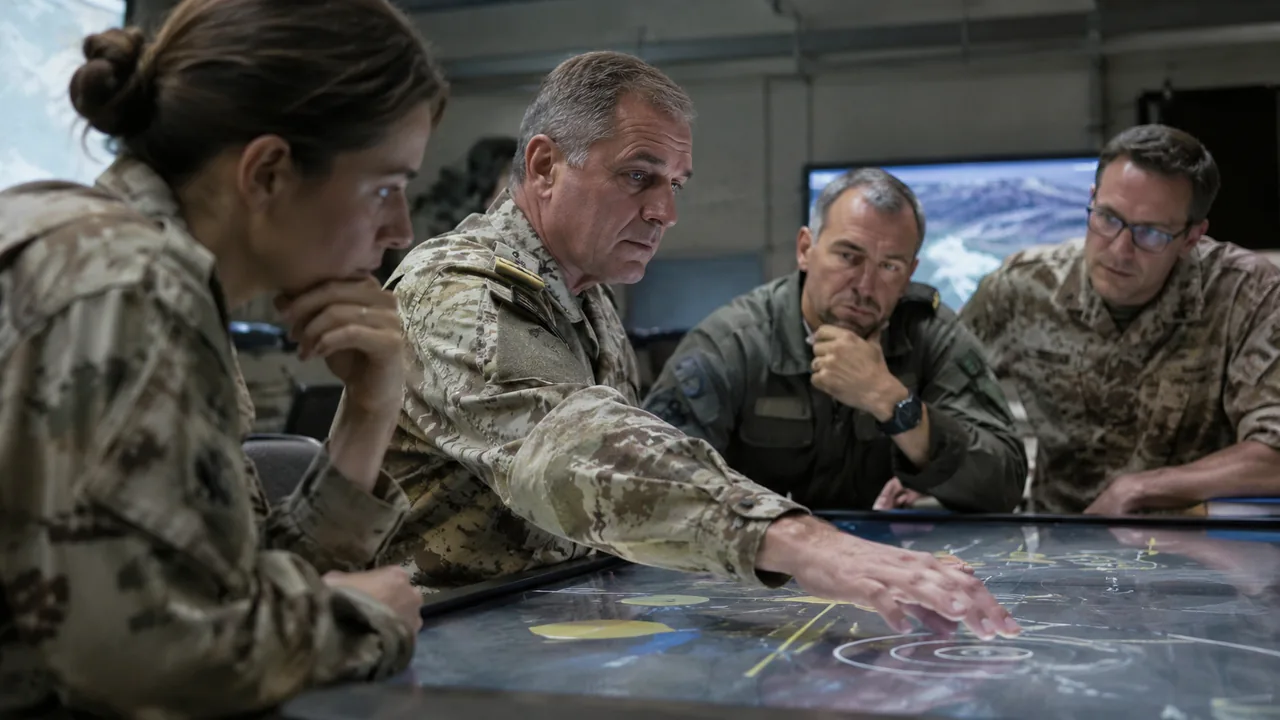
Human control must mean more than a button
A person may formally approve a system while lacking enough information or time to challenge it. If recommendations arrive too quickly to examine, or the reasons are unclear, the human role can become largely ceremonial. Responsibility remains serious even when practical control has weakened.
Meaningful oversight requires a comprehensible task, workable limits and the ability to intervene. It also requires an organisation that allows staff to question a recommendation. A procedure that rewards speed above all else can make an available stop function less useful in practice.
Ask what the operator knows before activation and what can change afterwards. Can the system's activity be limited in place and duration? Can a person understand the likely effects? Can the activity be stopped when a civilian enters the area or communications fail? The answers matter more than a general assurance that a human remains involved somewhere.

The legal questions should remain precise
The laws governing armed conflict continue to apply when new technology is used. Decisions about attacks involve distinctions between military objectives and civilians, assessments of expected civilian harm and precautions suited to the circumstances. A technical label does not remove those obligations.
Whether a particular system or use complies with the law requires a specific assessment. It is misleading to say that every autonomous system is already prohibited, or that the absence of a special global treaty makes every use acceptable. Existing rules and proposals for additional restrictions address related but different questions.
Readers do not need a legal qualification to ask for clarity. What use is proposed? What limits apply? How are civilian circumstances considered? How is responsibility assigned? A policy discussion becomes more useful when it answers these questions instead of treating the word innovation as an answer in itself.
Why speed can create a new kind of pressure
Faster decisions can be attractive to military organisations facing fast-moving threats. The danger is that competing systems may shorten the time available for human judgement, clarification and restraint. A response can be triggered before people understand the wider implications of the event.
Consider an imagined confrontation in which several automated systems interpret one another's movements as hostile. Each response changes the situation for the next system. Even without a plan for wider war, the interaction can make a limited incident harder to contain. This is a scenario to examine, not a claim that every automated system behaves this way.
The related article on regional escalation explains why decisions intended as defensive can be read differently by an opponent. Introducing more speed does not resolve that problem. It can make the quality of limits, communication and human supervision even more important.
When the system's behaviour is difficult to explain
Some systems produce outputs that are hard for users to interpret in ordinary terms. If an operator cannot adequately predict or explain behaviour, it becomes harder to assess the likely effects before use and to investigate a harmful result afterwards. The issue is practical accountability, not merely discomfort with unfamiliar software.
A reassuring demonstration under controlled conditions may leave important questions unanswered. What happens when visibility changes, data are incomplete or people behave differently from the examples used during development? How are unusual cases identified? What is the response when the system is uncertain?
Claims about reliability should include those limits. An organisation should not rely solely on the system's own confidence. Testing, independent scrutiny and a clear record of human decisions help establish what is known. Where effects cannot be constrained adequately, confidence in general technological progress is not a substitute for control over this use.
Why civilian infrastructure is especially vulnerable
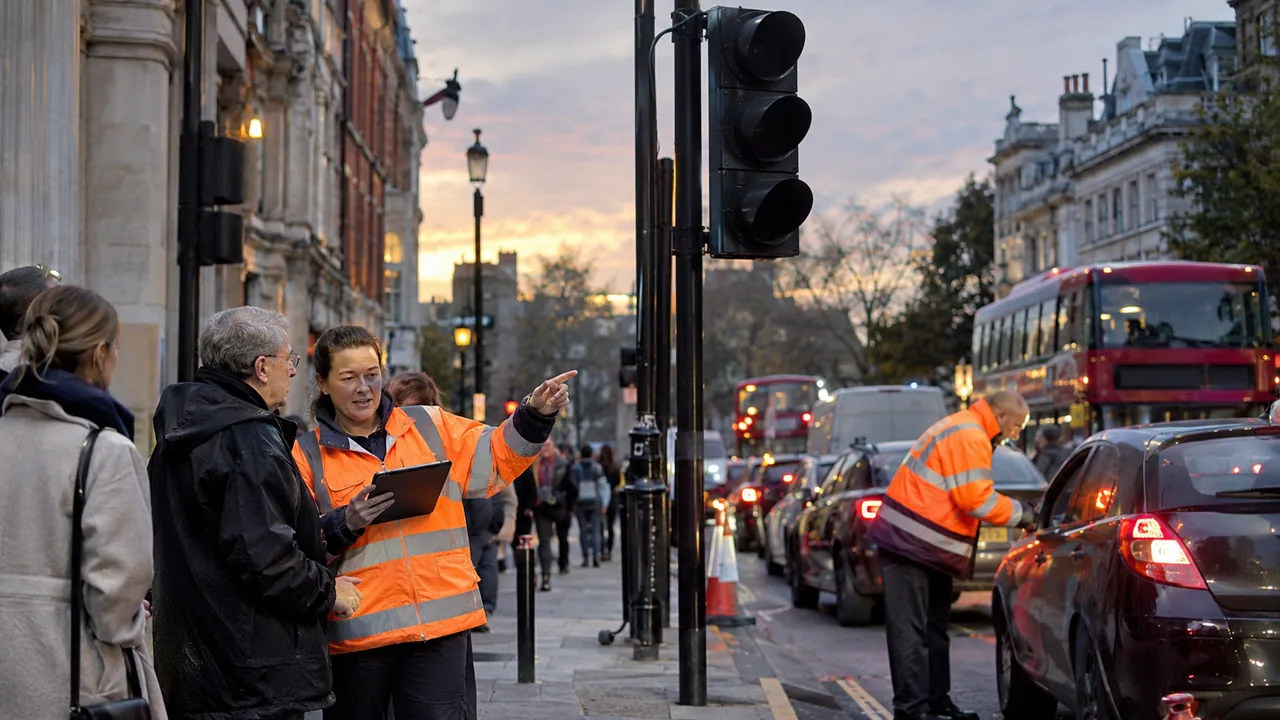
Damage to a single facility can spread through the services people need. A strike affecting electricity may also affect water, communications and medical care. An assessment limited to the immediate physical target can miss those connected consequences.
An automated system may be operating within a technical boundary while the social effects cross it. A road can be a transport link for armed forces and the only route to a hospital. A communications site can support several civilian services. Context cannot be reduced to an object's appearance alone.
For families, this means the threat is not only the moment of an attack. It is whether children can obtain treatment, whether displaced people can contact relatives and whether aid can reach a community. Civilian protection needs to remain central when the debate turns towards efficiency, scale and military advantage.
Proliferation changes the scale of the problem
A capability that becomes easier to obtain can reach more users with different training, incentives and levels of accountability. The risk is not limited to the most technologically advanced armed forces. Wider access can create more settings in which oversight is weak or ignored.
That does not mean every commercially available component becomes a weapon. Nor should public explanation provide instructions for turning it into one. The relevant policy issue is how combinations of accessible technology can undermine meaningful limits and how institutions can reduce harmful use.
Once a practice becomes common, reversing it can be harder. Users may argue that they must keep pace with others. That competitive pressure is one reason a debate about acceptable limits cannot wait until the most troubling uses are widespread. Early restraint can protect choices that later become politically or practically difficult.
A practical test for claims about AI weapons
| Claim | Question that improves the discussion |
|---|---|
| A human is in control | What can that person understand, decide and stop? |
| The system is more accurate | Accurate at which task and under which conditions? |
| It reduces risk to soldiers | What happens to civilians and wider escalation risk? |
| It has passed testing | What unfamiliar conditions and failures were examined? |
| It is only a defensive system | What actions can it take and where can their effects extend? |
These questions do not assume that every new function is harmful. They require a claim of benefit to be connected to evidence and a defined use. A responsible decision should examine both the possible improvement and the consequences of a failure.
What ordinary readers can do without becoming weapons experts
Read beyond images of futuristic robots. Look for a precise description of the decisions delegated to the system. Compare the developer's claims with humanitarian analysis and independently reported information. If a report cannot distinguish a remotely operated drone from autonomous target selection, treat its conclusions cautiously.
Ask public representatives and institutions to explain the standards they support for human control, civilian protection and accountability. These are understandable policy questions. A citizen does not need access to sensitive technical details to request a clear position on who should decide over life and death.
Support careful language in public discussion. Avoid treating a promotional video as proof of real-world effectiveness or a fictional scene as evidence of a current deployment. When claims are uncertain, identify the uncertainty. The public interest is served by reliable scrutiny, not by either automatic excitement or automatic disbelief.

People living with conflict need a different kind of information
For someone near fighting, a general technology article cannot provide safe movement instructions. The immediate need is verified local guidance, humanitarian access and contact with appropriate services. Do not infer a safe route from a distant description of how a weapon might work.
Images and rumours about a new system can also affect behaviour. People may take unnecessary risks because they believe a system cannot operate in certain conditions, or panic because they believe it can identify everyone perfectly. Neither belief should be accepted without evidence. Unverified technical folklore can be dangerous in both directions.
If you are supporting relatives in an affected area, share dependable humanitarian or official information through an agreed contact route. Protect their location and personal details. The priority is their safety and dignity, rather than gathering dramatic material about the equipment involved.
Who can explain a harmful result afterwards?
Accountability also requires a usable record of the decisions surrounding deployment. An investigation should be able to distinguish what people authorised, what the system did and which limits or assumptions failed. A vague statement that the technology behaved unexpectedly leaves those questions unanswered. Clear responsibility helps victims seek answers and helps institutions change the practice that caused harm. Ask who can independently review that record and how affected people can obtain an explanation through an appropriate process. It should be considered before use, rather than improvised after civilians have suffered.
Accuracy figures need a description of the task
Suppose a demonstration says that a system identifies a particular object correctly in most test cases. That statement leaves several questions open. Which objects were included? What conditions were used? What counted as an error? How did the test treat uncertain cases and the consequences of acting on them?
The same percentage can have different practical meaning depending on the task. Recognising a broad object category is different from deciding that a specific person or object may lawfully be attacked in changing circumstances. An improvement in one task should not quietly become proof that every surrounding judgement has been solved.
Testing also needs to examine the setting in which the system would operate. A controlled environment may exclude the confusion, damaged objects, civilian activity and incomplete information present in conflict. A responsible account should explain those limits without requiring the public to inspect sensitive technical details.
The human organisation matters alongside the measured performance. If staff are trained to accept every recommendation, a warning about uncertainty may have little practical effect. If people have usable authority to pause and question a result, the same technical output may lead to a different decision. Control is a property of the wider arrangement, not simply a feature listed in a brochure.
For an ordinary reader, the strongest question is what the evidence demonstrates and what remains a judgement. That avoids both an automatic rejection of every useful technical function and an uncritical acceptance of a military marketing claim. Where the possible error involves taking a life, a precise explanation of limits is part of responsible scrutiny. It cannot be replaced by the attractiveness of the demonstration or the confidence of the presenter.
The choice that should remain human
The concern is not that machines will suddenly acquire hatred. Harm can emerge from ordinary decisions to delegate too much, accept unclear performance claims or treat civilian context as a technical inconvenience. Those are human choices, and they can be challenged.
The same applies to accountability after harm. An investigation needs records, responsible people and an explanation of the decisions surrounding use. Blaming an algorithm without examining those choices can leave the underlying practice intact. A system should not become a place where responsibility disappears.
For the next generation, the question is what standards we establish now. Read one specific proposal or deployment claim and ask where judgement over force actually sits. Insist on an answer that explains the human role in practice. The more serious the possible consequence, the less acceptable it is to hide that role behind a reassuring slogan.
Frequently asked questions
Are all military drones autonomous weapons?
No. A remotely operated drone may have a person selecting the target and deciding whether to use force. The relevant distinction is autonomy in critical targeting functions, rather than whether the aircraft carries a pilot or performs some flight tasks automatically.
Do all autonomous weapons use AI?
No. Autonomy can rely on different kinds of software, including relatively constrained rule-based systems. AI may increase complexity in some designs, but the humanitarian question remains what the weapon can select and do without further human judgement.
Does a human approval button guarantee meaningful control?
No. The person also needs sufficient information, time and practical authority to question or stop the action. Formal involvement can be weak if the system's behaviour is unclear or decisions arrive faster than they can reasonably be assessed.
Can improved accuracy settle every civilian-protection question?
No. Recognising an object accurately does not resolve all questions about its context, the people nearby or the wider effects of an attack. Claims about accuracy need to be considered alongside the specific use, constraints and responsibilities involved.
What should a reader ask about a new AI weapon claim?
Ask which decisions are delegated, what limits apply, how behaviour is tested and who can intervene. Look for independent evidence and a clear account of civilian protection. Treat promotional demonstrations and fictional imagery as different from verified operational information.