
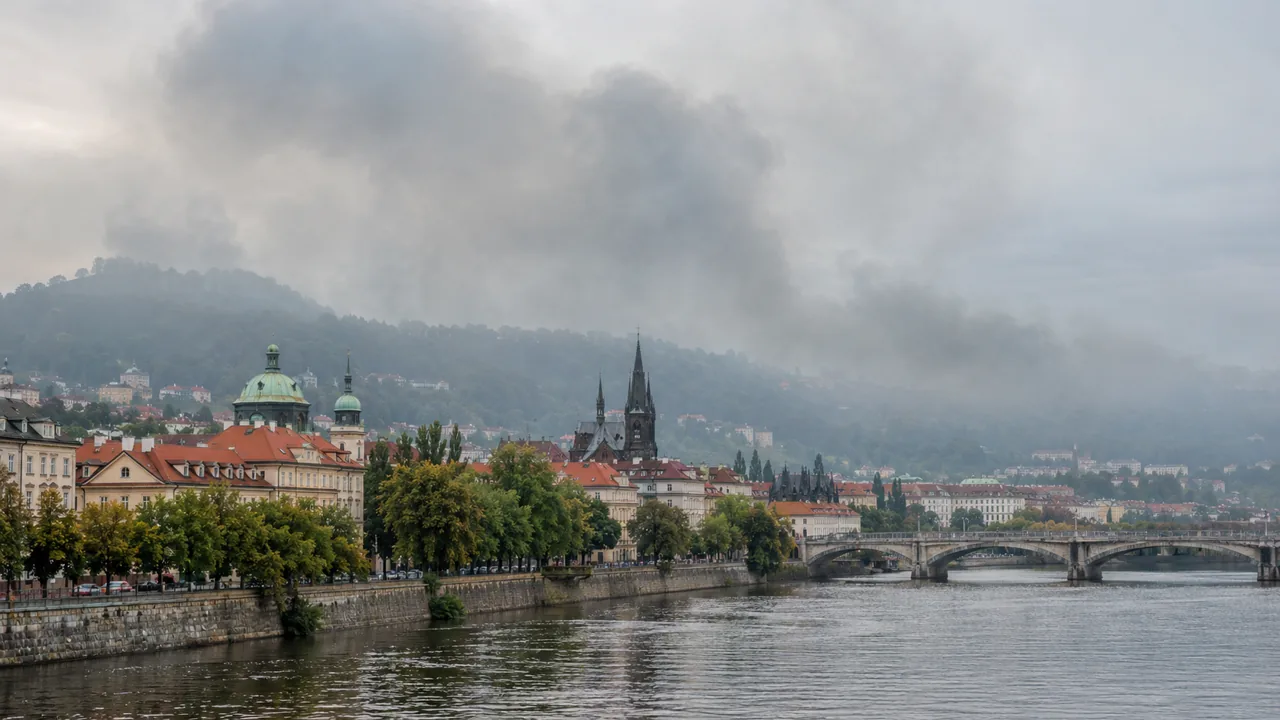
A smoky-looking sky can make a distant disaster suddenly feel close. Parents wonder whether children should play outside, somebody with asthma checks an inhaler and a dramatic map begins circulating through family messages. The important question is what is reaching the air people actually breathe.
Wildfire smoke can cross regions and oceans. Copernicus monitors such transport, including plumes reaching Europe. However, smoke high in the atmosphere does not automatically mean a dangerous concentration at ground level. Check local air-quality information, official advice and symptoms. If a fire is nearby, instructions about evacuation or immediate safety take priority over general advice about staying indoors.
Why smoke travels so far
A large fire releases gases and particles into moving air. Winds transport them, while the height of the plume, weather and chemical changes influence where they go. Some material remains aloft; some can affect air much closer to people.
Smoke does not stop at an administrative boundary. A city can experience a pollution episode without a fire burning inside it. Conversely, a spectacular distant plume does not establish the exposure at every location beneath its apparent path.
The practical lesson is to connect the source with the local measurement or forecast. An international monitoring image helps explain movement. A local warning helps decide whether to change outdoor activity, ventilate a home or seek more specific advice.
The difference between a map and an exposure
Many smoke images show the total material in a column of atmosphere rather than the concentration near the ground. That is useful scientific information, but it answers a different question from “What am I breathing on this street?”
Before interpreting a colour scale, check the map title, units, forecast time and altitude. A model forecast is not the same thing as a measurement, and a measurement at one site does not describe every room or road.
Copernicus has documented long-distance plumes at high altitude as well as episodes with surface effects. The distinction should reduce confusion, not encourage dismissal. If local official advice identifies unhealthy air, act on it even when the sky does not look especially dramatic.
What makes wildfire smoke a health concern?
Smoke is a mixture, rather than one substance. Fine particles and various gases can contribute to irritation and health effects. The mixture changes with what burns, combustion conditions and transport.
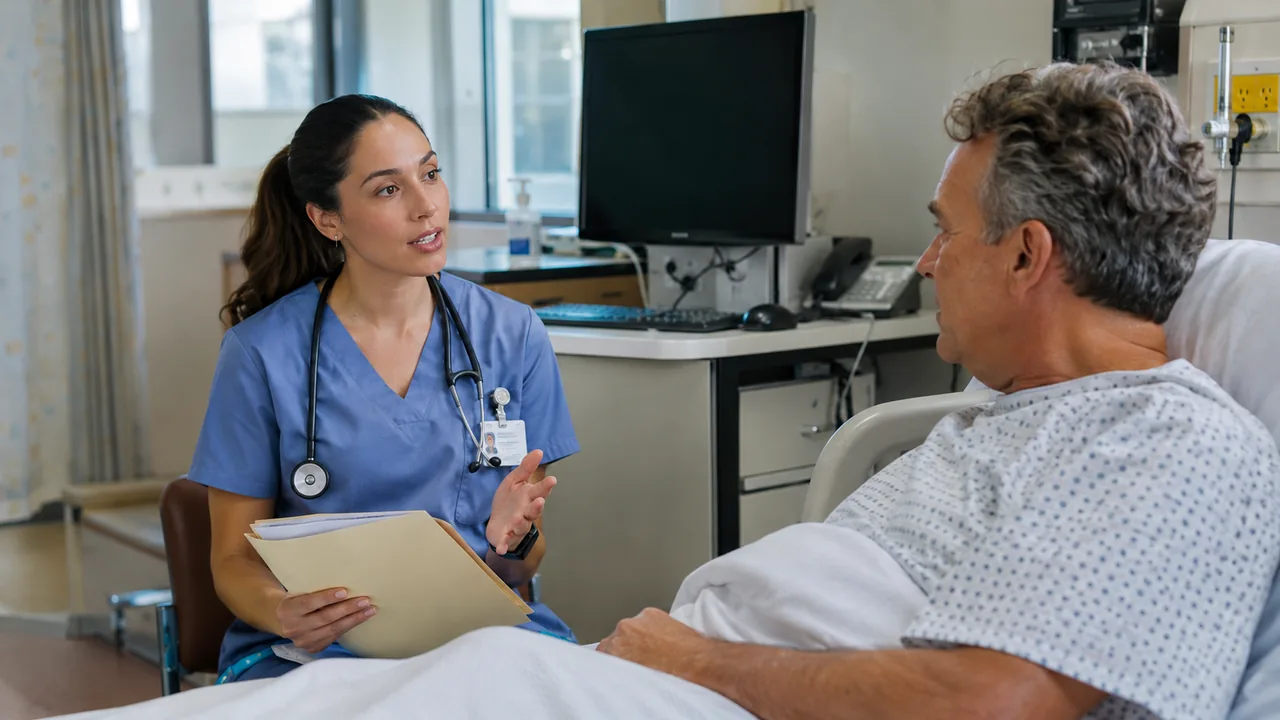
People with heart or lung conditions, older adults, children and pregnant people may need particular attention. Individual reactions differ. A person following an agreed asthma or other care plan should keep it available and use prescribed treatment as directed.
Symptoms such as coughing, wheezing or irritated eyes deserve attention to exposure. Serious breathing difficulty or chest pain needs urgent assessment through the appropriate emergency service. Do not treat an air-quality number as permission to ignore someone who is clearly becoming unwell.

Use local air-quality advice for the actual decision
The UK's air-quality information includes health advice associated with pollution conditions. Advice can differ for the general public and people more sensitive to air pollution. Read the category relevant to the person, rather than sharing a number alone.
Ask what activity is planned. A brief essential trip and prolonged strenuous exercise create different exposure patterns. A school sports event, an outdoor job and a person resting indoors need different practical arrangements.
Keep the date and location visible when passing information on. A warning for another city or yesterday's forecast can cause unnecessary alarm. If the situation is changing quickly, choose the official update relevant to the next decision rather than repeatedly refreshing unrelated global maps.
If a wildfire is close enough to threaten safety
Fire danger changes the priority. Follow emergency service instructions about leaving or remaining inside. A home that may be reached by spreading fire is not automatically a safe smoke shelter.
If you see a wildfire, move to safety and call 999. Do not travel towards it for photographs or attempt to tackle a spreading fire yourself. Keep access routes available for responders and people who need to leave.
Describe your location accurately and make clear if anyone has mobility or medical needs. If authorities identify an evacuation route, use that information. General household advice cannot evaluate fire behaviour, road conditions or the structural safety of a particular property.
Reducing exposure indoors
When smoke affects an area and the building is safe from fire, official UK advice may recommend remaining indoors with windows and doors closed. Limit unnecessary opening and follow instructions for systems that bring outside air into the building.
This is an exposure-reduction measure, not a claim that every indoor space becomes smoke-free. Homes differ in airtightness and ventilation. Keep monitoring symptoms, temperature and official information.
Avoid adding unnecessary indoor pollution. Smoking or burning candles undermines the purpose of seeking cleaner indoor air. Do not use outdoor cooking or fuel-burning equipment inside to replace a disrupted service. Carbon monoxide presents a separate serious hazard that cannot be judged by smell.
Hot weather can complicate the indoor plan
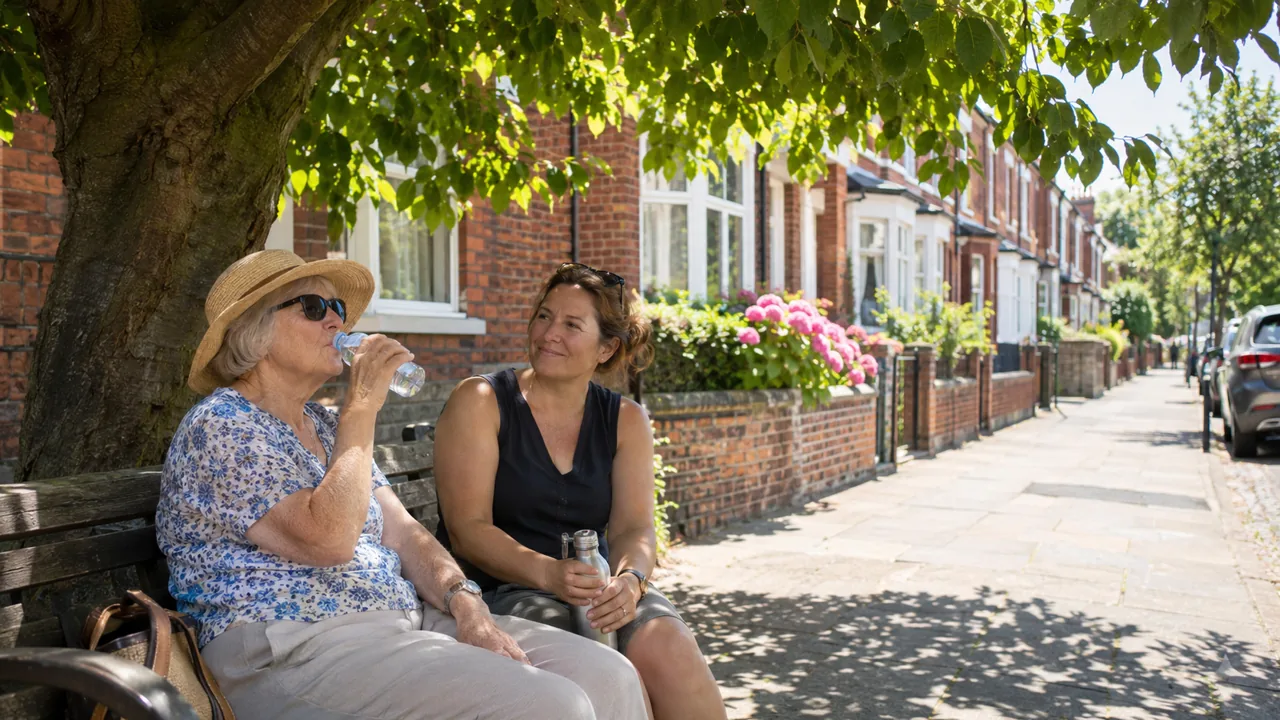
The same weather that favours fire may leave a home uncomfortable when windows are shut. A smoke plan therefore needs a heat plan. Consider the coolest suitable room, shading and safe ways to maintain comfort.
A fan circulates air but does not remove smoke particles or guarantee safe temperature. If conditions cannot be managed, seek advice about an accessible place with better air and cooling. Account for the exposure involved in reaching it.
Do not wait until a vulnerable person is severely unwell before asking for help. Explain both problems when contacting a service: smoke outside and excessive heat inside. An instruction intended to reduce one hazard should not leave somebody trapped in another.
Air cleaners and masks need careful interpretation
A suitable air cleaner may reduce some indoor particles, but performance depends on the equipment, room and correct use. It does not establish that gases have been removed or that a building is safe from fire.
If considering one, check what the manufacturer actually claims, filter requirements, room coverage and running cost. Avoid products promising complete protection without clear evidence. Keep any professional advice relevant to a person's condition.
Ordinary face coverings do not reliably protect against every pollutant in smoke. Follow public-health and occupational guidance for the actual situation rather than assuming that a familiar mask makes outdoor exposure harmless. Specialist respiratory protection requires an appropriate selection and fit, particularly in work settings.
Outdoor work, exercise and necessary errands
Ask which activities can move, shorten or wait. A run can often be rescheduled. Essential care or work may require a different arrangement rather than cancellation without support.
For workplaces, involve the responsible manager and risk assessment. The answer may include changing tasks, location or timing. A worker should not have to make a complex exposure decision alone while being pressured to continue.
For errands, combine essential tasks sensibly and avoid unnecessary prolonged exposure. A vehicle's recirculation setting can reduce incoming smoky air in suitable circumstances, but it does not make a dangerous route safe. Never leave children or pets in a closed parked vehicle.

Make school and care arrangements practical
Check communications from schools, nurseries and care providers. Ask what changes are planned for outdoor activities and how families will be told. A child should know to report breathing discomfort to an adult.
For a person with an existing care plan, check access to prescribed medicines and the relevant contact. Do not change treatment because a map looks alarming. If a usual visit cannot happen, confirm how essential support will be delivered.
Avoid relying on a single unanswered message. Agree a backup contact or an alternative way to receive an important instruction. Clear responsibility matters more than a large group chat in which everyone assumes somebody else has acted.
Verify smoke stories before sharing them
Look for the original source and ask whether the claim concerns a real current event, a forecast or an illustration. Pictures of a red sky can be reused from another country or year.
A useful message includes the location, time, official advice and the next action. “The local service advises reducing strenuous outdoor activity today” is more useful than “A toxic cloud is coming” without context.
Do not claim that all haze is wildfire smoke. Dust, ordinary pollution and weather conditions can also affect appearance. If the source is uncertain, say so. Accuracy helps people reserve attention for instructions that genuinely affect their safety.
Why some households carry more of the burden
Not everyone can work indoors, close windows comfortably or buy equipment. People in insecure housing or outdoor jobs may have fewer choices. Those already managing illness can face additional costs and disrupted care.
A useful community response asks about the obstacle rather than repeating general advice. Someone may need help reaching a suitable indoor place, collecting a prescription or understanding an official notice. A translated message or accessible transport can be more valuable than another warning image.
Respect privacy when offering support. Avoid naming a person's medical condition in a neighbourhood group without permission. Practical care works best when people can ask for what they need without being turned into a public example.
Decide when to ventilate again
Conditions can improve and worsen as wind and fire activity change. Reopening windows should therefore be linked to current local information and the needs of the household, not a fixed time chosen earlier.
When official advice indicates improvement, consider how to restore a comfortable indoor environment safely. Check whether smoke could return and keep necessary contacts available. A short period of clearer air does not establish that the wider incident has ended.
If symptoms persist or worsen after exposure, seek health advice. Mention the exposure and any existing condition. The aim is to connect health changes with appropriate professional assessment, not to diagnose smoke injury through an internet checklist.
Keep a simple decision record
A short note can prevent confusion during a changing episode. Record the official source, the time checked and the action agreed. This helps a carer or another household member understand why windows are closed or a journey has moved.
| Situation | Information that matters |
|---|---|
| Smoke visible high overhead | Local surface conditions and official advice |
| Strong nearby smoke | Fire safety instructions and exposure reduction |
| Asthma symptoms worsen | The person's care plan and medical advice |
| Home becomes too hot | A combined heat and cleaner-air arrangement |
| Conditions appear clearer | A current update before normal activity resumes |
The record should support decisions rather than become another task nobody can maintain. One accurate update is better than collecting dozens of conflicting screenshots.
Prepare before the next episode
Identify the local air-quality service you trust and check how it presents health advice. Decide which room or alternative location would be suitable if smoke and heat arrived together. Discuss care needs before they become urgent.
Keep the wider issue in view. Better fire prevention, cleaner air, resilient buildings and accessible public information protect people who cannot solve exposure alone. Concern for children and future generations should include those shared protections.
The DEFCON descriptions alongside this article are hypothetical editorial scenarios. They are not official pollution categories or a statement that a particular smoke plume is creating a current emergency. Let verified local conditions guide the next action.
For a connected risk, read why urban heat changes safe indoor choices for vulnerable people. Also explore how combined hazards can remove an otherwise useful fallback to compare the mechanisms and the practical choices involved.
Frequently asked questions
Can smoke from another country affect my city?
Yes. Winds can transport some wildfire pollutants over long distances. However, the amount reaching ground level varies. Use local air-quality information and official health advice to judge the practical response. A distant fire or a plume on a satellite image does not establish identical exposure everywhere.
Does an orange sky mean the air is dangerous at ground level?
Appearance alone cannot establish exposure. Smoke may be high in the atmosphere, and other particles can also affect the sky. Check what a map or measurement represents and follow the local official advice relevant to the people and activities involved.
Should I stay indoors if a fire is approaching?
Follow emergency service instructions. Staying inside can reduce smoke exposure when the building is safe, but it is not a universal response to a spreading fire. Evacuation or other immediate safety advice takes priority. Do not delay leaving a threatened location to improve indoor air.
Will an ordinary mask remove every smoke hazard?
No. Smoke contains different particles and gases, and ordinary face coverings do not provide complete protection. Follow public-health or workplace guidance. Do not treat a mask as permission to remain in dangerous smoke or to ignore an instruction to leave an affected area.
What if windows must stay closed but the home becomes too hot?
Consider the combined hazards and seek suitable advice or a safer accessible location if the home cannot be managed. Monitor health, use the coolest appropriate space and follow official updates. Protecting against smoke should not mean allowing a vulnerable person to become dangerously overheated.
Sources and further reading
Copernicus: global fire monitoring and smoke transport Copernicus: smoke transport reaching Europe UKHSA: wildfire health risks and protective actions UK Government: air-quality health advice Be Ready: wildfires