
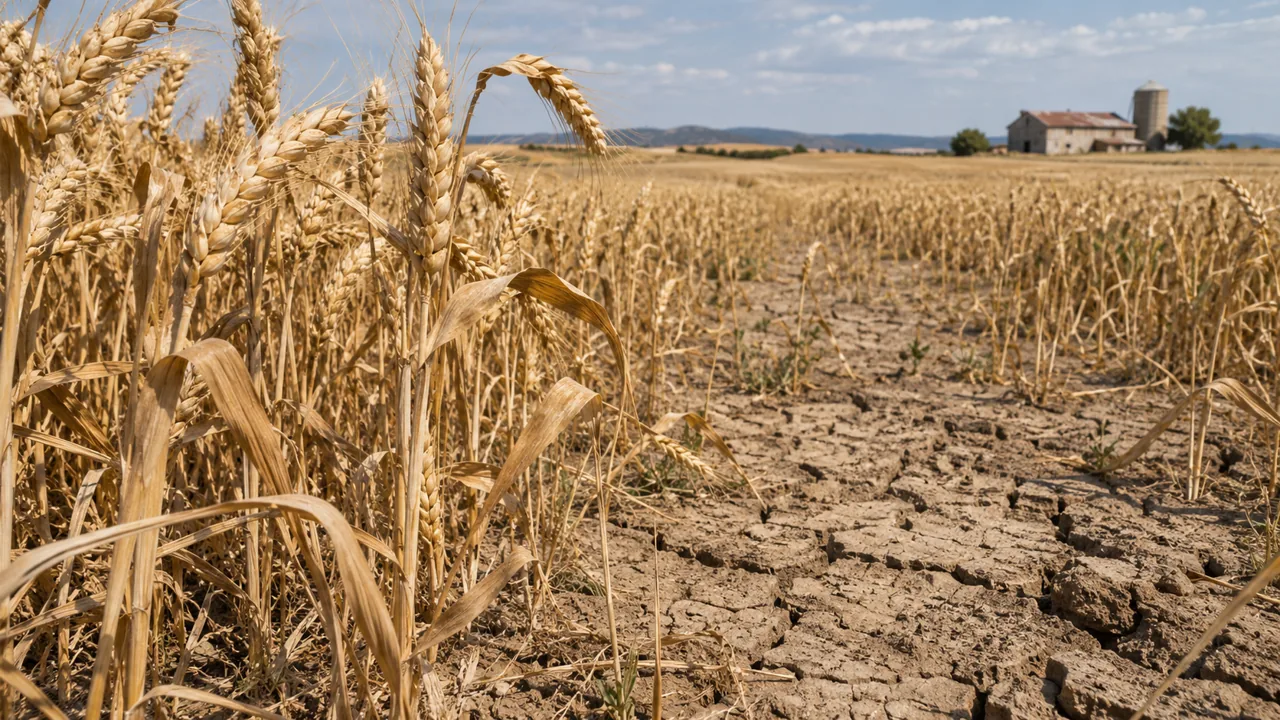
The supermarket shelf may look normal while the weekly shop becomes harder to afford. A parent removes one item, chooses a smaller pack and wonders why the same meals now cost more. The pressure can begin far away, where a harvest fails, a shipping route becomes difficult or a farmer pays more for essential inputs.
War and extreme weather can affect food through different routes, and their effects can overlap. They do not produce one automatic price change for every product. Look at the specific commodity, costs and alternatives. For households, the useful response is a flexible plan built around familiar meals, less waste and verified information, while protecting medical and allergy requirements.
The journey from field to family meal
A food item passes through production, storage, processing, transport and retail. Each stage has costs and possible disruptions. The shelf price reflects their interaction rather than the condition of one field alone.
For bread, wheat matters, but so do milling, energy, packaging, transport and labour. A vegetable's cost may also depend on harvesting conditions, refrigeration and the amount lost before sale.
This explains why a dramatic crop story cannot by itself predict your receipt. Ask which stage is affected and whether the report concerns a raw commodity, a wholesale price or the final shop price. Those measures describe related parts of a system, not interchangeable numbers.
How conflict can affect a harvest without reaching the field
Fighting can directly damage farms, displace workers or interrupt harvesting. It can also affect fuel, fertiliser, finance, insurance and transport. A farm far from combat may face higher costs because of those connections.
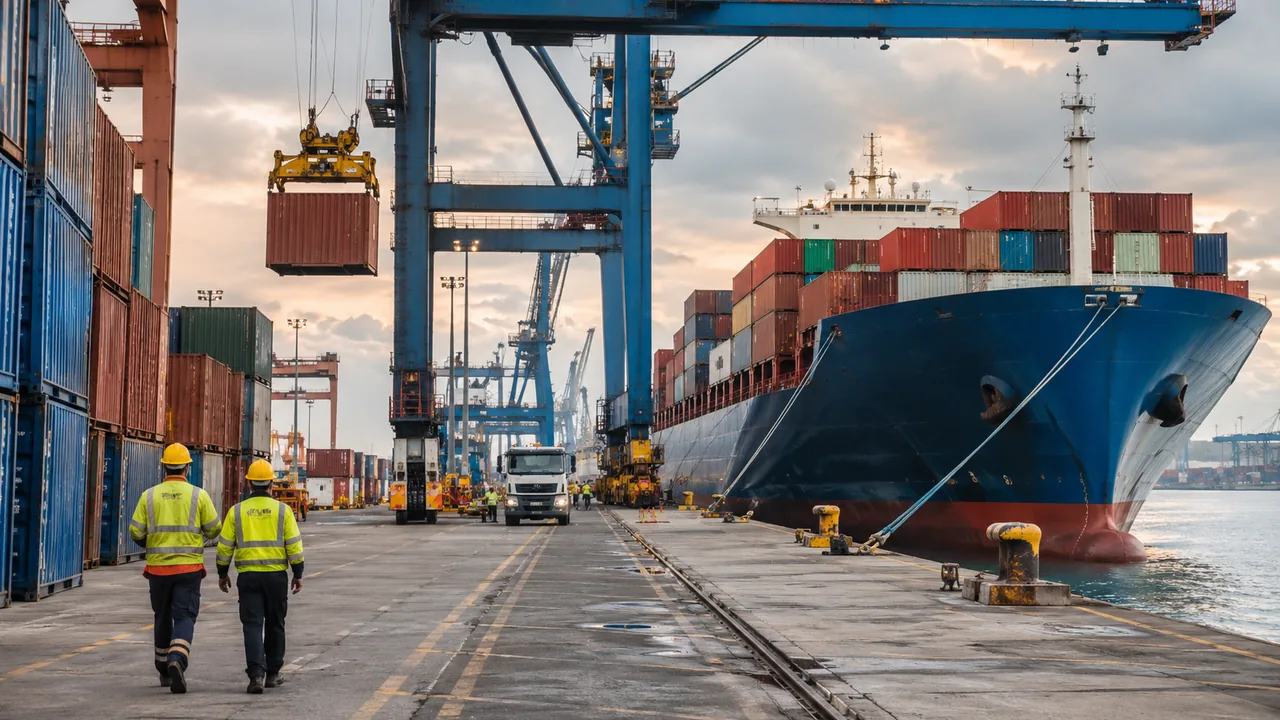
Shipping disruption can add delay or expense even when food has already been produced. Buyers may seek different sources, and other suppliers may adapt. The result depends on available stocks, alternative routes and the duration of the problem.
Do not assume every threatened route stops all trade. Nor should a functioning alternative be treated as cost-free. Useful analysis explains both the disruption and the response, including the limits of the evidence available.

Why extreme weather matters at particular moments
A crop's vulnerability depends on what is happening when weather arrives. Heat during a sensitive stage, too little water or rain during harvesting can have different consequences. The same rainfall total can be helpful in one context and damaging in another.
Farmers use different varieties, practices and infrastructure, so outcomes vary. A regional report may describe serious losses without establishing the condition of every producer.
For readers, the relevant questions are where the crop is grown, how much important production is affected and whether other regions can supply the need. Climate risk deserves attention, but a global warming trend is not a complete forecast of next week's tomato price.
What changes when several pressures overlap?
A damaged harvest is harder to manage when transport is also disrupted or energy costs are high. A household with limited income feels the combined effect even if no individual product becomes completely unavailable.
The UK Food Security Report examines the interaction of climate, conflict, costs and supply resilience. Its historical evidence includes both serious price pressures and the ability of trade and production to adapt.
Keep those ideas together. Resilience does not mean every family can comfortably afford food. Higher prices do not prove that the national food system has stopped functioning. Availability and affordability are separate problems, and support must respond to the one people actually face.
A shortage in one shop is not the whole market
A missing item can reflect a late delivery, a supplier change, local demand or a wider production issue. The practical response depends on which explanation is supported.
Check whether a suitable alternative is available elsewhere or in a different form. Frozen, dried or tinned ingredients may serve a meal when appropriate, but changes must respect dietary and medical needs. Do not substitute an unsafe ingredient because it is cheaper.
Avoid treating one photograph of an empty shelf as proof of a national crisis. Ask for the place, date and product. A clear local issue may deserve action without supporting a much broader claim.

Commodity prices and shop prices move differently
A world market index combines selected commodities using a particular method. Your household basket has different weights, brands, pack sizes and dietary requirements. The two measures can move at different speeds.
Shop prices also reflect contracts, processing and distribution costs. A fall in one raw input does not guarantee an immediate matching fall in every finished product. Similarly, a rise in a headline index does not tell you the exact increase on your next receipt.
Use broad indicators for context and your own consistent records for household choices. Compare like with like: the same useful quantity, a suitable product and a realistic time period. A single expensive week may include items you do not buy every week.
Start with the meals you actually eat
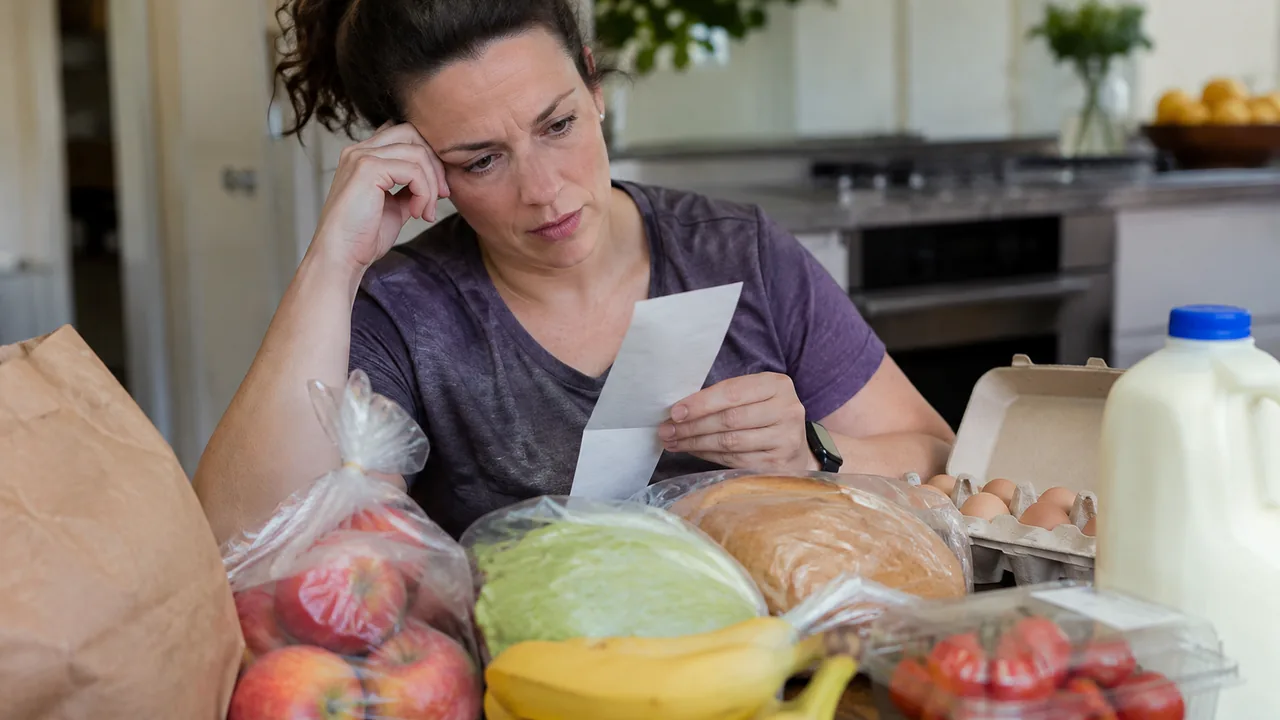
Write down several familiar meals and the ingredients already available. Identify where substitution is easy and where it is not. A child with a restricted diet or a person managing an allergy may have fewer safe alternatives.
Build flexibility around the rest of the basket. One household may change a vegetable, another may use a different protein or a shelf-stable ingredient. Choose changes people will eat rather than a theoretical cheapest menu.
The aim is to preserve useful nutrition and reduce stress. A large collection of unfamiliar food that nobody can cook does not create dependable resilience. Start with a small change that can be tested during ordinary life.
Unit prices help, but only when the food is useful
Compare the price per useful quantity, including likely waste. A larger pack can be cheaper per kilogram and still cost more overall if part is discarded or storage is unsuitable.
Consider a hypothetical comparison. A 2.5 kg pack costing £4.50 is £1.80 per kilogram. A 1 kg pack costing £2 is £2 per kilogram. The larger pack has a lower unit price, but it requires more money at once and only saves value if the household can use it.
Include preparation and cooking needs where relevant. A bargain that requires unavailable equipment or more fuel than expected may not solve the actual problem. Price labels support judgement; they do not replace it.
Reducing waste creates room in a tight budget
Before shopping, check the fridge, freezer and cupboards. Plan to use suitable food already open or approaching the point when it should be used. Follow official food-safety guidance and the product's storage instructions.
Do not confuse saving food with taking risks. Different date labels have different meanings, and an unfamiliar smell is not a universal safety test. If advice is unclear, consult the responsible food-safety source rather than guessing.
A short shopping list can reduce accidental duplication. Keeping a visible record of useful reserves helps the whole household avoid buying an item that is already available. The practical benefit is money and choice retained for the next week.
Preparation should not become a buying competition
A modest reserve of ordinary food can reduce the need for an urgent journey during disruption. Build it gradually if affordable, store it appropriately and rotate it through normal meals.
Panic buying can tie up cash, produce waste and worsen local shortages for people who cannot shop early. It can also leave a household with too little money for rent, medicines or utilities.
If a credible notice concerns a particular product, follow the relevant advice and seek suitable alternatives. Do not convert an international headline into a reason to fill every available cupboard. Preparedness should remain usable after the immediate concern has passed.
Budget pressure can hide behind a full cupboard
A household may still have food while losing choice, skipping meals or worrying about the next shop. That deserves support before the cupboard is completely empty.
Contact the appropriate local authority, school or support organisation to understand what help is available in your circumstances. Eligibility and arrangements vary, so use current local information. A general article cannot promise a particular benefit or voucher.
Treat the conversation with dignity. Financial pressure is not evidence that someone has failed to plan. Illness, caring responsibilities, housing costs and disrupted income can limit options. Practical assistance works best when it responds to the actual obstacle.
Cooking and storage depend on other services
A reserve that assumes reliable refrigeration or lengthy cooking may be less useful during a power or water interruption. Consider the conditions under which the food would be used.
Include familiar options that match the household's normal equipment and any realistic disruption plan. Follow food-safety guidance if refrigeration fails. Do not improvise indoor use of equipment designed for outdoor fuel burning.
Ask who can prepare the food if the usual cook is unavailable. A simple meal that another adult can make safely may offer more resilience than a sophisticated plan dependent on one person. Explain any allergy or medical restrictions clearly.
Be careful with claims about investment and scarcity
Food is an essential household need, not a guaranteed investment. Claims that a product will soon become unaffordable can be designed to encourage hurried purchasing.
Check whether the source benefits from the proposed action and whether it supplies evidence for the location and timeframe. A speculative prediction is different from a retailer's verified supply notice.
Avoid borrowing to make large stockpiles on the assumption that prices must rise. That can reduce the household's ability to respond to actual needs. A calm review of meals, unit costs and available support is a more useful starting point than treating every international development as a buying signal.
A practical example of responding to a worrying headline
Imagine a family reading that drought has affected an important producing region. They first check which crop and season the report concerns. They do not assume every item will become scarce.
Next, they review their usual meals and compare suitable alternatives. They keep essential dietary requirements fixed, use food already available and add a small useful reserve within the budget.
If prices change, they compare the whole meal rather than chasing one cheap ingredient. If the budget no longer covers needs, they seek relevant support. Each step responds to a real decision. The headline becomes a reason to plan, rather than a command to purchase immediately.
What information deserves your attention?
| Information | Useful interpretation |
|---|---|
| Confirmed harvest damage | Pressure on a named crop and region |
| A transport disruption | Possible delays or costs on affected routes |
| A commodity index | Broad market context, not your exact basket |
| A local empty shelf | A reason to check alternatives and scope |
| A household budget gap | A practical need for changes or support |
Keep a few meaningful records rather than tracking every rumour. A consistent list of familiar meals and useful quantities often reveals more about household resilience than a collection of dramatic charts.
The wider responsibility behind the shopping bill
Farmers, workers, transport systems, trade arrangements and public policy shape food resilience. Households cannot individually repair a port or protect every harvest from extreme weather.
Nevertheless, ordinary choices can reduce waste and create flexibility. Community support can help families whose options are limited. Accurate information can reduce unnecessary panic and make real problems easier to recognise.
Concern for future generations means caring about both sustainable production and access to food today. A full shop is not enough if families cannot afford what they need. Preparation should preserve dignity, health and useful choices, rather than turning scarcity into a spectacle.
Your next step
Choose three meals your household reliably eats. Check what is already available, identify one safe substitution and compare the cost of the complete meal. Make one change that saves waste or reduces dependence on a single ingredient.
The accompanying DEFCON descriptions are hypothetical editorial scenarios. They are not an official food-supply alert, a prediction of price changes or a statement that shops are about to run out. Verified local information and the household's actual needs should guide action.
For a connected risk, read how low rivers can pressure farms and essential services. Also explore why a distant ocean pattern can matter to food supplies to compare the mechanisms and the practical choices involved.
Frequently asked questions
Does a failed harvest always produce empty supermarket shelves?
No. Stocks, alternative suppliers, trade and changes in demand can help maintain availability. A damaged harvest may still create price or choice pressures. The outcome depends on the crop, location, scale and the response across the supply chain.
Why can food stay expensive after a commodity price falls?
Raw ingredients are only part of the final cost. Processing, transport, energy, labour and purchasing arrangements also matter. Changes may reach shops at different times. Compare suitable products and useful quantities rather than expecting one market indicator to match every shelf price.
Is a larger pack always better value?
No. It may have a lower unit price but require more cash, storage and reliable use. Include likely waste and preparation needs. The better choice is the quantity the household can safely use within its actual budget and circumstances.
Should I build a large stockpile?
A modest, rotated reserve of familiar food can be useful if affordable. Large speculative purchases can create waste and reduce money for other essentials. Build gradually, follow storage guidance and avoid acting on unverified claims about imminent shortages.
What if flexibility still does not make the budget sufficient?
Seek current local support through the appropriate authority, school or community organisation. Explain the practical need and any dietary or accessibility requirements. Financial pressure deserves assistance before a household has exhausted every item in the cupboard.
Sources and further reading
UK Government: Food Security Report introduction UK Government: full Food Security Report IPCC: cross-border food, water and supply-chain risks UK Government: El Niño and indirect food-system effects