
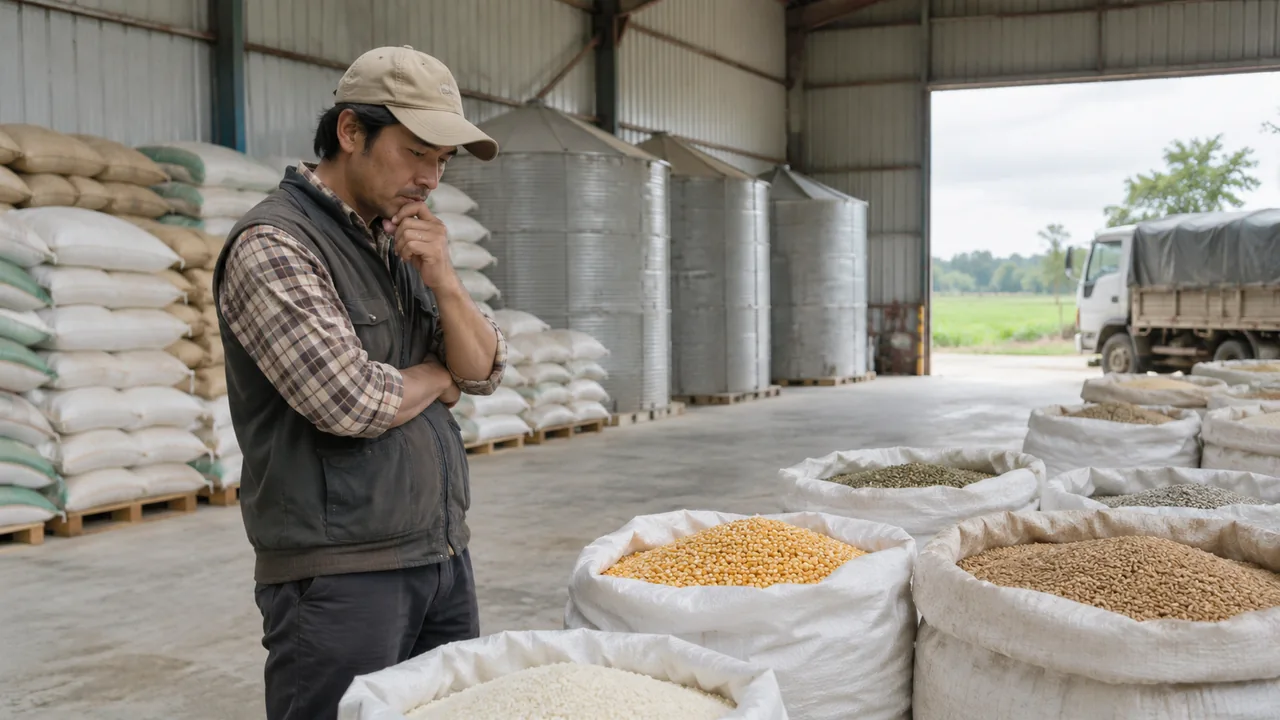
A giant asteroid impact could endanger people who never see the crater. If a sufficiently severe event changes sunlight, temperature and rainfall, the next harvest may become part of the disaster. A food crisis following an asteroid impact would then involve more than damaged farms near the strike: it could reach storage, trade, prices and the ability of ordinary families to obtain a suitable diet.
The outcome would depend on the actual impact and the food system it affected. Scientific simulations explore particular assumptions; they are not warnings that a named asteroid is about to cause worldwide famine. Taking the threat seriously means following the whole chain from physical disturbance to people losing access to food, without pretending that every impact produces the same result.
That chain deserves attention because hunger can persist after the most dramatic images disappear. A surviving road or standing supermarket does not guarantee another successful harvest, a functioning supplier or an affordable meal for a child.
The impact zone is only the first part of the story
Close to a major strike, blast, heat and other hazards can destroy people, buildings and infrastructure directly. Food production and distribution within that area may be badly damaged before any longer-term environmental effect develops. The precise consequences depend on the event's location and scale.
Farther away, the question changes. Material reaching the atmosphere may alter conditions over a wider area, while damaged transport and industry affect supplies. A regional disaster and a global environmental disturbance must therefore be assessed separately, even when they originate in the same event.
Do not infer worldwide famine from a photograph of local destruction. Equally, do not assume that a distant country has no exposure because it is outside the immediate damage zone. The relevant question is which environmental or supply connection could carry the effects to that country.
How material in the atmosphere could affect growing conditions
A severe impact can inject particles into the atmosphere. Their amount, size, composition and height influence how they interact with sunlight and how long they remain important. Different impact conditions can therefore lead to different environmental outcomes.
The 2025 primary study of Bennu-type impact scenarios used Earth-system modelling to explore specified dust injections and their climatic and ecological consequences. Its scenarios illustrate mechanisms and sensitivity to assumptions. They do not establish that Bennu will strike Earth or that a particular harvest loss is already forecast.
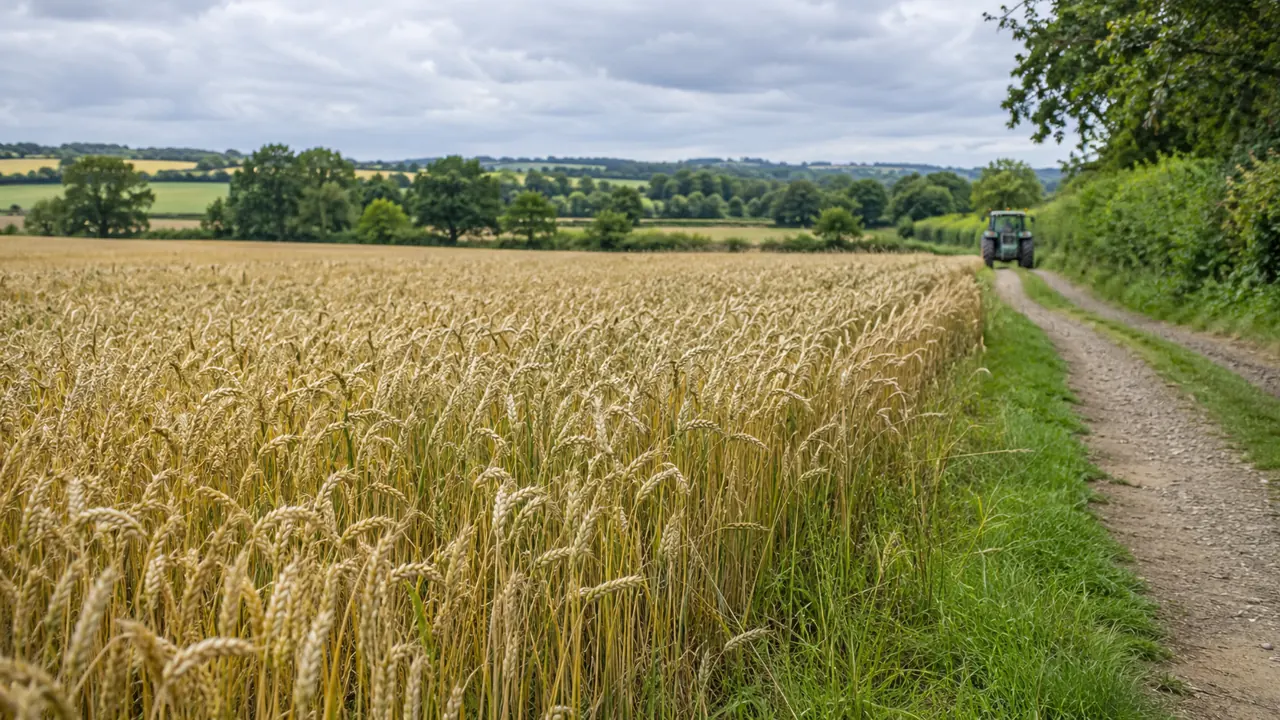
The mechanism matters to food because plants depend on suitable growing conditions. Reduced light, changed temperatures and altered rainfall can affect production in different ways. A useful assessment identifies those changes and their timing rather than replacing them with a single claim that the Sun would disappear everywhere.
Photosynthesis is a foundation, not a supermarket delivery figure
Photosynthesis is the process by which plants and other organisms use light to build organic material. Disrupting it can affect the base of food webs. That makes biological productivity an important part of impact research.
However, a modelled change in vegetation or marine productivity is not automatically the same percentage change in food available to a household. Agriculture, fisheries, storage, processing and trade connect ecological production with meals through several additional stages.
Read the study's actual measure. A result about plant growth should not be relabelled as a proven number of people who will die, nor should an ocean result be presented as an immediate forecast for the price of bread. The translation from ecosystem change to human consequence needs further evidence and explicit assumptions.
The season of an impact could shape the agricultural damage
Crops pass through stages with different needs. A disturbance affecting germination, flowering or harvest may have different consequences from one arriving at another point in the season. Location also matters because farming calendars differ around the world.
An event could therefore affect several production systems unevenly. Some regions might lose a harvest while others retain a partial crop or face different constraints. A global average can conceal those differences and should not be treated as a prediction for every field.
For a reader assessing a severe scenario, ask which crops and growing regions are being considered. A model that does not represent particular agricultural practices cannot establish all their outcomes. That limitation does not remove the hazard; it identifies what further analysis is needed before a food-loss claim becomes a practical forecast.
Rainfall and temperature can create different problems
Less usable light is not the only concern. Temperature and precipitation changes can alter the conditions crops, grazing and water systems rely on. The combination, rather than one variable in isolation, helps determine whether a growing season remains productive.
A cooler global average does not mean every location receives the same weather or that every crop benefits from reduced heat. Likewise, a rainfall change can affect irrigation and rain-fed agriculture differently. Existing vulnerability influences what the same disturbance means on the ground.
This is why a clear report needs a place, period and assumption set. A headline offering one worldwide harvest figure without those details may hide important uncertainty. Families and public authorities need usable information about actual production and supplies, not a dramatic number detached from its method.
Livestock depends on the same wider production system
Animals do not provide an unlimited alternative if crops fail. Feed, grazing, drinking water, veterinary care and transport connect livestock to the wider system. A disruption can therefore affect both food intended for direct consumption and the inputs used to produce animal foods.
The effect would vary by species, production method and region. It would be misleading to assume that every animal could simply switch to nearby grass, or that all farming could immediately change its output. Biological and practical requirements remain even when demand becomes urgent.
A meaningful scenario should identify these dependencies rather than counting the same harvest twice. Grain allocated to one use cannot simultaneously remain available for every other use. Decisions about limited resources may become difficult long before all physical food has disappeared.
The ocean is not an automatic substitute for damaged crops
Marine food webs also depend on environmental conditions. The Bennu-type modelling study found responses that varied with factors including dust and nutrient effects. A single claim that all marine productivity must move in the same direction would lose that important detail.
Even where a biological resource remains, fisheries need vessels, fuel, safe operations, processing and distribution. Ecological production and a usable food supply are connected but distinct. A damaged port or lost cold chain can prevent an available catch from reaching the people who need it.
The related article on ocean deoxygenation examines a different mechanism affecting marine food webs. Do not merge the two into an unsupported story that every ocean hazard produces identical consequences. Identify what the particular impact scenario changes and what the evidence actually supports.
Existing stocks provide time, but time has limits
Stored food can bridge an interruption when it remains sound, accessible and distributable. Its value depends on quantities, location, packaging, handling and the needs it must meet. A large national total does not establish that each family can obtain an appropriate share.
A stock also buys time for a purpose: the next harvest, restored distribution or another credible source. If that next stage fails, the same stock cannot be counted as a fresh solution every week. Planning must connect present availability with future replenishment.
Avoid universal claims about exactly how many days the world could eat after an impact unless a current, transparent analysis supports them. Different foods, regions and assumptions produce different answers. An unexplained countdown can sound precise while concealing the uncertainty that most affects the result.
Food security includes access as well as quantity
The FAO explanation of food security distinguishes availability, access, utilisation and stability. In everyday terms, food must exist, people must be able to obtain and use it appropriately, and that position must remain dependable over time.
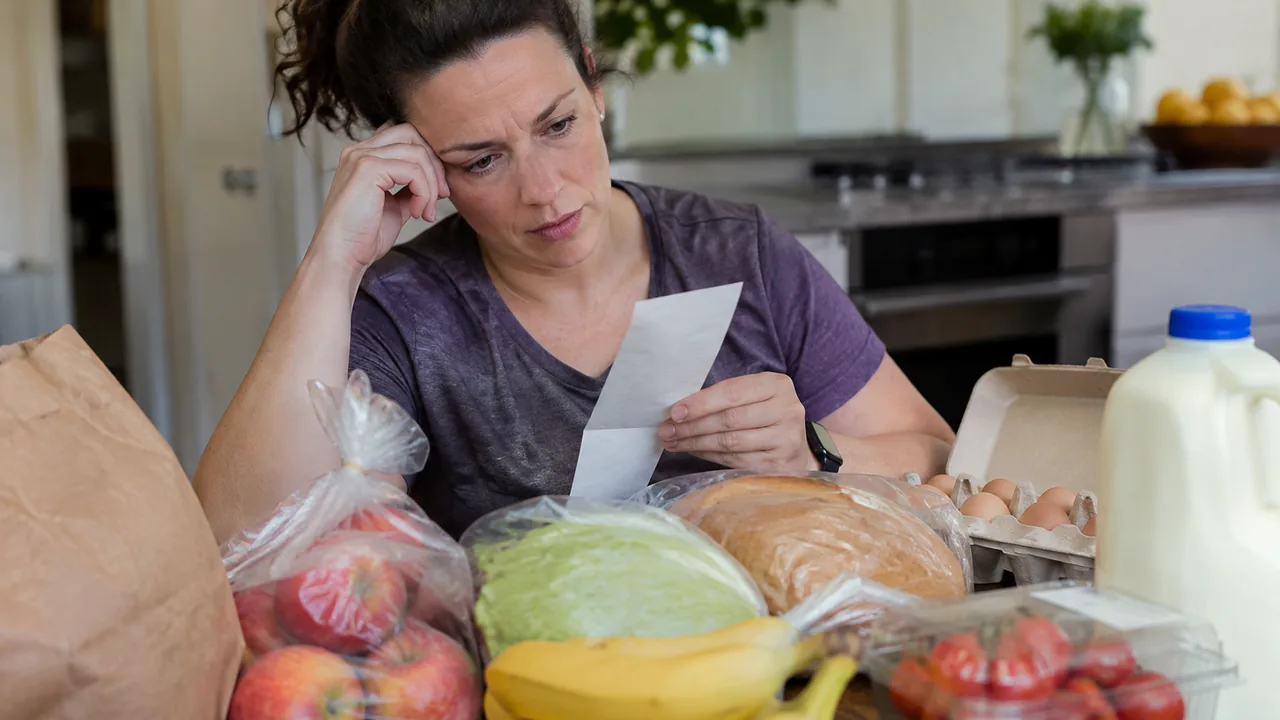
An impact-related disruption could damage those conditions unevenly. Some families might face higher costs, lost income or an inaccessible collection point while food still exists elsewhere. Others could lose the safe water or care needed to use the food they have.
This is a warning against treating hunger as a single warehouse calculation. A supply system can retain a substantial quantity and still fail particular people. Recognising that gap helps public communication focus on who needs support, where access has broken and which services must be restored.
Trade can cushion a shortage or transmit its effects
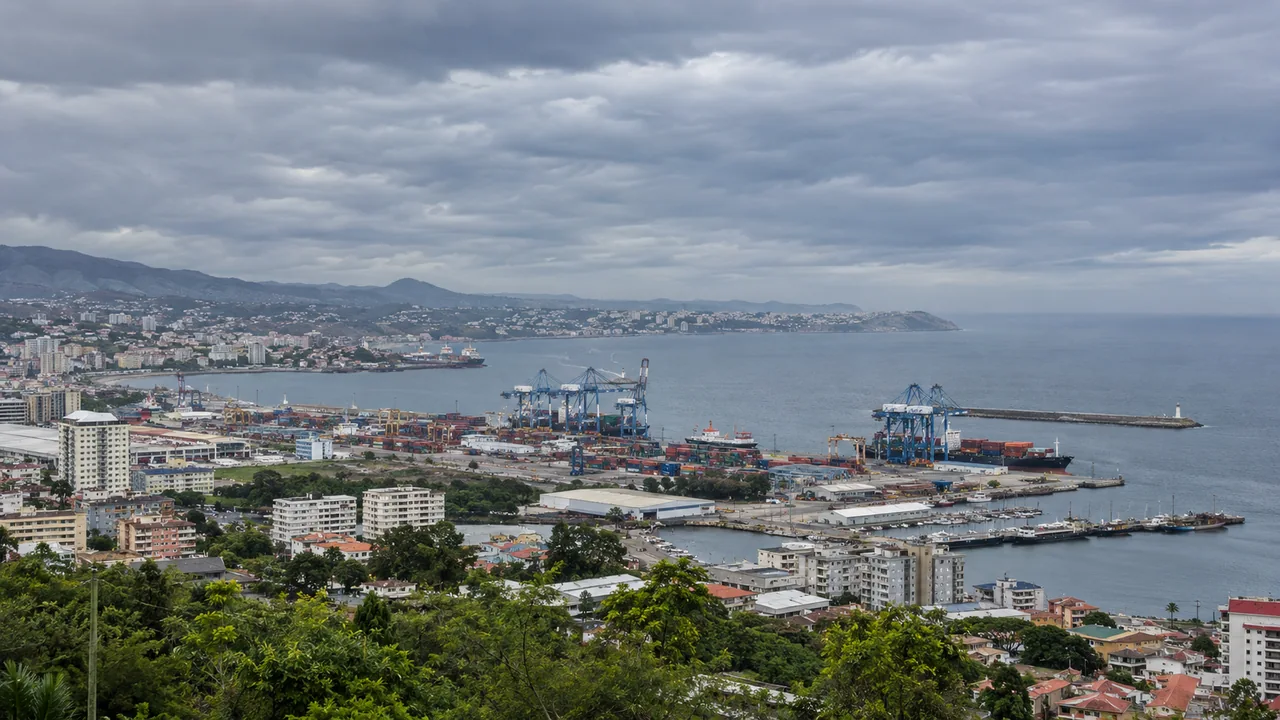
Trade can connect an affected region with food produced elsewhere, provided transport, payments and cooperation remain workable. It can also transmit the consequences of a major disruption when several buyers depend on the same production or distribution routes.
A port closure is not identical to a crop failure, and a higher wholesale price is not identical to an empty shop. The mechanisms can combine, but they require separate observation. A serious report explains the chain rather than assuming one headline proves every later stage has occurred.
For a UK reader, the useful question is the exposure of a particular supply or service. Check what providers and relevant authorities say about an actual interruption. A distant impact study should not be turned into a claim that today's local food supply has already failed.
People with the least flexibility can be harmed first
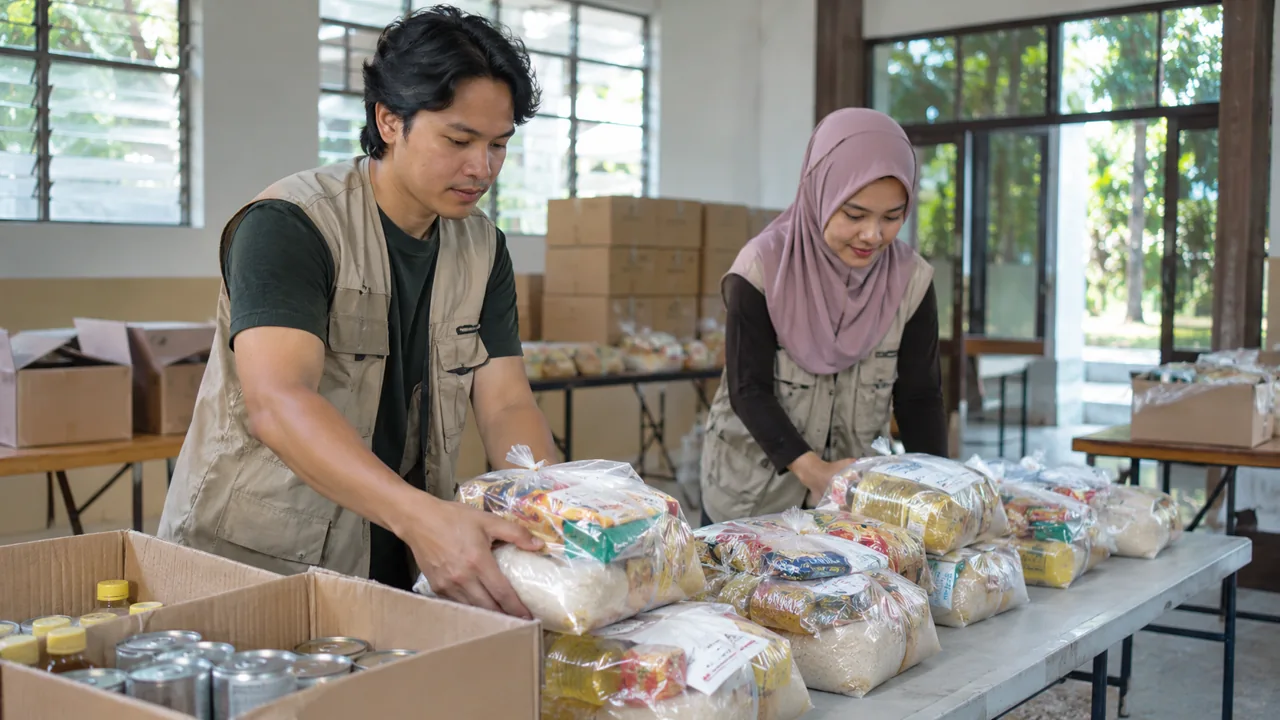
Children, older adults and people with particular dietary, medical or care needs may have fewer safe alternatives when familiar supplies disappear. A general instruction to eat whatever remains can overlook allergies, swallowing needs and other important requirements.
Households with limited income, transport or support may also struggle before the overall shortage looks dramatic. A distribution arrangement that requires a long journey or repeated queueing can exclude the people most dependent on it. Quantity and practical access need to be considered together.
The public responsibility is to identify those needs without blaming people for being unable to improvise. Concern for future generations becomes meaningful when it supports usable assistance, reliable information and a supply arrangement that includes families whose limitations are less visible.
A model result should be read with its assumptions attached
| Element of the claim | Question to ask |
|---|---|
| Impact size and location | Which event was actually simulated? |
| Atmospheric disturbance | What material, quantity and altitude were assumed? |
| Biological change | Was the result plant productivity, marine growth or a crop measure? |
| Food consequence | How were storage, trade and access represented? |
| Duration | Which process sets the timescale and what remains uncertain? |
These questions make the result more useful, not less serious. A study can reveal a major vulnerability without predicting the complete sequence of human decisions after an event. Clear limits help readers understand where evidence ends and further scenario assumptions begin.
The NASA discussion of large-impact simulations also illustrates why impact research considers several interacting physical hazards. A model is built to answer particular questions. Its existence is not proof that an actual strike is expected.
The food consequences can outlast the initial emergency
Restoring a road may take a different amount of time from restoring a damaged farm, replacing specialised equipment or completing a new growing season. Recovery therefore has several clocks. Progress in one area should not be mistaken for the end of the entire food problem.
Repeated poor harvests could create a much more severe situation than one interrupted delivery. Conversely, functioning production and distribution elsewhere could limit the wider consequences. A responsible assessment follows those developments rather than fixing the outcome at the most frightening version of the first scenario.
The related discussion of a Toba-sized eruption and climate examines another possible atmospheric disturbance. Its mechanisms and uncertainties are different. Comparing them is useful when it reveals dependencies; it becomes misleading when every disaster is described as the same guaranteed global winter.
What responsible action looks like before the headline becomes personal
For institutions, the issue is understanding production, supplier, transport and access dependencies and planning realistic alternatives. A backup supplier is less independent than it appears if it relies on the same affected region, port or essential input.
For a household following an actual event, use credible current guidance about food, water and service availability. Avoid major decisions based on an unsourced claim that global supplies will end on a particular day. Preserve any individual care or dietary requirements when seeking support.
The purpose of understanding the threat is to improve decisions before fear makes them harder. A severe impact could create a food crisis through several connected failures. It is precisely because that possibility matters that claims about its scale, timing and certainty should be tested carefully.
Your next step
When a story links an asteroid with famine, find the underlying study and identify its actual scenario and measure. Then look separately for evidence about real production, distribution and household access. Keep a scientific possibility distinct from a current public warning.
The most important lesson is that surviving the initial strike would not guarantee a functioning food system. People depend on light, growing seasons, water, infrastructure and cooperation in ways that ordinary shopping hides. Protecting those connections is a serious responsibility, even while the specific asteroid-impact scenario remains hypothetical.
Frequently asked questions
Would every asteroid impact cause a global food crisis?
No. Consequences depend on the event's size, location, atmospheric effects and the vulnerability of food systems. Local destruction and a worldwide environmental disturbance are different outcomes. A severe scenario should not be applied to every meteor or close approach.
Does a modelled fall in plant productivity equal the same loss of human food?
No. Biological productivity and food available to people are different measures. Agriculture, storage, trade, processing and access connect them through additional stages. Read what the study actually measured before accepting a claim about meals or deaths.
Could stored food solve the whole problem?
Stocks can provide valuable time when they remain safe, accessible and distributable. Their usefulness depends on the next source and the people they must serve. No universal worldwide storage countdown should be accepted without transparent evidence and assumptions.
Would fishing automatically replace damaged crop production?
No. Marine ecosystems can also be affected, and fisheries depend on vessels, fuel, ports, processing and distribution. An available biological resource is not automatically a safe accessible meal for the people facing a shortage.
What should a UK reader check during a real event?
Check credible current information about the actual food, water and service consequences affecting your area or suppliers. Separate model scenarios from operational notices. Seek suitable support for individual dietary and care needs rather than acting on an unsourced global countdown.