
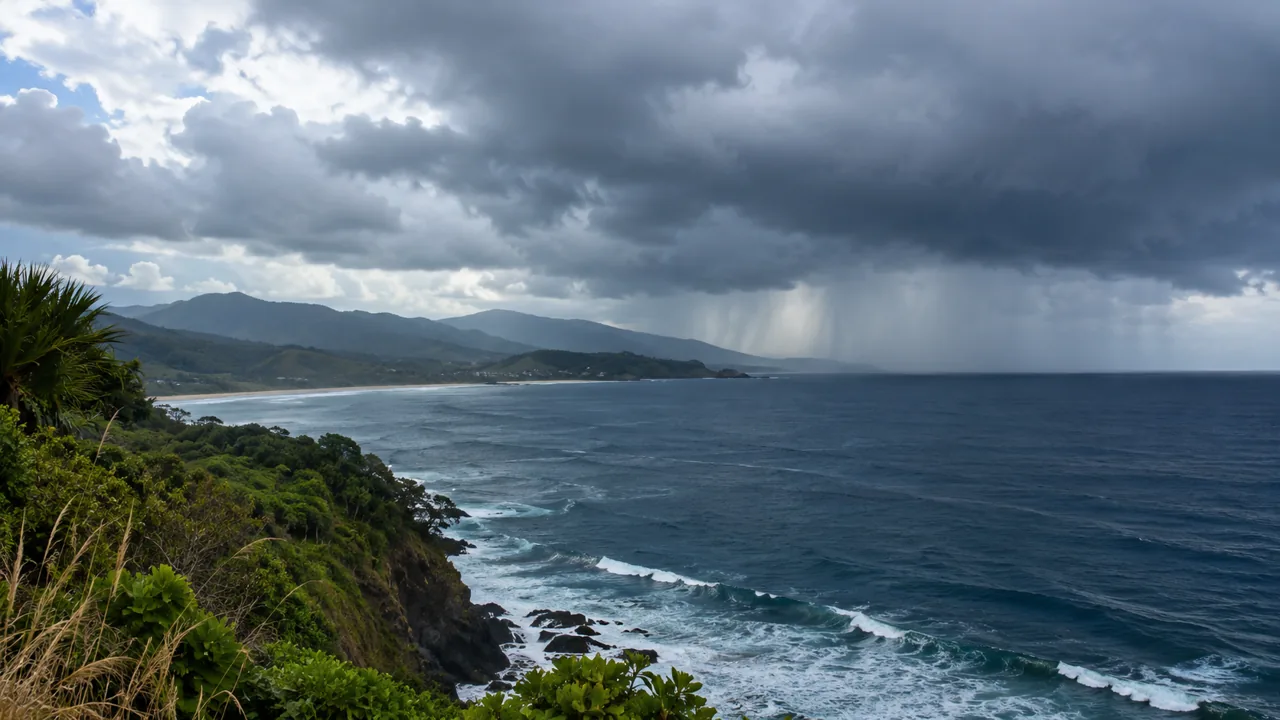
A distant ocean can change the conditions under which somebody grows your coffee, fills a reservoir or harvests rice. That does not mean every storm outside your window comes from El Niño. It means the weather system has a powerful influence that can raise particular risks, in particular places, at particular times. Families need to understand those connections before a frightening headline turns into an unnecessary purchase or a missed warning.
El Niño is active at the time of this article's research, 26 November 2026. NOAA's discussion issued on 12 November described continued strengthening. That is a dated assessment, not a permanent statement about the Pacific. For immediate decisions in Britain, use local weather forecasts, flood information and service notices. For the wider picture, ask where changing rainfall could affect people and supplies.
What El Niño actually changes
El Niño is the warm phase of a natural pattern called the El Niño–Southern Oscillation, often shortened to ENSO. Unusually warm surface water in parts of the central and eastern tropical Pacific interacts with winds and tropical rainfall. Changes in where air rises can influence circulation much farther away.
Think of it as changing the background conditions in which weather develops. A seasonal outlook may show that one region has a greater chance of unusually dry conditions while another faces increased rainfall. It cannot tell a family that their street will flood on a particular Tuesday. Individual storms still depend on many interacting features of the atmosphere.
The distinction matters because both complacency and exaggeration waste preparation time. A signal that raises regional drought risk deserves attention from water managers and farmers. It is not proof that every field will fail.
What the current assessment can tell us
NOAA and the World Meteorological Organization publish observations and outlooks rather than simply naming an event. Their information includes ocean temperatures, atmospheric behaviour and agreement between forecasting systems. Read the issue date before sharing a screenshot. A forecast from an earlier phase may no longer describe the situation.
The November 2026 NOAA assessment supports keeping El Niño in view through the coming season. Even so, the strength of the ocean signal does not determine the severity of every impact. The WMO explains that location, season and other climate influences can alter the outcome.
A responsible interpretation contains three parts: what has been observed, what is forecast and what remains uncertain. If a story merges all three into one guaranteed catastrophe, return to the underlying official assessment.
Why Britain's weather needs a separate answer
The tropical Pacific is far from the North Atlantic, and the UK does not receive a simple, identical response during every El Niño. Other influences, including Atlantic conditions and the patterns steering storms, also shape British weather.
A government assessment of El Niño's UK implications describes uncertain direct effects and possible indirect pressures. That is more useful than promising either a particular winter or complete protection. A household should prepare for its actual exposure: a basement that floods, an upstairs bedroom that overheats or an essential journey that depends on one road.
Use a seasonal outlook to understand context. Use the Met Office forecast and relevant local warnings to decide whether to change travel, move belongings or check on somebody vulnerable. Those decisions need different scales of information.
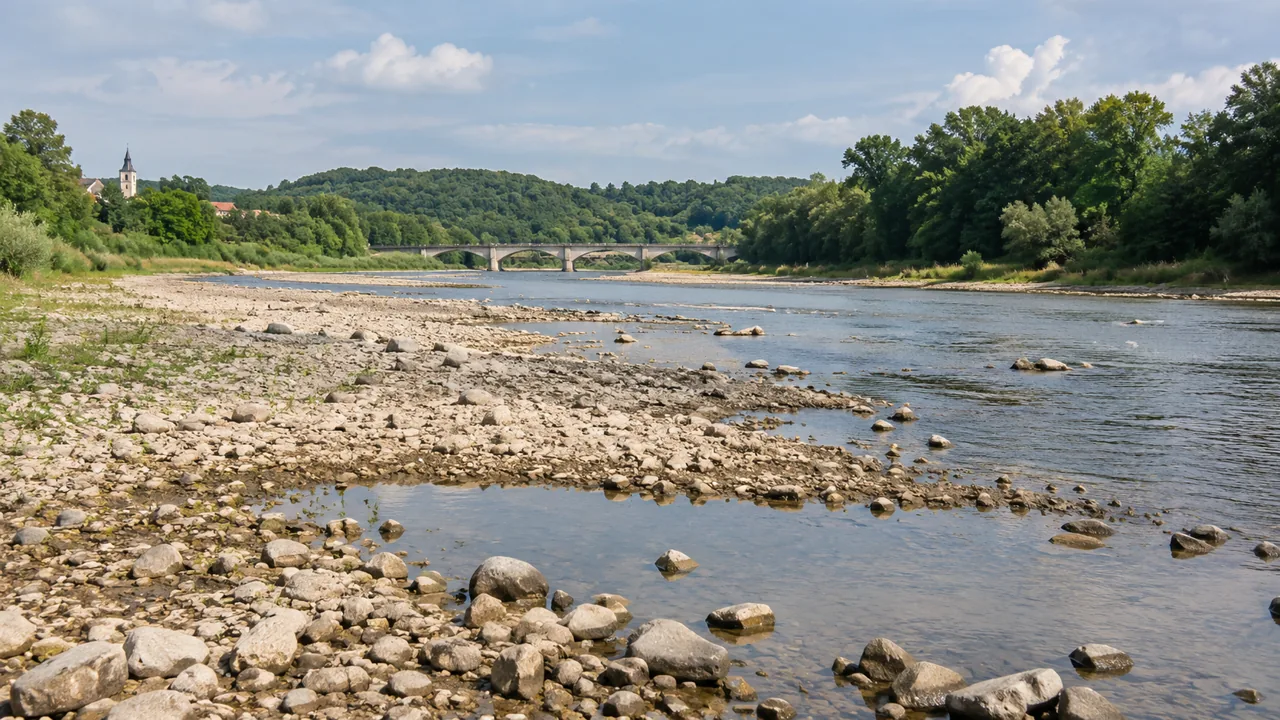
How drought elsewhere can reach a UK kitchen
A crop needs suitable conditions at the right stages. Too little rain can restrict growth or irrigation; too much can damage crops or delay harvesting. Effects vary by crop, region, farming practice and available alternatives.
The route to a shop price contains several steps. A harvest changes, buyers seek other supplies, transport and processing costs interact, and retailers make purchasing decisions. A distant weather problem can matter without producing empty shelves. Currency movements, energy costs and existing stocks can soften or intensify the result.
This is why a photograph of a dry field is not a complete food-price forecast. Ask what is grown there, how much relevant production is affected and whether alternative sources are available. Household preparation should begin with a flexible food budget and sensible use of food already bought.
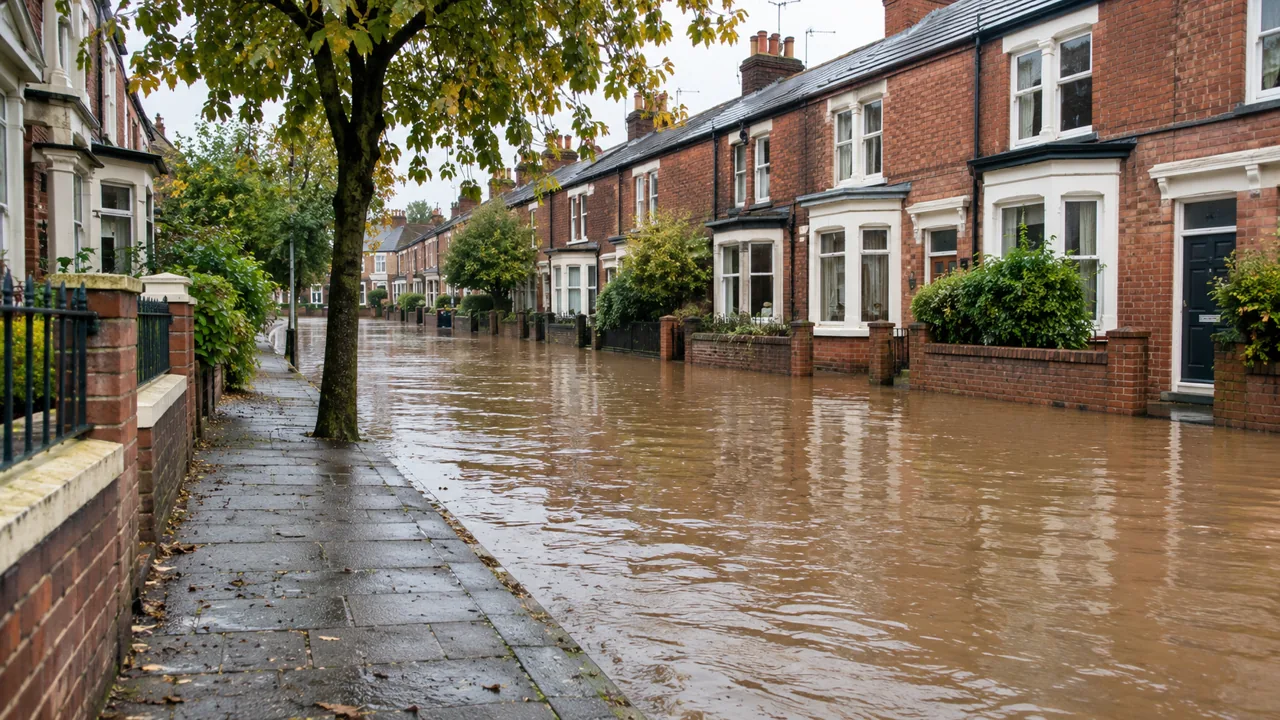
Flooding and drought can happen in the same wider event
People sometimes assume that an ocean pattern must make everywhere wetter or everywhere drier. In reality, shifting tropical rainfall can favour different conditions in different regions. Timing also matters: a wet season, a dry season and a crop's vulnerable growth period are not interchangeable.
Even one place can move between hazards. Rain arriving after a dry spell does not automatically refill every reservoir or repair agricultural losses. Intense rain may run away quickly, damage roads or arrive too late for a crop.
That creates a practical lesson for families with relatives abroad. Ask which local hazard is developing and what the local authority recommends. A general statement that El Niño is strong cannot replace a regional flood forecast, heat warning or water-supply instruction.
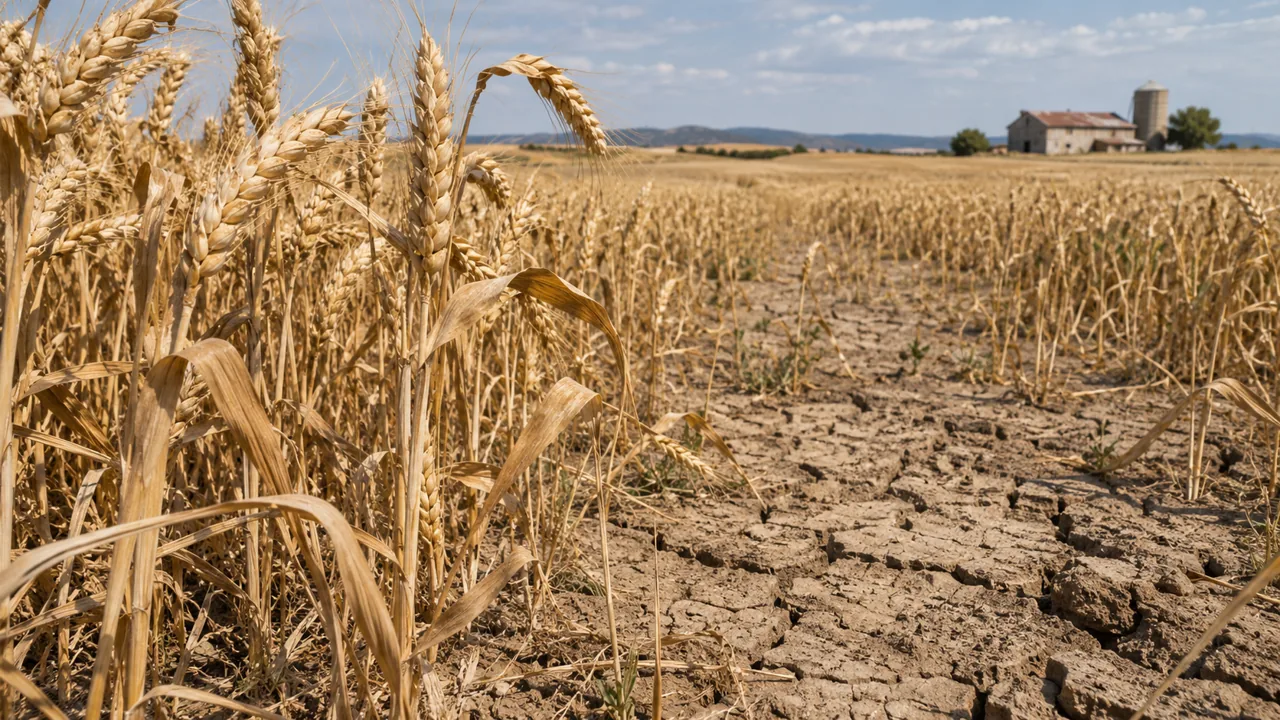
The human cost behind the weather map
A failed rainy season is not just a coloured patch on a forecast. A farmer may lose income before a shop sees a shortage. A child may have a harder journey to school when roads flood. A family caring for an older relative may face heat while electricity is unreliable.
The same physical event can therefore create very different consequences. Strong housing, accessible healthcare, functioning drainage and reliable warning systems reduce harm. Limited savings, inaccessible transport and an existing crisis can make recovery much harder.
Concern should lead to attention and support, rather than the assumption that distant suffering is somebody else's problem. Supply chains connect communities economically; family ties connect them personally. Preparation is also a reason to care about warning systems and resilient public services.
A useful way to read an alarming claim
Before acting on a dramatic El Niño story, work through a short sequence.
- Check the original publication and its date.
- Identify the location and season being discussed.
- Separate measurements from forecasts and hypothetical examples.
- Look for the specific impact: heat, rain, water, crops or transport.
- Ask whether an official warning or service instruction changes your next action.
For example, a global outlook may justify checking travel conditions for a planned visit. It does not justify cancelling an ordinary local journey without relevant information. Conversely, a serious flood warning deserves action even when nobody mentions El Niño.
Keep the link to the original assessment rather than forwarding a cropped image. Somebody else can then check the same context.
Build a household plan around real dependencies
List the everyday services whose loss would cause immediate difficulty. Include prescription collection, school arrangements, heating or cooling, water and contact with relatives. Next, identify which of those depends on one route, one person or one connected device.
Choose a proportionate alternative for the most important weakness. A written contact number can help if a phone is unavailable. Agreeing who can collect a child can reduce confusion during transport disruption. A modest reserve of ordinary food avoids unnecessary journeys during a local incident.
Keep medical arrangements specific. If treatment or equipment depends on electricity, discuss a suitable continuity plan with the provider. A generic weather checklist cannot determine the safe backup for an individual person's care.
Buying sensibly when supply headlines worsen
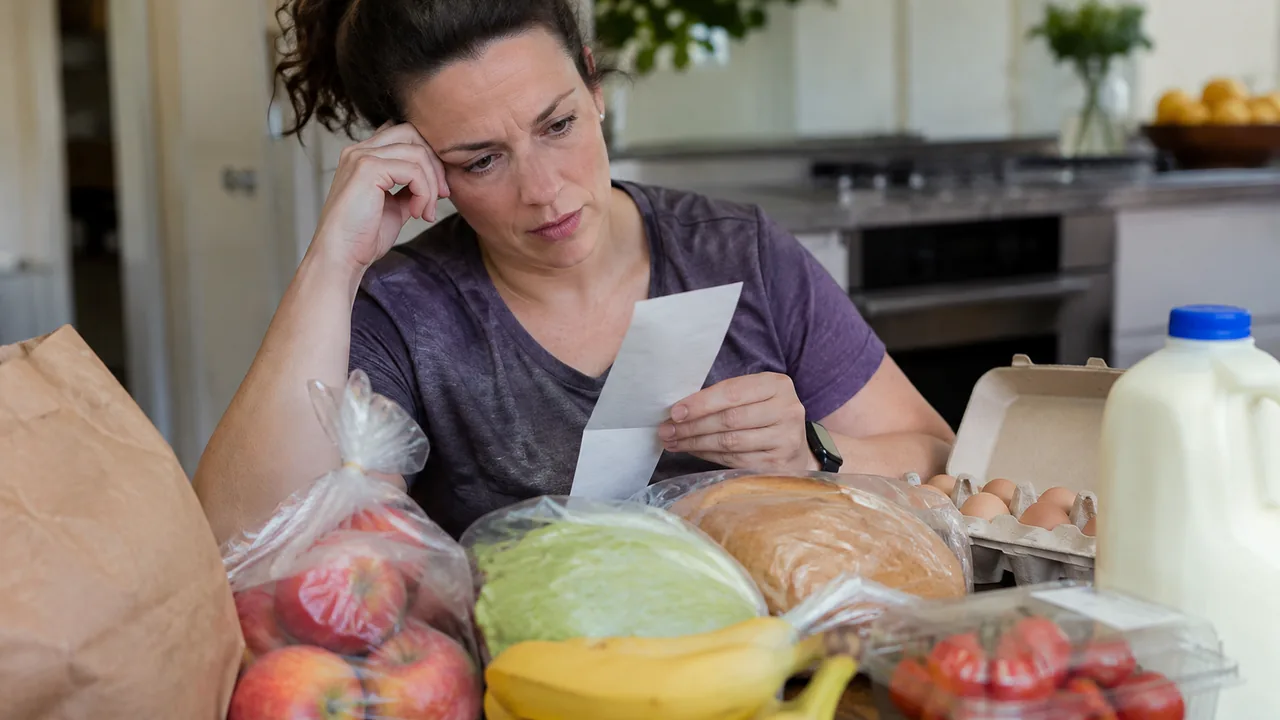
Start with a cupboard check and a short list of meals your household already eats. Notice ingredients that can be substituted without changing medical or allergy requirements. Add a little useful shelf-stable food within your budget, then rotate it through normal cooking.
Do not treat preparation as a race against other shoppers. Large speculative purchases can tie up money, waste food and make an ordinary fluctuation worse for neighbours. A product shortage in one shop may reflect a delivery problem rather than a national supply crisis.
A useful budget comparison looks at the cost of a whole familiar meal, including cooking and waste. A cheaper large pack is poor value if half spoils. The aim is flexibility that continues to work after the headline disappears.
If you are travelling or supporting family overseas
Check advice for the destination, not only for the country as a whole. A coastal city, an inland farming district and a mountain route can face different conditions. Review the relevant national weather service and transport provider close to departure.
Ask accommodation providers concrete questions: how are guests warned, which roads remain accessible and what happens if water or power is interrupted? Accessibility needs deserve the same detail. An evacuation route that relies on stairs may not work for somebody with limited mobility.
For relatives, agree one realistic contact arrangement and an alternative contact. Avoid demanding constant updates that drain batteries or create pressure. Ask what help is actually needed before buying supplies or sharing unverified warnings into an already stressful situation.
What would show that risk is becoming more serious?
Look for a combination of relevant evidence. Local observations, repeated official warnings, confirmed crop damage, water-provider restrictions and documented service disruption matter more than the emotional force of a headline.
| Information | What it can support | What it cannot establish alone |
|---|---|---|
| ENSO outlook | Seasonal background risk | The weather on one street |
| Local weather warning | Decisions about an affected place | Global harvest outcomes |
| Water-provider notice | Required local supply actions | Conditions across the whole UK |
| Confirmed production loss | Pressure on a named supply | A guaranteed shop-price increase |
If information changes, update the plan. Preparation should be responsive rather than an attempt to defend a prediction you made earlier.
Why preparation should continue after the peak
The ocean event and its consequences do not share one neat finishing date. A damaged road needs repair; a household needs to rebuild savings; a farm may wait for another planting season. Ending one phase of ENSO does not automatically end those difficulties.
Check which temporary arrangements still serve a purpose and which should be removed. Replace used essentials gradually. Review school, work and care arrangements that proved fragile. Keep receipts and records relevant to an actual loss, while following the responsible organisation's instructions.
Communities also need recovery time. Supporting local services and reliable information can be more useful than following each new dramatic forecast. The people affected remain important after an international weather story loses attention.
Questions worth asking your household today
A useful discussion can begin with an ordinary evening meal. Which ingredient would be easiest to replace? Who would struggle most during a hot spell? Which family member would need help receiving a warning? Keep the conversation practical and age appropriate.
Children do not need a countdown to catastrophe. They benefit from knowing the adults have a plan and that weather warnings lead to understandable actions. A simple explanation about staying away from floodwater or checking on a relative can build confidence without hiding real risks.
Finish by assigning one small action that somebody can complete: saving a warning service, checking a care contact or reviewing a cupboard. A plan becomes valuable when it changes something you can verify.
Your next step
Save the latest official ENSO assessment for context, then identify the local information service you would actually follow during an incident. Write down one relevant household action and who will take it. The aim is to notice a developing threat early enough to act calmly.
The DEFCON descriptions accompanying this article are hypothetical editorial scenarios. They are not official weather alerts, military readiness levels or a statement that a particular disaster is happening. Actual warnings from responsible authorities take priority.
For a connected risk, read how low rivers put pressure on water, food and electricity. Also explore how war and weather reach a household food budget to compare the mechanisms and the practical choices involved.
Frequently asked questions
Does El Niño mean Britain will definitely have extreme weather?
No. It changes parts of the global climate system, but UK weather also depends on other influences. Local forecasts and warnings provide the information needed for immediate household decisions. An international ocean assessment cannot establish that a particular British town will experience a flood or heatwave.
Is every flood during El Niño caused by El Niño?
No. Flooding depends on rainfall, drainage, river conditions, tides, land use and other factors. Scientists investigate how different influences affect an event. The presence of El Niño alone does not prove the cause of a particular flood, and safety action should not wait for an attribution study.
Should I buy large amounts of food because of an El Niño forecast?
A forecast is a reason to review flexibility, not to buy indiscriminately. Check what you already have, plan familiar meals and build a modest useful reserve if affordable. Avoid stockpiling medicines or making purchases based on an unverified claim about a particular product.
Can effects continue after the ocean event weakens?
Yes. Harvest losses, damaged infrastructure and pressure on household finances can last beyond the ocean phase itself. The duration differs between places and sectors. Review actual local conditions and ongoing service advice rather than assuming that a change in ENSO ends every related problem.
Where should I check the latest position?
Use NOAA or WMO for the large-scale assessment and its issue date. Use the Met Office and the relevant national or local flood services for UK decisions. For travel, also check official destination and transport advice. Different sources answer different questions, so keep their purpose clear.
Sources and further reading
NOAA: ENSO Diagnostic Discussion WMO: established El Niño and regional uncertainties UK Government: impacts of El Niño on the UK Met Office: El Niño declared for 2026