
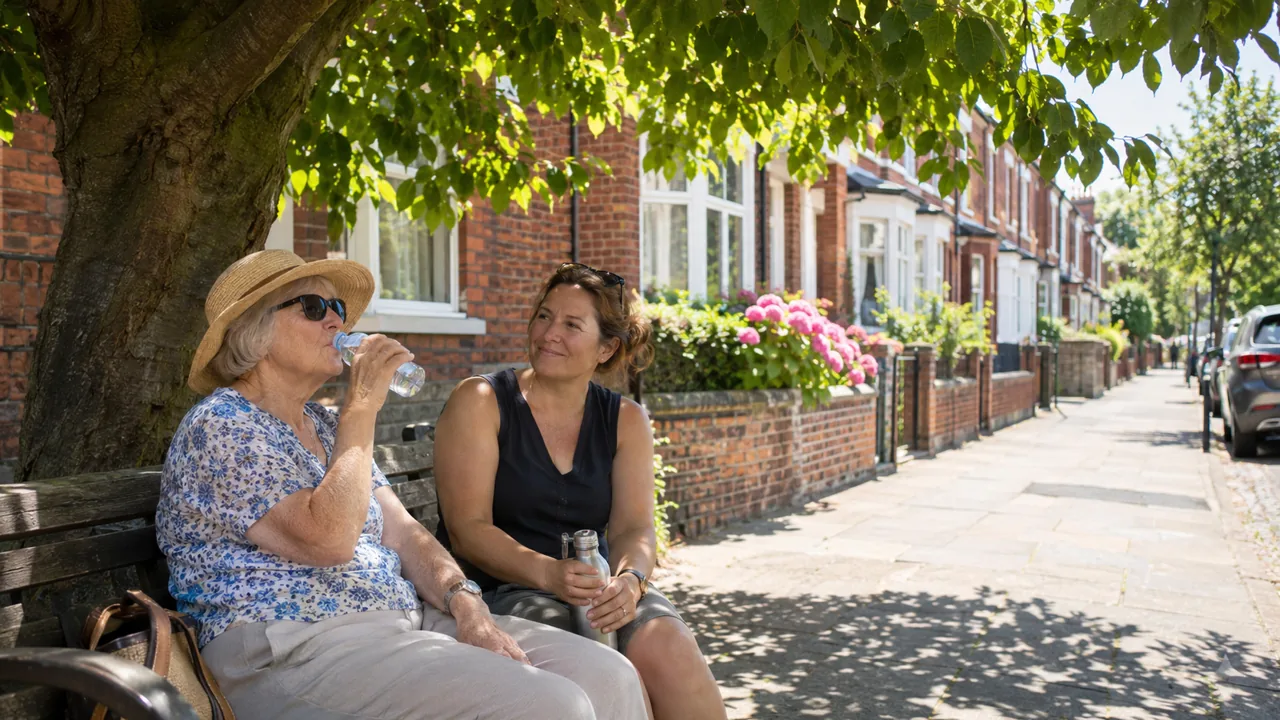
The hardest part of a heatwave may arrive after sunset. The pavement is still warm, an upstairs bedroom has barely cooled and somebody who usually manages alone is becoming exhausted. A pleasant forecast has become a health problem inside an ordinary home. Waiting until everyone feels seriously ill leaves fewer safe choices.
Cities do not share one temperature beyond which they stop working. Risk depends on the intensity and duration of heat, warm nights, housing, health, work and access to help. The useful question is whether the people and services around you can cope with the conditions they actually face. Start with a cooler place, a practical contact plan and early attention to symptoms.
Why streets stay hot after sunset
Roads, roofs and other hard surfaces absorb energy during the day and release it later. Dense development can limit airflow, while a lack of vegetation reduces shade and cooling. Together these influences can create an urban heat island, making built-up areas warmer than their surroundings.
The effect varies within a city. A shaded street beside a park may feel very different from a sunlit junction surrounded by dark surfaces. An upstairs flat can retain heat even when a nearby weather station reports a more comfortable temperature.
Do not assume a forecast describes every room. Notice where heat builds in your home and how long it takes to clear. That simple observation helps turn a city-wide warning into a decision that matters for your family.
Why warm nights change the danger
A hot afternoon is easier to manage when people can recover in a cooler environment. Persistently warm nights remove some of that recovery. Sleep becomes difficult, tiredness accumulates and routine tasks can demand more effort.
This affects carers as well as the person receiving care. Somebody who has slept badly may find it harder to organise medicines, travel or a safe change of location. A household can become less capable just as conditions require more attention.
Plan around the whole day, including a suitable sleeping room and help for a person living alone. If a home cannot be kept comfortably cool, ask about an accessible alternative before the situation becomes urgent. Check that the alternative is actually available when needed.
Who needs an earlier plan?
Older people, young children and people with certain long-term conditions can be more vulnerable to heat. So can people whose work or living circumstances make it difficult to reduce exposure. A familiar diagnosis does not reveal everything about somebody's ability to cope.
Ask practical questions. Can the person recognise that they are becoming unwell? Can they get a drink, move to another room and use a phone? Does the household depend on somebody visiting at a particular time?
For a prescribed fluid restriction or a condition affected by hot weather, ask a clinician about an appropriate plan. General advice to drink regularly should not replace individual medical instructions. Never change medicines on the basis of a weather article.

Check the home while choices are easy
Walk through the rooms at different times. Notice direct sun, shaded windows, ventilation and the rooms that remain cooler. A room thermometer can make changes easier to recognise, although it cannot diagnose heat illness or determine a safe personal limit.
Consider curtains or blinds that reduce direct sunlight. Check that windows operate safely and that ventilation choices account for security, children, pets and outdoor air quality. Opening everything when outside air is hotter can bring more heat indoors.
UKHSA publishes hot-weather guidance for England. Consult the relevant health service where you live. The aim is to reduce heat entering the home and use cooler conditions when available, rather than trusting one gadget to solve every problem.
Fans and equipment need realistic expectations
A fan moves air; it does not remove heat from a building as an air conditioner does. It can help comfort in suitable conditions, but a running fan does not establish that a vulnerable person is safe. Keep checking both the room and the person.
Make equipment usable. A fan stored out of reach, controls that somebody cannot understand or an unsuitable electrical arrangement can defeat an otherwise sensible plan. Follow product instructions, avoid overloaded sockets and keep electrical appliances away from water.
If buying equipment, consider cost, noise, access to controls and the space available. A shaded room and a reliable check-in arrangement may address a more urgent weakness than an expensive purchase that the intended user cannot operate independently.
Recognise illness and get help promptly
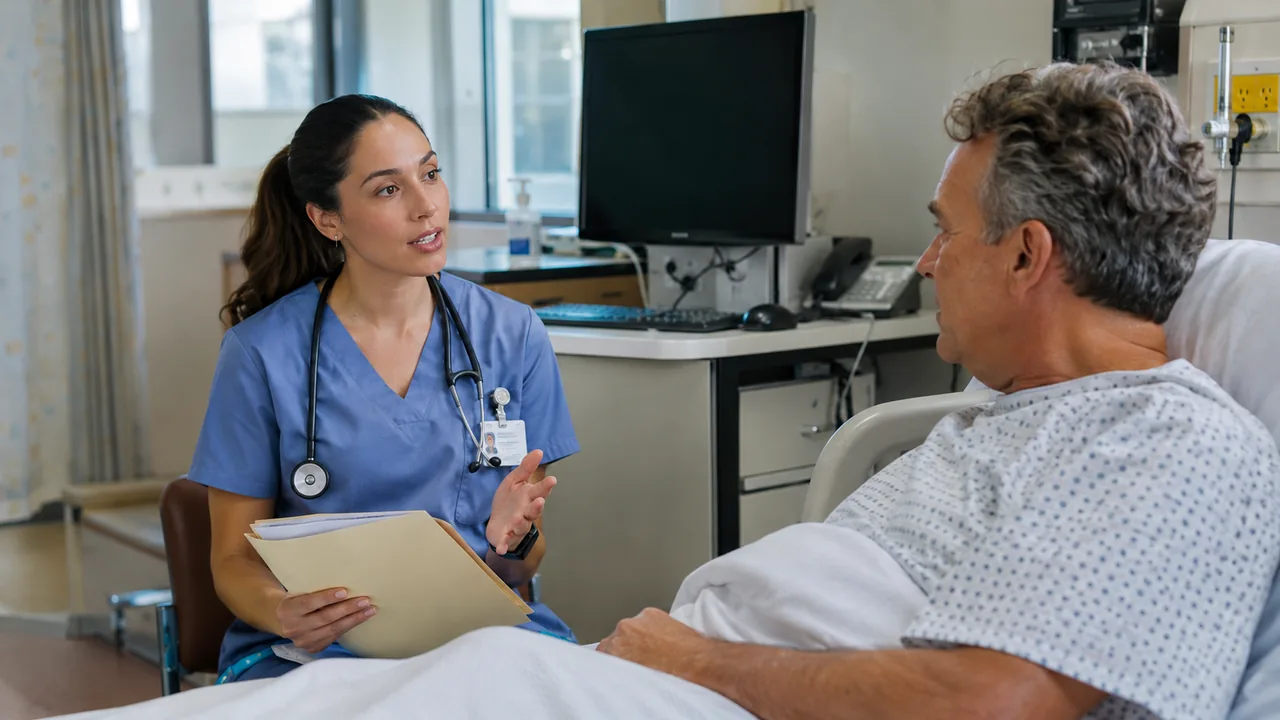
Heat exhaustion can involve dizziness, headache, thirst, nausea or heavy sweating. Help the person reach a cooler place and cool down. Offer appropriate fluids only if they are alert and can swallow safely. The NHS explains when further help is needed.
Heatstroke is an emergency. Call 999 for signs such as confusion, a seizure, loss of consciousness or serious breathing difficulty. NHS advice also identifies continued illness after its recommended cooling measures as an emergency sign. Keep cooling while following the operator's instructions.
Do not wait for one particular skin appearance. If somebody cannot swallow safely, do not give drinks. When symptoms are concerning, professional assessment is more useful than an online rule claiming that a particular room temperature guarantees safety.
Plan the whole journey
A walk to a bus stop, a delayed service and a sunlit platform can add up. Somebody who manages in a cool home may struggle during an appointment journey. Include waiting and the return trip when deciding whether arrangements are suitable.
Ask whether an appointment can move or appropriate transport is available. Take what the person normally needs, including prescribed medicines, and know where a cooler indoor stop may be possible. Keep changes compatible with medical advice.
Never leave a child, vulnerable adult or pet in a parked vehicle. An open window is not dependable protection. If a vehicle breaks down, account for road safety as well as heat and follow the relevant roadside or emergency instructions.
Children need clear, calm routines
Check school or nursery communications about activities, clothing and collection arrangements. Explain that feeling unwell is a reason to tell an adult straight away. Children should know whom to approach rather than being expected to judge their own medical risk.
At home, adjust strenuous play to conditions and provide suitable shade and drinks. Baby feeding requires age-appropriate advice from a qualified health professional; do not improvise a different feeding routine from general advice written for adults.
Agree who could collect a child if a carer becomes ill or transport is disrupted. A short written arrangement reduces confusion. Children benefit from knowing where they will be, who will meet them and how adults will keep them informed.
Outdoor work is not a test of toughness
Physical work generates body heat before hot weather adds its effect. Protective clothing, limited shade and pressure to finish can make exposure harder to manage. Feeling capable at the start of a shift does not mean conditions will remain suitable.
Workers and employers should discuss tasks, breaks, water access and changes to timing or workload through the appropriate workplace risk assessment. A worker should not have to solve an unsafe situation simply by enduring more discomfort.
For household projects, reconsider what must happen immediately. Moving heavy furniture, clearing a garden or repairing a roof can often wait for safer conditions. A delayed task is inconvenient; serious illness can disrupt family life for much longer.

Why several city services can struggle together
Heat may increase demand on health and care services while affecting transport, buildings and electricity use. Consequences depend on the particular infrastructure and response. One high temperature does not establish that a national power failure will occur.
Nevertheless, identify important dependencies. Does someone need electrically powered medical equipment? Can a carer reach the address if a route closes? Are essential appointment details available when a phone battery is flat?
Discuss critical care arrangements with the provider in advance. A backup must suit the task: a small consumer battery is not automatically appropriate for medical equipment. Write down agreed contacts and check that somebody else can find them if the usual organiser becomes unwell.
Heat and smoke can require different window decisions
Opening a window may help when outside air is cooler, but smoke or high pollution changes the calculation. Follow local official advice and consider the needs of people with heart or lung conditions.
When windows need to remain closed because of smoke, use the coolest suitable part of the home and monitor temperature and symptoms. Seek advice or a safer place if conditions cannot be managed. Do not stay in a dangerous building simply to avoid outdoor air.
The lesson is to assess the combined situation. A useful plan explains why an action helps and what would change it. “Always open windows” is too simple when another hazard can arrive at the same time.

Make a check-in useful
A message saying “Are you okay?” may miss a developing difficulty. With the person's agreement, ask whether the room is uncomfortable, whether they have what they need and whether they can move somewhere cooler.
Agree a realistic contact time and a backup if there is no response. Respect independence and privacy. Someone may welcome help with shopping or travel without wanting continuous monitoring.
When visiting, notice obstacles. A water jug may be too heavy, curtains may be out of reach or a phone may be charging elsewhere. Small changes make advice usable. If somebody seems acutely unwell, seek appropriate help rather than postponing the decision until another check-in.
Renters and people without an easy alternative
A household cannot always add shading, alter ventilation or choose a different bedroom. Renters, people in shared housing and families in small flats may have fewer options. Advice that assumes a spare cool room can leave them without a workable next step.
Record where the difficulty occurs and contact the responsible landlord or housing provider about persistent overheating. Ask the local authority about relevant support or housing concerns. Keep immediate health needs separate from the slower process of resolving a building problem.
If a public cool space is suggested, check opening hours, accessibility, travel and whether a carer can accompany the person. A place that closes before the hottest part of the evening may not solve an overnight problem. Make the arrangement specific enough to use.
Put the plan somewhere people can find it
The best plan is short enough to follow when tired. Identify the person most at risk, a suitable cooler location, a source of local advice and the symptoms that require urgent help.
| Question | Useful answer |
|---|---|
| Where can we cool down? | A named room or accessible location |
| Who will check in? | One agreed contact and a backup |
| What if transport fails? | A suitable alternative or assistance |
| What changes our action? | Symptoms, worsening conditions or official advice |
| What happens afterwards? | Review illness, missed care and equipment problems |
Try one part beforehand. Check whether a relative can answer the agreed number and operate the equipment without assistance. A practical test often reveals a weakness that a longer checklist would miss.
Protecting a city starts with noticing people
Shade, greener streets, suitable homes and resilient services can reduce urban heat risk. These improvements matter because no household can independently redesign a neighbourhood or repair an inaccessible transport system.
Meanwhile, a family can identify its hottest room, arrange a care contact and learn the signs that need urgent help. Raise persistent housing problems with the responsible organisation. Check whether a neighbour who usually manages alone needs practical support.
Preparation expresses concern for people who may struggle first. Choose one action today that makes help easier to reach. The accompanying DEFCON descriptions are hypothetical editorial scenarios, not official heat-health alerts or a statement of current conditions.
For a connected risk, read how wildfire smoke complicates decisions about indoor air. Also explore why overlapping disasters make household recovery harder to compare the mechanisms and the practical choices involved.
Frequently asked questions
Is there one temperature at which every city becomes unsafe?
No. Risk depends on exposure, duration, warm nights, housing, activity and health. One outdoor temperature cannot describe every person's circumstances. Follow current local weather and health advice, notice conditions where people actually are and respond promptly to symptoms rather than waiting for a universal threshold.
Should every window stay open during a heatwave?
Not automatically. Consider whether outside air is cooler, whether sunlight is entering and whether smoke, pollution or security affects the decision. Follow current official guidance. A home-cooling plan should change as conditions change instead of assuming the same window arrangement works all day and night.
Does a fan guarantee protection against heat illness?
No. It can help comfort in suitable conditions but cannot establish that a hot room is safe. Check the person and the environment, follow official advice and seek help if concerning symptoms develop. Cooling equipment is one part of a plan, not a replacement for attention and care.
When should I call 999?
Call 999 if heatstroke is suspected, including confusion, a seizure, unconsciousness or serious breathing difficulty. NHS guidance also identifies continuing illness after its recommended cooling measures as an emergency sign. Keep cooling the person and follow the emergency operator's instructions while waiting for help.
What should I do before the next hot spell?
Identify who may struggle, choose a suitable cooler place and agree how support will reach them. Test the arrangement in practice. A plan someone can use while tired or unwell is more useful than equipment left unopened or a long checklist that nobody has discussed.
Sources and further reading
UKHSA: staying safe in hot weather NHS: heat exhaustion and heatstroke NHS: coping in a heatwave IPCC: urban and compound climate risks