
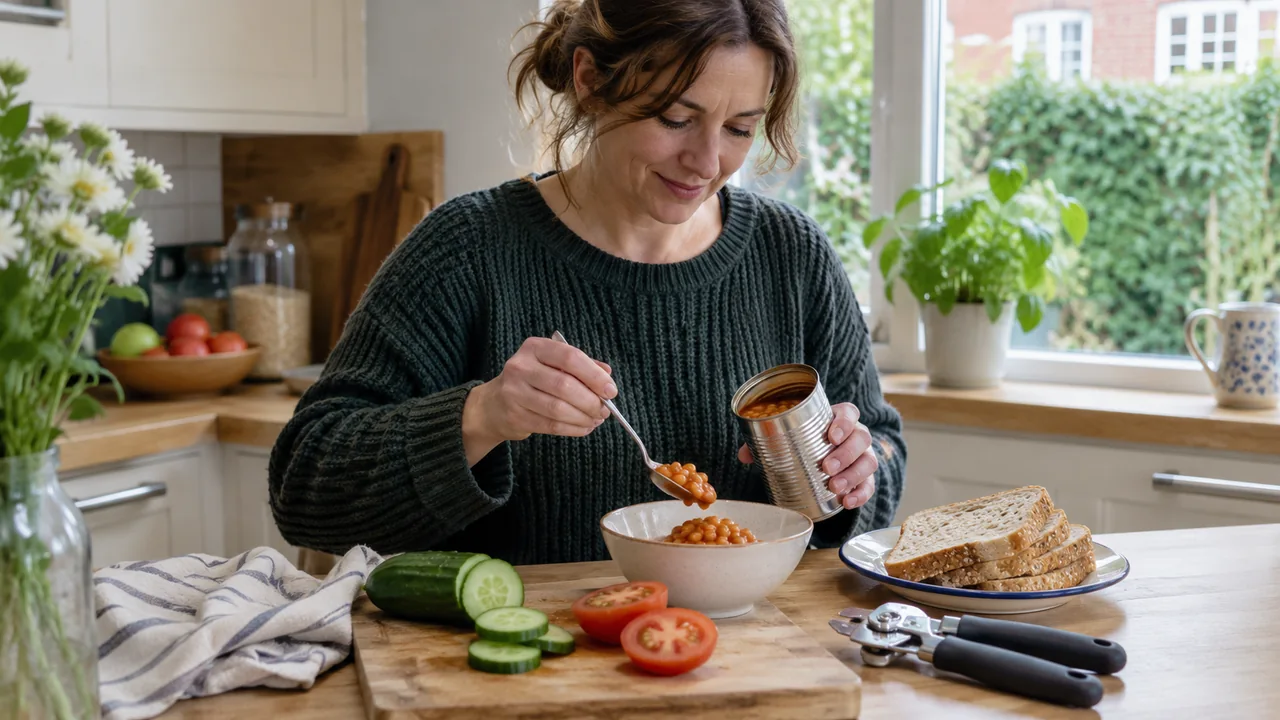
The cooker is silent, the gas supply has failed and everyone still needs a meal. Before you search for a way to produce a flame, check what can be eaten safely without cooking. A useful meal plan begins with the food, water and equipment you actually have, not with an unsafe attempt to recreate a normal kitchen.
Cooking without electricity or gas may mean using an appropriate outdoor appliance, sharing a safe community cooking point or choosing no-cook meals. The right option depends on weather, fuel, food storage and the needs of the people eating. An outdoor stove does not become an indoor cooker because the situation is serious.
Your first goal is a safe meal today. Your next is a repeatable system that uses manageable amounts of water, fuel and effort. That protects the household from hunger without adding food poisoning, burns or carbon monoxide to a crisis that is already difficult enough.
Take stock before opening everything
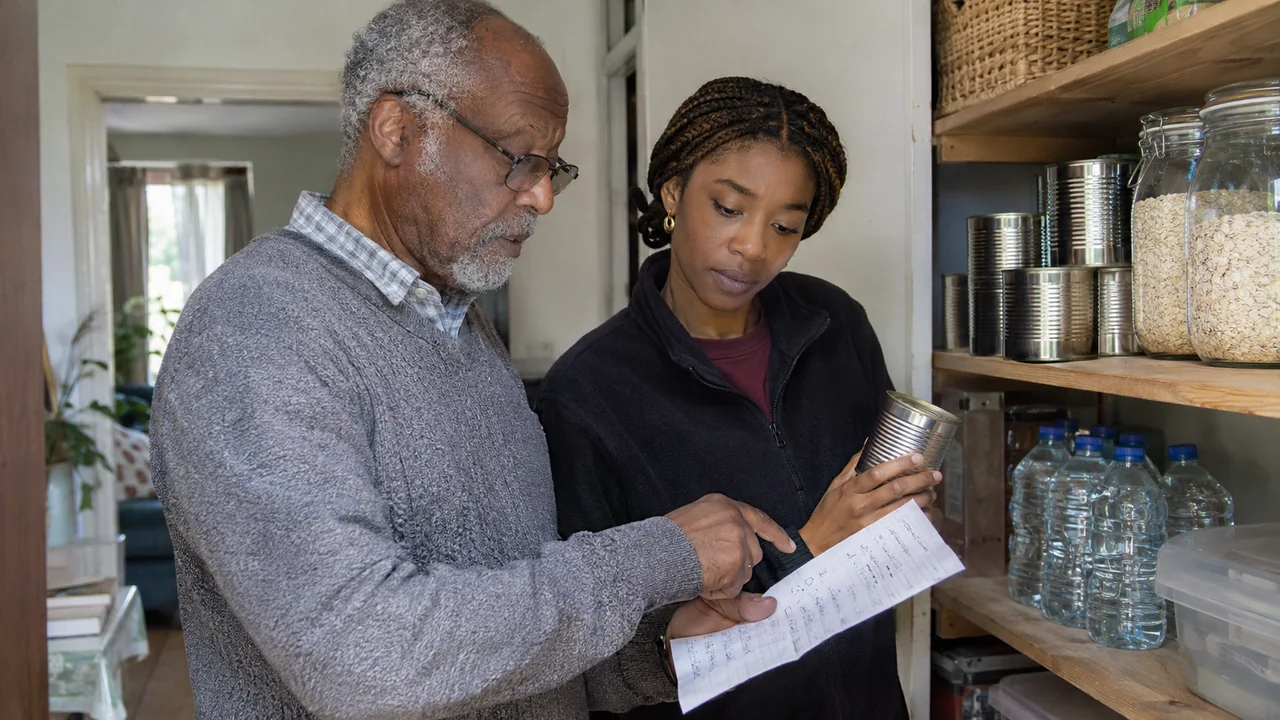
List food that is ready to eat, food that needs heating only for preference and food that must be properly cooked to be safe. Read the labels. Tinned beans may be ready to eat cold, while dried beans are a different product with different preparation needs. Do not assume that soaking any dry ingredient makes it safe.
Check how much safe drinking water remains and which containers can be used for food preparation. Include a manual can opener, clean utensils, stable eating surfaces and a way to wash hands. An impressive stock of dried staples is much less useful if the household lacks the water and fuel needed to prepare them.
Allocate one person to keep a simple record of opened foods and meals. This prevents several helpers opening separate tins and leaving more perishable leftovers than can be kept safely. Keep a separate note of allergies, infant feeding needs and any medical diet that cannot be replaced by whatever is easiest to share.
Deal with chilled food according to its safety history
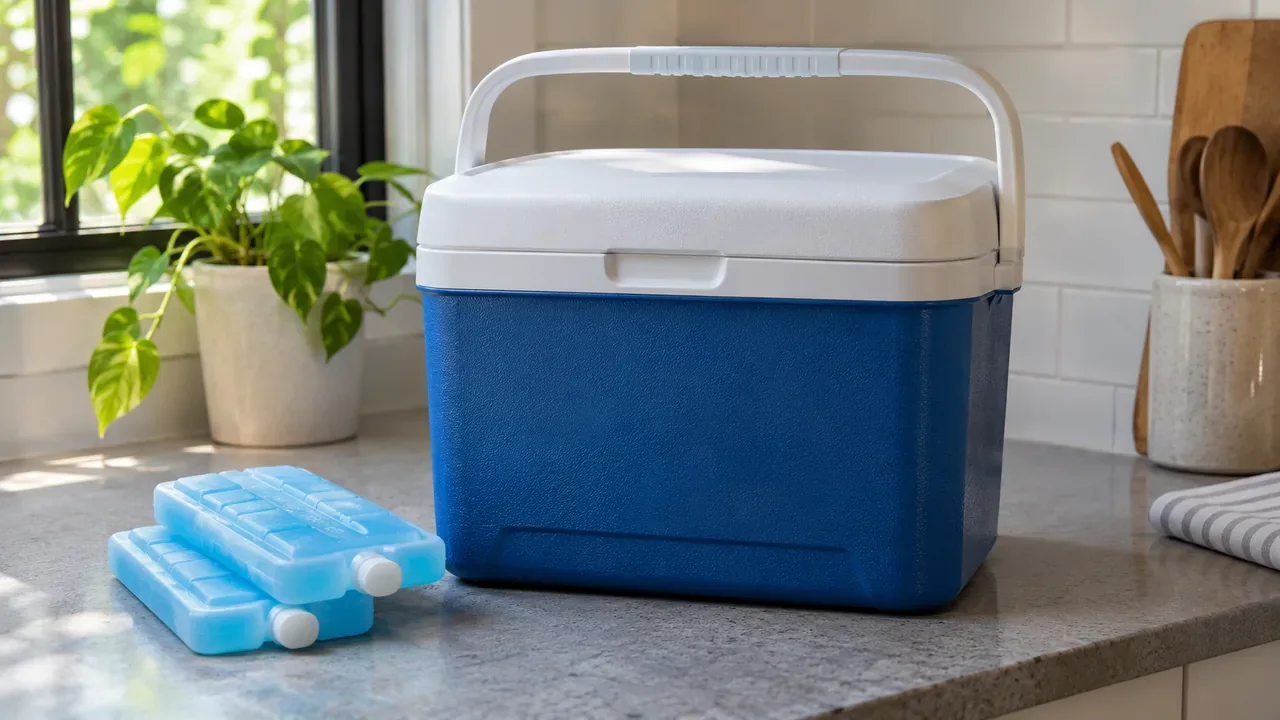
Keep fridge and freezer doors closed as much as possible. Note when power failed and use a suitable thermometer where available. The fact that a fridge still feels cool does not establish that every food has remained within a safe temperature range.
The Food Standards Agency's power-cut guidance explains how storage and cooking choices change during an outage. Follow current advice and the food's label. Prioritising suitable chilled food only makes sense while it is still safe; it does not mean rescuing high-risk food after an uncertain warm period.
Do not taste food to check safety, and do not assume reheating can correct every storage failure. Some hazards are not removed by ordinary cooking. If you cannot establish that a high-risk item has been stored safely, do not make a vulnerable family member the test case. Keep the remaining shelf-stable supplies protected while you assess uncertain items separately.
Build a first meal that does not need a flame
Choose compatible ready-to-eat foods from the cupboard. Bread or crackers, suitable tinned pulses, ready-to-eat fish or meat, nut or seed spreads where safe for the household, and fruit can form practical meals. Read each product's instructions, particularly what happens after opening.
Keep portions manageable so opened food is eaten promptly. Decanting a large tin into several uncovered bowls for later creates a new storage problem. Where there is no refrigeration, choose pack sizes the household can use safely at one sitting. Share only through a clean, organised arrangement that accounts for allergies and food condition.
Include texture and ability to eat. A hard cracker may be unsuitable for a person with swallowing problems or poor dentition. A child may cope better with a familiar combination than a completely unfamiliar ration. The objective is food people can safely eat and tolerate, not simply a photograph of a cupboard that looks well stocked.
Compare your available cooking methods
A method is useful only if it is safe in the location, suitable for the food and possible to repeat. Do not count an appliance as available until you have checked its fuel, instructions and operating conditions. A sunny forecast or a partly used gas cartridge is not a guaranteed meal plan.
| Method | What it can offer | What limits it |
|---|---|---|
| No-cook meals | Immediate food without a flame | Suitable products, dietary needs and storage after opening |
| Approved outdoor stove | Controlled cooking when used correctly | Safe outdoor site, compatible fuel and enough water |
| Barbecue used outdoors | Cooking with suitable equipment | Weather, fire risk, food temperature and carbon monoxide |
| Purpose-built solar cooker | Fuel-free cooking in suitable conditions | Sunlight, equipment performance and verified safe cooking |
| Shared cooking point | Reduced duplication of fuel and effort | Hygiene, access, allergies and reliable organisation |
If a method cannot keep the food safe, choose another meal. Convenience, flavour or tradition should not override a known hazard merely because normal services have stopped.
Keep every outdoor appliance genuinely outdoors
Place cooking equipment on a stable, suitable surface with the clearances required by its manufacturer. Keep it away from windows, doors, shelter fabric, dry vegetation and children. Never use it inside a kitchen, garage, tent or tent entrance to escape bad weather.
Carbon monoxide is a particular danger when outdoor equipment is used in enclosed spaces. The Scottish Fire and Rescue Service warns against that practice during power cuts. An open window, a door left ajar or a battery alarm does not turn an unsuitable appliance into a safe indoor solution.
Use the specified fuel and compatible containers. Change cartridges only as instructed, outdoors and away from ignition sources. Allow equipment to cool before moving or storing it. If wind, rain, smoke or nearby fire makes the outdoor setup unsafe, stop and use suitable no-cook food. Losing a hot meal is less serious than losing the shelter to fire or poisoning.
Choose meals that save water as well as fuel
A meal that needs a large pan of boiling water, a long cooking time and several dirty utensils may be a poor fit for the remaining resources. Consider foods with shorter preparation times, pre-cooked ingredients and recipes that use the cooking liquid rather than requiring it to be discarded.
Use a lid and an appropriately sized pan where the appliance instructions permit. Measure ingredients before lighting the stove and keep equipment ready so fuel is not wasted while someone searches for utensils. Never cover an appliance or alter its ventilation to make it more efficient.
Do not rely on partially cooking a high-risk food and allowing it to sit warm for hours. Insulated cooking methods and retained-heat devices need validated instructions for the food and equipment; a blanket around an ordinary pan is not proof of safe cooking. When certainty is poor, a simple meal from ready-to-eat ingredients is the more dependable way to conserve resources.
Keep water safety separate from cooking enthusiasm
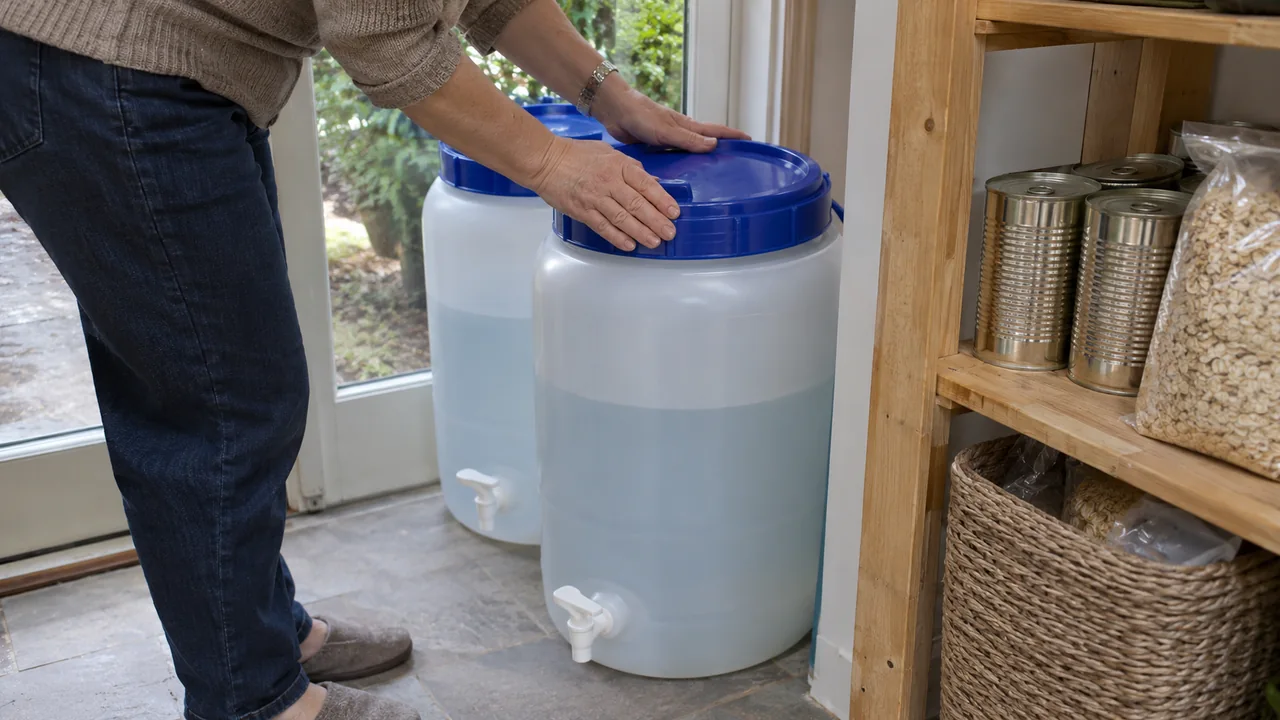
Use safe water for drinking, preparing food, cleaning food-contact items and any feeding-related task. Clear-looking water is not automatically safe. If there is a specific notice about the mains supply, follow its instructions rather than applying a generic rule from another incident.
The CDC's emergency water guidance distinguishes microbes from chemical or radioactive contamination. Boiling can kill many germs, but it cannot make water containing fuel, toxic chemicals or radioactive material safe. A household filter also has limits defined by its specification.
If your only possible cooking method requires unsafe water, reconsider the meal and seek another water source. Do not use central-heating-system water for drinking or cooking. Keep treated or sealed water protected from hands, dirty cups and reused chemical containers. The guide to safe water and food after supply collapse explains the wider collection and handling decisions.
Cook through, then prevent recontamination
Raw meat, poultry, fish and other foods that require cooking must be prepared according to safe food guidance, even when the stove is unfamiliar. Allow for uneven heating and slower performance. Use a suitable food thermometer and verified instructions where available rather than relying only on surface colour.
Keep raw and ready-to-eat foods separate, including their knives, plates and hands. A cooked item placed back on a plate that held raw meat can be contaminated again. Set up a clean serving area before cooking begins, especially when several people are working around a small outdoor table.
Serve promptly and make only what can be eaten safely. Do not keep a pot of warm leftovers beside a stove all day for repeated helpings. If safe cooling and refrigeration are unavailable, leftovers may not be a resource you can keep. Reheating repeatedly is not a substitute for maintaining appropriate storage conditions.
Protect babies and people with special feeding needs
Keep infant feeding consistent with current professional guidance and the baby's needs. Ready-to-feed formula may be an important option when safe preparation of powdered formula is not possible, but it still has storage requirements after opening. Do not dilute formula to stretch supplies or make an improvised substitute from ordinary cupboard ingredients.
For someone with swallowing difficulties, use their prescribed texture and feeding arrangement. Do not turn a suitable solid meal into an assumed safe puree by adding water and blending or mashing it differently. Changes in texture can be clinically important. Follow the established plan and seek help when you cannot meet it.
Keep allergens visible in the meal plan. An unlabelled shared ingredient or a borrowed spread can introduce a serious risk. People with diabetes, kidney disease or other clinical needs may also require specific arrangements. A general emergency menu does not replace their existing advice or justify changing medicines to suit an unfamiliar diet.
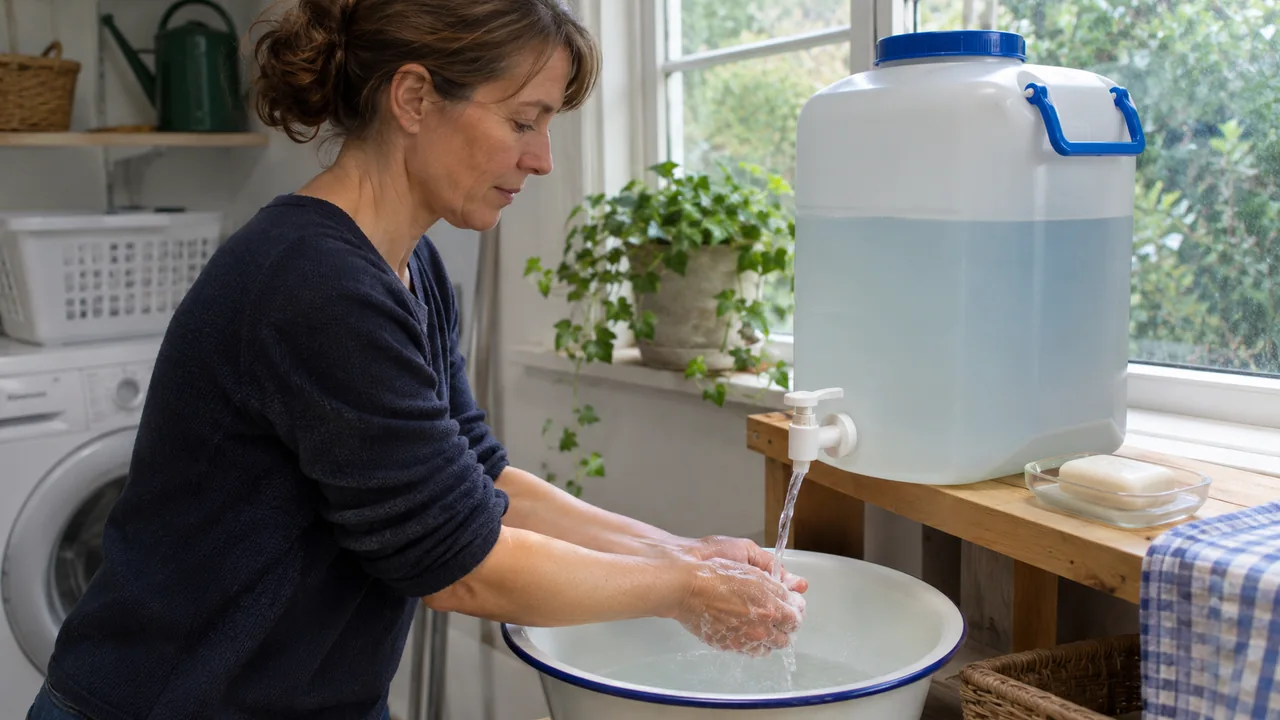
Make cleaning part of the meal rather than an optional extra
Set aside safe water and soap for handwashing, and keep used cloths separate from clean items. Clean the food-preparation surface before opening ready-to-eat products. Gloves do not cancel the need for clean hands and can transfer contamination just as easily as bare fingers.
Use cleaning products only as labelled. Do not mix chemicals or assume that a surface spray is safe to add to food or drinking water. If using wipes or sanitiser during a temporary water shortage, understand their limits and restore proper washing as soon as possible. Visibly dirty hands need effective cleaning, not a quick symbolic application.
Contain waste promptly and keep it away from food stores, sleeping areas and water containers. Empty tins can have sharp edges, so place them where children cannot reach them. A good cooking arrangement leaves the household ready for the next meal rather than surrounded by scraps, dirty equipment and an increasingly attractive feeding site for pests.
Share a cooking point without sharing every hazard
A neighbour with a suitable outdoor cooker may help several households conserve fuel. Agree responsibilities before food arrives: who cooks, which ingredients belong to whom, how allergens are managed and how long prepared food will wait before collection. Do not create a large queue of vulnerable people in bad weather merely to obtain hot food.
Use clean containers suitable for food and avoid returning cooked meals in packaging that carried raw ingredients. Keep the site away from traffic, fuel storage and shelter entrances. The person operating the appliance should understand its instructions; helpful volunteers should not adjust unfamiliar fuel connections or improvise extensions.
Record fuel use and supplies honestly so the arrangement can continue. A community cooking point can reduce duplication, but it is not dependable if it relies on one exhausted person or an unverified promise of more fuel. Build a fallback based on suitable no-cook meals for the day the shared method is unavailable.
Test a workable two-meal routine
For a household with limited water and a small safe outdoor stove, breakfast might use products labelled ready to eat, served with safe drinking water. Lunch might combine tinned pulses and bread with ingredients that can be handled hygienically. The hot meal can then be planned around a short cooking process rather than using fuel for every drink and snack.
Write down what each meal used: drinking water, preparation water, fuel, opened products and cleaning materials. Do not invent a precise fuel-runtime figure from the size of a cartridge alone. Weather, equipment and cooking demands change consumption. What you actually observe gives a better basis for planning tomorrow.
Ask whether everyone ate enough and tolerated the food. A menu that is technically available but leaves a child refusing meals or a frail adult unable to chew needs adjustment. The goal is a sustainable household routine, not proving that the family can endure an unsuitable diet without complaint.
Preserve the next meal as well as today's meal
Before packing away, check that cooking equipment is safe and cool, fuel is stored correctly and the remaining food is protected. Mark opened products and note which must be used or discarded according to their instructions. Keep the manual can opener where everyone can find it.
Review whether the household can repeat the arrangement safely if power does not return. If water, fuel, dietary needs or weather make that impossible, seek shared support or a safer place before people become seriously hungry or dehydrated. The guide to food and water shortages helps widen the plan beyond a single cooker. A useful off-grid meal system keeps people fed without consuming the resources or safety they will need tomorrow.
Frequently asked questions
Can all tinned food be eaten cold?
No single rule covers every product. Many tinned foods are ready to eat, but you should read the label and follow any cooking and storage instructions. Check the container's condition and use suitable portions. Once opened, a product may need refrigeration or prompt consumption even though the unopened tin was shelf-stable.
Can I cook dried beans just by soaking them?
Do not assume soaking makes dried beans safe. Different products need specific preparation and adequate cooking; some can cause serious illness when undercooked. Follow reliable instructions for the actual ingredient. If you cannot provide the required water, fuel and cooking process, use a suitable ready-to-eat alternative instead.
Will reheating make food safe after the fridge has warmed up?
Not reliably. Some hazards caused by unsafe storage are not removed by ordinary reheating. Assess the food's temperature history and follow current food-safety guidance. Do not taste uncertain high-risk food or serve it to a vulnerable person because wasting it feels difficult. Protect the safe supplies that remain.
Is solar cooking a dependable replacement for every meal?
It depends on the equipment, sunlight, weather and the food being prepared. Use verified instructions and confirm safe cooking conditions. A warm container is not proof that food has cooked adequately. Keep a suitable fallback for cloudy days or changing conditions, rather than relying on solar cooking as a guaranteed service.
How can I avoid using all the water on washing up?
Choose simple meals, prepare sensible portions and reduce the number of utensils, while protecting essential hygiene. Measure water into a clean washing arrangement instead of leaving it to run. Do not conserve water by skipping necessary hand or food-contact cleaning. Unsafe food preparation can cause illness that increases the household's water needs.