
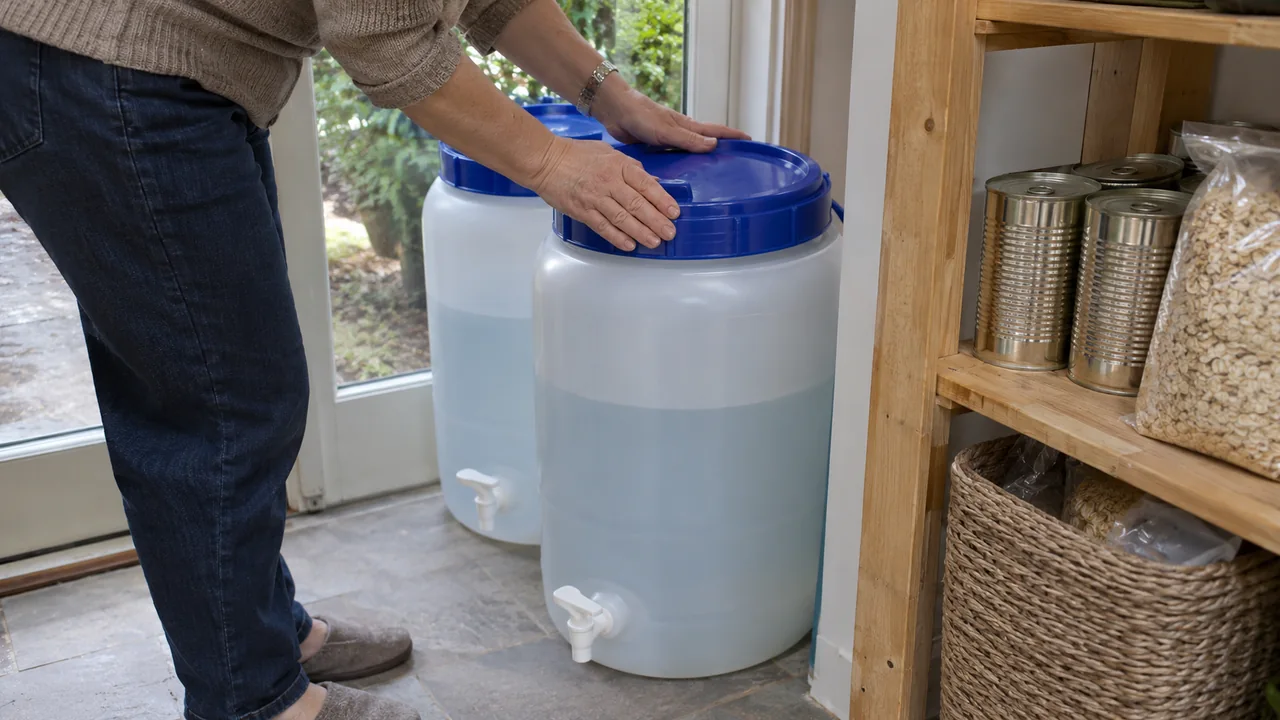
Your stored bottles are nearly empty, the shops have no deliveries and the nearest stream looks clear. Finding safe water and food after collapse means judging what is genuinely usable, not choosing whatever looks most reassuring. A dangerous source can turn a supply shortage into illness that the household has no capacity to treat.
Begin with the safest supplies already available, protect them from contamination and organise a repeatable way to obtain the next day's essentials. Separate drinking water from water reserved for other uses. Choose foods that can be eaten safely with the water, fuel and equipment you actually have.
This is a problem of quality, access and continuity. A large container is not useful if nobody can move it, and a cupboard of dry ingredients is not a complete food supply if cooking water has disappeared. Work through the whole journey from source to mouth before depending on a new option.
Establish what the household can safely use today
Count sealed drinking water, sound shelf-stable foods and other supplies with a known history. Check packaging, storage conditions, opening instructions and any relevant use-by dates. Put damaged, leaking or suspect items aside so that tired people do not select them by mistake.
Make a simple record of quantities and requirements. Include babies, pregnancy, illness, disability, prescribed diets and animals separately. Ask what each person can chew, swallow and digest rather than treating every calorie as interchangeable.
Divide food into ready to eat, requiring safe water, and requiring thorough cooking. The third group may be unusable during the immediate shortage. Read the guidance on food and water shortages if the household needs to reorganise an existing cupboard before searching farther away.
Calculate water needs without turning them into a rigid ration
The UK Be Ready advice on water interruptions uses at least three litres of drinking water per person per day as a starting point for a three-day reserve. Four people would therefore need 36 litres for that drinking reserve alone.
This is a planning baseline, not a universal fluid prescription or a promise that 36 litres covers cooking, washing and care. Heat, activity, illness and individual medical advice can change requirements. Do not force a person with a fluid restriction to follow a general article's figure.
Compare the daily requirement with usable storage and the distance to a credible supply. One litre of water weighs roughly one kilogram before the container is included. Several smaller containers may be safer to carry than one heavy vessel that causes an injury on the first collection trip.
Judge water sources by their risks, not their appearance
Prefer a supply confirmed safe by a competent water provider or public-health source where that remains available. A functioning distribution point may be safer than an untested local spring. Check that the collection arrangement is genuine and that its containers and taps are clean.
Private wells, springs, streams and rainwater systems can contain harmful organisms or chemicals. Clear water is not proof of safety. Flooding, damaged sewage systems, livestock, fuel spills and industrial activity increase uncertainty, including when the contamination is upstream and out of sight.
The Drinking Water Inspectorate's private-supply guidance explains why protecting the source and treatment system matters. A familiar well is not automatically reliable after the surrounding ground has flooded or its pump and treatment equipment have failed.
Match treatment to the actual type of contamination
Boiling can address many disease-causing organisms when the relevant official instructions are followed. It cannot make water contaminated with fuel, toxic chemicals or radioactive material safe. Some chemical hazards can remain or become more concentrated as water evaporates.
The CDC's emergency-water advice makes this distinction explicit. It also warns against using water from domestic heating systems. A radiator or central-heating boiler is not an emergency drinking-water tank, even if the water has been sitting in the house for months.
A household filter has specific capabilities. A sediment filter may improve appearance without removing microbes; another product may address certain organisms but not dissolved chemicals. Read the actual device's instructions and condition. Do not join several uncertain treatments together and assume their limitations cancel each other out.
Use a boil-water notice correctly when one exists
A boil-water notice and a do-not-drink notice are different instructions. The Drinking Water Inspectorate's explanation helps householders understand what a boil-water notice means. Follow the issuing organisation's current directions, including which uses require treated water.
Use suitable equipment in a safe place, protect people from scalds and keep treated water covered while it cools. A shortage is not a reason to run an outdoor stove indoors. The treatment process must not introduce a fire or carbon monoxide hazard into the shelter.
Where no competent instruction exists and contamination is unknown, avoid presenting the water as verified safe. Seek a better-characterised source and advice through any remaining credible route. Honest uncertainty helps people make a better decision than an improvised recipe described as a guarantee.
Keep clean water clean after collection
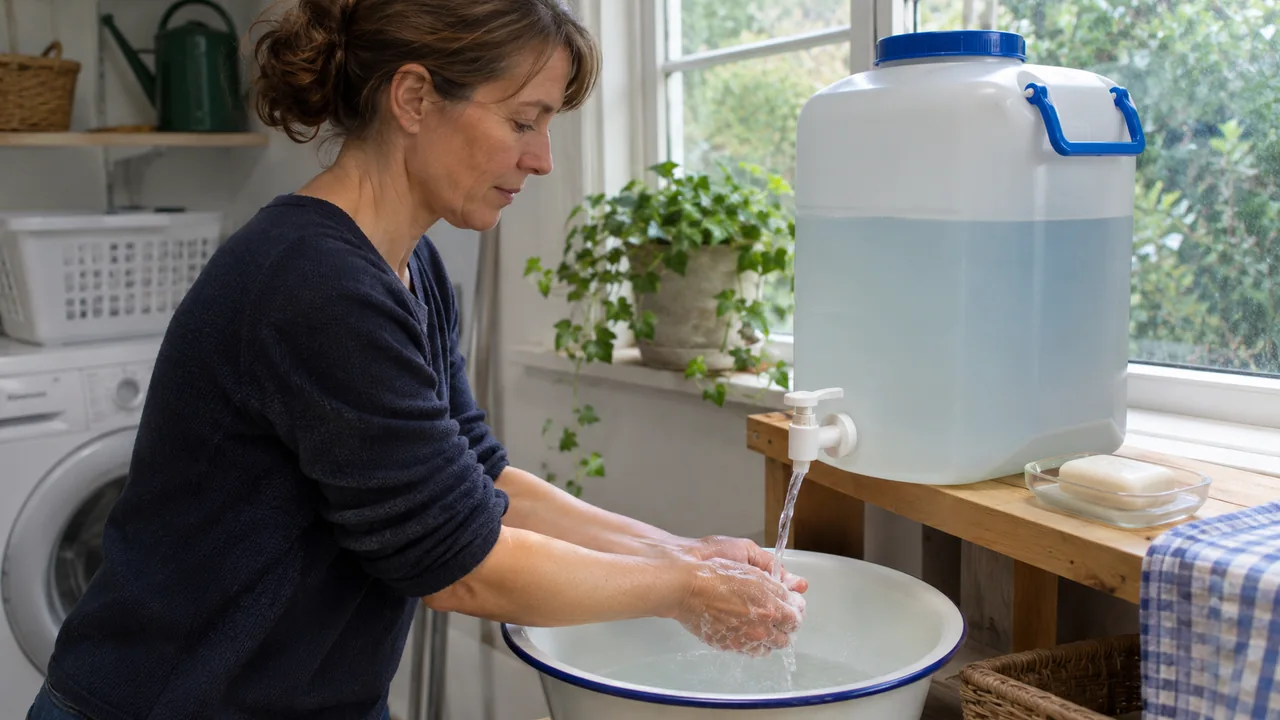
Use food-grade containers intended for drinking-water storage, with sound lids and a practical dispensing arrangement. Do not reuse containers that held fuel, pesticides or other hazardous products. A thorough rinse does not establish that their residues have been removed.
Store clean water away from waste, animals and chemicals. Keep hands, cups and dirty utensils out of the container. A tap or careful pouring arrangement reduces repeated dipping, provided the outlet itself stays clean and protected.
Label containers by source, collection date and intended use. Keep suspect or untreated water visibly separate. Explain the system to children and visitors, because a perfect label is ineffective if nobody understands which container supplies drinks. Link the routine to the household's handwashing and hygiene arrangements.
Choose food that fits the available water and fuel
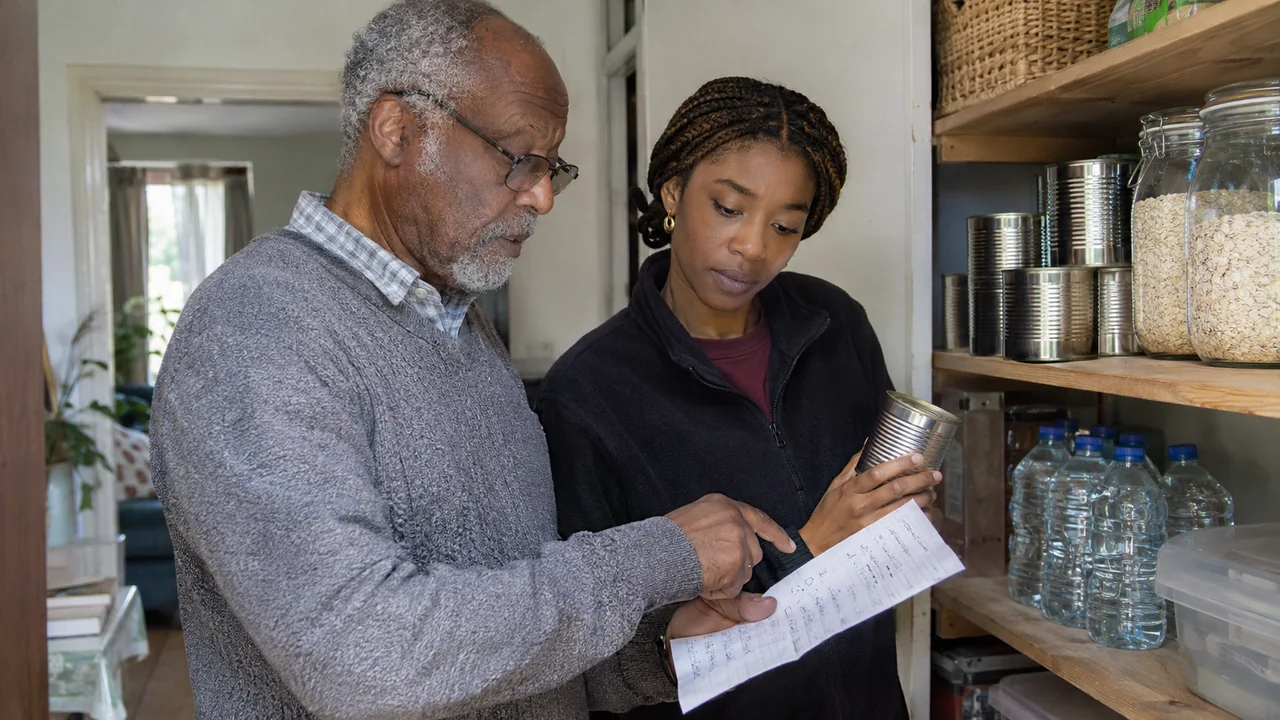
Ready-to-eat shelf-stable foods can preserve cooking fuel and reduce washing. Check the label: some products are ready to eat cold, while others require cooking for safety. An opened tin also needs appropriate handling and storage; it does not stay shelf-stable indefinitely after opening.
Plan meals around the number of people eating now, so that little remains without refrigeration. Consider texture, allergies and medical needs. A family member who cannot manage hard crackers still needs a suitable food option rather than an instruction to adapt.
Dry beans, grains and flour have different preparation requirements. Some beans require particular cooking steps to reduce naturally occurring toxins. Soaking alone is not a universal safety treatment. Use familiar safe foods and verified instructions, especially when clean water and dependable heat are limited.
Treat lost refrigeration as a food-safety decision
Food in a warm fridge cannot be judged reliably by smell or appearance. Record when cooling failed and use a thermometer where possible. The Food Standards Agency's power-cut advice explains the importance of time, temperature and food type.
Do not taste a doubtful food to decide whether it is safe. Reheating cannot reliably remove every hazard created by poor storage. Food connected with sewage, contaminated floodwater or an unknown chemical spill needs a separate, cautious assessment rather than washing and hope.
Keep a discard decision separate from the emotional cost of losing supplies. Wasting food feels frightening during collapse, but feeding an uncertain item to several people can remove both the carers and the people who depend on them. Prevent the next loss by reducing the amount opened at one time.
Do not make unfamiliar foraging the household's main plan
A plant, mushroom or shellfish should not be eaten because a phone image appears similar. Identification mistakes can be serious, and contaminated land or water adds another hazard even when the species is correctly recognised. A confident neighbour's memory is not a complete safety check.
Use local knowledge only within genuine competence, lawful access and a clear understanding of the source. Do not assume an emergency removes conservation, fishing, land-access or animal-welfare requirements. Avoid food from areas exposed to sewage, industrial contamination or other uncontrolled hazards.
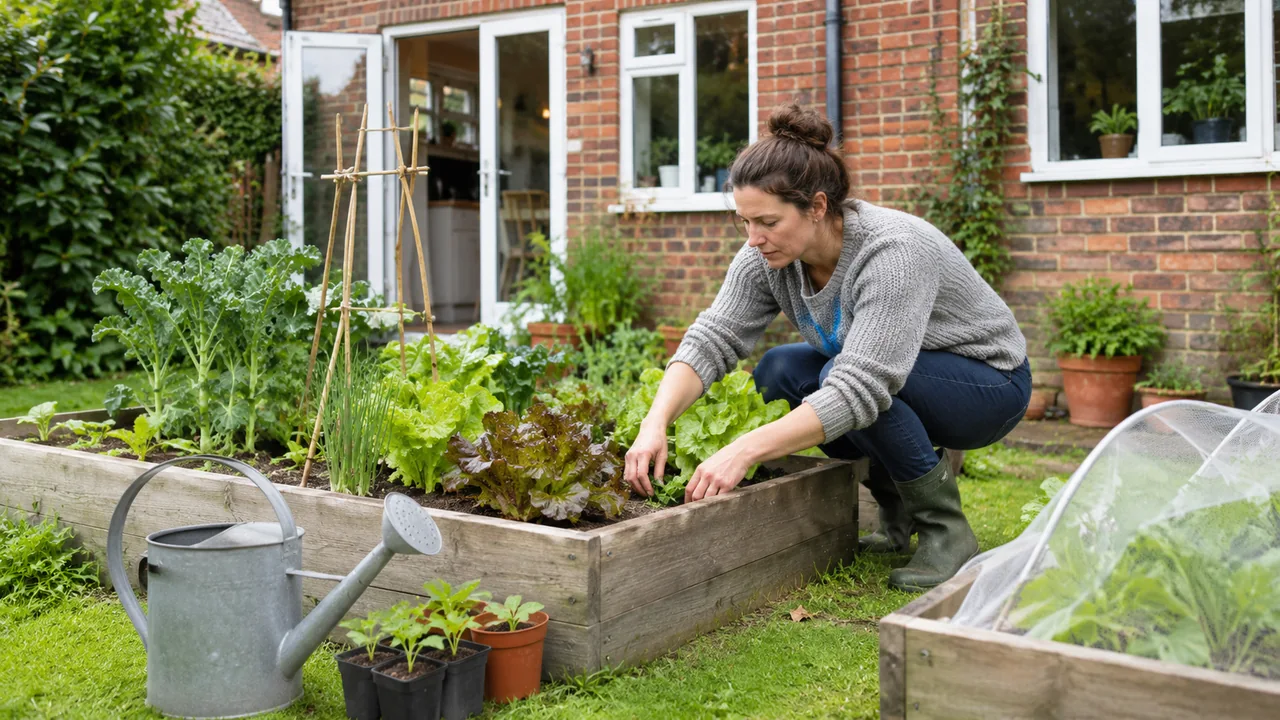
Growing food offers a more controllable longer-term contribution, but the first harvest takes time and will not instantly replace the family's diet. The guide to growing food after supply collapse explains how to begin without pretending that a few seedlings solve today's hunger.
Organise collection without exhausting the collectors
Check the route, destination, carrying method and return arrangement before leaving. A water source that requires crossing floodwater or entering an unstable building is not a dependable supply. Consider whether a known distribution point can support an accessible collection or agreed local delivery.
Share tasks through trusted people. One person may collect while another remains with children or a dependent adult. Keep a written record of the source and quantity so the next collector does not have to reconstruct the plan from a rumour.
Avoid publishing a vulnerable household's full stock or travel routine. Cooperate without exposing people unnecessarily, and never carry out a dangerous journey merely because a previous collector returned safely. Conditions change; reassess the route and source each time. The guide to travel without petrol covers the practical limits of moving supplies on foot or by bicycle.
Make a simple daily supply table
| Question | Record today | Action if the answer is weak |
|---|---|---|
| Is drinking water from a known safe source? | Source and any instructions | Seek a better source or competent advice |
| Can the household collect enough safely? | Quantity, route and collectors | Share transport or reduce avoidable uses |
| Which food is usable without cooking? | Portions and dietary needs | Plan safe meals before opening more |
| Can waste contaminate storage? | Location and collection method | Separate storage and improve hygiene |
Review the table once a day and after a major change. Do not keep a detailed ledger that nobody has the energy to maintain. The purpose is to spot the next shortage while there is still a realistic way to address it.
Keep drinking, cooking and care needs visible alongside fuel and container capacity. Supplies are connected: a large sack of food may increase water and fuel requirements rather than reduce them. Test the complete meal and clean-up process before treating a new ingredient as dependable.
Build continuity rather than relying on one lucky find
Keep more than one credible route to essentials where circumstances allow. This may mean a protected store, an agreed collection partnership and a small food-growing effort. Avoid counting the same supply twice when several households believe it belongs to their plan.
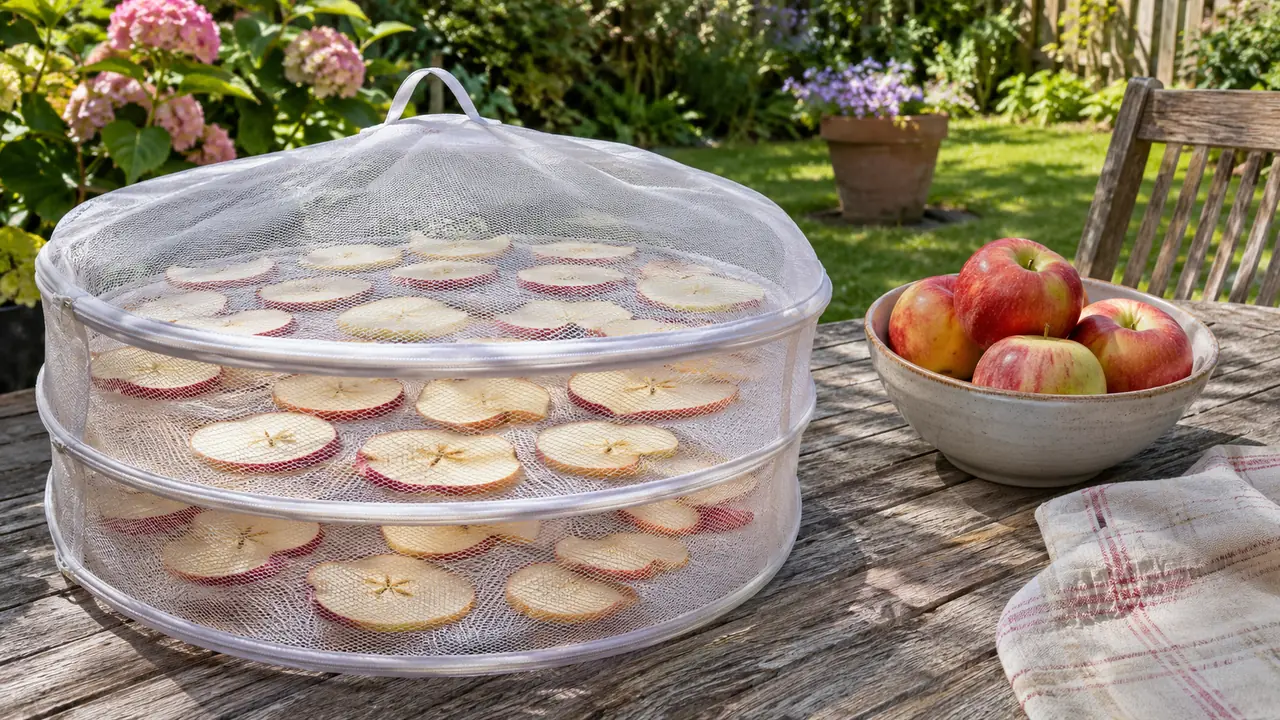
Use safe food-preservation methods only where equipment, ingredients and conditions support them. Drying or home canning is not a rescue method for food that has already become unsafe. Preserve a suitable surplus while it is sound, rather than gambling the remaining stock on an untested process.
Today, identify the safest water, protect its container, plan one realistic meal and assign the next collection check. A dependable small routine can keep the family functioning long enough to improve the wider situation. An impressive list of possible sources cannot do that until those sources have been assessed and made usable.
Make the arrangement usable for everyone in the house
Check whether each person can lift the drinking vessel, operate its tap and distinguish it from untreated water. A child, a person with reduced vision and an adult with weak grip may need different help. Place a small clean drinking supply within safe reach rather than making everyone move a heavy container.
Explain what to do if a lid is left open, the container falls or the source changes. Set suspect water aside until it has been assessed, and record the incident rather than quietly returning it to the clean supply. The household needs one shared rule that survives a change of carer.
For meals, keep a separate safe portion or clearly identified product for a person with a serious allergy or special texture requirement. Cross-contact and confusion remain dangerous during a shortage. A simple serving routine can protect essential needs without requiring a different complicated meal for every person.
Frequently asked questions
Is clear stream water safe to drink after supply chains collapse?
No. Clear water may contain harmful organisms or chemicals. Assess the source and surrounding hazards, seek credible advice and use treatment appropriate to the contamination. Boiling cannot remove fuel, toxic chemicals or radioactive contamination.
Can a household water filter make every emergency source safe?
No. Filters have specific capabilities and maintenance requirements. Check the actual product's instructions and condition. Removing sediment does not prove that microbes or dissolved chemicals have been removed, and an unknown source should not be described as verified safe.
Should we save fuel by eating every tinned or dried food cold?
Only eat a product without cooking when its label and safe handling permit it. Some foods require cooking, and some dried beans need specific preparation to reduce toxins. Choose suitable ready-to-eat foods rather than guessing.
Can I use water from a radiator or central-heating boiler?
No. Water in domestic heating systems is not an emergency drinking supply and may contain harmful substances. Keep it separate from drinking and food-preparation water, even if another source is difficult to obtain.
What is the most useful first task when both food and water are running low?
Inventory the safe supplies, identify each person's needs and plan the next day around a credible drinking-water source and safely usable food. Assign collection and hygiene tasks, then review the arrangement before the current supplies run out.