
The nearest petrol station is empty, the bus timetable no longer reflects what is running and the household still needs water, medicines and contact with relatives. The first transport decision is which journeys can be avoided. Fuel saved by cancelling an unnecessary trip may later carry someone who cannot walk to essential help.
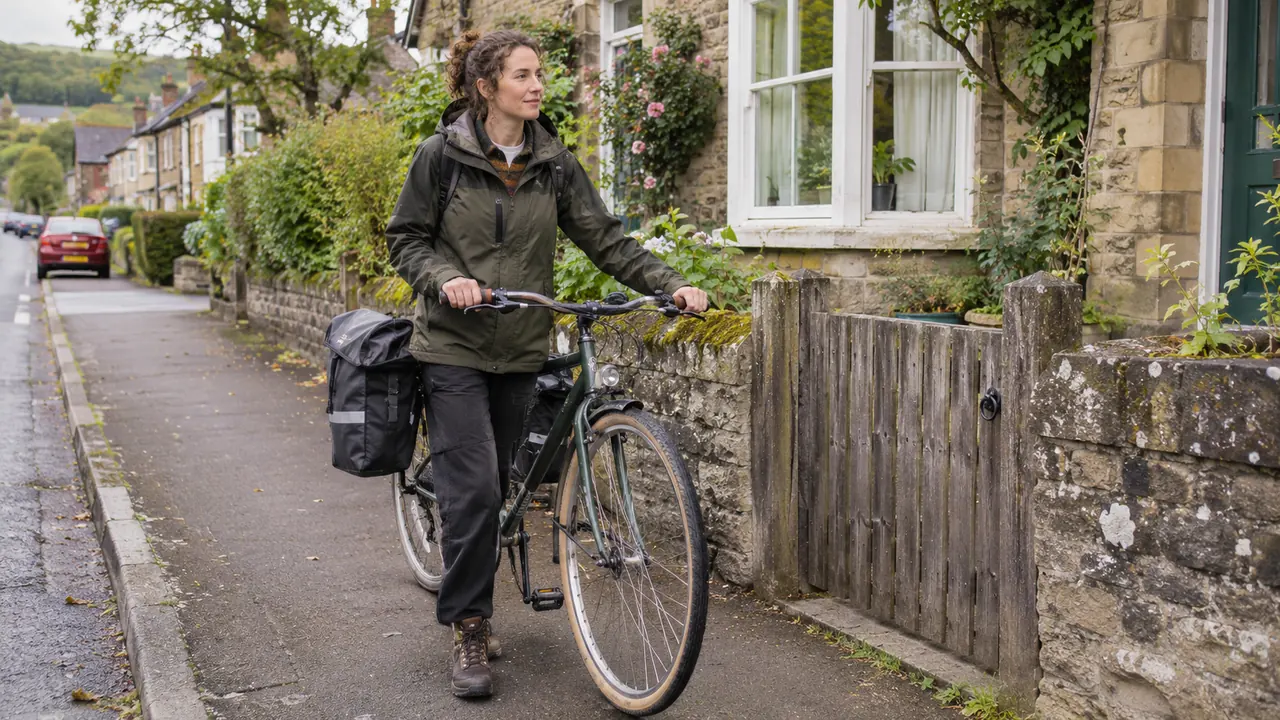
Travel without petrol usually means combining shorter journeys, walking or cycling where safe, sharing the vehicles that still operate and bringing support closer to the people who need it. Each choice depends on the route, the person's ability and the load. A bicycle is useful transport, but it does not solve every disability, weather or road-safety problem.
During an ongoing crisis, movement has to achieve something concrete. Before setting off, identify the need, confirm the destination and plan how everyone will return or remain safely at the other end. A speculative drive from one empty forecourt to another can consume the household's last reliable transport capacity.
List the journeys that genuinely matter
Write down the next day's essential needs before allocating vehicles or volunteers. Include urgent healthcare, necessary medicines, safe water, suitable food and checks on people who cannot be contacted another way. Separate these from errands that can wait, be combined or be handled by someone already making the same journey.
Ask whether the service or supplies are actually available. A working phone call, a trusted recent report or confirmation from the destination can prevent a wasted trip. A social-media photograph of stocked shelves may be old or from another place. Keep the source and time beside useful information.
For each journey, record who needs to travel and who can safely remain at home. Sending several adults for one collection may leave children or a dependent relative unsupported. Where a trusted person can collect an item without you, sharing a precise request may be safer than moving the whole household through increasingly unreliable transport.
Keep a reserve for needs that have no easy substitute
If a vehicle still has fuel, decide what it is needed for before using it casually. Consider a person's mobility, the distance to essential care and whether an evacuation route remains viable. Do not plan to use every remaining litre and assume a petrol station will reopen in time.
A vehicle's displayed range is an estimate influenced by driving conditions, load and the vehicle itself. Queues, diversions and cold weather can change what is achievable. Use a conservative plan with a realistic return or safe stopping arrangement, rather than interpreting the display as a promise.
Avoid repeated short scouting drives to see whether fuel has arrived. Ask a trusted contact for confirmed information where possible. Do not leave an engine running merely to make waiting more comfortable. Never idle in an enclosed space, and do not sacrifice an essential transport reserve to charge devices when a safer, lower-demand option is available.
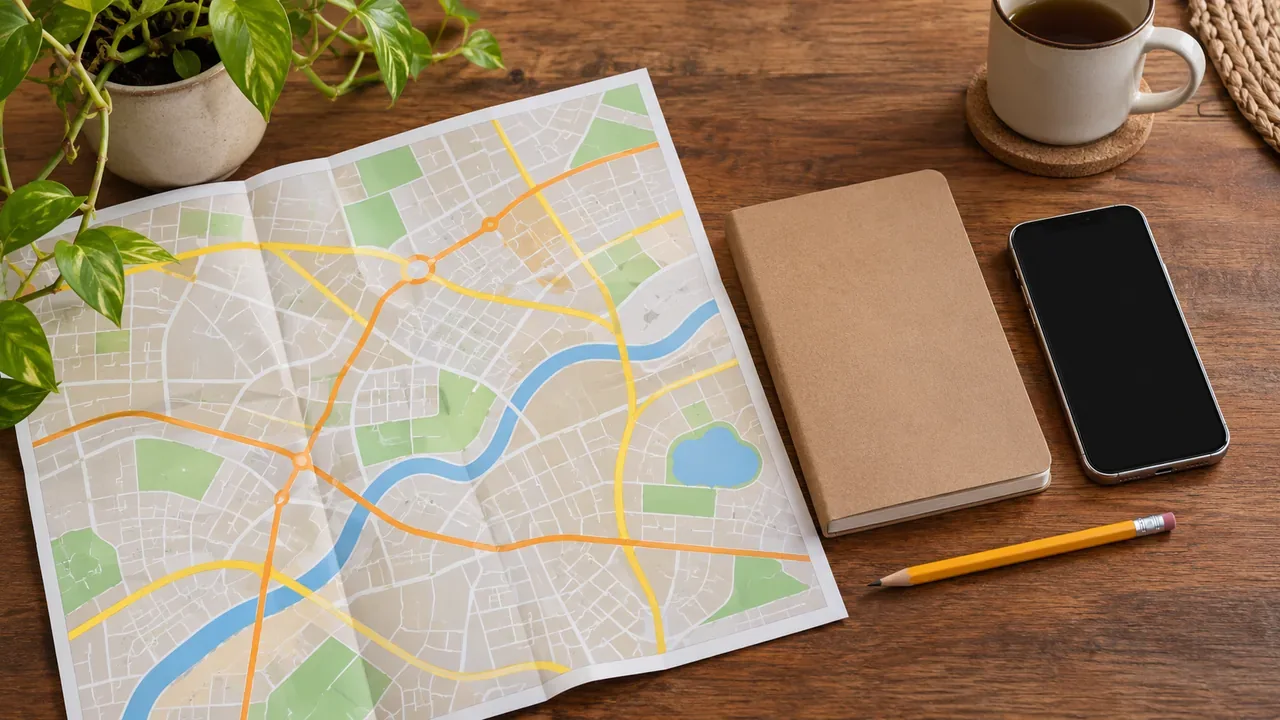
Build a local map of useful places
Mark home, trusted neighbours, likely water or food distribution points, any functioning clinic and places where people can leave messages. Use a paper map or reliable offline information. Add the actual address and access point, because a large site may have only one staffed entrance.
Then mark hazards: damaged bridges, flood-prone crossings, steep routes, isolated sections and roads with fast traffic. A route that is short on a screen may be unsuitable for a wheelchair, a loaded bicycle or a child. Check the whole journey rather than only the main road between two postcodes.
Keep observations separate from assumptions. Someone who travelled a route yesterday can provide useful context, but conditions may have changed. Ask returning travellers to report blocked access or hazards without encouraging them to investigate. A simple community map can reduce repeated exposure when it records what is known and when it was last checked.
Walk within the ability of the slowest person
Choose suitable footwear, weather protection and a manageable load. Allow extra time for children, older adults and people with health conditions. A distance that a fit adult can cover comfortably may be unsafe for a person who needs frequent rests, carries a baby or has limited access to a toilet.
Follow the Highway Code's pedestrian guidance. Use pavements and safe crossing arrangements where available, and make yourself visible. Unlit roads, damaged surfaces and unusually quiet traffic can still be dangerous. Do not treat a fuel shortage as evidence that every road is now a pedestrian route.
Avoid walking through floodwater, approaching fallen power lines or using a shortcut through a damaged building. If the weather or air quality makes outdoor movement unsafe, seek another way to meet the need. Fewer vehicles do not remove heat, cold, smoke or the consequences of a fall far from help.
Make cycling practical before loading the bicycle
Check tyres, brakes, steering, chain and secure luggage before departure. Use a bicycle you can control confidently. Carrying water or food changes balance and braking, and an improvised bag hanging from the handlebars can catch in the wheel or make steering unpredictable.
The Highway Code's rules for cyclists cover visibility, lights and safe road use. Follow applicable rules and use suitable equipment. A crisis does not make poor brakes, an insecure child seat or riding without required lights safer.
Use proper panniers or another suitable carrying system within the bicycle's limits. Start with a small load and walk the bicycle if necessary. An electric bicycle's battery may be difficult to recharge, and added weight can matter when assistance stops. Do not count its advertised range as a guarantee or charge a damaged battery to preserve the journey plan.
Calculate water loads before agreeing to collect them
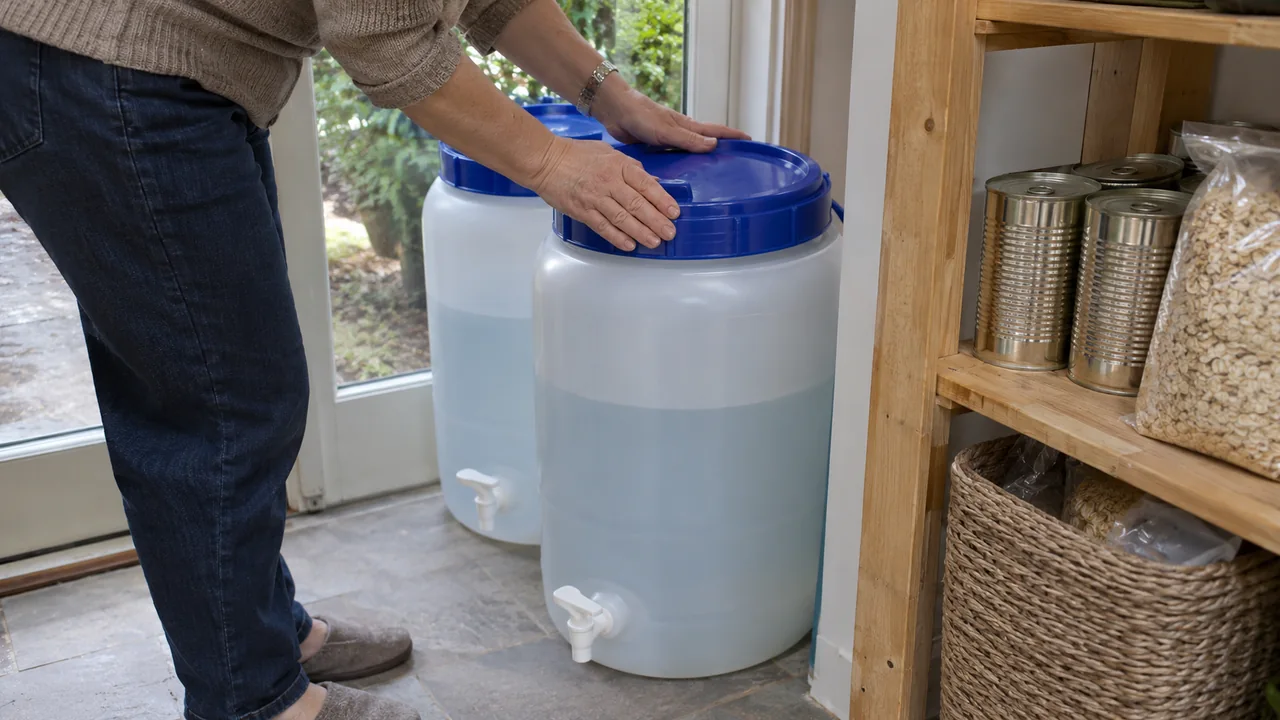
Water is heavy. One litre has a mass of approximately one kilogram, before adding the container. A 20-litre container therefore represents roughly 20 kilograms of water plus its own weight. That may be a useful storage size at home but an unsafe walking load for the person sent to fetch it.
For example, two people each carrying two three-litre containers are moving about six kilograms of water each, plus containers and other supplies. This arithmetic does not establish that the load is suitable for them. Distance, grip, balance, medical conditions and heat all matter. Smaller containers may make more sense even when they require better coordination.
A suitable trolley or bicycle carrier can reduce carrying effort, but only on a usable route and within equipment limits. Confirm the collection point, queue conditions and how the water will be transferred hygienically. Our guide to food and water shortages helps prioritise the need so that collection trips do not use more energy and exposure than the household can sustain.
Share vehicles with clear responsibilities
Where trusted neighbours still have working transport, combine compatible essential journeys. Agree the destination, passenger needs, collection times and how the return journey will work. Check that everyone has a safe seat and that loads are secured without blocking visibility or exits.
Do not assume a volunteer driver can provide medical transport or safely transfer a person who cannot sit independently. Explain needs before they arrive. A wheelchair, oxygen equipment or other essential device may require a specific vehicle and trained help. An unsuitable lift can leave the person injured or stranded away from their established care.
Keep arrangements factual and proportionate. A shared trip can help several households, but it should not depend on one exhausted driver working continuously. Agree how fuel use will be managed without pressuring someone to surrender their last reserve. Cooperation works better when the limits are understood and requests are specific.
Bring essential support closer where possible
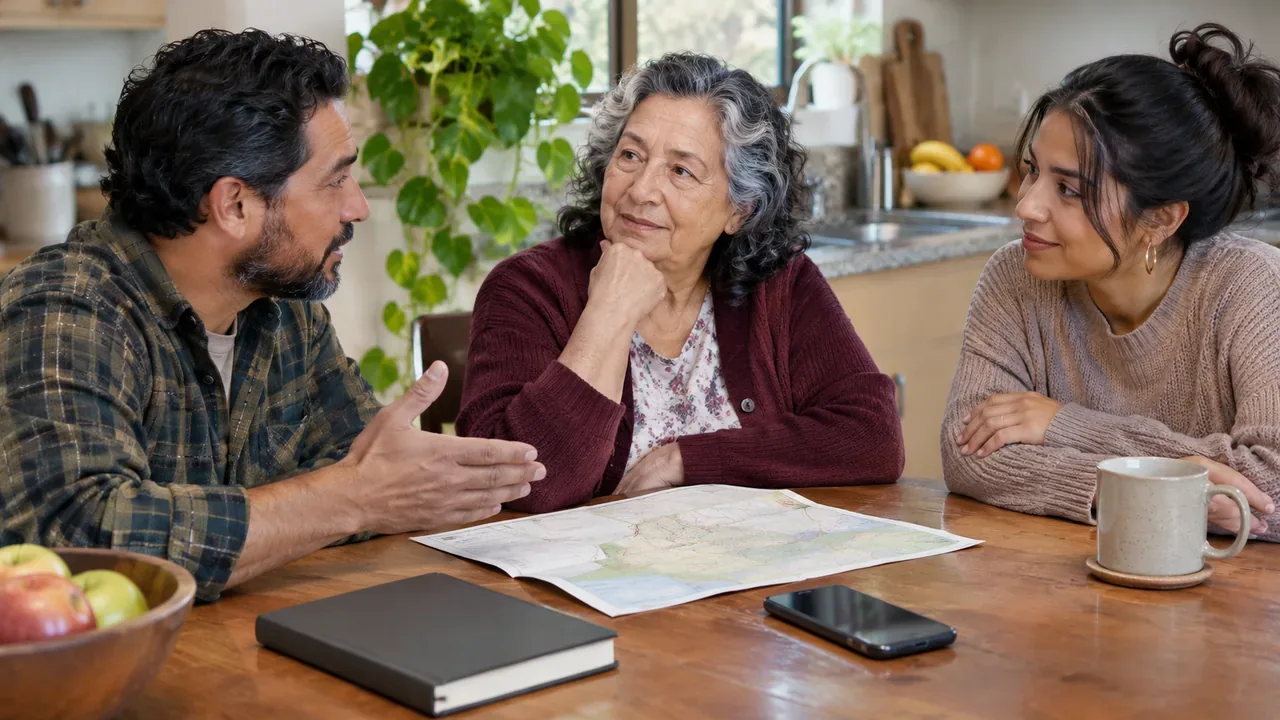
A trusted collection rota can reduce the number of journeys to the same distribution point. A community noticeboard or agreed message point can reduce travel simply to exchange information. People with limited mobility may benefit more from a delivered water container or a checked medicine request than from an invitation to join a queue.
The government's community-support guidance encourages people to recognise useful skills and check on neighbours who may need help. During the crisis, keep that help within safe, agreed tasks. Do not turn informal volunteering into untrained clinical work or send children on hazardous errands.
Protect personal information. A collection list needs enough detail to meet the request, not a public account of every household's medicines or absence from home. Verify who is collecting sensitive items and confirm delivery. A simple handover record can prevent someone making a second difficult journey because the first collection was never communicated.
Plan around daylight, weather and air quality
A familiar route changes when streetlights, signals or usual services stop. Prefer conditions that improve visibility and reduce exposure, while accounting for the specific hazard. During extreme heat, cooler parts of the day may be preferable; during other incidents, travel may need to stop altogether.
Carry suitable drinking water and avoid a load that leaves no capacity for it. Build in realistic rest and toilet needs, particularly for children or vulnerable adults. Do not plan to buy drinks at a shop whose opening status is unknown. A journey that is barely manageable in one direction can become dangerous after a long queue.
For smoke, radiation or other outdoor hazards, the question is whether the journey reduces overall risk. Staying in appropriate shelter may be safer than travelling for a non-urgent item. The guide to staying or evacuating helps compare the need, the route and the destination without treating movement itself as progress.
Keep family and care arrangements connected
Before anyone leaves, agree who remains responsible for children, pets and dependent adults. Tell a trusted person the intended route, destination and expected check-in. Include what will happen if communication does not work, rather than assuming a phone message will settle every change.
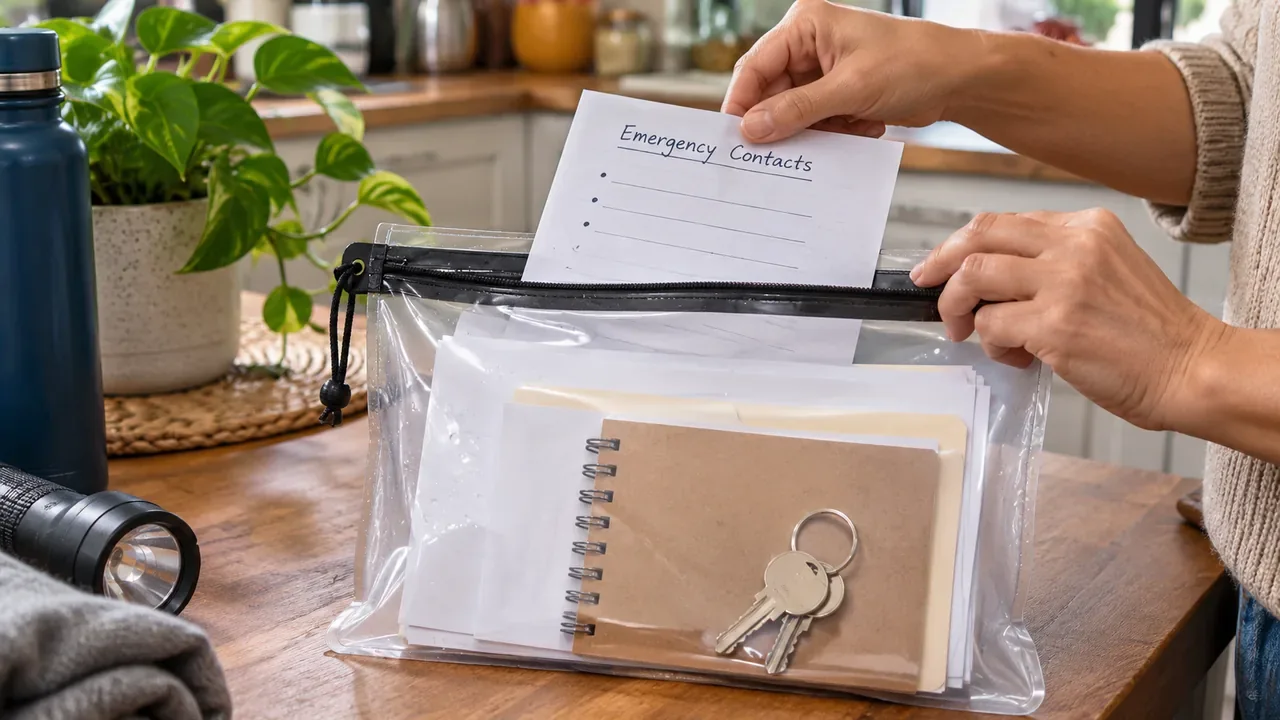
Carry essential identification, care information and contact details on paper where appropriate. Keep this information accessible to people who may need to help, while protecting privacy. A person who has trouble communicating should have a familiar method or aid available throughout the journey.
Do not respond to a missed check-in by sending several uncoordinated search parties along different routes. First review likely delays and any reliable information, then use the safest available assistance. An avoidable search can leave both the original traveller and the people looking for them without a way to return or support the household.
Treat fuel storage and substitutions cautiously
Do not fill unsuitable containers, siphon fuel by mouth or store petrol inside living areas to avoid future queues. Fuel has fire, vapour and legal storage risks. Use only suitable containers and follow current rules and supplier guidance for your location. A home fuel stock that cannot be stored safely can make the household less secure.
Do not add an improvised substitute to a vehicle because another driver claims it works. Engine and fuel systems have specific requirements, and a breakdown may remove the household's only usable transport. Seek the manufacturer's guidance rather than accepting an unverified emergency recipe.
Keep vehicle and generator needs separate in the household plan. Using the remaining fuel to power convenience devices may leave none for an essential journey. If you cannot establish safe storage or use, direct effort towards reducing journeys, sharing confirmed collections and meeting urgent needs closer to home.
Maintain simple transport while parts remain available
A bicycle, trolley or mobility aid still needs care. Keep tyres appropriately inflated, secure fasteners as instructed and remove obvious debris from moving parts when safe. Carry only repairs you are competent to make, and keep the equipment's instructions where available.
Do not improvise repairs to brakes, steering or other safety-critical components beyond your skills. A failed brake under a load is a serious hazard, even on a quiet road. Stop using equipment that cannot be made safe, and choose a different arrangement rather than relying on cautious riding to compensate for a known fault.
Share ordinary maintenance skills through trusted local contacts where possible. Someone with the right tools may restore several useful bicycles more safely than every household experimenting independently. Record which items remain out of use so that a helpful neighbour does not unknowingly borrow equipment that has been set aside because it is unsafe.
Work through a realistic collection day
Imagine three nearby households need water, one needs a prescription collection and an older resident needs a welfare check. They first confirm which services are functioning. One suitable vehicle handles the necessary collection within the driver's limits, while a trusted neighbour checks on the older resident on foot by a safe route.
The households split water into containers they can actually manage. They agree how deliveries will be recorded and preserve enough transport capacity for an unexpected need. Nobody drives to several empty stations in the hope of finding a queue worth joining, and nobody assumes the least mobile resident can simply cycle instead.
The arrangement will need revision if a route closes or the service stops. Its strength is that it links each journey to a confirmed purpose and assigns responsibility. That can save fuel, reduce repeated exposure and leave more adults available for care at home.
Frequently asked questions
Should I drive around looking for a petrol station with fuel?
Use confirmed recent information where possible rather than making repeated speculative trips. Consider the fuel needed to reach the station, wait and return, and preserve capacity for essential needs. A queue or online photograph does not prove stock will remain available. Reducing unnecessary journeys may protect the household more effectively.
Is a bicycle always the best substitute for a car?
No. It depends on the rider's ability, route, weather, equipment and load. A bicycle can be valuable for suitable local journeys, but it cannot safely replace every passenger or medical-transport arrangement. Check brakes and luggage, follow road rules and avoid using a damaged bicycle simply because alternatives are limited.
Can children help by carrying supplies home?
Only through age-appropriate, supervised tasks on a safe route with manageable loads. Do not send them into uncertain queues, damaged areas or isolated journeys to compensate for an adult transport shortage. Account for fatigue, weather and the return trip, and leave them enough capacity to move safely and stay hydrated.
How much water can one person carry safely?
There is no single suitable weight for everyone. Water weighs about one kilogram per litre, plus the container, but safe handling depends on health, grip, balance, distance and conditions. Use smaller loads or suitable carrying equipment where needed. A container's capacity does not establish that the intended person can carry it.
What if no transport can meet a medical need?
Seek help early through any functioning clinical, emergency or trusted community channel and describe the person's actual mobility and equipment needs. Do not assume an ordinary car or an improvised lift is suitable. Keep essential care going within the existing plan while qualified support or safe alternatives are sought.