
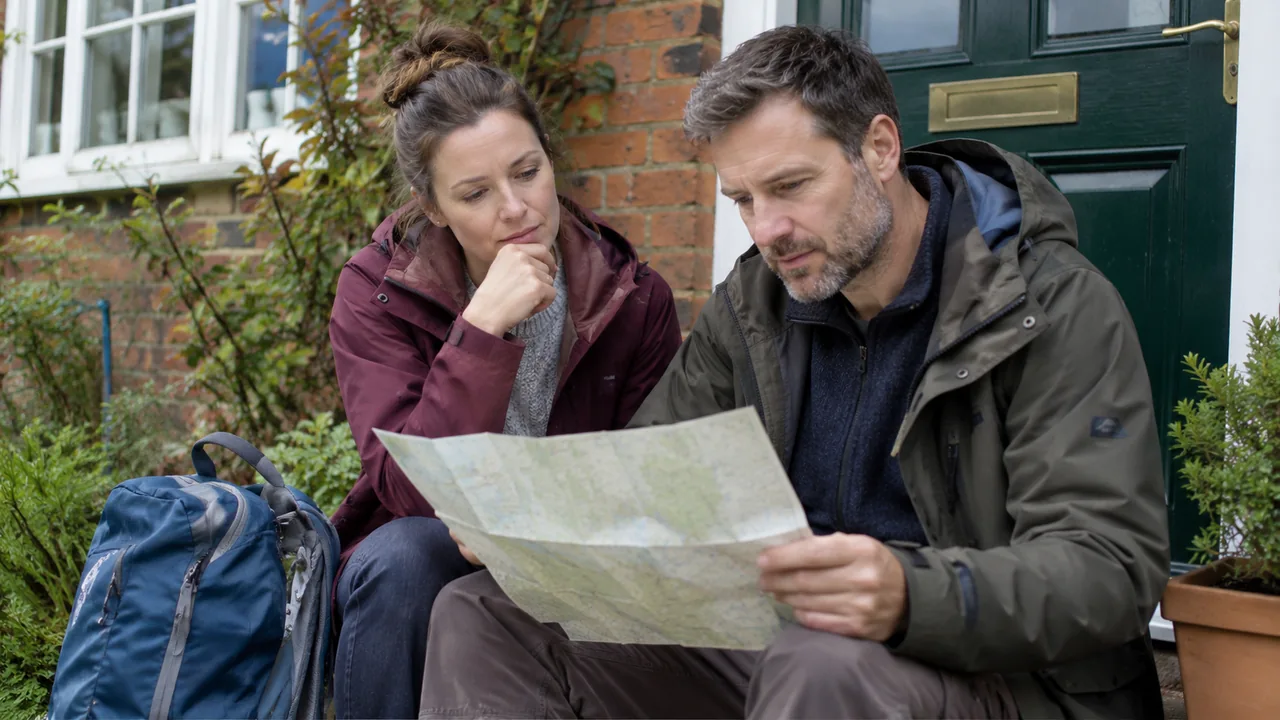
A neighbour is loading the car, another says the roads are blocked and your phone has no useful update. You have children to look after, limited fuel and a home that still offers shelter. Should you stay or evacuate? The safest answer depends on the danger at your address, the journey you can actually make and the place you can realistically reach.
Leave a building that is burning, filling with carbon monoxide, becoming structurally unsafe or facing another immediate threat to life. Otherwise, do not turn an uncertain situation into a hazardous journey without checking your route and destination. Some emergencies, including a nearby radioactive release, can make good indoor shelter safer than unnecessary travel.
The aim is a decision you can explain and review. Your family needs to know what you will do now, what would change that decision and how you will avoid becoming separated. A global crisis does not make every neighbourhood equally dangerous, and another household's departure is not proof that yours should follow.
Separate immediate danger from the wider crisis
Start with what threatens your household during the next hour. A distant event may be frightening while a local electrical fire is immediately lethal. Look for smoke inside, gas smells, rising water, damaged walls, approaching flames or a credible threat of violence. Do this from a safe position; investigating a hazardous area is not part of the decision.
If you need to leave a burning or carbon-monoxide-affected building, get everyone out and keep them out. Try emergency numbers where communication remains possible. Do not delay to search for documents or undertake a complicated supply-loading exercise. The first destination may simply be a safer place outside the danger zone.
If there is no immediate building threat, take a short, deliberate assessment. What services still work? Can everyone drink, use the toilet, stay warm or cool and receive essential care? A house without electricity can remain usable. A house without safe water, workable sanitation or a way to care for a dependent person may become untenable as the outage continues.
Compare three places, not just two choices
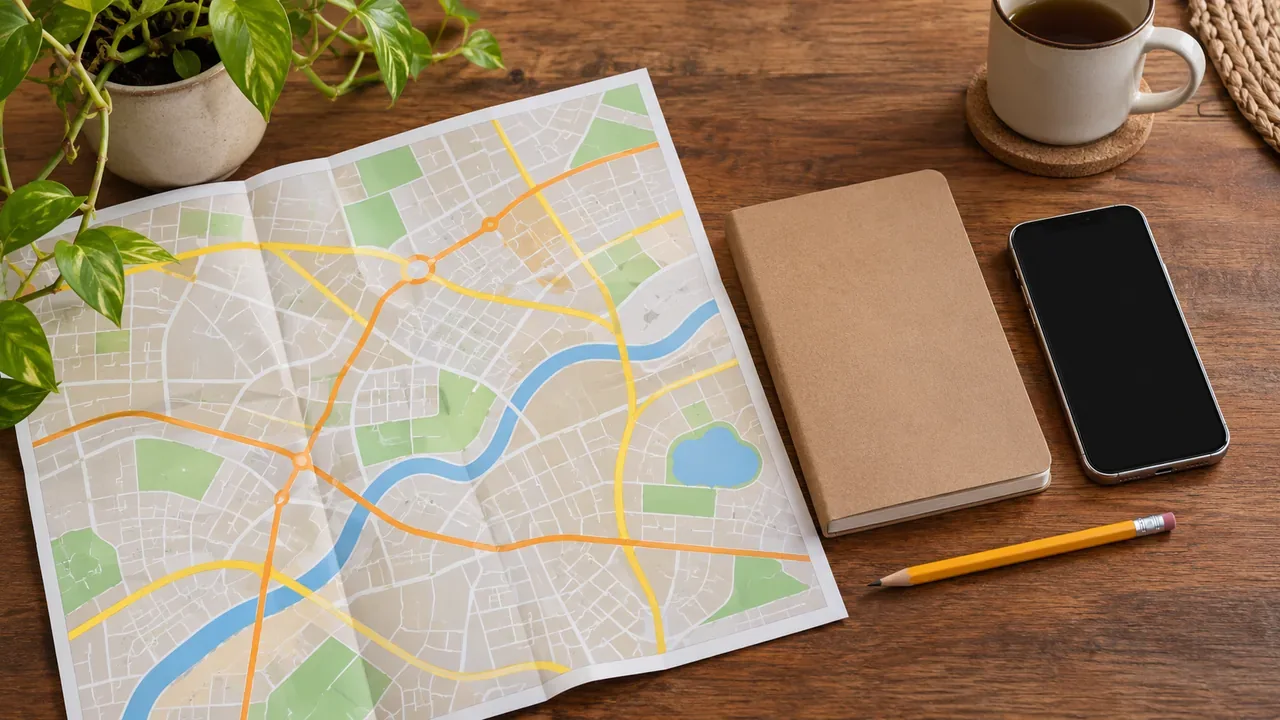
Consider the home, the route and the destination as separate environments. Staying offers no benefit if the building is becoming unsafe. Leaving offers no benefit if the route passes through floodwater or the supposed destination is locked, overcrowded or affected by the same hazard.
Write down the best available information for all three. Include distance, likely travel time, accessibility, water, shelter and whether someone has confirmed entry. Separate a direct observation from a second-hand claim. A message saying a hall is open needs a location and recent confirmation before you base a vulnerable person's journey on it.
A nearby neighbour's sound building may be more useful than a distant place described as a refuge. Equally, moving next door does not solve a street-wide fire or flood. Think in terms of reducing actual exposure and sustaining care. Your preferred destination should be a practical improvement, rather than somewhere that simply feels familiar or far away.
Use a simple decision table
A short table can stop an argument from consuming the last safe window to move. It should guide discussion rather than pretend to calculate risk precisely. If conditions change quickly, act on the immediate threat instead of waiting to complete paperwork.
| What is happening? | What it means for the decision |
|---|---|
| Fire or suspected carbon monoxide inside | Leave the building promptly and stay out |
| Rising floodwater threatens access | Move early to a safer place while a safe route remains |
| A radioactive release is affecting the area | Good nearby indoor shelter may reduce exposure; follow verified local instructions |
| Services are disrupted but the building is sound | Assess water, sanitation, temperature and care before travelling |
| Destination or route is unverified | Check alternatives; uncertainty is not evidence that travelling is safer |
The government's flood guidance makes clear that people should not walk or drive through floodwater. Apply that boundary even if the journey is urgent. A route that requires crossing an unknown depth of water is not a confirmed escape route.
Recognise when sheltering is a protective action
A sound building can provide weather protection, privacy, stored supplies and familiar arrangements for children or disabled relatives. During smoke or a hazardous outdoor release, being inside may also reduce exposure. Staying is a positive choice when those protections are working and the alternatives are worse.
It still needs active management. Choose the more suitable room, maintain safe ventilation for the situation, avoid indoor combustion hazards and monitor anyone whose health could deteriorate. Assign someone to check changes in local conditions. A house can become hotter, colder, smokier or harder to supply while the household is distracted.
For a radiation incident, UKHSA advises going inside and staying inside rather than travelling unnecessarily through possible contamination. This does not mean remaining in a burning building. Where hazards overlap, move to the nearest genuinely safer shelter and seek current instructions through any available reliable channel.
Set clear triggers for changing your mind
A useful trigger describes an observable condition and the action it requires. Examples include water approaching the agreed exit route, smoke entering despite reasonable protection, an unsafe indoor temperature or essential medical equipment nearing the end of its usable backup. Avoid vague rules such as leaving only when things become bad.
Discuss triggers while you can still think clearly. Decide who monitors them and who has authority to act if the other adult is away or asleep. For a person unable to move independently, the trigger may need to come earlier because arranging safe transport takes longer.
Do not set a trigger that can only be checked by putting someone in danger. No one should wade down the street to measure a crossing, enter a damaged building for a closer look or confront an aggressive group to test whether the route is open. The absence of safe information is itself a reason to consider another route or location.

Account for the person who is hardest to move
Base the plan on the household's actual needs, not the walking speed of its fittest adult. Consider a bedbound relative, someone using oxygen, a child with sensory needs or a person whose wheelchair depends on electricity. Include assistance animals and the equipment that makes communication or movement possible.
The official advice for disabled people and carers stresses individual needs and support networks. During the crisis, use any existing care plan, emergency contacts and agreed access arrangements. Do not assume that being on a register guarantees immediate transport or that a neighbour can safely perform an unfamiliar lift.
If safe movement requires trained help, seek it early through any functioning provider, local service or trusted community contact. Describe the access problem clearly. Our guide to caring for a bedbound family member explains how to preserve continuity when support fails, including the limits of what an untrained carer should attempt.
Make the journey small enough to be achievable
Identify a primary route and an alternative using a paper map or reliable offline information. Check whether bridges, steep roads, tunnels or exposed sections could become bottlenecks. Avoid making a distant journey depend on a single unverified crossing. A map shows where a road exists, not whether it is safe today.
Match transport to the people, load and conditions. Walking may be possible for one adult but unsafe for a frail relative or a young child over the same distance. A car may provide shelter and carry essential equipment, but traffic, fuel availability and road damage can make it unreliable. Do not assume you can refuel en route.
Allow for slower progress and a point where you reassess rather than push on blindly. Tell a trusted contact your intended destination and what you will do if the route fails, without publishing the household's movements widely. See travel when petrol is unavailable for practical ways to reduce unnecessary journeys and preserve limited transport capacity.
Confirm what happens when you arrive
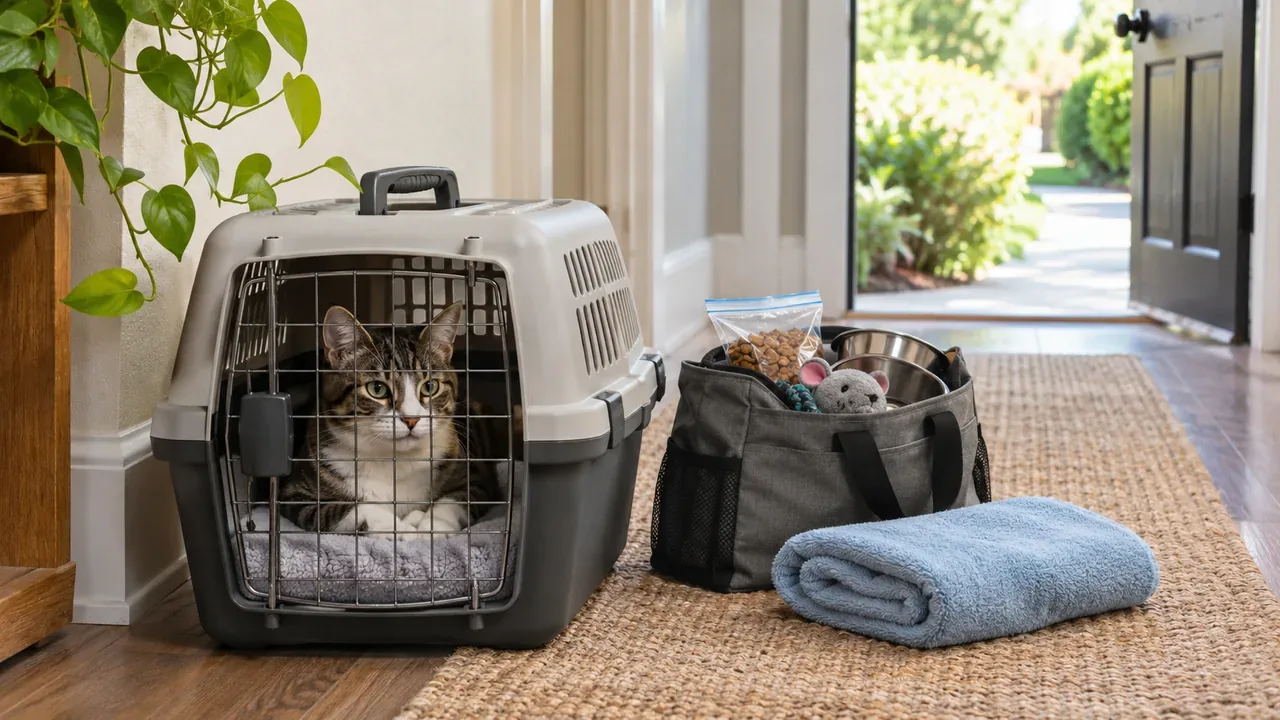
Before departure, establish whether the destination can accept everyone, including pets or assistance animals. Ask about physical access, toilets, drinking water, sleeping space and essential care. If a family member needs a powered device, check actual electrical availability rather than accepting an answer that the building usually has power.
A friend's house may be a workable option when both households understand the arrangement. Agree how long the initial stay is likely to last and what supplies you can bring without overloading the journey. Avoid arriving with expectations that the host cannot meet, particularly where several families are already sheltering.
When direct confirmation is impossible, identify the nearest suitable alternative and what would make you turn away from the original destination. An open building is not necessarily a safe building. Check the immediate surroundings, condition, available exits and whether the people managing the space can explain how basic needs are being met.
Pack for function rather than for an imagined expedition
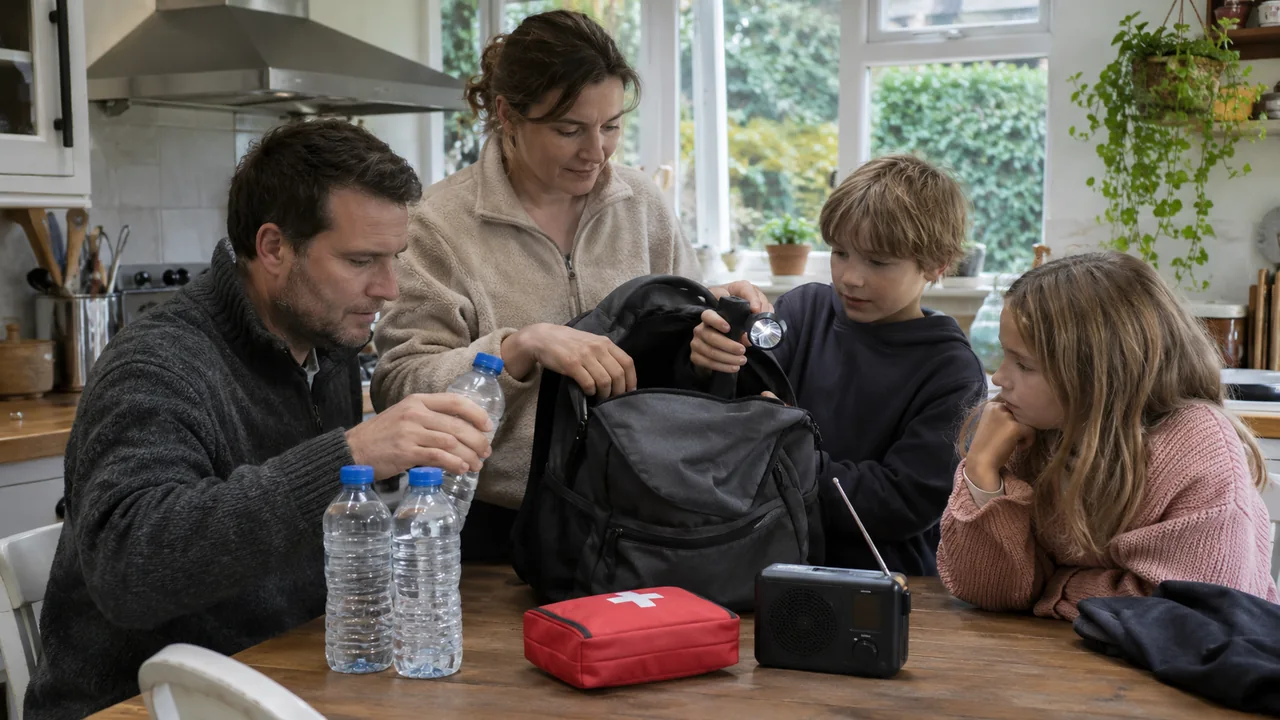
Prioritise medicines, essential care information, drinking water, suitable food, warm or cooling layers, a torch and identification. Include chargers where useful, but retain paper contact details and the destination address. A dependent person's communication aids, glasses or walking frame may be more important than another general-purpose tool.
Use bags that the household can carry without losing the ability to support children or a disabled relative. Test the load by lifting it before departure. Keep frequently needed items accessible. A heavy bag that cannot be moved through a doorway or carried after the car stops is not a reliable evacuation kit.
Separate irreplaceable items from things you can leave. Do not postpone escape to rescue possessions, refill every container or locate every household document. If a sudden hazard forces you out, leaving with people and essential medicines is better than remaining inside while trying to complete a perfect packing list.
Keep the household together without creating another danger
Assign a responsible adult to each child or person needing help. Agree a nearby meeting point outside the immediate hazard and a second contact outside the area. Explain that nobody should return to an unsafe building to look for someone. Missing people should be reported to emergency responders where available.
If family members are already at school, hospital or another supervised place, first seek accurate information about their protection and the site's arrangements. During a radiation or other outdoor-release incident, travelling to collect them can expose everyone unnecessarily. Follow the specific instructions for that situation rather than a general rule that everyone must get home immediately.
Keep simple identity and care information with people who may struggle to explain their needs. Protect their privacy: the information should be available to those helping them, not displayed indiscriminately. Where a phone connection briefly returns, prioritise one concise update giving location, immediate needs and the next agreed check-in.
Reassess without falling into constant indecision
Set a review point based on the hazard's speed. A developing flood may require frequent checks; a stable service outage may allow a longer routine. Write down what has changed and whether the existing decision still makes sense. Avoid reopening the whole discussion whenever an unverified message arrives.
If staying, review drinking water, sanitation, food safety, temperature and care needs before they become emergencies. If travelling, reassess at safe places when the route, destination or household condition changes. A person becoming unwell may matter more than sticking to the original schedule.
After any move, settle the most vulnerable person first, establish exits and toilets and update a trusted contact. Do not assume arrival ends the need to think. A shelter can become crowded, lose water or face a new hazard. The useful skill is making decisions from current conditions and adjusting before your remaining options disappear.
Choose the next action your family can complete
State the present decision aloud: we are staying in this building for now, or we are moving to this confirmed place by this route. Add the trigger that would change it. Give each adult a specific task and explain the plan to children in plain language.
There may be no comfortable choice during a severe crisis. You can still reject choices that clearly increase danger, such as crossing floodwater, approaching fire or travelling without a viable destination. A shared, practical decision protects more than a frantic attempt to follow everyone else. Start with the threat nearest to your family, then preserve the safest workable option.
Frequently asked questions
Should we leave because all our neighbours are leaving?
Their actions are information to examine, not an automatic instruction. Ask what they know and whether the same hazard affects your address. Check your route, destination and household needs. If there is immediate danger or a verified evacuation instruction, act promptly rather than waiting for the street to reach agreement.
What if official advice is no longer available?
Use observable hazards, any reliable local information and the condition of the household. Do not remain in a burning, carbon-monoxide-affected or visibly unsafe building while waiting for a message. For less immediate threats, compare shelter, route and destination carefully, noting what is confirmed and what remains uncertain.
Is an upstairs room always the safest place?
No. Higher ground inside a sound building may help during some floods, but the same room may be dangerously hot, exposed to smoke or difficult to leave. An internal room may be preferable for other hazards. Choose according to the incident and the person's needs, with a usable escape route.
Can we split the family to travel faster?
Separation creates communication and care risks, especially when networks are unreliable. Keep dependants with an identified responsible adult and use a shared meeting plan. If different transport is unavoidable, agree destinations, contact arrangements and what to do if one group does not arrive. Do not rely solely on phones.
How do I know when returning home is sensible?
The end of the original hazard does not establish that the building, utilities or approach are safe. Seek reliable clearance where relevant, particularly after flooding, fire or structural damage. Do not switch damaged services back on yourself. Consider whether water, sanitation and necessary care can function before moving dependants back.