
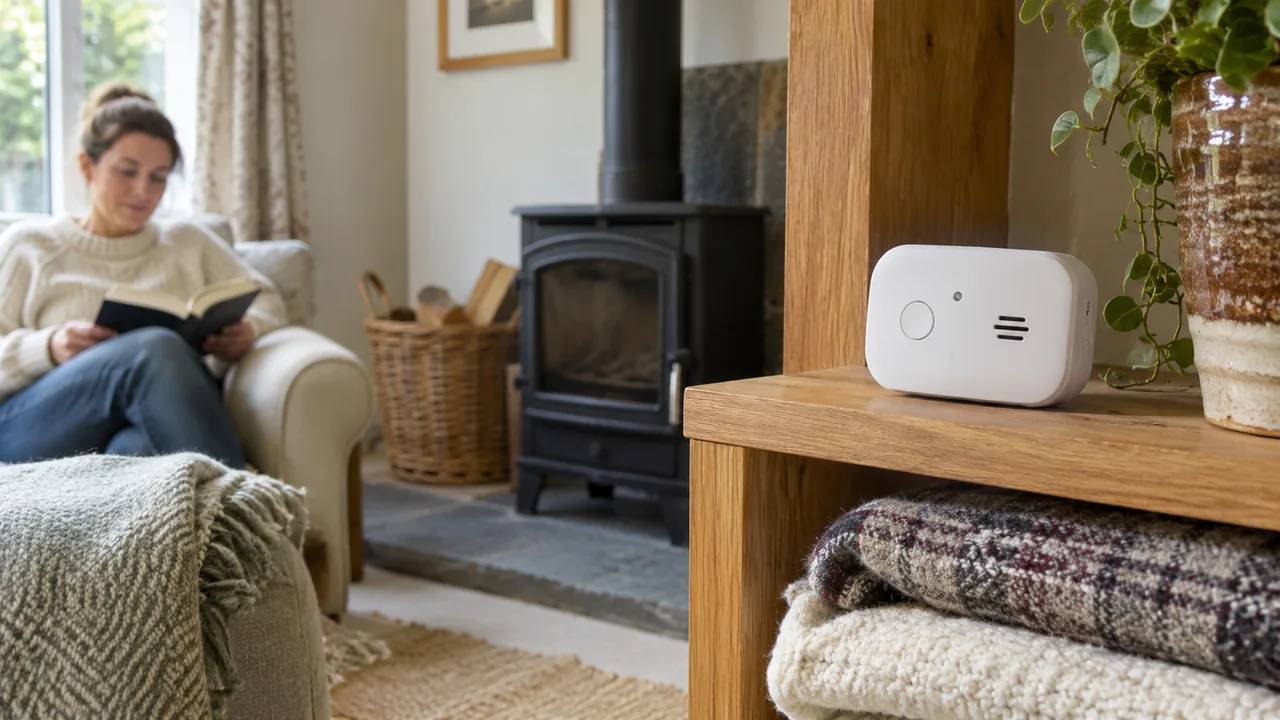
The kitchen is cold, the usual cooker has stopped and someone suggests bringing the camping stove inside. It sounds like a practical response to failing services. It can also fill the home with carbon monoxide, a gas that gives no reliable warning through smell or colour and can kill before a family understands why everyone feels unwell.
Carbon monoxide safety starts with a firm boundary: outdoor barbecues, camping stoves and portable generators stay outdoors and away from openings, according to their instructions. An open window does not turn them into indoor appliances. Use suitable installed equipment correctly, keep required ventilation clear and maintain working carbon monoxide alarms.
If an alarm sounds or you suspect exposure, get everyone into fresh air promptly and seek help. Do not remain inside trying to prove the alarm wrong. During an ongoing crisis, replacing one missing service with a lethal indoor hazard can remove the very shelter your household depends on.
Understand the danger you cannot judge by smell
Carbon monoxide can form when fuels such as gas, coal, oil or wood burn incompletely. It interferes with the body's ability to carry oxygen. A person may develop a headache, dizziness, nausea, weakness or confusion and mistake the symptoms for exhaustion, food poisoning or a circulating illness.
The UK Health Security Agency's carbon monoxide guidance identifies faulty or inappropriately used fuel-burning appliances as important sources of exposure. In a service failure, unfamiliar equipment, blocked flues and makeshift heating arrangements increase the opportunity for a serious mistake.
You cannot decide that a room is safe because there is no smoke or unpleasant smell. Carbon monoxide is different from the odour added to some fuel gases to help identify a leak. A house can have one hazard, the other or both. Recognising that difference prevents a family from relying on the wrong warning sign while dangerous exposure continues.
Act on an alarm before investigating the cause
Leave the affected building with everyone who can be moved safely. Help children and dependent adults without returning repeatedly for possessions. Take a phone if it is immediately available, but do not turn evacuation into a search for equipment. Stop using suspect appliances only if this can be done without delaying escape or increasing exposure.
Once outside, seek urgent medical advice and report the suspected problem through the appropriate emergency route. Severe breathlessness, chest pain, collapse or marked confusion require emergency help. Try 999 or 112 where a network remains available. Tell responders that carbon monoxide exposure is suspected and describe who may have been affected.
Do not re-enter because symptoms improve in fresh air or because another person feels well. The NHS carbon monoxide information explains that the gas can cause serious illness. Stay out until competent assessment says the property is safe. A crisis does not make an untested room a reasonable place to sleep.
Separate indoor equipment from outdoor equipment
Read the appliance label and instructions before deciding where it can operate. A fuel connection or a familiar-looking burner does not establish that it is suitable indoors. Equipment designed for camping may assume unrestricted outdoor ventilation and a separation from flammable materials that a kitchen or tent cannot provide.
Keep barbecues outside even after cooking has finished. Charcoal can continue producing carbon monoxide while it looks almost extinguished. Do not bring a barbecue into a conservatory, garage, caravan, tent or porch to save heat, dry clothes or protect it from rain. An enclosed space is not made safe by leaving its door partly open.
The Scottish Fire and Rescue Service's power-cut advice warns against using outdoor cooking equipment inside. Apply that clear distinction before you start cooking, rather than relying on an alarm to tell you when a bad arrangement has become dangerous. If no safe cooking option exists, choose food that does not need cooking.
Treat generators as exhaust-producing engines
A portable generator belongs outdoors, positioned according to its instructions well away from windows, doors, air intakes and neighbouring occupied spaces. Never operate it inside a garage, even with the door open. A porch or covered passage beside an open door can also allow exhaust to reach people indoors.
Changing wind can carry fumes towards a building that seemed clear when the engine started. Reassess the surrounding openings and occupied areas, and do not place a generator where another household will receive its exhaust. Weather protection must not create an enclosure that defeats the equipment's safe operating conditions.
Keep electrical connection safety separate from exhaust safety. Do not connect a generator to house wiring through an improvised lead or socket. Proper home connection needs suitable equipment and competent installation. The guide to electrical fire prevention explains why solving a power shortage must not introduce backfeeding, overload or another hazard that threatens the household and people working on the network.
Use installed heating only as it was designed
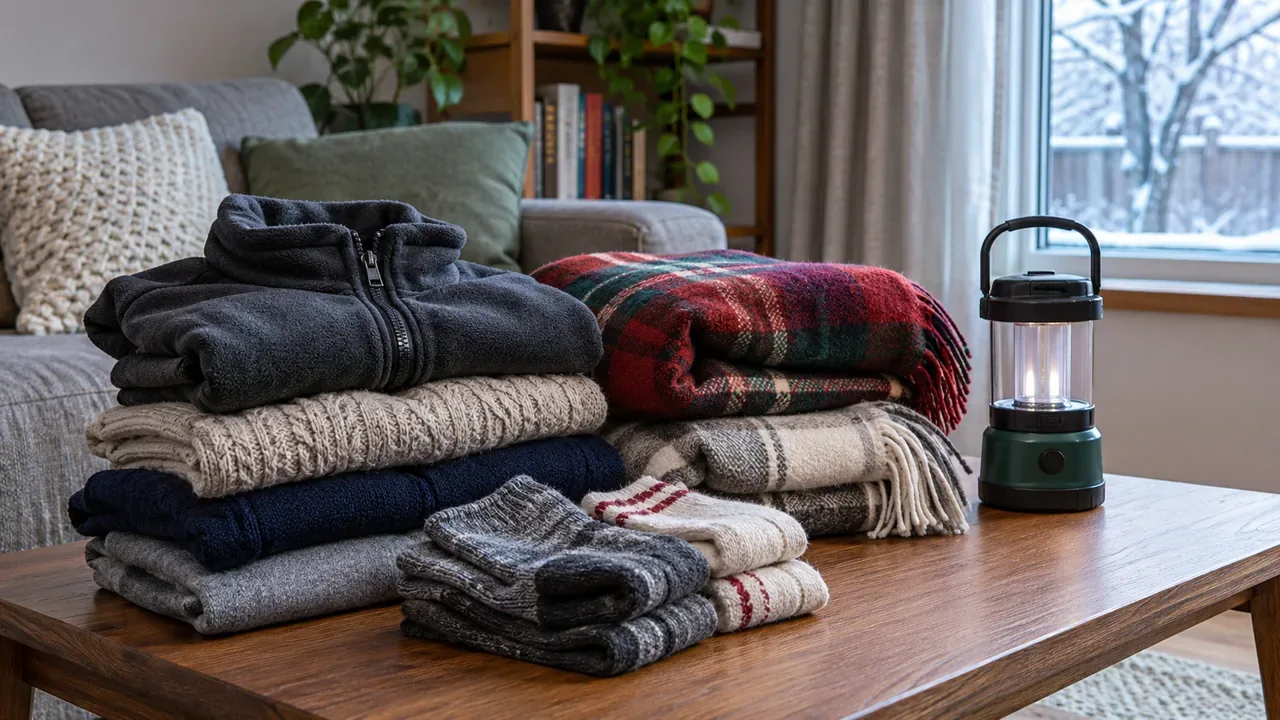
A correctly installed stove, fire or other fuel-burning heater still needs its proper flue, air supply and maintenance. Do not block vents because the room feels cold, change fuel types without approval or continue operating equipment with a damaged flue. A crisis does not remove the need for safe combustion and exhaust removal.
Use the fuel specified by the manufacturer. Burning unsuitable material can damage equipment, generate excessive deposits or release harmful fumes. Do not burn painted, treated or contaminated waste indoors to make limited fuel last longer. Keep the hearth area clear and avoid drying clothes against a heater or stove.
If an appliance has not been assessed, has been flooded, has suffered structural damage or behaves abnormally, stop using it and seek competent advice. The absence of a servicing appointment is not a reason to improvise a repair. Keeping one room comfortable with layers and bedding may be safer than trying to restart an uncertain heating appliance.
Keep alarms working without giving them magical powers
Fit and maintain audible carbon monoxide alarms appropriate for the location and follow the manufacturer's siting instructions. The alarm should be heard by the people it needs to protect, including when they are asleep. Consider the person's hearing and any existing accessible alert arrangement, rather than assuming everyone will hear a standard signal.
Test as instructed, check battery condition and note the replacement date. A test button checks the alarm's specified functions; it does not prove that an appliance is burning safely or that every possible exposure will be detected. Do not move the alarm away from its correct location because cooking or heating seems to trigger it.
Distinguish an alarm signal from a low-battery or fault indication using the instructions. If you are unsure and exposure is possible, prioritise getting people into fresh air. Never cover a sounding alarm, remove its battery to continue using a heater or assume a second silent alarm proves that the first one is wrong.
Make ventilation a safety system, not a comfort choice
Required ventilation supplies air and helps equipment operate correctly. Blocking it to keep warmth in can make the room more dangerous. Never tape over a vent serving an operating fuel-burning appliance, and keep flues and air intakes clear of stored supplies, dust or storm debris.
At the same time, opening a window is not a universal cure for unsuitable equipment. You cannot reliably balance the exhaust from an outdoor stove or generator by guessing how much air to admit. The safe response is to stop the unsafe arrangement and move the equipment to its approved outdoor setting, or use another method.
Where wildfire smoke or another outdoor hazard is present, conflicting needs can make the building unsuitable for combustion-based heating. Do not seal the room and carry on burning fuel. Use non-combustion ways of keeping people warm, or move to a genuinely safer place. Our guide to keeping warm without central heating helps organise those choices.
Cook safely when normal services have failed
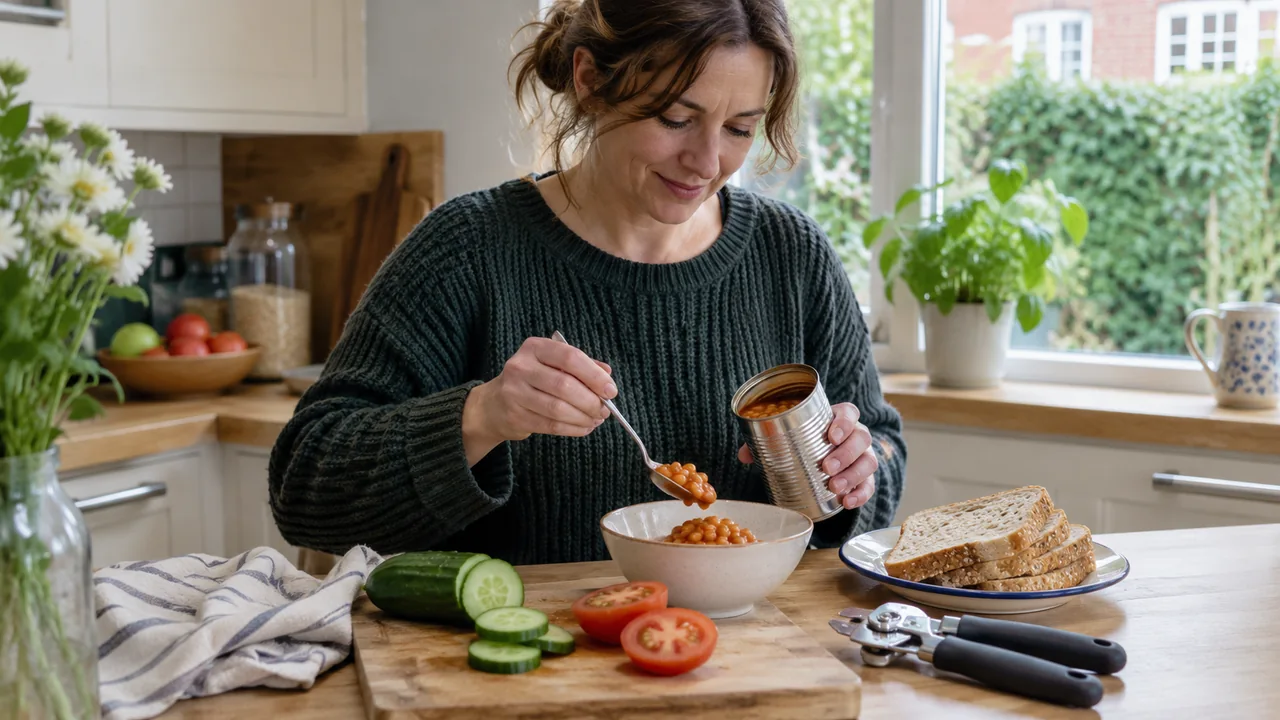
Choose no-cook food first where it meets the household's needs: suitable tinned foods, bread, ready-to-eat items and other products labelled for that use. Check storage requirements after opening and avoid preparing more perishable food than you can eat safely. A cold meal is preferable to poisoning the family in an enclosed kitchen.
If outdoor cooking is possible, select a safe, stable site away from shelter fabric, dry vegetation and openings. Follow the appliance instructions for fuel, operation and cooling. Keep children, pets and loose clothing away, and never change gas cartridges near an ignition source or indoors. Do not cook in a tent vestibule to avoid the rain.
If conditions outside are too dangerous, postponing hot food may be necessary. Essential infant feeding, medical diets or a need to make water safe can require additional support or relocation. Do not allow those important needs to justify equipment use that creates an immediate carbon monoxide hazard inside the only available shelter.
Protect the people least able to recognise symptoms
A sleeping child, a person with dementia or someone unable to leave bed may not report a headache or dizziness. Check on them and ensure the escape plan includes a responsible adult and a realistic way to leave. Do not put the most dependent person in the room nearest an uncertain heater simply because it is the warmest.
People with certain heart or lung conditions, older adults, children and pregnant people can be particularly vulnerable. Use their existing medical and care arrangements where relevant. An episode of suspected exposure deserves medical assessment even if the person seems to recover after leaving the room.
If several people become unwell in the same building, or symptoms improve outside and return indoors, take the possibility seriously. That pattern does not prove a diagnosis, but it is a reason to leave a potentially hazardous environment and seek help rather than offering another drink and telling everyone to sleep it off.
Do not use a vehicle as an indoor power station
A car engine produces exhaust, and an enclosed or poorly ventilated parking area can accumulate dangerous gases. Never idle a vehicle inside a garage to charge devices, provide warmth or listen to a radio. Opening the garage door is not a dependable safeguard.
Outdoors, consider where exhaust can enter nearby buildings or another occupied vehicle. Keep the tailpipe clear of obstruction without putting yourself in danger. Do not fall asleep in a vehicle with an improvised heating arrangement or use a camping stove inside it. A van conversion or caravan needs properly designed and maintained systems, not assumptions based on how much space it contains.
Where a vehicle radio or charging socket can be used safely without running the engine, protect enough battery capacity for essential vehicle use. Losing the ability to start the only available transport may create a second emergency. Treat heat, communication and travel as related needs rather than exhausting one resource to solve another briefly.
Work through a safer replacement plan
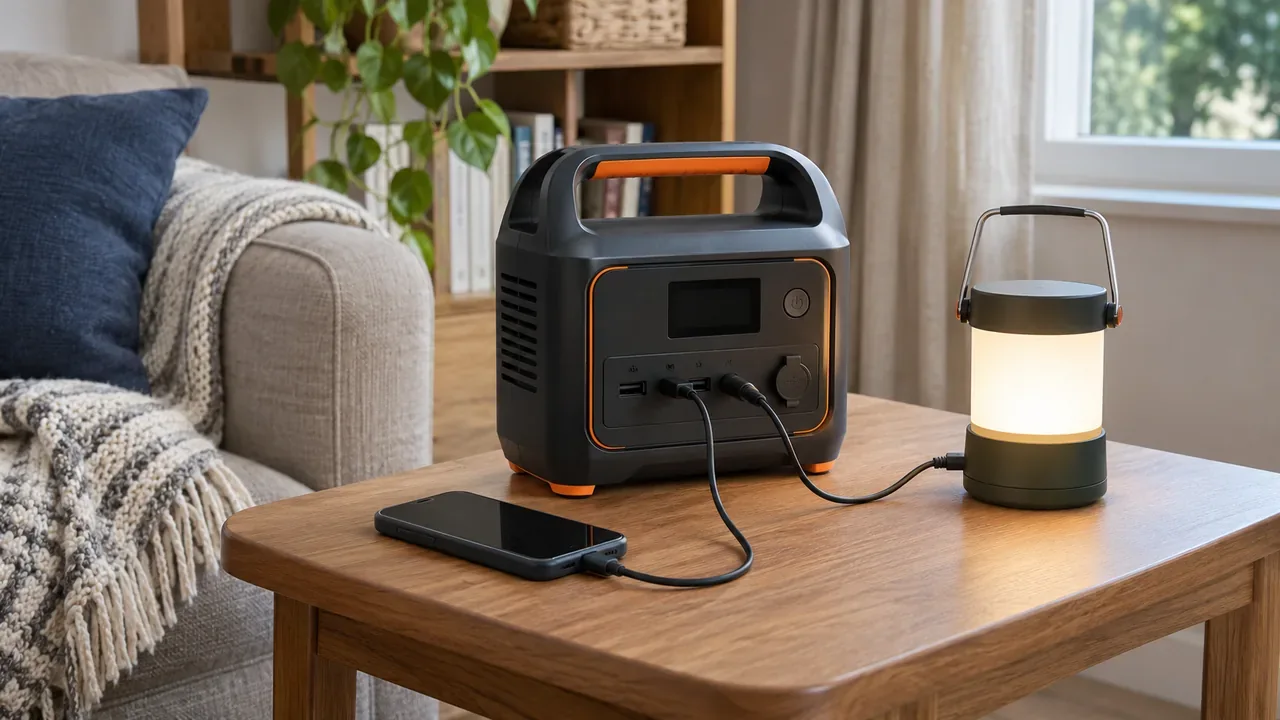
Suppose a family has lost gas and electricity on a cold evening. They have a camping stove, blankets, a battery light and cupboard food. The unsafe plan is cooking in the kitchen with a window open, then leaving the stove on for warmth. The safer plan begins with suitable no-cook food, layered clothing and one room arranged to reduce unnecessary heat loss.
If a hot drink is essential and outdoor conditions permit, an adult uses the stove outside according to its instructions, then allows it to cool safely before storage. No one treats the cooling stove as a heat source for the room. The family checks vulnerable relatives, alarm status and whether staying remains sustainable through the night.
The plan may be less comfortable, but it preserves the home as a usable shelter. If the temperature or a medical need makes it inadequate, the next step is finding safer support or accommodation, not increasing indoor fuel burning until the room feels warm.
Keep the boundary clear as the crisis continues
Before every alternative heating or cooking session, ask where the exhaust will go, whether the appliance is approved for that setting and how people will leave if something goes wrong. Make the answer understandable to every adult, not just the person operating the equipment.
Check alarms, required ventilation and the condition of anyone who could miss early symptoms. Preserve the instructions with the equipment so an unfamiliar helper does not repeat a dangerous mistake. When fuel, batteries or safe outdoor space become scarce, reassess the whole arrangement. The purpose of alternative equipment is to support survival; it must never quietly replace a service outage with a preventable fatal exposure.
Frequently asked questions
Can I use a camping stove indoors if I open two windows?
No. Outdoor equipment does not become suitable for indoor use because windows are open. Carbon monoxide can accumulate unpredictably, and there may also be fire and fuel-leak risks. Follow the appliance's intended use. If there is no safe outdoor option, choose suitable no-cook food or seek another safe arrangement.
Can a barbecue come inside once the flames have gone out?
No. Charcoal can continue producing carbon monoxide while it is smouldering and appears nearly extinguished. Keep barbecues outdoors, away from openings and occupied enclosed spaces, throughout use and cooling. Do not bring one into a tent, conservatory, garage or home to preserve warmth or protect it from weather.
Does a carbon monoxide alarm also detect a gas leak?
Not necessarily. A standard carbon monoxide alarm detects carbon monoxide, not every fuel gas or hazardous atmosphere. Read the equipment's specification. A gas smell or other sign of a leak needs its own appropriate emergency response. A silent carbon monoxide alarm does not establish that a suspected fuel leak is safe.
What if an alarm sounds but nobody feels ill?
Treat it seriously, move people into fresh air and obtain appropriate help. Symptoms can be missed, especially during sleep or in people who cannot communicate clearly. Do not stay inside waiting for someone to become unwell or re-enter because another alarm is silent. Competent assessment is needed before resuming use.
Is it safe to sleep with an unfamiliar portable heater running?
Do not assume so. Use only equipment suitable for the location, follow its instructions and consider fire, ventilation and carbon monoxide risks. Many portable heaters should be switched off before sleep. If you cannot establish a safe arrangement, rely on suitable bedding and layers or move to safer accommodation.