
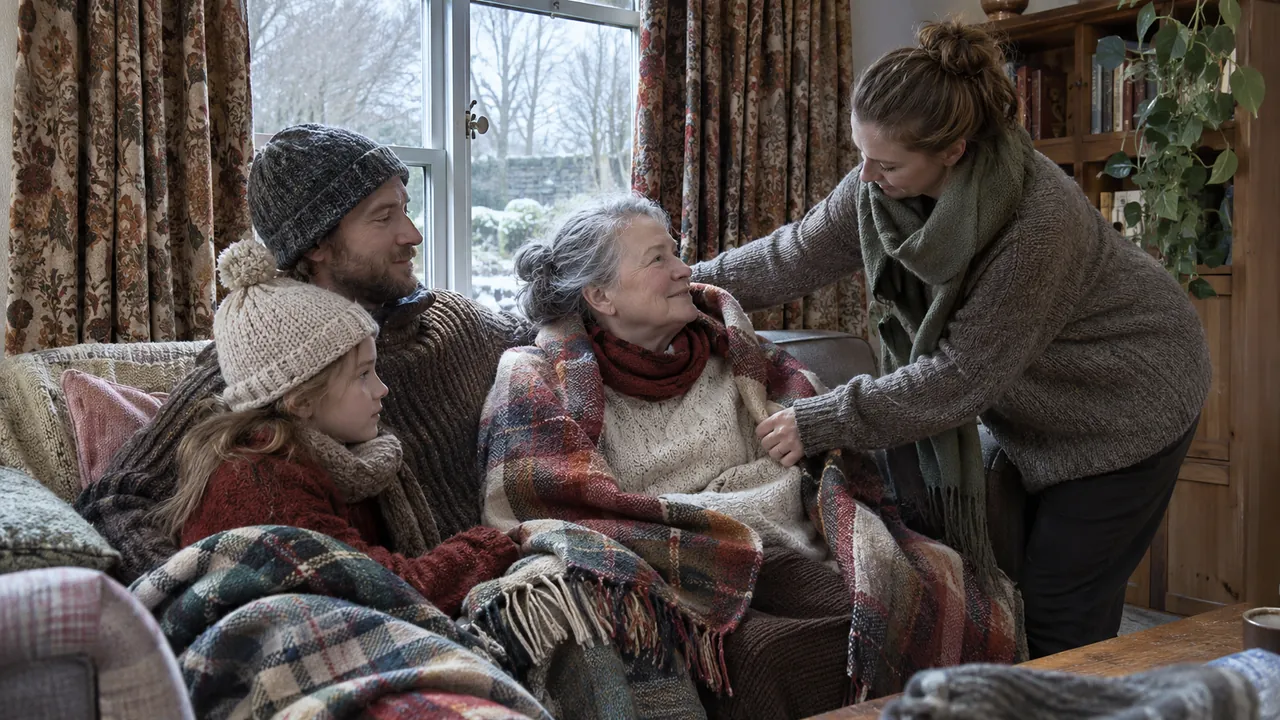
The radiators are cold, the boiler will not restart and the house is losing warmth as evening approaches. Keeping warm without central heating begins with the people inside: dry clothing, suitable layers, warm bedding and a smaller safe living area. Before using any alternative heater, check whether it is suitable, correctly installed and possible to operate safely.
A power cut can stop a gas boiler or heat pump even when fuel is still available. It can also interrupt lifts, medical equipment and communication, making a cold home harder to leave. Do not wait until the most vulnerable person is shivering uncontrollably or becoming confused before reassessing the arrangement.
The useful question is how everyone will remain warm enough through the next period and what you will do if that cannot be achieved. An unsafe fire, outdoor stove or generator indoors can turn the home into a more immediate danger than the cold you were trying to solve.
Check who needs help first
Speak to older adults, children, anyone with limited mobility and people with existing health conditions. Ask about comfort and check whether clothing or bedding is damp. A person who cannot move, communicate clearly or recognise the cold may need more active support than someone who can add a layer or walk to another room.
Look for concerning changes such as unusual drowsiness, confusion, slurred speech, severe weakness or very cold skin. Suspected hypothermia needs urgent help. Try emergency services where communication is available, and explain the person's condition and whether the home can be heated safely.
The NHS information about hypothermia explains why becoming dangerously cold is a medical emergency. Do not assume a quiet person is simply sleeping comfortably. If the household cannot keep someone safe, seek another warm location or appropriate assistance while there is still a realistic way to move them.
Establish why the heating has stopped without taking risks
Check normal user controls and any information from the energy provider, landlord or building manager. A boiler display, thermostat or power switch may explain a straightforward interruption, but only follow the appliance's user instructions. Do not remove covers, alter wiring or attempt a gas repair.
If there is a gas smell, suspected carbon monoxide, smoke or damaged equipment, respond to that hazard first. Do not keep attempting a restart to make the room warmer. A boiler that has been affected by floodwater or structural damage needs appropriate assessment before use.
The government's power-cut guidance notes that boilers and other heating systems may depend on electricity. Knowing this can prevent repeated unsafe attempts to light or modify equipment that cannot operate normally. Record the fault and preserve useful instructions for the person qualified to assess it.
Choose one usable room
Select a room that can hold the people needing support without crowding or obstructing exits. Consider draughts, direct sunlight, access to a toilet and the needs of anyone unable to manage stairs. The warmest-looking room is not necessarily the safest if a dependent person cannot leave it.
Move suitable seating, blankets, drinking water, medicines, a torch and essential care items into the room. Keep the floor clear so people can move without tripping over bags or trailing leads. Close doors to unused rooms where doing so is appropriate and does not interfere with required safety arrangements.
Do not turn a small room into a sealed box. Fuel-burning equipment, existing ventilation systems and indoor air quality still matter. If a suitable installed heater is operating, its required air supply and flue must remain clear. Reducing unnecessary heat loss is useful; blocking safety-critical ventilation can cause a fatal problem.
Keep clothing dry and use layers intelligently
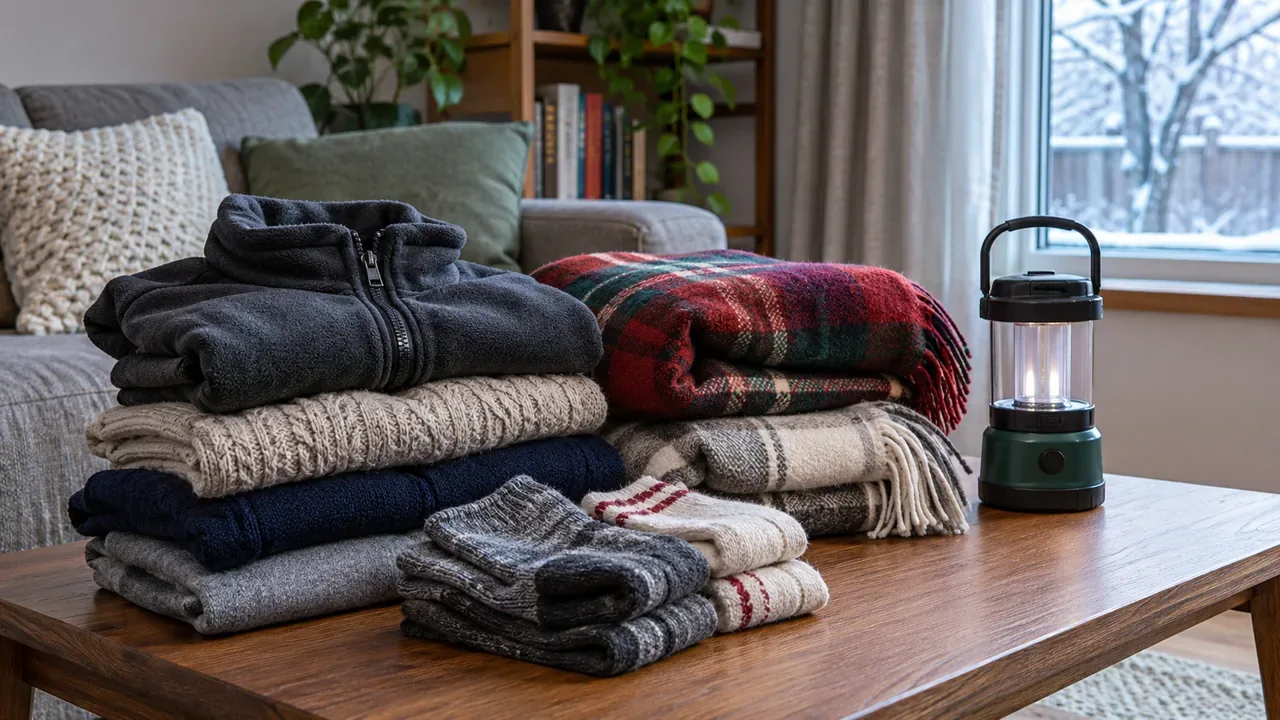
Choose several suitable layers that allow adjustment, including warm socks and appropriate head covering where useful. Replace wet clothing promptly and keep spare dry items available for anyone who may have to go outside. Wet gloves or socks can make a short journey much more uncomfortable and harder to recover from.
Avoid clothing that restricts circulation or movement. A person who cannot adjust their own layers needs checks for comfort, sweating and pressure from tight seams. Too much bedding or clothing can also become a problem if someone overheats or cannot move freely.
Dry damp items safely. Never hang clothes directly over a heater or place them where they obstruct ventilation, touch a hot surface or block an exit. Use available drying space and airflow appropriate to the situation. A pile of damp laundry beside the only operating heat source can increase fire risk precisely when the household most needs a safe room.
Arrange bedding around actual sleeping needs
Use dry blankets, suitable duvets and sleeping bags that match the person and conditions. Insulation beneath a sleeping surface can matter as well as coverings above it, but keep arrangements stable and avoid makeshift beds that create fall or entrapment hazards.
For babies, follow current safe-sleeping guidance and the family's established advice. Do not improvise adult bedding, hot objects or a tightly covered sleeping space to solve the cold. An adult's reassuring feeling of warmth does not establish that an infant's arrangement is safe.
Keep faces clear and allow everyone to leave or call for assistance. If several people share a room, preserve enough access for a carer to reach a dependent adult without climbing over others. Check that a person who needs a commode, walking aid or wheelchair can still use it safely during the night.
Reduce draughts without creating hidden hazards
Close curtains at dusk and use suitable draught reduction where it does not obstruct essential ventilation or safe access. Check doors and windows from inside the building rather than climbing outside in poor weather. Keep any temporary arrangement simple enough to remove quickly.
The Met Office's home-warmth advice includes using curtains to retain warmth. During a service failure, sensible use of the building can make limited warmth go further. It cannot compensate indefinitely for a room that is becoming dangerously cold.
Do not cover flues, air bricks or vents serving operating combustion appliances. Do not pin blankets close to a heater, candle or cooker, and avoid hanging fabric where it can fall onto equipment. If the household is also protecting against smoke or another outdoor hazard, reassess whether the combined ventilation and heating needs can be met safely in that room.
Use alternative heating only within its safe limits
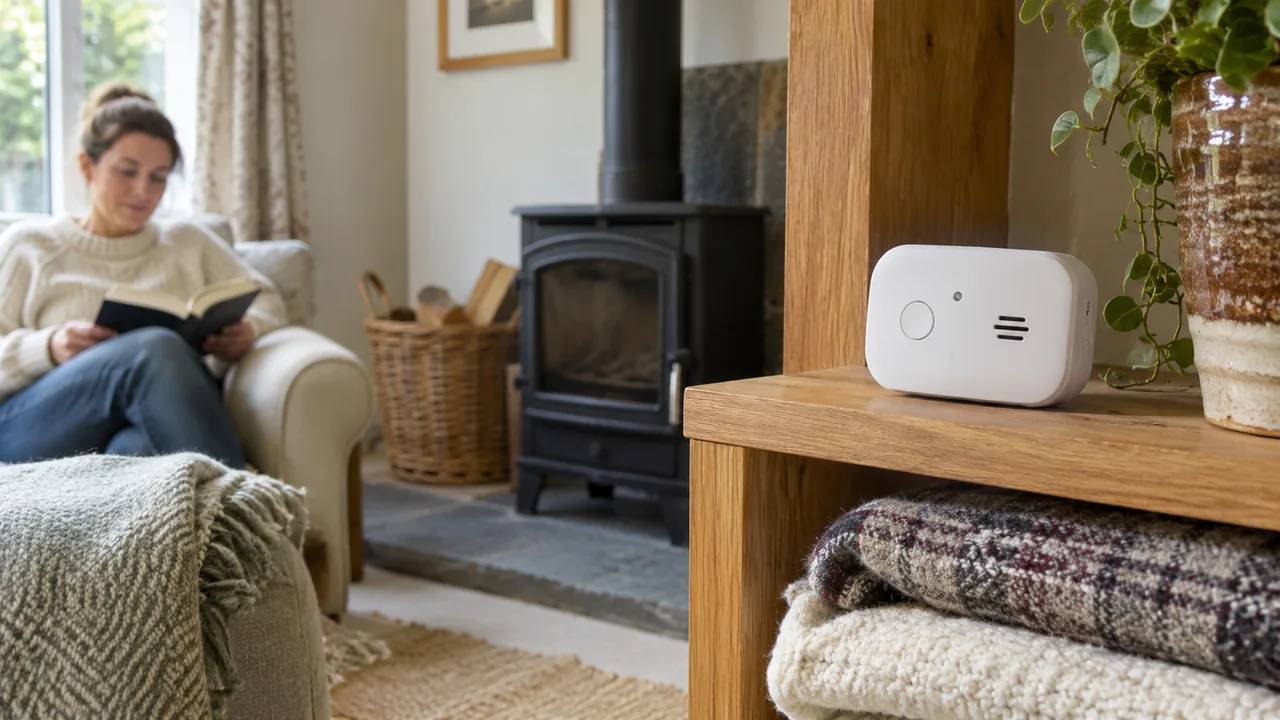
A suitable installed stove or heater needs the correct fuel, required clearances, a safe flue and appropriate ventilation. Follow its instructions and do not operate equipment whose condition is uncertain. If competent assessment or required maintenance has not been done, a crisis is not a reason to assume the appliance is sound.
Portable electric heaters need a suitable supply and connection arrangement. Keep them away from bedding, clothes, furniture and children, and switch them off as instructed before leaving or sleeping. Do not run a high-power heater through a chain of uncertain extension leads because the nearest safe socket is inconvenient.
Outdoor barbecues, camping stoves and generators must not be used indoors for warmth. The guide to carbon monoxide safety explains why opening a window or keeping an alarm nearby does not make that safe. Candle-based improvised heaters also introduce fire and burn hazards without providing a dependable household heating system.
Keep food and fluids part of the warmth plan
Offer suitable food and drinks so people can maintain normal intake. A warm drink may be comforting for someone fully alert and able to swallow safely, but it does not replace a warm environment or medical help for serious cold exposure. Follow existing dietary and fluid advice for people with clinical needs.
Use safe cooking methods and do not create an indoor combustion hazard just to produce hot food. Suitable no-cook meals may be necessary while a safe alternative is arranged. Keep enough safe drinking water accessible so people do not avoid drinking because every trip to the kitchen is uncomfortable.
Alcohol is not a safe treatment for cold exposure. Do not give food or drinks to someone who is drowsy or cannot swallow safely. If a person's condition is deteriorating, focus on urgent assistance and appropriate basic protection rather than assuming another hot drink will solve the problem.
Use movement where appropriate, without exhausting people
For people who can move safely, gentle regular activity can help comfort and reduce long periods of sitting still. Keep it appropriate to the person's health, balance and mobility. Do not ask a frail person to exercise beyond their ability or leave a warm room for a risky task simply to get moving.
A bedbound person needs their established care and position-change plan rather than a generic exercise routine. Make sure required equipment still works and that bedding remains dry and comfortable. Our guide to care when home services stop explains how cold, power loss and handling needs can combine.
Keep outdoor tasks short and shared where possible. An adult who becomes wet, exhausted or injured while searching for fuel may remove an essential carer from the household. Divide work according to ability and leave time to change into dry clothing. Saving energy includes preserving the people who are doing the caring.
Recognise when cold exposure needs urgent help
Unusual confusion, slurred speech, drowsiness, slow breathing or a person who feels very cold are serious concerns. Seek urgent assistance and follow current first-aid guidance. Do not wait for a particular room-temperature reading before responding to the person in front of you.
While help is sought, move the person away from the cold if that can be done safely and provide dry coverings. Avoid vigorous rubbing, a hot bath or direct intense heat as an improvised treatment for suspected hypothermia. The person's condition may be more serious than the household can assess.
If calls fail, keep trying appropriate routes when possible and seek the safest available clinical support without leaving a dependent person alone. Record changes and advice received. An unavailable ambulance does not turn a dangerous warming method into a safe substitute. Keep the response focused on preventing further exposure and obtaining suitable help.
Check the room with a thermometer and with people
A suitable room thermometer can show a trend and help identify cooling before everyone notices. Place it sensibly according to its instructions rather than directly beside a heater or draught. Its reading is useful information, not a medical assessment or a guarantee that every person is coping.
The UKHSA cold-weather guidance explains that older people and those with health conditions can be more vulnerable. Follow relevant advice and individual care plans. If heat cannot be maintained, use that fact to plan support or relocation early.
Record room changes, clothing or bedding adjustments and how vulnerable people are feeling. Do not accept a stable thermometer reading as reassurance if someone is becoming confused or unwell. Equally, avoid turning one number into a reason to undertake a hazardous journey when a safe, workable warm space remains available nearby.
Decide when another place is the better option
Identify a genuinely warmer, accessible destination before the home becomes unsafe. Confirm that the building is open, can accept the household and has the care arrangements needed. An advertised warm space may have lost power or changed hours during the same crisis.
Plan transport around the person least able to move. A steep walk in freezing weather may cancel the benefit of a warmer destination, particularly for someone frail or unwell. Seek trusted help early, explain equipment needs and preserve essential medicines and communication aids.
The guide to staying or evacuating helps compare the home, route and destination. Moving can be a sensible safety decision even when the house is not damaged. What matters is whether it can still sustain the people inside, and whether the alternative can be reached without exposing them to a greater immediate danger.
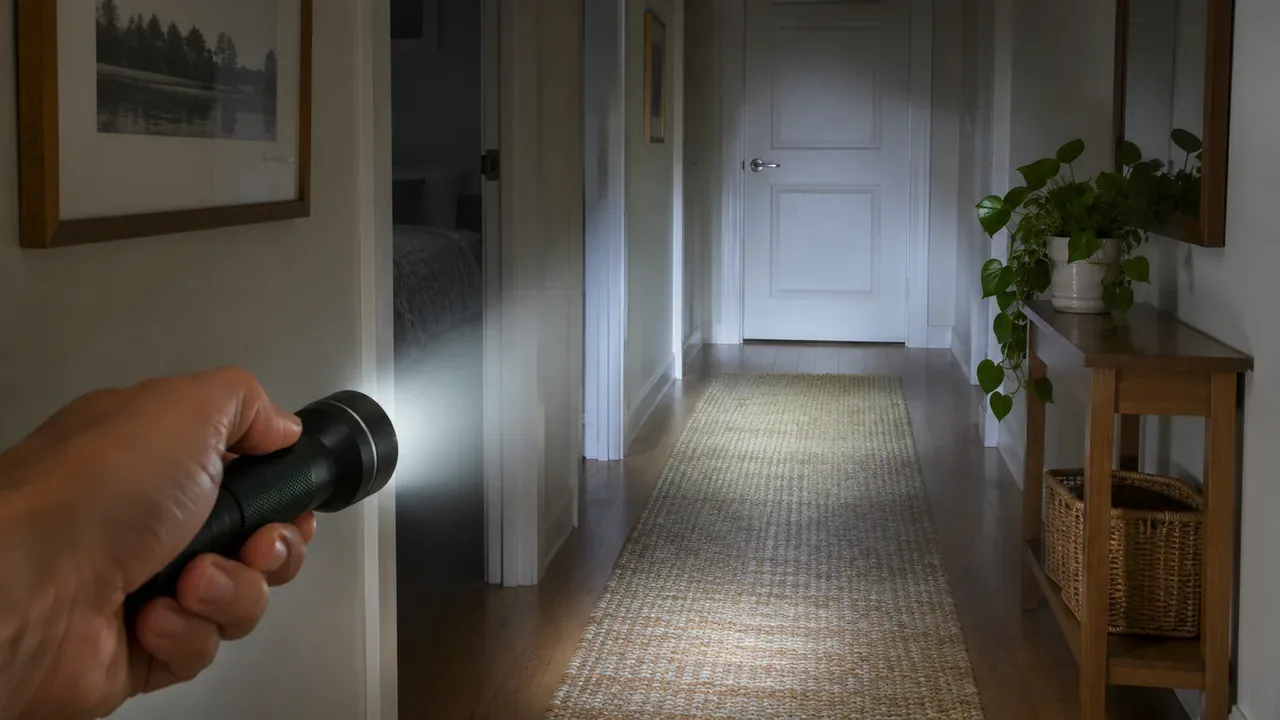
Make the night-time arrangement sustainable
Before sleep, check dry bedding, alarms, safe exits and any alternative heating that must be switched off. Put a torch and essential items within reach. A child or dependent adult should have a clear way to call a responsible person without relying entirely on a mains-powered device.
Agree who will check on anyone needing closer attention, and share responsibility where possible. Exhausting every adult through an unstructured night watch can make the next day's care less safe. Keep the handover brief: how the person is, what equipment is operating and what change requires action.
For example, one adult may settle an older relative in the chosen room while another confirms transport to a warmer house if conditions worsen. They keep outdoor cooking equipment outside, preserve the exit and review whether the plan remains adequate. The household needs a dependable way through the night, with an alternative ready before the cold removes its remaining options.
Frequently asked questions
Will my gas boiler work when the electricity fails?
Many gas boilers need electricity for controls and pumps, so a power cut can stop central heating even if gas remains available. Check the appliance's user instructions and the provider's information. Do not remove covers or attempt a gas or electrical modification to make it operate during an outage.
Should we sleep in one room to conserve warmth?
It can be useful if the room is safe, accessible and suitable for everyone's needs. Preserve ventilation required by any operating appliance, keep exits clear and use appropriate sleeping arrangements. Do not overcrowd a room or improvise unsafe infant bedding simply because concentrating people and supplies seems more efficient.
Can I use a cooking stove as a room heater?
No. Cooking equipment is not a substitute for an appropriate heating system, and outdoor appliances must remain outdoors. Using them in enclosed spaces can cause carbon monoxide poisoning, fire and burns. Use dry layers, suitable bedding and a safe warm-room plan, or seek a genuinely safer destination.
Is a hot bath a good response to suspected hypothermia?
No. Suspected hypothermia needs urgent medical help and appropriate first-aid measures. Do not use a hot bath, direct intense heat or vigorous rubbing as an improvised treatment. Protect the person from further cold, use dry coverings where appropriate and follow current reliable guidance while seeking help.
When should we stop trying to keep the home warm?
Reassess when vulnerable people cannot stay safe, indoor conditions keep worsening or the available heating arrangement is unsafe. Confirm another accessible destination and safe transport before the situation becomes critical. The decision should reflect the people, building and route, rather than a determination to remain at home regardless of conditions.