
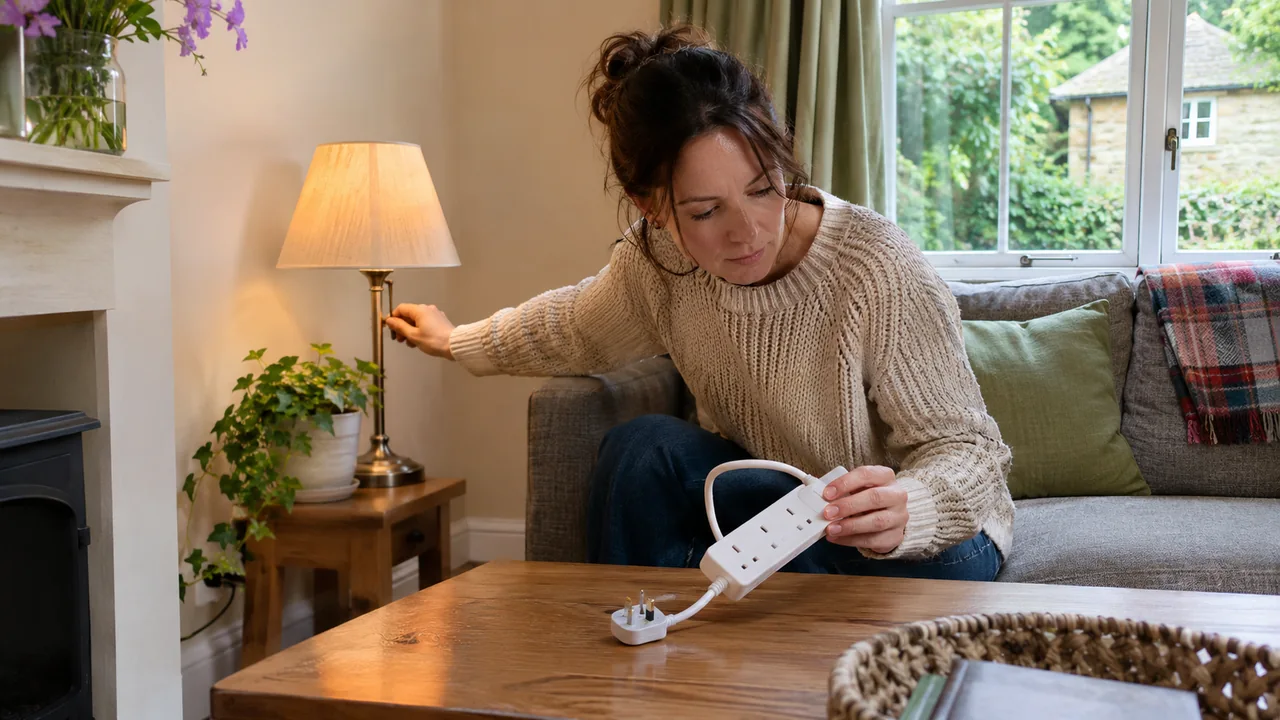
Lights flicker, the power returns briefly and several appliances restart at once. A plug feels unusually hot, but the household is relieved to have electricity again. This is the moment to slow down. Electrical fire prevention matters most when a damaged or unstable supply makes familiar equipment behave in unfamiliar ways.
Switch off and unplug non-essential equipment where it is safe to do so, keep exits clear and watch for heat, burning smells, smoke or damaged cables. Do not open electrical fittings or keep resetting a protective device that trips repeatedly. A returning supply is not proof that every appliance and circuit is ready to use.
If there is fire, smoke from electrical equipment or another immediate danger, leave and seek emergency help. Do not use water on an electrical fire or touch equipment while standing in water. Your aim is to preserve a safe home during the outage, not to keep every device running at any cost.
Distinguish inconvenience from a warning sign
A short interruption may simply stop a clock or router. Unusual heat, crackling, visible damage, repeated tripping, smoke or a burning smell are different. Treat them as reasons to stop using the affected equipment and seek competent assistance. Do not dismiss a new fault because the entire neighbourhood has electricity problems.
Look only from a safe position. Do not remove socket covers, inspect live wiring or reach behind a hot appliance to investigate a smell. If you cannot isolate a hazard safely using an ordinary accessible control, leave the area and obtain help. A suspected gas leak or flood adds further reasons not to operate switches or approach electrical equipment.
Note what happened before the problem: which appliance was in use, whether lights changed and whether a protective device operated. This helps a qualified person later. It does not establish a diagnosis, and a pattern seen in one room cannot tell you that the entire installation is safe.
Reduce the load before the next interruption
Switch off non-essential appliances and unplug sensitive equipment when safe. Leave a suitable light switched on if you need to know when the supply returns. Keep fridge and freezer doors closed, and balance food-storage needs against any sign that the appliance or socket itself is unsafe.
The British Red Cross power-cut advice includes switching off or unplugging sensitive equipment to reduce the risk from power surges on restoration. Follow appliance instructions, including any required delay before restarting equipment after a supply interruption.
Agree which person will reconnect essential loads. If several adults independently switch on heaters, kettles, chargers and cooking appliances, the household may create an avoidable overload. Start with what is genuinely necessary and check that each item operates normally before adding another. When the supply remains unstable, keeping equipment off may be safer than repeatedly cycling it through failures.
Know what an extension lead does not provide
An extension lead adds reach and sockets; it does not increase the safe capacity of the socket, lead or circuit supplying it. Adding several power-hungry appliances can overload the weakest part of the arrangement, even when there are unused outlets on the adaptor.
Electrical Safety First's advice on overloading sockets explains why the combination of appliances matters. Read the actual rating and instructions. Do not assume that every multi-socket strip can support a heater, kettle and other high-power devices together.
Avoid linking extension leads in a chain or running them beneath rugs, through doors that can crush them or beside water containers. Fully unwind a cable reel when required by its instructions and do not cover cables to make a shelter look tidy. Keep the lead visible and protected from damage without creating a trip hazard across the household's only exit.
Check plugs and cables without attempting repairs
With equipment switched off and unplugged where safe, look for frayed insulation, damaged cases, scorch marks, bent components or loose connections visible from outside. Stop using damaged equipment. Mark it clearly so another family member does not reconnect it later to see whether it works.
Do not tape over damage and treat the item as repaired. Do not fit a larger fuse, bypass a protective device or modify a plug because the original arrangement keeps failing. Those changes can remove a safety feature without correcting the cause of the problem.
Keep damaged items away from the pile of usable equipment. During a prolonged crisis, a clear distinction prevents repeated mistakes when helpers change. If an essential appliance cannot be used safely, plan another way to meet the underlying need. An unsafe heater is not an essential resource; keeping the person warm is the essential task that needs a different solution.
Treat protective devices as warnings, not obstacles
Circuit breakers, fuses and residual-current devices perform different protective functions. None means that every possible fire risk has been eliminated. A residual-current device, or RCD, is especially important for reducing certain electric-shock risks, but it does not make damaged equipment, overloading or unsafe use acceptable.
If a device trips repeatedly, leave the affected arrangement off and seek qualified help. Do not keep restoring power to force an appliance through the fault. Use only normal user controls in accordance with existing instructions, and do not open the consumer unit or alter wiring.
Explain this boundary to the whole household. A helpful person may interpret a tripped device as something that simply needs switching back on, particularly when everyone is cold or hungry. A written note beside an affected appliance can prevent that misunderstanding without exposing anyone to live parts. The goal is to stop repeating the fault, not to win an argument with the safety device.
Do not confuse surge protection with a stable supply
A suitable surge protector can help with certain short voltage spikes, within its specification and condition. It does not repair damaged wiring, guarantee safe operation during every unstable supply or provide power during an outage. An old adaptor with a switch is not automatically a surge-protection device.
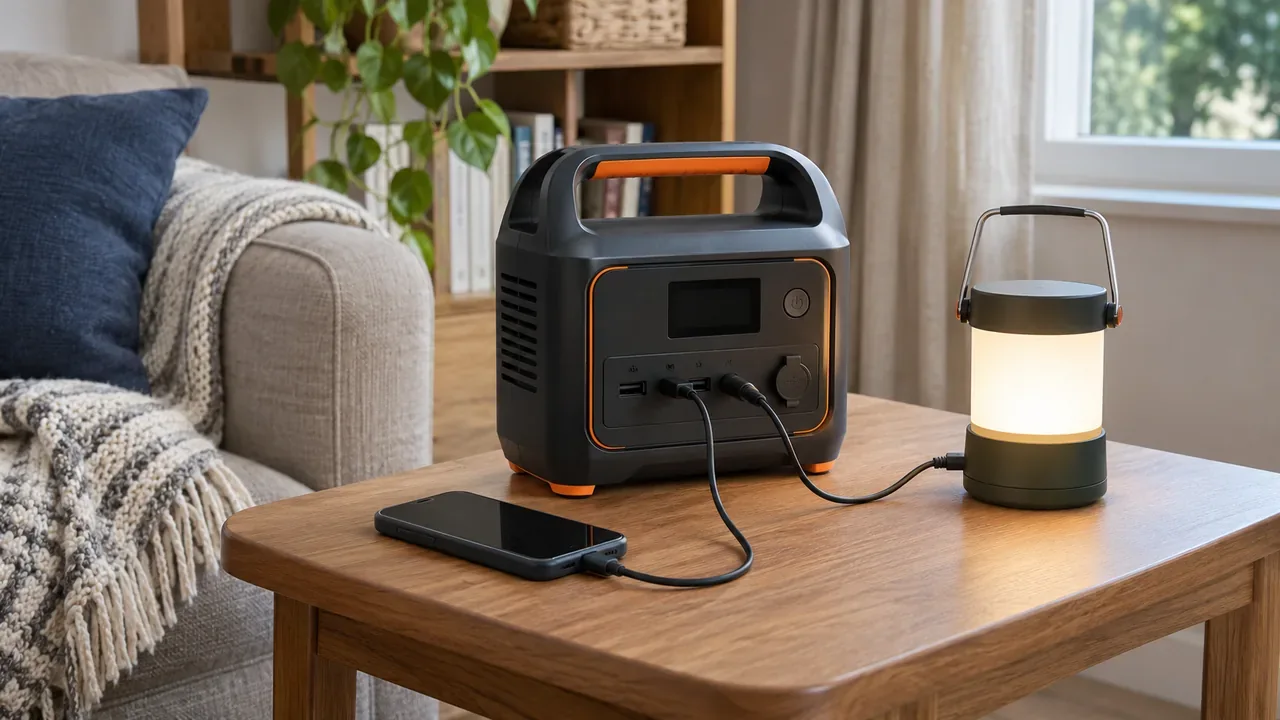
Similarly, a battery power station or uninterruptible power supply has defined output, load and charging limits. Check the manufacturer's instructions and the needs of the connected equipment. Essential medical devices may require specific approved backup arrangements rather than a general consumer product chosen by wattage alone.
Do not chain adaptors together to create an improvised power system. Keep charging equipment ventilated and within its rated conditions, and stop using it if it behaves abnormally. If you cannot establish that an appliance and backup supply are compatible, preserve safety and seek competent advice rather than treating an illuminated screen as evidence that the connection is suitable.
Keep generator power separate from improvised house wiring
Never feed a generator into a household wall socket using a makeshift lead. That can energise wiring unexpectedly, endanger people working on the network and create serious shock and fire hazards. A proper connection to fixed wiring requires suitable equipment and competent installation.
The National Grid safety advice stresses the dangers around electricity and portable generators. Exhaust safety is another independent requirement: a generator must operate outdoors according to its instructions, away from openings and occupied enclosed spaces. A correct electrical load does not solve an unsafe exhaust location.
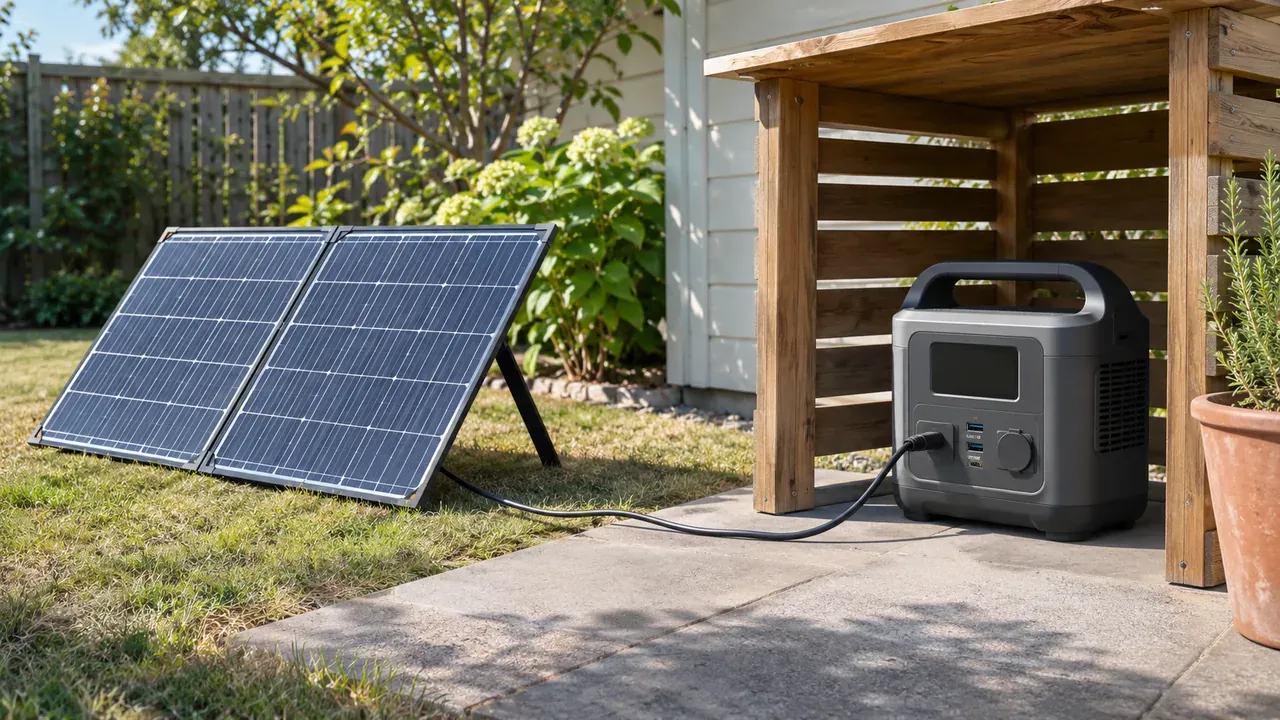
Do not assume existing solar panels will supply the house during an outage. Many systems need specific backup functionality and installation arrangements. Use only the functions your installer and manufacturer have confirmed. Trying to alter an unfamiliar solar or battery system during a crisis can introduce hazards that outlast the original service interruption.
Charge batteries where a fault will not trap people
Use suitable chargers and follow product instructions. Keep charging devices on a stable appropriate surface, uncovered and away from bedding, curtains and combustible clutter. Avoid charging in the main escape route, where a battery fire could block the family's exit.
The London Fire Brigade's battery guidance explains the risks of chargers and lithium batteries. Do not use a damaged, swollen, leaking or unusually hot battery, and do not attempt to open or repair it. A power bank that has been crushed or flooded should not be treated as safe because it still lights up.
Keep children away from loose batteries and damaged electronics. Do not leave unfamiliar equipment charging while everyone sleeps or while the household is away. If smoke, hissing or other signs of a developing battery incident appear, get people away and seek emergency help. Do not carry a burning device through the house in an attempt to save it.
Keep water and damaged electrical systems apart
A power failure may happen alongside flooding, a leaking roof or improvised water storage. Keep containers away from sockets and equipment, and avoid cables running across wet areas. Never touch electrical switches or appliances while standing in floodwater.
If equipment or fixed wiring has been affected by floodwater, do not restore it yourself when the water recedes. Dry surfaces do not establish that internal parts or the installation are safe. Seek assessment by a qualified person and follow the relevant network or emergency instructions.
Our guide to protecting a home from floodwater explains why protecting possessions must not put people in contact with electrical hazards. During the immediate incident, moving to a dry safe place matters more than rescuing a charger, fridge or power station. Treat fallen cables and damaged outdoor network equipment as dangerous, and keep others away without approaching to inspect them.
Replace risky heat and lighting demands
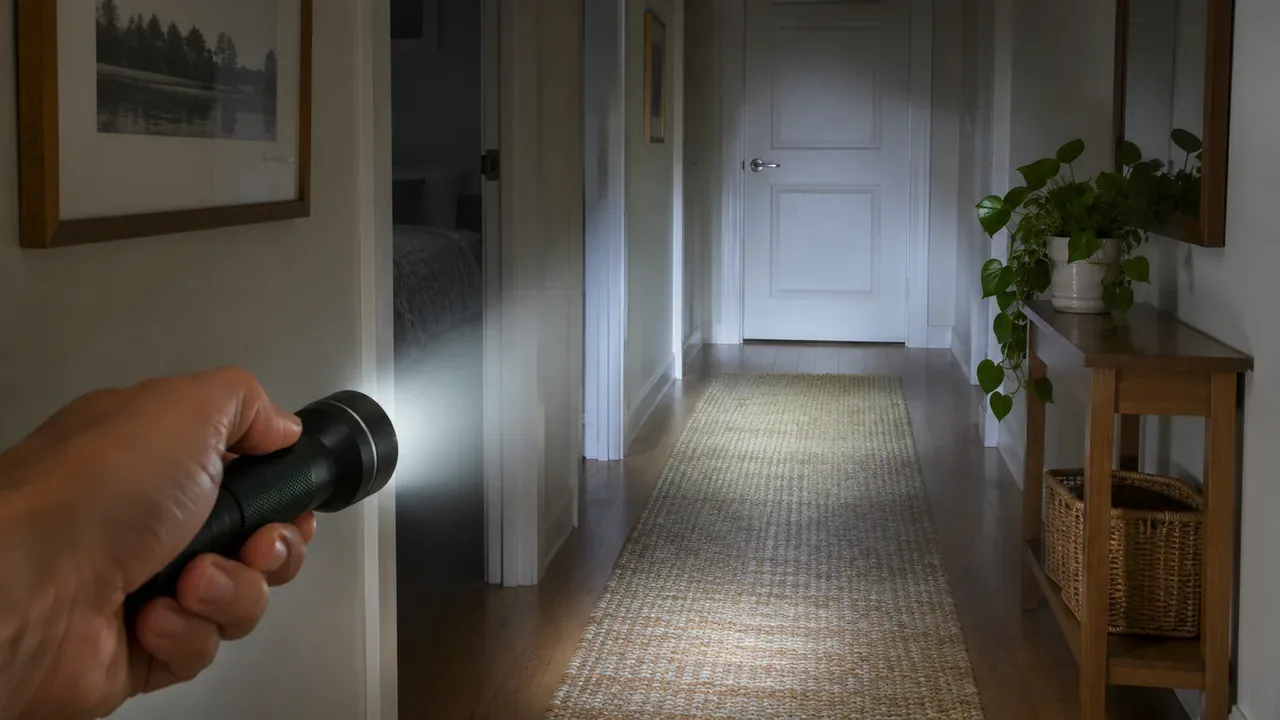
A shortage of electricity often leads to heaters, candles and improvised cooking appearing in new places. Reduce the demand with layers, suitable bedding, daylight and battery torches where possible. Do not use a cooking appliance as a room heater or bring outdoor combustion equipment inside.
If a suitable electric heater is available on a stable supply, use it exactly as instructed, with the required clearances and connection arrangement. Keep it away from drying clothes, bedding and furniture. Do not solve the problem of a distant socket with an uncertain extension lead or a chain of adaptors.
Check the needs of vulnerable people early. A room becoming dangerously cold or hot may require another safe location, not a progressively riskier electrical arrangement. The article on keeping warm when central heating stops provides practical alternatives that do not depend on pushing damaged equipment or a limited circuit beyond its safe use.
Maintain alarms and a clear escape route
Check smoke alarms and any required carbon monoxide alarms according to their instructions. A mains-powered alarm may have backup arrangements that need attention. Do not assume it is working simply because it worked before the outage, and do not remove batteries to power a less important device.
Keep doors, hallways and stairs clear of supply bags, charging cables and temporary bedding. Agree who will help children and dependent adults leave. A beautifully organised power corner becomes dangerous if it blocks the only practical way out of the home.
If fire starts, prioritise escape and emergency help. Do not investigate smoke inside electrical fittings or return for equipment after leaving. Where normal response is delayed, preserving an early safe escape becomes even more important. Tell trusted neighbours about an immediate hazard from a safe position without sending them into the building to attempt an untrained rescue or repair.

Use a short restart checklist
When power appears to return, pause before reconnecting everything. Check whether the network has supplied any instructions and whether there is damage, water or an unusual smell. Reconnect only equipment that is safe and needed, following its specific instructions.
For example, a household might first restore a suitable light, then check an undamaged fridge and an approved medical backup arrangement. They leave an overheating extension lead out of use and avoid running several high-power appliances together. This is a sequence of checks, not a universal electrical commissioning procedure.
Write down any fault and keep the affected equipment isolated from ordinary use. If the supply remains erratic or the problem appears to affect the installation, contact the network operator or a qualified electrician where possible. In Great Britain, 105 is the power-network contact number; Northern Ireland uses its own network contact arrangements. Never assume a service interruption authorises work on the network or fixed wiring.
Frequently asked questions
Should I unplug every appliance whenever lights flicker?
Switch off or unplug non-essential equipment where it is safe, and take unusual heat, smells, damage or repeated tripping seriously. Do not approach wet, smoking or otherwise hazardous equipment to reach a plug. Essential equipment needs its approved contingency plan. Seek network or qualified advice if instability continues.
Does a surge-protected extension lead prevent electrical fires?
It can help with certain voltage spikes within its specification, but it does not prevent every fire or make overloading safe. Damaged wiring, unsuitable chargers and unsafe appliance use remain hazards. Follow ratings and instructions, and stop using equipment that is damaged or behaving abnormally rather than relying on the adaptor.
Can I reset a breaker repeatedly until an appliance starts?
No. Repeated operation can indicate a fault that needs investigation. Leave the affected arrangement off and seek competent assistance. Do not bypass protection, change fuse ratings or open the consumer unit. A device that refuses to remain on may be preventing a dangerous condition from continuing.
Is a battery power station safe for any medical device?
Compatibility depends on the medical equipment and the backup product, not merely the presence of a socket or a matching wattage figure. Use the arrangement approved by the care team, supplier or manufacturer. Seek help early if it cannot be sustained, rather than experimenting when the device is already running out of power.
Can equipment be used again after floodwater dries?
Do not assume so. Moisture, contamination and internal damage can remain after the outside looks dry. Keep affected equipment and installations out of use until appropriately assessed. Do not restore power while standing in water or attempt an improvised repair to make an essential appliance available more quickly.