
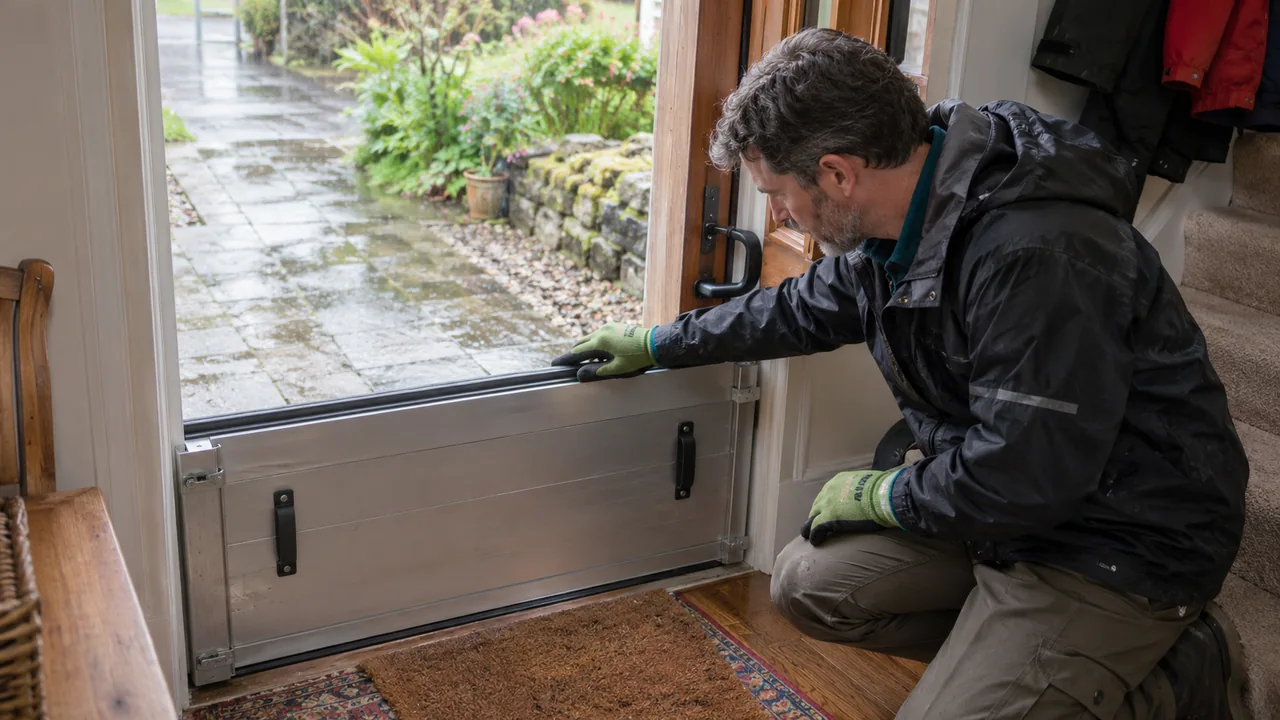
Rainwater is gathering outside the door and the street drains are no longer clearing it. Protecting the house matters, but the first priority is keeping a safe way out. A flood barrier, pump or stack of sandbags is only useful while it reduces damage without trapping people or exposing them to water, electricity or a failing structure.
Home flood protection during a drainage failure starts with early observation from a safe place, appropriate products already available and moving vulnerable people and essential items before access becomes dangerous. Do not lift drain covers, wade into water or try to repair public drainage yourself.
If water is rising quickly, threatens the exit or is entering a space with electrical hazards, stop protecting possessions and act for people's safety. The fact that emergency services are delayed makes an early safe decision more important, not less. No household measure can guarantee that a home will remain habitable throughout a serious flood.
Check the direction and speed of the problem
Observe from dry safe ground or inside the building. Is water collecting against the door, entering through an air brick, backing up through a toilet or approaching from higher land? Note whether it is rising and whether the route out remains clear. Do not walk into the street to discover the depth.
A blocked drain may be only part of the problem. Surface water, river flooding, groundwater and sewer backflow can affect a property differently. A product that blocks the doorway will not necessarily stop water coming through floors, walls or pipework.
The government's advice for flooding warns that floodwater can hide open covers, debris and other hazards. Treat water of uncertain depth as unsafe to enter. If someone is in immediate danger, seek emergency help through any available route while keeping others away from the same hazard.
Preserve an escape decision before fitting protection
Identify the point at which the household will move to a safer place. Consider the person who needs the most help, the time required to gather medicines and equipment, and whether transport can still reach the door. A plan that works for a fit adult may fail for someone who cannot climb stairs or walk through a long diversion.
Keep the exit clear while supplies are moved. Avoid placing barriers or heavy objects in a way that leaves a dependent person unable to leave without several adults dismantling the arrangement. Make sure everyone knows where the alternative exit is, if one is safe and usable.
Do not wait until the only route requires walking through floodwater. The guide to staying or evacuating helps compare home, route and destination. If evacuation instructions can be verified, follow them promptly. When instructions are unavailable, rising water and loss of safe access are concrete reasons to reassess before the choice disappears.
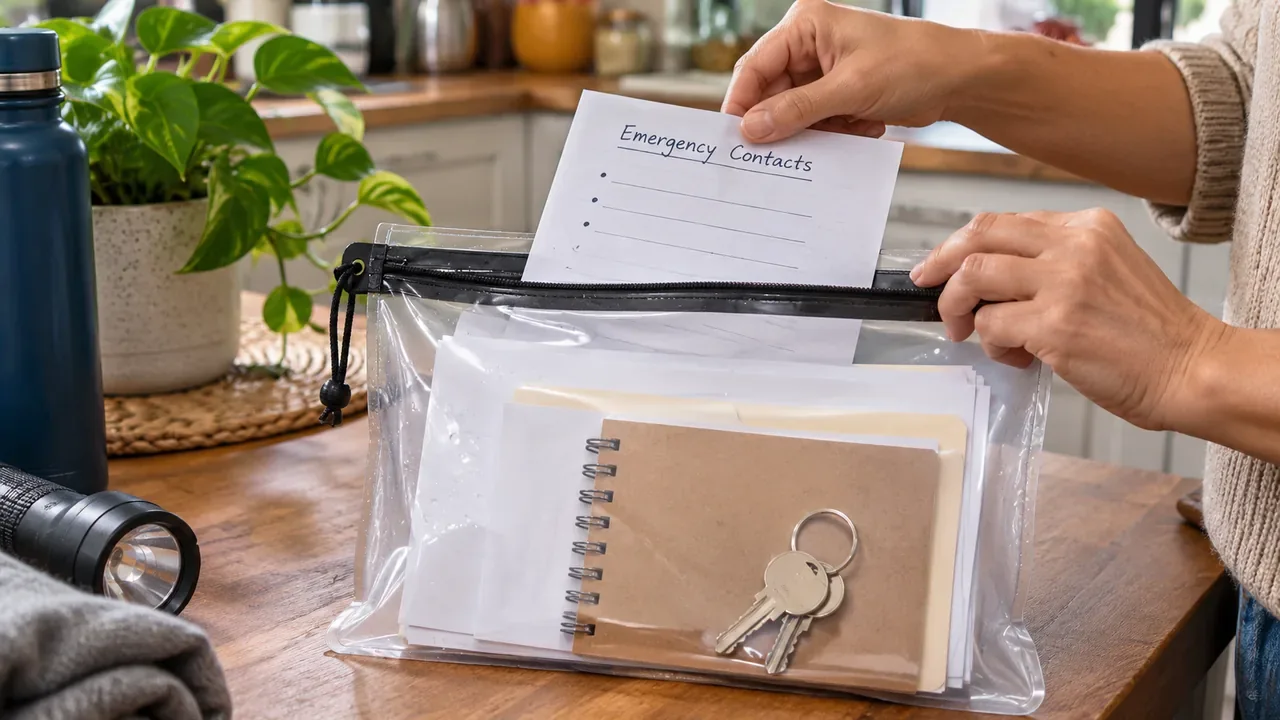
Move essential items while the route is dry
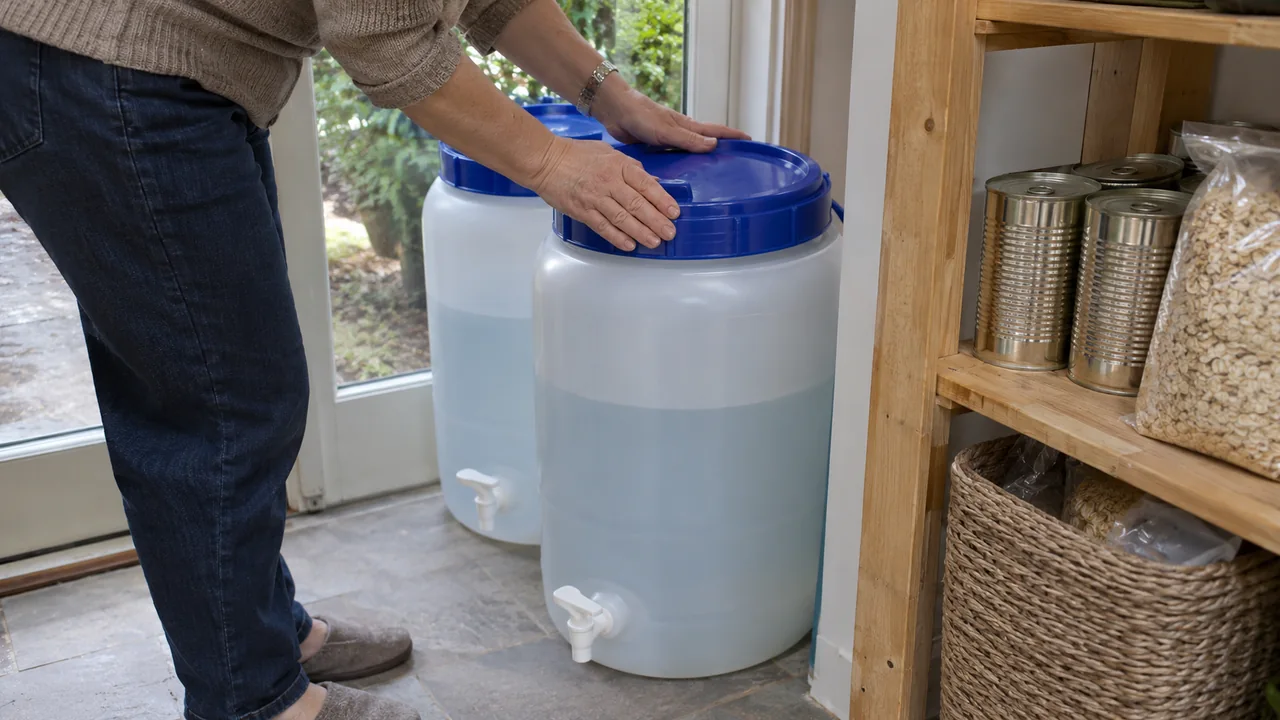
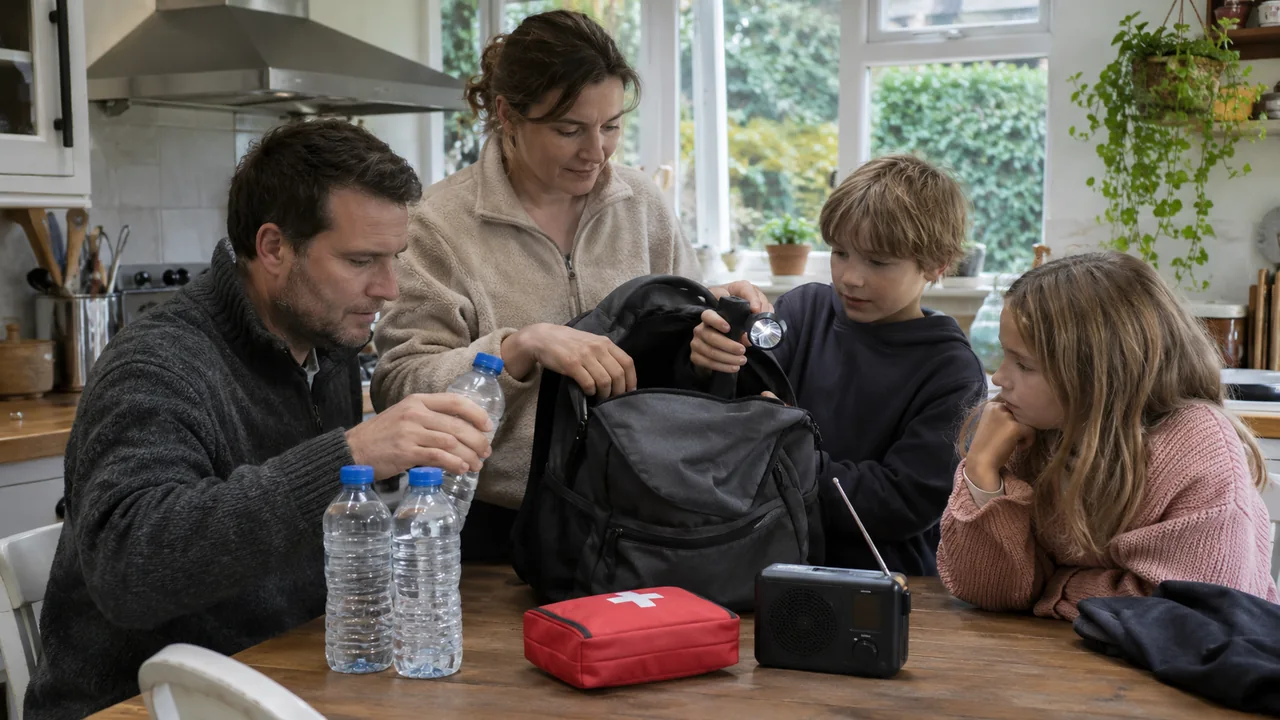
Move medicines, important documents, essential care supplies and suitable food away from likely water entry. Keep drinking water protected in closed containers. Bring a torch and battery radio to the safe occupied area, and keep shoes, warm clothing and mobility aids accessible.
Help children, pets and people needing care settle somewhere safer before moving replaceable belongings. Explain the plan so nobody returns to a ground-floor room to collect toys or an overlooked bag. Assign a responsible adult to dependent people while another adult deals with property measures, where enough help exists.
Lift only what can be handled safely and avoid concentrating heavy loads on an uncertain floor or staircase. A large water container or appliance can injure the person whose help the household depends on. Protecting a document folder may be useful; moving heavy furniture through a developing hazard may not be worth the exposure or delay.
Use flood barriers according to their actual limits
Purpose-made removable barriers and door protection can reduce water entry when correctly fitted to a suitable property. Follow the product's instructions, check that seals and fixings are present and use only the operating height and arrangement it was designed for.
The official property-protection guidance discusses measures such as flood barriers, raised fittings and more flood-resistant materials. Some involve professional assessment or work done before an incident. They cannot all be safely improvised while water is rising.
Do not assume that a taller barrier is always better. Holding water outside can create pressure on walls and floors, and water may find another entry route. Never attach heavy improvised structures to damaged masonry or rely on a product to certify the building safe. If water continues entering or access becomes threatened, reassess the household's safety rather than adding more material indefinitely.
Keep temporary covers away from critical ventilation
A purpose-made air-brick cover can reduce one entry point when used as intended, but it needs to be suitable for the building and managed correctly. Do not tape over unknown vents or openings without understanding what they serve. Ventilation for fuel-burning equipment and other safety systems must not be casually obstructed.
If protection requires taking an appliance out of use, do so only through the normal safe arrangement and seek competent guidance. Never continue using a combustion appliance in a space whose required air supply has been blocked to keep water out. Carbon monoxide is not made less dangerous by the flood outside.
Record which covers or temporary measures have been fitted so they can be reviewed and removed appropriately later. A measure left in place after the immediate event can create a different building problem. Our guide to carbon monoxide safety explains why keeping a home usable requires attention to both the outside hazard and the air people are breathing indoors.
Treat sandbags as limited tools
Sandbags or other appropriate temporary products may help direct or slow some water, but they do not make every doorway watertight. Their performance depends on placement, the surface, water conditions and the rest of the building. Do not rely on a photograph of a neat wall as evidence of protection.
Use only materials you can handle safely and do not block a door that people need to use. Keep children away from heavy unstable stacks and avoid lifting beyond anyone's ability. If bags have been in floodwater, treat them as potentially contaminated rather than bringing them into a clean living area.
Do not take materials from public flood defences or divert water towards neighbours. A household measure that increases danger elsewhere is not a sustainable solution. Work with trusted local contacts where safe, but keep requests realistic. A few available bags cannot replace a functioning drainage system or justify remaining in a building as conditions become unsafe.
Keep electrical decisions conservative
If supplies need to be turned off and the normal controls can be reached safely, follow official and provider instructions. Never touch electrical switches, plugs or appliances while standing in water. Do not enter a wet room to rescue a charger or reach a consumer unit.
Water entering sockets, appliances or the fixed installation creates a serious hazard even when power is intermittent. It may return unexpectedly. Keep people away, seek competent help and do not treat a current outage as proof that the system is safe to approach.
After water recedes, do not simply switch everything back on. The government's after-flood advice explains the need for safe assessment before restoring services. Equipment may retain contamination or internal damage after its outside looks dry. The guide to electrical fire prevention covers why damaged systems and improvised backup connections remain dangerous throughout recovery.
Do not open drains or inspect sewers yourself
A visible blocked gully can tempt someone to lift a cover or push an improvised tool into a pipe. During flooding, covers may be heavy, displaced or concealing a dangerous drop. Water pressure, contamination and underground hazards make this a poor household task.
Report an overflowing sewer or drainage problem through the appropriate water company, local authority or other responsible body where contact is possible. Describe the location and visible effects without entering the water. Different parts of the UK have different organisations and reporting arrangements, so use the relevant local service.
If sewage backs up inside, stop activities that add to the affected system and keep people away. Do not continue flushing repeatedly in the hope that the obstruction will clear. Use a safe temporary sanitation arrangement and protect clean supplies. Do not discharge waste into street drains, watercourses or a neighbouring property to remove the problem from view.
Use pumps only where the whole arrangement is safe
A pump may remove water, but its use needs a safe power source, suitable discharge point and an understanding of the building and external water level. Pumping without assessment can create structural or drainage problems. Seek appropriate advice rather than treating a basement as an ordinary container to empty as quickly as possible.
Never operate an engine-driven pump or generator inside a basement, garage or occupied building. Exhaust can accumulate even while the machine appears to be helping. Electrical pumps also need equipment and connections appropriate to the wet conditions and must not be improvised from ordinary household leads.
Consider where discharged water will go. Do not send contaminated water towards neighbours, roads, water supplies or an unsuitable drain. Permissions or restrictions may apply. When safe operation cannot be established, focus on protecting people, limiting access and obtaining competent help instead of introducing another hazard to recover a floor or possession.
Keep a clean household area
Separate potentially contaminated footwear, clothing and equipment from drinking water, food and bedding. Keep children and pets away from floodwater and wet entry areas. Wash hands after contact with contaminated items, and protect cuts or damaged skin according to appropriate hygiene guidance.
Do not assume a sealed packet or container can simply be placed on the food-preparation surface after being recovered from water. Assess its condition and follow food-safety advice. Discard food that cannot be made safe rather than relying on smell or reheating to resolve unknown contamination.
Use safe water for drinking and essential hygiene. The wider article on hygiene without running water helps organise clean and dirty tasks when several services fail together. Keep any cleaning chemicals labelled and separate, follow their instructions and never mix products in an attempt to make a stronger disinfectant for the emergency.
Plan for the house becoming temporarily unusable
A home can remain standing while its toilets, drinking water or electrical systems are unsafe. Reassess the needs of anyone with a clinical condition, limited mobility or dependence on powered equipment. Waiting for visible structural collapse sets the threshold far too late.
Confirm another suitable place and safe access while options remain. A neighbour's higher, sound home may provide a short-term improvement, but it must be outside the relevant danger and able to meet essential needs. A public building described as open needs current confirmation during a widespread crisis.
Keep a simple record of where people have moved and what support they need. Do not send someone back for forgotten possessions through water or an uncertain electrical environment. The immediate loss of access is difficult, but avoidable injury can remove a person's ability to help the household through the days that follow.
Review temporary measures as conditions change
Flood protection is not a one-time task followed by an all-clear. Check from a safe place whether water is rising, finding another entry route or affecting the escape path. Avoid unnecessary trips outside to inspect each product closely.
If rain eases, remember that drainage, river levels or groundwater may still change. Follow verified local information where available and keep vulnerable people in a suitable place until conditions and services can be assessed. Do not remove protection or restart equipment solely because the sky has brightened.
For example, a household may fit its approved door barrier while the path is dry, move essential care items upstairs and confirm a safer destination. When the route begins to deteriorate, they leave while it remains safe instead of staying to add another row of bags. The protection supported their decision; it did not become a reason to ignore the developing danger.
Make recovery a separate stage
Before returning to normal use, seek the appropriate checks for structure, electricity, gas, water and sanitation. Keep records and photographs only from safe positions, and contact the insurer or landlord as relevant. A helpful neighbour's reassurance cannot certify an affected installation or building.
Clean and dry the property using suitable guidance and protect the health of everyone involved. Do not bring children or vulnerable adults into an uncertain cleanup environment simply because the home is familiar. Some materials and equipment may need specialist assessment or disposal.
Then review which measures helped, where water entered and what could be improved when services recover. Property resilience can reduce future damage, but it begins with a realistic understanding of the building and the water. The most successful action today may be leaving early enough that every family member remains safe to return when the home is genuinely ready.
Frequently asked questions
Should I lift the street drain cover to help the water escape?
No. Covers may be heavy, displaced or hiding dangerous openings, and floodwater can contain contamination and strong movement. Report the problem through the responsible local service where possible. Observe from a dry safe place and do not enter water or underground drainage spaces to investigate a public-system failure.
Will a door barrier stop every kind of flooding?
No. Water can enter through walls, floors, vents and drainage systems as well as doorways. Use a suitable product according to its instructions and understand the property's limits. A barrier cannot certify structural safety or justify staying when the building, essential care or escape route is becoming unsafe.
Can I pump a basement out while water remains outside?
Do not assume that is safe. External water pressure, the building's condition, pump power and the discharge route all matter. Obtain competent guidance and use suitable equipment only through a safe arrangement. Never put an engine-driven pump or generator in an enclosed area to speed up the task.
What if there is sewage coming through the toilet?
Keep people away, stop adding water to the affected system and seek the responsible water or local service. Protect clean supplies and use an appropriate temporary sanitation arrangement. Do not repeatedly flush, open sewer covers or discharge waste into street drains or watercourses as an improvised solution.
When can I turn the electricity back on?
Only after the affected installation and equipment have been appropriately assessed and it is safe to restore supply. Water receding or surfaces drying does not establish safety. Do not operate switches while standing in water, attempt repairs yourself or treat an intermittent power cut as proof that the system is dead.