
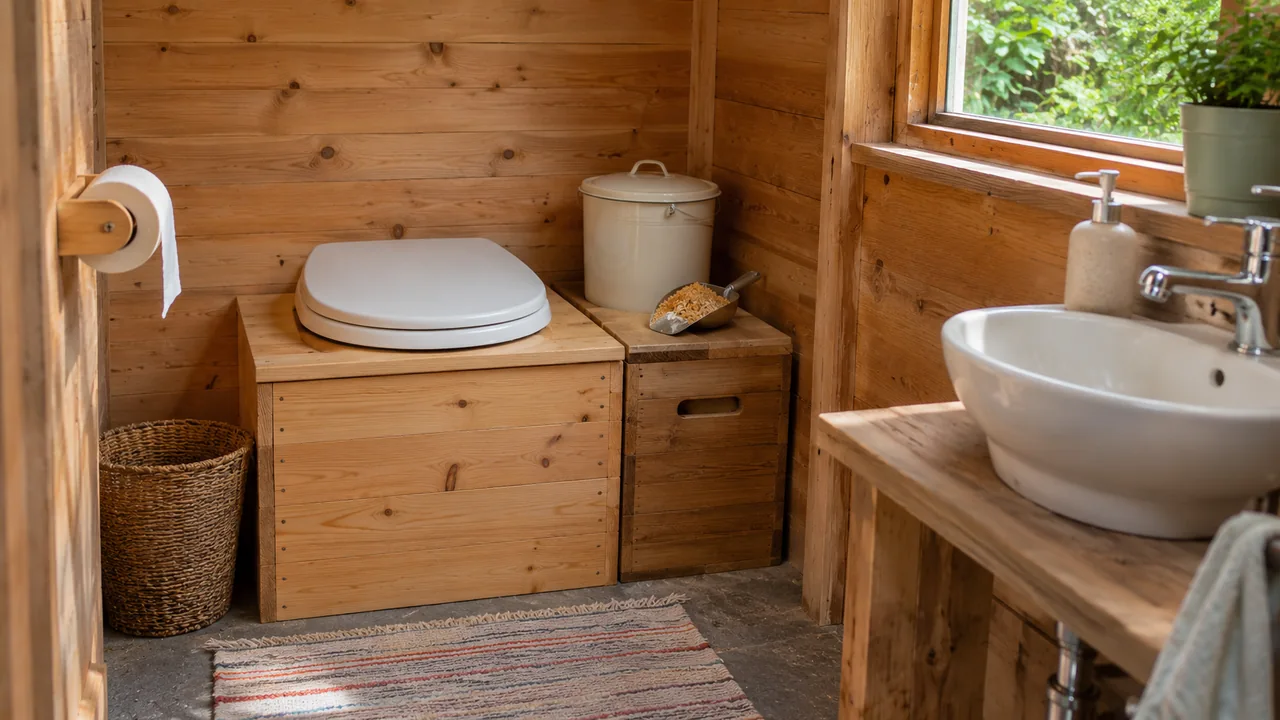
The toilet will not flush safely, water is limited and the sewer is no longer dependable. A composting toilet may help with an off-grid sanitation system, but it is not an instant way to turn fresh human waste into harmless garden material. You need a suitable unit, safe handling, maintenance and a lawful, workable route for everything it produces.
Begin by separating today's urgent need from the longer process. Keeping waste contained and away from hands, food and drinking water matters immediately. Composting takes controlled conditions and time, and some products marketed as waterless toilets mainly collect or dry waste rather than completing treatment inside the unit.
This guide helps you decide whether a composting toilet without a mains sewer can work for your household during an ongoing crisis. It does not provide an improvised waste-treatment recipe. The question is whether the whole sanitation chain can function safely, from using the toilet to managing the final material.
Start with the failed service
Establish whether the problem is a lack of flush water, an overflowing sewer, damaged pipework or a wider waste-disposal failure. Do not repeatedly flush a backing-up toilet in the hope that it will clear. Keep people away from sewage and seek the responsible service where contact is possible.
A waterless toilet can reduce dependence on flushing, but it does not repair a flooded drain or remove contaminated water already inside the home. Those hazards need their own safe response. Protect the drinking-water reserve and keep a clean area for food and care tasks.
The UK Chief Medical Officers' water and sanitation guidance treats hygiene and safe water as essential during service failure. Use the actual incident instructions where available. A toilet arrangement is useful only if it prevents waste from creating a second household health crisis.
Understand the difference between collection and composting
A collecting toilet holds waste for later handling or treatment. A urine-diverting unit separates liquid and solid streams. A composting system uses biological processes under suitable conditions, and a drying system relies on a different mechanism. A closed lid or lack of smell does not prove that treatment is complete.
The Australian government's YourHome guide to waterless toilets describes the range of systems and their requirements. Its technical principles are useful background, but it is not approval for an installation in a particular UK property.
Read the actual product instructions before choosing how to use it. Find out what happens inside the unit, what must happen afterwards and which materials can enter each part. Do not assume that two toilets with similar wooden enclosures have the same process, capacity or safe emptying method.
Ask whether the household can maintain the whole system
List the resources the unit needs: space, ventilation, containers, approved cover material, cleaning supplies and any electricity for a fan or other component. Check whether those resources remain available during the current failure. A product needing continuous power may require a specific backup arrangement.
Identify who will maintain it, how often attention is required under its instructions and whether that person can perform the work safely. A heavy container in a cramped space may be unmanageable for the intended carer. Keep children and people unable to understand the hazard away from maintenance tasks.
Include the final disposal or treatment route in the decision before the first container fills. If that route depends on a collection service that has stopped, the toilet may provide only a limited temporary capacity. A plan that ends at a neatly closed container has not yet solved the sanitation problem.
Choose an appropriate location
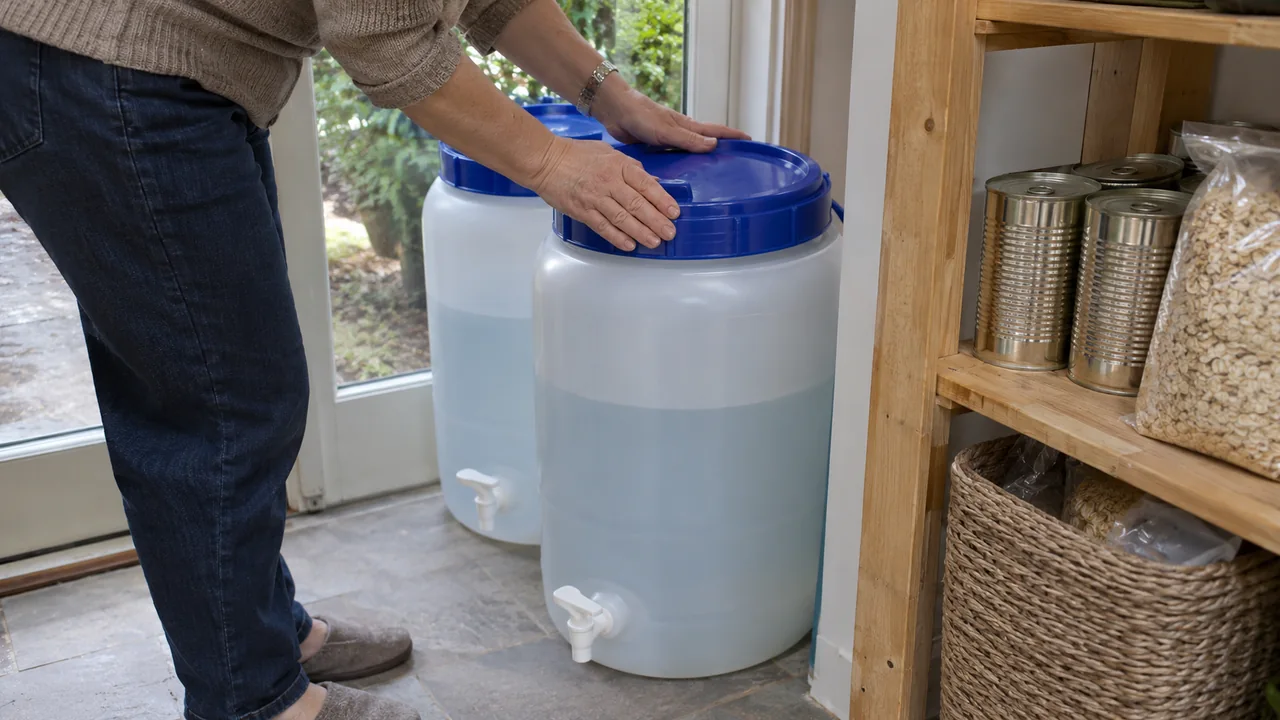
Place a suitable unit on a stable surface with safe access, privacy and the clearances or ventilation its manufacturer requires. Consider the needs of anyone using a walking aid, wheelchair or help from a carer. A remote outbuilding may save space but become inaccessible in darkness, cold or bad weather.
Keep the toilet and maintenance area away from food preparation, drinking-water storage and sleeping supplies. Avoid a location at risk of flooding or leakage into a water source. Do not assume that putting waste outside removes responsibility for where it can travel.
Preserve a clear route and adequate lighting. An improvised step or unstable seat can cause a fall that leaves the household without a capable carer. Where the existing home is damaged or essential access cannot be made safe, seek another sanitation or accommodation arrangement rather than forcing the unit into an unsuitable space.
Follow the product's use instructions consistently
Everyone using the toilet needs a simple explanation of its intended use. If it separates urine, explain how the separation works without relying on guesswork. Use only the cover materials and quantities appropriate to the product, and keep the supply dry and protected from contamination.
Do not add household disinfectants, chemicals, sanitary products or other materials unless the instructions specifically allow them. A product designed to support biological activity may be disrupted by substances that seem helpful for removing smell. Keep medicines, cleaning chemicals and fuel containers away from the toilet's supplies.
Use clear labels or a simple household instruction where useful. Avoid technical language that only one adult understands. Consistent ordinary use is part of the system: repeated misuse can fill containers too quickly, disrupt separation or create a handling problem precisely when replacement parts and support are difficult to obtain.
Keep handwashing beside the sanitation plan
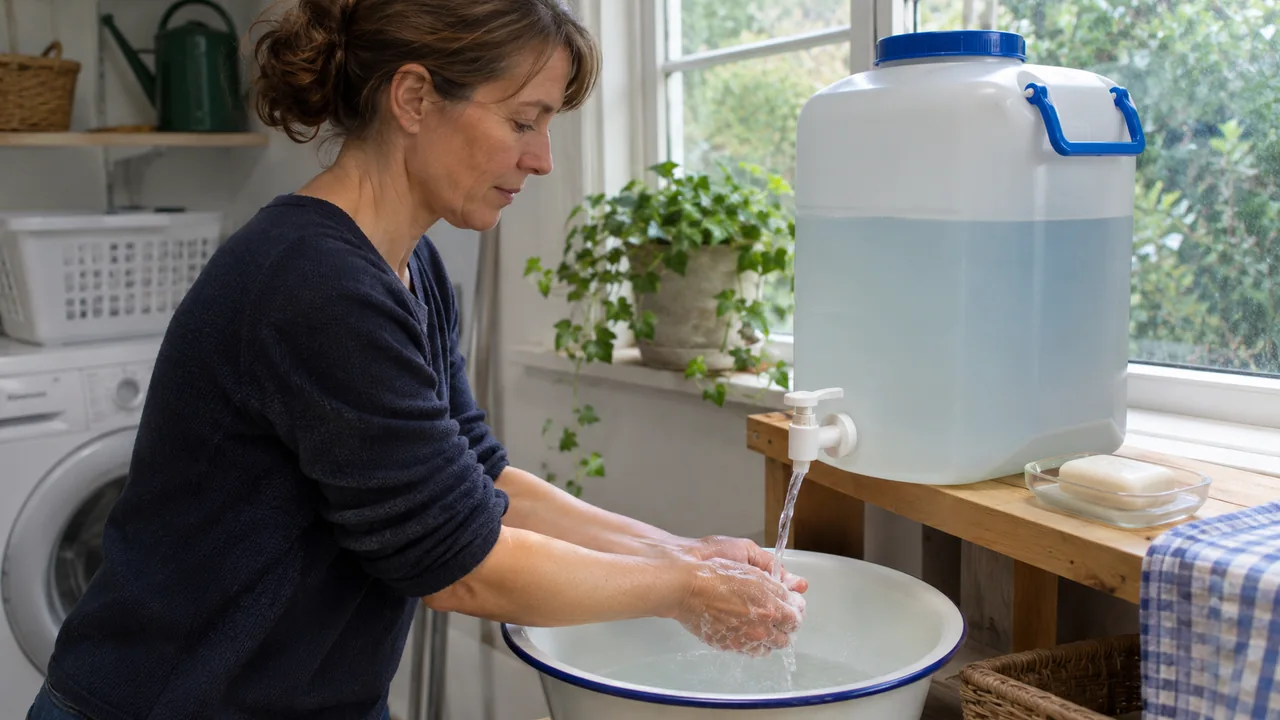
Provide safe water and soap through a controlled dispensing arrangement where possible. Keep a clean drying method available and arrange the area so hands do not contaminate the drinking-water reserve. A covered container with an appropriate tap can reduce unnecessary handling when mains water is unavailable.
Gloves are useful for certain maintenance tasks, but they do not replace hand hygiene. Remove and manage them without transferring contamination to door handles, phones or food. Keep cleaning equipment for the toilet separate from cloths and utensils used in the kitchen.
The guide to personal hygiene without running water explains how to separate clean and dirty tasks. A sanitation system that saves flush water but makes handwashing impractical has missed a major part of its purpose. Reserve enough suitable water and supplies for the people using and maintaining it.
Treat liquid and solid outputs as separate responsibilities
Urine-diverting systems may produce a liquid stream and a solid stream with different handling requirements. Do not assume the liquid is automatically a ready-to-use fertiliser or that the solids can go straight onto vegetable beds. Follow product instructions, relevant environmental requirements and competent advice.
NetRegs guidance for Scotland and Northern Ireland explains that waterless and composting toilets still need appropriate waste management. It also distinguishes chemical-toilet waste, which must not be discharged to watercourses, surface drains, ground or groundwater.
A household must not confuse those streams or transfer advice from one product to another. Keep containers suitable, secure and clearly identified. Protect the area from leaks, flooding, children and animals, and do not create an unmarked storage problem that another resident may later mistake for usable garden material.
Do not use smell as the treatment test
A toilet may smell less because moisture is managed, ventilation is working or cover material has been added. None of those observations alone proves that harmful organisms have been reduced to a safe level. Appearance, texture and a closed container are also inadequate tests.
Biological treatment depends on the designed process, operating conditions and sufficient time. Cold conditions, overloading, inappropriate moisture or interrupted ventilation can affect performance. Do not invent a universal household waiting period or assume that material is safe because an online account used the same number of months.
Keep any claimed treatment outcome tied to a reliable validated process and the actual instructions. If the system has not operated as required, seek appropriate advice before handling or using its output. A crisis creates a strong temptation to declare the process complete because storage space is running out; it does not make that declaration true.
Understand that a regulatory exception may be narrow
Rules and permissions differ by UK nation, location, system and use. Building, waste and environmental requirements may all be relevant. Seek advice from the appropriate local authority, environmental regulator or competent installer when available, and do not treat a product advertisement as permission for disposal.
For example, the Environment Agency's RPS 318 concerns specified treatment by operators of hired portable composting toilets at their depots. It is not blanket approval for a household to follow an improvised process and spread human waste on its garden.
The practical lesson is to read the scope as carefully as the headline. A condition applying to one operator or setting should not be copied into another situation without checking. The absence of normal collection or inspection during a crisis does not establish that a proposed discharge or use is safe or lawful.
Make emptying manageable before it becomes urgent
Check the container's capacity and the manufacturer's maintenance requirements. Keep a record of use and signs that attention is needed. Do not wait until a container overflows or becomes too heavy to handle safely before considering where it will go.
Use the protective measures, equipment and method specified for the system and task. Avoid splashing, dust generation and unnecessary contact. Keep the route clear and prevent a full container passing through food-preparation or clean care areas where another route is available.
Do not improvise clinical, agricultural or chemical treatment to make the task easier. If the contents cannot be managed safely, stop using the affected part of the system and seek another suitable arrangement. A small earlier intervention can prevent a much larger contamination problem when the household is already short of water, cleaning materials and rested adults.
Keep wastewater from washing in the plan
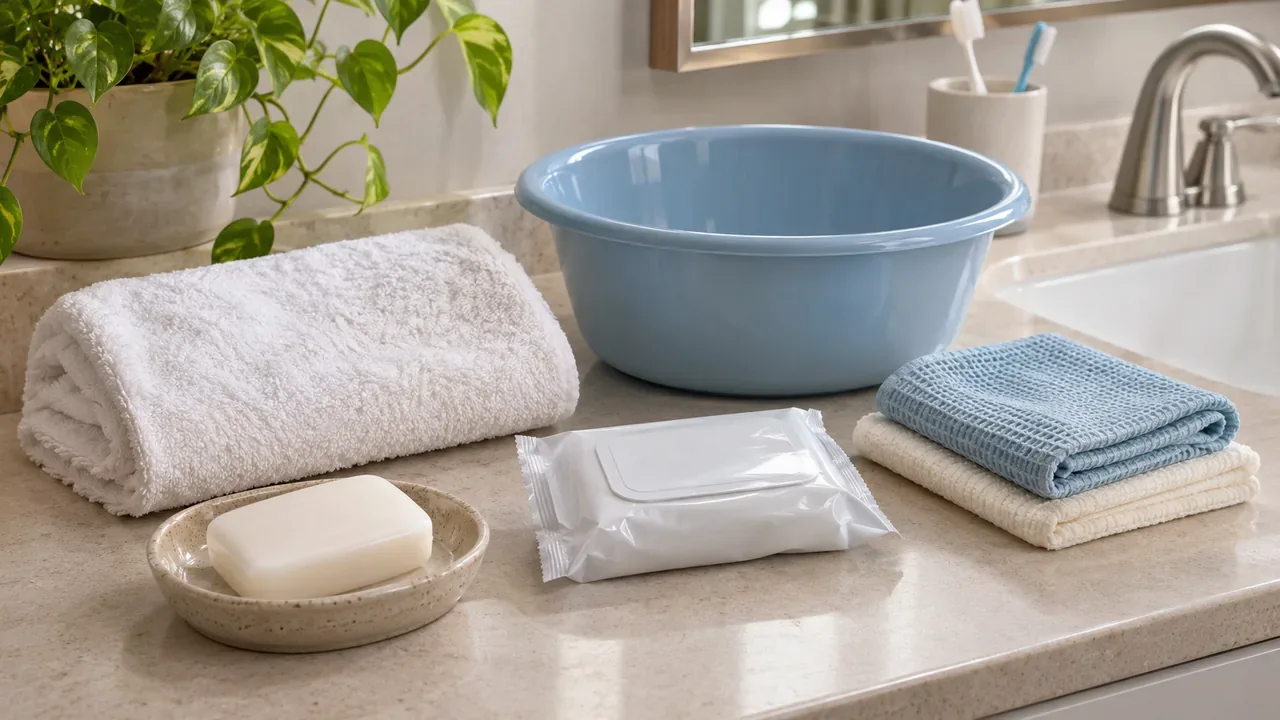
A waterless toilet reduces one water use but does not remove washing, cooking or laundry wastewater. Those flows need an appropriate route too. Do not divert dirty water onto a neighbour's land, a street drain or an area where children play because the toilet itself uses no flushing water.
Keep wastewater separate from drinking-water collection and storage. Containers and hoses used for dirty water should not be casually reused for food or drinking supplies. Avoid leaving open stagnant containers where insects, animals or children can reach them.
The wider article on safe water and food after supply collapse explains why source protection and handling are linked. A household can have an apparently successful toilet unit while contaminating the water it depends on through poorly managed washing or waste storage nearby.

Make the arrangement usable for everyone
Ask each person whether they can reach, understand and use the toilet safely. A child may need clear supervision, an older adult may need a suitable seat height and a disabled person may need an assessed support arrangement. Do not improvise rails or unstable platforms that cannot safely bear the expected load.
Preserve privacy and dignity. Explain maintenance boundaries calmly so the toilet does not become a source of fear or conflict. A person who is anxious or confused may need a familiar carer rather than a longer written instruction.
If personal care requires training or specialist equipment, use the existing plan. Do not attempt an unfamiliar transfer to make the new system appear workable. Sometimes the most sensible decision is another appropriate commode, temporary sanitation product or safer location whose full waste-management requirements can actually be met.
Decide whether it works for this crisis
A suitable composting toilet can be a useful part of a maintained off-grid system with appropriate space, inputs, ventilation and output management. It is less useful as an untested last-minute promise when the household has nowhere safe to store or dispose of waste.
Work through a realistic example. A family checks the product instructions, confirms a suitable location and assigns trained or capable maintenance help. They provide handwashing, keep outputs secure and verify a lawful route for later management. They also identify what will happen if the fan fails or a container cannot be emptied.
If those questions cannot be answered, address the missing part before relying on the unit. The value of off-grid sanitation lies in protecting health over time. A toilet that saves water today but contaminates the household's surroundings tomorrow has not provided the independence its owners needed.
Frequently asked questions
Does a composting toilet produce safe compost immediately?
No. Collection, separation, drying and completed biological treatment are different processes. Safe management depends on the actual system, conditions, time and relevant requirements. A lack of smell or a dry appearance does not establish that harmful organisms have been reduced adequately. Do not apply fresh or uncertain human waste to food crops.
Can I use a composting toilet with no electricity?
Some systems can operate without electrical components, while others depend on fans or other powered functions. Check the specific product's requirements and approved backup arrangement. Do not assume a unit works safely without power because it uses no flush water, or block ventilation to solve another problem in the room.
Can the liquid output go straight onto the garden?
Do not assume that is safe or permitted. Different systems and locations have different handling and environmental requirements. Keep outputs separate, secure and away from drinking-water sources, and follow the product instructions and appropriate regulatory or competent advice. Do not discharge waste to a watercourse or surface drain as a shortcut.
Is a bucket with a lid the same as a composting toilet?
No. A container may provide temporary collection, but that does not establish treatment, ventilation, accessibility or safe output management. Any emergency collection arrangement still needs secure containment, hygiene and an appropriate disposal route. Do not label stored human waste as finished compost because the container has remained closed.
What is the most important question before choosing a unit?
Ask whether the whole sanitation chain can be maintained safely, including use, handwashing, cleaning, emptying and final output management. A product that fits the bathroom may still be unsuitable if it needs unavailable power or an inaccessible collection service. Plan the point at which the system would stop being usable.