
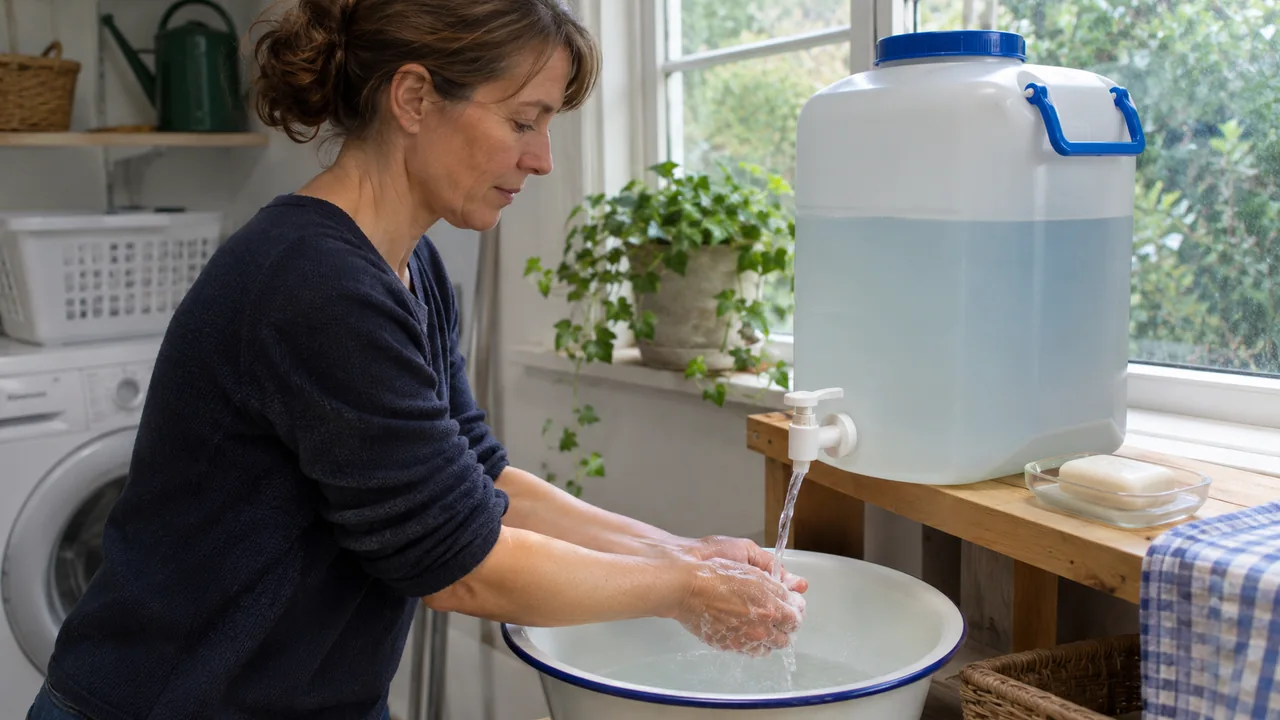
The tap is dry, the toilet is difficult to use and the household has begun saving every drop. Hygiene without running water needs a clear order: protect drinking water, keep hands and food-related tasks clean, contain waste and provide appropriate personal care. Trying to continue every normal washing routine can exhaust the supply before essential needs are met.
Set up a controlled handwashing arrangement with safe water and soap, separate clean and dirty equipment and use products only for their intended purpose. Do not assume that a wipe, a pair of gloves or a bottle of sanitiser makes every task safe.
The purpose is a sustainable routine people can actually follow. Children, disabled relatives and exhausted carers need accessible supplies and simple instructions. Cleanliness during a service failure is not about maintaining appearances; it helps prevent illness that can quickly increase the household's need for water and care.
Protect the clean-water reserve first
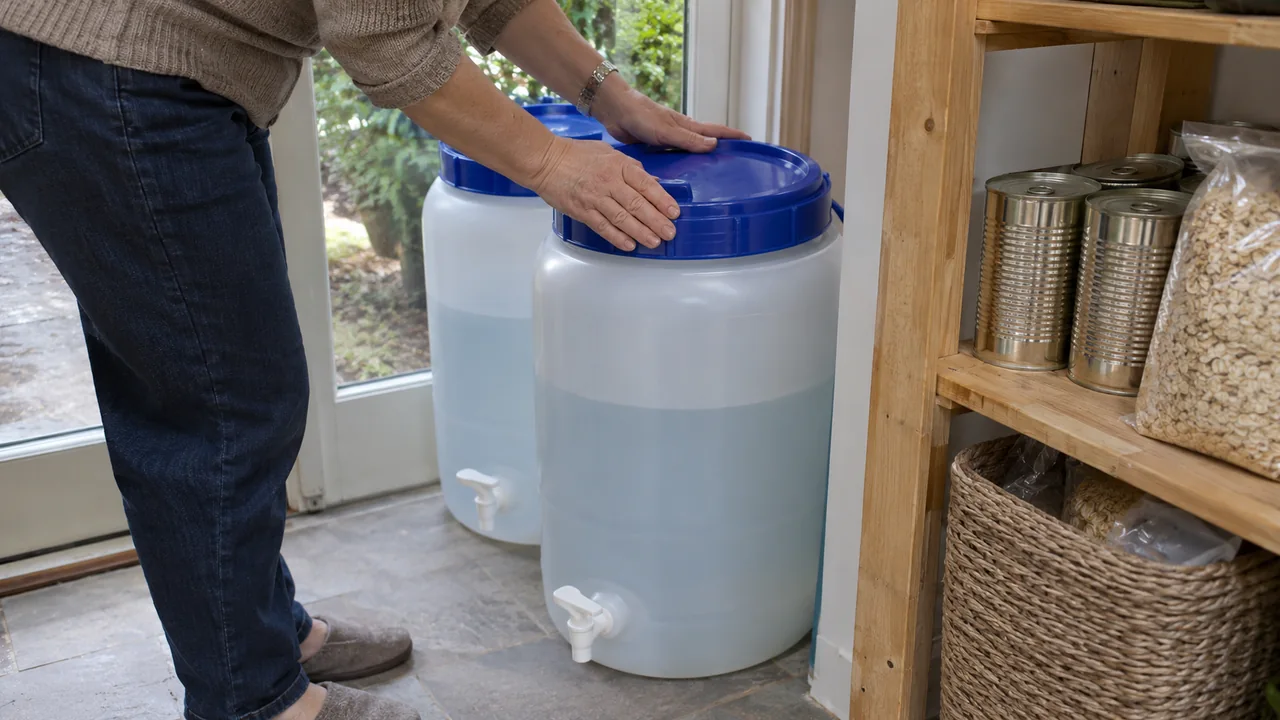
Keep drinking and essential-care water in clean suitable containers with secure lids. Dispense through a tap or clean pouring method where possible. Avoid dipping used cups, hands or washcloths into the main reserve, and keep it away from waste, chemicals and animals.
Label uncertain or non-drinking water clearly. A tired helper should not have to remember which identical bucket is safe. Do not reuse containers that held fuel or chemicals for drinking water or washing food-related items.
The government's water-outage guidance identifies drinking, food preparation and handwashing as important uses. Use it alongside any specific local notice. Water that is suitable for one non-drinking task may still be unsuitable for hands, mouths, food or a person's clinical care.
Put handwashing where it will be used
A suitable covered container with a controlled tap, a stable bowl, soap and a clean drying method can make handwashing possible without mains flow. Place it where children and people with mobility needs can use it safely. Keep the container supported and the floor free from spills and trip hazards.
Use a small controlled flow rather than repeatedly dipping into a shared bowl. Wet hands, apply soap, clean thoroughly and rinse with safe water. Turn the flow off while it is not needed where the arrangement permits this without spreading contamination.
The NHS handwashing guidance explains the technique. Keep the supplies together so washing does not depend on someone searching for soap after a dirty task. Clean the controls and surrounding surfaces appropriately, because frequently touched handles can transfer contamination back to hands that have just been washed.
Prioritise the moments that interrupt contamination
Wash hands after toileting, handling waste or dirty laundry, and before preparing food, feeding someone or eating. Include the care tasks identified in a person's existing plan. A small number of well-supported essential routines is more useful than an elaborate system people abandon when the water container runs low.
Show children how to use the arrangement and supervise as needed. Do not make handwashing so difficult to access that they avoid it. Keep soap and cleaning chemicals safely separated and explain the difference.
Carers need a place to clean hands before moving from a dirty task to medicines, food or a vulnerable person's care. Share other household work so the carer is not forced to choose between completing essential care and keeping the process clean. The routine should protect the person receiving help and the people providing it.
Use sanitiser within its limits
Alcohol-based hand sanitiser can help when soap and water are not immediately available, according to the product instructions. It does not remove all dirt or work equally well against every hazard. Visibly dirty hands and contamination from waste need an effective cleaning arrangement rather than a quick symbolic application.
Keep sanitiser away from children and use it only as intended. Do not make an improvised mixture from household alcohol, disinfectants or cleaning chemicals. A product's smell or strength is not evidence that it is suitable for skin.
Allow hands to dry as instructed and keep alcohol-based products away from ignition sources. Do not use them beside an operating stove or flame. A limited hygiene supply is valuable, but misusing it can cause poisoning, skin damage or a fire that makes the wider service failure much harder to survive.
Separate food tasks from washing and waste
Choose a clean preparation area and keep toilet equipment, soiled cloths and waste containers away from it. Use safe water for food handling and food-contact items. A table used for sorting dirty laundry should not become the serving surface without appropriate cleaning.
Prepare manageable portions and reduce unnecessary utensils while preserving essential cleaning. Suitable no-cook meals may save water and fuel, but opened products and dirty serving equipment still need attention. Do not treat a food shortage as permission to ignore allergen information or storage requirements.
The Food Standards Agency's emergency advice helps connect water and power disruption with food safety. The guide to cooking without electricity or gas provides a practical meal routine. A simpler meal can reduce the cleaning load without turning the household's clean-water reserve into a shared washing bucket.
Wash the body with a realistic small-area routine
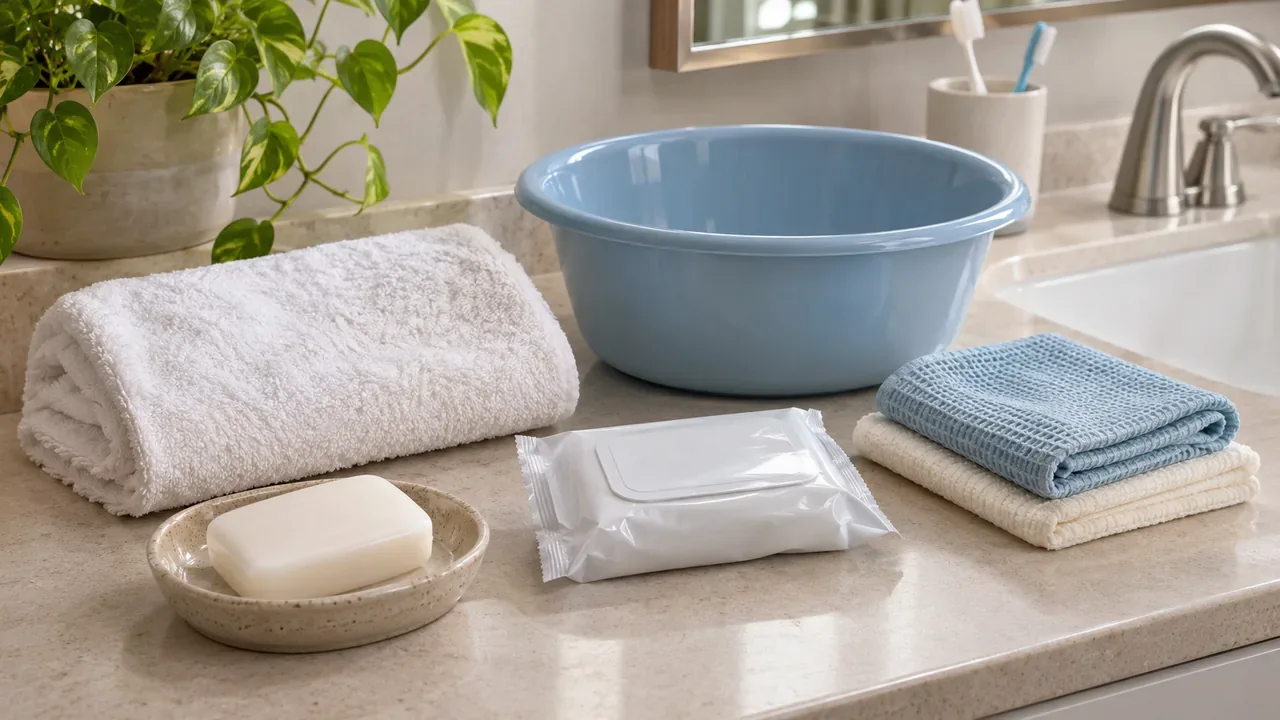
Use suitable water, the person's usual skin-care products and separate clean cloths. Work through manageable areas, keeping the rest of the body covered where warmth or privacy matters. Avoid a process that leaves an older or dependent person cold while supplies are collected.
Pay attention to areas that need regular care, including skin folds and places affected by sweat or continence needs. Keep clean and used items separate and dry skin gently. Do not apply household disinfectants or strong cleaning products to the body in an attempt to replace normal washing.
Respect personal preferences and consent. A person may need a familiar carer or an accessible position to wash safely. Do not improvise a transfer into a basin or bath when the established handling plan cannot be followed. A short appropriate wash in a safe position can be better than a full routine that risks injury.
Keep oral care and feeding hygiene manageable
Continue ordinary toothbrushing and the person's established oral-care arrangements using suitable products and safe water where needed. Protect toothbrushes and clean feeding items from contact with waste and dirty surfaces. Do not rinse them in a shared bowl that has already been used for body washing.
For infants or people with specialist feeding needs, follow current guidance and the existing care plan. Do not dilute formula, change prescribed textures or improvise cleaning of feeding equipment because supplies are limited. Seek suitable help early if safe feeding cannot be maintained.
Keep a small dedicated set of appropriate utensils where possible and avoid sharing items that are difficult to clean properly. An adult who cannot swallow safely needs assessment, not forced drinks to compensate for reduced washing. Hygiene supports care, but it does not replace clinical advice when the person's condition changes.
Manage menstruation and continence with dignity
Keep suitable menstrual or continence supplies accessible and separate from food. Provide privacy, a stable place to change where needed and a secure way to contain used items. Do not flush products into a system that is blocked, damaged or not designed to receive them.
Reusable products need the washing, drying and handling their instructions require. They are not automatically the best option when safe water and drying space are severely limited. Use an appropriate available arrangement and seek support when the person's needs cannot be met safely.
For catheters, wounds or other clinical devices, follow the existing care instructions and do not undertake an invasive task without the relevant training and authorisation. Record new pain, leakage, skin damage or other concerns and seek professional advice through any available suitable route. A household's determination to manage should not conceal a need for qualified help.
Keep the toilet arrangement from contaminating the home
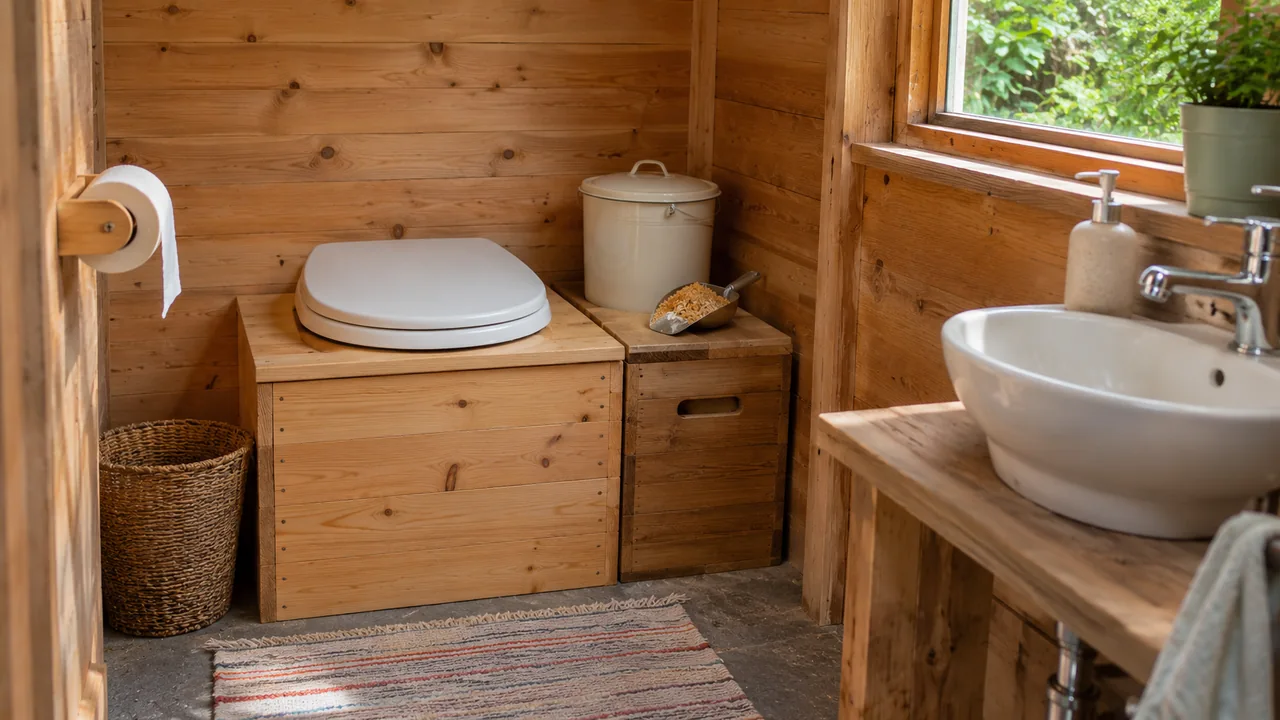
If mains drainage is unsafe or backing up, stop adding to the affected system and seek the responsible service where possible. Use an appropriate temporary arrangement with secure containment and a suitable final waste route. Do not empty waste into street drains, gardens or watercourses to remove it from view.
The UK Chief Medical Officers' water and sanitation guidance addresses the importance of clean water and sanitation during power failure. Follow the specific instructions for the incident and your location.
The article on composting toilets without a mains sewer explains why collection and completed treatment are different. A lidded container may help contain waste temporarily, but it does not make the contents harmless. Keep maintenance supplies, footwear and gloves away from the clean living area and wash hands after handling.
Prioritise laundry by health and practical need
Focus first on items whose condition affects comfort, skin health and essential care, such as necessary underwear, continence-related laundry and bedding. Use the fabric and care instructions and suitable cleaning methods. Do not assume a quick rinse in uncertain water makes a soiled item safe.
Keep dirty laundry contained and separate from food, drinking-water equipment and clean clothes. Avoid shaking contaminated material through the living area. Use a safe handling routine and clean hands afterwards, even when gloves have been worn.
Dry items appropriately and avoid leaving damp clothing or bedding against the person for prolonged periods. Never hang laundry over a heater, stove or electrical equipment. If the household cannot wash and dry essential items safely, seek help or another care arrangement before skin problems, cold or contamination make the situation more difficult.
Prevent slips and lifting injuries around water
A water shortage often creates a row of heavy buckets, bowls and containers in unfamiliar places. Keep access routes clear and put dispensing points on stable supports. A container that is easy to fill may be too heavy for the person expected to move it.
Water weighs approximately one kilogram per litre, before the container. Use smaller manageable loads or appropriate carrying equipment where possible. Do not ask a child, frail adult or injured carer to carry a large container because the household is trying to reduce the number of trips.
Clean spills promptly through a safe method and keep electrical equipment away from the washing area. A fall or shock can remove the adult who provides most care. The practical design of the hygiene station matters as much as the amount of soap: people need to reach it, use it and return to essential tasks without another injury.

Keep a shared routine that can continue
Assign responsibility for topping up the handwashing supply, checking clean cloths, containing waste and recording the drinking-water position. Share tasks within people's abilities. One exhausted adult should not be expected to notice every empty dispenser and complete every care need.
Make a short daily check: is the safe-water container protected, is soap available, are waste containers secure, and does anyone have new skin or illness concerns? Keep the record factual and seek advice when necessary. Do not turn it into a diagnosis or a declaration that the home is sterile.
For example, a family may use one clean dispensing point for hands, a separate small set of personal-care supplies and a clearly contained waste area. They arrange a trusted water collection before the reserve becomes critical. That simple separation can preserve hygiene more reliably than trying to maintain every normal bathroom routine with an increasingly confused collection of unlabelled buckets.
Recognise when the arrangement is failing
Persistent lack of safe drinking or handwashing water, sewage entering the living area or an inability to provide necessary personal care may make the home unsuitable. Reassess early for babies, disabled people and anyone whose health is deteriorating. Do not wait until several people are unwell before asking for support.
Seek a confirmed supply, suitable assistance or another viable place to stay. Check the route, destination and care requirements before moving. A public building without safe sanitation may not be an improvement, even if it has more space.
The guide to food and water shortages helps plan the next supply decision. Keeping clean during a service failure depends on protecting a small number of essential routines and acting when they cannot be sustained. A manageable system supports the household; an improvised arrangement that continually contaminates itself needs to change before it harms the people using it.
Frequently asked questions
Can hand sanitiser replace all washing?
No. It can help in appropriate circumstances when soap and water are not immediately available, but it does not remove all dirt or address every hazard. Follow the product instructions and maintain an effective handwashing arrangement for essential tasks. Do not use it as a symbolic substitute after handling waste or visibly dirty material.
Can several people wash in the same bowl of water?
Avoid a routine that transfers contamination between people or back onto clean hands. Use a controlled flow or clean pouring method where possible and keep the safe reserve protected. Separate body-washing equipment from food and drinking-water tasks. Water that has been used for a dirty task is not a clean supply because it still looks clear.
Should we stop washing hands to conserve drinking water?
Protect essential hygiene while reducing unnecessary waste and seeking another verified supply. Skipping necessary handwashing can cause illness that increases the household's water and care needs. Prioritise safe drinking, feeding and critical cleaning tasks, and ask for support before the amount available makes them impossible to maintain.
Are reusable menstrual products always better during a water shortage?
Not necessarily. They need appropriate washing, drying and handling according to their instructions. If those requirements cannot be met, another suitable available product may be more practical. Preserve privacy, safe containment and access to help rather than choosing a product solely because it normally reduces waste.
When should we seek a different place to stay?
Reassess when safe water, sanitation or essential personal care cannot be maintained, particularly for vulnerable people. Confirm that another destination genuinely improves those needs and can be reached safely. Sewage contamination or worsening illness is a reason to act early, not simply to add more cleaning products to an arrangement that has failed.