
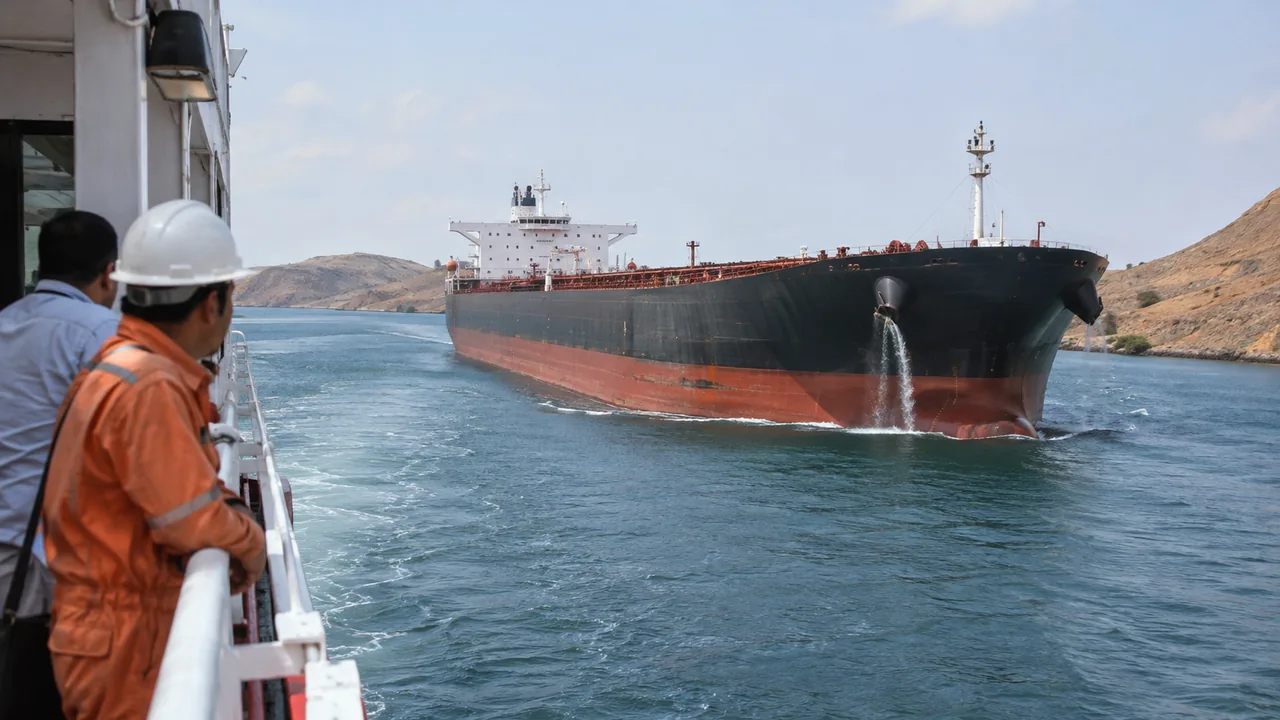
A narrow shipping passage far from Britain can influence the price of an ordinary journey to work. The Strait of Hormuz connects major energy exporters with international markets. When shipping there is threatened or disrupted, the consequences can travel through oil, gas, transport and business costs before a household sees them on a bill.
The effect of Hormuz disruption on fuel prices is not governed by one simple switch. A disruption can increase pressure, but the final effect depends on its duration, alternative supplies, demand, stocks, exchange rates and how costs move through the supply chain. Understanding that chain is more useful than accepting a claim that every new incident guarantees a particular price tomorrow.
Why this passage matters to energy markets
The Strait of Hormuz links the Persian Gulf with the Gulf of Oman and wider sea routes. Major producers use it to move oil and liquefied natural gas, known as LNG. Its significance comes from the scale of those flows and the limited ability to replace all of them quickly through other routes.
The IEA's Hormuz factsheet explains the role of the passage and the constraints on bypass options. It is a useful structural reference. Its dated figures should not be confused with a live report of today's ship movements.
A chokepoint is a place where important flows pass through a constrained route. It creates exposure because a problem at that point can affect users far beyond the immediate area. The same principle appears in the article on undersea cable disruption, although the infrastructure and consequences differ.
What current data can tell us, and what it cannot
The EIA's November 2026 energy-security data show reduced Hormuz oil flows in the third quarter of 2026 compared with the same quarter of 2025. Those are period estimates, not a live statement that the passage is completely closed at this moment.
This distinction protects readers from a common error. A chart may accurately describe an earlier period while a social-media caption presents it as today's event. Read the release date, the period measured and the note explaining the data. A forecast should also remain labelled as a forecast.
For a changing shipping situation, compare current reporting and official information with the structural background. The question is what has changed: traffic, insurance conditions, port activity, production or expectations. A dramatic claim about closure should be checked against evidence of actual flows and the exact area or operation affected.
How a shipping threat reaches the oil market
Energy markets respond to available supply and expectations about future supply. A threat to an important route can affect prices before the full physical consequence is known. If the threat eases or alternative arrangements become clearer, some of that pressure can change.
Actual disruption can create additional difficulties: delayed cargoes, altered schedules and uncertainty about delivery. The effect depends on the volume involved, how long the problem lasts and what other sources can provide. A short incident and a prolonged loss of major flows are different situations.
This is why a headline about tension is not a complete price forecast. It identifies a risk factor. The market response also reflects other conditions, including demand and expectations. A responsible explanation connects the event to a specific mechanism and acknowledges the factors that could increase or reduce the effect.

Why a British pump price may not move immediately
The retail price of petrol or diesel reflects several costs and decisions between crude oil production and the forecourt. Refining, distribution, taxes, exchange rates and retail conditions can all matter. A change in an international benchmark is not identical to a change at one local pump.
Timing matters too. Businesses buy, store and price products through arrangements that do not all change at the same moment. A sharp market movement may therefore appear differently across places and over time. This is a reason to avoid precise promises about what a driver will pay on a particular day.
For a household, compare the actual cost of necessary journeys and use current local information. A frightening global story should not automatically trigger a long, expensive trip to find fuel. The attempt to save a small amount can cost more if it adds distance or distracts from a reliable assessment of your needs.

Why gas and electricity may also enter the story
LNG is natural gas cooled into liquid form for transport by ship. A disruption affecting LNG exports can influence gas markets, depending on the destinations, alternatives and demand at the time. Different countries have different exposure and supply arrangements.
Electricity can be affected indirectly where gas is used in generation or influences market prices. The relationship is not the same everywhere, and it does not mean a shipping incident automatically produces a power cut. Prices, physical availability and reliability are separate questions that need separate evidence.
The article on AI demand and electricity networks explores another pressure on energy systems. Several influences can operate together without one explaining every change. Good analysis distinguishes the global commodity issue from a local network constraint and from the terms of an individual household's contract.
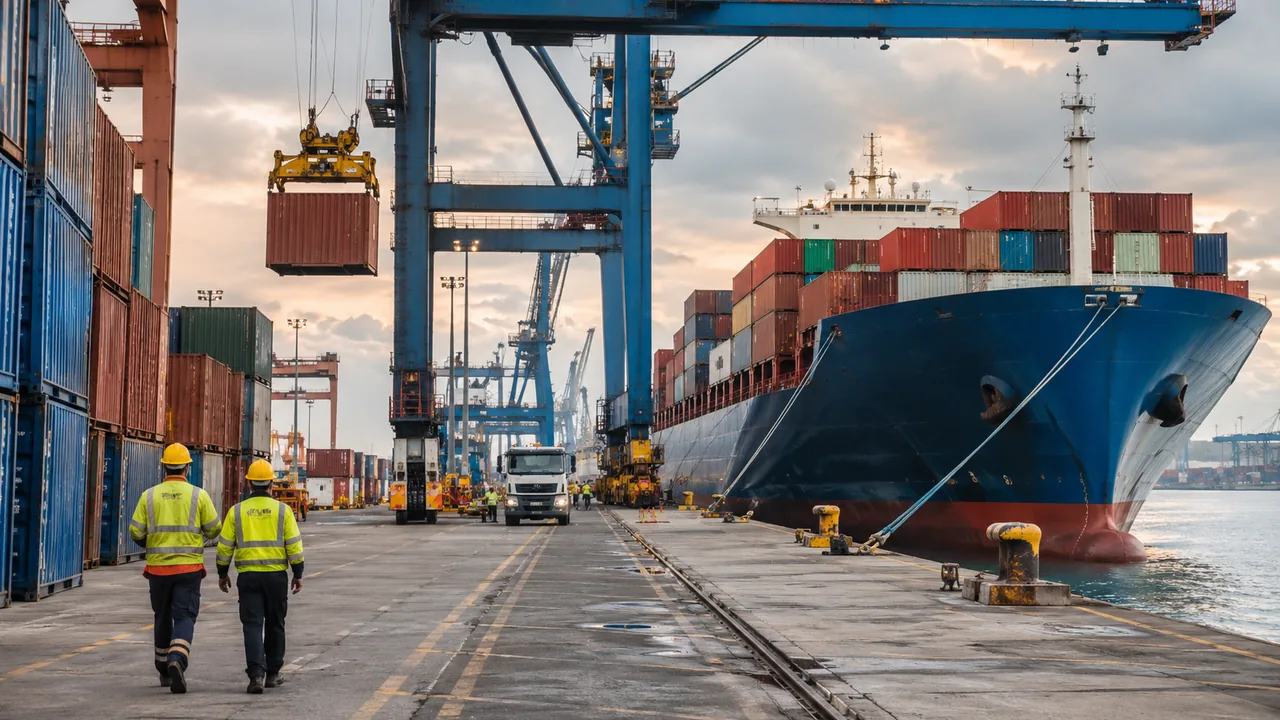
Shipping and insurance costs can spread the impact
A riskier route can change the cost and practical arrangements of transport. Operators may reassess voyages, insurance, scheduling and the safety of crews. Those decisions can affect delivery times as well as the price of the energy itself.
A longer or more complicated journey may tie up vessels and other resources for more time. The consequences depend on the trade and available alternatives. It is misleading to assume that every cargo can simply take a different route with no additional cost, just as it is misleading to assume that no adaptation is possible.
The human element should remain visible. Seafarers and port workers face risks that a fuel-price chart does not show. A discussion centred only on cheaper petrol can overlook the people whose work keeps supplies moving. Concern about household costs should include their safety and the protection of civilian trade.

Why food and everyday goods can become more expensive
Energy is used in farming, manufacturing, refrigeration and transport. A sustained increase in energy or logistics costs can therefore reach products that have no obvious connection to an oil tanker. The effect varies by product, production method and business decisions.
It also takes time. A company may absorb some costs, change a supplier, adjust a product or pass on part of an increase. Competition and demand influence those choices. There is no universal percentage that can be added to every shopping basket after a particular incident.
The article on trade disputes and household costs examines another route by which global events enter daily spending. In both cases, the useful question is which cost has changed, how it moves through the chain and whether there are realistic alternatives. A general claim of inevitable shortage is not enough.
What can reduce the effect of a disruption?
Stocks, alternative production, some bypass infrastructure, changes in demand and coordinated responses can all influence the outcome. Their usefulness depends on the size and duration of the disruption. No single measure should be assumed capable of replacing every lost flow immediately.
A reserve release, for example, addresses a particular period and scale of need. It does not create a permanent new supply route. An alternative producer may also face limits on how quickly output can change and reach the right market. Timing is part of the assessment.
Look for a clear explanation of capacity and constraints. A reassuring announcement should say what it can achieve and when. A frightening claim should explain why existing buffers would be insufficient. Both deserve the same evidential standard. The aim is to understand resilience rather than choose whichever story matches an existing political preference.
A household example without a price prediction
Imagine a household with a car needed for work and regular care visits. Fuel costs rise while the family is also worried about food and heating. The immediate task is to identify essential travel and the actual change in spending, rather than react to every new headline.
They can compare journey options, coordinate suitable trips and discuss any workplace flexibility that genuinely exists. A person with a disability or caring responsibility may have fewer alternatives, so generic advice to stop driving may be unrealistic. The plan has to reflect the household's actual obligations.
This example does not promise that a few changes offset a major price shock. It shows how to distinguish choices from constraints. If essential costs become unaffordable, seek appropriate support through legitimate local or provider channels. Do not assume that a high-risk investment, unfamiliar fuel offer or urgent payment scheme is a solution to a household budget problem.
Why panic buying can create another problem
An alarming claim can cause people to buy more than they need at once. Even where the wider system has supplies, a sudden local surge can create queues and uneven availability. The behaviour can make a feared disruption feel more real without proving the original claim was accurate.
Follow verified information and buy according to genuine needs. Do not improvise unsafe fuel storage or carry unsuitable containers. A household attempting to protect itself from a price risk should not create a fire or poisoning risk in the process.
Be cautious about messages claiming exclusive access to cheap or reserved fuel. Check the business independently and use normal payment protections. A real international event can provide a convincing story for an unrelated scam. Urgency, secrecy and a demand for unusual payment deserve scrutiny even when the background news is genuine.
Questions that make an energy headline useful
| Headline claim | Question to ask |
|---|---|
| The Strait is closed | Which traffic, area and time period are confirmed? |
| Prices will surge | Is this a forecast, a market movement or a retail observation? |
| Alternative routes solve it | What volume and timing can they actually support? |
| Supplies are running out | Which product, location and evidence are involved? |
| Your bill must change now | How does the event connect to your actual contract or purchase? |
These questions are not a reason to dismiss serious disruption. They help establish its practical meaning. A household needs to know what decision changes, while a policymaker needs to know which vulnerability requires action. Neither is helped by treating every stage of the energy chain as identical.
The wider risk is prolonged instability
A short disruption can be damaging, but a prolonged or repeated crisis creates additional uncertainty for businesses and public services. Investment, transport and supply arrangements become harder to plan. Families with little financial margin can feel the pressure earliest, even when national averages hide the effect.
This is one reason diplomatic restraint and protection of commercial infrastructure matter beyond the immediate region. The benefits reach people who may never see the shipping route but depend on the goods and energy moving through it. The article on regional conflict explains how those connections can spread the consequences of fighting.
A serious response combines current information, realistic buffers and attention to those most exposed. It should not treat every household as equally able to absorb higher costs. Nor should it portray people living near the conflict as merely a factor in someone else's fuel bill.
Price pressure and physical availability are separate questions
A product can remain available while becoming more expensive. A local supply interruption can also occur without proving that the entire international market has run out. These distinctions matter because they lead to different decisions for households, businesses and public services.
Imagine two news reports published on the same day. One describes a market price movement after a shipping threat. The other describes queues at a particular filling station. The first concerns expectations and trading conditions; the second concerns local demand and delivery. They may be connected, but neither alone establishes the full cause or scale of the other's problem.
A useful assessment asks which product is affected, where, for how long and through which route. It should also identify the evidence: an observed retail price, a supplier statement, a measured flow or a forecast. Keep that category attached to the claim when sharing it. A prediction becomes misleading when it is repeated as a current shortage.
For an essential journey, the practical question is whether fuel is reliably available along the needed route and what it will cost. For a household budget, the question may be how a sustained change would affect necessary spending. For a service provider, it may be whether deliveries can continue. One alarming headline cannot answer all three.
This is why calm, specific information is part of resilience. It helps people avoid creating another pressure through unnecessary buying while allowing those with real needs to make sensible arrangements. Serious concern about Hormuz should sharpen those distinctions, not erase them in a universal claim that every household faces the same immediate crisis.
One useful action today
Choose an essential cost affected by transport or energy and establish its current level. Identify a reliable source for updates and the options that are genuinely available to you. If you need to change an arrangement, use the provider's verified route and read the actual terms.
The Strait of Hormuz can reach your fuel bill because modern life depends on connected markets and physical routes. That is a reason to understand the link and ask for resilience, not accept an invented price forecast. The clearest protection begins with knowing which part of the chain has changed and what that means for the decisions you can actually make.
Frequently asked questions
Why can a distant shipping route affect British fuel prices?
Oil and gas are traded internationally, and disruption to an important route can affect supply, transport costs and expectations. British retail prices also reflect other factors. The connection is real, but it does not produce one automatic price change for every household.
Does a rise in crude oil mean petrol rises by the same amount?
No. Retail fuel includes refining, distribution, taxes, exchange-rate effects and retail decisions. Timing also varies. Compare actual local prices and avoid treating a movement in one international benchmark as a complete forecast of a forecourt price.
Can other routes replace all Hormuz energy flows immediately?
Not necessarily. Some alternatives exist, but their capacity, timing and suitability are limited. A useful assessment explains what they can replace and under which conditions. Neither complete helplessness nor effortless substitution should be assumed without evidence.
Should I buy extra fuel because a closure is mentioned online?
Check current verified information and buy for genuine needs. A sudden buying surge can create local pressure, and improvised storage can be dangerous. Do not act on an anonymous claim or an unfamiliar offer of reserved supplies without independent checking.
Is a quarterly data table a live report of today's shipping?
No. It describes the period and method stated in the publication. Read the release date, measured period and notes. Use current reliable reporting for a developing situation, and keep forecasts, historical estimates and confirmed present conditions distinct.