
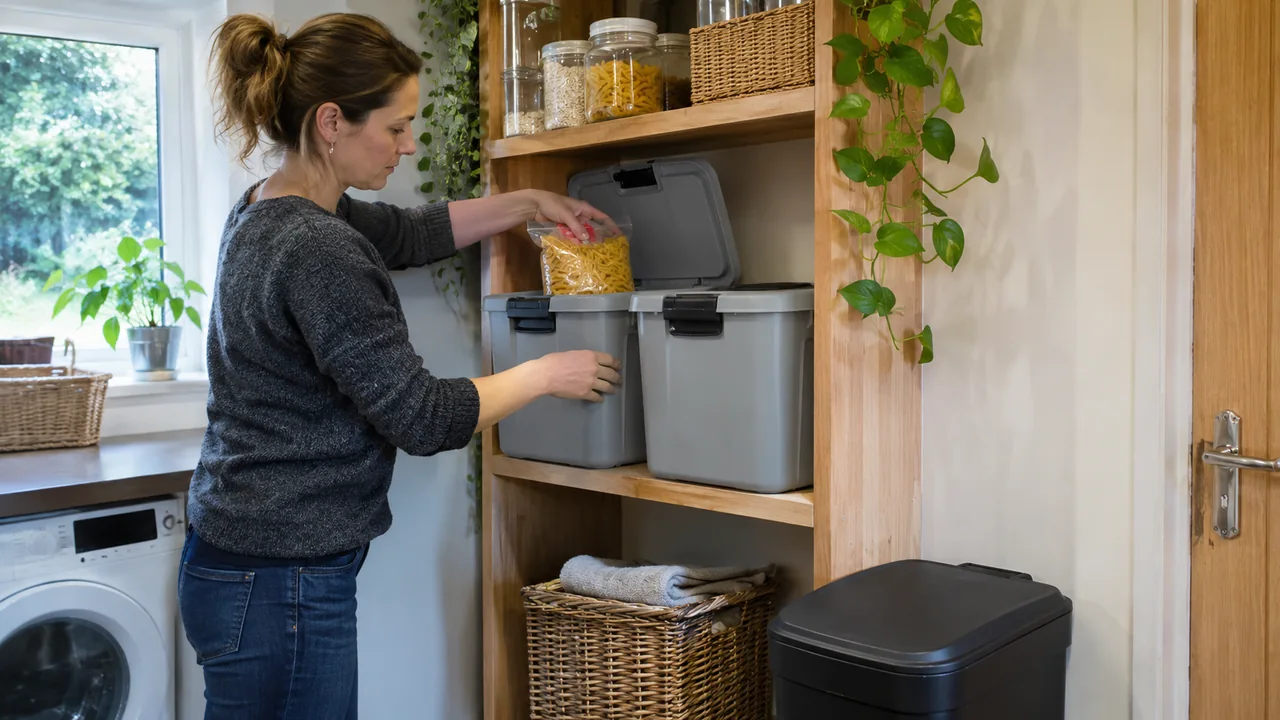
A torn food packet appears beneath the shelf, droppings are found near the bin and the pest-control service is no longer answering. Pest control during service failure starts with removing access to food, water and shelter while protecting people from contamination. Reaching for an improvised poison can create a more immediate danger to children, pets and the household's remaining supplies.
Secure suitable food containers, contain waste, check safe entry points and clean contamination through an appropriate method. Use any control product only within its authorisation and label instructions. An ongoing crisis does not make every chemical, trap or wild-animal intervention suitable for household use.
The useful objective is fewer opportunities for pests and a clear record of whether the problem is changing. One trapped animal or a cleaner-looking floor does not establish that the cause has been removed. The household needs a routine that can continue while waste collection, building repairs and professional help remain limited.
Identify the signs without handling them
Look for damaged packaging, gnawing, droppings, nesting material and repeated activity from a safe position. Do not touch unfamiliar waste or reach into hidden spaces to discover what is inside. Keep children and pets away while the area is assessed.
Avoid declaring the species or extent of infestation from one uncertain sign. Different animals need different responses, and some wildlife has legal protection. A noise in a roof does not automatically mean rats or justify blocking every opening immediately.
The government's pest-control guidance explains that appropriate methods and responsibilities matter. Use competent advice where any remains available, especially for unfamiliar animals, heavy infestation or a problem in a shared building. When help is delayed, practical prevention and separation can begin without an unsafe attempt to identify everything by hand.
Protect the food that remains
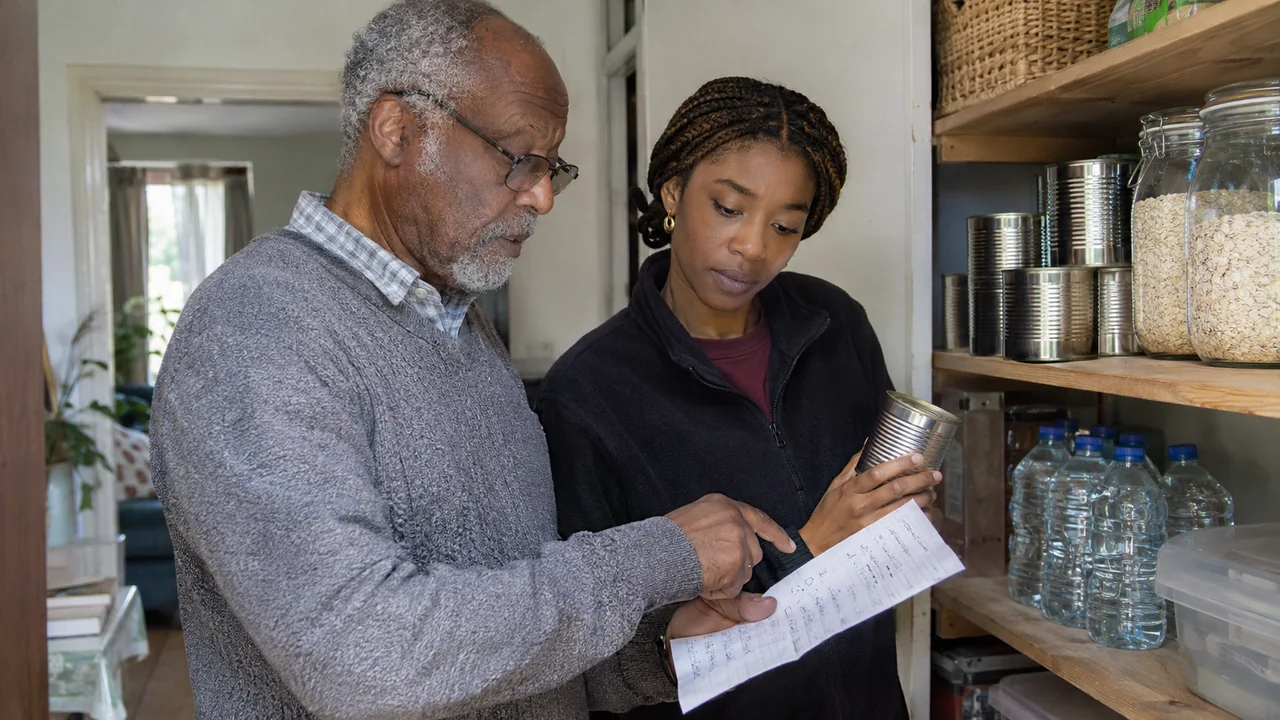
Move suitable dry food into clean secure containers that resist the likely pest and can still be opened by the intended users. Check lids, bases and the shelf around them. Keep food away from waste, damp areas and a wall or floor where damage may go unnoticed.
Inspect packaging before use. Do not simply brush droppings off an opened bag or serve food that has been gnawed or contaminated. Follow food-safety guidance and discard items that cannot be made safe. Passing uncertain food to another household is not an acceptable way to avoid waste.
Keep the store organised so new damage is visible. An overcrowded stack can hide activity and make cleaning difficult. Record opened products and manageable portions, especially without refrigeration. The guide to food and water shortages explains why protecting a modest usable supply matters more than accumulating quantities the household cannot store safely.
Make waste containment a daily task
Use suitable lidded bins and secure bags or containers, following local arrangements where services still operate. Keep waste away from food stores, drinking water and the main occupied space. Do not allow scraps to accumulate around an outdoor cooking point or animal-feed area.
If collection stops, identify a safe temporary storage arrangement and seek current local instructions. Do not dump waste into drains, watercourses, vacant buildings or a neighbour's land to move the problem out of sight. That can spread contamination and create a larger community issue.
Assign responsibility for checking lids, leaks and accumulated food waste. One person should not have to discover every overflowing container after finishing all the household's care work. A small shared routine can remove the food source that allows a pest problem to keep returning after each cleanup or control attempt.
Reduce easy access to water
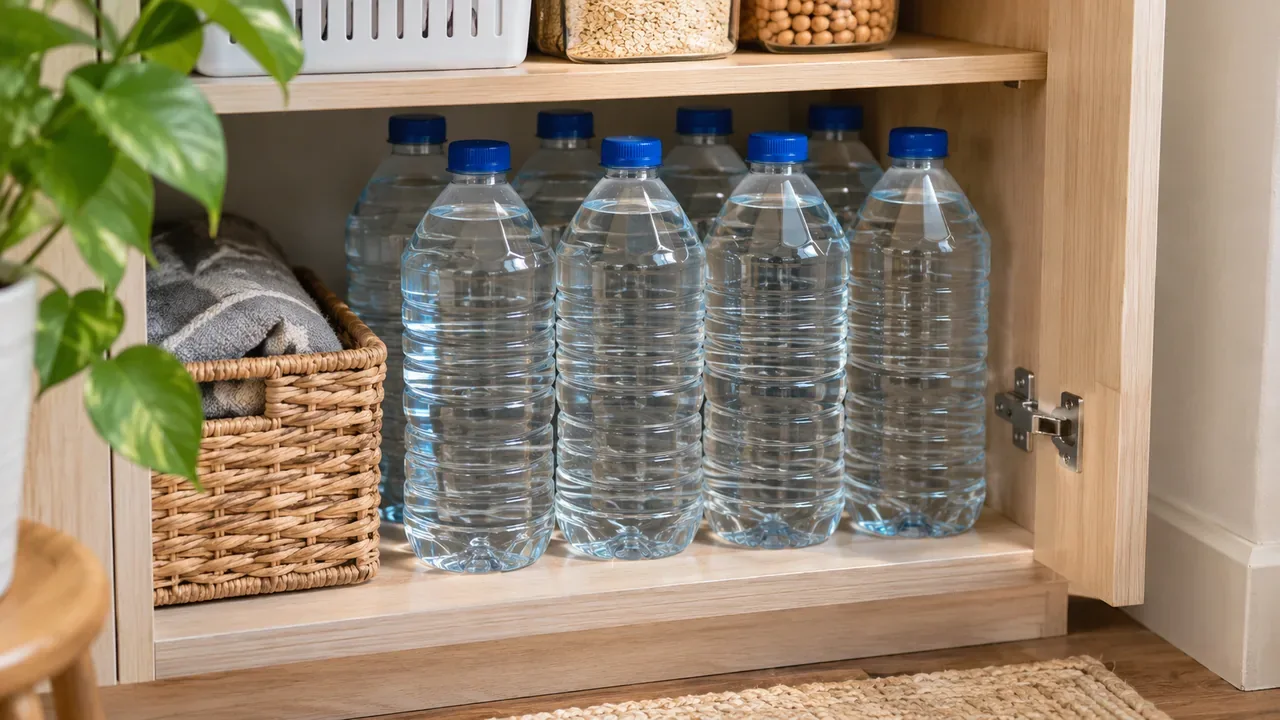
Repair ordinary minor leaks only where safe and within your competence, and contain spills promptly. Keep drinking-water vessels closed and avoid leaving dirty washing water or uncovered containers beside food. A service failure can create many new water points inside a house that usually has none.
Do not compromise necessary hygiene or animal welfare to remove every visible bowl. Provide required water through a managed clean arrangement and avoid leaving unnecessary residues overnight. Pets and livestock still need suitable drinking water, especially in hot weather.
Check the surroundings from safe ground. Floodwater, damaged drainage or sewage may require a separate response and may be beyond a household's control. The guide to protecting a home from floodwater explains why opening drains or entering contaminated water can create a much more serious hazard than the pest activity you were trying to reduce.
Remove shelter without disturbing unknown hazards
Keep storage tidy enough to inspect, and avoid piles of fabric, cardboard and rubbish beside food. Maintain access to essential equipment and exits. Do not move heavy unstable stacks or enter a damaged outbuilding merely to make the area look orderly.
Check ordinary gaps around doors or damaged accessible fittings from a safe position. Appropriate proofing may help, but do not block safety-critical ventilation, flues or services. A pest barrier must not interfere with the air supply of an operating fuel-burning appliance.
Do not seal an occupied cavity or disturb protected wildlife without suitable advice. A household can make the situation worse by trapping animals inside walls or introducing a ventilation problem. Keep the distinction between a simple safe maintenance task and work needing a competent person, especially when repairs and rescue are difficult to obtain.
Use prevention and monitoring together
The HSE's rodent-control guidance recommends an integrated approach, including non-chemical methods before chemical use. In ordinary language, that means addressing the reasons pests can live there while checking whether the actions are working.
Record the location and time of new signs, food damage and the changes made. Use safe observation rather than searching hidden spaces at close range. A simple map of repeated activity can help a competent person later and prevent several helpers duplicating the same task.
Do not assume a scent, sound device or newly purchased product removes the need for secure food and waste control. Judge progress by current evidence and the condition of the environment. A problem that continues despite basic measures may need another accommodation arrangement or specialist support, particularly where vulnerable people cannot be kept away from contamination.
Choose traps only when they can be used safely and lawfully
Purpose-made control equipment has instructions and limits. If using an authorised suitable trap, protect children, pets and other non-target animals, place and check it as directed, and ensure someone can manage the result safely. An unattended trap is not a completed control system.
Do not improvise traps, use weapons or create devices that can injure a person. Avoid live capture if you cannot handle the animal and complete the required lawful outcome humanely. Catching an animal creates responsibilities rather than ending them.
Rules differ across the UK. In England, the glue-trap licensing guidance restricts licences to professional pest controllers under specified conditions. Do not treat glue traps as an ordinary household shortcut. Check the applicable rules and avoid methods whose safety, legality and animal-welfare requirements you cannot meet.
Keep rodenticides out of improvisation
Use only authorised products suitable for the intended user and setting, and read the entire label. Some products or uses require professional competence or specific arrangements. Follow instructions for placement, protection of non-target animals, checking and disposal.
Never mix household chemicals, add an unidentified powder to food or increase a dose because supplies are scarce. Keep products in their original labelled packaging and away from food, medicines and drinking water. A container hidden for safety can become more dangerous if another resident mistakes its contents for something edible.
Poison exposure can affect children, pets, wildlife and people handling contaminated material. If exposure is suspected, seek appropriate medical or veterinary help and retain the product information safely. A crisis is not a reason to experiment with a substance that the household cannot identify, use correctly or explain to someone trying to help.
Clean small contamination through an appropriate wet method
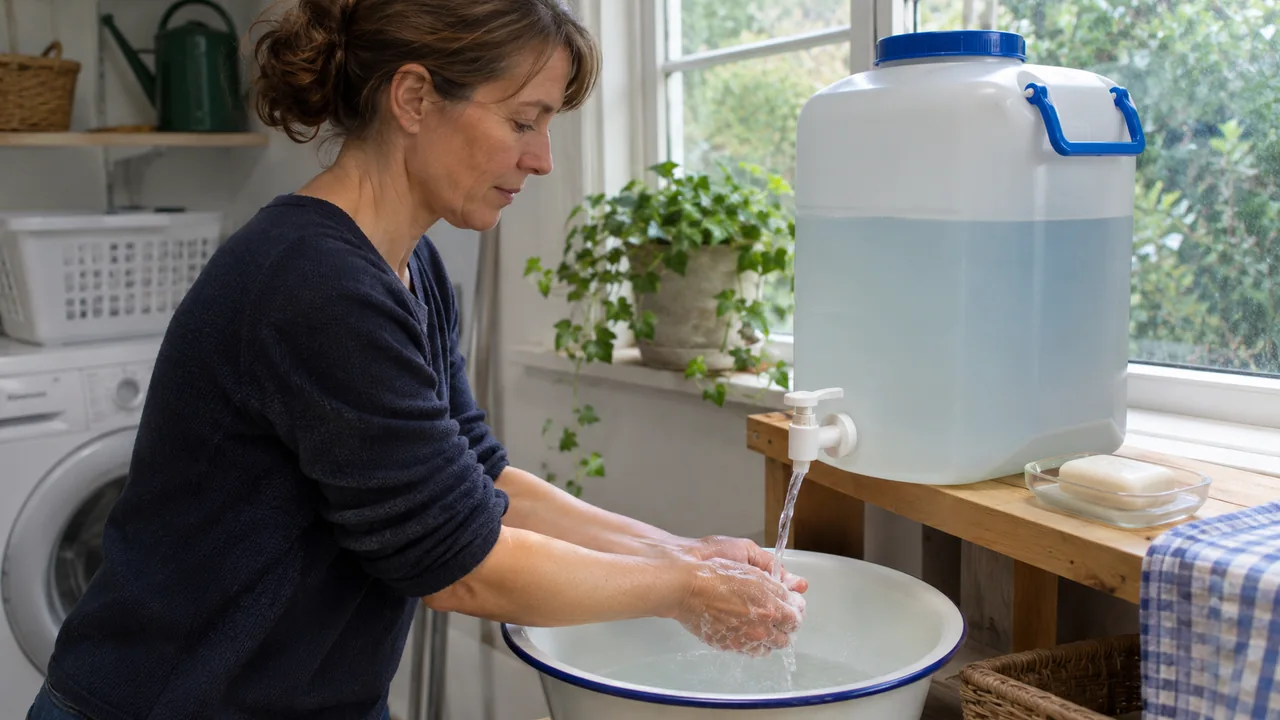
The CDC's rodent-cleanup guidance warns against dry sweeping or vacuuming droppings, which can disturb contaminated material. Follow appropriate guidance, use suitable protective measures and a cleaning product according to its instructions, including any required contact time.
Keep people not involved in the task away, separate cleaning materials from food equipment and avoid splashes or dust. Do not mix disinfectants or make an unlabelled stronger solution. Clean hands after the task and manage used materials through a safe disposal arrangement.
Heavy infestation, an enclosed long-unused space, contamination of ventilation or an unsafe building may require specialist help. Do not enter to perform an ambitious cleanup simply because the usual contractor is unavailable. Protect residents from the area and seek an alternative safe arrangement where the contamination cannot be managed within the household's abilities.
Protect children and dependent adults during control work
Keep traps, chemicals, contaminated materials and cleaning equipment inaccessible to people who may not understand the hazard. Explain temporary boundaries calmly. A child should not be asked to check a trap or clear droppings as an ordinary household chore.
For a person receiving care, protect bedding, feeding items and necessary equipment from contamination. Do not move them through an unsafe transfer simply to clear a room for treatment. Use their established care plan and seek help if a safe occupied area cannot be maintained.
A person who becomes unwell after possible rodent exposure, or who is bitten, needs appropriate medical advice. Do not assume every symptom is caused by the infestation or attempt an improvised treatment. Keep a factual record of exposure and any product used so a clinician has useful information if contact becomes available.
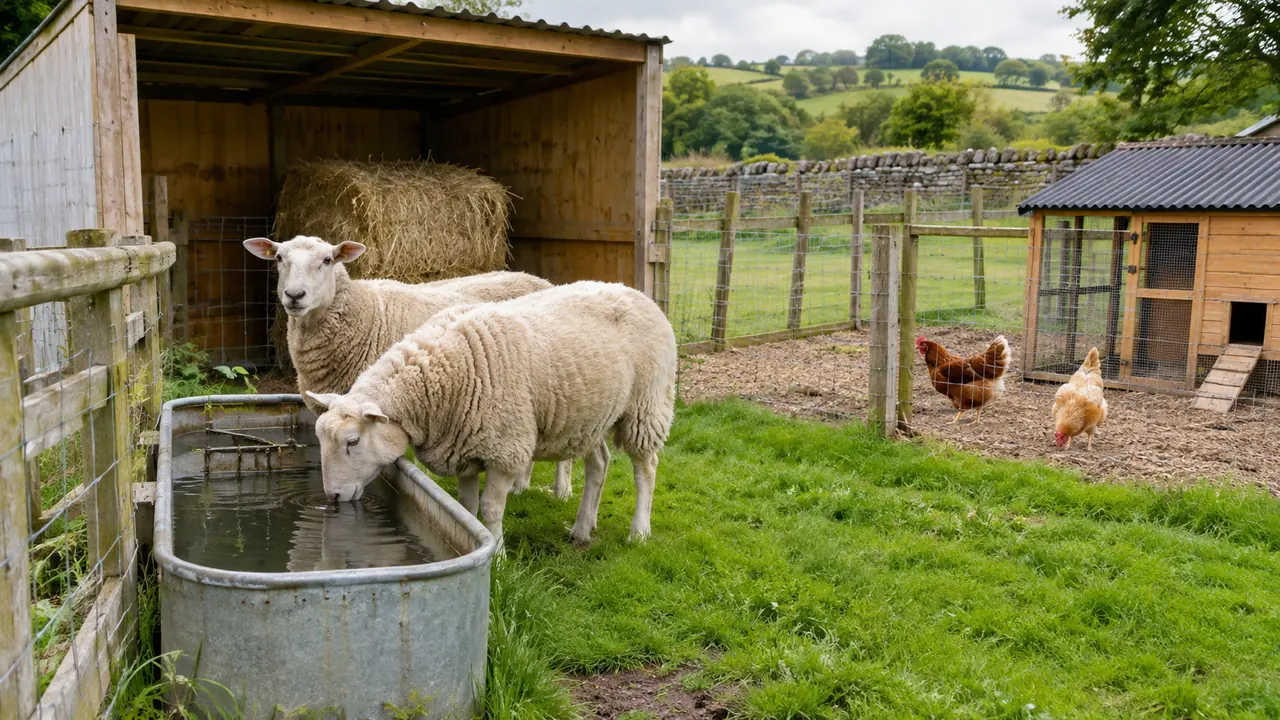
Include pets, livestock and stored feed
Keep animal feed in suitable secure containers and clean up unnecessary spilled feed. Provide water and necessary nutrition through a managed arrangement. Do not starve animals or remove essential water in an attempt to make the environment less attractive to pests.
Keep rodent-control products and traps away from animals according to their instructions. A dead or poisoned rodent can also create a risk to pets or wildlife, so manage checks and disposal appropriately. Do not assume a product is harmless because the animal has never shown interest in it before.
The article on livestock feed shortages explains the wider welfare problem when supplies fail. Securing feed can protect both the animals and the household's food system, but it must be paired with sensible waste handling and a realistic maintenance routine that does not depend on one exhausted person.
Coordinate in shared buildings and nearby homes
A household may improve its own storage while pests continue moving through shared spaces. Communicate with the landlord, building manager, neighbours or local service where available. Share factual observations and safe agreed tasks rather than accusations about which resident caused the problem.
Do not place chemicals or traps in communal areas without the appropriate authority and safety arrangements. Children, visitors and animals may use those spaces without knowing what has been placed there. Keep entrances, fire exits and required ventilation clear.
The government's community-support guidance supports practical cooperation. A shared waste-storage improvement or a confirmed request for competent help can reduce repeated effort. Informal teamwork should not become untrained treatment of a whole building with products no participant can safely supervise.
Check whether the environment is improving
Review new signs, food damage, waste condition and whether clean areas remain protected. Do not declare success solely because one animal was caught or activity was absent for a short period. Continue prevention and use the monitoring record to decide what needs attention next.
For example, a family may secure dry food, stop scraps accumulating beside the back door and clean a manageable contaminated area appropriately. They record continuing signs in a shared cupboard and ask the responsible building contact for suitable assistance instead of scattering poison around the kitchen.
If the home cannot provide a clean safe area for vulnerable residents, reassess accommodation and support early. Pest control is part of preserving a usable shelter. A sequence of risky treatments that contaminates the remaining food or injures a child has defeated that purpose, even if it appears to have reduced the number of animals seen.
Frequently asked questions
Should I sweep or vacuum droppings before disinfecting?
Do not dry sweep or vacuum rodent droppings. Follow appropriate cleanup guidance using a suitable wet method, protective measures and a labelled product as instructed. Keep food equipment separate and wash hands afterwards. Heavy infestation or unsafe enclosed spaces may require specialist help rather than an ambitious household cleanup.
Can homemade poison solve the problem if shops are closed?
Do not improvise poison or mix household chemicals into food. You may expose people, pets and wildlife without controlling the infestation safely. Prioritise secure food, waste management, appropriate proofing and suitable authorised methods within their instructions. A shortage does not make an unidentified substance a safe household product.
Are glue traps an ordinary option for household use?
Do not assume so. Rules vary by UK nation, and England's licensing system restricts licences to professional pest controllers under specified conditions. Check the applicable rules and avoid methods whose legal, safety and welfare requirements cannot be met. Use prevention and suitable permitted control arrangements instead of treating an emergency as a blanket exemption.
Should I stop putting out water for pets?
Pets and livestock still need appropriate drinking water and welfare care. Use a managed clean arrangement and remove unnecessary spills or stale residues rather than withholding essential water. Secure feed and waste, and keep any control products away from animals according to their instructions.
What if the problem continues after we clean and secure food?
Keep a factual monitoring record and seek competent help through the responsible service, landlord or other appropriate route where possible. Shared spaces or hidden damage may sustain the problem. Protect vulnerable residents and reassess accommodation if clean safe areas cannot be maintained. Do not escalate to uncontrolled chemicals or unsafe building work.