
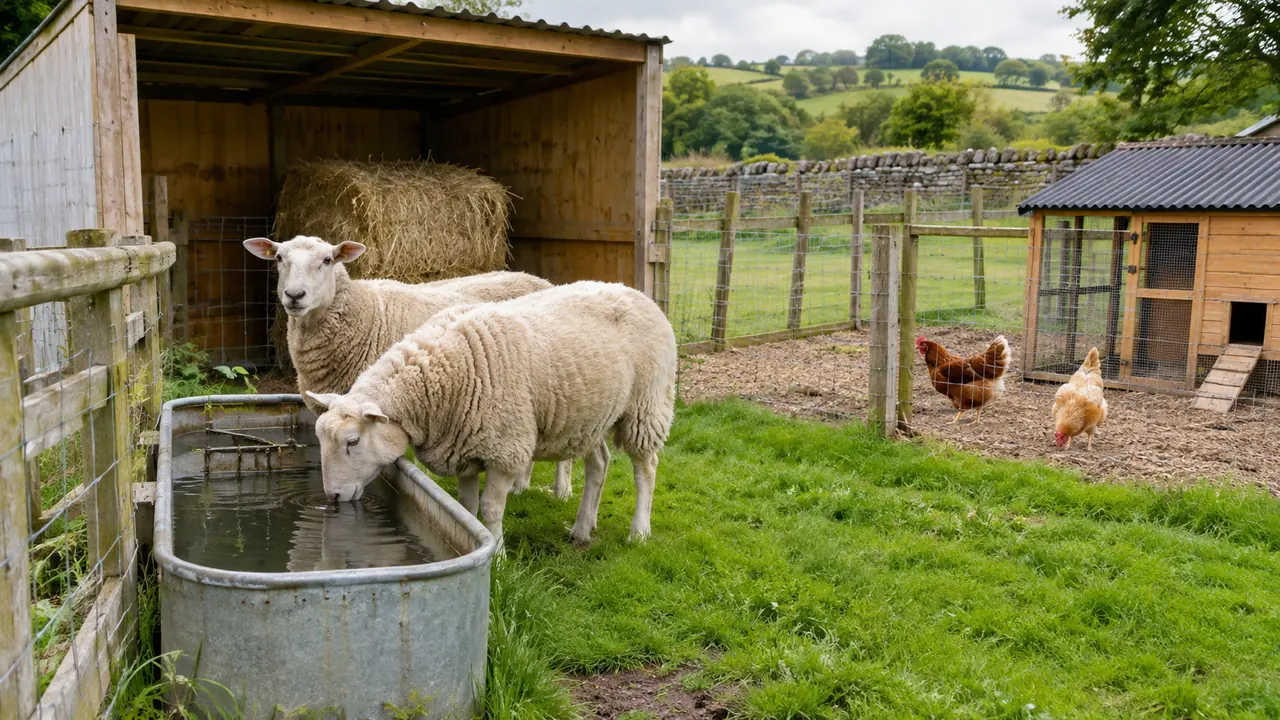
The feed merchant has no delivery date, the bags in the store are nearly empty and the animals still need care every day. A livestock feed shortage is an animal-welfare emergency, not simply a household budgeting problem. Begin by counting suitable feed, checking water and assessing each species with competent veterinary or nutritional support wherever it remains available.
Do not replace a balanced ration with whatever scraps, plants or grain happen to be nearby. Sudden changes, unsuitable feed, mould and contaminated water can make animals seriously ill. Some substitutions are also prohibited, including feeding catering waste to farm animals in the UK.
The aim is to maintain health and prevent avoidable suffering while establishing a realistic continuing arrangement. Keeping more animals than the household can support is not self-sufficiency. Act while safe options remain, rather than waiting for the last usable feed to disappear.
Count animals by species and actual needs
List species, numbers, ages and any pregnancy, lactation, illness or other special requirements. A flock of laying hens, growing young stock and adult sheep do not share one interchangeable diet. Record existing veterinary plans and any individual concerns.
Identify who normally provides care and who can take over. The animal system must remain workable if that person becomes ill or has to collect household water. Keep instructions clear enough for a competent helper, including feed identity and known restrictions.
Do not add animals during a crisis on the assumption that they automatically create more food. Every animal adds water, feed, shelter, hygiene and welfare responsibilities. Review the household's capacity before accepting a transfer, particularly when the new animals' health and feeding history are uncertain.
Inventory usable feed rather than bags alone
Record the feed type, quantity, condition and intended species. Check labels and storage history. Separate damaged, mouldy, wet, pest-contaminated or otherwise suspect material so it cannot be used accidentally by another carer.
Estimate how long safe stock lasts against the animals' established appropriate needs. Use actual measured use and professional advice rather than inventing a universal emergency ration. Cutting feed arbitrarily may harm welfare and does not establish a sustainable solution.
Write down the next action before stock becomes critical. Contact credible suppliers, local farmers, vets and appropriate support through functioning routes. A promised delivery remains uncertain until it arrives; do not enter it as usable stock already in the shed.

Protect water as the first continuing requirement
Check the source, access, trough condition and the animals' ability to drink. A full trough is not useful if it is contaminated, frozen, blocked or inaccessible to a weak animal. Inspect more often when weather or illness changes demand.
The government's guidance on farm animals in extreme weather emphasises food, water and welfare responsibilities. It also identifies appropriate support routes where supplies are threatened. Use any functioning local arrangements rather than assuming every service has disappeared.
Do not rely on floodwater or an unassessed source because animals drink from outdoor troughs. Chemical, sewage and other contamination can harm them. Plan collection, safe carrying and storage alongside human drinking needs, without quietly diverting the household's protected reserve into an uncalculated animal requirement.
Keep feeding changes species-specific and controlled
Seek advice from a vet, qualified nutritionist or other appropriate competent professional about available alternatives. Give them the species, age, condition, present feed and proposed substitute. The word livestock is too broad to support one feeding instruction.
Do not make abrupt changes or increase unfamiliar concentrates without suitable guidance. Different animals digest foods differently, and a material suitable for one species may be inappropriate or harmful to another. Familiar appearance, a pleasant smell or another owner's experience does not establish suitability.
Where a professionally supported change is feasible, record the plan and monitor the animals. Do not create a schedule from this article or improvise a dose of supplements to compensate for an uncertain diet. Correcting a shortage requires an appropriate ration, not simply adding a product described as nutritional.
Understand the ban on catering waste
The UK guidance on supplying and using animal by-products as feed explains important restrictions. Catering waste must not be fed to farm animals, including waste from kitchens that handle only vegetarian food.
Do not assume backyard hens, pet pigs or a small emergency holding are exempt simply because the scale is modest. Household kitchen scraps are not a safe default substitute when commercial feed stops. Relevant feed and animal-health rules continue to matter during disruption.
Ask competent advice about any lawful alternative and its nutritional suitability before using it. Something being permitted in one defined situation does not mean every surplus food or by-product is suitable for every animal. Keep the source, identity and handling history clear.
Assess grazing and forage realistically
Available grass or stored forage can contribute to some animals' needs, but quantity and appearance are not a complete nutritional assessment. Season, land condition, species and individual requirements matter. A small paddock may not support the number of animals currently on it.
Check fencing, access, hazards and potentially harmful plants with competent local knowledge. Do not turn animals onto unfamiliar land simply because it looks green. Avoid areas affected by chemicals, contaminated floodwater, dumped materials or other uncontrolled hazards.
Store forage appropriately and inspect it for deterioration. Wet or mouldy material is not made acceptable by removing the most visibly damaged part and hoping the rest is sound. Seek suitable advice about feed safety and disposal rather than using scarce animals as the test of whether a questionable batch is edible.
Give poultry a complete welfare arrangement
Hens still need suitable feed, clean water, secure housing and appropriate care when shops are empty. Do not assume that free-ranging alone supplies a complete diet or protects them from predators, disease and contaminated material.
The government's poultry welfare recommendations provide a species-specific reference. Current animal-health restrictions may also affect movement, housing and contact with wild birds; check credible current instructions through any available route rather than relying on an old routine.
Keep feed protected from pests and wild animals, and maintain cleaning and observation. Changes in appetite, activity, droppings or condition need attention. Egg production is not the only measure of welfare, and a reduction is not a reason to force-feed unsuitable ingredients or improvise medication.
Reduce avoidable feed losses
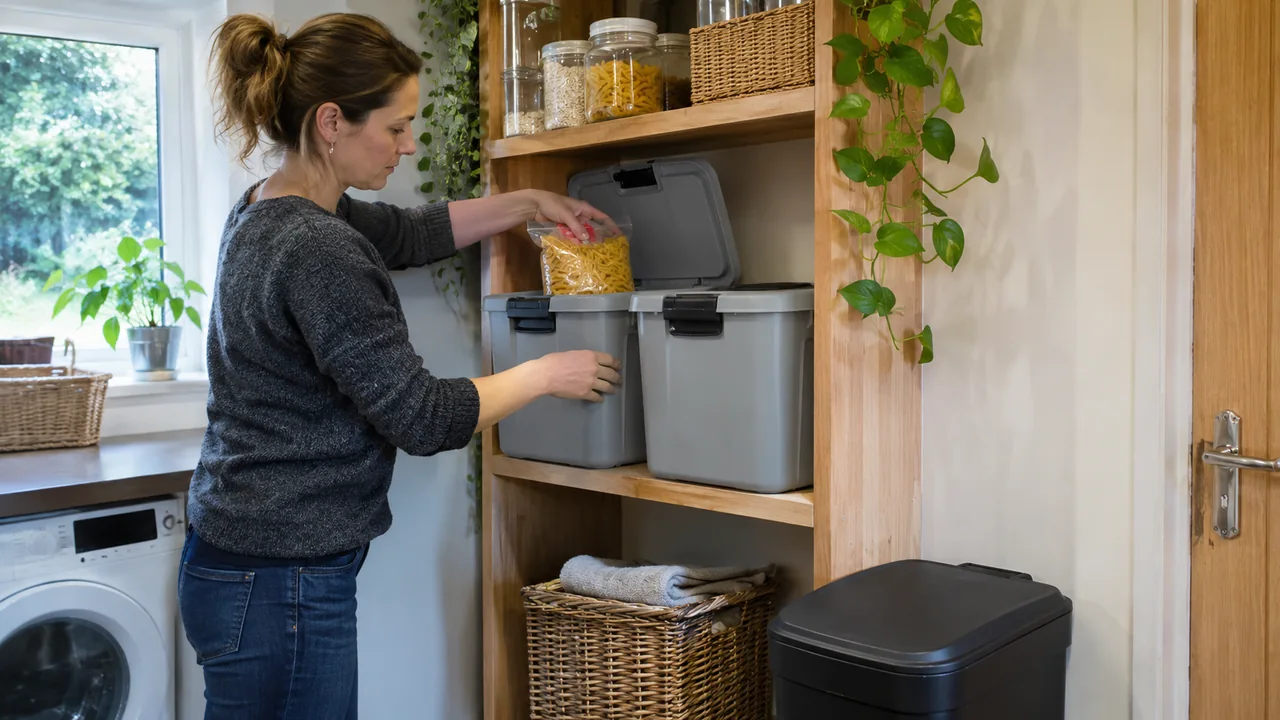
Use suitable secure containers and keep the store dry, organised and inspectable. Protect it from rodents, birds and other pests without placing poisons or traps where livestock, children or pets may be harmed. Follow authorised product instructions where pest controls are used.
Check feeders and dispensing methods for spillage, contamination and access. Make sure weaker animals are not being excluded by stronger ones. A measured amount placed in a feeder does not prove that each animal receives an appropriate share.
The guide to pest control during service failure explains why storage and waste management are central. Preventing a bag of feed from becoming wet or contaminated may contribute more than searching for a questionable substitute after the safe stock has been lost.
Monitor condition and recognise a worsening situation
Observe drinking, feeding, movement, behaviour and visible condition as part of routine care. Record important changes so that another carer or vet can understand what happened. Do not rely on memory when several people are feeding the same animals.
Seek veterinary help promptly for illness, injury, inability to eat or drink, or another serious welfare concern. Follow existing veterinary plans. Do not use human medication, leftover prescriptions or improvised treatments because normal access is difficult.
A general article cannot diagnose a condition or provide a ration for an ill animal. The appropriate response may involve a different feeding arrangement, treatment or a welfare decision that needs competent professional involvement. Recognising the limit early gives the animals more options than waiting until they are severely weakened.

Keep animal care separate from household hygiene
Create a practical cleaning routine for boots, hands, tools and clothing used around animals. Keep animal feed, waste and equipment away from household food preparation and protected drinking-water storage. A small holding still needs clear clean and dirty routes.
Use safe water and appropriate cleaning products according to instructions. Do not mix chemicals or leave cleaning substances where animals can access them. Arrange waste management so that manure and contaminated runoff do not create another hazard around living spaces or water sources.
The guide to hygiene without running water can help the household maintain controlled handwashing. People providing animal care may also be caring for children or vulnerable adults, making separation and hand hygiene important to the whole family's continuity.

Share resources through clear suitable agreements
Nearby experienced keepers may have relevant knowledge, suitable equipment or access to a lawful feed source. Agree exactly what is being shared and its intended species and use. Verify quality rather than accepting an unidentified sack because it came from a familiar person.
Borrowing a trailer, moving animals or sharing land introduces further welfare, competence and legal questions. Use appropriate transport and current movement requirements. Do not begin a difficult transfer on a rumour that another holding has unlimited feed or space.
The guide to a self-sufficient survival community explains shared roles and records. Cooperation should make care more dependable, not spread disease, overload another keeper or conceal the fact that the combined group still lacks enough suitable feed.
Make a welfare decision before options disappear
If the household cannot maintain feed, water, shelter or necessary care, seek competent veterinary and animal-welfare support urgently through functioning routes. Discuss realistic lawful options, including suitable assistance or responsible transfer where feasible. Do not abandon animals or release them to fend for themselves.
Do not delay because acknowledging the problem feels like failure. Animals can deteriorate while a keeper waits for a delivery that may never come. Earlier action allows more humane and practical choices than a decision made after severe weakness or illness.
This guide does not provide instructions for home slaughter, euthanasia or unsafe transport. Such decisions require appropriate competence, welfare safeguards and legal compliance. The keeper's responsibility is to prevent avoidable suffering and obtain the right help, rather than attempt an unfamiliar procedure because the situation is desperate.
Use a daily care board that survives a change of keeper
| Record | Include |
|---|---|
| Animals | Species, number and individual special needs |
| Feed | Suitable type, usable quantity and next source |
| Water | Source, access, trough checks and collection responsibility |
| Health and welfare | Changes, advice received and urgent actions |
Keep the board clear and update it after important changes. Name the next check and the person responsible, allowing rest and a substitute. Avoid a system in which several helpers all assume that somebody else has already supplied water.
Today's useful action is to inspect water, count sound appropriate feed and contact competent help before the shortage becomes critical. Keep animal welfare at the centre of the decision. Livestock can contribute to a household's resilience only when the household can continue meeting the animals' needs safely and responsibly.
Compare the plan with actual daily use
Measure feed use in a consistent way and check the remaining sound stock regularly. If it is disappearing faster than expected, investigate spillage, an inaccurate count, pest access or a change in the animals' needs. Do not solve a recording problem by withholding necessary feed.
Review water collection and care time as well. An arrangement that requires more carrying than the available people can sustain will fail even when a source exists. Make the weakness visible early and seek a suitable alternative, rather than allowing exhaustion to become a welfare emergency for both animals and their keepers.
Frequently asked questions
Can I replace commercial livestock feed with kitchen scraps?
No. UK rules prohibit feeding catering waste to farm animals, including waste from vegetarian-only kitchens. Other alternatives still need legal and nutritional assessment for the particular species. Do not use household scraps as the default emergency ration.
Is grass enough for every animal when feed deliveries stop?
No. Species, age, condition, season and available forage all matter. Poultry, pigs and grazing animals do not have interchangeable diets. Seek competent advice rather than assuming a green paddock meets every animal's nutritional needs.
Should I cut every animal's ration in half to make feed last longer?
Do not impose an arbitrary reduction. Assess actual appropriate needs with competent advice and act early on the shortage. A calculation that extends the bags while harming welfare does not establish a sustainable feeding plan.
Can mouldy feed be used after removing the visibly spoiled part?
Do not assume the remaining material is safe. Keep suspect feed separate and seek appropriate advice about suitability and disposal. Scarcity does not remove the health risks of contaminated or deteriorated feed.
What if I cannot continue providing suitable feed and water?
Seek competent veterinary and animal-welfare help urgently through functioning routes and discuss realistic lawful options. Act before animals become severely weakened. Do not abandon them, release them or attempt unfamiliar procedures because supplies have failed.