

The household next door can repair a hand tool, another has a usable garden and your family knows where a credible water collection point operates. A self-sufficient survival community begins by connecting real needs and capabilities, not by declaring that one person is in charge. Cooperation can preserve lives, but unclear authority and unequal workloads can make a difficult situation worse.
Start with a small group of trusted people and a few essential tasks. Agree how decisions are made, how vulnerable members are protected and what each arrangement actually promises. Keep participation voluntary and communicate in ways people can understand.
Self-sufficiency is a direction rather than complete independence from every outside system. Continue using credible functioning services, skilled support and lawful supply routes wherever they exist. A community becomes more resilient when it recognises its limits and develops workable alternatives together.
Identify needs before listing assets
Ask what people currently lack: safe water, suitable food, usable shelter, necessary care, sanitation or reliable information. Include people who cannot attend a meeting or carry supplies. Their needs do not become less important because they are less visible.
Record only information necessary to organise help, with appropriate consent. A public list of medical conditions, household stock and private addresses can expose people. Use a simple shared needs summary and keep sensitive details with the people responsible for the particular task.
The government's community resilience resources provide a useful framework for local coordination. In a collapse scenario, the immediate aim is still practical: identify the most dangerous unmet need and establish who can help safely today.
Map capabilities honestly
List available skills, equipment, spaces and credible supply routes. Distinguish a trained qualification from general enthusiasm, and a working tool from something that might be repairable. Do not count the same limited resource as available to several teams at once.
Ask what conditions a capability requires. A pump needs suitable power and maintenance; a growing space needs water and care; a person with clinical training may lack essential equipment or authority to provide a particular treatment. Honest limits prevent unrealistic promises.
Include less physical contributions such as record keeping, communication, translation, teaching and organising accessible information. People who cannot dig or carry water may still provide valuable support. Avoid measuring belonging solely by physical output or the amount of goods a person owns.
Agree a small set of priorities
Put drinking water, safe food, shelter, sanitation and essential care ahead of ambitious projects. A community workshop or large garden may be useful later, but it cannot compensate for contaminated water being used today.
Choose a few tasks with a named lead, helpers and a clear outcome. For example, establish a safe collection and dispensing arrangement for one group of households before announcing that the whole neighbourhood's water problem is solved. Define the area and people actually covered.
Review the priorities when circumstances change. The 30-day survival plan can help households connect their own routines to shared work. Community goals should reduce essential gaps rather than create extra meetings and labour that leave families less able to cope.
Make decisions transparent and reviewable
Agree how the group chooses priorities, who can make an urgent decision and how that decision is explained afterwards. Keep the process simple enough to use under pressure. A small written note of the decision and reason can prevent later disputes.
Do not give one person unchecked control over food, shelter or access to care. Separate responsibilities where possible and allow another trusted person to review records. Clear accountability protects the volunteer as well as the people depending on the arrangement.
Provide a safe way to raise concerns or leave an arrangement. Participation should not require surrendering private property, personal freedom or unrelated rights. A community built through threats or compulsory loyalty is introducing another danger into people's lives rather than providing dependable support.
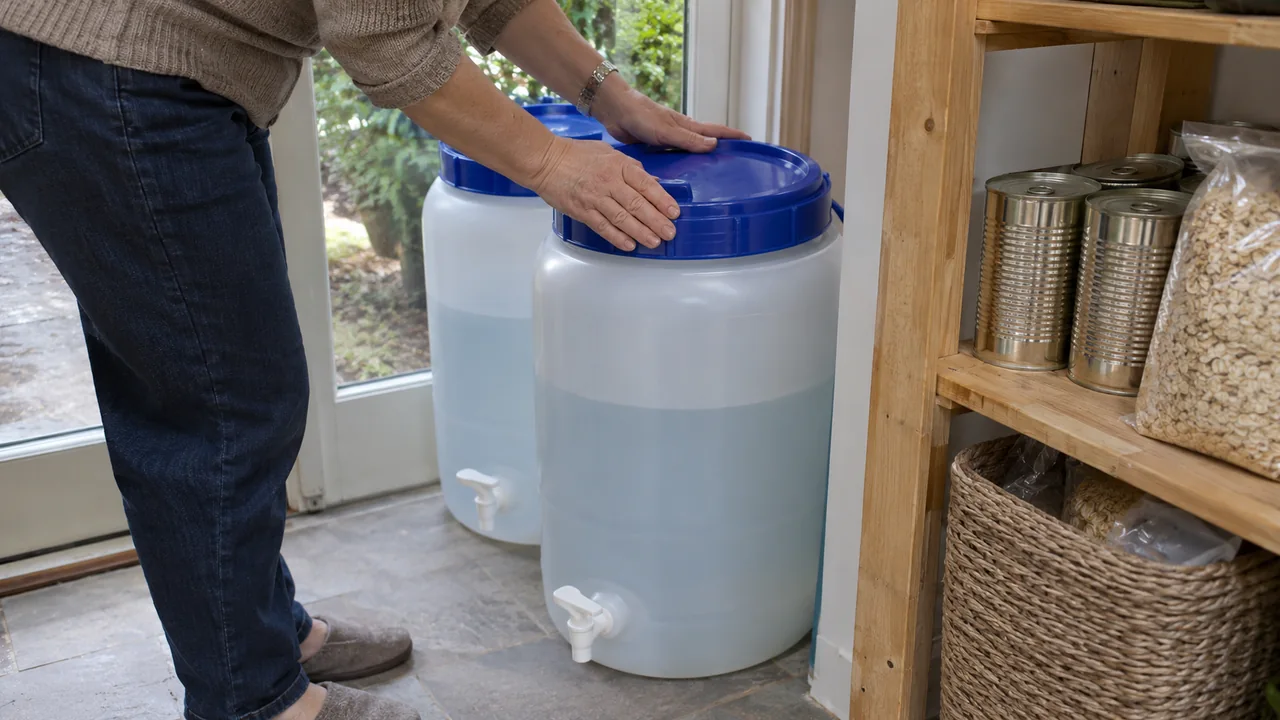
Establish water as a complete shared system
Identify the source, its known safety, collection method, storage, dispensing and cleaning responsibilities. Keep untreated water separate from drinking water and record any official directions. A large shared tank magnifies the consequences of contamination if handling is poor.
Use food-grade containers and practical loads. Share collection according to ability, avoiding a rota that sends the same exhausted people on every trip. Make sure households with mobility limitations can obtain water without an unsafe journey or humiliating negotiation.
The guide to safe water and food after collapse explains treatment limits. Boiling cannot remove fuel, toxic chemicals or radioactive contamination. Shared confidence is not a water-quality test, and a popular source needs the same careful assessment as a source used by one household.
Organise food without losing safety or fairness
Count usable food and preparation capacity, including water, fuel, equipment and dietary needs. A shared meal can reduce duplicated effort, but only if food handling and portion planning are practical. Keep allergen information and appropriate foods clear.
Do not distribute food with an uncertain storage or processing history as though need makes it safe. Protect clean preparation space and use safe water. The Food Standards Agency's emergency guidance remains relevant when a meal is cooked cooperatively rather than in one kitchen.
Agree distribution principles openly. Include children, disability, illness and other genuine needs without forcing people to disclose details publicly. Keep a basic record of stock and distribution so that mistakes or shortages can be identified before suspicion damages the group.
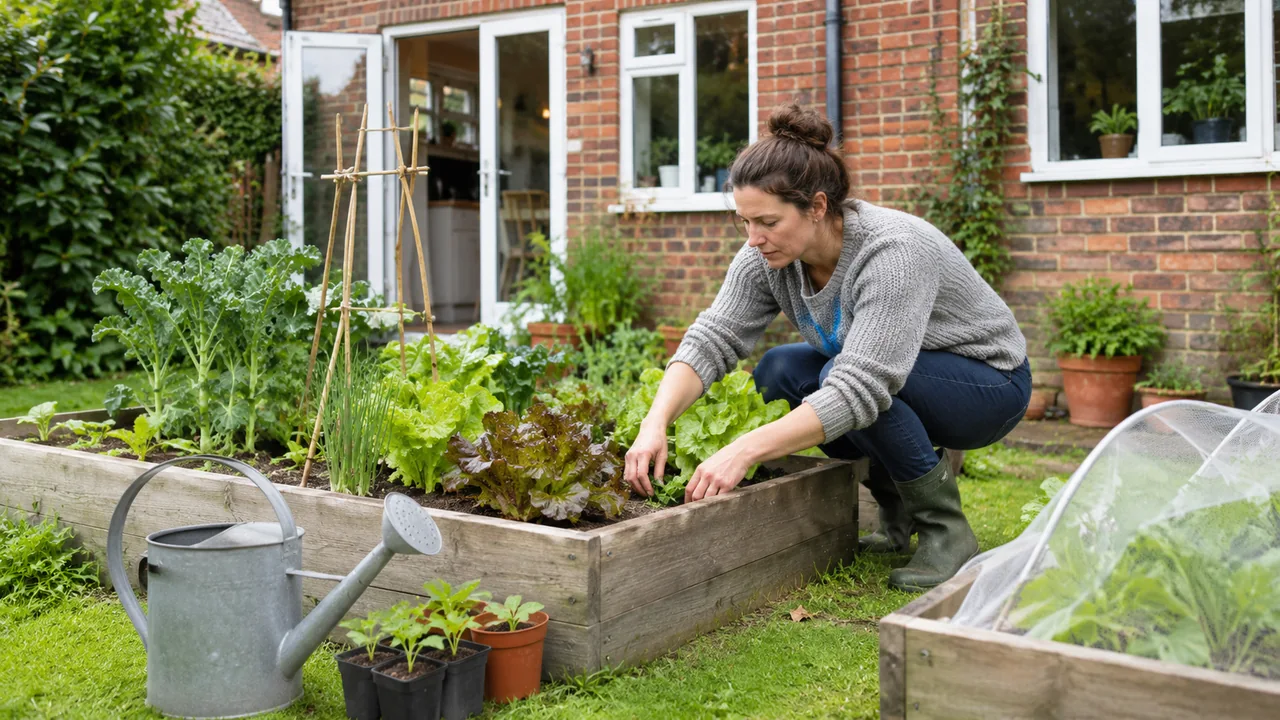
Build growing capacity as a medium-term contribution
Identify suitable land, permission, water and people with relevant experience. Start with areas the group can maintain and protect today's drinking supply. A large planting is not useful if nobody has time to water it after the first enthusiastic day.
Use crops suited to season and conditions, and plan how harvests will be used safely. The guide to growing food after supply collapse explains why seed does not equal an immediate meal and why growing is only part of a complete diet.
Share knowledge across more than one person. Keep simple planting records and agree responsibilities during absence or illness. Preserve suitable seed and maintain tools without assuming every replacement input will remain available. A shared plot becomes more resilient through continuity, not merely through its size.
Give care and safeguarding explicit responsibilities
Identify who needs assistance and what is already set out in personal care plans. Use competent clinical and care support wherever reachable. Do not assign untrained volunteers to medication changes, unsafe lifting or procedures beyond their abilities.
Arrange rest and handovers for carers. A community may be able to help with meals, collection or supervised practical tasks, leaving a relative more capacity for necessary care. These arrangements require consent and appropriate boundaries, especially around children and dependent adults.
The Be Ready guidance for disabled people and carers supports planning around individual needs. Keep a way to report concerns privately. Access to food or help must never depend on accepting unwanted personal attention, unsafe work or an exploitative arrangement.
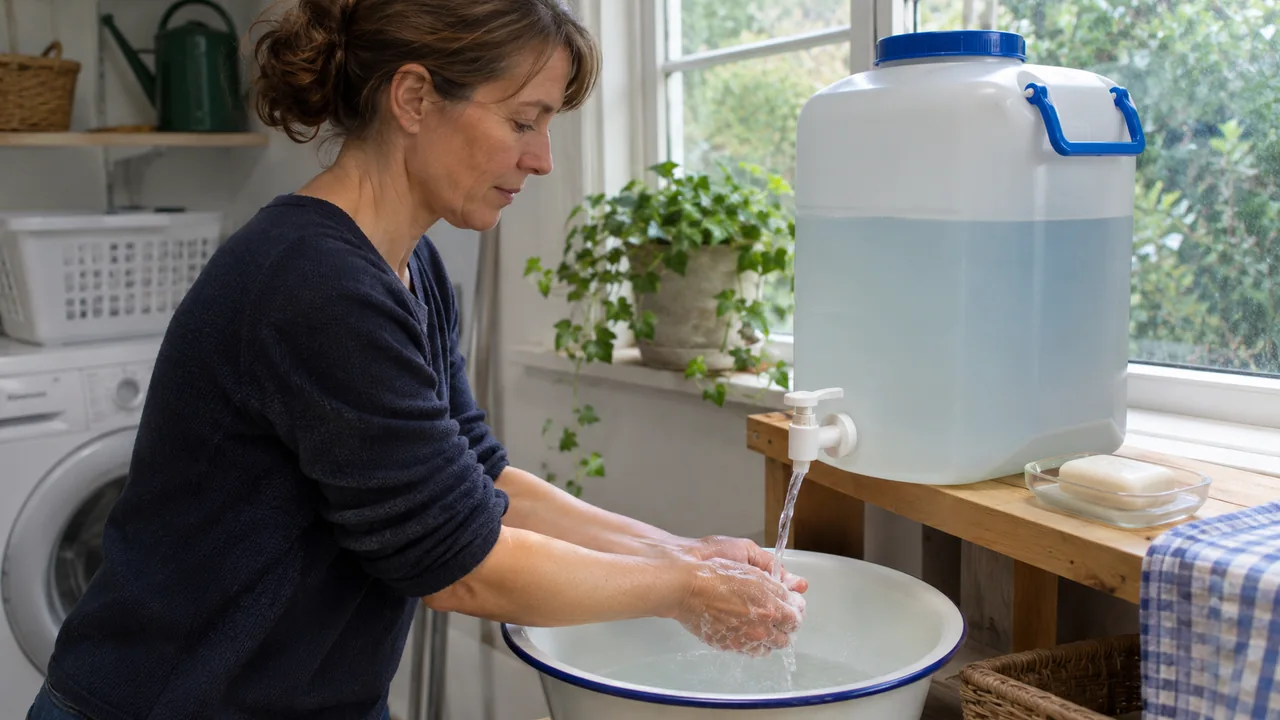
Keep sanitation and waste under named control
Agree toilet access, handwashing, cleaning and waste management before crowding increases. Keep waste away from food, drinking water and living spaces. A vague instruction that everyone should clean up often leaves the least visible tasks undone.
Assign manageable responsibilities and provide appropriate supplies and training. The guide to hygiene without running water can support a controlled routine. Do not mix cleaning chemicals or let a shared dirty bowl become the supposed handwashing system for the whole group.
Consider the complete destination of collected waste and relevant local requirements. A container that is out of sight is not necessarily safely managed. Protect the people handling waste and make sure another person can take over without relying on undocumented knowledge.
Coordinate information through a small reliable routine
Choose a few credible sources and record the time and origin of important information. Distinguish observed facts, confirmed instructions and unverified reports. A rumour can send many households towards a closed water point or unsafe route at the same time.
Use paper notices, agreed check-ins and accessible explanations where electronic systems fail. Do not publish sensitive stock locations or private medical information. Make sure people with hearing, vision, language or literacy needs can receive the essential message.
Keep the communication structure modest. One update and a clear route for urgent changes may work better than continuous discussion that drains batteries and volunteers. The guide to living without power or communication networks explains why reducing demand can preserve the functions that matter.

Share maintenance without creating unsafe authority
Keep an inventory of essential shared tools and identify who can maintain them competently. Record borrowing and known faults. Remove unsafe equipment from use rather than returning it to a common store where another person may assume it has been checked.
Follow the guide to repairing essential tools for safe limits. Willingness does not qualify someone to repair mains electricity, gas, medical equipment or unstable structures. If a specialist function cannot be restored safely, organise a different way to meet the underlying need.
Use small practical teaching sessions for appropriate tasks, with supervision and clear limits. Shared competence reduces dependence on one person, but training should not become a claim of qualification. Keep instructions available for the next user rather than relying on a hurried verbal explanation.
Resolve disagreement before it controls the group
Expect differences about workload, supplies and priorities. Agree a calm way to raise an issue, hear the people affected and record the decision. Use another trusted person to help where appropriate, rather than leaving a dispute between the most confident speakers.
Separate mistakes from deliberate harm and avoid public accusations based on rumour. A missing item may reflect a recording error or an urgent agreed use. Check facts before making a claim that damages relationships needed for essential work.
Threats, violence, coercion and unsafe behaviour require protection and appropriate help through functioning services. Do not create vigilantism, punishment systems or weapons-based control. A survival community should reduce people's exposure to danger, including danger arising from its own organisation.
Test the community against a realistic interruption
Ask what happens if the water lead becomes ill, a tool breaks or the usual meeting place becomes unsafe. A working arrangement has a substitute, a record and a way to tell people about the change. If only one person knows the source or holds the key, that function is fragile.
Rotate suitable roles without forcing people into work they cannot safely perform. Keep essential records accessible to authorised replacements while protecting private information. A plan should survive one person's absence without demanding impossible effort from everyone else.
Today's useful action is to agree one shared priority, name the people responsible and set the next review. Build from a successful small arrangement. A dependable community grows through consent, useful work and fair protection of its members, not through a dramatic declaration that it has become independent of the world.
Check whether shared work is actually reducing danger
At each review, ask which essential gaps were closed and which remain. Count completed safe collection trips, households reached and unresolved care needs rather than the number of meetings held. A busy group can still miss the person who cannot leave home or understand the notice.
Ask helpers whether the workload is sustainable and ask recipients whether the arrangement is usable. Make one concrete correction, such as an accessible delivery, a clearer handover or a substitute key holder. This keeps the community focused on practical protection rather than defending its original organisation.
Frequently asked questions
Does self-sufficient mean refusing all outside help?
No. Use credible functioning services, skilled support and lawful supply routes where they remain available. Community resilience improves when people understand their limits and develop practical alternatives rather than rejecting useful help.
Who should lead a survival community?
Agree responsibilities through a clear, reviewable process suited to the group. No person should have unchecked control over essentials or private lives. Named task leads, shared records and a safe way to raise concerns are more useful than an unaccountable title.
How can people with disabilities contribute?
Contributions can include communication, records, planning, translation, teaching or other tasks within a person's abilities and wishes. Some people will need support beyond what they can contribute. Essential help should not depend on physical output or the value of goods owned.
Is one shared water tank enough to solve the group's water problem?
No. The source, safety, collection, storage, dispensing and cleaning all need dependable arrangements. A shared container can spread contamination widely if handling fails. Protect access for households unable to collect water themselves.
What is the best first community project?
Choose the most urgent unmet essential need and a task small enough to complete safely, such as a credible water collection arrangement for a defined group. Name responsibilities and review the result before expanding the promise to more households.