
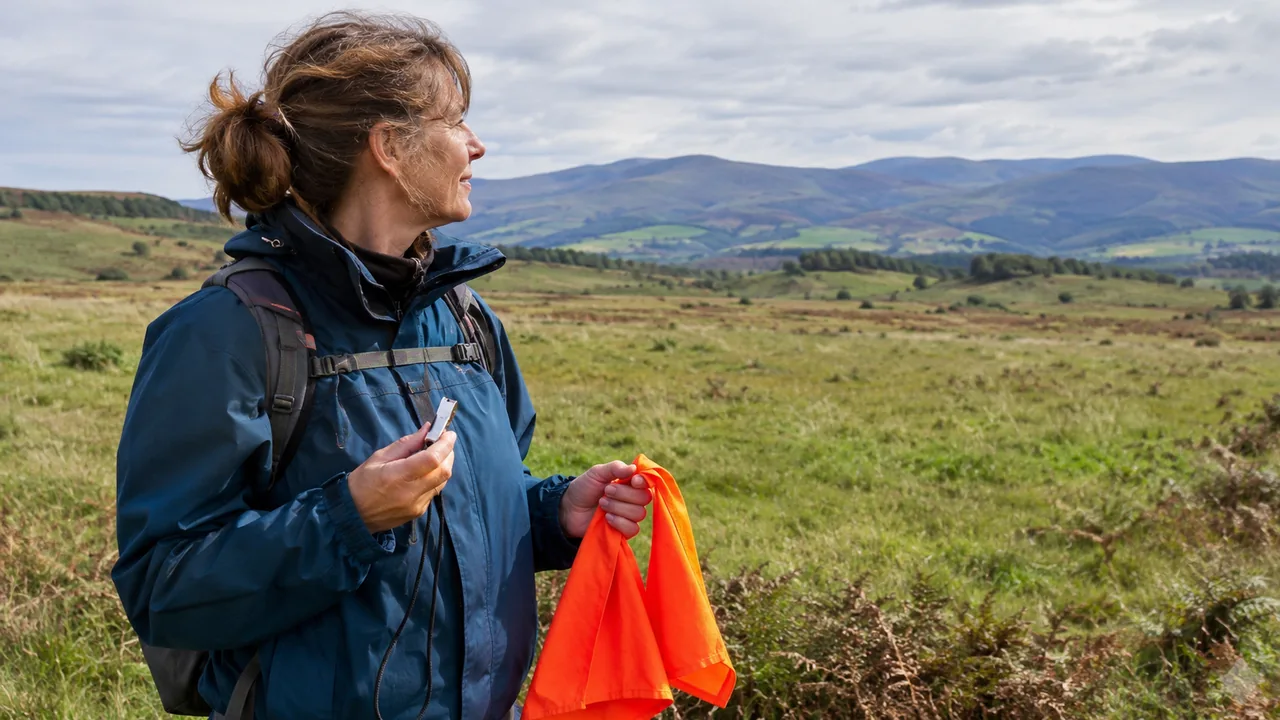
Your phone will not connect, the normal emergency channels are silent and someone needs help. Signalling for rescue begins with a safer position and a clear message: where you are, what has happened and what assistance is needed. Making yourself noticeable is useful only if it does not expose the group to another danger.
Use any functioning appropriate communication first, then suitable sound, light or visible signals according to the situation. Keep the group together where safe, protect the casualty and conserve the resources needed to continue waiting. No signal can guarantee that a rescuer is nearby or able to reach you.
The central task is to make a genuine need easier to locate and understand. Random movement, a dangerous fire or repeated calls without location information can waste the same energy and battery capacity that the household needs to survive until useful contact is made.
Make the waiting place safer
Check for immediate fire, unstable structures, floodwater, traffic, exposed electricity or another threat. Move away from a dangerous spot if that can be done safely, but avoid unnecessary movement of an injured person. Use your training and current first-aid advice where available.
Keep children and dependent people with an identified responsible adult. Protect against weather and preserve essential medicines, water and appropriate clothing. A group that becomes cold, overheated or dehydrated while signalling can turn one rescue need into several.
If the original location is safe and known to people who may help, remaining nearby can make you easier to find. If you must move, leave clear information where appropriate and safe, explaining the intended destination and time. Do not split into uncoordinated searches that make it unclear how many people need assistance or where they have gone.
Prepare the information before a connection appears
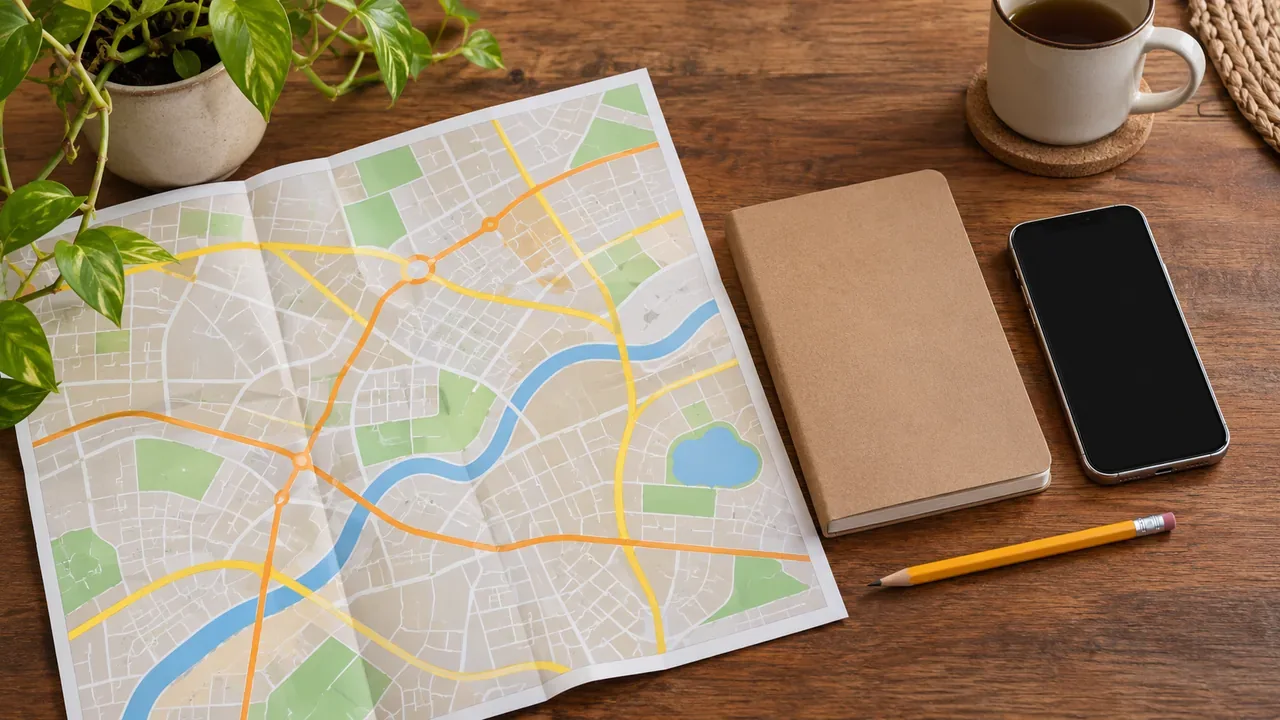
Write down the exact location in a form another person can use: address, named landmark, map reference or coordinates you can establish accurately. Add the nearest safe access point and any known obstruction. Do not invent precision when you only know an approximate area.
Record the immediate problem, number of people, relevant injuries or care needs and hazards that could affect anyone approaching. Keep the message concise. A long account of the whole global crisis can obscure the information a local helper needs first.
The Mountain Rescue England and Wales safety guidance emphasises location and casualty details. Its setting is outdoor rescue, but the principle is useful elsewhere: a brief accurate message is easier to act on than a distressed call that ends before the address or access problem has been given.
Try emergency calls without expecting a magic number
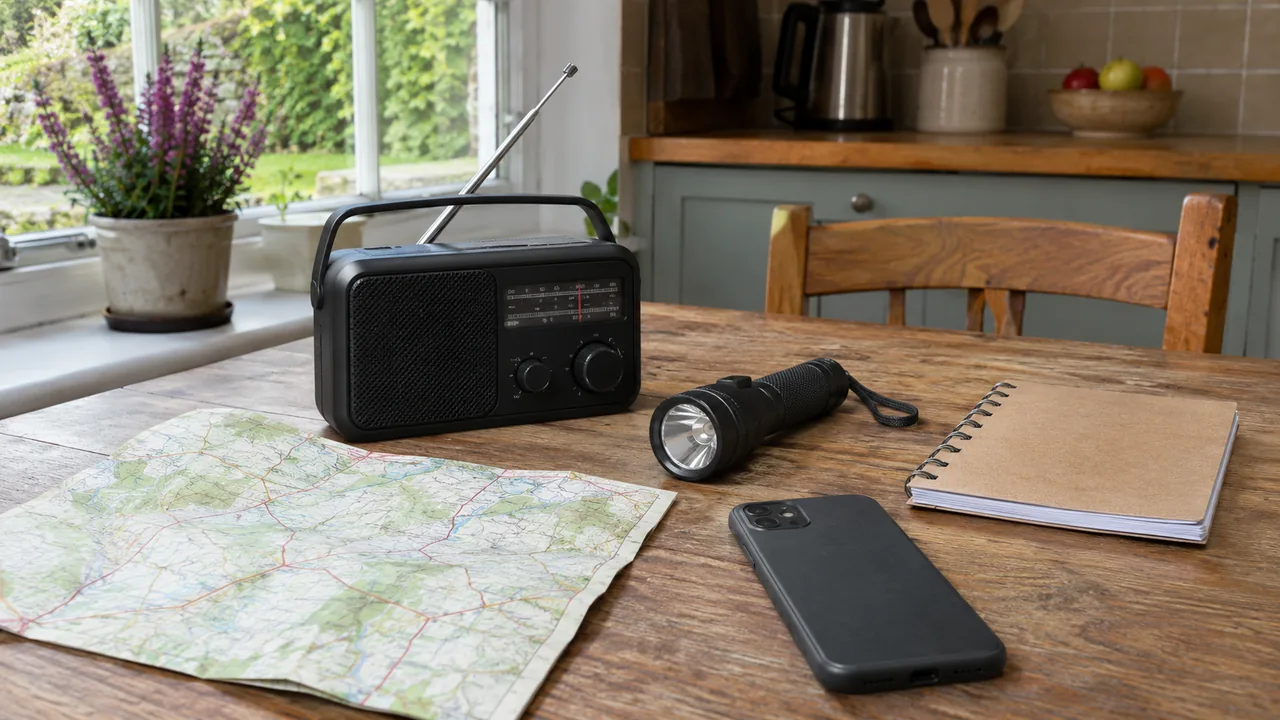
In the UK, use 999 or 112 for an emergency. In a suitable area with working coverage, a mobile emergency call may connect through another available network. It cannot create a functioning signal where all suitable infrastructure is unavailable.
When contact is made, state the location and immediate danger clearly, answer questions and follow instructions. If the call drops, retain the information and keep the device available according to the plan. Avoid using all remaining power on repeated non-essential attempts.
The official UK emergency-number guidance explains the service. If abroad, use the appropriate local emergency arrangement. Do not rely on an old screenshot or a claim that one number always works without a network. A communications failure requires another safe route to help, not a belief that the phone has unlimited emergency capability.
Use a whistle in an appropriate outdoor setting
A whistle can carry farther than an exhausted voice and does not need a battery. Keep it accessible to the person likely to need it, and explain its purpose. Do not make a child responsible for leaving a safe group to find somewhere to signal.
For the UK hill context, the British Mountaineering Council describes six whistle blasts in quick succession, repeated after a one-minute interval, as a distress signal. Use relevant local guidance for the setting and listen between signals for a response. A pattern is more recognisable than continuous random noise.
Do not assume that hearing a distant reply means a complete rescue plan has been understood. Continue trying to communicate the location and needs through a suitable route. Preserve strength, protect the group from weather and avoid moving towards an uncertain sound through a hazard that makes the original location safer than the journey.
Use light without creating another risk
A torch can help attract attention in low light, particularly when people are already searching nearby. Use the device's appropriate functions and preserve enough battery for essential movement and care. A bright signal is less useful if the group then cannot see to leave a developing danger.
Position the light from a safe place, avoiding exposed edges, traffic and unstable roofs. Do not climb a damaged building or tree to gain a better view. Never aim lasers at aircraft or use a light in a way that could distract or endanger a pilot or driver.
If using a recognised local distress pattern, apply the relevant guidance and leave pauses to observe any response. Do not assume that a distant light is acknowledging your specific group. Record useful contact information if it becomes available, and keep the rest of the household informed so nobody leaves to investigate without a shared plan.
Make a visible signal from safe materials
Bright clothing, a suitable cloth or another contrasting item can help identify a safe waiting location to people nearby. Position it where it can be seen without exposing someone to traffic, deep water or an unstable structure. Keep the main group sheltered rather than standing outdoors continuously to hold it.
Make the signal relevant and consistent. If someone has been given your location and description, keep the identifying item with the group unless movement is necessary for safety. A message point may help local volunteers, but it should not become a public display of private medical information or the contents of the household's stores.
Do not assume a homemade ground sign is understood universally or can be seen from every aircraft. Weather, terrain, distance and whether anyone is looking all matter. Use visible signals as one part of an information plan, alongside accurate location details and appropriate communication where it still functions.
Do not light a fire simply to be noticed
A signal fire can spread, generate harmful smoke or expose the group to carbon monoxide in an enclosed space. During dry conditions or an existing wildfire, it can create a much larger emergency than the one you are trying to report. Fuel scarcity does not make burning unsuitable materials safe.
Do not improvise flares, explosive devices or chemical smoke. Purpose-made equipment has specific uses, restrictions and instructions, and should not be treated as a household experiment. A visible cloth, whistle or torch is often a safer available option when used appropriately.
The guide to wildfire smoke protection explains why smoke is itself a health hazard. If you need warmth or cooking, assess that need separately through a safe arrangement. A flame should never be justified by the idea that someone may see it while the household is exposed to fire, fumes or the loss of its shelter.
Understand what local radios can do
A suitable two-way radio may connect nearby people with compatible equipment, but actual range depends on conditions. It does not automatically connect to emergency services or a monitored rescue channel. Agree a local contact arrangement before treating it as dependable.
Ofcom's licence-exempt device guidance describes permitted equipment such as PMR446. Use the appropriate equipment and channels for the location, follow applicable rules and avoid transmissions that interfere with other services. A crisis does not make every frequency available for household use.
Give a brief factual message when contact is established and confirm what the other person has understood. Ask whether they can actually obtain help or only pass on information. A willing voice on the radio is valuable, but it is not proof that a vehicle, clinician or safe route is available.
Use purpose-built emergency devices as instructed
If you already have an appropriate locator beacon or satellite messenger, follow its actual emergency procedure. Check the device's requirements, registration or service arrangements, power and operating conditions. Do not assume a borrowed device has been activated or that a feature is supported in the current location.
Make sure the group understands that activation is for a genuine emergency. Do not test a live distress function casually or repeatedly cancel and restart it because there is no immediate visible response. Use any available confirmation and supplied instructions.
Keep the device with the group or casualty as appropriate, and remain in the safest suitable position rather than wandering to search for rescuers. A technical signal still depends on a functioning response system. Maintain shelter, care and a realistic fallback through local support while waiting, rather than treating activation as a guarantee that the difficult part is over.
If someone is trapped, avoid making the structure less stable
Do not enter or move unstable debris to attempt an untrained rescue. Keep others away from the same hazard and report the location and condition through whatever suitable route remains. A second casualty can make the original rescue much harder.
If trapped yourself, use safe available communication, a whistle or tapping where appropriate without disturbing unstable material. Avoid unnecessary movement and dust exposure. The CDC's after-earthquake guidance includes attracting attention while recognising the hazards around damaged structures.
Do not use flames where gas or other dangerous conditions may exist. Preserve battery power and give precise information if a connection becomes available. A household cannot assess structural safety from a few photographs or a crack list. Our guide to unsafe buildings after an earthquake explains why recognising a warning sign is different from certifying that entry is safe.
Organise a trusted person to seek help only when safer
A capable adult may be able to reach a known staffed point or a neighbour with a working connection. Assess the route, destination and the care left behind first. Sending someone into an unknown area simply because no signal has been received can create another missing-person problem.
Agree the exact purpose, intended route, destination and what the waiting group will do if the person is delayed. Keep children and dependent adults with appropriate supervision. Do not send a young person as the default messenger because adults are occupied with equipment.
Where possible, use a trusted local network for specific requests. A neighbour may relay an address, bring a first-aid-trained helper or confirm whether a clinic remains open. Keep the request within safe limits and distinguish confirmed assistance from a promise to ask someone else.
Preserve care while waiting
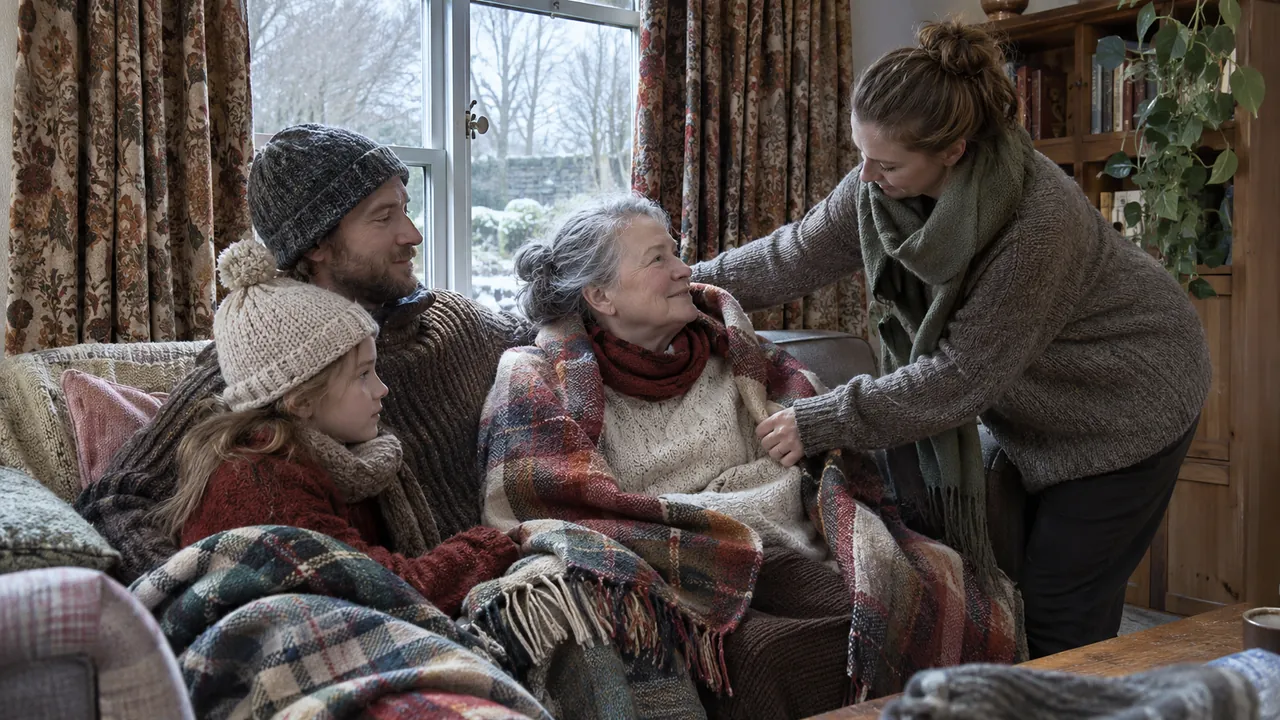
Keep the casualty and others protected from cold, heat, rain and avoidable exposure. Use suitable first aid within your competence, and seek current advice where a connection exists. Do not give food or drinks to someone who is drowsy or cannot swallow safely.
Record meaningful changes and any guidance received so information is not lost between helpers. Share rest and practical tasks where possible. The person signalling should not be the only person who knows the casualty's needs or the next planned action.
The guide to the first 72 hours of a disaster helps connect the rescue request to shelter, water and household care. Waiting safely is an active task. A group can worsen considerably while watching the horizon if nobody notices that an older adult is becoming cold or essential equipment is running out of power.
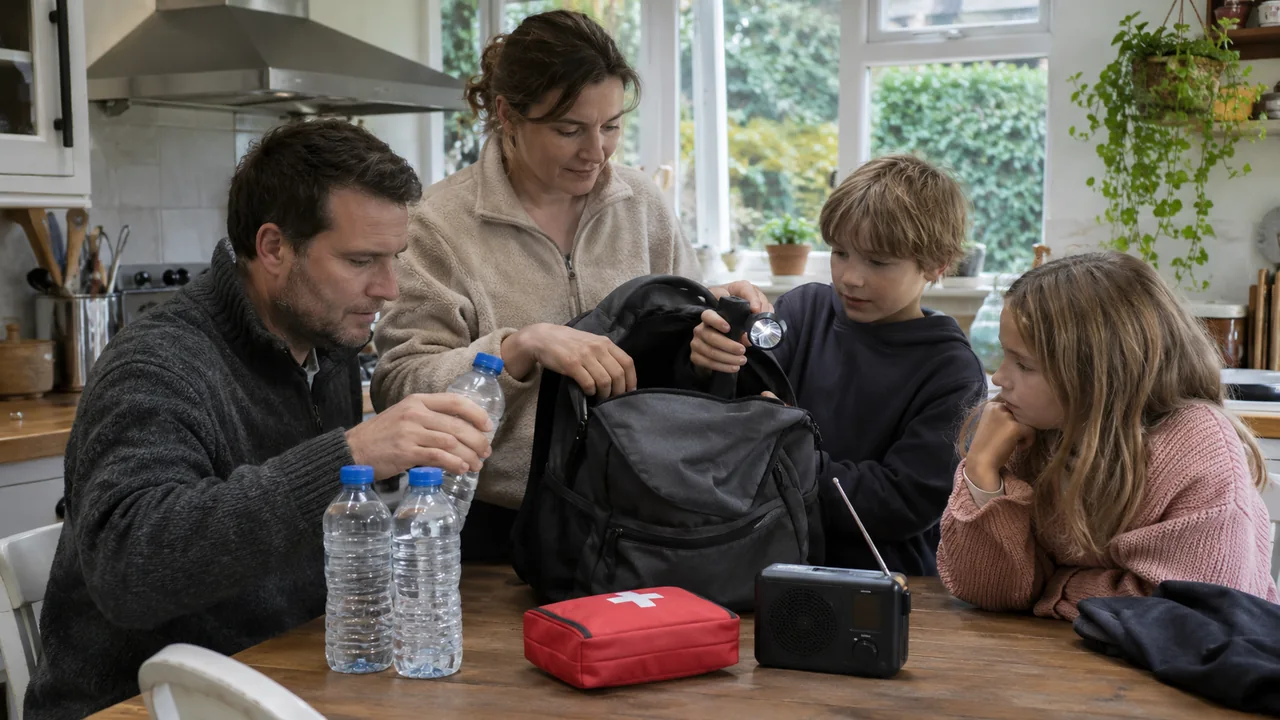
Keep the signal and the plan consistent
At each review, ask whether the location remains safe, whether the signal is visible or audible to a plausible recipient and what has actually changed. Stop an action that consumes resources without improving the chance of useful contact, and choose the next safe step deliberately.
For example, a group in a safe rural waiting place may use the recognised whistle pattern, preserve a torch for darkness and prepare a short location message. A trusted adult seeks a known connection only after the route and continuing care are agreed. Nobody lights an improvised fire or leaves the casualty unsupported to search randomly.
A clear signal cannot rebuild a failed emergency network, but it can help the people still able to assist find and understand a genuine need. Combine visibility with accurate information, basic care and the discipline to avoid creating another emergency while asking for help.
Frequently asked questions
What whistle pattern should I use in the UK hills?
The British Mountaineering Council describes six blasts in quick succession, repeated after a one-minute interval. Listen during pauses and follow relevant local guidance for the setting. Keep the group protected and prepare accurate location information. A recognised pattern can attract attention, but it does not guarantee a rescuer is nearby or able to reach you.
Should I climb onto the roof to make a torch visible?
Do not expose yourself to a fall or unstable structure to improve a signal. Choose a safe position and use suitable sound, light or visible material within its limits. A person injured while signalling adds another rescue need and may remove the only adult capable of supporting the rest of the group.
Can an ordinary walkie-talkie reach emergency services?
Not automatically. It needs compatible equipment within usable range and an appropriate permitted channel, and it may only reach other local users. Confirm what any contact can actually do. Do not assume a radio is monitored by rescuers or transmit on professional frequencies without the appropriate authority.
Should we light smoke so aircraft can see us?
Do not improvise a fire or chemical smoke signal. It can spread, expose people to fumes and create a larger emergency, particularly during dry conditions. Use safer appropriate signals and purpose-built equipment only according to its instructions. Visibility is useful only when it does not make the waiting place more dangerous.
What if nobody responds to our signals?
Reassess the group's safety, care needs and realistic alternatives. Continue appropriate attempts without exhausting every battery or person. A trusted adult may seek a known safe contact point if the route and remaining care can be managed. Do not interpret silence as proof that a hazardous journey or improvised rescue is now safe.