
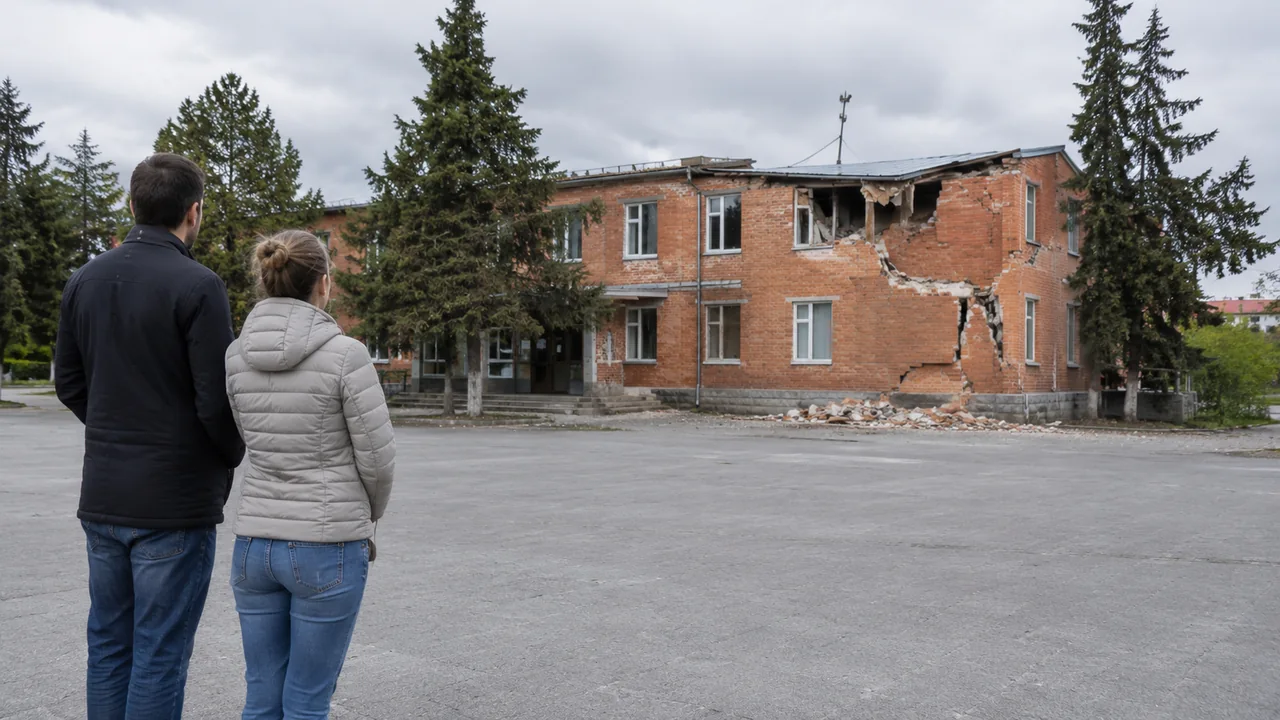
The shaking has stopped, a wall is cracked and the structural inspection service cannot be reached. Recognising unsafe buildings after an earthquake means identifying reasons to stay out and finding a safer place to wait. It does not mean that a household can certify a building safe by completing a short checklist.
Keep away from visibly damaged structures, falling masonry, exposed utilities and unstable surroundings. Observe only from a safe position. Do not enter to measure cracks, retrieve possessions or test whether a floor still feels firm. A building may contain serious hidden damage even when the outside looks relatively normal.
When professional assessment is unavailable, preserve distance and seek suitable temporary shelter rather than inventing a substitute inspection. Your family's immediate need is protection from the next injury, the weather and the loss of essential care. Returning quickly to a familiar room is not worth making the household part of a collapse or rescue problem.
Respond to the shaking before assessing damage
If another shock begins while you are inside, protect yourself according to current earthquake guidance rather than running towards stairs or falling objects. The CDC's after-earthquake advice includes expecting aftershocks and using drop, cover and hold on when shaking occurs.
After the shaking, move away from immediate danger through a safe usable route where possible. Do not use a damaged lift or push through falling debris to follow an assumed routine exit. Keep children and people needing assistance with an identified responsible adult.
If the building is burning, visibly unstable or affected by another immediate hazard, seek the safest available escape and emergency help. Do not delay to complete a damage record. An assessment of possessions or insurance evidence comes after people are away from danger, and only from a position that does not expose them again.
Establish a safe observation distance
Stand clear of walls, chimneys, balconies, glass, roof edges and other elements that could fall. There is no single safe distance for every structure and hazard. Choose an open suitable area well away from apparent collapse zones and remain alert to damaged adjacent buildings and utilities.
Do not gather directly outside the front door to debate whether the house is usable. A facade can remain standing while loose material falls onto the place where residents have assembled. Move the group to a safer waiting area before discussing the next step.
Keep roads and access routes clear for responders where any remain available. Do not stand beneath power lines or near leaking gas equipment. A site that is clear of the damaged building may still contain another hazard. Check the whole waiting environment, including traffic, water, trees and the needs of people who cannot move quickly.
Treat major visible changes as reasons to stay out
A wall that is leaning, a displaced roof, collapsed sections, buckled supports or large movement between parts of the building are serious warning signs. Falling masonry, damaged stairs or a chimney that has shifted also create immediate hazards. Observe them only from a safe place.
Do not approach to discover how much a crack has opened or whether a damaged part can be pushed back. A small movement can disturb material that is already unstable. Photographs taken from a distance may help communicate the concern, but they do not establish what is happening inside.
The US Geological Survey's earthquake information provides scientific context for earthquake hazards. For the household, the practical response to visible serious damage is simple: keep out, keep others away and seek competent assessment. The absence of an available inspector does not make a warning sign less important.
Do not interpret minor-looking cracks as an all-clear
A hairline crack may be superficial in one setting and part of a more serious pattern in another. A general article cannot determine that from width alone. Damage hidden behind finishes, beneath floors or at connections may not be visible from outside.
Avoid copying a numerical crack rule from social media and using it to authorise entry. Building materials, construction, previous condition and the shaking all matter. A person's confidence, a neighbour's experience in another property or an online image assessment cannot replace an appropriate on-site evaluation.
Record what you can safely observe without attaching a diagnosis. A clear note saying a new crack crosses a particular wall is more useful than declaring the foundations have failed or the house is definitely sound. Keep the distinction between an observation and a structural conclusion throughout the household's decisions.
Look beyond the main walls
Chimneys, parapets, roof tiles, cladding, external stairs and boundary walls can injure people even when the main building remains standing. Keep away from their potential fall areas and avoid using a doorway directly beneath loose material as a meeting point.
Inside, heavy furniture, ceilings, glazing and damaged services can create hazards independent of the frame. Do not enter to secure cupboards or move a refrigerator while the structure has not been appropriately assessed. An apparently small task may put the person directly below unstable material.
Adjacent structures matter too. A neighbouring wall, tree or utility pole can threaten the home or the waiting area. Choose temporary shelter with the wider setting in mind. Do not treat a garden as automatically safe because it belongs to the property and is outside its main walls.
Keep utilities out of improvised inspection
Gas smells, damaged cables, leaking pipes or unusual equipment behaviour need their own safe response. Do not operate switches where a gas leak is suspected or touch electrical equipment in wet conditions. Keep people away from fallen cables and damaged network equipment.
Use normal safe isolation procedures only where appropriate, accessible and within your knowledge. Do not open fittings, remove panels or attempt a repair to make the building habitable quickly. A service that has stopped may return unexpectedly and energise damaged equipment.
The guide to electrical fire prevention explains why power interruptions and damaged systems remain dangerous. If utilities or appliances have been affected, seek competent assessment before restoring use. A room with intact furniture can still contain an unsafe supply, and a working light does not certify the installation or structure.
Keep re-entry decisions separate from urgent possessions
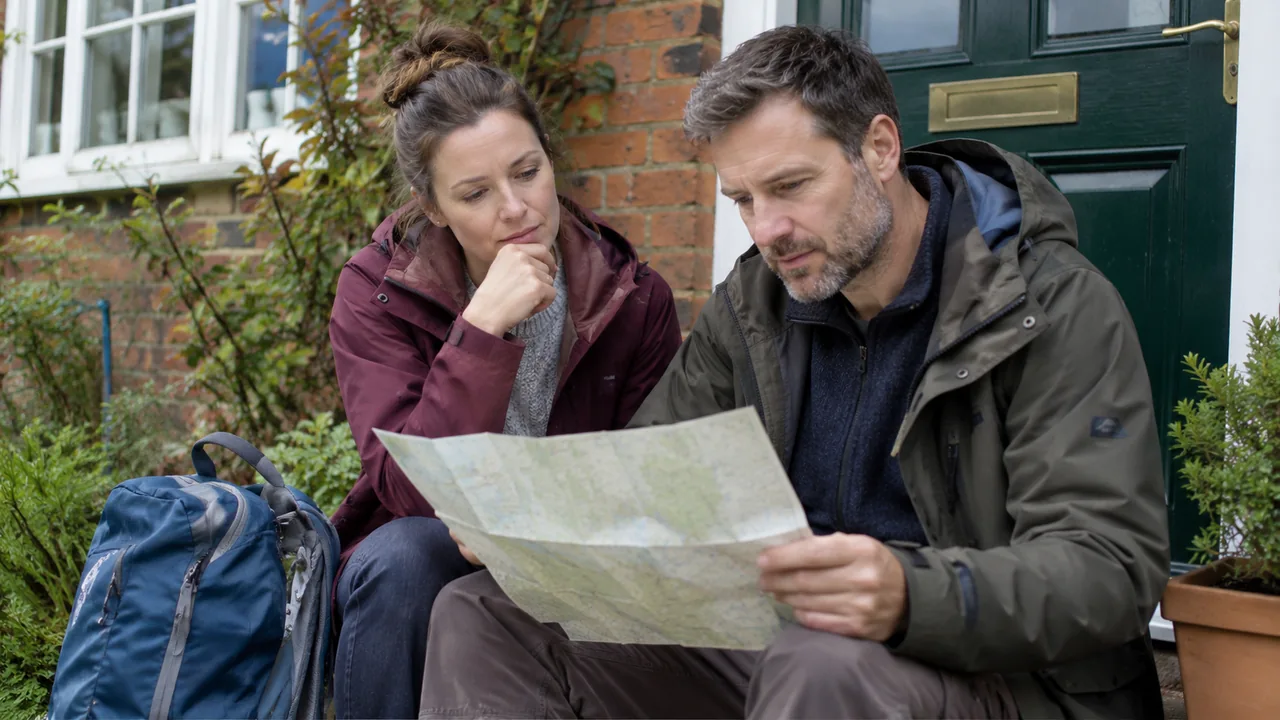
Medicines, identity documents, pet supplies and care equipment may feel impossible to leave behind. Acknowledge the need and seek a safer replacement or appropriate assistance. Do not allow the importance of an item to become evidence that entering the building is safe.
Tell responders or competent helpers exactly what is needed and where it is, if known. Keep the request factual and avoid encouraging an untrained neighbour to enter because they are more physically able. Another casualty can remove the community's limited capacity to help.
If you left without an essential medicine or device, contact the relevant clinical or support service through any functioning route. Explain both the care need and the inaccessible location. A crisis may require a different care arrangement; it does not make an unstable staircase a suitable supply route.
Do not improvise structural support
Do not attempt shoring, removal of damaged elements or bracing based on a general guide. The loads and failure mechanisms may be hidden, and work that appears to support one part can disturb another. Proper temporary works require the relevant skills, equipment and assessment.
Keep people away from a structure being altered by an unqualified person. Do not use a vehicle, rope or improvised jack to pull damaged masonry into position or lift a load above an occupied area. Apparent progress can be followed by sudden movement.
The HSE's maintenance guidance stresses competence and the hazards of work on equipment; the same need to recognise limits applies when a household faces a damaged structure. For the ordinary reader, safe distance and suitable alternative shelter are achievable actions. Making the damaged building carry loads again is a specialist task.
Organise children and dependent adults away from the site
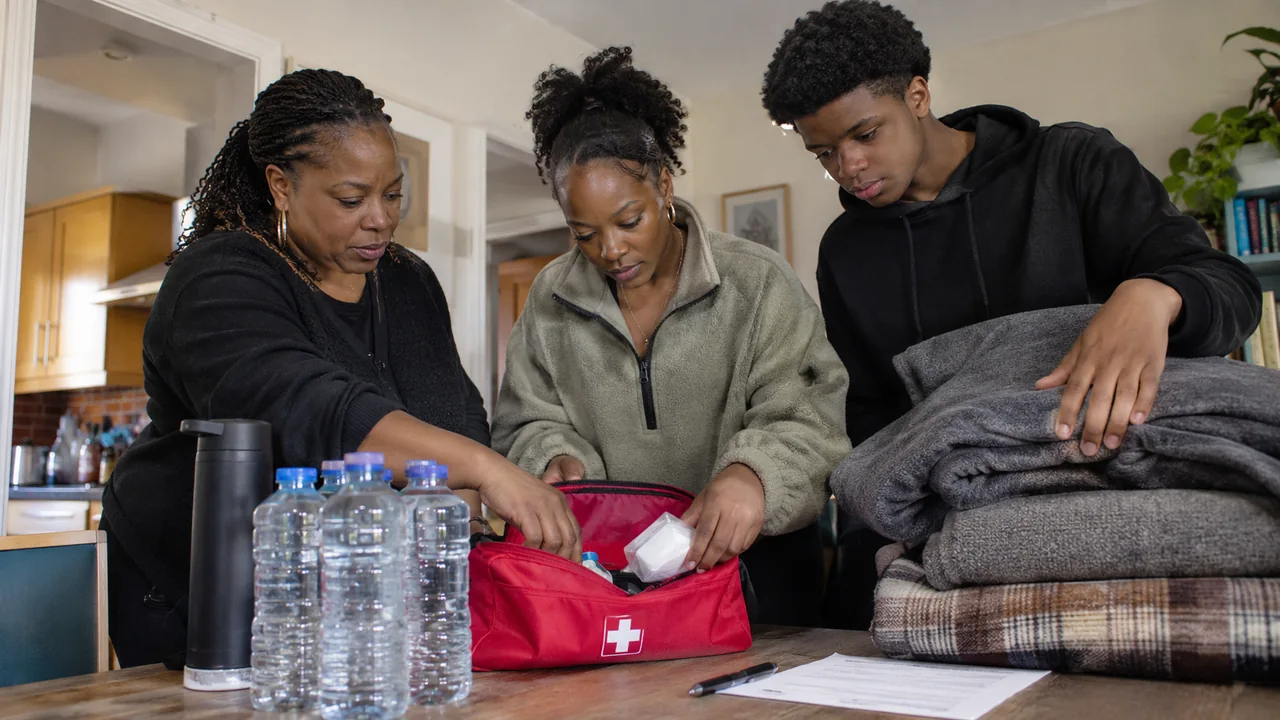
Choose a safe place with weather protection, adequate supervision and a workable way to provide care. Explain that nobody returns for toys, clothes or a pet without appropriate assistance. Avoid letting children play near debris while adults discuss damage.
A disabled or bedbound person may need a specific transport and support arrangement. Do not attempt an unfamiliar lift or move them onto unstable ground because the rest of the group can manage it. Keep necessary medicines, communication aids and information with them wherever possible.
The article on care when home services stop helps identify essential needs during displacement. A temporary waiting place must support more than physical distance from the building. Water, warmth or cooling, toileting and clinical equipment can quickly determine whether the family can remain there safely.
Choose temporary shelter without declaring another building safe
Where assessed public shelter or competent local guidance exists, use it. If not, compare realistic alternatives and avoid visible structural damage, unstable surroundings and other known hazards. Do not assume the nearest abandoned building is available or sound.
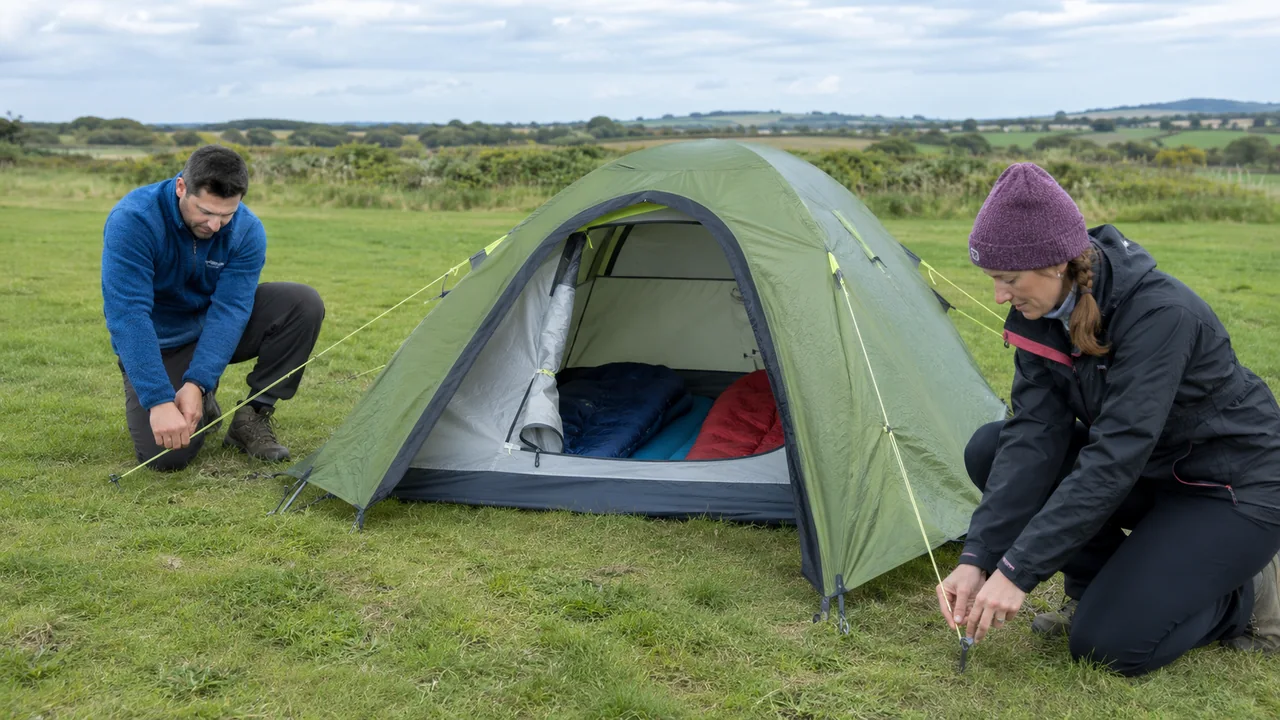
Suitable outdoor shelter may provide an interim option in an appropriate safe location, but weather, temperature, drainage and accessibility matter. A tent beneath a damaged wall or beside a flood-prone channel is not a safe solution. Seek the property owner's permission and follow relevant local arrangements where possible.
Our guide to shelter when home is uninhabitable explains how to prioritise site, weather protection and basic care. No option is made safe by a reassuring label. The practical task is reducing the hazards you can identify while continuing to seek competent support and a more sustainable place to stay.
Handle a possible trapped-person report carefully
If someone may be trapped, try emergency services and provide precise location information, observed hazards and what is known about the person. Do not enter unstable debris to confirm every detail. Keep others from gathering in a collapse area.
A person inside may be able to use a whistle, tapping or a suitable communication device. The CDC's guidance discusses attracting attention while protecting against dust and other hazards. Do not encourage a trapped person to make movements that could destabilise their surroundings.
The guide to signalling for rescue helps organise a clear message and safer waiting. An absent response is frightening, but it does not make untrained structural rescue safe. Concentrate on accurate information, accessible support and preventing additional people from becoming casualties in the same location.
Keep a simple safe record
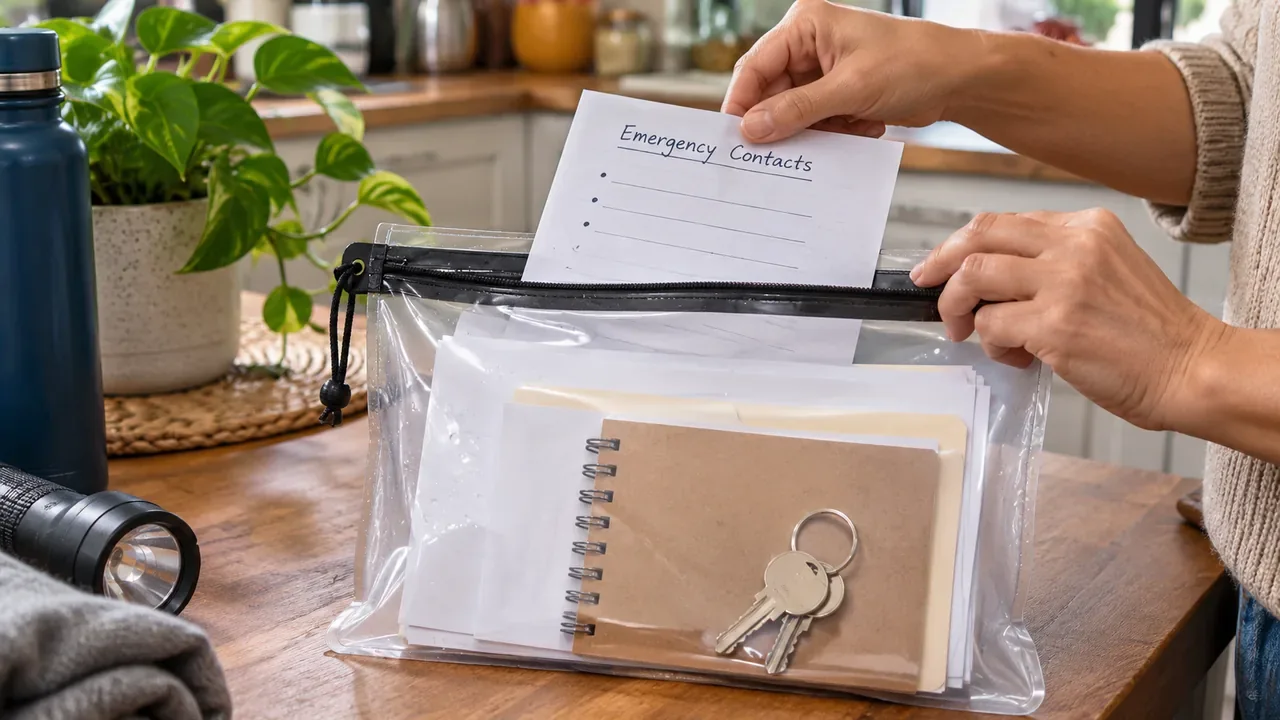
From an appropriate distance, note the address, time, visible changes and any instructions received. Photograph only where it can be done without approaching unstable material or entering a restricted area. Record the source of any assessment rather than writing safe or unsafe without identifying who made that judgement.
Keep the record with the household's important information, and share it only with relevant helpers, owners, insurers or authorities as appropriate. Do not publish private details or claims about another person's property based on speculation.
Use the record to prevent inconsistent decisions. If one adult has been told the building must not be entered, that information must reach the person who arrives later with a key. A clear shared boundary can prevent a well-intentioned return for supplies while the rest of the family assumes everyone understands the risk.
Reassess aftershocks and recovery separately
Aftershocks can occur after the main event and may affect already damaged structures. Stay alert to new instructions and changes without approaching the building to inspect every noise. Keep the waiting and shelter arrangements usable if the incident lasts longer than expected.
Returning to live in the property requires more than the end of shaking. Structural condition, utilities, water, sanitation and access may all need appropriate assessment. Do not restore occupancy because one room appears undamaged or because outdoor accommodation is uncomfortable.
Start with the next practical action: move the group clear, identify essential care needs and seek a suitable place to stay. The question of when the building can be used again belongs to competent assessment. Protecting your family means accepting that an unavailable inspection cannot be replaced by confidence, a phone photograph or a quick walk through the rooms.
Frequently asked questions
Can I judge safety by measuring the widest crack?
No. Crack width alone cannot establish a building's structural condition after an earthquake. Materials, construction, location and hidden damage all matter. Observe warning signs from a safe place, stay out of visibly damaged structures and seek competent assessment. Do not approach or enter to obtain a more precise measurement.
Is a building safe if there are no obvious cracks outside?
Not necessarily. Important damage and utility hazards may be hidden, and adjacent structures can create risks too. A lack of visible damage is not a certificate for re-entry. Seek appropriate local guidance or assessment and use suitable alternative shelter rather than assuming the outside view tells the whole story.
Should I return quickly to collect essential medicines?
Do not enter an unsafe structure because the item is important. Explain the need and location to appropriate responders or competent support, and seek clinical advice about a safe replacement or care arrangement. Another injury can make the household's situation much worse and consume the help available to others.
Can we brace a damaged wall with timber?
Do not improvise structural support from a general guide. Loads and failure mechanisms can be hidden, and a poorly planned intervention can trigger movement elsewhere. Proper shoring is specialist work. Keep people clear and prioritise suitable temporary shelter while competent assistance is sought.
When can the family move back in?
Only when the relevant structure, utilities and essential services have been appropriately assessed and the property can support the household safely. The end of shaking or a dry intact room does not establish that. Keep records of actual instructions and make sure every adult knows any continuing restriction on entry.