
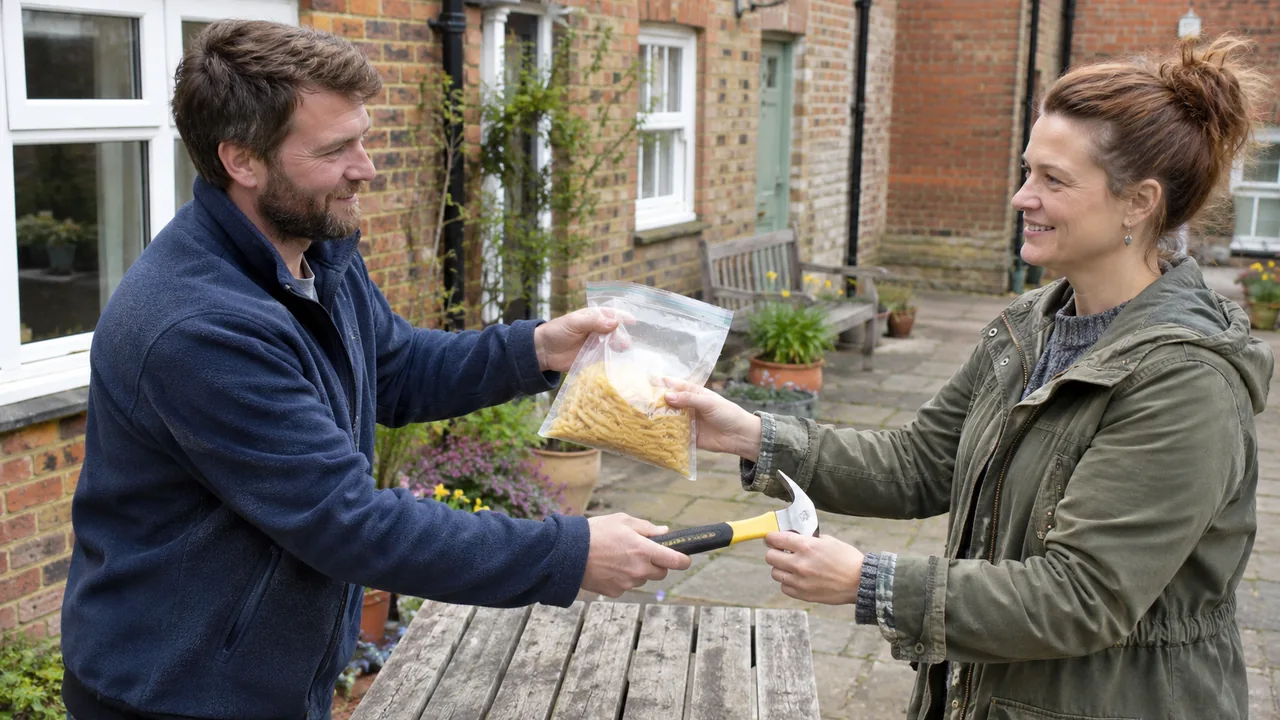
The shops will not accept a payment that no longer works, and your household needs something another person has. Bartering essential goods can bridge a practical gap, but a desperate exchange can also cost the family its last useful supply. Begin with the need, the quality of what is offered and what you can genuinely spare.
Do not assume a crisis automatically makes money worthless everywhere or removes normal rights and responsibilities. This article considers a severe scenario in which ordinary payment and supply arrangements have failed locally. Use functioning lawful services and trusted distribution wherever they remain available.
A good exchange leaves both sides understanding what was agreed and able to continue meeting essential needs. It should not depend on threats, hidden defects, pressure on vulnerable people or confidence that a doubtful product will somehow be safe.
Identify the exact need before seeking a trade
Write down what the household lacks and the function it must serve. A torch needs a compatible battery, a water container needs to be suitable for drinking water and food must fit the person's dietary and cooking requirements. A vaguely similar item may not solve the problem.
Check whether sharing, borrowing, repair or community distribution offers a safer solution. Buying or trading is not the only way to obtain a function. A scheduled use of a suitable tool may be more valuable than owning a damaged version that nobody can repair.
Connect the decision to the 30-day household plan. Ask what happens if the exchange uses the last of a critical supply. An attractive trade today can leave the family without safe water, essential medication or the equipment required for tomorrow's collection.
Separate a true surplus from an apparent one
Count usable stock and expected needs, allowing for uncertain resupply. Do not describe something as spare merely because it has not been used recently. A disability aid, backup light or necessary repair part may matter precisely when the ordinary arrangement fails.
Include the whole household in decisions affecting shared essentials. One adult should not trade away a child's suitable food, a dependent person's equipment or jointly held supplies without proper authority and consent. A private promise can otherwise create conflict and harm far beyond the meeting.
Set a modest limit on what can be offered and keep a record of it. The limit should be based on realistic needs, not a fixed percentage invented for every household. If no genuine surplus exists, seek other forms of cooperation rather than gambling essential stock on a hoped-for replacement.
Prefer trusted local arrangements where possible
Start with people or established community groups whose identity and role can be checked. Familiarity does not guarantee safety, but a clear existing relationship can make expectations easier to discuss and problems easier to resolve.
The Be Ready community guidance supports practical local cooperation and information sharing. Use organised help where it is functioning rather than assuming all needs must be met through isolated transactions between strangers.
Keep the purpose clear. A community food distribution, a loan and a permanent exchange are different arrangements. Do not describe a donation as a debt afterwards or allow a vague favour to become an unlimited obligation. Clear terms protect goodwill as well as supplies.
Agree the item, quantity and condition
Describe exactly what is changing hands, including size, quantity, condition and any known limitation. A bag of food should be identified by its actual contents and handling history. A tool should be described by its current usable state rather than by what it could become after an uncertain repair.
Agree whether the transfer is permanent, a loan or an exchange of time. If an item must be returned, identify the date or condition for return and responsibility for ordinary care. Avoid terms that depend on a future event neither side can realistically assess.
Use a short written record where practical. It can be a plain note of the items, date and agreed conditions, shared with both sides. Do not collect unnecessary sensitive personal information. The purpose is to prevent misunderstanding, not to expose a household's address, full stock or vulnerabilities.
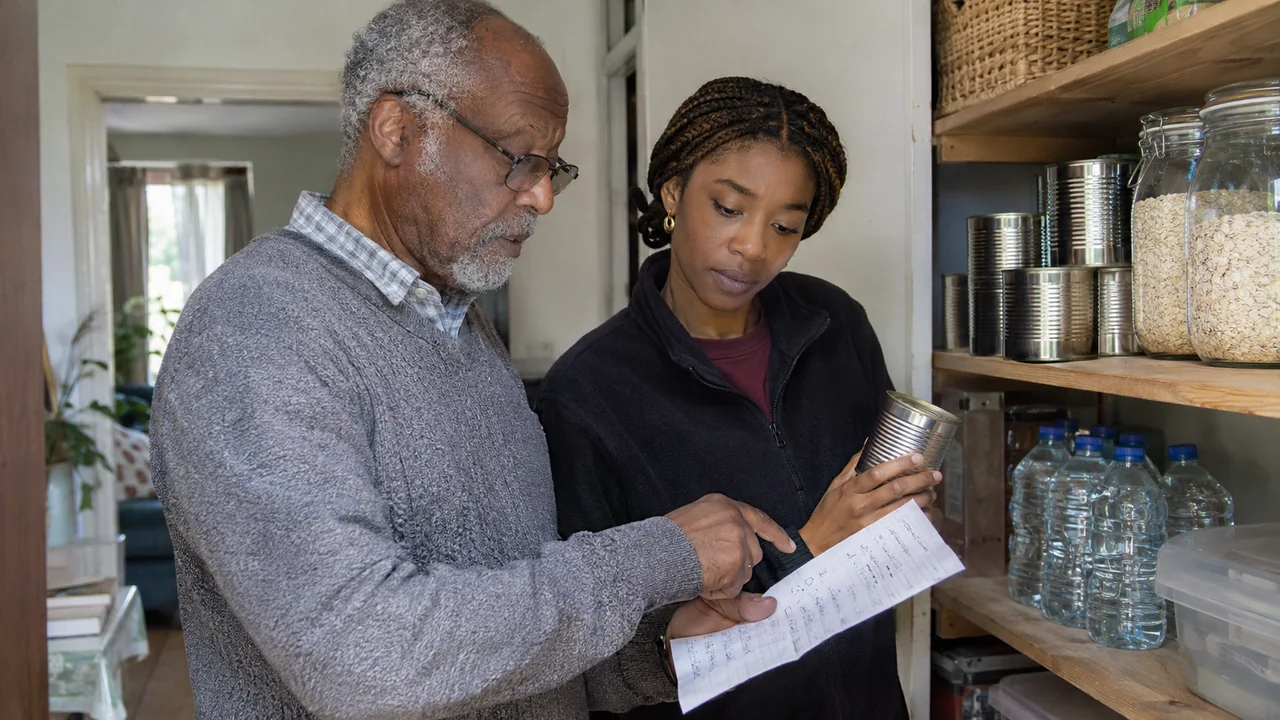
Check food before treating it as value
Inspect packaging and ask about source and storage. Food that requires refrigeration needs a credible temperature history. A sealed container of home-preserved food is not automatically safe, especially when the processing method cannot be verified.
The Food Standards Agency's emergency food-safety advice helps distinguish supply pressure from safe handling. Do not taste a doubtful item to test it. Unknown contamination cannot be removed through confidence, a strong flavour or a promise that somebody else ate it.
Check allergens, texture needs and preparation requirements. Dry food that consumes the household's remaining clean water and fuel may not be the bargain it appears. The guide to food and water after supply collapse explains why a trade must support the complete meal, not simply increase the weight of food carried home.

Inspect tools and equipment within your competence
Check that the item matches the intended task and has the necessary parts, guards and instructions. Look for obvious damage, corrosion or unsafe modifications. Do not energise unfamiliar damaged equipment merely to prove that it works.
A borrowed or traded battery, charger or electrical device needs compatibility and a safe condition, not just a connector that fits. Medical equipment, gas appliances and safety-critical parts require particular care and appropriate expertise. An unknown device should not become the household's only essential backup.
Use the guide to repairing essential tools before accepting an item sold as easily fixable. Some maintenance is straightforward within competence; some failures make continued use unsafe. A pile of uncertain equipment can consume more time and materials than it contributes.
Keep medication and high-risk goods out of casual exchanges
Do not exchange prescription medicines, unknown tablets, decanted chemicals or products whose identity and storage cannot be established as though they were ordinary household goods. A shortage does not make an unsuitable medicine appropriate for another person.
Seek qualified clinical or pharmacy advice through any functioning route for treatment needs. Do not change doses or share another person's prescription because it appears similar. The harm from an incorrect product may be greater when professional help is already difficult to reach.
Use lawful, appropriate channels for regulated goods and specialist equipment. Avoid exchanges involving weapons, stolen property or items whose possession or transfer is restricted. The crisis does not create a reliable safety check or remove the consequences of a dangerous transfer.
Arrange a meeting that does not expose the household
Choose a suitable familiar place and time where possible, and let a trusted person know the arrangement. Avoid bringing children or dependent relatives into an uncertain transaction. Do not disclose the location or full quantity of stored essentials simply to show that you are serious.
Bring only the agreed items and a practical way to leave. Keep carrying loads manageable and avoid routes with active hazards. A successful exchange is of little use if the return journey puts the collector at risk or leaves essential care unattended.
The police advice on responding to a violent situation emphasises getting away from danger. If someone becomes threatening, prioritise safe withdrawal and help through functioning services. No household supply is worth escalating an encounter into violence.
Compare usefulness rather than chasing an imagined market price
In a disrupted area, different households need different things. A sound hand tool may be valuable to one group and useless to another that lacks the relevant task or skill. Discuss practical usefulness rather than insisting that a former shop price decides every exchange.
Consider the cost of transport, preparation, water, fuel and maintenance. A heavy item that cannot be moved safely has a hidden cost. A large quantity of one unsuitable food may contribute less than a small quantity that meets an essential dietary need.
Avoid presenting one exchange as a universal rate for the whole community. Conditions and quality differ, and desperation can distort agreement. A fair arrangement is voluntary and understood, with both parties able to decline without threats, punishment or the withdrawal of unrelated necessary care.
Make service exchanges small and specific
Skills can be shared without immediately transferring goods. Examples include helping with a safe collection trip, mending suitable clothing or teaching a familiar hand-tool task. Agree the scope, materials and point of completion before work begins.
Do not accept a task beyond your competence to obtain something the family urgently needs. Electrical, structural, clinical and other specialist work can injure people when attempted without the right knowledge and equipment. Scarcity does not convert willingness into qualification.
Keep service promises manageable. An open-ended commitment to provide all future care or repairs can become impossible when the worker becomes ill. Use a specific task or period, record what was done and review any continuation through a fresh agreement rather than assuming permanent availability.
Protect people who have less bargaining power
A person who is frightened, isolated, disabled or unfamiliar with the language may struggle to judge terms or refuse pressure. Allow time, provide accessible explanations and involve a trusted supporter with consent where appropriate. Do not treat silence as agreement.
Separate essential help from demands for private access, personal favours or control. Food, water and care should never be used to coerce someone into an unsafe or exploitative arrangement. Safeguarding remains necessary even when formal systems are weakened.
Use the guide to a self-sufficient survival community for shared decision-making and responsibilities. A community that protects vulnerable people is more likely to retain trust and practical cooperation than one organised around whoever currently holds the largest stock.
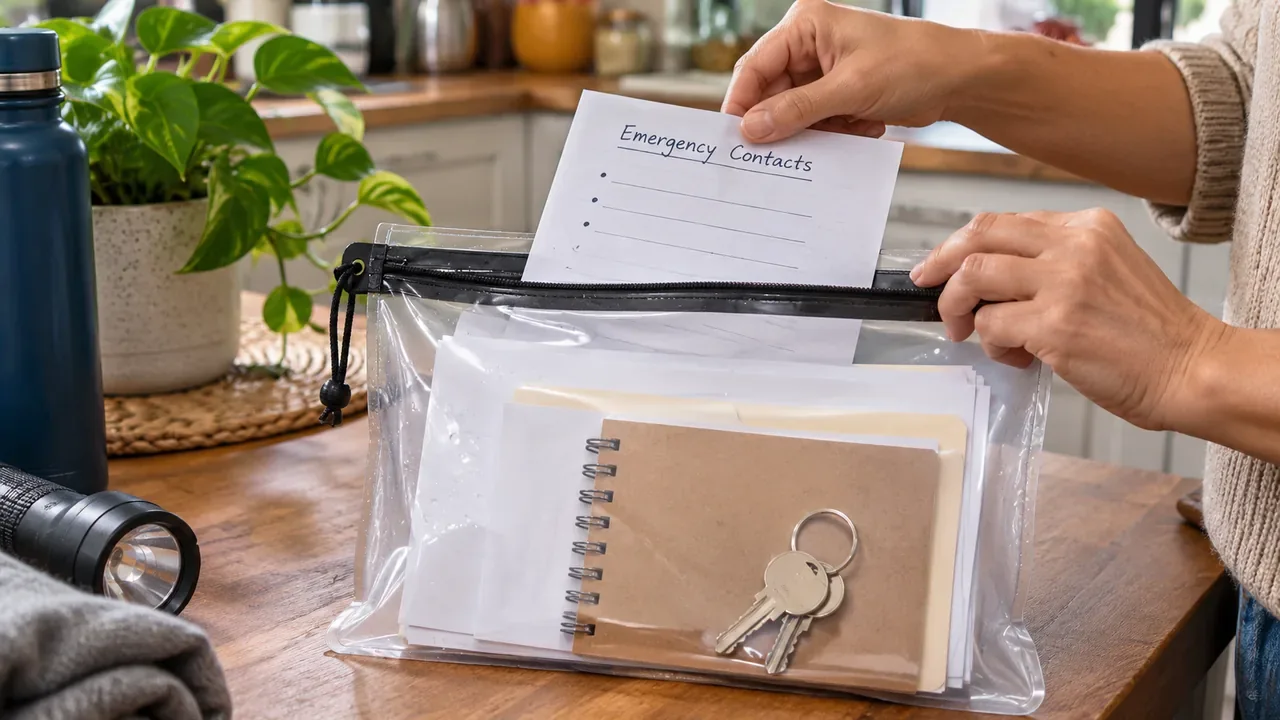
Keep a simple record and review the result
| Before the exchange | After the exchange |
|---|---|
| Exact need and acceptable condition | Item received and checked |
| What the household can genuinely spare | Remaining essential stock |
| Quantity and agreed terms | Any loan or service still outstanding |
| Safe meeting and return plan | Problems to resolve through a calm agreed route |
Store the record privately and avoid publishing names or supplies unnecessarily. If a problem appears, describe the facts and seek a calm resolution through the agreed route or functioning appropriate services. Do not retaliate or turn a disputed item into a neighbourhood confrontation.
Ask whether the exchange actually improved the household's position. If the new item is unusable or the remaining stock is too low, change the next decision. Practical learning matters more than defending a trade because it once seemed clever.

Use barter as part of cooperation, not the whole survival system
A dependable community needs more than a series of bargains. Shared information, appropriate care, safe storage and agreed work can solve problems that no individual exchange addresses. Keep room for support that is not conditional on an immediate return.
Preserve boundaries and consent while helping others. A person may contribute knowledge or tasks rather than goods, and some people will need assistance beyond what they can repay. Treating every interaction as a contest can damage the trust needed for water collection, safeguarding and shared shelter.
Today's useful action is to identify one genuine need, one safe option to obtain it and the exact limit of what you can offer. Check the item and agree the terms before committing. A good exchange strengthens the household's continuity without sacrificing the essentials that keep people safe tomorrow.
Frequently asked questions
Does a crisis automatically make money worthless?
No. Payment systems and local conditions can fail in different ways. This article considers a scenario where ordinary payment and supply arrangements are unavailable. Use functioning lawful services and credible distribution where they remain available.
What should I never trade away simply because it is not being used today?
Protect essential medication, disability aids, suitable food, safe water and critical backup equipment according to the household's real needs. An item may be necessary precisely when the normal system fails. Agree any use of shared supplies with the people affected.
Is home-preserved food safe if the container is sealed?
A seal alone does not establish a safe process or storage history. Check reliable information about the food and method. Do not taste a doubtful item to test it or treat an uncertain batch as safe because another person offers reassurance.
Can I barter a repair skill instead of goods?
A specific task within your competence may be useful if scope, materials and completion are agreed. Do not undertake specialist or safety-critical work beyond your abilities. Keep the commitment small enough to fulfil without neglecting essential care or rest.
What should I do if an exchange becomes threatening?
Prioritise getting away safely and seek help through any functioning appropriate service. Do not escalate the encounter to protect supplies or enforce a disputed agreement. Plan meetings and return routes to reduce exposure in the first place.