
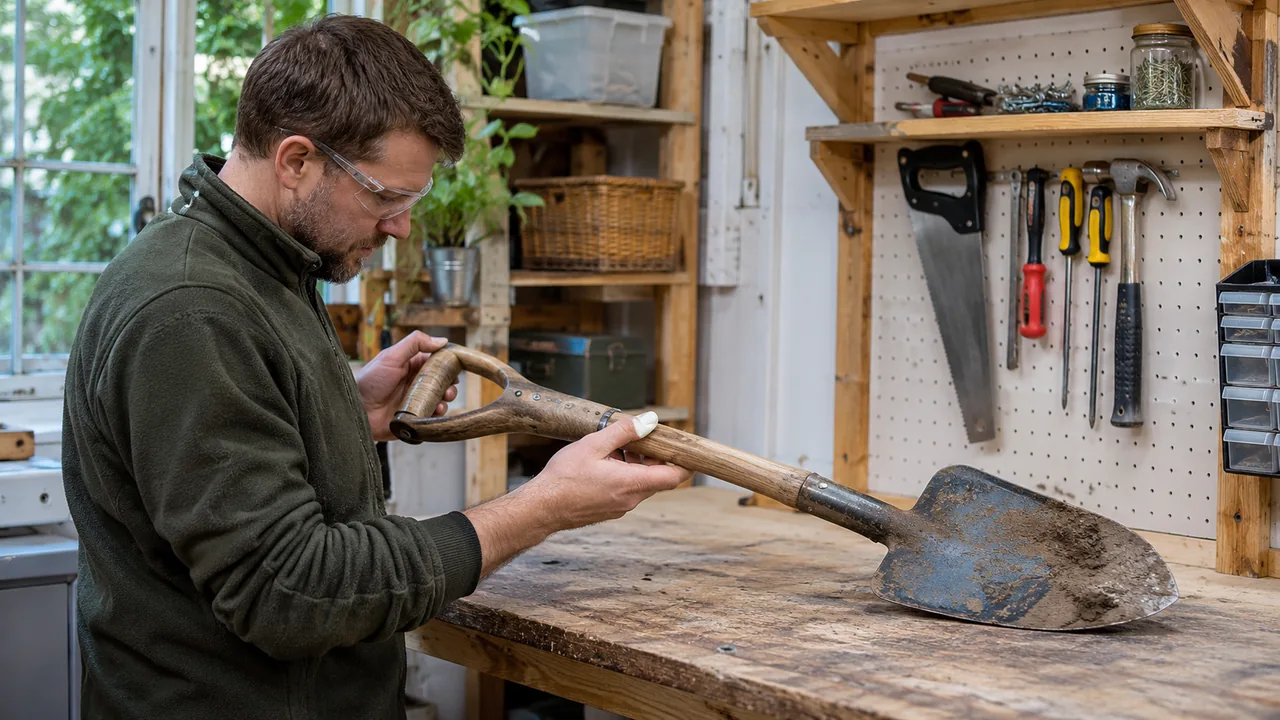
The spade handle is loose, the water container has lost its lid and the device everyone relies on has stopped working. Repairing essential tools becomes a survival task when replacement parts are unavailable, but the first question is whether a safe repair is possible. A hurried fix can injure the only person able to collect water or maintain the shelter.
Identify the function that has failed, stop using unsafe equipment and work within genuine competence. Clean, inspect and maintain suitable manual tools before attempting more complex work. For electrical, gas, medical, pressure or structural equipment, unavailable specialist help does not make improvisation safe.
The objective is to restore a dependable function, which may mean repair, a simpler alternative or carefully organised sharing. An item that operates briefly is not necessarily repaired, and a temporary patch should never be passed to another person as a fully safe replacement.
Begin with the job the tool must do
Write down the essential task and the conditions in which the item will be used. A tool used near drinking water has different cleanliness requirements from a garden tool. Equipment supporting a person with a disability may have safety needs that an ordinary household substitute cannot meet.
Ask whether another suitable manual method or shared item can provide the function safely. A failed powered device does not always require a powered replacement. Conversely, a critical medical function cannot be replaced through a general assumption that a simpler device is equivalent.
Connect the decision to the 30-day household plan. Prioritise work that restores water, food, shelter, sanitation or necessary care. Spending a whole day on a convenient gadget can leave the essential collection container or safe lighting arrangement unresolved.
Stop use and identify all energy sources
Remove unsafe equipment from service and make its status clear. Follow the manufacturer's safe isolation instructions, including electricity, batteries, pressure, heat, fuel and stored mechanical energy. Switching off a control is not always the same as making equipment safe to work on.
The HSE guidance on machinery maintenance explains why maintenance requires planning, safe systems and competent people. Its principles are useful here without turning a household guide into a qualification for specialist repair.
Do not open battery packs, release pressure systems or dismantle a spring-loaded mechanism without the required knowledge and precautions. A device can remain hazardous after its visible movement stops. Where safe isolation or internal hazards are uncertain, keep it out of use and seek appropriate expertise.
Make a clean, stable working area
Use a firm surface with suitable light and enough space to place parts safely. Keep children and uninvolved people away from sharp edges, hot surfaces and small components. Avoid balancing work on the same table being used for food or necessary care.
Choose the correct tools and appropriate protection for the particular task. Protective equipment does not make an unfamiliar job safe or replace a stable setup. Do not begin work at height, underneath unsupported loads or beside damaged wiring because another location is less convenient.
Keep removed parts in a container and record their position where useful. A simple sketch can prevent confusion without requiring a phone battery. Stop before fatigue or poor light makes safe handling difficult. The best repair opportunity may be daylight tomorrow rather than an unsafe attempt tonight.
Inspect before deciding what has failed
Clean enough surface dirt to see the condition without hiding damage. Look for cracks, looseness, corrosion, missing fasteners, sharp damage and signs of heat or water exposure. Use the actual item's instructions and known construction rather than guessing from a similar-looking product.
Separate the symptom from the cause. A loose handle may reflect a damaged socket rather than one missing fixing. Tightening a part repeatedly will not restore a structure that can no longer hold it securely.
Do not assume the absence of visible damage proves safety. Internal faults and material fatigue may be hidden. If failure could seriously injure someone or remove an essential support function, uncertainty itself is a reason to stop and obtain competent assessment or choose another arrangement.
Maintain suitable hand tools before they deteriorate
Remove soil and moisture from appropriate garden tools after use, then dry and store them as recommended. Keep working edges protected and handles away from conditions that cause avoidable deterioration. Use only products and methods suitable for the material and intended use.
Check a handle, head and fixings before the next task. A loose or cracked assembly can fail when force is applied. Do not keep using it until it breaks simply because a replacement is scarce; that choice may cost a serious injury and the whole tool.
Sharpening and handle replacement require the right method, equipment and competence. Follow reliable instructions for the particular tool and secure the work appropriately. A badly sharpened edge or poorly fitted handle can be more hazardous than the original fault. Seek experienced help where the required skill is missing.
Treat load-bearing parts and safety features seriously
Do not use tape, wire or glue as a universal substitute for a structural fixing. A patch that survives gentle handling may fail under the load, impact or temperature of real use. The visible neatness of a repair does not establish its strength.
Never remove a guard, bypass an interlock or defeat an electrical protective device to keep equipment running. A feature that interrupts operation may be preventing a dangerous failure. Restore it through an appropriate repair or keep the item out of use.
The same caution applies to ladders, lifting aids, wheelchairs, mobility equipment and supports used around people. Their suitability cannot be established by a short household trial. Use competent assessment and genuine suitable parts, or find a safer way to meet the need without relying on the damaged item.
Keep electrical and battery work within safe limits
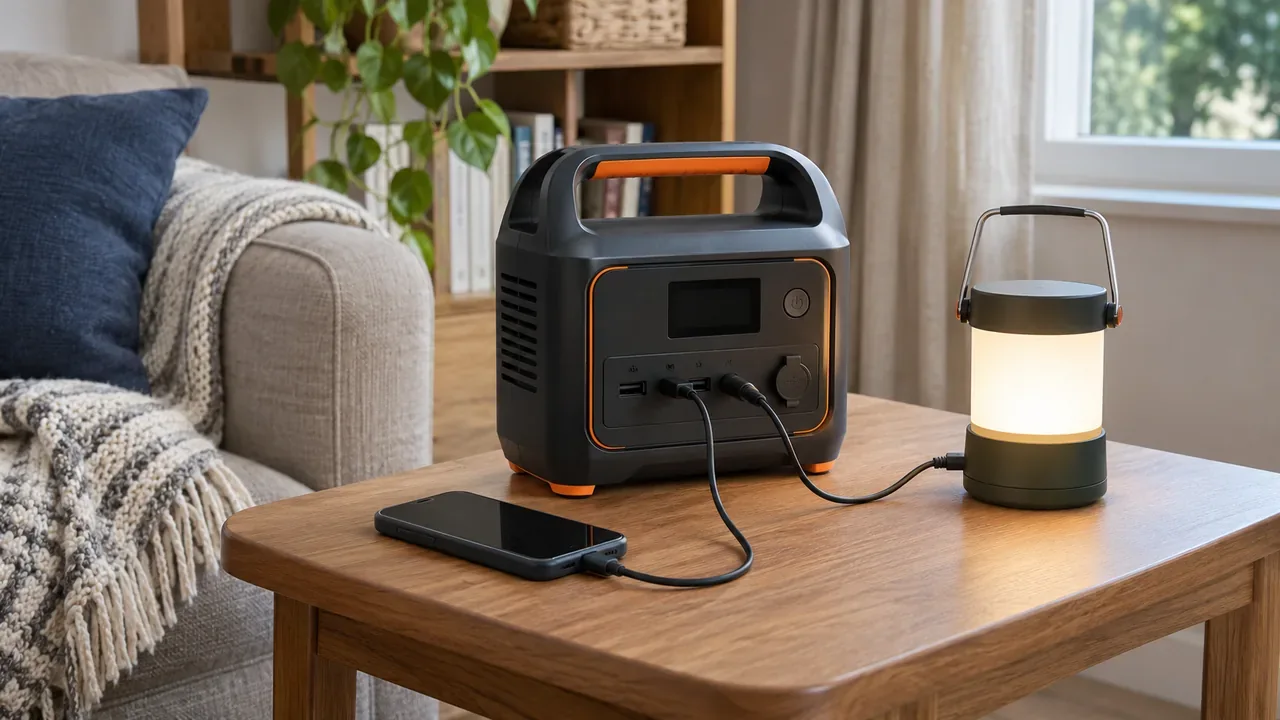
The HSE advice on electrical equipment emphasises safe equipment and competent work. Check external condition and follow manufacturer instructions for ordinary permitted maintenance. Do not undertake live work or improvise household wiring and generator connections.
Damaged plugs, cables, chargers or wet equipment need appropriate assessment. The Electrical Safety First guidance on extension leads helps explain why ratings and condition matter. A cable wrapped with tape is not automatically safe to energise.
Do not repair swollen, leaking, damaged or overheated battery packs or combine cells into an improvised supply. Keep suspect equipment out of use and follow appropriate handling guidance. If the essential function cannot be restored safely, use the guide to living without power to reduce demand and organise suitable alternatives.
Protect drinking-water equipment from an unsafe repair
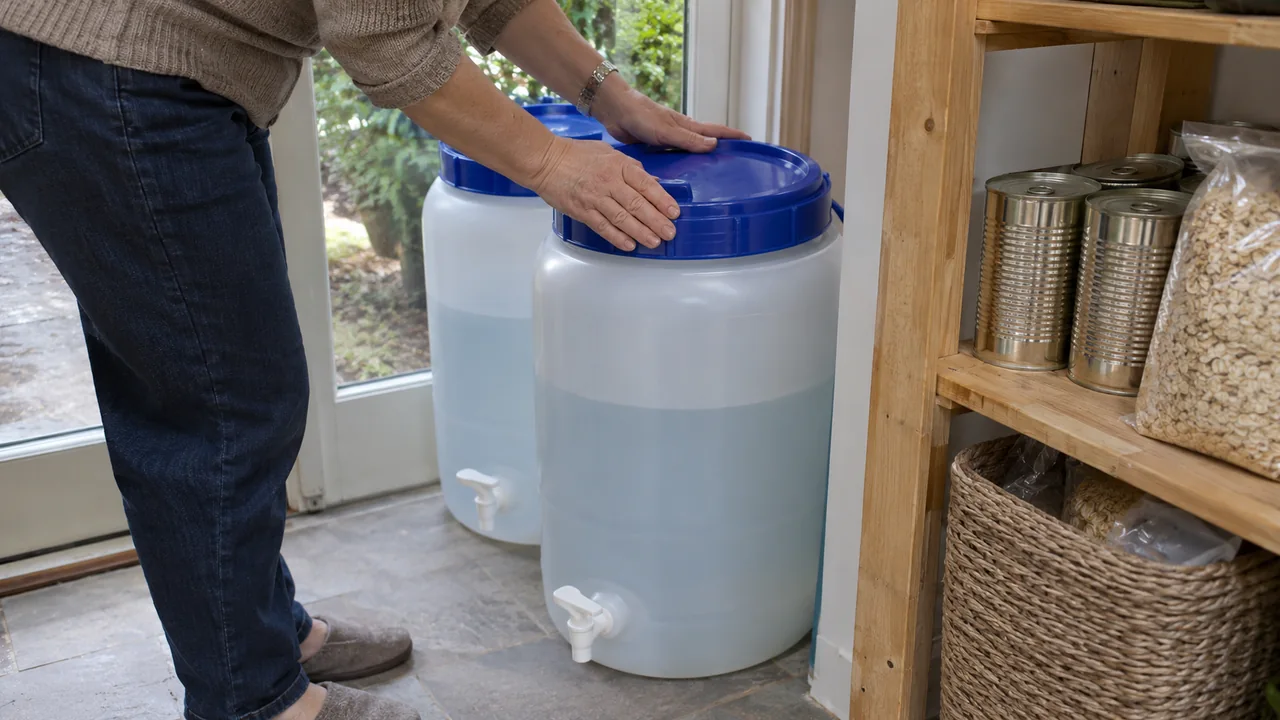
A leaking storage vessel, missing lid or damaged tap affects both quantity and cleanliness. Use components suitable for drinking-water contact and the intended container. An adhesive or salvaged fitting chosen only because it stops a visible leak may introduce another hazard.
Do not reuse vessels that held fuel, pesticides or other hazardous substances as drinking-water storage. A repair cannot erase their history. Keep uncertain containers separate and clearly identified so that another household member does not fill them from the clean supply.
The guide to safe water and food after collapse covers source-to-mouth handling. Where a suitable repair is unavailable, several smaller sound food-grade containers may be more useful than one large uncertain vessel. Evaluate the whole collection and dispensing arrangement, including safe carrying loads.
Salvage parts by identity and condition
Keep suitable reusable fasteners and components organised, with their identity where known. Do not assume two parts are interchangeable because they fit into the same space. Material, strength, electrical rating, temperature and compatibility can matter.
Avoid taking parts from damaged equipment with unknown hazards or dismantling something that still performs a necessary safety function. A donor item can contain charged components, sharp edges or hazardous materials even when it no longer operates.
Use an exact approved replacement where required. If the specification cannot be established, do not invent it from appearance. Scarcity makes careful identification more valuable, because a wrong part can damage the remaining equipment or injure the user before another alternative can be arranged.
Label temporary measures and set clear limits
Some low-risk temporary arrangements may help while a proper solution is sought, but their limitations must be explicit. Identify what the item may be used for, who checked it and when it needs review. Do not describe an uncertain repair as permanent simply because no replacement is expected soon.
A temporary measure is inappropriate where failure can cause serious harm or contaminate essential supplies. Safety-critical equipment needs the appropriate standard, competence and verification. A general disclaimer on a piece of tape does not make a dangerous device acceptable.
Tell every affected user about the item's status. Shared equipment is particularly vulnerable to assumptions: a tool returned to the shelf may be taken as ready for use. Keep unsafe items physically separate where possible and preserve the fault note until a competent decision is made.
Test a completed repair appropriately
Use the manufacturer's prescribed checks and the level of competence required for the item. Do not create a dangerous load test, energise suspect equipment or ask another person to use it as the first test. Some repairs need specialist inspection or testing before return to service.
For an appropriate simple manual item, inspect the finished assembly and any permitted functional check in a controlled setting. Stop if looseness, unexpected movement, damage or another concern appears. A successful brief movement is not proof of long-term reliability.
Record the work, parts and limitations, then review the item during normal maintenance. Keep the underlying function under observation: if a container still leaks or a tool repeatedly loosens, the problem remains. Repeating the same patch does not turn it into a dependable repair.

Share knowledge without turning everyone into a specialist
Ask a genuinely experienced person to demonstrate suitable routine maintenance and explain its limits. Keep simple instructions for cleaning, inspection and safe storage. This can reduce avoidable wear and dependence on one person.
Do not transfer specialist responsibility through a hurried demonstration. Electrical, structural, medical and pressure equipment can require formal competence, tools and testing that a brief lesson cannot provide. Know when to stop and organise another way to meet the need.
The guide to a self-sufficient survival community explains shared roles and records. A small tool-care routine, agreed borrowing and honest fault reporting can preserve resources more effectively than a dramatic repair attempt after months of neglect.
Keep a practical repair-or-replace decision
| Question | If the answer is uncertain |
|---|---|
| Is the fault understood? | Stop diagnosis before dismantling further |
| Can the item be isolated safely? | Keep it out of use and seek competent help |
| Are the method and parts suitable? | Do not substitute by appearance alone |
| Can required checks be completed? | Do not return it to essential service |
Replace may mean borrowing, sharing or changing the method rather than buying a new product. Consider the consequences of failure and the household's actual abilities. An alternative that performs a smaller job safely can be better than restoring full performance through an unverified modification.
Today's useful action is to inspect one essential manual tool, maintain it correctly and separate unsafe items from the usable store. Then identify the next necessary function and the safest realistic way to restore it. Survival depends on dependable work, not on keeping every damaged item operating at any cost.
Frequently asked questions
Should I attempt a repair because no replacement is available?
Only if the repair is within your competence and the method, parts and required checks are suitable. Scarcity does not make a dangerous repair safe. Borrowing, sharing or changing the method may provide a better alternative.
Can tape or glue repair any loose tool handle?
No. A structural fixing must withstand the actual forces and conditions of use. A neat patch or gentle trial does not prove strength. Follow suitable instructions for the tool and stop using a damaged or uncertain assembly.
Can I bypass a safety switch to keep essential equipment running?
No. Guards, interlocks and protective devices may prevent serious injury or fire. Restore the equipment through an appropriate competent repair or keep it out of use while arranging a safer way to meet the underlying need.
Are similar-looking salvaged parts interchangeable?
Not necessarily. Material, strength, ratings and compatibility can differ even when a part fits. Establish the required specification and use appropriate components. Do not guess where failure could harm people or damage essential equipment.
What is the most useful maintenance habit during a prolonged crisis?
Clean, inspect and store suitable tools correctly, and report faults before the next use. Keep unsafe items separate and share clear records. Preventing avoidable deterioration is often more dependable than attempting a difficult repair after failure.