
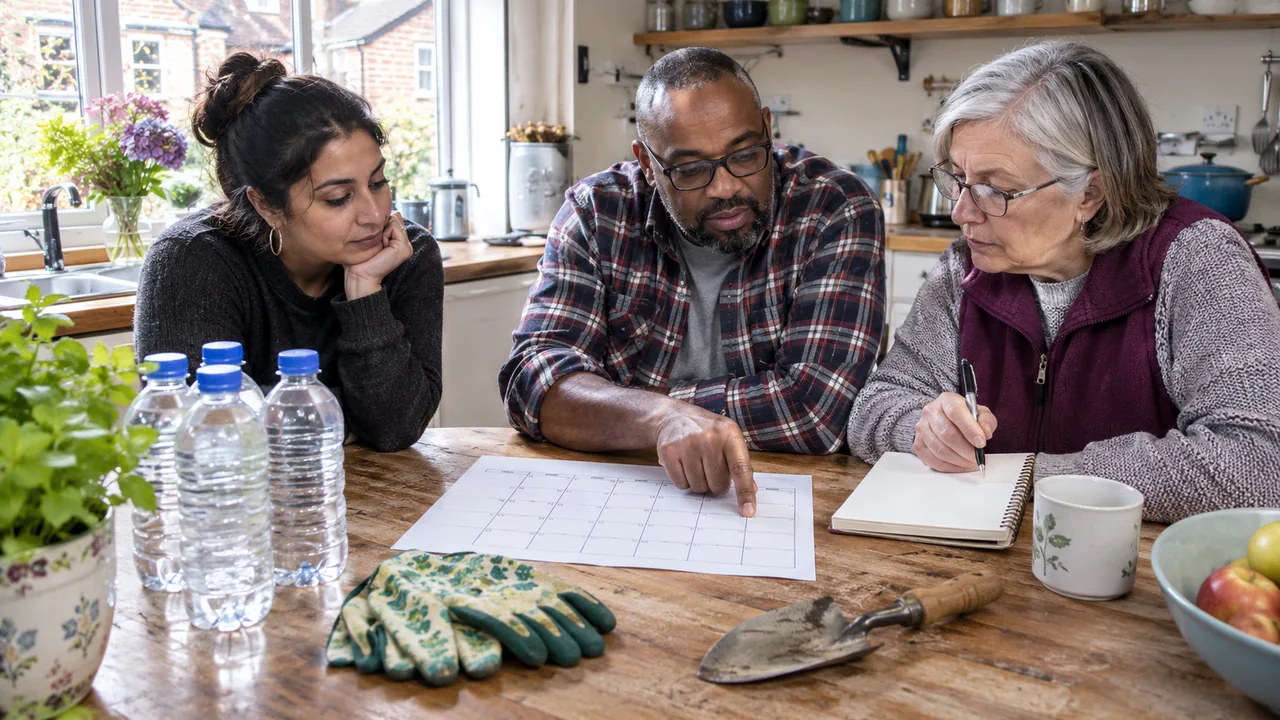
The first emergency bag has been opened, the first night is over and normal services are not returning. A 30 day survival plan begins by turning today's coping measures into routines that people can maintain. The greatest threat may be a slow failure: contaminated water, an exhausted carer, an untreated wound or a shelter that becomes uninhabitable.
Work in short review periods rather than assuming you can predict the whole month. Keep water, food, sanitation, shelter, essential care and communication connected. Assign responsibilities, preserve rest and change the plan when conditions change.
Thirty days is a planning horizon, not a promise that rescue arrives on day 31. A successful month leaves the household with functioning people, usable equipment and credible next steps. It does not consume every reserve simply to reach a date on a calendar.
Start with an honest baseline
Write down who is present, where you are sheltering and which essential functions still work. Include hazards around the building and the needs of the least independent person. An upstairs room may be dry but unusable if a bedbound relative cannot reach it safely.
Count usable supplies rather than possessions. A battery without a compatible charger, a food item requiring unavailable water and an uncertain water source should not be entered as dependable resources. Record the uncertainty beside the item so it cannot disappear into an optimistic total.
Use the guide to the first 72 hours for immediate priorities that remain unresolved. Longer-term thinking must not distract from an active fire, severe illness or a failing shelter. Stabilise what you can before planning improvements that take days to complete.
Give each phase a different purpose
The opening days should establish a safe location, reliable drinking water and a basic care routine. The next period should make collection, meals, sanitation and information checks repeatable. Later weeks can improve food production, equipment maintenance and cooperative arrangements.
These are purposes rather than fixed deadlines. A household still facing floodwater on day ten cannot be expected to begin a garden because a schedule says so. Move between phases according to conditions, not a sense of failure about falling behind.
The UK Be Ready emergency advice provides a useful baseline for household needs and communication. In this extended scenario, keep reassessing which ordinary support systems are genuinely operating and which assumptions no longer hold.
Put drinking water at the centre of the plan
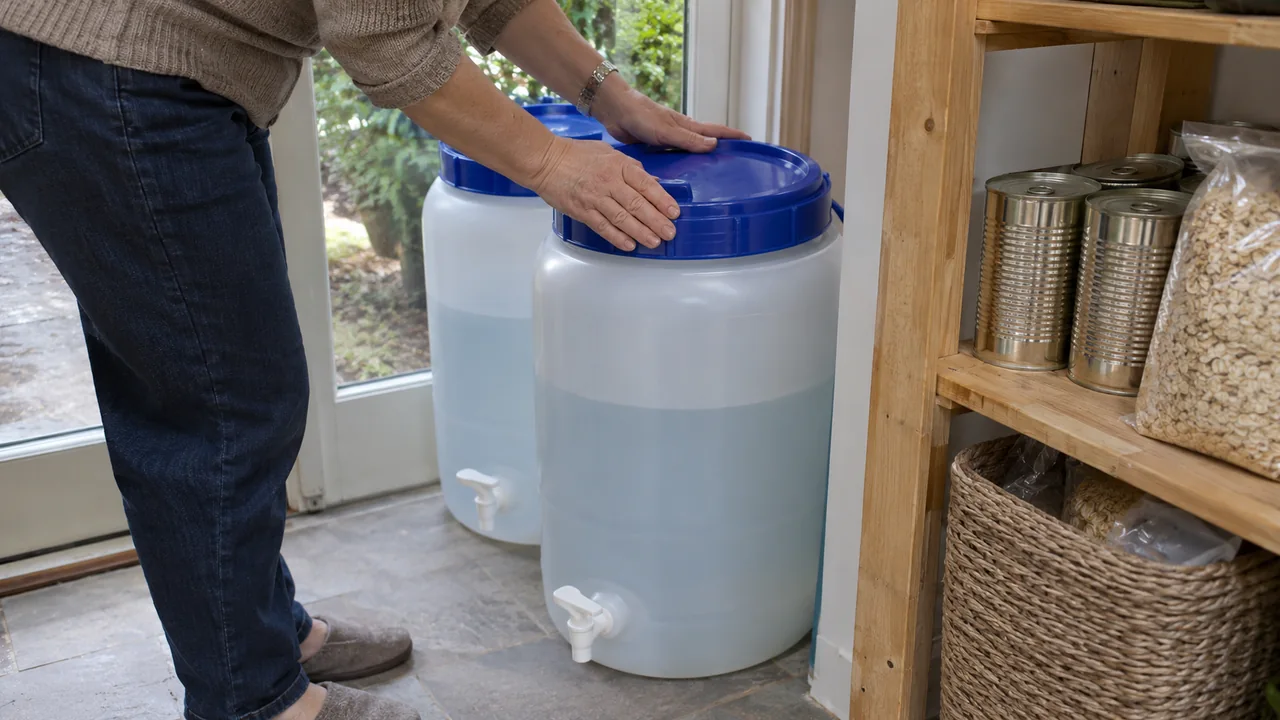
Record the source, usable quantity, collection route and storage arrangement. Keep drinking water protected from waste and chemicals, and distinguish it from water reserved for other uses. A large reserve can still be lost through a dirty container or an inaccessible tap.
Calculate how long the current safe stock lasts at realistic household use, including cooking and necessary care. Do not impose a rigid ration that ignores heat, illness or medical restrictions. The calculation should reveal the next collection requirement rather than justify withholding essential fluids.
Use the guide to safe water and food after collapse to assess treatment limitations. Boiling does not remove fuel, toxic chemicals or radioactive contamination. A 30-day plan that depends on an unknown polluted source has an unresolved problem, however neat the storage chart looks.
Build a food plan from meals people can actually eat
List safe meals by the water, fuel and equipment each requires. Include dietary restrictions, texture needs and the number of portions. Ready-to-eat food can reduce effort, but opened products still need appropriate handling and may not remain safe without refrigeration.
Estimate food needs from real meals and available portions rather than inventing one calorie target for everyone. Children, older adults, illness and physical work change requirements. Seek individual clinical advice where available rather than changing prescribed diets through a general survival plan.
Keep a visible record of what is being used and what needs replacing. If the household is eating much faster than expected, review portion assumptions, sharing arrangements and supply routes early. Do not wait until the cupboard is nearly empty to discover that the month's plan covered only half the people present.
Make sanitation a daily responsibility
A shelter can become unhealthy long before the roof fails. Establish a usable toilet arrangement, handwashing method and waste route. Keep human waste away from food, drinking water, children and animals, and protect the people who handle it.
A composting toilet is not simply a bucket whose contents become safe with time. Collection, treatment and final management are separate questions. Read the guide to composting toilets without a mains sewer before depending on one, including its limits and local requirements.
Allocate cleaning supplies and time alongside food and fuel. Neglecting sanitation to save a little water can create illness that requires much more care later. Use the safest available cleaning method and product instructions; never mix chemicals to make a supposedly stronger disinfectant.
Protect shelter and temperature before comfort
Check for changes after storms, flooding, fire, ground movement or other damage. A building that was usable at the start of the month may deteriorate. Do not treat a previous decision to remain as permanent permission to ignore new hazards.
Organise sleeping space so people can rest without blocking exits or separating a dependent person from necessary help. Keep bedding dry, avoid overcrowding around heat sources and store supplies without creating trip hazards or unstable loads.
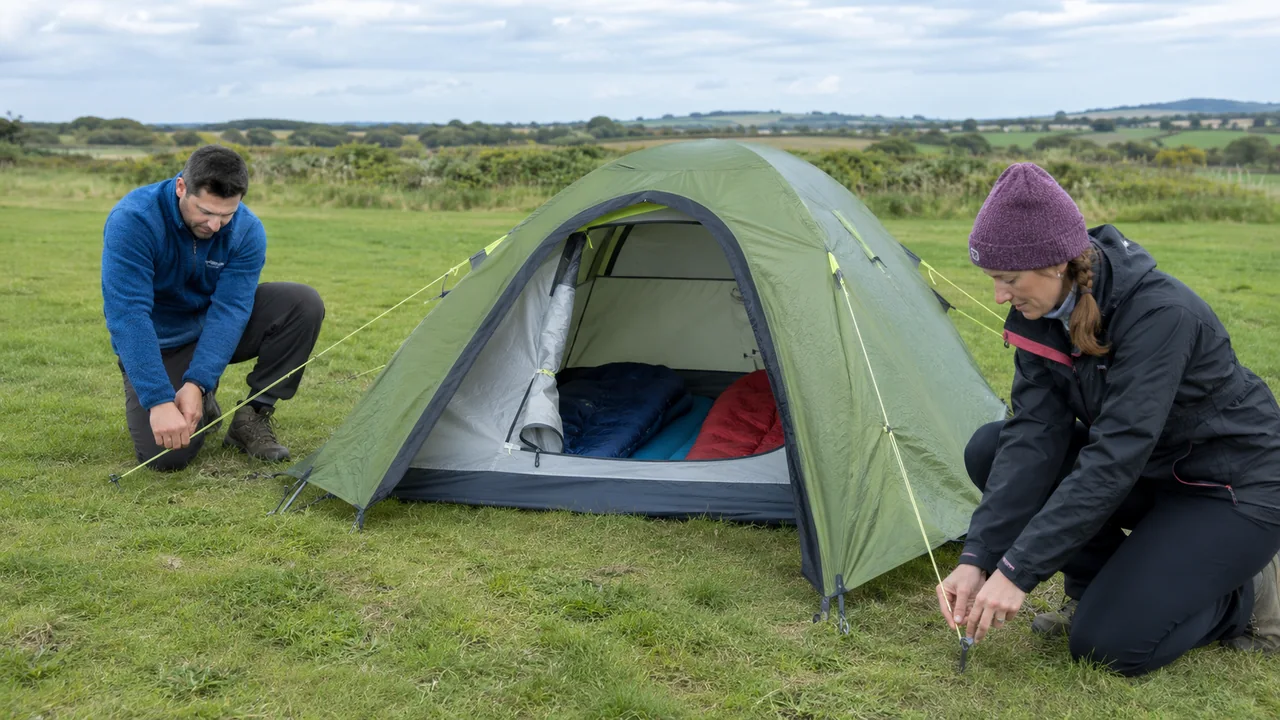
Prepare an alternative location or route where practical. Use the guide to shelter after losing your home if the present building fails. Temporary shelter must address weather, ground conditions, sanitation and accessibility, rather than offering only a waterproof cover.
Keep essential care from consuming the household's capacity
Write down existing medical and care plans, equipment needs, allergies and the assistance each person requires. Preserve records for any competent clinician or service that becomes reachable. Do not improvise doses, invasive treatment or unsafe lifting because regular support has stopped.
Share the workload and create handover notes. A second person should know where necessary supplies are kept and what has already been done. One exhausted carer becoming unwell can destabilise the entire household within hours.
The Be Ready guidance for disabled people and carers reinforces the need for personal plans and support networks. Adapt the household routine around actual needs rather than assuming that every adult can queue, carry water or sleep on the floor.
Manage energy by essential functions
List what power is needed for and how long each function must operate. A device's advertised battery capacity is not the same as usable running time for a particular load. Use compatible equipment and manufacturer guidance, especially for medical devices.
Reserve scarce charging capacity for important communication, necessary lighting and approved essential equipment. Use daylight and paper records where they reduce demand safely. Avoid running several unnecessary devices simply because a charging opportunity has appeared.
Keep outdoor generators and cooking equipment outdoors in safe approved arrangements. Do not bypass electrical protection or improvise connections to household wiring. The guide to living without power or communications explains how a simpler energy routine can remain useful when a complex system fails.
Establish an information routine that survives rumours
Choose a small number of credible information routes, record when an update was received and distinguish confirmed facts from reports. A paper note should include its source and time, especially when several people are collecting information separately.
Arrange sensible check-in periods with trusted contacts where possible. Avoid exhausting batteries through continuous unsuccessful calls. A failed connection does not prove that every service or neighbouring community has disappeared, and an alarming forwarded message does not establish a new hazard.
Review decisions against observed conditions and credible instructions. If a safe route closes or a water point stops operating, update the written plan immediately. The plan must represent the present situation rather than preserve the reassurance of an earlier version.

Use cooperation to reduce repeated effort
Neighbours may be able to share collection, childcare, cooking facilities or maintenance skills. Agree tasks and expectations clearly, including how people with less physical capacity can contribute. Cooperation should reduce pressure without forcing vulnerable people to disclose private medical or financial details.
Use the government's community resilience resources as a framework for roles and local coordination. A community arrangement needs a way to make decisions, handle disagreements and protect safeguarding, not merely a confident volunteer in charge.
Keep a household fallback for essential functions where possible. Shared equipment can fail and helpers can become ill. The guide to a self-sufficient survival community explores practical collaboration without pretending that trust removes the need for records and boundaries.

Give maintenance and rest a place in the schedule
Inspect frequently used containers, footwear, hand tools and shelter fittings. Small faults can become major failures when replacement parts are unavailable. Clean and store equipment appropriately, and stop using anything whose failure could injure people.
Separate tasks that household members can perform competently from electrical, gas, structural or medical work that requires specialist skills. A dangerous repair is not a saving if it destroys the only usable equipment or harms the person who maintains everything else.
Protect sleep, meals and short periods away from demanding work. Exhaustion changes judgement and increases conflict. A rota that looks efficient on paper but never allows a carer or collector to recover will fail before the month ends, even when supplies appear adequate.
Review the next week with a small working table
| Function | Current arrangement | Weak point to resolve |
|---|---|---|
| Water | Source, storage and collection | Next safe supply and backup |
| Food | Safe meals and usable portions | Cooking limits and replenishment |
| Shelter | Sleeping space and weather protection | Damage, temperature and alternative location |
| Care and sanitation | Named tasks and supplies | Rest, waste route and replacement help |
Add the next action and responsible person beside each weak point. Keep the table short enough to update after a tiring day. A plan that requires perfect administration is less resilient than one people can understand and maintain.
At the end of each week, ask whether the household is healthier, more capable and less dependent on an uncertain supply. If the answer is no, change the approach. The most useful action today is to resolve one essential weakness and assign tomorrow's check before fatigue turns a known problem into a crisis.
Use a failed day to test the plan
Imagine that the usual collector wakes with an illness, the local water point is closed and a relative's phone battery is flat. A workable plan identifies another competent collector, a second credible information route and a safe way to tell people that arrangements have changed. It does not require the ill person to continue because nobody else knows the route.
Try the same exercise for a lost cooking method, a damaged container and a carer needing uninterrupted sleep. Look for one realistic alternative for each essential function. This is not an invitation to perform a risky drill during an active crisis; it is a short discussion that reveals gaps before the failure happens.
Write the alternative beside the normal arrangement. A vague promise that neighbours will help should become a named contact and an agreed task, where consent and circumstances allow. If no alternative exists, make that limitation visible and prioritise it above improvements to comfort.
Keep stock calculations connected to actual use
Suppose a household believes its safe ready-to-eat food covers ten days. After two days, compare the expected remaining portions with what is actually left. If more has been used, find the reason: an extra person, underestimated appetites, spoiled opened food or a counting mistake. Revise the estimate immediately.
Do the same for water, necessary batteries and cleaning supplies. Keep units consistent, distinguishing unopened containers from loose estimates and usable battery running time from the number of batteries in a drawer. Do not enter a promised delivery as stock already available.
This check can remain simple: opening quantity, amount used, usable quantity remaining and next action. Assign it to a person who understands the units, then make sure someone else can read the record. Reliable modest records support decisions; elaborate calculations built on uncertain quantities can hide a serious shortage.
Frequently asked questions
Should I divide all supplies into exactly 30 equal daily portions?
No. Use realistic needs, safe storage and a replenishment plan. Heat, illness, care and changes in household size can alter demand. A calendar can support planning, but it should not impose unsafe fluid or food restrictions.
What should be established before a long-term garden or repair project?
A safe location, dependable drinking water, usable food, sanitation and essential care must be functioning first. Growing food and repairing equipment can improve later resilience, but they cannot replace unresolved immediate needs.
How often should a 30-day survival plan be reviewed?
Check essential functions daily and after any major change, with a fuller review of the coming week. Update sources, routes, stocks and responsibilities when circumstances change rather than preserving an outdated plan.
Can one capable adult manage all the essential tasks?
That arrangement is fragile. Illness, injury or exhaustion can remove the household's only working support. Share knowledge, use simple handover notes and arrange realistic rest and trusted assistance wherever possible.
Does reaching day 30 mean the crisis is over?
No. Thirty days is a planning horizon, not a forecast of recovery. Use the month to preserve people, develop repeatable supply arrangements and identify the next period's needs without assuming services return on a particular date.