
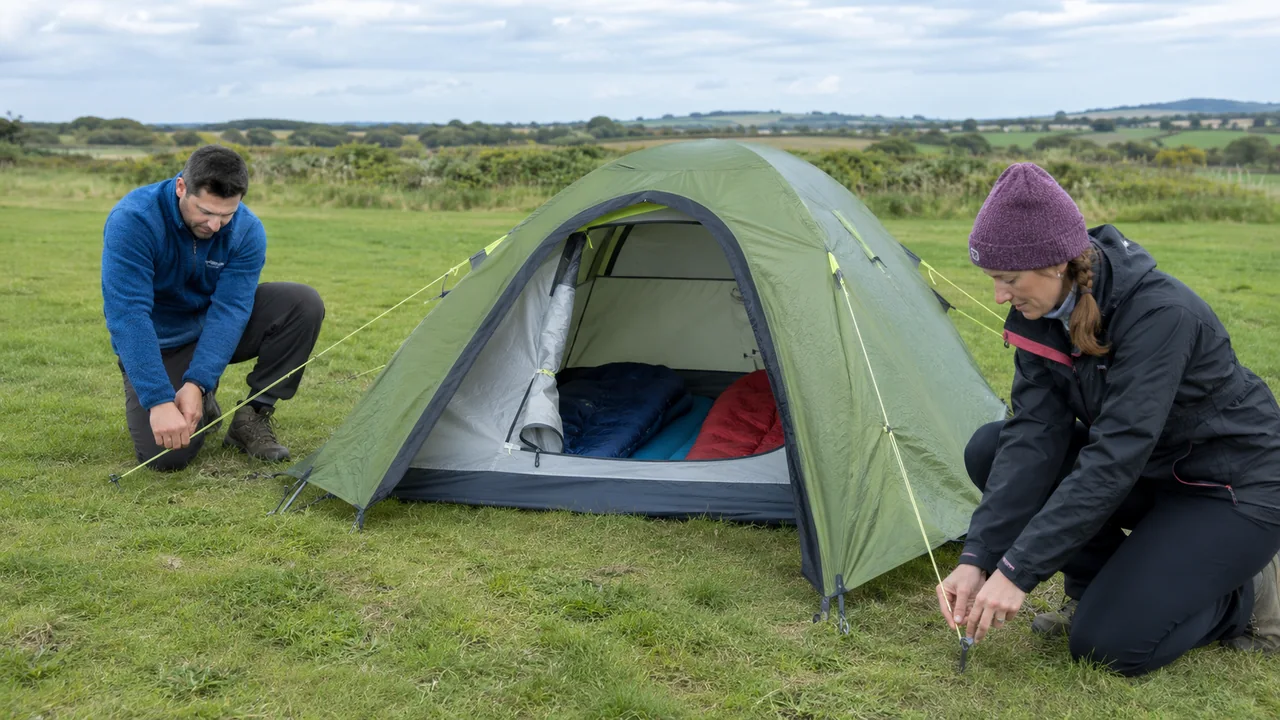
Your home is damaged, wet, burned or otherwise unsafe, and there is no usable public shelter nearby. Emergency shelter after losing your home means finding a place that protects people from the actual hazards without creating new ones. A roof or tent alone is not enough if the ground floods, a wall can fall or a dependent relative cannot use the space.
Look first for a sound, accessible building or established safe accommodation through any functioning local support. If temporary outdoor shelter is unavoidable, choose the site before choosing the structure. Keep drinking water, sanitation, weather, escape routes and necessary care in the same decision.
Do not enter a damaged building to retrieve shelter materials or attempt structural work beyond your competence. The loss of the home is already a serious emergency; avoid turning a search for cover into another casualty.
Decide whether the present home can be used at all
Fire, major structural damage, unsafe electricity, gas, contaminated floodwater and other hazards can make a building uninhabitable. Do not assume that a dry room or an intact front wall proves the whole structure is safe. Damage may exist where you cannot see it.
Use competent inspection and current official instructions wherever available. The guide to unsafe buildings after an earthquake explains why visible warning signs are useful for avoidance but cannot certify safety. Similar caution applies after other serious damage.
If immediate danger requires leaving, prioritise people and necessary assistance. Take essential medication, records and accessible supplies only when that does not delay escape. Do not return for bedding or tools until the building has been appropriately assessed and access is permitted.
Search for a safer existing place first
A sound building with permission to use it can offer better protection and accessibility than an improvised outdoor arrangement. Check with trusted relatives, community contacts and any functioning local authority or emergency support. Confirm the location and conditions before beginning a difficult journey.
Ask practical questions: can everyone enter, sleep, use a toilet and obtain drinking water? Is there enough safe space, and are necessary care and privacy possible? A crowded room reached by unsafe stairs may not be a workable destination for a bedbound person.
The guide to staying or evacuating compares the present place, route and destination. An unverified message that a distant hall is open should not be treated as confirmed shelter. Keep a fallback and avoid separating family members without an agreed way to reconnect.
Choose outdoor ground for safety, not convenience
Where outdoor shelter is necessary, consider flooding, drainage, wind exposure, unstable ground, falling branches and nearby damaged structures. Avoid low points that can collect water, river margins and places exposed to moving vehicles or other obvious hazards.
Check access to safe water and a practical toilet arrangement without placing the shelter beside waste or contaminated ground. Keep routes clear enough for people with reduced mobility. A site that only the strongest adult can reach will fail the household even if it looks sheltered.
Do not assume land access is unrestricted because the situation is serious. Seek permission and local guidance where possible. Reassess the ground after weather changes, because a dry arrival in daylight does not establish a safe night or a safe site after rain.
Match the shelter to weather and household needs
A properly used tent can provide weather protection, but its suitability depends on design, condition, capacity and pitching. Follow its instructions, including ventilation and anchoring. Do not overload a small tent or block its exits with supplies.
A tarpaulin or other temporary cover needs secure support and suitable conditions. Avoid attaching it to unstable masonry, unsafe trees or structures whose strength you do not know. This guide does not certify improvised construction or provide a substitute for competent structural judgement.
Consider wind, rain, cold and heat together. A shelter that blocks rain can become dangerously hot in strong sun, while an open arrangement may be inadequate at night. Provide a way to inspect and adjust it without putting someone on an unstable ladder or exposed roof.
Keep the sleeping system dry and insulated
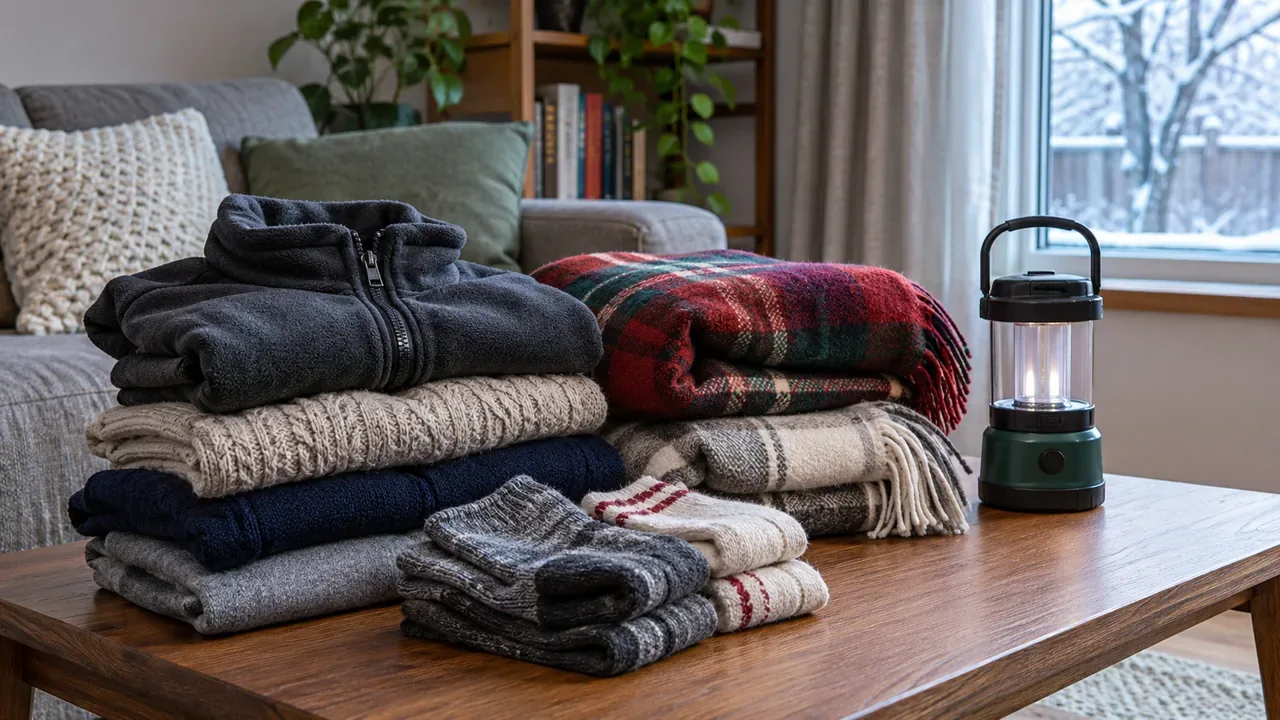
Separate people from cold or damp ground with suitable mats and dry bedding. Keep spare clothing and essential sleeping materials protected from rain and ground moisture. A waterproof cover above is of limited value if water runs underneath the sleeping area.
Use layers that can be adjusted to conditions and the person's needs. Check children, older adults and people who cannot move or communicate easily. Someone lying still for long periods may need a different arrangement from an adult doing physical work outside.
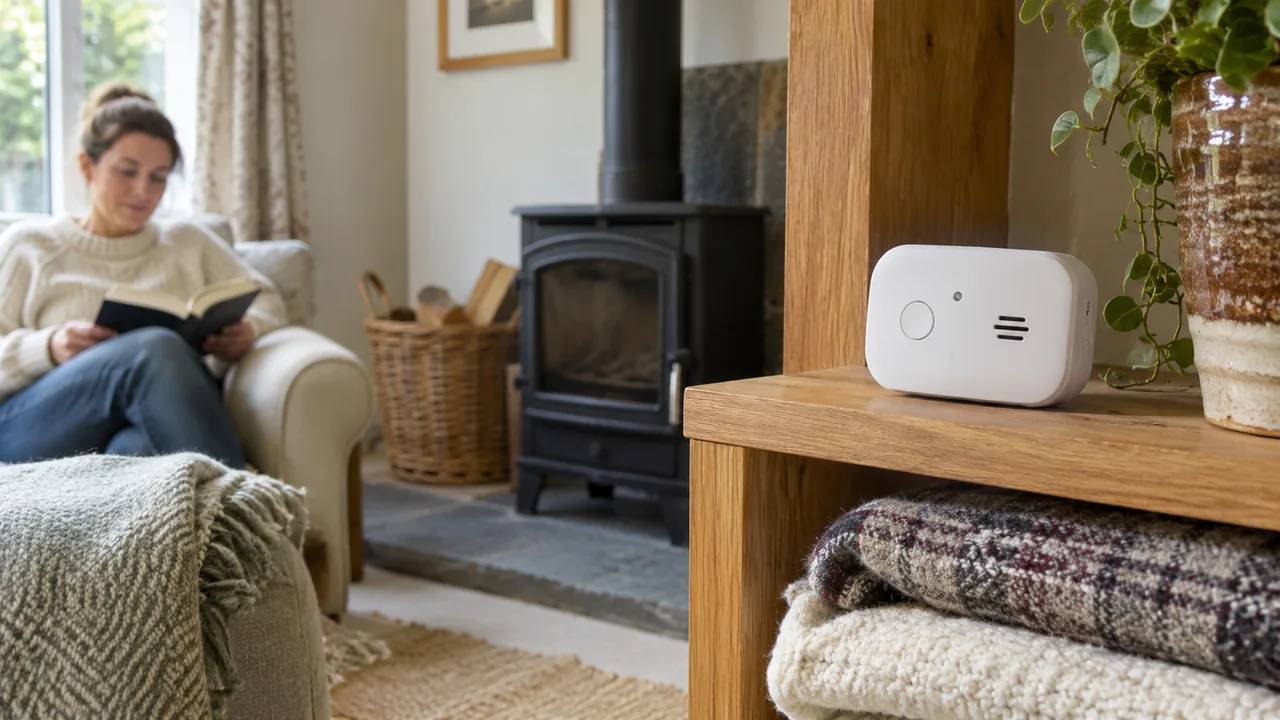
The guide to keeping warm without central heating covers safe warmth and cold-related concerns. Do not use a barbecue, outdoor stove or generator inside or close to openings. Preserving warmth must not introduce carbon monoxide into an enclosed sleeping space.
Keep cooking and combustion away from living space
Outdoor cooking equipment must remain outdoors in an arrangement allowed by its instructions and local conditions. A tent porch, enclosed awning, vehicle or partly open shelter is not automatically safe. Carbon monoxide can accumulate without a visible warning.
The Scouts' carbon monoxide guidance highlights the risks around camping and enclosed spaces. Never use a barbecue as a tent heater, including after the visible flames have gone.
Prefer safely usable ready-to-eat meals when cooking conditions are unsuitable. Keep fuel away from sleeping areas and children, and avoid ignition sources near flammable shelter materials. The guide to cooking without electricity or gas explains why a simple meal can be the safer choice.
Establish drinking water and sanitation immediately
Identify the safest credible drinking-water source and protect containers during collection and use. Do not depend on nearby surface water because it looks clear. Flooding, sewage, livestock and other contamination can make a convenient source unsuitable.
Set a handwashing arrangement and a usable toilet system early. Consider the full waste route, privacy, lighting and access. A shelter becomes unhealthy quickly when people have to avoid drinking to reduce toilet visits or when waste can contaminate stored food and water.
Use the guide to hygiene without running water for a controlled household routine. Waste management and any ground disposal must follow relevant local requirements and conditions. Do not dig a convenient pit beside water, roots, services or another person's living area and assume the emergency makes it acceptable.
Make space for care, disability and dignity
Ask each person what they need to use the shelter safely. Consider steps, ground surfaces, toilet access, medication storage, communication and equipment. A bedbound person may need a suitable bed and pressure-care arrangement that a basic tent cannot provide.
Follow existing care plans and use trained help where available. Do not attempt unsafe lifting or improvised electrical support for essential medical devices. The Be Ready advice for disabled people and carers supports planning around actual individual needs.
Arrange privacy for washing, changing, rest and sensitive care. Keep safeguarding in view when sharing accommodation with people outside the household. A shelter that preserves physical warmth but removes dignity, consent or safe supervision has not met the family's full needs.
Store supplies without weakening the shelter
Keep exits, walkways and ventilation clear. Place heavy containers where they cannot fall, tip or overload a surface. Do not hang substantial loads from tent fittings or uncertain structures because floor space is limited.
Separate food, drinking water, chemicals, fuel and waste. Keep tools covered or stored safely so children and tired adults do not step onto sharp edges. Use secure storage that still allows routine inspection for leaks, pests and damaged packaging.
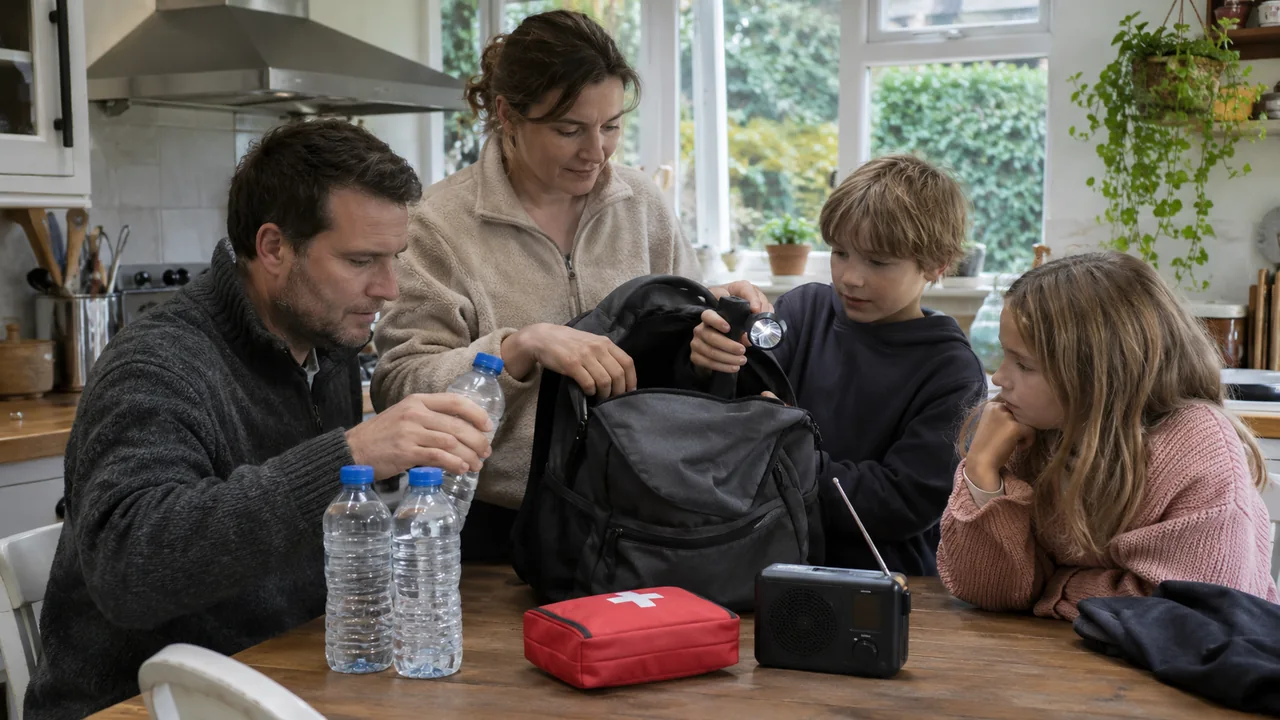
Organise essential items so that another person can find them in darkness or during a hurried departure. Keep a small portable set of medication, documents and necessary supplies ready where appropriate. The Red Cross emergency-kit guidance provides a useful reference without replacing the household's individual requirements.
Check the site through a full day and night
Inspect anchors, drainage, bedding and access after weather changes. Look for water entering, loose fittings, excessive heat or a route that has become slippery or obstructed. Deal with a small problem while it remains manageable, without attempting hazardous repairs.
Agree who checks the shelter and when, allowing proper rest. Children and people who need care must not be left unsupported while every capable adult works on improvements. Use lighting that helps people move safely without introducing fire or electrical hazards.
Write down reasons to relocate, such as rising water, nearby fire, new structural danger or an inability to meet essential care needs. Do not let the effort spent establishing the shelter become a reason to remain after it stops being suitable.

Plan a safer move before conditions force one
Keep the route and possible destination under review. Confirm whether a building or community site remains open and appropriate before moving everyone. Avoid travelling on rumours, particularly in darkness or through floodwater and damaged areas.
Coordinate with trusted people who can help with transport, carrying or care. The guide to travel without petrol explains why distance and loads must match actual ability. A relocation plan must include the least mobile person rather than assuming they can be moved later.
Take only what can be transported safely while preserving essential care and warmth. Record where people are going and how contact will be attempted. Do not split children or dependent adults from responsible support in order to move more possessions on the first trip.
Use a short shelter check before settling
| Check | A workable answer should identify |
|---|---|
| Site hazards | Safe ground, drainage and distance from falling or moving hazards |
| Weather protection | Suitable cover, dry sleeping materials and ventilation |
| Essential needs | Drinking water, toilet, food and necessary care |
| Exit and relocation | Clear route and a credible next destination |
Discuss the answers with the household, including people whose needs are less visible. A quiet person may be unable to reach the toilet or sleep in the proposed position even when everyone else thinks the arrangement is complete.
Today's priority is a safe usable place for everyone, followed by water, sanitation and a sleeping system that stays dry. Improve the arrangement in manageable stages. A survivable shelter is a working living system, not simply an impressive structure photographed before the weather changes.
Make the first night manageable before improving the structure
Before darkness, decide where each person will sleep, where shoes and necessary clothing will be kept and how someone reaches the toilet without stepping over others. Try the route in the available light. Keep entrances identifiable and clear, including the exit a child or a person with limited mobility would actually use.
Protect a small clean area for necessary care and food preparation. This may require separating activities by time rather than creating extra rooms: clear and clean the surface between uses, keep supplies covered and prevent waste from crossing the clean area. Do not sacrifice handwashing because the space is cramped.
Agree how a person calls for help during the night. Someone with reduced hearing, speech or movement may need an arrangement beyond shouting to another sleeping adult. Make sure the agreed response does not depend on a phone or light whose battery is already uncertain.
Record what worked after the first night. Wet bedding, inaccessible equipment, poor rest or repeated near falls reveal practical failures that deserve attention before decorative or convenience improvements. Change one essential weakness at a time and keep the household informed. The shelter is ready for continued use when people can live in it safely, not when every spare material has been attached to its frame.
Frequently asked questions
Is a building safe if one room still looks intact?
No. Visible appearance cannot establish structural safety after serious damage. Follow competent assessment and official instructions where available. Avoid entering or re-entering a damaged building merely to retrieve supplies.
Is a tent enough for a bedbound family member?
It may not be. Suitable bedding, pressure care, access, sanitation, temperature and necessary equipment must all be considered. Follow the person's existing care plan and seek competent support rather than assuming floor space meets their needs.
Can I cook in the tent porch if the main sleeping area is open?
Do not assume that arrangement is safe. Outdoor combustion equipment must remain outdoors in an approved safe setup, away from shelter openings. Enclosed porches, awnings and vehicles can allow dangerous carbon monoxide accumulation.
What is the first thing to check when choosing outdoor shelter ground?
Check flooding, drainage, unstable ground, falling hazards and safe access before convenience. Then consider weather protection, drinking water, sanitation and the needs of every person who will use the site.
When should a temporary shelter be abandoned?
Relocate when changing hazards or unmet essential needs make it unsuitable, using the safest credible route and destination available. Rising water, fire, structural danger and inability to provide necessary care are reasons to reassess urgently.