
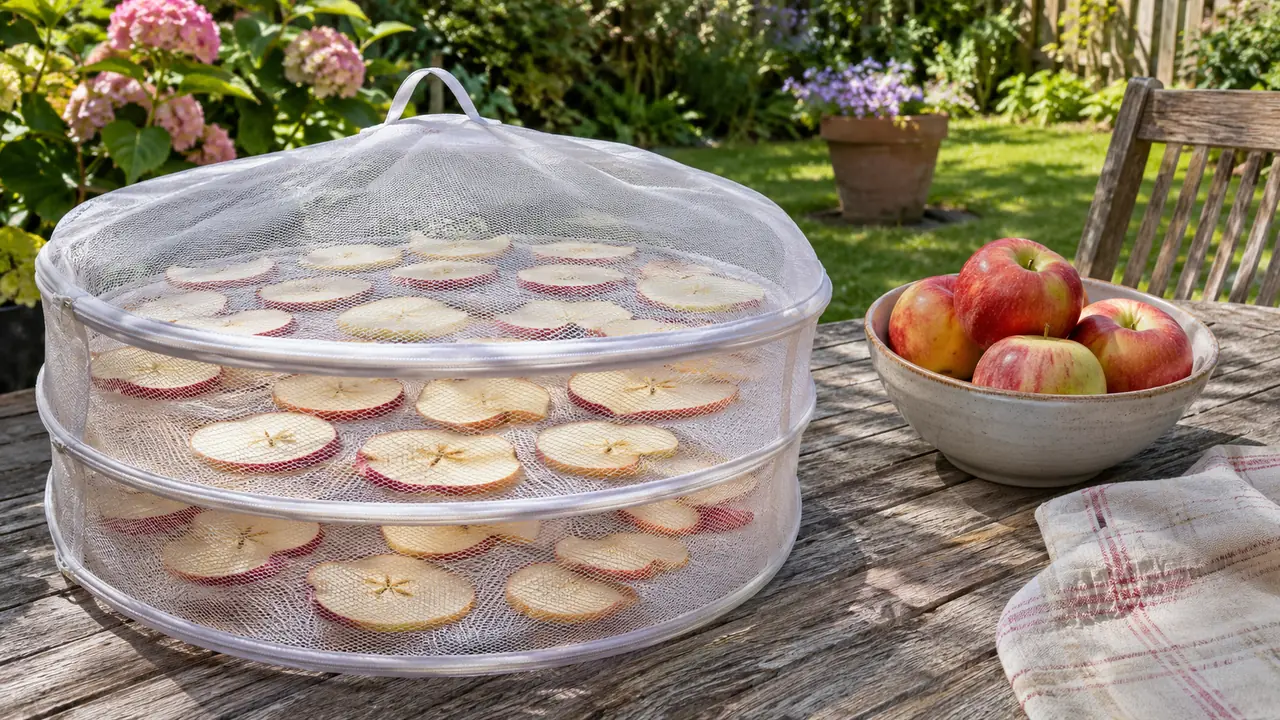
The freezer has stopped, there is more fresh food than the family can eat and no reliable power is returning. Food preservation without refrigeration starts with a difficult distinction: which food is still safe to use, and which preservation methods you can carry out correctly. A sealed jar is not proof of safety, and a large batch of uncertain food can be more dangerous than the shortage itself.
Protect sound shelf-stable supplies first. Use or share suitable perishable food while it remains safe, then preserve only a manageable quantity through a method supported by reliable instructions and the equipment available. Do not try to rescue food whose storage history has already made it unsafe.
Months of storage is an outcome to earn through the right process, packaging and conditions. It is not a shelf-life you can assign to an improvised recipe because the household needs it to last.
Assess food safety before choosing a method
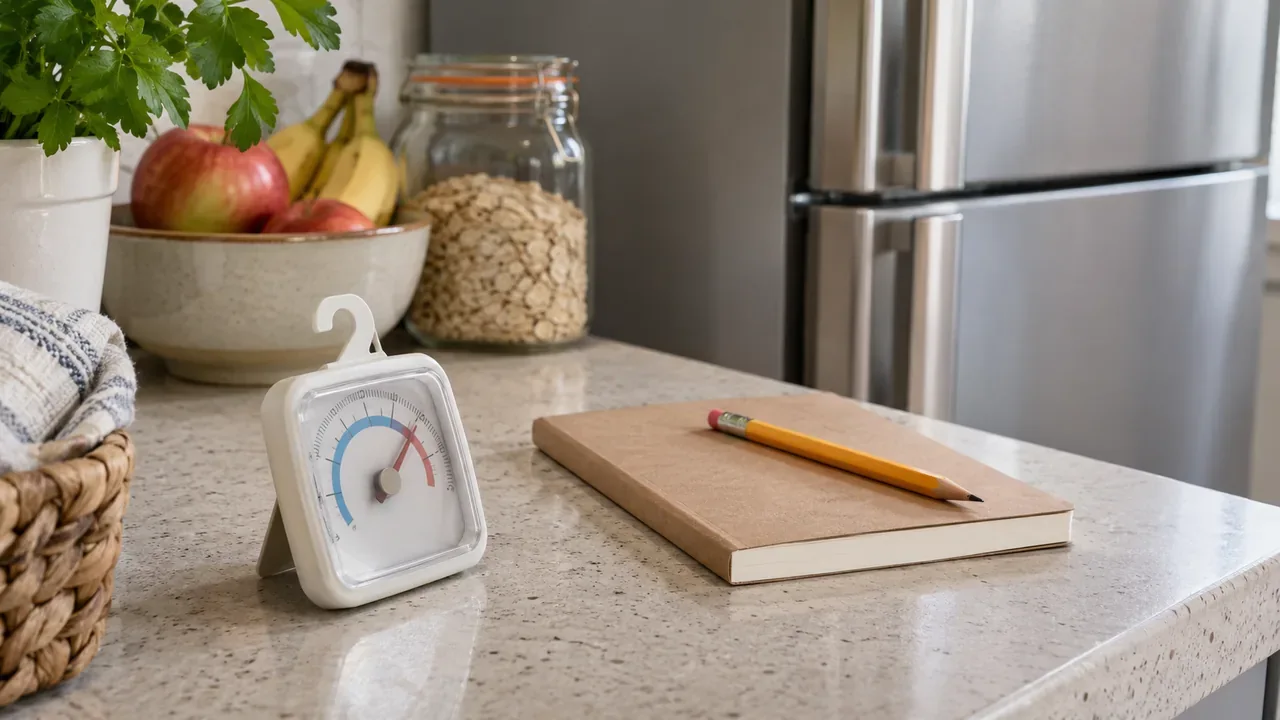
Record when refrigeration failed and what is known about the food's temperature and handling. Use a thermometer where possible. The Food Standards Agency's power-cut guidance explains why time, temperature and food type affect the decision.
Do not taste doubtful food to test it. Appearance and smell do not reveal every hazard, and reheating cannot reliably remove all risks created by poor storage. Food affected by sewage, contaminated floodwater or chemicals needs separate consideration rather than washing and preserving.
Sort safe food into what can be eaten promptly, shared safely, stored in its existing shelf-stable form or considered for a verified preservation process. Keep uncertain items physically separate so that someone preparing a meal does not mistake them for the approved group.
Choose a method that matches the food and resources
Drying, canning, pickling and fermentation work in different ways and have different requirements. They are not interchangeable routes to the same result. The food's acidity, moisture and preparation matter, as do equipment, recipe and storage conditions.
Use the National Center for Home Food Preservation for tested guidance on home canning and method selection. Its instructions are based on particular foods, equipment and processes. Do not replace them with a general article's summary or a remembered family technique.
Make a resource check before starting: safe water, suitable containers, dependable heat or drying conditions, clean working space and enough time to finish. A preservation project that stops halfway can waste the food and supplies it was meant to protect. Start with a small batch you can complete correctly.
Understand why low-acid canning needs special care
Some foods can support the growth of organisms that create a serious botulism hazard when improperly canned. A vacuum seal does not demonstrate that these hazards have been controlled. A lid can hold firmly on a jar whose contents were processed incorrectly.
Low-acid foods require the appropriate tested pressure-canning process and equipment. Ordinary boiling-water processing is not a universal substitute. A pressure cooker is not automatically suitable for every pressure-canning procedure; check the tested method and equipment requirements explicitly.
Do not invent processing times, alter jar sizes, thicken recipes or change ingredient proportions without verified guidance that allows it. Altitude and other specified factors can affect the process. If the required equipment or dependable heat is unavailable, choose a different safe food plan instead of improvising a shortcut.
Use drying only where conditions can complete the job
Drying reduces moisture, but food that remains too damp can spoil during storage. Preparation, piece size, airflow, temperature and humidity influence the result. The method must suit the food and produce a consistently dried product rather than a dry surface around a moist centre.
The NCHFP guidance on sun drying distinguishes suitable fruit drying from foods needing more controlled conditions. It does not make outdoor drying a general method for meat and vegetables. Changeable British weather can interrupt the process and prevent reliable results.
Use clean equipment and protection from insects and contamination. Follow the specific guidance for the chosen fruit, including preparation, dryness assessment and any conditioning step. If the environment cannot support completion, do not package partly dried food and assume storage will finish the work safely.
Keep drying connected to packaging and storage
Allow correctly dried food to reach the condition required by the verified method before packing. Use suitable clean packaging that protects it from moisture and pests. Divide it into quantities that can be opened and used without repeatedly exposing the entire supply.
Label the contents, method and date, and record any relevant storage directions. Keep batches separate so that a problem with one does not make the history of everything else unclear. A date helps with rotation, but it does not override signs of moisture damage or an incomplete process.
Inspect stored dried foods according to the guidance for that product. Condensation, dampness, mould, pests or damaged packaging need attention. Do not scrape visible mould from a questionable batch and return the rest to long-term storage as though the problem has been solved.
Do not improvise pickling or fermentation
Acidification and fermentation depend on controlled conditions. Adding an uncertain amount of vinegar, salt or another ingredient does not establish a safe preserved product. The strength of the ingredient and the proportions in the tested recipe matter.
Use a reliable method for the specific food and follow its measurements, container requirements and storage instructions. Do not assume that a product is shelf-stable because it tastes sour or has produced bubbles. Some preparations still require refrigeration or further processing.
A shortage can make experimentation tempting, but long-term family food is not a suitable test batch for an unverified method. If the recipe depends on ingredients or temperature control you cannot provide, preserve a different suitable food or use the safe food promptly instead.
Be cautious about salt, smoke and traditional claims
A smoky surface, a salty taste or a firm texture does not demonstrate that a food is safe for months. Different curing and smoking processes require particular controls, and some products remain perishable. Do not turn a remembered tradition into a universal method for meat or fish.
Avoid preparing high-risk preserved animal foods without the necessary knowledge, ingredients and controlled process. In an extended crisis, the consequences of a mistake are greater because clinical help may be limited. A confident claim from another person does not replace verification.
Treat animal foods with a known safe supply chain and handling history separately from unidentified or poorly stored food. Preservation is not a way to erase uncertainty about source, contamination or temperature. When a safe method cannot be completed, reduce the risk through a different meal or supply arrangement.
Organise a clean working sequence
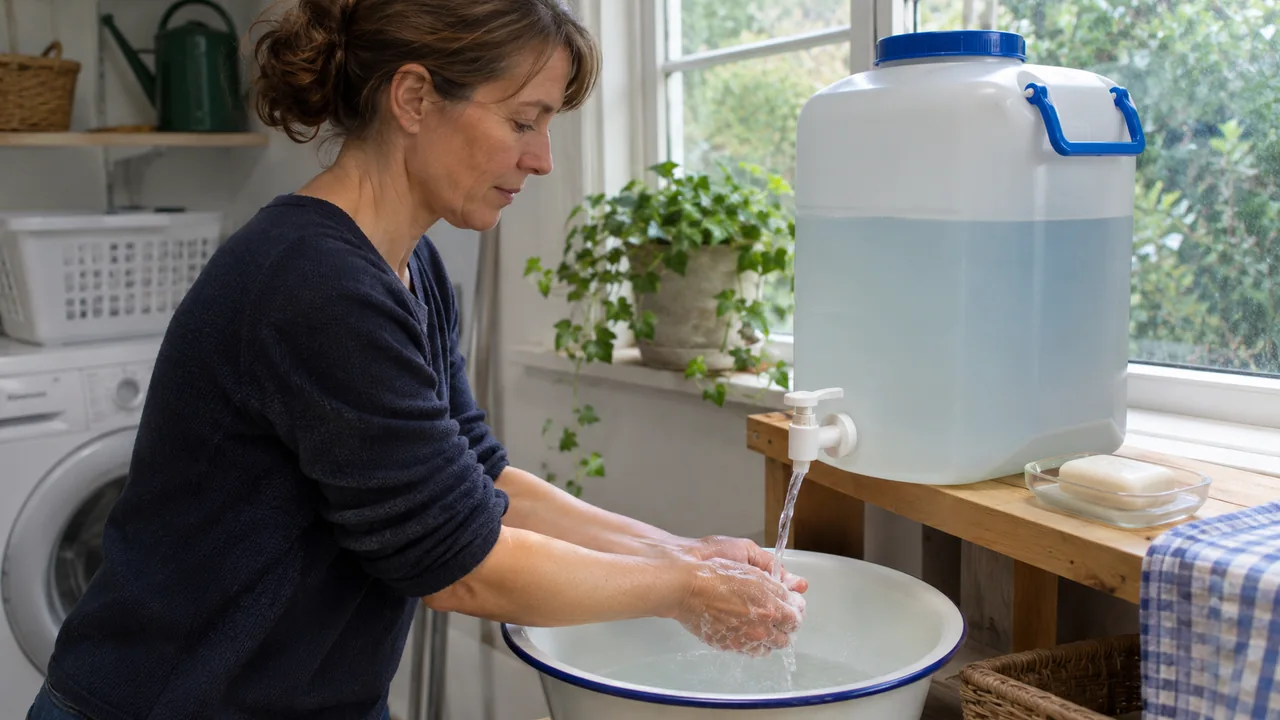
Clear a practical workspace and separate raw food, clean equipment, waste and finished products. Arrange handwashing with safe water. The guide to hygiene without running water explains why a small controlled system is better than a shared dirty bowl.
Read the complete method before preparing ingredients. Check that every necessary part is available and working, including any measuring or monitoring equipment. Discovering a missing component after food has been cut or heated can create a time-sensitive safety problem.
Keep children and other people away from hot equipment and unstable containers. Work in quantities you can handle without unsafe lifting. A burn or broken vessel can remove the household's main cook and destroy the clean space needed for the next meal.
Preserve safe shelf-stable supplies through good storage
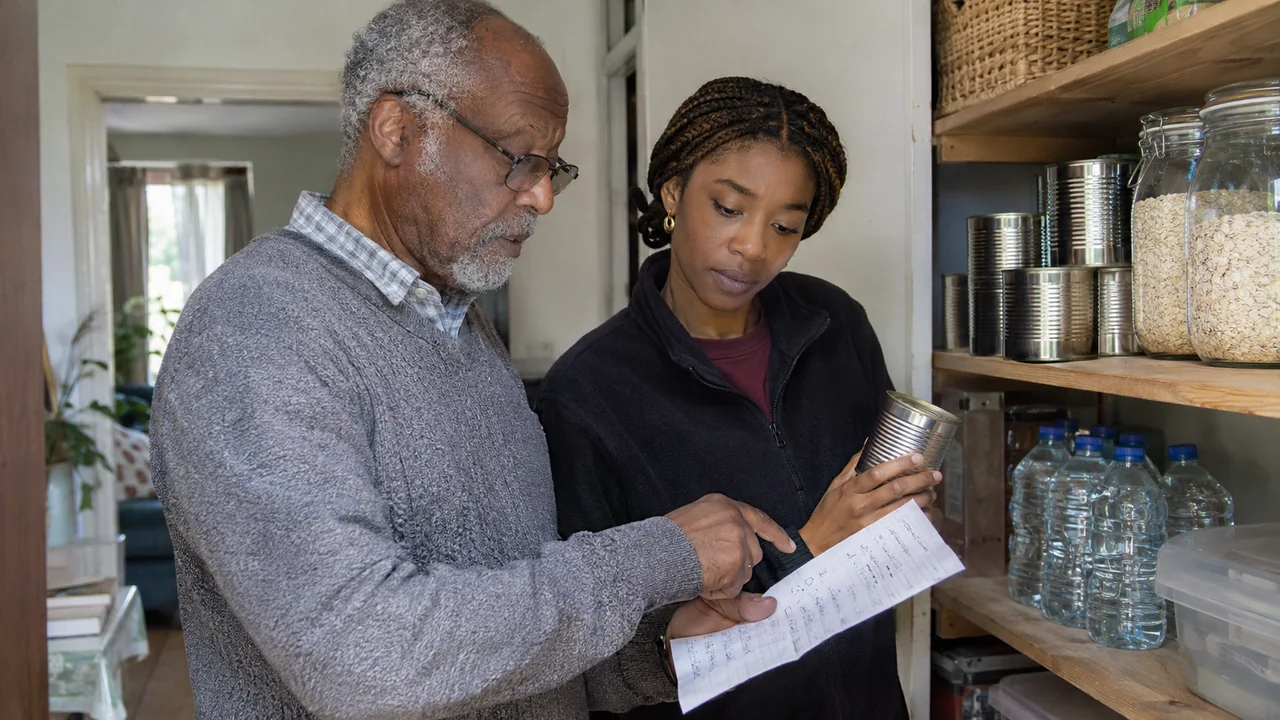
Many commercially shelf-stable foods already offer a dependable option when their packaging and storage remain sound. Keep them dry, protected from pests and away from chemicals. Follow label instructions, particularly after opening.
Use older suitable stock before newer stock and inspect containers during routine checks. Do not confuse a best-before date with a universal guarantee of safety or treat every date as interchangeable. Damaged packaging and unsafe handling can matter regardless of the printed date.
The guide to pest control during service failure covers secure storage and waste management. Rodents and insects can spoil food without the household noticing immediately. Keep a clean inspection route around supplies rather than filling every corner so tightly that damage remains hidden.
Match batch size to the household's real capacity
A large surplus can create pressure to preserve everything at once. First decide how much can be processed correctly before quality or safety deteriorates. Share suitable food promptly through trusted people if that avoids an unsafe backlog.
Calculate the water, fuel and packaging needed for the complete batch, including cleaning. These resources are also needed for drinking, essential meals and care. A preservation project should not consume the household's only safe water or leave no means to cook the next day's food.
Compare the likely benefit with the work. A small dependable batch can be more useful than a large uncertain one. Link the decision to the 30-day household plan, so preserving a surplus supports continuity rather than becoming an exhausting project that displaces urgent tasks.
Keep records that another person can understand
For each batch, record the food, recipe source, processing date, equipment and any required measurements or observations. Retain the full method where it can be consulted without an internet connection. A note saying that the food was done properly gives another person little information.
If the process was interrupted or a requirement was missed, mark the batch as uncertain and seek reliable advice rather than quietly adding it to safe stock. Do not re-label a failed process as a different method whose rules were never followed.
Keep any corrective action tied to the actual tested guidance. There is no universal remedy of reheating, adding salt or sealing again. A household needs a clear decision about each batch, especially when children or vulnerable relatives may eat it without knowing its history.
Build food continuity beyond the preserved batch
Combine suitable shelf-stable stock, safely preserved food and credible ways to obtain the next supplies. A jar collection alone cannot provide an indefinite complete diet. Consider dietary needs and the resources required to prepare the stored food.
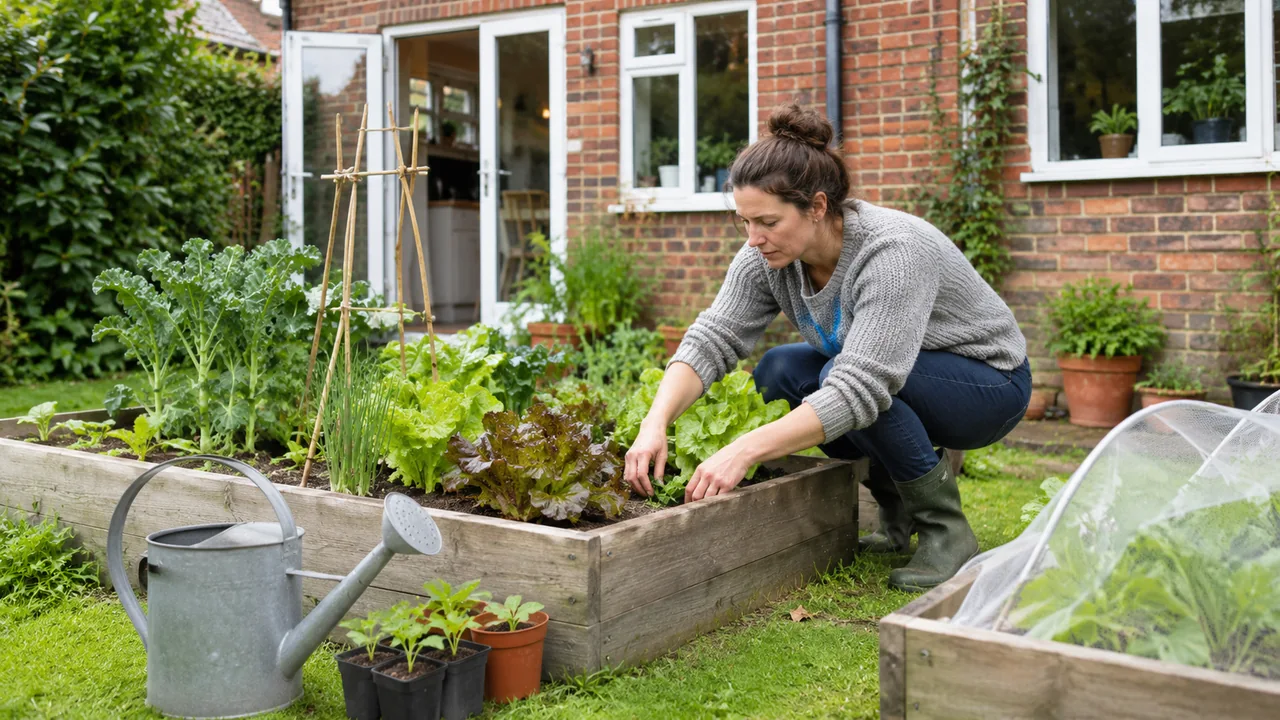
Use the guide to growing food after supply collapse for a realistic longer-term contribution. Growing and preserving work best together when crop choice, harvest quantity and safe storage capacity are considered before the surplus arrives.
Today's useful action is to identify sound food, choose one verified method that your resources support and complete a manageable batch correctly. Label and protect the result. Long storage should follow from demonstrated conditions and a reliable process, never from the hope that the family cannot afford to lose what is inside the container.
Decide what to do with a questionable container
Keep a suspect product out of the meal-preparation area and make its status clear to everyone. Do not open, sniff or taste a suspicious home-canned food to reassure yourself. Seek the appropriate food-safety guidance for handling and disposal, including protection from spills and access by children or animals.
A container with an uncertain process history needs a decision based on that missing information, not only its current appearance. If the original cook cannot confirm the method, do not assume that a neat label proves the required steps were followed. This is particularly important when exchanging preserved food with another household.
Keep an explanation with rejected stock so that someone does not retrieve it later, believing it was discarded only for quality. Waste arrangements still need to protect people and animals. Removing food from the family menu is only the first step if it remains accessible elsewhere.
For the next batch, prevent the same uncertainty through smaller quantities and a clear process record. The lesson should improve the system rather than create pressure to accept a doubtful product because so much work went into making it.
Frequently asked questions
Does a sealed lid prove that home-canned food is safe?
No. A seal does not prove that the food received the correct process. Use tested guidance for the food, equipment, jar size and conditions. Low-acid foods need the appropriate pressure-canning process rather than ordinary boiling as a universal substitute.
Can I preserve food that became warm during a power cut?
First assess whether it remains safe using reliable food-safety guidance and its known temperature and handling history. Preservation cannot reliably rescue food that has already become unsafe. Do not taste questionable food to test it.
Can I sun-dry meat and vegetables in the British garden?
Do not treat outdoor sun drying as a general safe method for those foods. Reliable drying requires suitable controlled conditions and food-specific guidance. Even fruit drying depends on appropriate weather, preparation, protection and completion.
Can I change a tested pickling recipe when ingredients are scarce?
Do not alter safety-critical proportions or substitute ingredients unless reliable guidance explicitly permits the change. Acidity, strength and measurements matter. Choose a different supported method if you cannot follow the tested recipe.
Can every preserved food be stored for months at room temperature?
No. Storage requirements and shelf life depend on the particular food, process, packaging and conditions. Some preparations still require refrigeration. Follow the verified method and inspect the result rather than assigning a universal storage period.