
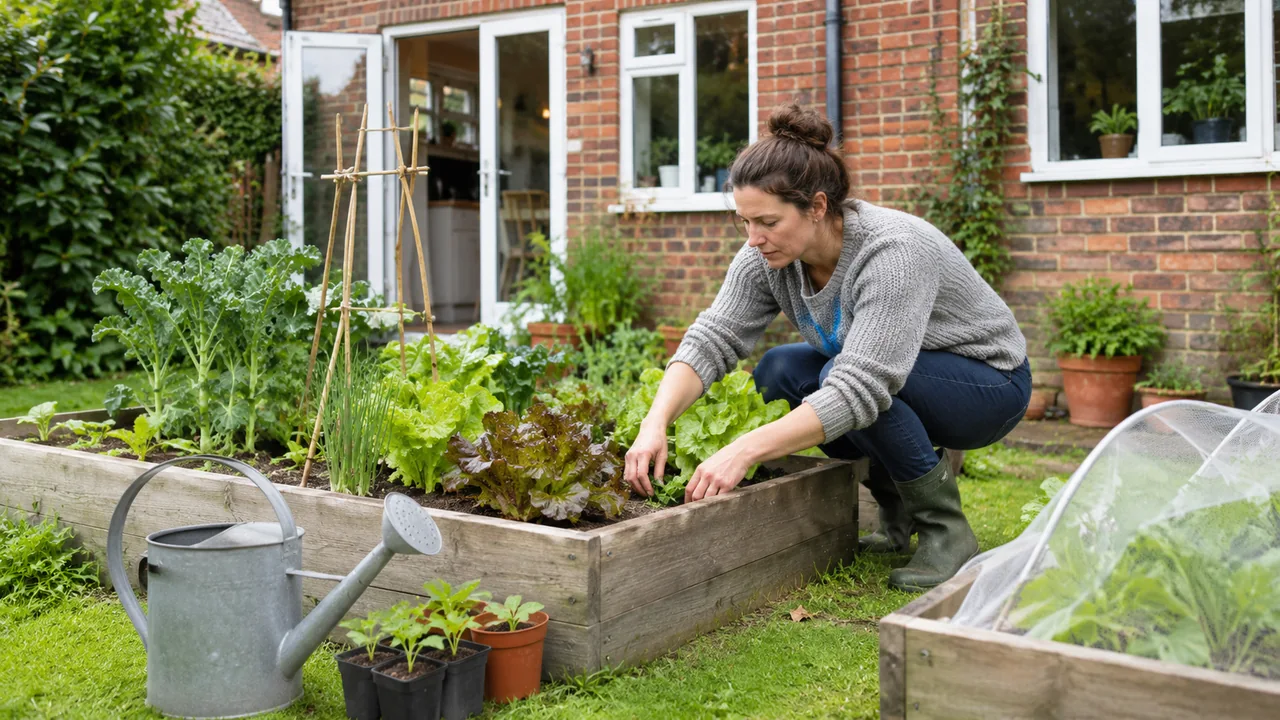
The food deliveries have stopped, the remaining stock is shrinking and the garden suddenly looks like something more important than spare outdoor space. Growing food after supply collapse can improve your household's position, but a new bed of seedlings cannot provide tonight's dinner. Begin a practical growing system while protecting the safe food and water that keep the family going now.
Choose a few suitable crops, use the space and season you actually have, and make watering achievable. Start small enough to maintain. A neglected large plot can waste more seed, water and energy than a modest bed that produces consistently.
The aim is a dependable contribution to the diet, not a promise of instant self-sufficiency. Calories, protein, fats, variety and safe food handling still matter. Keep food collection, storage and community cooperation operating while the first crops develop.
Check the season, light and usable space
Observe where direct light reaches the plot and how conditions change through the day. Note shade from buildings and trees, exposure to wind and places where water collects. A sunny patio and a cold, waterlogged corner need different decisions.
Use current local growing information and the RHS vegetable-growing basics to match crops to the season and available space. Do not sow an unsuitable crop simply because it was popular in a survival video. Time to harvest depends on variety, temperature and conditions.
Where outdoor soil is unavailable, suitable containers may support a limited crop. Check drainage, stability and safe access. A balcony must not be loaded with heavy wet soil and water without knowing its structural capacity. An accessible container at ground level may be a more realistic option for someone who cannot kneel or dig.
Decide what the garden is meant to contribute
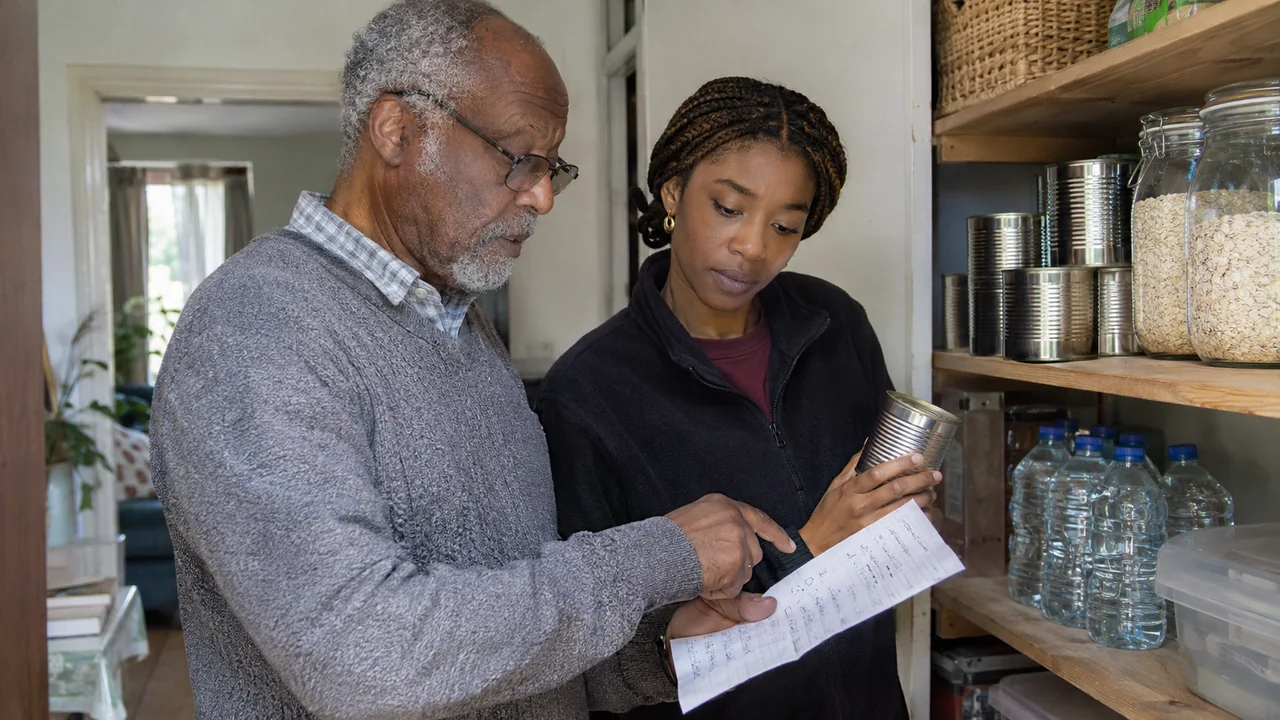
List foods the household can use and the gaps the plot could realistically address. Leafy vegetables can provide variety, while some crops offer more food energy but take longer or need more space. A basket of salad leaves is valuable without being a complete diet.
Consider cooking requirements alongside production. A crop that needs lengthy preparation may be difficult to use when safe water and fuel are scarce. Choose familiar foods with known safe handling, rather than a collection of unusual plants that nobody knows how to prepare.
Keep estimates modest until the site has produced a harvest. The plan for safe water and food after collapse should continue while the garden develops. Counting unplanted seeds as future meals can conceal an immediate food shortage and encourage the household to use existing supplies too quickly.
Examine the ground before planting edible crops
A plot's previous use matters. Avoid assuming soil is suitable when it has been exposed to industrial waste, fuel, sewage, contaminated floodwater or unknown dumped material. An attractive patch of earth does not reveal all chemical or biological hazards.
Seek local environmental or competent horticultural advice where possible. Do not use an uncertain site for food simply because washing the harvest seems easy. A container with suitable growing material may offer a more controllable option, but it still needs a safe location and a reliable water supply.
Do not bring fresh human waste into a vegetable bed. Collection in a composting toilet is not proof of completed treatment or suitability for crops. The guide to composting toilets and waste management explains why an emergency toilet and a food-growing system require careful separation.
Choose a manageable first group of crops
Select varieties suited to the local season and growing conditions. Where space is limited, compact or container-suitable types can be useful. Avoid treating a seed packet's earliest possible harvest as a guaranteed household delivery date.
Balance quicker crops with longer-term production when conditions allow. Successive small sowings may spread supply better than one large sowing, but the interval and crop choice should follow suitable local guidance. Plants can all fail together if they share the same unsuitable location or water problem.
Use seed or healthy plants from a reliable source where available. Do not sow grain treated for another purpose or assume every seed recovered from food will produce a useful, predictable crop. Make a small test rather than committing all the space and water to an uncertain batch.
Prepare only the area you can maintain
Clear the chosen area carefully, removing hazards before work begins. Use tools you can handle safely and avoid digging where underground services may be present. Heavy work should be shared and paced, particularly when people are already collecting water or providing care.
Use suitable growing material and follow crop-specific advice on spacing and planting depth. Crowding seedlings together can create competition and make the bed harder to inspect. A neat-looking dense bed is not necessarily a productive one.
Keep a simple plan of what was planted and where. A label or paper sketch helps distinguish crops from weeds and prevents accidental disturbance. It also allows someone else to water or harvest when the original grower is ill. The garden should not depend on knowledge held by only one tired person.
Make watering realistic before expanding
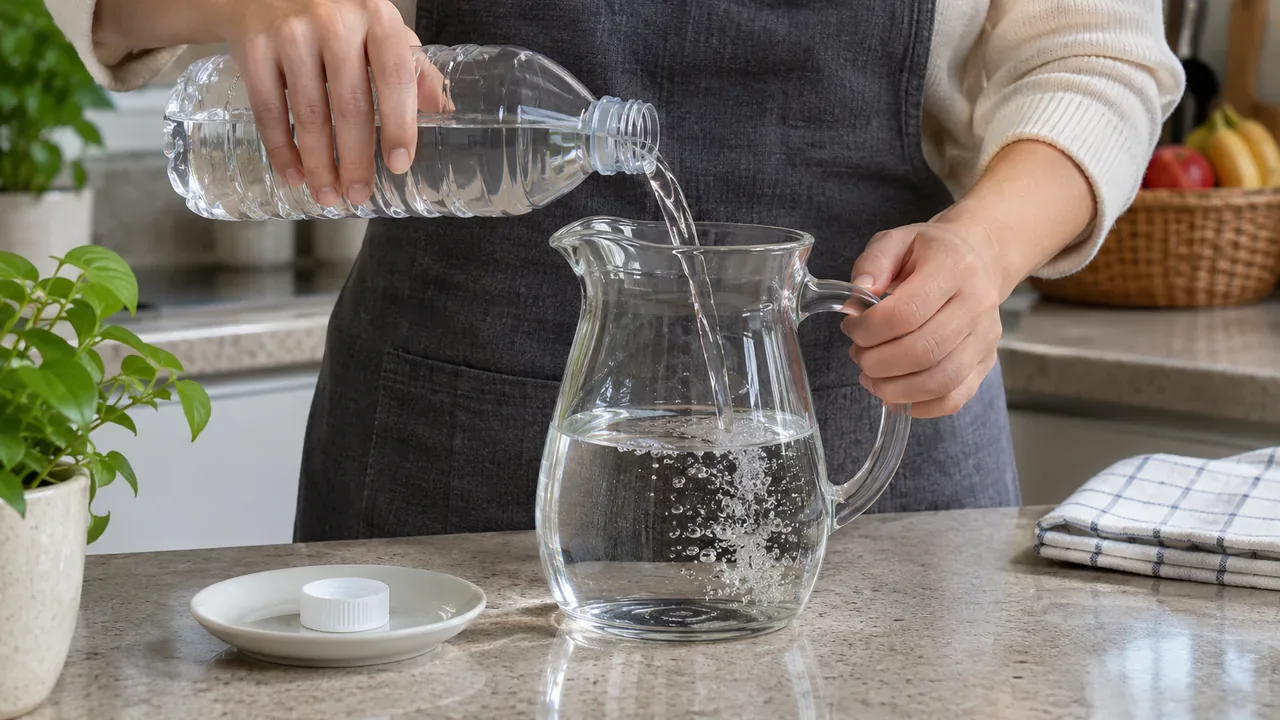
Check the source, container capacity and carrying route. Water needed for drinking, essential cooking and care must remain protected. A new bed that consumes the household's safe drinking reserve is not a sustainable food solution.
The RHS guidance on watering vegetables explains why crop stage, soil and weather affect need. Inspect the growing material rather than following one fixed schedule for every plant. Containers can behave differently from open ground and require closer attention.
Use suitable watering methods that direct water to where plants need it and reduce avoidable loss. Keep stored water secure and away from contamination. Rainwater or other non-mains sources require their own assessment, especially for edible crops and handling. Do not assume any water unsuitable for drinking is automatically harmless in the vegetable plot.
Reduce losses through routine observation
Look at plants regularly for wilting, damage, disease and pests. Check leaves, stems and the growing material rather than treating every problem as a lack of water. Overwatering, poor drainage and unsuitable temperature can also cause trouble.
Use physical protection or other suitable controls where appropriate to the crop. Maintain airflow and avoid trapping wildlife. If a chemical product is considered, it must be authorised for that use and applied according to its label, including any harvest interval. A household shortage is not a reason to improvise pesticides.
Keep the growing area separate from refuse and animal waste. The guide to pest control during service failure explains why secure food storage, waste management and exclusion remain important. Killing one visible pest will not resolve a system that provides easy food and shelter for many more.
Harvest at a usable stage and handle food safely
Learn the correct edible part and suitable harvest stage for each crop. Not every part of an edible plant is safe to eat. Do not experiment with unfamiliar leaves, seeds or sprouting material because the family needs more food.
Use clean tools and containers, and keep produce away from waste and chemicals. Wash and prepare it using safe water and appropriate food-safety guidance. A home-grown label does not remove the need for safe handling, especially for people at greater risk from foodborne illness.
Harvest quantities that the household can use or preserve safely. Leaving everything until one large harvest may create a storage problem. Record which crops were useful and which demanded more resources than they returned, so the next planting improves rather than repeats the same difficulties.
Preserve suitable surplus before it deteriorates
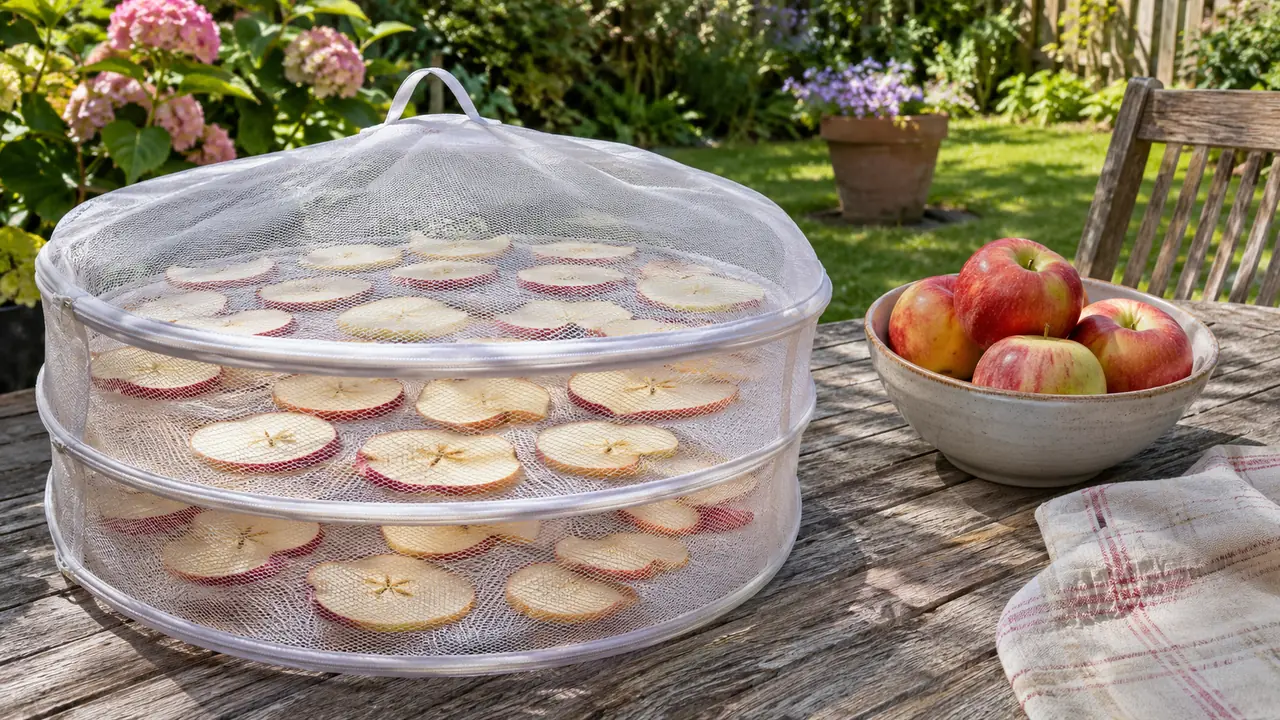
A harvest is valuable only if it becomes safe food. Consider the equipment, water, fuel and storage conditions before choosing a preservation method. Do not rely on a warm cupboard or a sealed jar to make perishable produce safe.
Use the guide to preserving food without refrigeration for the distinction between suitable drying, tested canning methods and unsafe shortcuts. Low-acid foods need specific tested processes; boiling a jar or tightening a lid is not a general preservation system.
Preserve sound food while it is in suitable condition. Preservation cannot reliably rescue produce that has already become unsafe. Keep a record of the method, date and contents, and store the finished food so that moisture, pests and damaged packaging do not undo the work.
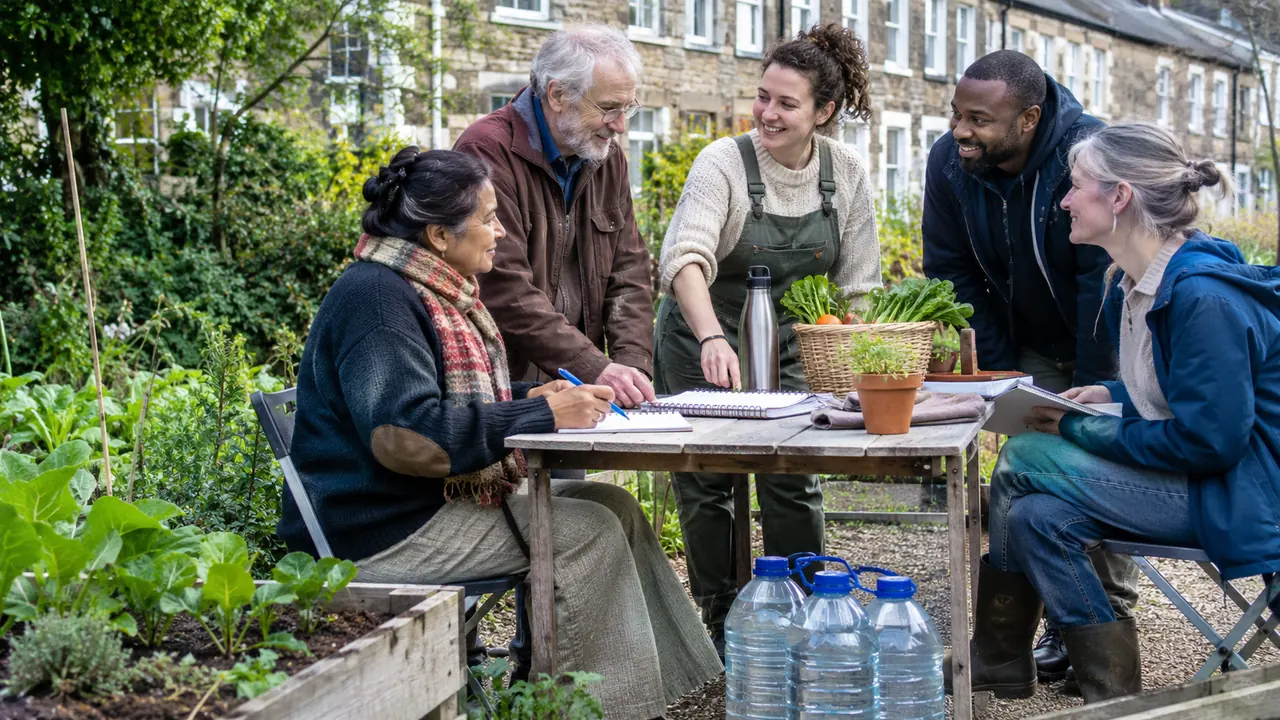
Share skills and resources without assuming unlimited help
An experienced local grower may help with seasonal choices, soil problems and realistic harvest expectations. Ask clear questions and observe established methods rather than treating every online claim as equal. Local conditions often matter more than a generic list of supposed survival crops.
Agree shared use of land, tools and water explicitly. Check access and responsibilities, including who maintains beds when someone is ill. An abandoned community plot can waste resources just as easily as an abandoned household one.
Use cooperation to widen capability, not to create a new burden for the person who already knows most. The guide to building a survival community includes roles, records and safeguarding. People who cannot dig may contribute seed records, preparation, teaching or other useful tasks within their abilities.
Keep seed and tool continuity realistic
Store seed according to its needs, protected from damp, heat and pests. Note its identity and source. Seed saving requires knowledge of the crop, pollination and plant health; it is not guaranteed simply because a plant produces something resembling seed.
Clean and store hand tools safely after use. Check handles and working edges before the next task. A damaged tool can cause an injury that removes a grower or carer from essential work. Follow the guide to repairing essential tools for the difference between manageable maintenance and unsafe improvisation.
Avoid building a system around inputs that cannot be replaced. Ask what happens when a particular fertiliser, growing medium, pump or covering is unavailable. A smaller system with understood needs can be more dependable than one whose success depends on a single specialist product.
Measure the garden's contribution honestly
| Measure | What to record | Why it matters |
|---|---|---|
| Usable harvest | Food actually eaten or safely preserved | Avoids counting damaged or lost produce |
| Water and labour | Collection and maintenance effort | Reveals an unsustainable workload |
| Reliability | Crop failures and their causes | Improves the next planting |
| Household value | Foods people could prepare and eat | Connects growing to real needs |
Review these measures without turning gardening into an exhausting paperwork task. A short weekly note is enough to show whether expansion is sensible. Do not promise self-sufficiency until the system has demonstrated what it can provide through changing conditions.
Today's useful action is to choose one suitable area, one credible water arrangement and a small set of crops that match the season. Keep the rest of the food plan functioning. A garden becomes a serious survival contribution through repeated care, realistic learning and safe use of its harvest, rather than through the size of the first planting.
Run a small first planting as a practical trial
For example, a household might start with one accessible bed and a few suitable containers rather than clearing the whole garden. Write down the planting date, variety, approximate watering effort and any damage. Ask another person to explain the routine back, so that care can continue during an absence.
After the first usable harvest, compare the result with the space and resources committed. A crop that survived but was never eaten has not met the household's need. A smaller harvest that replaced a missing meal ingredient may have done more useful work.
Use that experience to choose the next sowing. Keep some flexibility for changing weather and access to water rather than filling every available space immediately. The trial is successful when it teaches the household how to produce useful food reliably, including recognising a poor choice early enough to change it.
Frequently asked questions
Can a new vegetable garden feed the family immediately?
No. Seeds and young plants take time, and harvests depend on season, variety and conditions. Continue safe food collection and storage while the plot develops. Treat early produce as a contribution rather than a complete replacement diet.
Which crops are best after commercial food production stops?
Choose crops suited to your local season, light, space, water and cooking capacity. Familiar foods the household can use are more valuable than an unsuitable survival-crop list. Use reliable local and horticultural guidance for specific varieties.
Can I grow food in soil affected by sewage or industrial contamination?
Do not assume it is safe. The type of contamination and site history matter, and washing the harvest may not resolve the risk. Seek competent advice and consider a safer, more controllable growing arrangement where possible.
Should I use fresh composting-toilet contents on vegetables?
No. Collection or partial breakdown does not establish safe treatment or suitability for food crops. Keep human waste separate from the growing system and follow appropriate waste-management and local requirements.
When should the household expand the growing area?
Expand when the existing area can be maintained, watered and harvested reliably without undermining drinking water, care or essential rest. Use actual results and workload rather than the hope that more planted space automatically produces more usable food.