
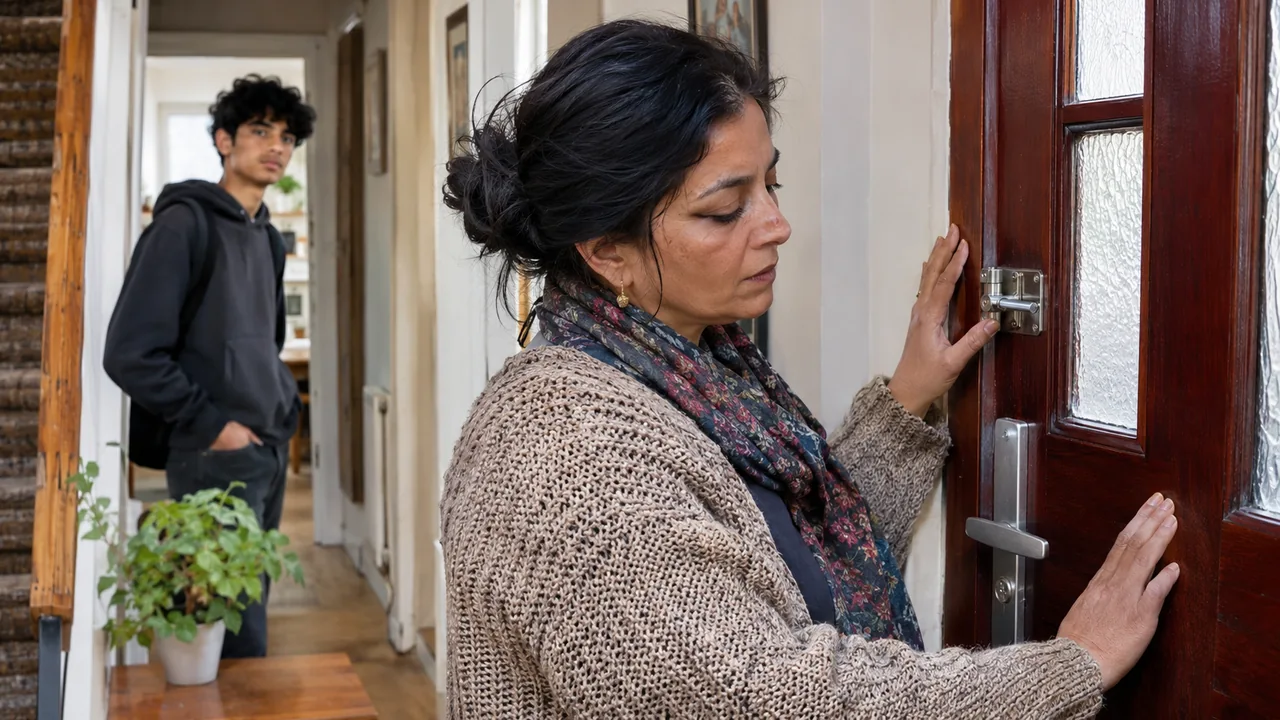
A disturbance is growing nearby, police response is uncertain and your family is inside a home that was never designed as a fortress. Family safety during civil disorder begins with reducing exposure, keeping a clear way out and making calm decisions together. Confrontation over possessions can turn a frightening situation into an injury the available services cannot treat.
Stay away from developing violence, secure ordinary access points without blocking escape and keep children or dependent adults under identified care. Use trusted information and specific neighbour support rather than rumours, armed posturing or public declarations about what you have stored.
A crisis does not make every stranger dangerous or remove the value of cooperation. Families need boundaries that protect people while preserving access to help. The strongest practical plan is one that continues to work when communication, power and confidence in public order are unreliable.
Identify the threat nearest to the family
Distinguish direct danger from a worrying report about another area. Is violence approaching the building, is someone trying to enter, or is the concern a general shortage and a distant disturbance? Use current observations from a safe position and reliable local information where available.
Do not go outside to investigate a crowd, record a confrontation or confirm a rumour. Publicly visible behaviour can escalate a situation or draw attention to the household. Keep children away from windows facing an active disturbance and move to a safer part of the building where practical.
If there is immediate danger, try emergency services and use any safe escape route. The Police.uk advice for violent situations prioritises personal safety, distance and finding a way to leave. Possessions can be replaced; a serious injury may remove the person the rest of the family depends on.

Agree one household plan
Tell each person where to remain, who is responsible for dependants and what would trigger a move. Keep instructions short enough to remember under stress. An adult leaving to check on a neighbour should not assume that someone else has silently taken responsibility for the children.
Choose an internal meeting place and a safer external destination if leaving becomes necessary. Consider the needs of the least mobile person and the route out of the building. A room that seems secure may be unsuitable if it has no usable exit or a bedbound relative cannot reach it safely.
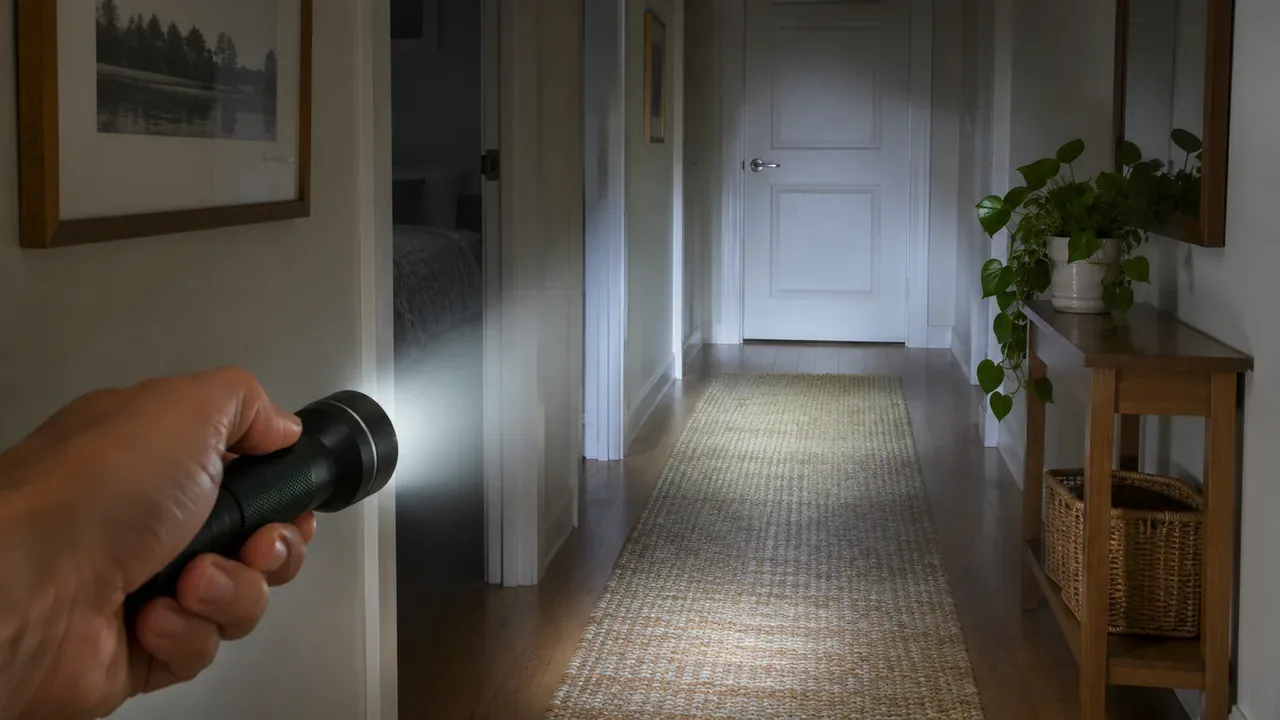
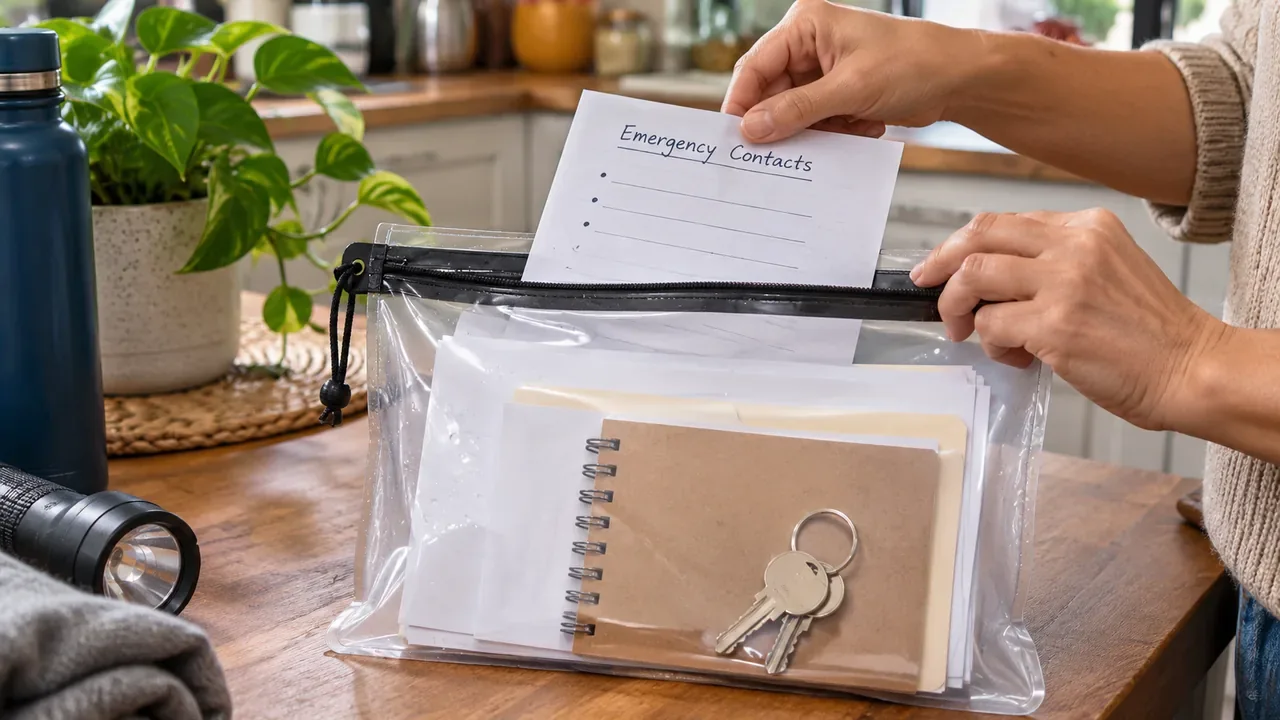
Keep a torch, necessary medicines, communication aids and essential contact details accessible. Do not spend the remaining calm period constructing elaborate barriers while neglecting care, water or an escape decision. The plan needs to preserve ordinary functions as well as respond to a possible intrusion.
Secure doors and windows without trapping people
Use existing locks, close accessible windows where appropriate and keep keys or normal exit controls available to responsible occupants. Check that a child or dependent adult cannot be accidentally locked away from assistance. Explain any changed arrangement to everyone who needs to leave or help someone else leave.
The Police.uk home-security guidance covers ordinary access protection. During a crisis, maintain those sensible measures without assuming the house must be transformed into an improvised defensive structure. A sound lock and a clear plan are more useful than a pile of furniture blocking a fire exit.
Never create traps, electrified barriers or other devices that can injure household members, neighbours or responders. They can also prevent safe movement when a different hazard develops. A property measure is not successful if the family cannot escape smoke, fire, flooding or an unsafe person already inside.
Keep essential supplies discreet and accessible
Store food, water, medicines and equipment so they are protected from damage and can be used without unnecessary display. Avoid posting photographs of the entire supply store or announcing that the home is empty while someone travels. Share only the information needed for a trusted task.
Discretion should not become isolation. A neighbour may need to know that a dependent person requires a welfare check or that a specific medicine collection is urgent. Agree how sensitive information will be handled rather than refusing all support because it reveals a need.
Keep the most essential items reachable without moving heavy stacks or opening the home to an unfamiliar person. Separate a small travel bag from bulk supplies where useful. If the building must be left, a manageable set of medicines and care information is more valuable than an oversized load that delays departure or prevents an adult helping a child.
Make contact at the door safer
Speak through a closed door or another safe arrangement before allowing an unfamiliar person inside. Ask what they need and, if they claim to represent an organisation, verify through a known independent channel where possible. Do not rely solely on a badge, uniform or telephone number provided by the visitor.
Avoid displaying private information, cash or the full contents of the home during the conversation. A genuine request for help may be met through a suitable outside handover or referral without inviting someone into a room where vulnerable people are resting. Keep the interaction calm and specific.
If behaviour becomes threatening, prioritise distance, escape and help rather than winning the exchange. Do not confront someone to prove that the household is prepared. An uncertain service response makes avoiding injury especially important. Keep other family members away from the doorway and avoid giving contradictory instructions that escalate the encounter.
Use neighbour support through agreed tasks
Trusted neighbours can check welfare, share verified information and help deliver essential supplies. Agree who contacts whom and what assistance is realistic. A small dependable arrangement is easier to sustain than a group that promises to protect an entire area without clear limits.
The government's community-support guidance highlights local skills and checking on people who may need assistance. Keep participation voluntary and inclusive. Age, disability, background or inability to contribute physical work should not determine whether someone is allowed basic help.
Do not turn a support group into a patrol looking for confrontation or a system for detaining people. Share urgent concerns with functioning authorities where possible and help residents avoid exposure. Cooperation should preserve care, information and supplies, while keeping everyone away from hazards they are not trained or equipped to manage.
Protect children from tasks that expose them
Explain the situation honestly in age-appropriate language. Tell children where they can go, who will collect them and how to reach a familiar adult. Avoid frightening predictions or instructions that make them responsible for protecting the household.
Do not send children into uncertain queues, along isolated routes or to investigate a disturbance. Keep a responsible adult with them during necessary movement. Where family members are at a supervised site, seek accurate information before attempting a collection that could expose everyone to violence or another hazard.
Keep usual routines where practical: meals, rest, quiet activities and familiar comfort items. A child may appear settled while becoming anxious about adult conversations. Let them ask questions without making promises that nobody can guarantee. The immediate reassurance is a clear, caring arrangement and an adult who can explain the next safe action.
Include people who cannot respond quickly
A person with limited mobility, hearing loss, dementia or another support need may not understand a sudden instruction to leave. Use their established communication method and keep necessary aids nearby. A plan that only works when everyone can run downstairs is not a household plan.
Identify the safe assistance they need and who can provide it. Do not improvise a lift or abandon essential care equipment without considering the consequences. Seek suitable support early if the location is becoming unsafe. The guide to care when home services stop helps connect security decisions with ongoing clinical and personal-care needs.
Protect dignity and consent during the arrangement. People receiving help should not lose all say over privacy or movement because the wider situation is unstable. Where there are concerns about decision-making capacity or immediate danger, seek appropriate professional support through any functioning route rather than assuming an informal group can settle every difficult issue.
Travel only for a confirmed purpose
Before leaving home, check the route, destination and reason for the journey. Avoid areas of active disorder and do not go to watch or record events. A normal shopping route may no longer be the safer option when services and crowd conditions have changed.
Combine suitable essential collections through trusted people where possible. Keep dependants supported at home and tell a known contact the intended destination and next check-in. Do not broadcast detailed movements widely or assume phones will remain available throughout the trip.
The article on travel when petrol is unavailable explains how to preserve transport capacity and reduce unnecessary journeys. If a collection point becomes unsafe, step away and seek another arrangement. Obtaining one item is rarely worth an injury that leaves the household without its main carer or only practical driver.
Use lighting and alarms sensibly during power loss
Battery lighting can help people move safely inside, and ordinary alarms or access controls may still provide useful functions if their backup arrangements work. Check their actual condition and instructions. Do not assume an app, camera or remote notification will function after the network or power supply fails.
Avoid cables, charging equipment and stored supplies across exits. Keep lighting adequate for care and safe movement rather than making the house so dark that someone falls. Security measures need to coexist with fire safety and the ability to help a dependent person promptly.
Do not modify electrical systems or improvise dangerous devices to deter entry. A fire or shock inside the home can be more immediate than the threat outside. The guide to electrical fire prevention explains why damaged equipment, unsafe backup connections and poor charging arrangements remain serious hazards during a public-order crisis.
Handle disagreement before it becomes a second crisis
Stress, lack of sleep and uncertain supplies can make ordinary arguments more intense. Agree simple rules for sharing tasks, making decisions and requesting help. Separate a disagreement about possessions from an immediate risk to a person.
Use calm specific language and pause a discussion that is escalating where safe. Give people space and preserve access to trusted support. Do not use the wider crisis to justify coercion, threats, taking another person's medicine or controlling access to essential care.
If someone inside the household becomes unsafe, the problem is not solved by stronger locks against outsiders. Seek emergency help or another safe support route, and prioritise the affected person's safety. An agreed external contact and a suitable place to go can matter as much as the measures at the front door.
Keep information factual and limited
Record useful observations with a time and location. Distinguish something directly seen from a message passed through several people. Do not spread identifying photographs, allegations or rumours about individuals or groups as if they were confirmed facts.
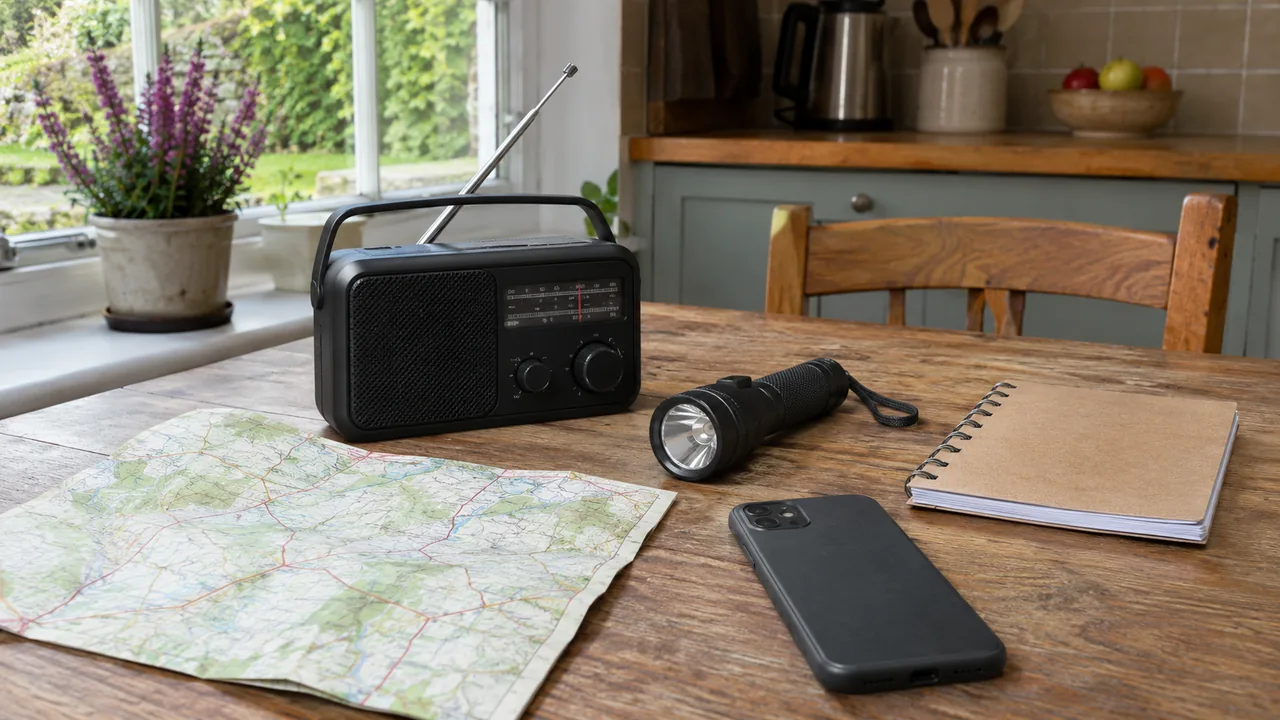
Choose a small number of trusted information channels and sensible check-in times. Constantly refreshing distressing footage can exhaust attention without improving the next decision. Preserve battery power for essential communication and keep paper contact details available.
If reporting an immediate threat, provide concrete information that may help responders or trusted support act safely. Do not approach the scene to obtain a better image or more detail. Protecting the family means keeping the people who can provide care out of avoidable danger, even when curiosity or anger makes closer involvement tempting.
Decide early if the home no longer offers protection
A direct credible threat, fire, unsafe building or inability to sustain essential care may require leaving. Compare the home, the route and a confirmed destination. A locked door is not a complete answer when the surrounding situation is deteriorating or someone inside is already at risk.
The guide to staying or evacuating helps establish triggers and account for the person hardest to move. Seek suitable transport or assistance while the route remains usable. Do not wait until an urgent move depends on a stranger's unverified promise.
For example, a family may secure normal access points, remain away from a nearby disturbance and arrange a check-in with a trusted neighbour. When a direct threat develops, they use the agreed safer route and destination rather than stopping to defend possessions. The plan protects the people whose continued care and cooperation will matter after the immediate danger has passed.
Frequently asked questions
Should we join a group patrolling the neighbourhood?
Do not treat confrontation or untrained enforcement as a substitute for family safety. Trusted neighbours can share welfare checks, verified information and suitable collection tasks. Keep people away from developing violence and report concerns through functioning authorities where possible. A support arrangement should reduce exposure, not create another situation needing rescue.
Should we block every door to prevent entry?
No. Keep safe exits usable and consider children, disabled people and emergency access. Use suitable existing locks and sensible access arrangements without trapping occupants or creating hazards. A barrier that delays escape from fire, smoke or another immediate danger can make the household less safe even if it appears to deter entry.
Can we trust someone wearing a uniform?
A uniform alone does not verify identity or a request. Speak through a safe closed-door arrangement and use a known independent contact route where possible. Keep the exchange calm and avoid revealing unnecessary private information. A genuine request for assistance can often be addressed without admitting an unfamiliar person into the home.
How much should neighbours know about our supplies?
Share enough information for a trusted agreed task, while protecting private care details and avoiding unnecessary display of stores. Discretion should not prevent essential support for someone who cannot manage alone. Agree responsibilities and record deliveries so help can be coordinated without publishing the household's entire situation.
What if a disagreement inside the home becomes threatening?
Prioritise the affected person's safety and seek emergency or other suitable support through functioning channels. The wider crisis does not excuse coercion or violence within a household. A trusted outside contact and a viable safe destination can be important. Stronger doors do not resolve a danger already inside them.