
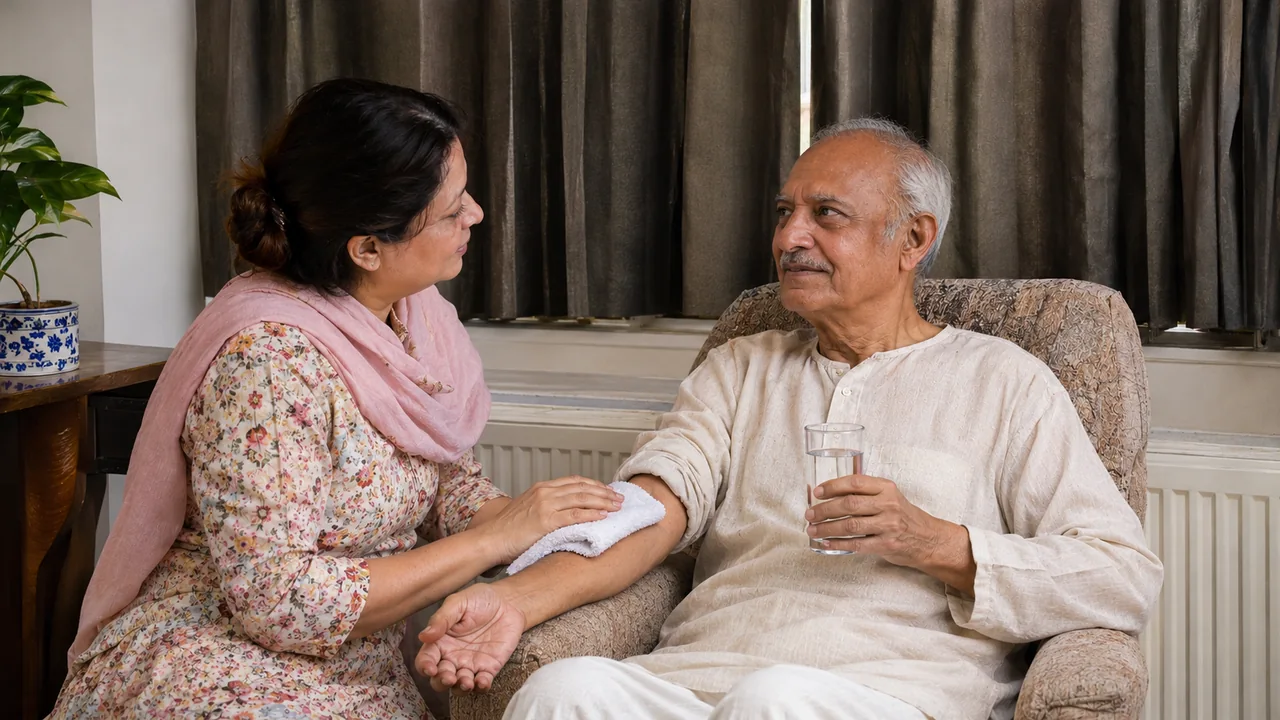
The house is hot, the power has failed and the fan or air conditioner cannot run. Cooling without electricity begins with reducing heat exposure, using a cooler safe space and cooling the person directly where appropriate. A room that keeps getting hotter may stop being a suitable shelter, especially for someone unable to leave or explain how unwell they feel.
Act before the household becomes exhausted. Shade sun-facing openings, move demanding tasks to safer cooler periods, keep suitable drinks accessible and check vulnerable people. If someone is confused, collapses, has a seizure or appears to have heatstroke, seek emergency help and start appropriate cooling without waiting for a timetable or a perfect room-temperature reading.
Extreme heat becomes more dangerous when water, transport and healthcare are also failing. The practical plan must protect people through the next period and identify where they can go if the home no longer provides a tolerable environment.
Check the people who cannot easily cool themselves
Speak to older relatives, young children, people with health conditions and anyone with limited mobility. Ask about dizziness, weakness, headache, thirst or feeling unusually hot. Compare behaviour with what is normal for them, particularly if they cannot describe symptoms clearly.
Keep drinking water, necessary medicines, communication aids and suitable clothing within reach. A bedbound person cannot simply move downstairs or find shade. Check the room and essential care equipment rather than assuming the same arrangement will remain suitable because it worked yesterday.
The UKHSA guidance for hot weather explains that some people are at greater risk of serious illness. Use their existing care advice and seek help early when the household cannot maintain it. Do not leave a vulnerable person alone while every capable adult goes out to search for supplies.
Know when the situation is an emergency
Heatstroke needs emergency treatment. Concerning signs include confusion, collapse, a seizure or a person becoming seriously unwell in the heat. Someone may still be sweating; do not wait for one supposedly definitive sign before acting.
The NHS guidance on heat exhaustion and heatstroke describes moving to a cooler place and cooling the skin with water. Try emergency services and follow current first-aid advice. If the person is drowsy or cannot swallow safely, do not force drinks into their mouth.
For milder heat-exhaustion symptoms, act promptly and reassess. Failure to improve, worsening symptoms or uncertainty about a vulnerable person should lead to medical advice or emergency help as appropriate. An unavailable ambulance does not make it safe to leave someone in the same hot room hoping that a delayed power restoration will solve the problem.

Compare rooms instead of accepting the usual living area
Find the coolest usable part of the home at the time. Consider sun exposure, the roof, airflow, access to toilets and the ability to move a dependent person safely. An upstairs room under a hot roof may be much less suitable than a shaded lower room.
A basement or internal room is not automatically safe if it is damp, flooding, poorly accessible or affected by another hazard. Check exits and any care requirements. Do not attempt an unfamiliar lift or transfer simply because a different room appears cooler.
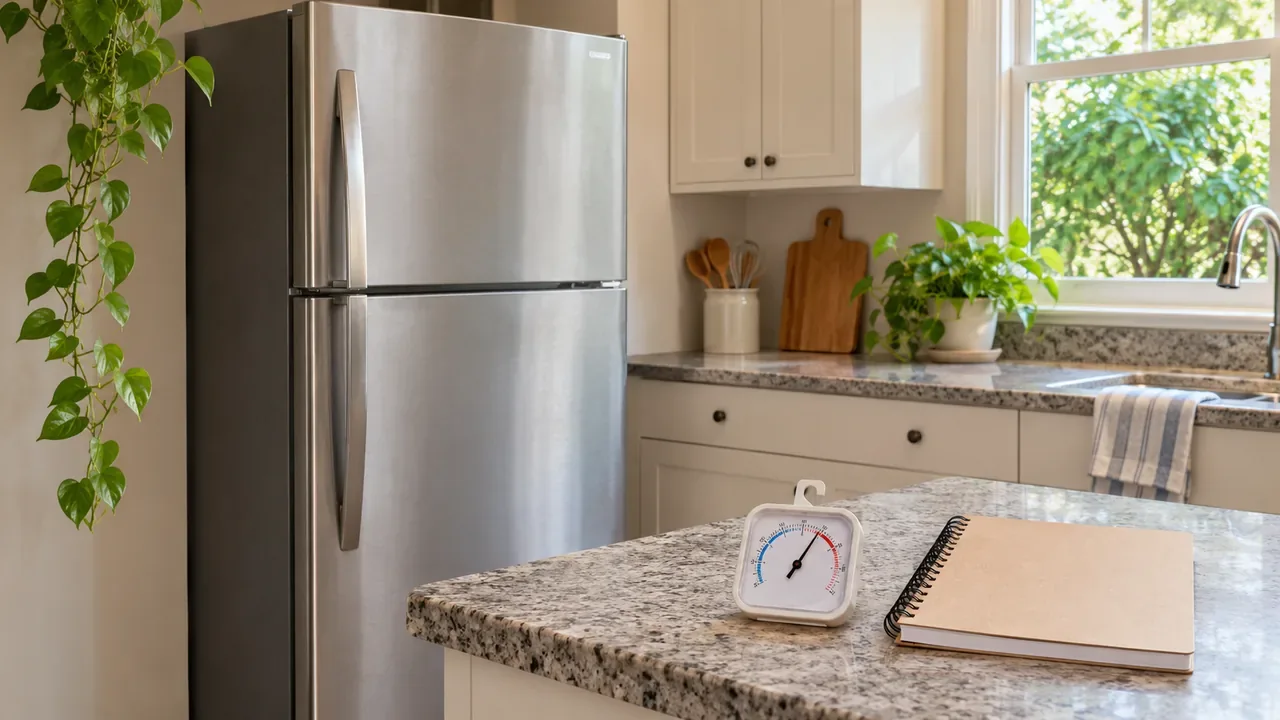
Use a suitable thermometer to compare trends where available, but also observe the people. The reading does not certify the room safe for every occupant. Choose a place that can support hydration, rest and necessary care, and keep the route to another safe location clear if the temperature continues rising.
Keep direct sun out before the room overheats
Shade windows exposed to strong sun using suitable curtains, blinds or safe external shading already available. Close sun-facing curtains and reduce unnecessary heat entering the room. Avoid climbing onto roofs or using unstable temporary structures to install a last-minute solution.
Light-coloured suitable coverings may help where practical, but the exact result depends on the building and material. Do not cover equipment or obstruct safety-critical ventilation. Keep fabrics away from any hot surface or alternative cooking appliance.
Work with the building's changing conditions. A room that is shaded in the morning may receive strong afternoon sun. Move people or adjust ordinary shading before that happens, especially if safe handling takes time. Small early actions are easier than moving an exhausted older adult and essential care supplies after the room has already become oppressive.
Ventilate when outside air improves the situation
If outside is hotter than inside, opening every window may increase heat. When outside becomes cooler and the air is suitable, ventilation can help remove accumulated indoor warmth. Compare actual conditions rather than following a fixed rule that windows must remain either open or closed all day.
Account for smoke, pollution, insects, security and the safety of children near windows. Do not trade a heat problem for a fall, serious smoke exposure or an unsafe building arrangement. The article on wildfire smoke protection explains why those hazards may need to be considered together.
Create airflow only through safe openings and avoid blocking required ventilation for suitable installed appliances. If heat and an outdoor hazard make every available room unsafe, seek a genuinely better location. A house cannot always be made suitable through curtains and window positions alone, especially during prolonged extreme conditions.
Cool the skin with simple appropriate measures
Move to shade or a cooler room, remove unnecessary outer layers and apply cool water by spray or sponge where appropriate. A damp cloth can help cool exposed skin. Follow current guidance and the person's care needs, and keep the process comfortable and dignified.
Manual fanning may help air move across damp skin, but the helper also needs protection from heat and exhaustion. Share the task where possible and do not make a frail person work hard to cool themselves. Use water sensibly without assuming that one brief wipe has resolved a serious illness.
Avoid applying ice directly to skin or using alcohol as an improvised cooling treatment. Do not force a person into a bath or attempt a clinical procedure beyond your ability. If they are seriously unwell, continue appropriate cooling while seeking urgent help rather than trying a sequence of unverified household remedies.
Make drinks accessible and appropriate
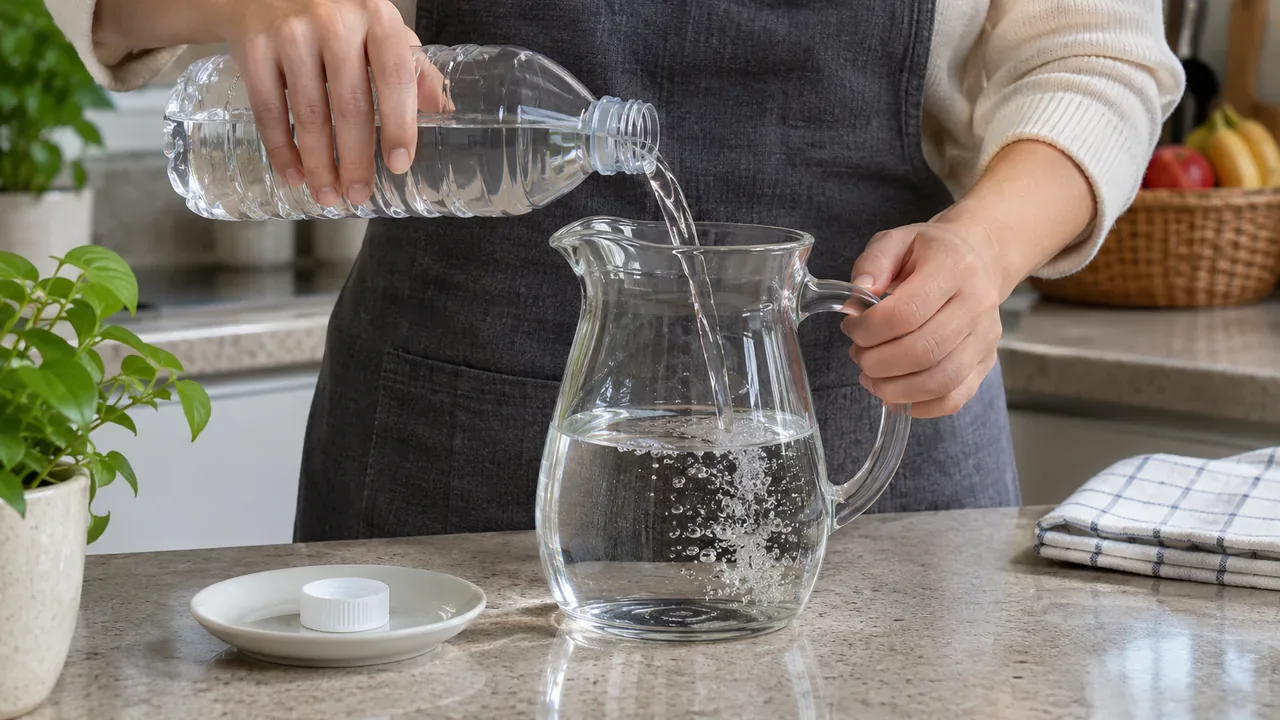
Offer suitable cool drinks to people who are alert and able to swallow safely. Keep them within reach of anyone who cannot fetch them. Help children and dependent adults remember to drink without turning the process into a fixed ration that ignores individual needs.
People with clinical fluid instructions should follow their existing advice and seek professional guidance if it cannot be maintained. Do not alter medicines or fluid restrictions based on a general article. Heat, illness and the person's condition can change what support they need.
Keep drinking water safe. A bottle warmed by the room may still be usable according to its storage conditions, while a clear stream may be contaminated. Do not choose an uncertain source merely because it feels cold. The guide to food and water shortages explains how to count, protect and obtain supplies when the normal network is unreliable.
Reduce heat produced inside the home
Postpone unnecessary cooking and physical work in the occupied room. Choose suitable no-cook food where possible and keep any outdoor cooking appliance safely outdoors. Do not use a generator indoors to run a fan or cooler; its exhaust can create a fatal carbon monoxide hazard.
Switch off non-essential equipment that can be safely left off, while preserving approved arrangements for clinical devices and other essential needs. Avoid repeatedly opening a working fridge to seek a moment of cool air. Protect food storage and reserve equipment for its intended purpose.
Share chores so one person does not become overheated cleaning, collecting water or moving supplies. A carer who collapses from heat can leave several people without support. Reducing work is part of the cooling strategy, especially when the household has limited water, rest and access to medical help.
Move essential outdoor tasks to safer conditions
Choose cooler periods where practical and combine necessary errands to reduce repeated exposure. Account for daylight, route safety and the needs of the people travelling. A cooler night is not automatically a safe time for an unlit road or an unfamiliar journey.
Use appropriate clothing and sun protection, carry suitable drinking water and allow rest in shade. Avoid a load that leaves no capacity for water or safe movement. Do not send children or a vulnerable adult into a long queue because the household needs a collection.
The government's hot-weather information recognises the effect of heat on health and services. If the task can be done by a trusted person already travelling, that may reduce total exposure. Confirm the destination and supplies first so scarce strength is not spent on a speculative journey.
Keep babies and dependent adults on suitable care arrangements
Follow current safe feeding and sleeping guidance for infants and the child's established health advice. Do not improvise extra water, diluted formula or adult bedding arrangements as a general response to heat. Ask for suitable help early when essential feeding or cooling needs cannot be met.
For someone unable to leave bed, review the room, bedding, position and care plan. Protect skin and do not add wet materials that create prolonged dampness or pressure problems. If powered care equipment stops, use its approved backup instructions and seek assistance.
The article on bedbound care when services stop helps connect heat with handling, hygiene and clinical needs. A person may require another suitable location before the rest of the household does. Plan around that need rather than expecting everyone to cope with the same temperature and level of independence.
Find a cooler destination before the home becomes intolerable
Identify a genuinely cooler place that is accessible, open and able to meet the person's needs. It may be a trusted neighbour's better-shaded home or a functioning community facility. Confirm actual conditions and entry; a building that normally has air conditioning may have lost power too.
Check the route and transport. A long hot journey or queue can cancel the benefit of the destination. Describe mobility, medication and equipment needs before arrival, and preserve a safe way to return or remain there if the outage continues.
Use the guide to staying or evacuating to compare options. Do not wait for collapse or severe confusion before accepting that the house cannot sustain someone safely. Early coordinated movement is often easier than trying to move an acutely unwell person when transport and carers are already under pressure.
Make overnight recovery possible
Review whether the sleeping area has actually cooled and whether ventilation is safe. Use suitable light bedding and keep water accessible for those able to drink normally. Maintain safe infant arrangements and ensure a dependent person can alert a responsible adult.
Share checks where needed, but preserve rest for carers. A household that never cools or sleeps adequately may have less ability to cope the following day. Record concerns and the next action rather than repeatedly waking everyone for the same unverified restoration message.
For example, one adult may monitor a frail relative while another confirms access to a cooler nearby home for the next day. They keep essential care supplies ready and reduce unnecessary tasks. The useful outcome is a plan that can survive another hot afternoon, not simply the hope that electricity will return before discomfort becomes dangerous.
Frequently asked questions
Should windows stay open throughout a heatwave?
Use actual indoor and outdoor conditions. Opening windows when outside is hotter can add heat, while cooler suitable outside air may help ventilate the home later. Consider smoke, security and window safety too. A fixed all-day rule cannot account for every building, weather pattern or hazard affecting the household.
Can a damp cloth replace air conditioning?
It can help cool exposed skin where appropriate, but it does not make every room or illness safe. Combine suitable cooling with shade, reduced exertion, appropriate drinks and monitoring. Serious symptoms need urgent help. Do not treat one brief cooling action as proof that a vulnerable person can remain indefinitely in an overheating home.
Does heatstroke always mean the person has stopped sweating?
No. Do not wait for that sign. Confusion, collapse, a seizure or serious illness in the heat can indicate an emergency. Seek help and begin appropriate cooling according to current guidance. Do not force drinks into someone who is drowsy or unable to swallow safely.
Can we run a generator in the garage to power a fan?
No. Generator exhaust can cause carbon monoxide poisoning, even if the garage door is open. Use equipment only in its approved outdoor arrangement away from openings, with a safe electrical setup. A cooling device is not protective if the power source poisons the people using it.
When should we seek another place to stay?
Reassess early when the home keeps overheating, a vulnerable person cannot remain safe or essential care cannot be maintained. Confirm a genuinely cooler accessible destination and a safe journey. Do not wait for severe symptoms before planning movement, or assume that a normally air-conditioned building still has functioning power.