

During earthquake shaking, the immediate aim is to protect yourself from falling and flying objects. In most indoor situations, official guidance is to drop, cover and hold on, rather than run through the building or rush outside. Practising the appropriate action beforehand makes it easier to remember when the room starts moving.
Preparation also means reducing avoidable hazards at home and planning what happens after the shaking. Heavy furniture, broken glass, damaged utilities and aftershocks can create problems even when a building remains standing. A bag is useful later; it should not distract you from immediate protection during movement.
This guide follows public guidance from the CDC, US Geological Survey and FEMA. Adapt preparation to local building, access and emergency arrangements. A general article cannot assess a particular structure or replace instructions from responders during an actual event.
Learn the indoor protective action before an earthquake
The standard sequence is to get down so you are less likely to be knocked over, protect your head and neck and take cover beneath a sturdy nearby table or desk where available. Hold on as appropriate until the shaking stops. Follow accessible adaptations if getting to the floor is not suitable.
Keep movement limited to reaching nearby safer cover without crossing additional hazards. Do not run across the room collecting equipment or attempt a trip downstairs while the building is shaking. Falling objects and broken materials can make that journey dangerous.
Practise the action in ordinary safe conditions with the people involved. Do not create falling objects or simulate structural movement. The useful exercise is learning a short response and identifying nearby hazards, not trying to make a drill feel frighteningly realistic.
Do not rely on a doorway as the default shelter
The CDC advises against standing in a doorway as the standard response in modern homes. A doorway does not generally protect you from falling objects the way suitable cover may. Do not use a familiar saying as a substitute for current official advice.
Look at the places where people actually spend time: the living room, desk, bedroom and kitchen. Identify nearby sturdy cover and the objects that could fall. Keep the advice appropriate to the location rather than expecting everyone to reach one distant designated spot.
Avoid unsupported internet techniques that conflict with established guidance. If a claim promises a guaranteed safe position in every collapse, obtain information from recognised authorities instead. Building behaviour and immediate conditions vary.

If you are in bed, avoid an unnecessary rush through debris
Official guidance commonly advises staying in bed during shaking and protecting the head and neck with a pillow, rather than stepping onto a floor that may contain broken glass. Prepare the bedroom by reducing hazards above and beside the sleeping area.
Keep suitable footwear and a working light accessible for later movement when it is appropriate. Do not place heavy objects where they could fall onto the bed. Arrange suitable furniture protection through proper installation methods rather than improvised fixings.
Consider individual access and care needs before an event. A person unable to move independently needs a plan adapted with appropriate professional input. A general instruction to get under a table may not be usable for every person or setting.
Adapt protection for limited mobility
If dropping to the floor is not appropriate, use the current accessible guidance relevant to the person. The CDC describes remaining seated where necessary, locking wheelchair wheels where applicable and protecting the head and neck with suitable available cover.
Plan around the person's actual equipment, movement and support needs. Avoid an improvised transfer during shaking or an action that creates a fall. Ask the relevant care or accessibility professional about suitable preparation where needed.
Keep the plan understandable to authorised helpers without removing the person's independence. Practise safe non-disruptive steps and identify what can fall nearby. Accessibility is part of the immediate protection plan, not a separate issue to consider only afterwards.
Secure the hazards you can address before shaking
Review tall furniture, televisions, hanging items and heavy objects stored high. Use suitable installation or professional advice to secure items appropriately. Do not assume any strap or screw is sufficient for every wall, object and local building condition.
Store heavy and breakable items lower where practical, without blocking routes or creating other hazards. Check cupboards and shelves used near beds, seating and work areas. A small change in storage can reduce the amount of material likely to fall where people are.
For structural concerns, use a qualified professional. A household checklist cannot assess earthquake resistance or prescribe a retrofit. Identify the concern, understand who is responsible and arrange proper advice rather than relying on visual confidence alone.

Keep routes clear without planning to run during shaking
Clear access is valuable for movement after the immediate shaking and for ordinary fire safety. Keep exits, corridors and doors usable. Do not store emergency supplies in a way that blocks the route they are meant to support.
That preparation does not change the standard indoor action while shaking continues. Do not rush outside simply because the route has been kept clear. Wait for the appropriate moment and assess the immediate conditions, following current guidance and responder instructions.
Know building-specific procedures if you live or work in a shared property. Ask about access, assistance and communication before an event. A plan for a detached house should not be copied automatically into a high-rise building or managed workplace.
If you are outside or in a vehicle
Official guidance advises people already outside to remain outside and move to a suitable open area away from buildings, power lines and objects that may fall, where it is safe to do so. The area immediately beside external walls can contain falling debris.
If driving, stop safely in an appropriate clear place away from hazards such as bridges, overhead wires and structures, following the relevant guidance. Do not make an abrupt manoeuvre that creates a traffic collision. Conditions may remain hazardous after movement stops.
The response depends on where you are, not on reaching the home plan at any cost. Do not enter a damaged building or drive towards an affected area simply to reunite immediately. Use the agreed communication and meeting arrangements when safe.
Expect aftershocks and reassess the surroundings
Aftershocks can follow the main shaking. Be ready to take the appropriate protective action again. Do not assume the first pause means every hazard has ended or that items disturbed above you will remain stable.
Check yourself and others for injuries, using appropriate first-aid knowledge and seeking medical help for serious concerns. Do not move a seriously injured person unnecessarily unless an immediate further danger requires it. Use the emergency service for your location where needed.
Watch for broken glass, fallen objects and changes to the building. Wear suitable footwear before moving through affected areas where possible. Do not open a cupboard casually if disturbed items may fall out. Keep children and pets away from damaged spaces.
Treat damaged utilities as hazards
Keep clear of fallen wires and anything in contact with them. A power cut does not prove that cables or equipment are safe to touch. Do not investigate damaged installations or use improvised repairs to restore service.
If you suspect a gas leak, follow the applicable emergency guidance and contact the relevant service. Do not use a flame to check, and avoid actions that could create ignition. Learn safe normal controls in advance, but do not approach them through danger during an incident.
Use qualified assessment before restarting affected systems. A building or appliance looking mostly normal does not establish that wiring, gas or structural elements are suitable for use. Keep the response focused on immediate safety and appropriate professional help.
Know whether coastal or slope hazards apply
If you are in an area at risk of tsunamis, strong or prolonged shaking can be a natural warning. Follow the local tsunami plan and official guidance, including movement to suitable higher ground or inland after shaking where directed. Do not assume a phone alert must arrive first.
Near slopes, cliffs or mountains, falling rocks or landslides may be additional hazards. Local preparation should identify relevant risks and safe routes rather than treating every earthquake location as an identical urban street.
Check these questions before travelling as well as at home. A visitor may not know the local warning system or evacuation route. A short look at official local advice can make the broader earthquake guidance more useful in the place you actually are.
Make family communication work without one live app
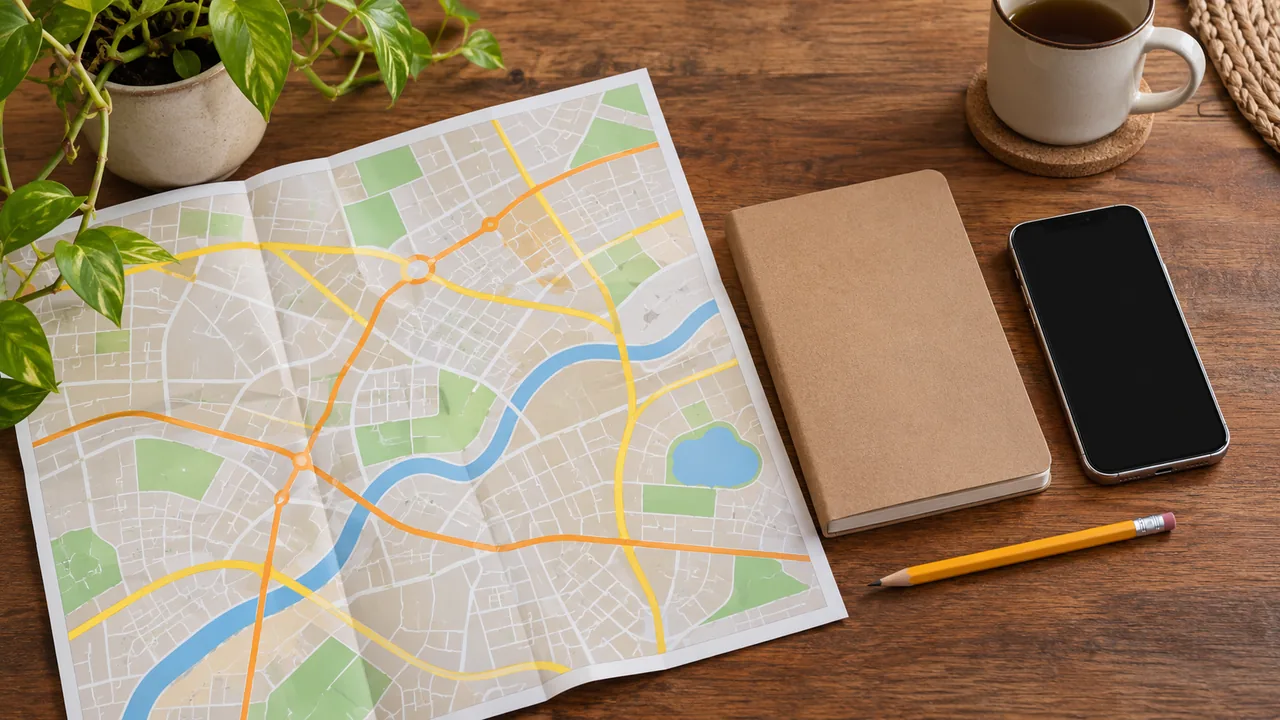
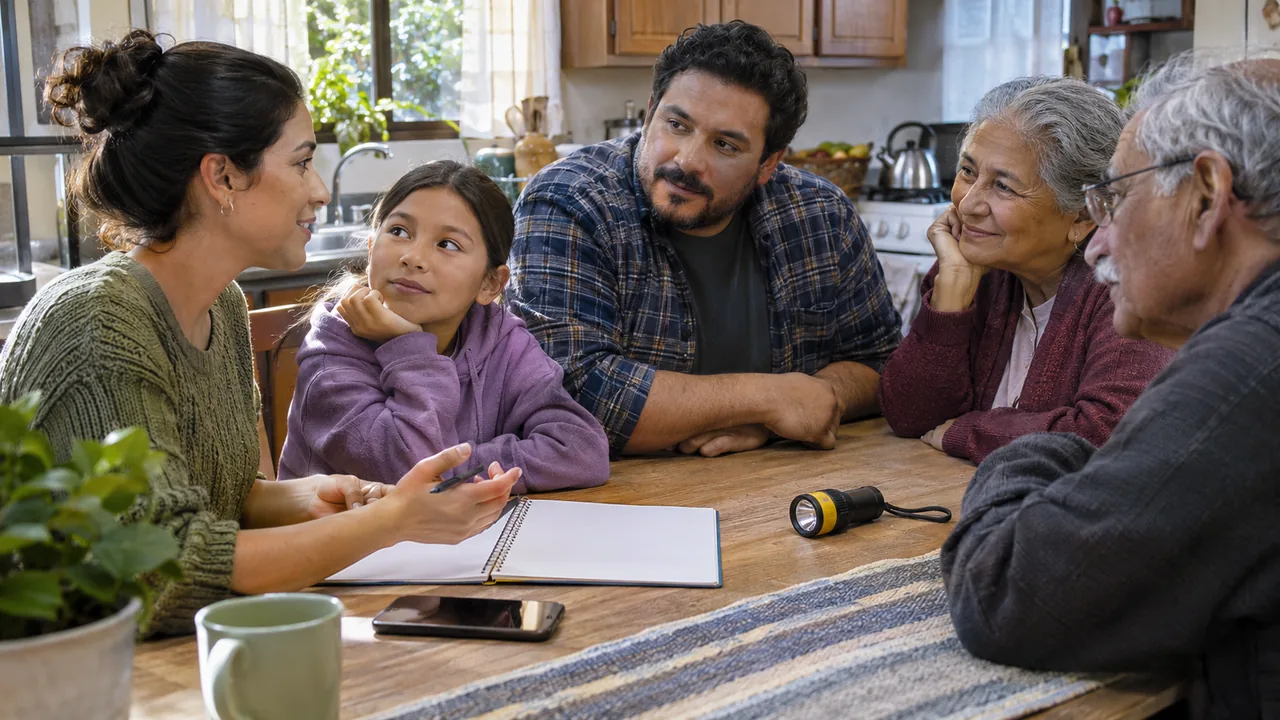
Agree suitable meeting points and a trusted contact outside the immediate area. Keep key numbers and addresses on paper. If networks are busy or interrupted, brief messages may help, but delivery is not guaranteed.
Coordinate with school, childcare, work and care procedures. Do not assume your preferred collection plan overrides their protective or safeguarding arrangements. Know the authorised alternatives and how updates will be issued.
Keep the plan flexible. A usual meeting point may be beside damaged buildings or inside an affected area. Follow current official directions and use the appropriate alternative. The purpose of planning is shared understanding, not sending people towards a location that has become unsafe.
Keep essential supplies accessible after the event
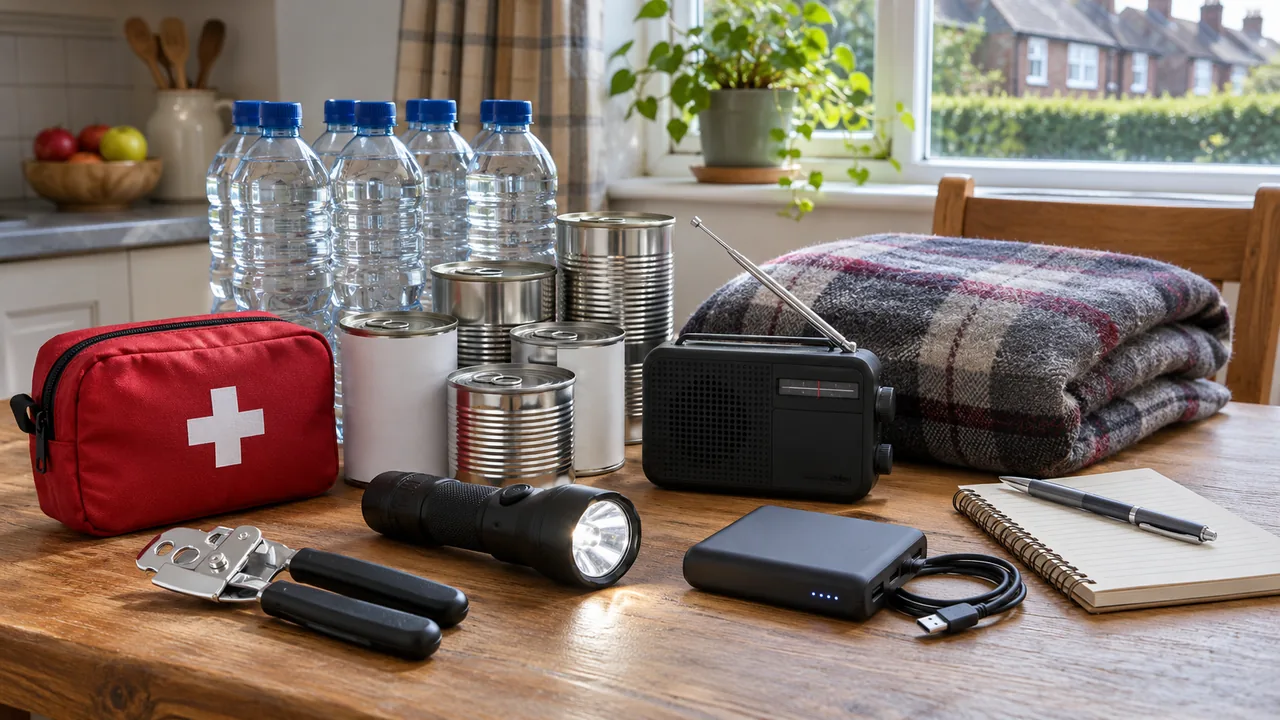
Safe water, familiar ready-to-eat food, battery lighting, necessary personal items and useful documents can help when services are interrupted. Store them securely and accessibly without blocking exits or creating heavy falling hazards.
Include medical and accessibility needs in their approved individual arrangements. A consumer battery or generic kit does not replace a device-specific plan. If essential treatment cannot continue, use the appropriate professional support route promptly.
Keep food and water safety tied to the actual conditions. Do not consume items affected by broken glass or contamination, and follow relevant provider notices. Outdoor fuel-burning equipment must remain outdoors and be used only through suitable safe arrangements.
Example: shaking starts during an ordinary evening
Imagine a family is in the living room when shaking begins. The practised action is immediate nearby protection, not a search for the emergency bag or a run to the front door. Furniture hazards have been reduced through appropriate earlier preparation.
When the shaking stops, the adults assess injuries and immediate hazards before deciding on movement. They use suitable footwear and a light where needed, remain alert to aftershocks and follow relevant local instructions. A damaged area is not re-entered for possessions.
The bag and contact plan support the later phase. They do not compete with the protective action during shaking. Keeping those phases distinct makes the household response easier to understand and practise.
Example: a household member cannot get to the floor
Imagine a person uses a wheelchair or cannot safely drop down. The household does not expect a hurried transfer during shaking. Preparation has focused on the appropriate seated protective action, clear nearby space and reducing falling objects.
Authorised helpers know the agreed approach and avoid creating a second injury while trying to apply a generic instruction literally. After shaking, the person remains involved in the access and movement decisions, with appropriate support.
This example shows why inclusive planning matters before an event. The aim is protection suited to the actual person and equipment. A rehearsed adaptation is more useful than assuming everyone can perform the same movement at the same speed.
Return and repair through proper assessment
Do not enter a damaged building or area simply because someone else has done so. Follow the responsible authority's current advice. Structural, utility and falling-object hazards can remain after visible movement has ended.
Use appropriate professional checks for concerns and keep temporary care or accommodation arrangements active until the home can be used suitably. Document relevant damage when safe, without delaying urgent support or entering a hazardous location for photographs.
Review the practical gaps afterwards. Update contacts, improve storage, resolve a building question or adapt the plan for a changed mobility need. Those actions turn a general earthquake checklist into a household routine that remains useful over time.
Practise where you actually spend time
A household may remember the phrase drop, cover and hold on but never consider where nearby appropriate cover exists in each usual room. Review the places people sit, work and sleep, using current official guidance and the person's access needs. Do not assume everyone will have time to reach one chosen spot elsewhere.
Keep the practice calm and physically suitable. Explain the action, identify falling hazards and use approved accessible adaptations where necessary. Do not move heavy furniture during a drill or ask someone to perform a transfer that is unsafe in ordinary conditions.
Check what happens after the protective action. Can the person reach suitable footwear and a light when movement is appropriate? Is the contact sheet accessible without opening a damaged cupboard? Those preparations support later decisions without competing with immediate protection during shaking.
Ask children to learn only the relevant simple action and trusted adult arrangement. Adults remain responsible for warnings, building assessment and travel. A short familiar practice is more useful than a dramatic exercise that leaves children worried or gives them responsibility for judging structural safety.
Repeat the review when furniture, rooms or mobility needs change. The action should remain connected to the actual space and person, rather than a lesson remembered from a different home years earlier.
Frequently asked questions
Should I run outside when an earthquake starts?
If you are indoors, official guidance generally says to stay inside during shaking and use drop, cover and hold on where appropriate. Running through the building or near external walls can expose you to falling material. Use current guidance and accessible adaptations for your situation. After shaking, assess hazards and follow instructions about movement or evacuation.
Is a doorway the safest place?
Do not use that as the default rule. The CDC advises against standing in a doorway in modern homes and recommends suitable nearby cover. Prepare by identifying hazards and practical protection where you spend time. A familiar saying does not replace current official advice or account for the construction and conditions of a particular building.
What if I cannot drop to the floor?
Use the relevant accessible protective action and plan it before an event. The CDC describes remaining seated where appropriate, locking wheelchair wheels where applicable and protecting the head and neck. Avoid improvised transfers during shaking. Discuss individual equipment and care requirements with suitable professionals and practise safe steps without disrupting essential support.
Should I collect my emergency bag during shaking?
No. Immediate protection comes first. A bag supports the period after shaking or a later instructed move; it should not send you across falling hazards. Keep supplies stored safely and accessibly in advance. When movement is appropriate, collect only what can be obtained safely without delaying necessary departure or help.
Can I assume the danger is over when shaking stops?
No. Aftershocks, injuries, falling objects, damaged utilities and structural concerns can remain. Check immediate needs, keep clear of hazards and follow current official advice. Do not re-enter damaged areas for possessions or restore affected systems without appropriate assessment. A calm review of the surroundings is part of the response after the protective action.
Sources and further reading
CDC: safety during earthquake shaking
USGS: what to do during an earthquake