

A heatwave and power cut can remove the cooling you normally rely on just when the home is already warm. The useful response starts early: reduce avoidable heat, keep safe drinks available, check the people most likely to struggle and identify a genuinely cooler place you could reach if needed.
Do not assume that staying indoors is automatically enough if the building becomes dangerously hot. Equally, do not make an unnecessary journey through extreme heat without a suitable destination. The plan should consider indoor conditions, personal health needs, available support and current local advice together.
If someone shows signs of heatstroke, seek emergency medical help immediately. In the UK, call 999 and follow the call handler's instructions. This guide supports preparation and ordinary household decisions; it does not replace urgent care or individual advice about fluids, medicines or treatment.
Start with people and current conditions
Check who is in the home, how they are feeling and which usual cooling methods have stopped. Babies, children, older adults and people with particular health conditions may need closer attention. A healthy adult feeling uncomfortable is not a reliable measure of everyone else's situation.
Use current weather, public-health and electricity information. Record a restoration estimate as an estimate rather than a promise. If essential care depends on power, follow the approved outage plan instead of waiting for the room to become hotter.
Keep the next action clear. You may need to shade a room, provide a suitable drink, contact a relative or arrange a cooler destination. Small timely decisions can be easier than trying to solve the whole afternoon after everyone is tired or unwell.
Reduce heat entering the occupied space
Use appropriate shade and curtains or blinds to reduce direct sun where safe. Government heat guidance advises keeping windows and curtains closed in sun-facing rooms when outside conditions would bring more heat in. Consider the actual room and current weather rather than opening everything automatically.
When outside air is cooler, ventilation may help if it is safe and appropriate. Think about security, children, pets, outdoor smoke or pollution and any incident-specific instruction. Do not block exits or alter systems in a way that creates another hazard.
Choose the more suitable room based on conditions and access. A shaded lower room may be useful in one building, but not if there is flooding or another hazard. Keep the household response tied to all relevant conditions, not only temperature.

Reduce unnecessary heat indoors
Avoid activities that add heat when they are not essential. A complicated cooked meal can make the room warmer and create extra work. Use suitable familiar no-cook food when it meets the household's needs and storage conditions.
Keep movement and tasks proportionate. Heavy housework, exercise or carrying large supplies during the hottest conditions may be better postponed where possible. Plan necessary tasks for a cooler suitable period, following current public-health advice.
Use comfortable light clothing appropriate to the person and situation. Do not treat ordinary adult clothing advice as a replacement for a baby's safer-sleep guidance or a person's clinical requirements. Check comfort and needs rather than applying one rule to everyone.
Keep safe drinks available
Have safe drinking water accessible and offer suitable drinks according to individual needs. Heat can increase requirements, but a person with a prescribed fluid restriction or another medical condition should follow professional advice. Do not replace that advice with a generic number from an emergency checklist.
Keep containers manageable and within reach of the people using them. A large store on an inaccessible shelf is less useful than smaller safe supplies someone can pour. Include the needs of pets and essential care separately.
If water supply is also disrupted, use the provider's current instructions and alternative-supply arrangements. Do not restrict necessary drinking to make a stored quantity last to an uncertain restoration time. Seek appropriate support before essential supplies run out.
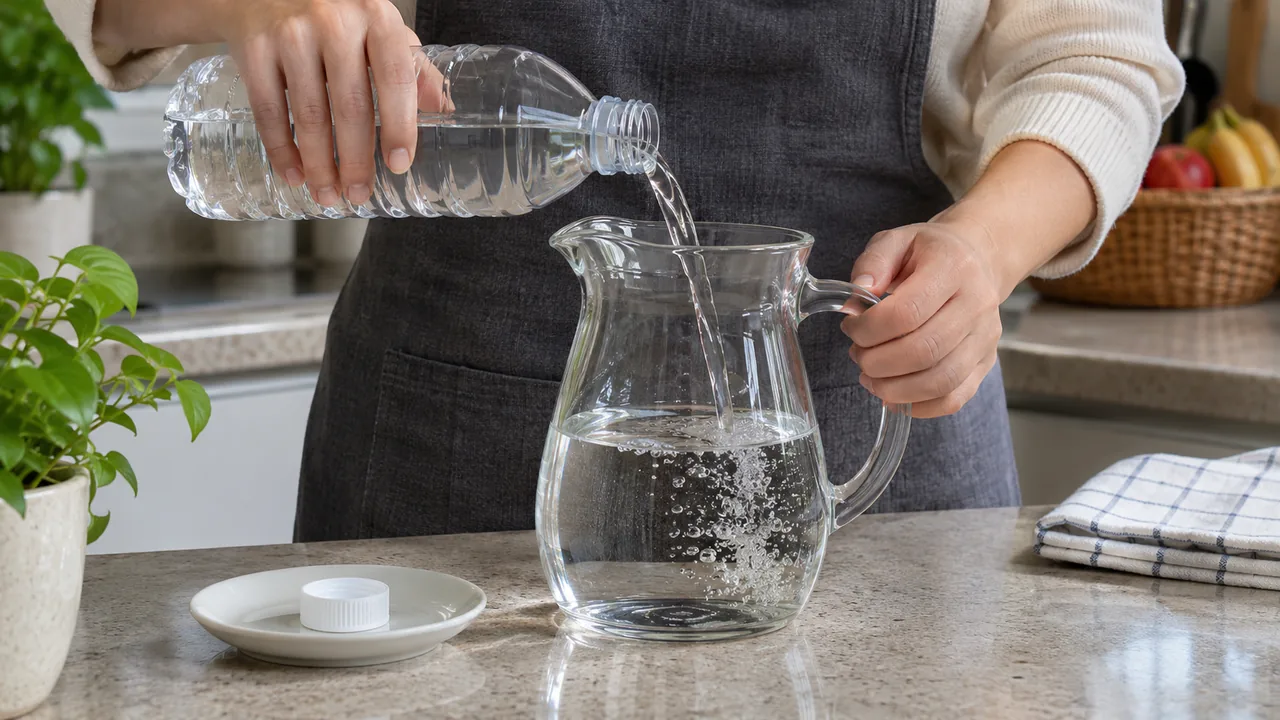
Use simple cooling measures appropriately
Cool water applied to skin, such as through a damp cloth or gentle sponging, can help with cooling according to public-health guidance. Keep the method suitable to the person, their skin, mobility and any care requirements. Avoid creating wet slippery floors or placing water near electrical equipment.
A fan or battery fan may be useful in suitable conditions, but it is not a guarantee that an overheated room is safe. Follow current heat advice and do not rely on one device when a person remains unwell or the environment cannot provide adequate cooling.
If someone has symptoms, respond to the person rather than simply increasing the fan setting. Move to an appropriate cooler place and seek the relevant medical advice or emergency help. Do not let a household cooling plan delay urgent assessment.
Know the signs that need help
The NHS lists heat-exhaustion symptoms including dizziness, headache, nausea, excessive sweating, cramps and thirst. A person who is unwell needs prompt cooling and appropriate fluids if they can safely drink, with support and further advice according to the situation.
Heatstroke is an emergency. Concerning signs include confusion, lack of coordination, a seizure, loss of consciousness or a very high temperature. Do not wait for every listed sign or a fixed timer before seeking emergency help when you are concerned.
In the UK, use 999 for suspected heatstroke and follow the call handler's instructions while help is arranged. Do not force drinks into someone who is not safely able to swallow. Stay with the person and use the appropriate first-aid guidance for their condition.
Identify a cooler destination before it becomes urgent
Ask a trusted contact about a suitable unaffected place, or check current official information about operating cool spaces. Confirm opening, access and available facilities. A building advertised during a previous heat event may not be open now or may share the power cut.
Consider the route, transport, bathroom access, children, pets and essential equipment. A cooler room at the top of several stairs may not solve the problem for someone with limited mobility. A suitable destination must work for the actual household.
Do not wait until a person is seriously unwell to begin the search. Agree a practical decision point based on personal needs and appropriate advice. If an immediate medical concern develops, use the emergency route rather than organising an ordinary journey yourself.

Make travel part of the heat plan
Check whether the journey can be made safely and whether the destination is confirmed. Avoid unnecessary trips in the hottest conditions. A vague hope of finding somewhere cooler can lead to more exposure and uncertainty than a planned move.
Keep appropriate drinks and personal essentials with you, and consider accessible transport. Do not leave children, vulnerable adults or animals in a parked vehicle. A vehicle can become dangerously hot, and a quick errand is not a reliable safeguard.
Follow current road and emergency instructions if a wider incident affects travel. Power cuts can disrupt lifts, traffic systems, charging and payments as well as cooling. The getting-home guide helps identify those dependencies before a difficult journey.
Babies and children need specific attention
Keep the routine calm and activities appropriate to conditions. Offer suitable fluids and food according to age and relevant health guidance. Do not use an adult hydration rule for a baby or change formula ratios to extend supplies.
Maintain safer-sleep arrangements and avoid unnecessary layers or bedding. Ask an appropriate health professional about individual concerns. A disrupted cooling system does not make an improvised sleep location or heavy bedding appropriate.
Watch behaviour as well as verbal complaints, particularly in children too young to describe how they feel. If a child seems unwell or you are concerned about heat illness, seek the relevant medical advice promptly. Use emergency help for serious signs rather than waiting for the power to return.
Support people who may not ask for help
Agree check-ins with relatives or neighbours where safe and with consent. Ask about actual conditions and needs instead of assuming someone is comfortable because they have not contacted you. A person may be reluctant to cause concern or unable to use the usual communication route.
Offer specific manageable assistance, such as checking a verified update or helping contact an appropriate support service. Do not undertake a transfer or care task beyond your ability. Keep emergency and professional routes for needs that exceed ordinary neighbourly support.
Have a backup if the usual helper is unavailable. Wider heat and power disruption can affect several households at once. Clear roles and realistic limits make support more dependable than a general promise that somebody will check.

Keep medicines and medical equipment within their approved plan
Heat and loss of refrigeration can affect medicine storage. Ask a pharmacist or care team about the actual product and known conditions. Food-safety thresholds do not determine a medicine's suitability, and more cooling through direct ice contact is not automatically safe.
Continue prescribed treatment unless a medical professional advises otherwise. Do not change doses or stop medicines because a general article mentions heat. Use the appropriate contact route if storage or access becomes a problem.
For powered equipment, follow the supplier's approved backup and action threshold. Do not wait for a general restoration estimate when essential care requires earlier support. Keep a suitable destination and transport plan connected to the clinical arrangements.
Protect food while keeping the fridge closed
Repeatedly opening the fridge to find a cold drink lets warmth in and makes food management harder. Keep suitable drinking supplies accessible elsewhere where their storage allows. Note the outage start time and use relevant temperature information and current guidance for food decisions.
Do not taste questionable food to decide whether it is safe. Hot room conditions and door opening can affect how quickly storage warms. Use the power-cut food-safety guide and current official advice rather than treating a general time estimate as a guarantee.
Choose meals that do not create leftovers you cannot store. A suitable small portion may be more practical than a large carton or dish. Consider allergies, dietary requirements and age suitability while simplifying the food plan.
Keep pets cool through appropriate welfare advice
Provide suitable safe water, shade and species-appropriate conditions. Avoid unnecessary activity in hot periods and check veterinary guidance for particular animals or health needs. Do not assume advice for people applies unchanged to every pet.
Never leave a pet in a parked vehicle while looking for a cooler place. Confirm that the destination accepts the animal and can meet its needs. Keep carriers, leads and relevant supplies accessible if a move becomes necessary.
If an animal appears unwell, contact the appropriate veterinary route rather than improvising treatment from human heat-illness advice. Planning suitable alternatives early can reduce a hurried journey at the hottest part of the day.

Example: a shaded room stops being enough
Imagine a household loses mains power during a hot afternoon. It shades the occupied room, keeps safe drinks accessible and checks the people most likely to struggle. The family has already confirmed a suitable cooler place outside the affected area.
If indoor conditions remain unsuitable or a person's needs require a move, it uses the planned contact and safe transport arrangement early. It does not wait until someone is seriously unwell to search for an open building. If serious symptoms appear, emergency help takes priority over an ordinary relocation.
The useful distinction is between comfort measures and an adequate environment. A damp cloth or fan may help, but neither is proof that staying remains safe. The person's condition and current advice determine the next step.
Review before the next hot period
Recharge suitable equipment, replace supplies and record what made the outage difficult. A better shade arrangement, accessible water containers or a confirmed cooler destination may matter more than another small fan.
Check the household plan when medicines, care needs, pets or living arrangements change. A place that worked last summer may not be suitable now. Keep support and destination contacts current and make sure another responsible person understands the plan.
Heatwave preparation is most useful when it starts before discomfort becomes illness. Ordinary supplies, a workable cooler option and a clear threshold for seeking help can give the household more room to make timely decisions.
Use a short review during a hot afternoon
At sensible intervals, check how people are feeling, whether the occupied room remains suitable and what the latest verified service information says. Keep the review practical rather than repeatedly reading every online forecast. A person's changing condition can require action even when the general weather description is unchanged.
Confirm that safe drinks remain reachable and that the next necessary task does not create avoidable heat or exertion. If a person follows a clinical fluid or treatment plan, keep that advice intact. Do not turn a general household target into a reason to override professional instructions.
Check the cooler destination before it is urgently needed. Is it open or confirmed, is the route suitable and can it meet the household's access, child and pet needs? Record the answer rather than leaving another adult to assume the earlier possibility is now an arrangement.
If conditions or symptoms make a move or medical help necessary, act through the appropriate route. A fan, damp cloth or planned check-in is not proof that waiting remains safe. The review exists to notice when the next action needs to change, not to keep the household in the same room until the power returns.
Keep the latest information easy for another responsible person to understand if they take over care.
Frequently asked questions
Is staying indoors always safest during a heatwave power cut?
No. An overheated building can become unsuitable, especially for people with particular health needs. Use shade and appropriate cooling measures, but identify a genuinely cooler destination and suitable transport before a move becomes urgent. Follow current local advice and seek medical help promptly if someone becomes unwell.
Should I open every window?
Consider whether outside air is hotter than inside and whether opening is safe. Public-health guidance recommends reducing heat entry through sun-facing rooms and using cooler air when appropriate. Security, children, pets, smoke and incident-specific instructions can change the decision. Do not apply one ventilation rule regardless of conditions.
Can a battery fan prevent heatstroke?
Do not rely on it as a guarantee. A fan may help in appropriate conditions, but it does not establish that the environment is safe or treat every case of heat illness. Watch the person, use current public-health advice and seek appropriate help. Serious symptoms require emergency action rather than another device adjustment.
How much should we drink?
Needs vary with heat, activity, age and health. Keep suitable safe drinks accessible and follow individual professional advice for fluid restrictions or other clinical requirements. Do not apply an adult rule to a baby or change formula ratios. If safe water is inadequate, use the provider's support arrangements before essential supplies run out.
When should I call for emergency help?
Seek emergency help for suspected heatstroke, including serious signs such as confusion, loss of coordination, a seizure, loss of consciousness or a very high temperature. In the UK, call 999 and follow instructions. Do not wait for every symptom or a fixed period if you are concerned about an immediate threat.
Sources and further reading
NHS: heat exhaustion and heatstroke