

The heating stops, but the house is still comfortable. That is the moment to make a plan. Waiting until everyone is cold, tired and looking for a charger can turn a manageable power cut into a much harder evening. Start with dry clothing, suitable blankets, a safe room and a clear idea of where you could go if the home becomes unsuitable.
Many heating systems need electricity even when the main fuel is gas or oil. Controls, pumps and fans may stop during an outage. Do not assume that a familiar boiler will continue working, and do not try to bypass its safety systems. Use the equipment's instructions and qualified advice for any fault.
Keeping warm also means recognising limits. Babies, older adults and people with particular health conditions may need support earlier. If someone is in immediate danger or you suspect hypothermia, seek urgent medical help. A household plan should help you act before discomfort becomes a serious problem.
Begin while the home still has some warmth
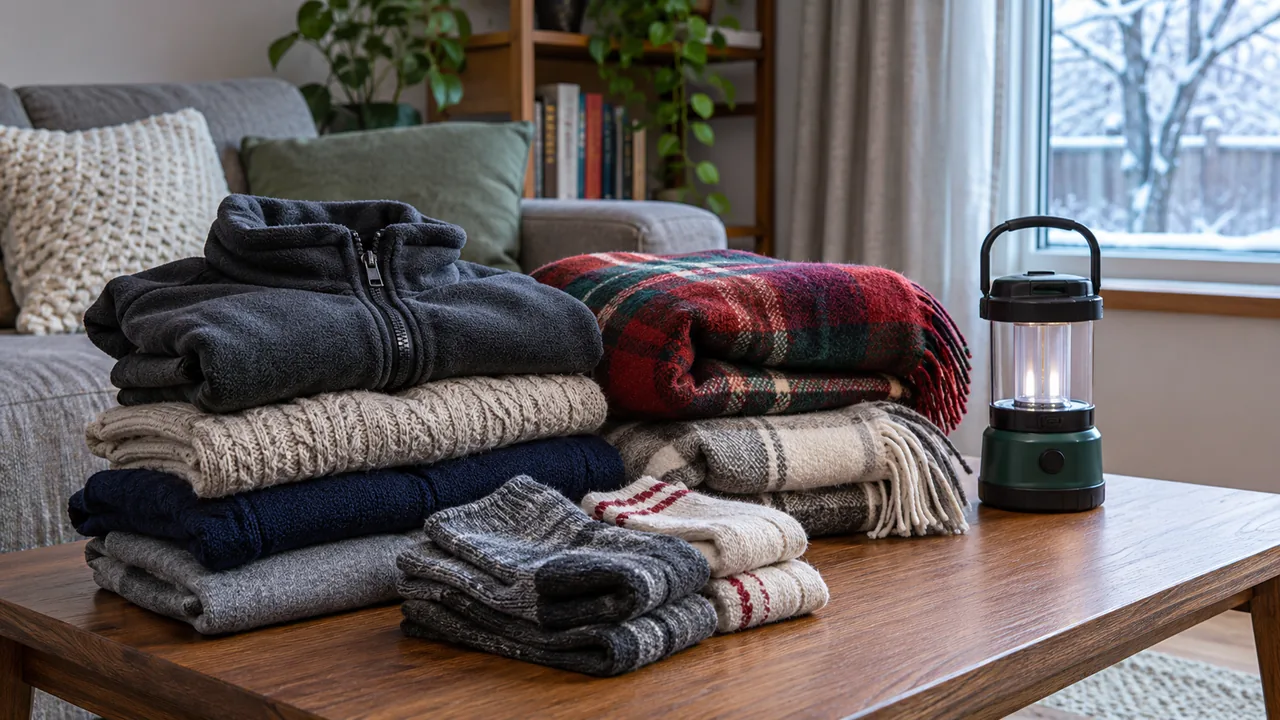
Bring suitable clothing, blankets, lights and essential supplies into a room that is easy to use. Choose a space with safe access to the bathroom and enough room for people to sit or rest without blocking exits. Consider who has difficulty with stairs or needs help moving.
Close internal doors where appropriate to reduce heat loss from the occupied area, while keeping necessary ventilation and fire-safety arrangements intact. Do not block vents, flues, alarms or escape routes. A room should remain safe to occupy, rather than simply being the smallest available space.
Check who is at home and who may return later. Send a brief message where possible so relatives know the situation and the next check-in. If someone needs powered medical equipment, follow the agreed outage plan immediately rather than waiting to see how quickly the room cools.
Use dry layers and suitable bedding
Comfortable layers can be adjusted as conditions change. Dry socks, a jumper and appropriate outer layers indoors may help an adult stay comfortable without relying on an electrical appliance. Replace wet clothing promptly and avoid creating a situation where people become damp through unnecessary exertion.
Keep blankets or sleeping bags available for the people who can use them safely. Think about individual mobility and the risk of tripping over bedding spread across the floor. Make it easy for someone to stand, reach a light and get to the bathroom without stepping through a pile of equipment.
Do not assume everyone needs the same amount of clothing. Check comfort and any health instructions, and avoid overheating. A person who cannot communicate discomfort easily may need a more deliberate check-in, agreed with their normal carer or care team.
Choose the room for the household, not just the building
A room that retains warmth is useful only if the people in it can function safely. A downstairs room may be better for someone who cannot manage stairs. A bedroom may suit one household and make access difficult in another. Consider seating, bathroom access, privacy and the location of essential equipment.
Keep the floor clear and put battery lighting where it helps movement. Use a low setting if it is sufficient and comfortable for the room. Make sure children know where an adult is and where they should go if they wake or need the toilet.
Avoid moving everybody to a room without considering its other hazards. A kitchen may contain hot equipment, sharp tools or an appliance someone is tempted to improvise as heating. A suitable shared room should reduce the number of problems you need to manage at once.
Use temperature information sensibly
An indoor thermometer can help you see whether the room is cooling and support decisions about moving. The NHS advises heating regularly used rooms to at least 18°C if possible, particularly for people with health conditions. A power cut may make that difficult, which is why alternative arrangements matter.
Do not treat a single figure as proof that every person is safe or unsafe. Clothing, duration, health and the ability to move or communicate all affect the situation. Follow any personalised advice and respond to symptoms rather than relying entirely on a wall thermometer.
Write down a decision point before everyone becomes uncomfortable. That might be contacting a relative, asking a care service for advice or arranging transport to a confirmed suitable place. The threshold should reflect the people involved, not an attempt to demonstrate how long the household can endure the cold.
Babies need their usual safer-sleep precautions
Cold weather does not remove the risks of overheating, unsafe bedding or an unsuitable sleep space. Follow current safer-sleep guidance and ask a health professional about your baby's particular needs. The Lullaby Trust describes a recommended sleep-space temperature of 16–20°C and provides advice about appropriate clothing and bedding.
Do not put a baby beside a heater, use an improvised heat source or add heavy loose bedding as a quick solution. Follow the instructions for any baby sleeping bag and avoid combining items in ways the guidance warns against. Keep the sleep space clear and suitable.
If the home cannot provide a safe arrangement, seek appropriate support or move through a planned safe alternative. If a baby is unusually cold, floppy, very sleepy or refusing feeds and you are concerned about hypothermia, obtain urgent medical help rather than trying to solve the problem with extra bedding alone.

Food and drinks can support comfort without becoming the heating plan
Have familiar food and safe drinking water available. If you can prepare a warm drink safely through an appropriate existing arrangement, it may be comforting. If you cannot, use the no-cook supplies rather than improvising a dangerous indoor cooking setup.
Do not use alcohol as a warming strategy. Keep normal medication and dietary requirements in mind. A person with a swallowing problem, fluid restriction or another clinical need should continue following the relevant professional advice.
Plan meals around what can be prepared and stored safely. Keep the fridge closed during the outage and use food-safety guidance before serving chilled food. A warm room plan can become harder if the kitchen is repeatedly opened, cluttered with equipment or used for unsafe fuel-burning appliances.
Do not bring outdoor cooking or heating equipment inside
Never use a barbecue, camping stove or portable fuel generator in the home, garage or an enclosed space. These can produce carbon monoxide, which can be deadly and cannot be reliably detected by smell. Opening a window does not turn outdoor equipment into a safe indoor heater.
Do not use a gas oven or hob to heat the room. Do not make improvised heaters from candles, plant pots or unsuitable containers. The desire to make a space warmer can create a more immediate danger than the original outage.
If you have a properly installed appliance designed for indoor heating, follow all operating, ventilation and maintenance instructions. An existing fireplace or stove is not automatically safe to use after neglect, damage or an uncertain installation. Seek qualified advice and use another location if you cannot maintain safe conditions.
Battery power does not automatically make electric heating practical
Electric heaters can require much more power than lights or phone chargers. A portable battery that keeps small devices working may be unsuitable or provide only a short period of heating. Check ratings and supported use rather than plugging in the heater and hoping.
Do not exceed output limits or improvise an electrical connection. Heating equipment also needs safe separation, stability and supervision according to its instructions. Avoid routing cables across a floor where people are moving in dim light.
If warmth is the main reason you are considering backup power, assess the full problem with suitable professional advice. Insulation, a suitable existing heating system and alternative accommodation may all matter. The backup-power comparison explains why capacity and output are different questions.
Watch people, not only the room
Ask how everyone is feeling and notice changes in behaviour. Someone who becomes unusually confused, drowsy or difficult to understand may need medical attention. Do not dismiss a change as simple tiredness because the whole household has had a disrupted evening.
The NHS lists signs of hypothermia including shivering, cold pale skin, slurred speech, slow breathing and tiredness or confusion. It is a medical emergency. In the UK, call 999 or seek emergency care if you think someone has hypothermia, and follow the call handler's instructions.
While waiting for help, follow current NHS first-aid advice rather than using aggressive warming methods. Do not use a hot bath, rub the person's limbs or give alcohol. Keep someone with the person and prioritise getting appropriate help over trying to make a household checklist complete.
Decide on a warmer alternative before travel becomes difficult
Ask trusted relatives or friends whether they could host you if needed. Confirm that their home is unaffected, suitable for access and able to meet essential needs. A place nearby may share the same outage. A spare room may still be unsuitable for a person who cannot manage the stairs.
Consider children, pets, treatment, transport and the return journey. If a local support or warming space is available, check current opening and access information from the responsible organisation. Do not travel to an old advertised venue without confirming it is operating.
Winter travel has its own hazards. Check official road and weather information and follow any instruction to avoid travel. If someone has an immediate medical need, seek emergency help rather than attempting an unsuitable journey. Leaving early through an appropriate safe arrangement is different from setting off impulsively when everyone is already struggling.
Keep communication brief and useful
Send a clear update to someone who expects to hear from you. Include where you are, whether you need help and when you plan to contact them again. Avoid promising that the power will return at a particular time unless you are accurately quoting a current provider estimate as an estimate.
Check reliable electricity information at sensible intervals. Constant scrolling can use battery and increase worry without changing the practical plan. A battery radio may provide another update route, subject to reception and broadcasting conditions.
Keep paper contact numbers available, including the network operator and relevant care contacts. If your landline uses digital equipment, ask the provider about backup before an outage. A familiar telephone may still depend on electricity in the home.
Check on others through arrangements you can safely keep
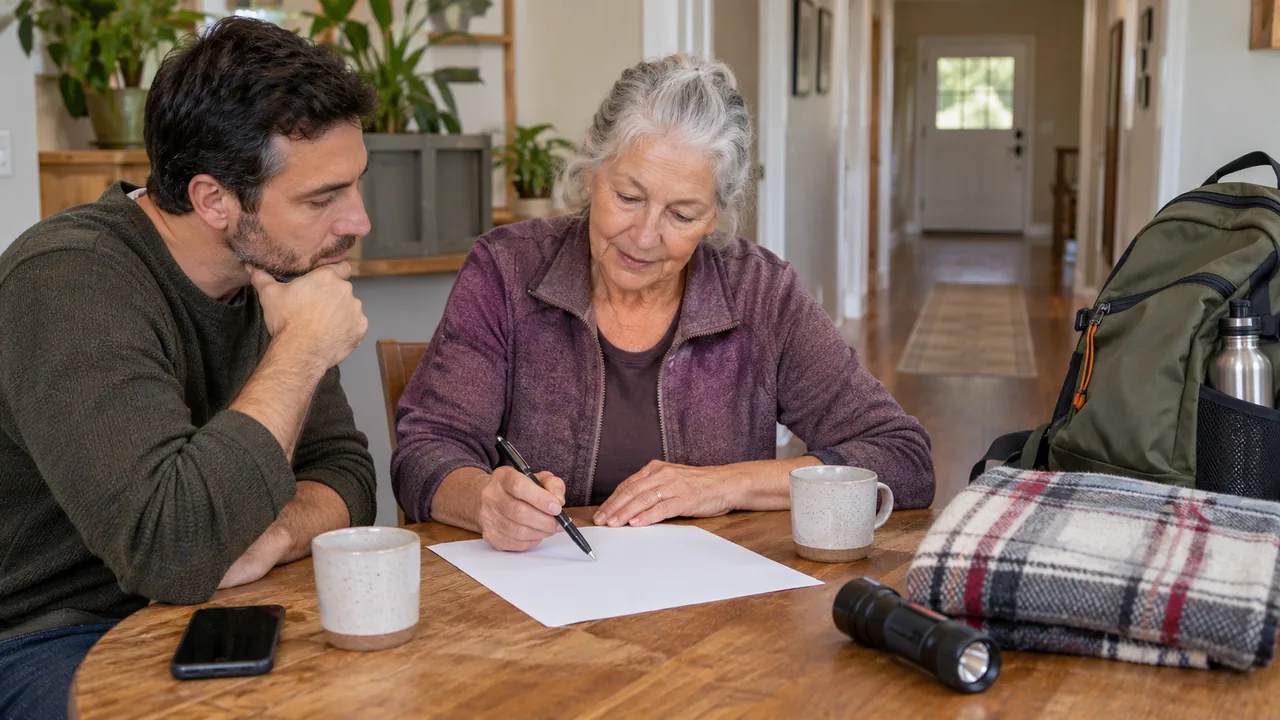
If you have agreed to contact a neighbour or relative, do so when safe. Ask what help they want rather than assuming they need to leave or that they are comfortable staying. Practical support might be a reliable update, help finding a torch or assistance arranging a suitable destination.
Do not enter a property with suspected fire, gas or electrical hazards. Do not take on a transfer or medical task you cannot perform safely. Contact the relevant support or emergency route when the need exceeds an ordinary neighbourly check-in.
Make sure the plan does not depend on one person always being available. If the agreed helper is away, there should be another way to raise a concern. Shared contact arrangements work best when responsibilities and limits are understood beforehand.
When heating comes back
Check the system through its normal controls and follow manufacturer instructions. Do not bypass faults or repeatedly reset equipment that appears unsafe. If an appliance, flue or electrical connection may have been damaged, obtain qualified advice before using it.
Restore the household routine gradually. Recharge lights and power banks, return equipment to its usual place and replace anything used. Check that everyone is comfortable and that a person receiving care has resumed the correct arrangements.
Write down what you learned while it is fresh. Perhaps the warmest room was inaccessible, the spare blankets were hard to reach or the alternative destination needed a transport plan. Fixing those details makes the next cold-weather interruption easier without requiring an elaborate set of new purchases.
Plan for the hours after bedtime
A daytime warm-room arrangement can become harder at night if the bathroom route is dark, clothing is stored upstairs or the only phone is nearly flat. Check those practical details before everyone settles. Keep suitable lighting and necessary items reachable without covering floors in bags and bedding.
Decide how the responsible adult will notice a change in conditions and when to contact support or use an alternative destination. Follow individual health and safer-sleep advice rather than assuming everyone can tolerate the same room. A person's condition matters as much as the general comfort of the space.
If another adult takes over, give a brief handover: the latest provider information, any essential care instruction, where supplies are and the next decision point. Do not make them reconstruct the evening from several messages or guess why a particular arrangement was chosen.
When a move is appropriate, check both the destination and safe winter travel. A warm address is useful only if it is confirmed, accessible and suitable for the household. Preparing that option while everyone is still comfortable reduces pressure later.
Frequently asked questions
Will my gas boiler work in a power cut?
Many boilers need electricity for controls, pumps or fans even when gas is the main fuel. Check your specific equipment and the manufacturer's advice. Do not bypass safety systems or attempt an improvised electrical connection. Include the possibility of losing heating in your household plan and arrange qualified help if the system develops a fault.
Can we all sleep in one room to stay warmer?
It may be a practical arrangement if the room provides safe access, suitable sleeping places, appropriate ventilation and clear exits. Consider each person's needs and follow safer-sleep guidance for babies. Avoid floor clutter, unsafe bedding and improvised heaters. If the space cannot remain suitable, use a planned alternative rather than assuming sharing a room solves every risk.
Can I use the oven as a heater?
No. Do not use a gas oven or hob to heat a room, and do not bring outdoor cooking equipment indoors. Fire and carbon monoxide hazards can be deadly. Use clothing, suitable bedding and a safe room while arranging appropriate support or another place to stay if the home becomes too cold.
How do I know when the cold is becoming a medical emergency?
Be alert to concerning symptoms such as confusion, slurred speech, unusual drowsiness or slow breathing, as well as cold exposure. If you suspect hypothermia, seek emergency medical help and follow current first-aid instructions. Do not wait for a room thermometer to reach a particular reading before responding to a person's condition.
Should we leave as soon as the heating stops?
That depends on the home, weather and household needs. Start planning while conditions remain comfortable, especially for people with health or accessibility requirements. Confirm a suitable destination and safe journey. Follow official instructions and seek appropriate help if essential needs cannot be met. A planned move before conditions deteriorate can be more manageable than a rushed decision later.
Sources and further reading
NHS: keeping warm and winter health