

A genuine nuclear or radiation emergency alert calls for prompt practical action, not a search through alarming predictions. Read the instruction for your location, move to suitable shelter when directed and keep receiving official updates. The safest next step depends on the incident and where you are.
UK radiation guidance uses the message 'go in, stay in, tune in'. It reflects an important principle: going outside or driving away without instructions can increase exposure in some radiation incidents. A suitable building and current local advice can provide protection while responders assess the situation.
This guide explains preparation and the household decisions around an alert. A reactor incident, a transport release and a nuclear detonation are different events; do not assume every report has the same effects. Immediate fire, structural damage, injury or another life-threatening hazard requires appropriate urgent action and emergency help.
Read the instruction that applies to you
Check the alert's location, issuing authority, time and requested action. A report about an incident elsewhere does not automatically require the same response at your address. If you are overseas, use the local official advice rather than assuming instructions for the UK apply unchanged.
Take a genuine urgent instruction seriously even if you cannot see or smell a hazard. Radiation cannot be assessed through ordinary senses. Do not wait for a visible sign before following the protective action issued for your area.
Use the alert-checking guide to prepare verification habits beforehand. During an urgent event, do not let a lengthy search delay an appropriate protective action. Check details through established sources while moving through the safe steps instructed.
Get into suitable shelter when directed
Official radiation advice commonly directs people into a substantial building and away from exposure outdoors. If you are outside, the nearest suitable building may be more useful than attempting a long journey to your own home. A vehicle is not equivalent to the protection of a substantial building.
Use the current instruction and immediate conditions. Do not enter a burning, collapsing or otherwise unsafe structure to follow a general shelter message. Seek emergency help where an immediate danger exists and follow responder directions for the actual incident.
Prepare by noticing suitable buildings and access arrangements in the places you spend time. You do not need to identify a perfect bunker to make a useful plan. The relevant question is how to reach an appropriate indoor place promptly without adding an unnecessary journey.
Choose an appropriate indoor position
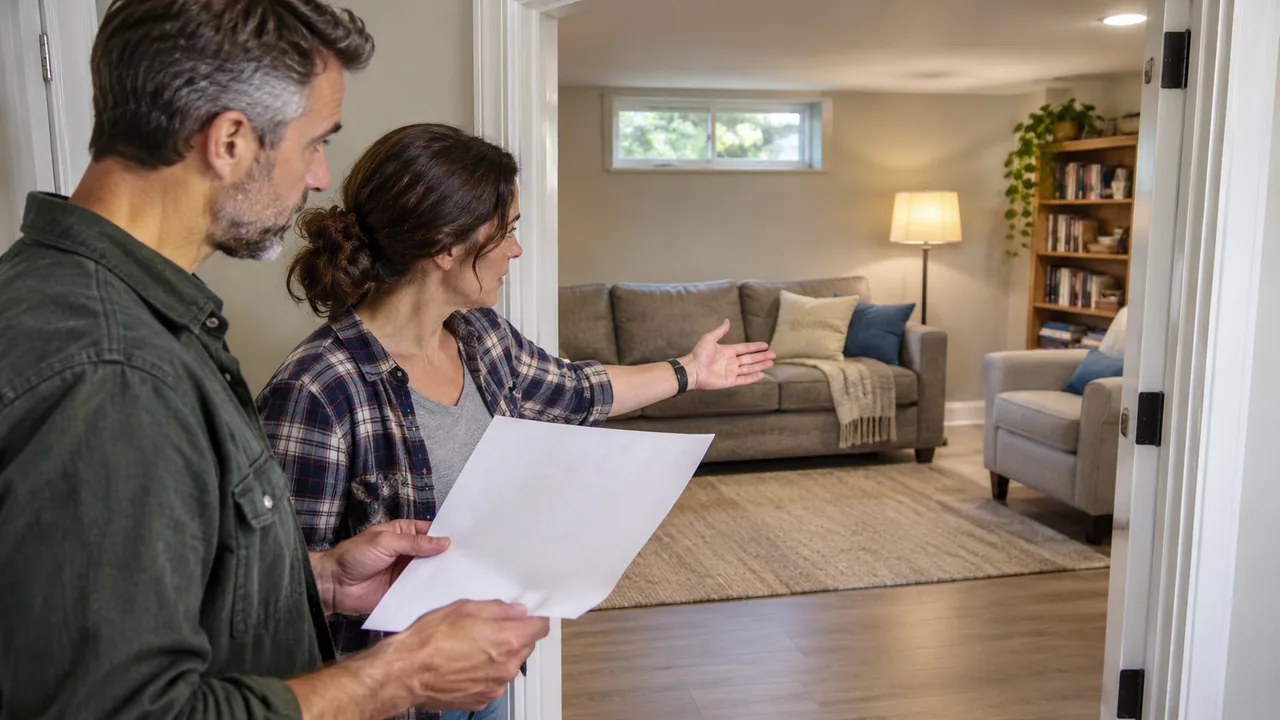
UK guidance advises staying away from external walls and closing relevant external doors and windows. The appropriate location within a building depends on its structure, the incident and any competing hazards. Follow official advice rather than treating one room type as universally suitable.
Consider accessibility, essential care and communication as you settle. Bring manageable supplies within reach if safe, and keep a light and information route available. Do not move repeatedly between rooms to collect non-essential belongings while an urgent instruction is in force.
Do not assume an ordinary mask, clothing layer or improvised material replaces substantial shelter. Such items may have a role in limiting contact with contamination in particular circumstances, but they do not provide universal shielding from penetrating radiation.
Follow ventilation instructions for the incident
Radiation guidance may direct you to close external openings and turn off equipment drawing outside air. Follow the actual instruction and the safe controls for your building and systems. Do not dismantle equipment or interfere with essential clinical support through a general household checklist.
Keep other immediate hazards in mind. Never run a generator, barbecue or outdoor stove indoors while sheltering. Closing openings makes unsafe combustion equipment no more acceptable and can intensify a carbon monoxide problem.
If a medical device or building system creates a conflict with the instruction, use the relevant professional or emergency support route. Plan those questions with the supplier or care team beforehand where possible. A generic article cannot resolve every equipment requirement.
If you may have radioactive material on clothing
CDC guidance describes removing an outer clothing layer after possible contamination, handling it carefully and keeping it away from people and pets in a suitable bag or container. Follow current local decontamination instructions for the incident and your circumstances.
Avoid shaking clothing or spreading dust through the shelter. Keep the handling area separate from food and the clean resting space where practical. Do not delay shelter or urgent medical care to complete an elaborate cleaning routine outdoors.
Remember the difference between exposure and contamination. Exposure to radiation does not always mean radioactive material is on the body. Officials can provide instructions about assessment and screening; your senses cannot establish a reliable answer.
Wash gently when advised
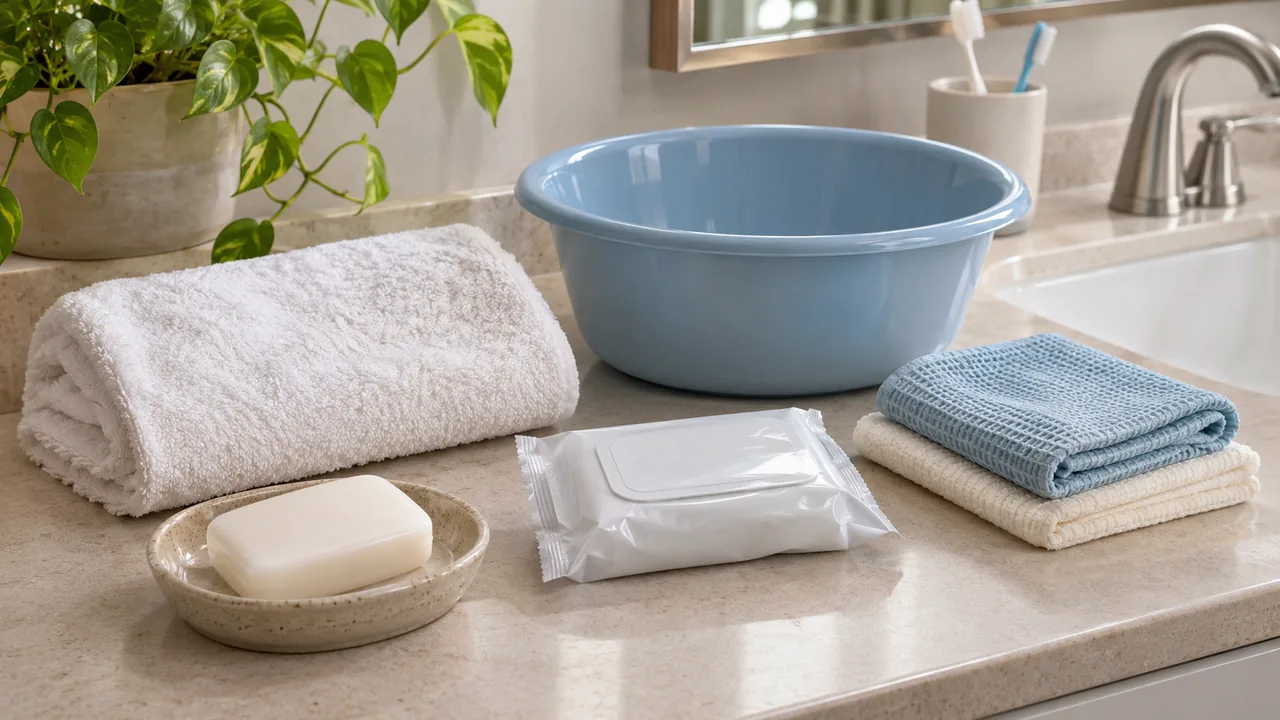
Use the official decontamination procedure. The CDC describes gentle washing with water and soap or shampoo, avoiding harsh scrubbing or damage to the skin. Follow the detailed instructions, including what to do if a shower is unavailable or another health need affects washing.
Do not apply household chemicals, bleach or an improvised treatment to the skin. More aggressive cleaning is not necessarily safer. Protect children and anyone needing assistance through a suitable procedure rather than a rushed routine nobody understands.
Check advice about water use separately from drinking restrictions. In some radiation situations, water may be suitable for washing while not being recommended for drinking. Do not assume the same instruction applies to every purpose, and use the current local advice.
Keep food and water decisions tied to official information
Use protected supplies and follow restrictions on food and drinking water. A product being indoors or visibly clean does not answer every contamination question. Keep packaging and handling clean and avoid bringing potentially contaminated items into the eating area unnecessarily.
Do not assume boiling makes radiologically contaminated water safe. Boiling does not remove radioactive material. Use the official instructions about safe supplies and distribution rather than applying an ordinary boil-water method to a different hazard.
If the household has particular dietary, infant-feeding or clinical needs, use the appropriate professional advice and support route. Do not improvise a treatment or feeding method because normal supplies are difficult to access. Keep the need visible in the household plan.
Do not take stable iodine on your own initiative
Stable iodine or potassium iodide has a specific role in some radiation emergencies. It does not protect the whole body from every type of radiation or contamination. Public-health or clinical instructions determine whether it is appropriate, for whom and when.
Do not take it because a social-media post says an incident has occurred. Incorrect use can cause harm, and timing matters. Follow the actual instruction and approved product information for your location. This guide does not provide a dose or recommend self-treatment.
Do not substitute ordinary supplements, iodised salt or other improvised products. They are not equivalent to the instructed emergency medicine. Keep the distinction clear when talking to relatives so that an urgent rumour does not become an unsafe household action.
Keep children where the appropriate plan protects them
Know school and childcare emergency procedures in advance. During a shelter instruction, an unplanned trip to collect a child may add exposure and conflict with the provider's safeguarding and protective arrangements. Use its current information and official advice for the incident.
Give children short, calm explanations focused on what adults are doing. They do not need to watch repeated alarming footage or interpret technical updates. A familiar activity, safe space and clear adult presence can support the immediate routine.
Keep essential feeding, care and safer-sleep arrangements in mind. If a child's urgent needs cannot be met, seek the appropriate professional support. Do not let a general instruction become a reason to ignore an immediate medical emergency.
Bring pets into the plan without creating a dangerous search
If it is safe and consistent with the current instruction, keep pets indoors with suitable food and water. Avoid allowing animals to carry possible outdoor contamination through the clean shelter area. Follow official guidance about cleaning an animal that may have been exposed.
Do not go into immediate danger or extend time outdoors searching for supplies or a pet. Provide relevant information to responders where needed. Preparing carriers, familiar supplies and access before an incident can make those decisions easier.
Keep animal treatment with the vet's advice. Do not give human emergency medicines or improvised doses to pets. A household radiation response should maintain species-appropriate care while following the public instructions that apply to the location.
Maintain a reliable route to updates
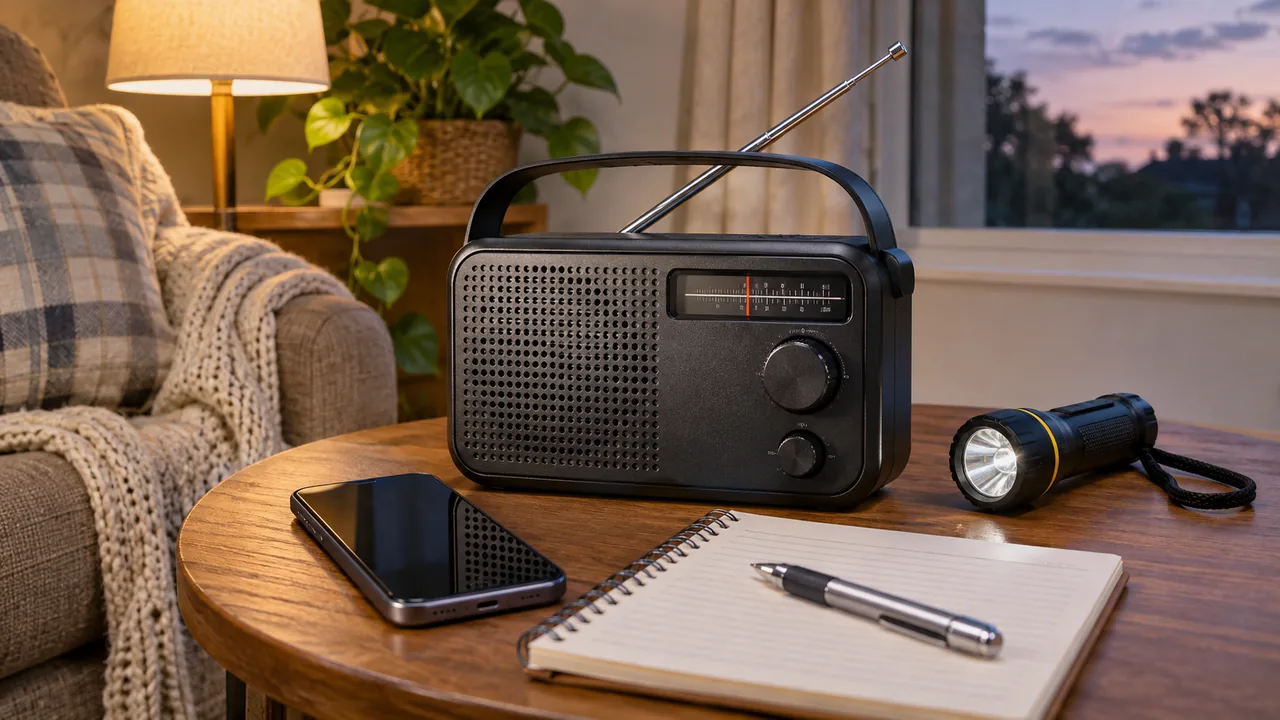
Use the responsible authorities, local emergency services and established broadcast information. Keep a battery radio available where useful, with a suitable station and power arrangement. Internet access may also work, but do not depend on one device or network alone.
Record the time and source of important instructions. A shelter direction can later change to a managed evacuation or another protective action. Sharing a screenshot without the update time can leave different household members following different advice.
Avoid treating a fixed period quoted online as permission to leave automatically. Stay informed and follow the current instruction for your area. A general explanation of how radioactivity changes over time does not establish the safety of your street at a chosen hour.
Keep essential medical needs active in the plan
Use the care team's approved arrangements for equipment, medicines and urgent contact. Shelter instructions and loss of utilities can affect the same person at once. Ask relevant professionals beforehand how the plan should respond where possible.
Do not change treatment or disconnect essential equipment merely to follow a generic household list. If an immediate threat to life exists, seek emergency help and explain the incident and specific need. Let the appropriate responders determine the suitable next action.
Keep a concise care summary and contact route accessible without a live login. Another responsible person should know where the information is and which warning threshold matters. Accurate practical information helps more than an improvised technical solution.
Evacuate through the advised arrangements
If authorities instruct evacuation, follow the route, timing and other conditions they give. A managed move may differ from the route you would normally choose. Do not drive towards the incident or use an unverified shortcut because it appears quicker on an app.
Take essential personal items only where safe and without delaying. Keep the load manageable and account for children, accessibility, treatment and pets. Tell the agreed contact your destination when it is safe to do so.
Do not return until the responsible authority advises that it is appropriate. Visible conditions alone cannot establish radiological safety. Follow any screening, cleaning, food or water restrictions that continue after the immediate shelter or evacuation phase.
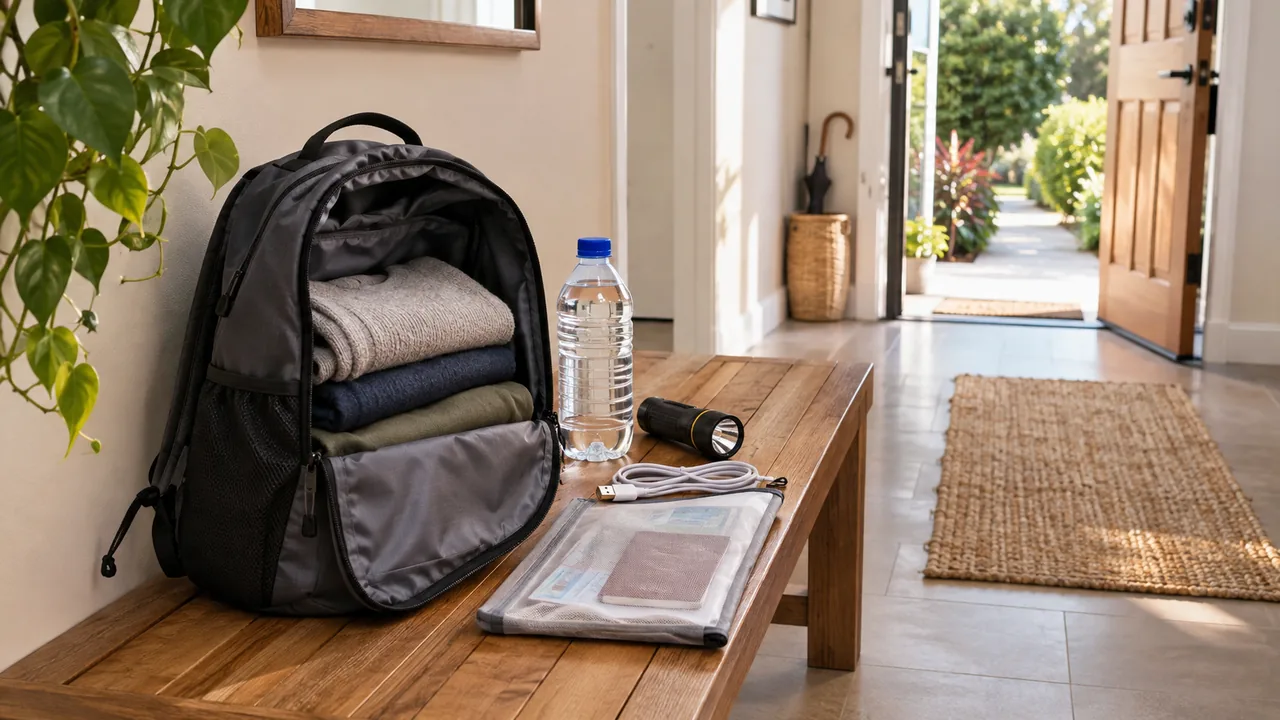
Prepare ordinary supplies before an alert
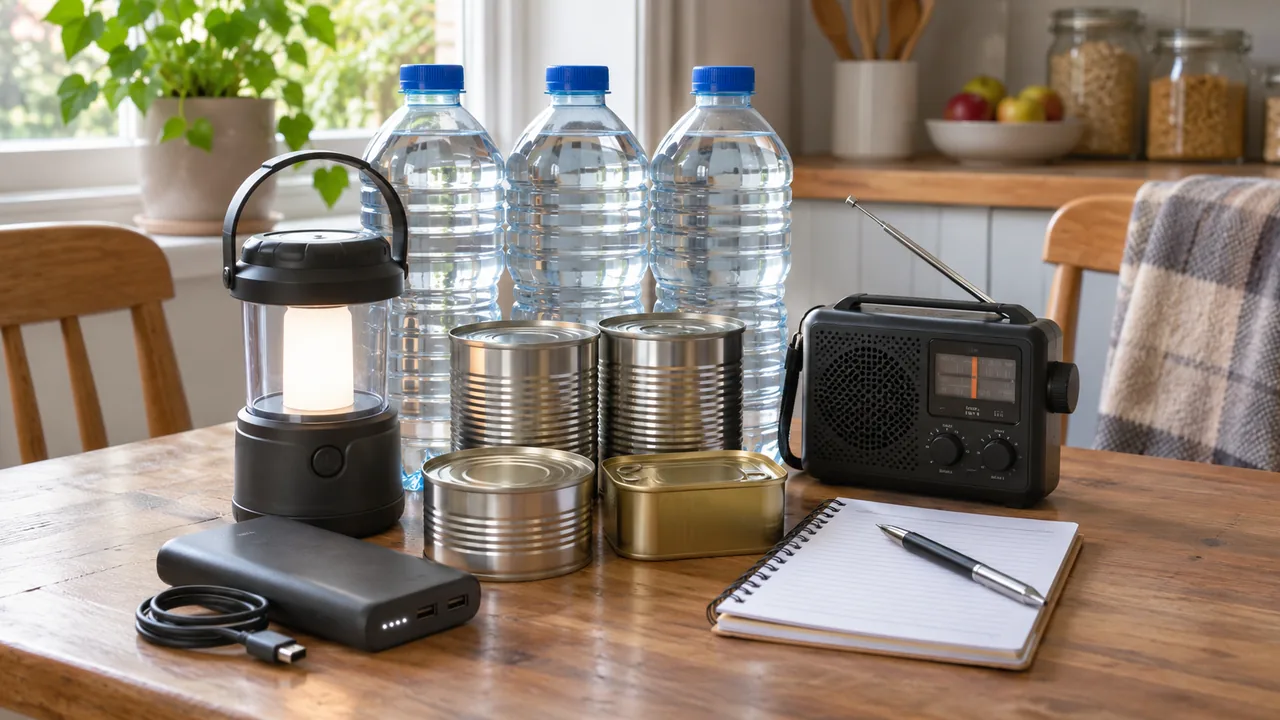
Working battery lights, familiar no-cook food, safe stored water, paper contacts and necessary personal items can help during several types of disruption. Keep them accessible and review them as household needs change. A manageable reserve reduces the need for an urgent trip.
Do not buy equipment through a guaranteed-survival claim or a prediction that a particular event is imminent. Ask what function the item serves and whether you can use it safely. Specialist radiation measurement or protection claims require appropriate evidence and understanding.
Keep the family emergency plan clear enough to use. Who needs support, where is information, how will you receive updates and what changes the next action? Those questions make ordinary supplies more useful.
Example: the alert arrives while you are away from home
Imagine a genuine local instruction asks people to shelter indoors. You are at work, and family members are already inside suitable buildings elsewhere. The plan is to follow the instruction where you are, use brief agreed contact and check the school or care provider's official arrangements where relevant.
You do not assume that driving across the affected area to reunite immediately is safer. You also do not ignore an immediate fire, injury or essential treatment problem inside the building. The actual protective instruction and urgent needs shape the next step together.
This is why a useful family plan includes separation and communication. It reduces the pressure to make a hazardous journey simply because being together feels more reassuring. Keep the decision tied to current advice rather than a universal instruction invented beforehand.
Keep one current shelter update sheet
Write the instruction applying to your location, its official source and the time checked. Add the next update route and the household's essential needs. A short shared sheet can prevent one person following a new instruction while another acts on an earlier screenshot.
Record facts rather than a guessed radiation assessment. Your home notes cannot determine contamination or exposure through appearance, smell or an improvised calculation. Leave screening and technical interpretation to the relevant authorities and professionals. The sheet's job is to preserve the actual protective instruction and useful contacts.
If a carer or another adult takes over, explain the current arrangement briefly: the occupied area, relevant water or food restriction and any approved clinical action. Keep private details secure while making the practical instructions available to those who need them.
Update or replace the sheet when advice changes. Do not simply add an evacuation message underneath an old shelter instruction without clarifying which applies now. If there is an immediate separate danger or medical emergency, seek appropriate help rather than treating the written note as a reason to wait. Accurate shared information supports prompt action; it should not become another obstacle to it.
Frequently asked questions
Should I drive away as soon as I receive a nuclear emergency alert?
Follow the actual official instruction for your location. In some radiation incidents, leaving suitable shelter without direction can increase exposure. If evacuation is instructed, use the advised arrangements. A general headline does not establish the safest route or timing. Immediate fire, structural damage or a medical emergency also requires appropriate urgent action.
Can a mask replace shelter?
No. A mask or clothing may help limit contact with certain airborne material in particular circumstances, but it does not provide universal shielding from penetrating radiation. Follow the instruction to reach suitable shelter and use current official advice. Do not remain outdoors because an item of protective equipment appears reassuring.
Should I take iodine tablets immediately?
Only when instructed by the relevant public-health or clinical authority. Stable iodine has a specific role and does not protect against every radiation hazard. Incorrect use can cause harm. Do not substitute supplements, iodised salt or improvised products, and do not use a dose copied from an unrelated online discussion.
Does boiling make contaminated water safe?
Not for radioactive contamination. Boiling does not remove radioactive material. Use the current official instructions about drinking supplies and other water uses. The advice for washing may differ from the advice for drinking in a particular incident, so read the actual notice rather than applying a general boil-water rule.
When is it safe to leave shelter?
Use current instructions from the responsible authorities for your area. Do not rely on a fixed period from social media or on the absence of visible danger. Advice may change as the incident is assessed. Keep an information route working and seek appropriate urgent help if a separate immediate danger or essential medical need arises.
Sources and further reading
UK Government: radiation emergency actions