

An emergency kit should make life more manageable, not make the household budget harder to balance. You can start with things you already own, organise them so they are easy to find and add missing essentials gradually. A working torch and a clear plan can be more useful than a large parcel of equipment nobody has tested.
The first question is not how much a complete kit costs. It is which ordinary problem your household cannot currently solve during a short disruption. Safe drinking water, familiar food, necessary care and a way to see and communicate deserve attention before specialist extras.
Use this guide to set a practical buying order. It does not prescribe a universal spending target or suggest taking money away from today's essential bills. Your circumstances determine the pace, and some of the most useful improvements cost nothing beyond a little time and a conversation.
Start with a no-spend stock check
Look through the kitchen, bathroom and usual storage places. Identify suitable long-life food, safe drinking water, working torches, blankets, chargers, first-aid supplies and personal essentials. Check condition and suitability, rather than simply noting that an item exists somewhere in the home.
Test a torch, match the charging cable to the device and find the manual tin opener. Put relevant items in consistent locations or write down where they live. There is no need to buy a second version of something that only needed to be found, charged or made accessible.
Make three short categories: usable now, needs attention and missing. A broken light belongs in the second category, not in a reassuring count of emergency supplies. This distinction helps you direct limited money to the gaps that actually remain.
Define the needs of the people in your home
List household members, pets and anyone who regularly depends on your care. Note essential requirements that a standard kit cannot cover automatically, such as a particular diet, medicine storage, mobility equipment or a baby's feeding arrangements.
Ask the relevant professional about clinical or equipment needs before buying a generic backup product. An inexpensive power bank is not good value if it is unsuitable for the device you hoped to run. An approved support or alternative accommodation plan may be the appropriate solution.
Consider access as part of the budget. A large water container may be cheap per litre but unusable for the person who needs to lift it. A simple smaller bottle within reach can solve a more important problem. Value includes practical use, not just the price on the label.
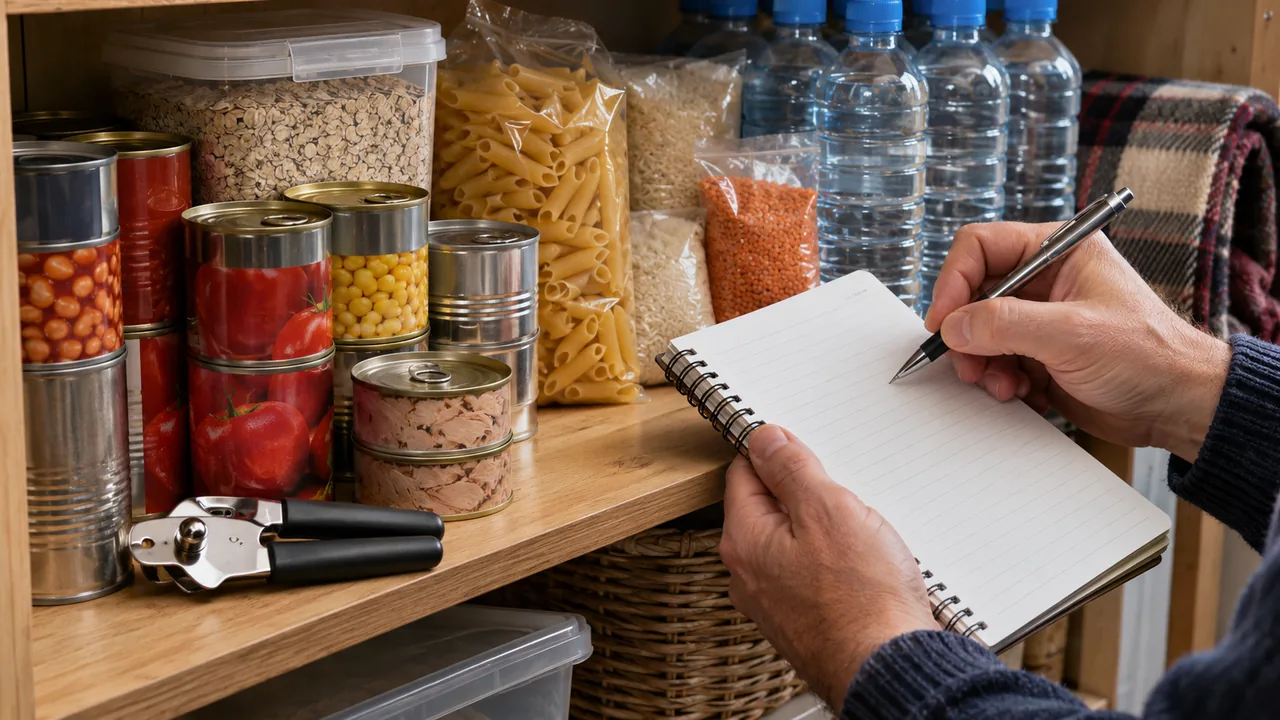
Buy to cover a function, rather than complete a collection
Think in functions: safe drinking, familiar meals, light, information, hygiene, temperature and essential care. Under each, ask whether you have a workable arrangement. This prevents the kit becoming a collection of attractive gadgets while a basic need remains uncovered.
For example, three similar torches may add less than a suitable water supply if you already have reliable lighting. A second power bank may add less than paper contact details if the real problem is not knowing whom to call. Use your own gaps to set the sequence.
Avoid judging progress by the size of a box or the number of products bought. Finding a suitable place to stay, learning a radio's controls or confirming a care plan may be substantial progress even though no new equipment appears on the table.
Prioritise water in manageable steps
Calculate the drinking-water starting point for your location and household. The UK Be Ready checklist uses three litres per person per day, with additional water needed for other uses. Write down your full gap so that small purchases move towards a clear objective.
Choose safe storage that fits the home and the people using it. Do not reuse a chemical container to save money. Follow product and public-health instructions for water stored at home, and protect it from contamination, heat and damage.
If you cannot store or afford the full quantity immediately, begin with a manageable safe supply and identify provider support arrangements. People who cannot travel or carry water should discuss access with the supplier before an interruption. A realistic partial plan is a starting point to improve, rather than a reason to choose unsafe storage.
Build food supplies through ordinary meals
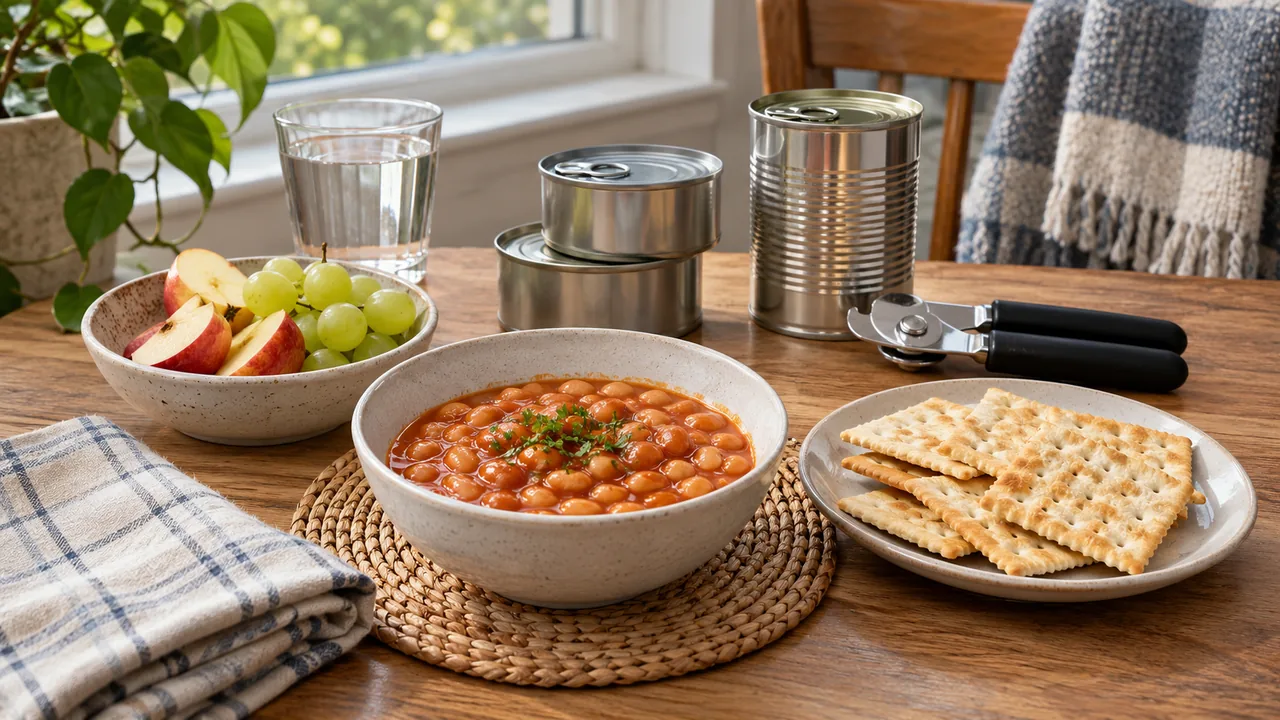
Choose familiar food you will use and replace. Check which products are genuinely ready to eat without cooking and which need heat or additional water. A cheap bag of ingredients can be poor emergency value if preparation depends on services that may be unavailable.
Plan a few simple meals and buy missing ingredients during normal shopping when possible. Check dietary needs and portion sizes. Smaller packs may reduce leftovers when refrigeration is unavailable, even if their unit price is higher. Compare the practical result rather than only the largest pack's headline value.
Try one meal before relying on it. You may discover a difficult lid, an unsuitable texture or a product nobody likes. A small trial prevents wasted money on bulk purchases and gives you a menu that feels ordinary enough to use during a disrupted evening.
Make one reliable lighting arrangement first
Check existing battery lights before shopping. A suitable torch with working batteries may be enough to solve the immediate gap. Keep it easy to reach and make sure the person using it understands the controls. A simple familiar light is often more useful than a complicated multifunction model.
Include batteries or a charging method in the full cost. A low-priced torch can become less convenient if it needs an unusual cell you cannot easily obtain. A rechargeable light needs a routine to remain ready and the right cable kept nearby.
Add another light where there is a clear reason, such as a safe route to the bathroom while someone else uses the main room. Avoid buying maximum brightness when the task needs comfortable shared lighting and useful runtime. Compare suitability, access and maintenance as well as price.
Choose communication purchases after checking the gap
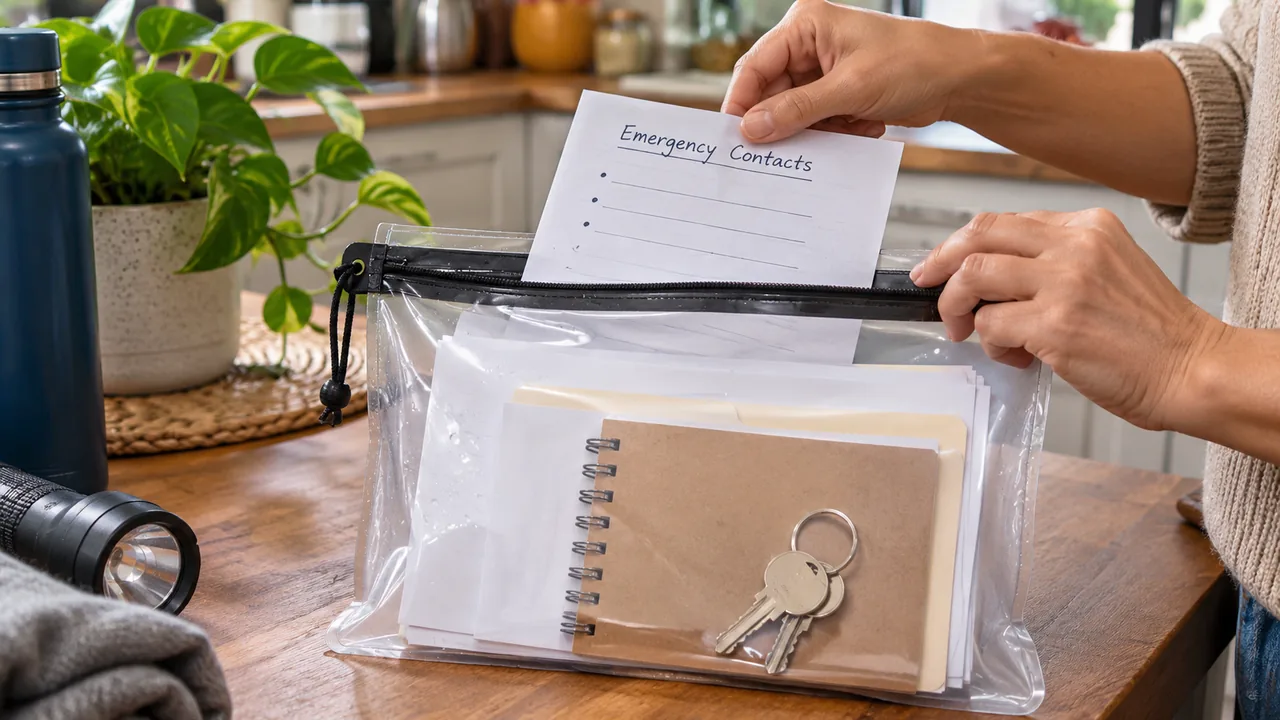
Paper contacts cost little and remain useful when a phone is flat or locked. Write down important numbers, addresses and provider details. Keep the information concise, current and secure. This is worthwhile even before you can add any new equipment.
If phone charging is a gap, investigate a suitable power bank and compatible cable. If your information plan depends entirely on internet access, a usable radio may provide another route. Neither fixes every communication problem, so choose according to the specific function you need.
Be cautious about a combined radio, lamp and charger sold as a complete answer. Check each function and its realistic limits. A low purchase price is not a saving if the charging output is too limited or the controls are difficult for the intended user.
Use existing clothing and comfort supplies
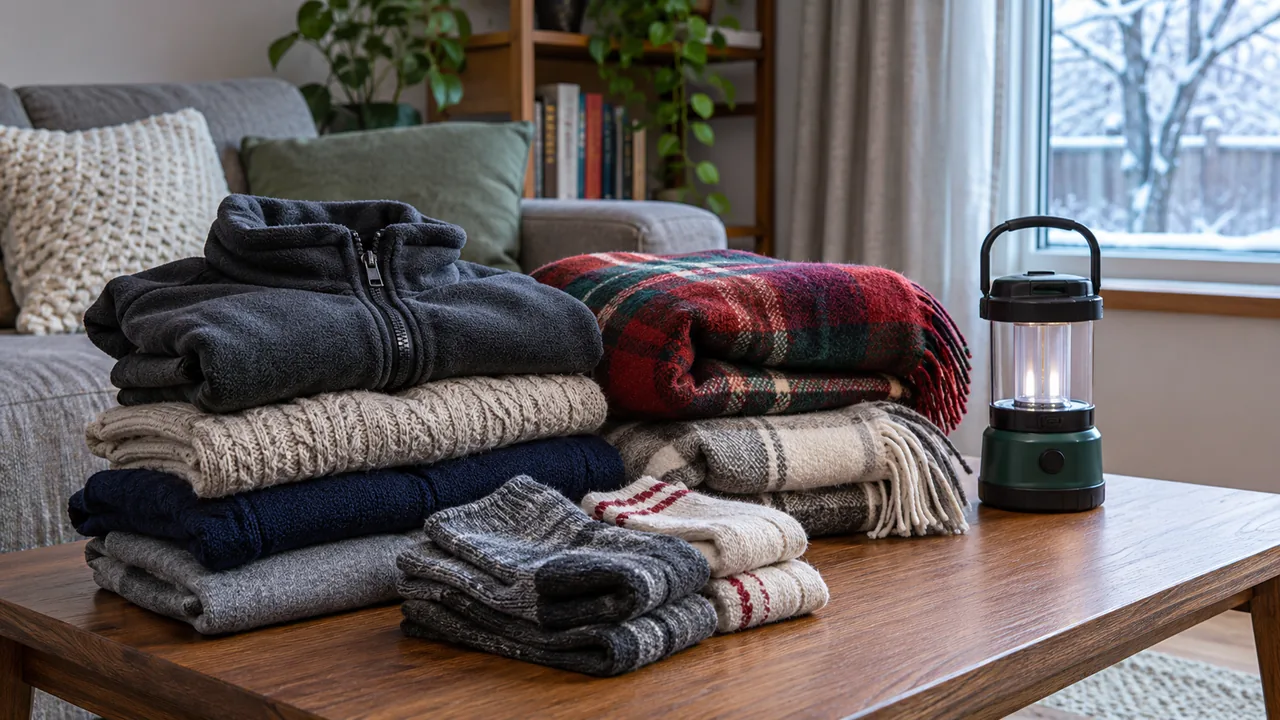
Blankets, warm layers and suitable footwear may already cover much of a cold-weather plan. Organise them so they are accessible, and consider who needs help reaching them. There is usually no reason to buy specialist outdoor equipment before checking ordinary household supplies.
Plan temperature around the season and person. Babies need current safer-sleep guidance, and some health conditions require a particular arrangement. Do not improvise unsafe bedding or heating to avoid asking for appropriate support or using another suitable place.
Keep outdoor fuel-burning equipment outdoors and follow all instructions. A cheap camping stove is not a budget indoor heater. Fire and carbon monoxide risks are not acceptable trade-offs for a lower-cost setup. A modest no-cook food plan can remove pressure to attempt unsafe cooking.
Give essential care its own budget conversation
If a medicine, medical device or care routine depends on electricity, water or specialist supplies, ask the appropriate provider about continuity. Do not assume a general emergency-shopping list captures the real requirement. Keep approved instructions and useful contacts available offline.
Ask what support and relevant registration arrangements apply. Eligibility and provision vary, and a support register does not guarantee uninterrupted services. Confirm actual arrangements rather than treating registration as a replacement for the care team's backup plan.
Do not change treatment or make unsafe substitutions to create a cheaper kit. If cost is making an essential health need difficult to meet, use the appropriate professional or local support route. A budget guide should help you identify that issue, rather than hide it beneath general shopping advice.
What can often wait
Specialist tools, elaborate storage systems and large backup-power purchases can usually be assessed after the basic gaps are understood. They may be useful for particular households, but they are not evidence that a beginner's ordinary supplies are inadequate by definition.
Avoid buying products mainly because an advert predicts an imminent catastrophe. Ask what problem the item solves tonight, whether you can use it safely and what its limits are. If the explanation depends on fear rather than clear specifications, obtain better information before spending.
Keep a later list for optional items. That lets you acknowledge a possible improvement without treating every recommendation as urgent. Revisit it after a safe practice exercise has shown which functions remain difficult in your actual home.
Compare complete costs and useful life
A product's purchase price is only part of its cost. Batteries, cables, charging accessories, replacements and suitable storage may be needed. Check what is included and which extras are necessary before deciding that one item is much cheaper than another.
Think about maintenance you will realistically perform. A device that needs frequent attention may not fit your routine, even if it performs well in a review. A simpler product that stays ready through an ordinary habit may offer better practical value.
Check the seller, product information and relevant safety requirements. Be cautious with damaged batteries, unknown chargers and second-hand electrical equipment whose condition cannot be established. Saving money should not rely on accepting an electrical or fire risk you do not understand.
Share support without assuming someone else owns your plan
Trusted neighbours or relatives may help with information, transport or collecting supplies when it is safe. Discuss specific arrangements and consent before an emergency. A clear check-in can be more useful than a vague promise that everyone will help somehow.
Do not assume shared equipment will always be available. The owner may be away or need it themselves. For a truly essential need, agree a backup rather than relying on access to a single item elsewhere in the neighbourhood.
Check available local support through reliable organisations if affordability limits basic preparedness. Provision differs, so ask about actual help rather than assuming every council or charity offers the same supplies. Keep the contact route where you can find it without an internet search.
Use a small weekly or shopping-trip action
Choose one achievable improvement: test a torch, write the contact page, locate the blankets or add a suitable food item to an ordinary shop. Keep the task specific enough to finish. A short completed action is more useful than a large list that creates pressure and stays untouched.
If you set aside money for future supplies, keep it within your normal household priorities. There is no need to follow a universal weekly spending figure. Circumstances change, and a useful plan can progress through organisation and learning as well as purchases.
Record what you have solved so you do not buy the same function repeatedly. Review the remaining gaps after each small step. This turns emergency preparation into a manageable routine, with progress you can understand and maintain.
Test the arrangement before adding more
Try a short safe exercise without disabling essential equipment. Find the light, open a planned no-cook meal, locate contacts and explain the first action during an outage. Ask another household member to do the same where practical.
Notice what actually caused difficulty. It may be a cable, an inaccessible shelf or a missing phone number rather than a product category you have not bought. Fix that problem first. Real use is a better guide to the next purchase than a long online list.
Your budget kit should become easier to maintain over time. Use food, replace supplies, keep batteries ready and update personal needs. Ordinary items, organised around clear functions, can provide a dependable foundation without turning preparedness into an expensive hobby.
A no-spend first week can still make progress
Imagine a household decides to spend nothing extra this week. On the first day, it finds the working lights and puts a suitable one where it is easy to reach. Another day, it writes key contacts on paper and checks which food can safely be eaten without cooking.
The household then tests the correct phone cable, locates blankets and talks to the person who may provide an alternative place to stay. Each task closes a practical gap without creating a shopping bill. The remaining list is now based on actual needs rather than the contents of an online bundle.
When money becomes available, the first purchase can address the most important missing function. That might be suitable batteries, a manageable safe-water supply or a particular food portion. There is no reason to buy an item again merely because the earlier work did not arrive in a parcel.
Keep this approach when circumstances change. A temporary pause in spending does not mean preparation has failed. Organisation, clear information and agreed support can continue improving the plan while purchases remain gradual and affordable.
Frequently asked questions
Can I start an emergency kit with no extra money?
Yes. Find and test existing lights, identify suitable food and water, write down contacts and discuss a household plan. Organise blankets, personal essentials and useful information so they are accessible. These actions reveal the real gaps and can improve readiness before any purchase. Add missing items gradually when doing so fits your circumstances.
Are ready-made kits better value?
They can be convenient, but check every item, quantity, date and personal requirement. A low bundle price does not guarantee that the contents suit your household or are easy to use. Compare the complete useful arrangement with what you already own. Medicines, dietary needs, care information and family contacts still require individual planning.
Should I buy food in the largest available packs?
Not automatically. Large packs may be awkward to store, carry or finish without refrigeration after opening. Compare portion needs, preparation requirements and waste as well as unit price. Familiar smaller products that can be used and replaced normally may suit a disruption plan better than a large quantity of food your household rarely eats.
Is a camping stove a cheap answer to a power cut?
Only consider equipment you can use safely and lawfully according to its instructions. Outdoor stoves must not be used indoors to cook or heat a room. Fuel, location, weather and storage add practical requirements. Keeping suitable no-cook food can be a simpler option when safe outdoor cooking is unavailable.
How do I know what to buy next?
Choose the most important function that remains uncovered after checking existing supplies and personal needs. Test the arrangement you already have and look at what actually makes it difficult to use. A working cable, accessible water container or clear contact sheet may be more valuable than another specialist gadget. Keep the next step affordable and specific.
Sources and further reading
UK Government: gradual household preparedness