

A go-bag should help you leave promptly, not persuade you to carry half the house. The most useful bag contains the personal essentials you would struggle to replace quickly: necessary medicines and information, suitable clothing, a working light, a way to charge a phone and manageable food and water.
Pack for the person carrying it and the likely journey. A bag that looks complete on the floor may be too heavy for stairs, a walk to transport or helping a child at the same time. Your household's access needs and destination matter more than a standard item count.
Use this go-bag checklist as a planning framework. Adapt it to local hazards and official instructions, and keep an alternative arrangement for anything you cannot carry. If there is immediate danger, leave safely rather than delaying to gather belongings. The bag supports evacuation; it must never become a reason to postpone it.
Decide what the bag is meant to do
Write down a realistic first journey. You might leave a flat by the stairs, travel to a relative or follow instructions to a reception centre. Each involves different access, transport and storage questions. Avoid packing for an imagined wilderness trip if your real plan is to reach a suitable place indoors.
Include the possibility that your usual destination is unavailable or inside the affected area. Agree an alternative and how someone will know where you are going. A bag is more useful when paired with an actual destination plan than when treated as a self-contained answer to every emergency.
Keep local advice in view. A flood, wildfire and incident involving airborne contamination can require different immediate actions. Do not decide to evacuate simply because you have finished packing if the authorities are directing people to shelter. Plan for both possibilities beforehand.
Choose a bag you can manage
Use a sturdy bag that suits the person and route. Comfortable straps, accessible pockets and a manageable closure may matter more than specialist branding. A wheeled bag can be convenient on smooth ground but difficult on stairs or uneven routes. Test the actual journey where it is safe to do so.
Do not use a universal weight target as proof that the load is suitable. Fitness, disability, age, pregnancy, injury and the need to assist another person all affect what is manageable. Try the packed bag briefly in normal conditions and remove items that add burden without solving an important need.
If you cannot carry a bag, plan another arrangement rather than treating that as a failure. Smaller supplies attached appropriately to a mobility aid, assistance from a trusted person or suitable transport may help. Check that anything attached does not interfere with the aid's safe operation.
Put personal information in one secure place
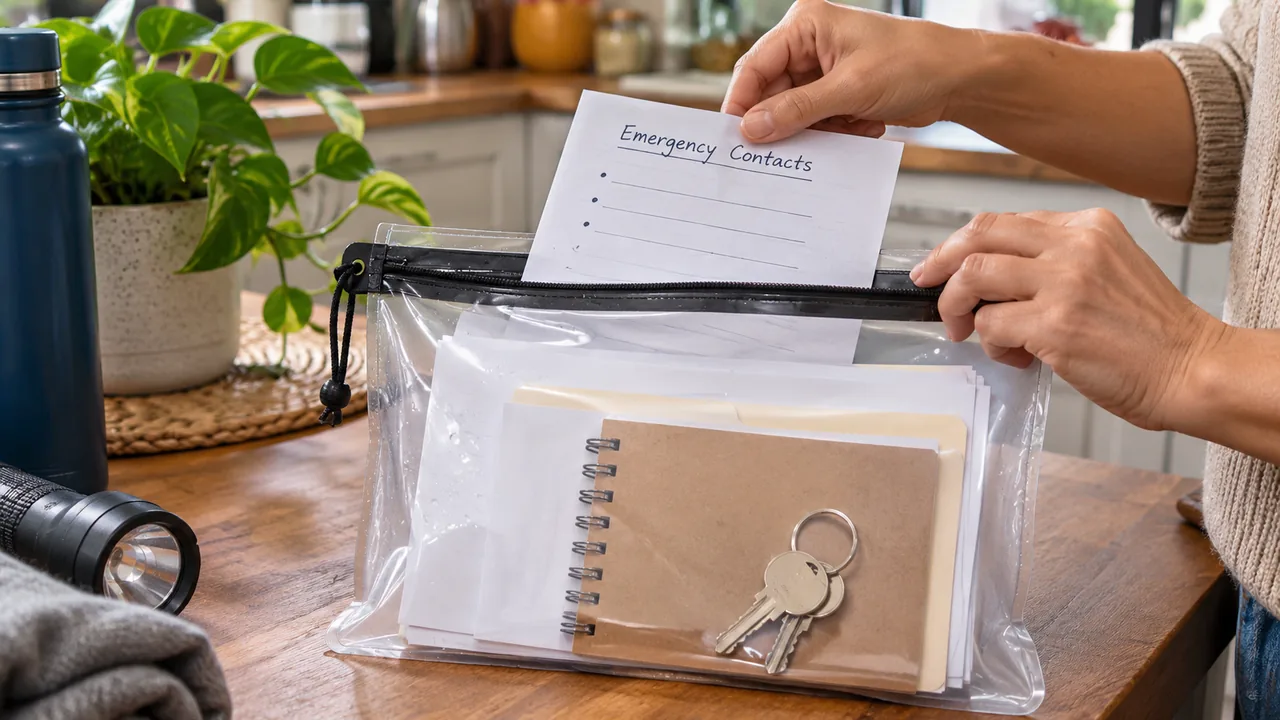
Include a concise contact sheet with household numbers, a trusted contact outside the immediate area and relevant care or support details. Add the destination address and any useful access information. Keep a dated copy because an old number can look reassuring while no longer being useful.
Consider copies of identity documents, insurance information and prescriptions where they genuinely support your plan. Store them securely and protect them from water. You do not need to carry every original document everywhere, and you should consider the consequences if the bag is lost.
Do not pack a list of account passwords or full financial security details in an easily accessible pocket. Keep the information sufficient for identification and support without creating unnecessary access to private accounts. A practical emergency folder balances usefulness and privacy.
Medicines need a live reminder as well as a packed supply
Some essential medicines cannot remain permanently in a bag. They may be used daily, have specific storage needs or require routine prescription arrangements. Ask your pharmacist or care team how to prepare for leaving and what information another responsible person should have.
Put a short reminder near the bag for items to collect only if time and safety allow. Use clear names and locations, such as the usual medicine pouch, rather than a vague instruction to 'get medical things'. Keep a current medicine list and relevant instructions with the contact information.
Do not change treatment or ration doses to create an emergency reserve without professional advice. For equipment needing power, oxygen or specialist handling, use the supplier's approved transport and backup plan. A general bag checklist cannot establish clinical suitability.
Keep communication and lighting simple
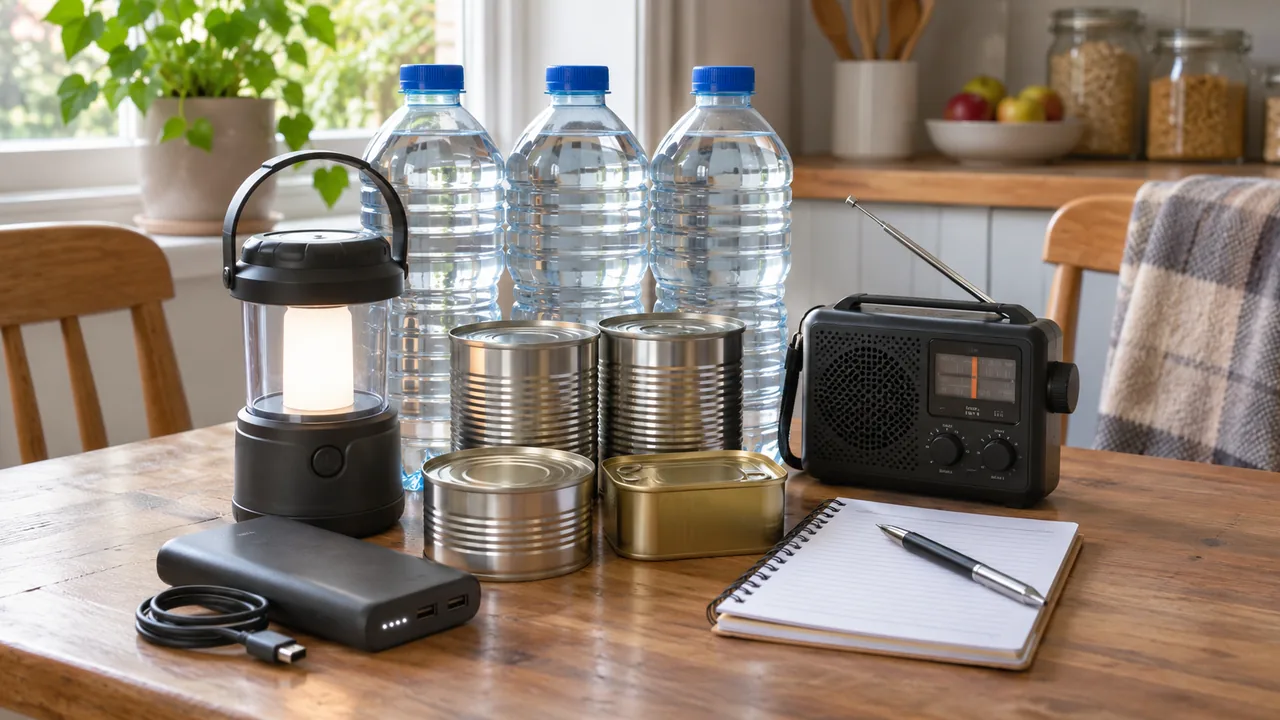
Pack the phone cable that fits your actual device and a suitable charged power bank if available. Test them together. Consider whether an essential contact depends on a number saved only inside a locked or discharged phone, and keep the relevant information on paper too.
A compact working torch can help in a dark stairwell, an unfamiliar room or a disrupted evening. Choose controls you can use and keep the correct power arrangement with it. Avoid packing a light that requires a cable or battery type nobody can find.
A small battery radio may be useful if it fits the plan and the load remains manageable. Check reception and controls beforehand. Do not add several overlapping gadgets before confirming that basic food, water, medication and access arrangements are workable.
Carry water realistically
Water is heavy. A litre weighs approximately a kilogram before packaging, so a home allowance for several days should not automatically become one person's backpack load. Work out what you can reasonably carry and how further safe supplies will be obtained at the destination or through official arrangements.
Use suitable sealed containers that are easy to handle. Keep water where it will not damage documents or electronic equipment if packaging leaks. Consider the needs of children, pets and anyone with a medical requirement separately rather than assuming the portable quantity covers everyone indefinitely.
Follow current local instructions about water safety and distribution. Do not assume a stream, floodwater or any available tap is safe. A filter carried in a bag has specific limits and is not a universal treatment for chemical, microbial or radioactive contamination.
Choose food for the journey and first arrival
Pack familiar ready-to-eat food appropriate to the people travelling. Check allergies, texture, portion size and packaging. Foods that need a pan, fuel and significant water may create more dependencies than they remove during a short evacuation journey.
Include a manual opener if the chosen packaging needs one, and suitable utensils where helpful. Avoid packing large containers that create leftovers requiring refrigeration. Think about what can be eaten safely while waiting at the destination without making a mess or attracting pests.
Keep food in a rotation rather than leaving it untouched for years. Use and replace supplies through normal life, checking labels and condition. An emergency is not a good time to discover an intolerance, an awkward lid or a snack that a child refuses to eat.
Clothing should match the person and conditions
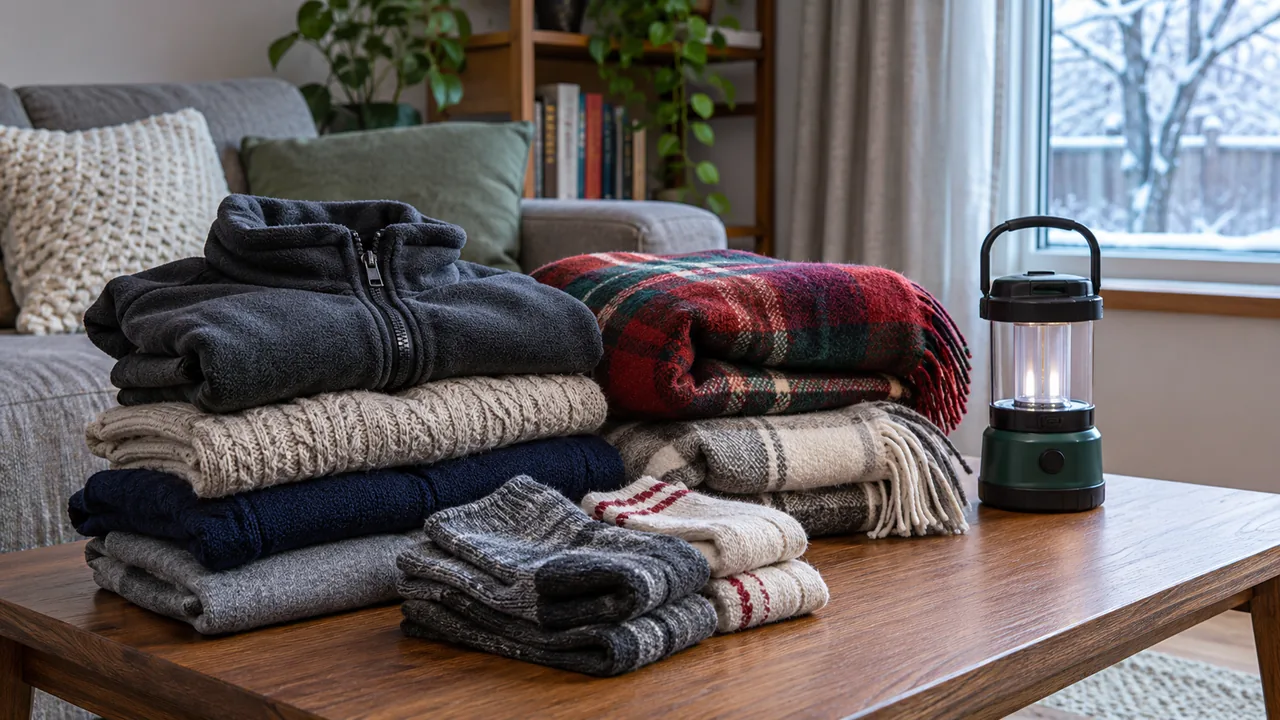
Consider a change of suitable clothes, underwear, socks and weather protection. Comfortable footwear may be especially useful if the journey involves walking, but it should fit the person's normal needs. Do not choose bulky items only because they appear on a generic list.
Pack layers according to likely conditions and review the bag when the season changes. A light summer bag may be inadequate for a winter evening, while excessive heavy clothing can make carrying harder during heat. Keep essential items accessible without emptying the whole bag.
For someone with care or accessibility needs, include the relevant personal items discussed with them. Spare glasses, hearing-aid supplies or another familiar aid may matter more than a general-purpose gadget. Check storage and handling instructions for anything delicate.
Add practical hygiene supplies
Include personal hygiene items that would make an unexpected stay manageable. Suitable toiletries, toilet paper, sanitary products and waste bags may be useful, depending on the destination and household. Keep quantities proportionate to the portable plan.
Hand gel and wipes can help with some tasks, but they do not replace every need for safe water and soap. Consider the actual care or feeding tasks you may need to perform. A person receiving personal care may need supplies that a standard travel wash bag does not include.
Keep liquids sealed and separate from documents or medicines where appropriate. Check the packed bag for leaks during routine reviews. Small practical packaging decisions can prevent one damaged bottle turning the entire bag into an unusable collection of wet supplies.
Plan for children without making them carry the adult responsibility
An age-appropriate small bag may contain a familiar comfort item, suitable clothing and a few practical supplies. Adults remain responsible for essential planning, documents and decisions. Do not give a child a load that makes safe movement harder simply to distribute every item evenly.
Keep the explanation calm and concrete. The bag is ready in case you need to stay somewhere else, just as a school bag is ready for an ordinary day. A favourite toy or book can make an unfamiliar setting easier without adding much weight.
Babies need specific feeding and safer-sleep arrangements. Include the appropriate products and follow professional and product instructions. Do not improvise formula preparation, feeding ratios or bedding because the family is away from home. Confirm what the destination can actually provide.
Pets need their own transport plan
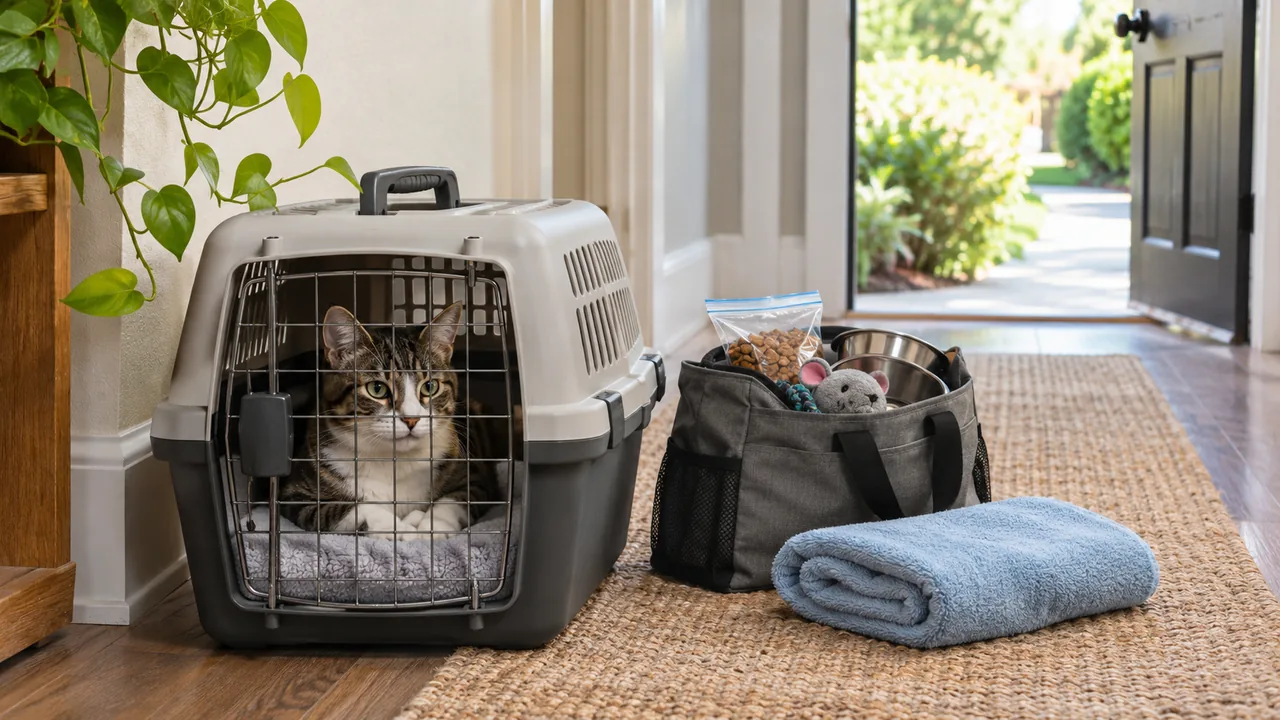
Keep leads, carriers and identification ready, with suitable food, safe water and any prescribed medicines. A pet's supplies should be manageable alongside the human load. Practise carrier use calmly before an emergency so that leaving is less difficult.
Confirm that the proposed destination accepts the animal and can meet its needs. A promise of a spare bedroom does not automatically include space for several pets or a secure place for a cat. Keep veterinary contact details and relevant records where they are accessible.
Do not put yourself in immediate danger to retrieve a pet or belongings. Follow emergency-service instructions and tell responders about animals left behind when relevant. Plan early so that you are less likely to face a difficult last-minute decision.
Keep a short last-minute collection list
Some useful items live elsewhere because they are used daily: phone, keys, glasses, medicine or a mobility aid. Keep a brief reminder with the bag. Make it clear that collection happens only if safe and does not delay leaving when immediate danger exists.
Avoid a list so long that it defeats the purpose of a prepared bag. If every room requires a search, move suitable items into a more consistent location during ordinary life. The aim is to reduce decisions, not create an elaborate packing exercise under pressure.
Tell another responsible person where the bag and reminder are kept. Consider access if the usual organiser is away. A plan that only one person understands can become difficult precisely when the household is already dealing with an unexpected event.
Practise the first few steps
Try a short, safe rehearsal in normal conditions. Pick up the bag, put on the expected footwear and follow the ordinary route to the exit. Do not block exits, disable safety systems or create a false emergency. The exercise should reveal practical problems without introducing risk.
Check whether you can hold a handrail, help a child or operate a door while carrying the bag. Notice where straps catch or the load feels unbalanced. Adjust the contents and arrangement rather than assuming discomfort is something you should simply tolerate during an emergency.
Then explain the destination and communication plan aloud. Can another household member describe what happens if the usual destination is unavailable? Does everyone know who will be contacted? The bag is one part of a sequence that also needs a route, support and shared understanding.
Review after use and when life changes
Check the bag regularly and after anything is borrowed. Replace used food, charge suitable equipment and update documents. Review clothing sizes, seasonal needs and changes to medicines, care, school arrangements or pets.
Keep an inventory short enough to use. Record the items that are genuinely important and the date of the last check. If the bag becomes too heavy, reassess the purpose rather than adding another bag by default. More equipment can make leaving harder when there is only one adult available.
Your finished go-bag should make the first part of leaving easier. It does not need to solve every possible emergency. A manageable load, current personal information and a confirmed destination plan provide a useful foundation for the decisions that follow.
Check the first hour after arrival
Before adding another item, imagine arriving at the planned destination with the bag. Can you identify yourself where necessary, contact the agreed person, access essential care information and provide a suitable drink or snack? Those are practical functions the contents should support.
Next consider what happens when a child needs the bathroom, a pet needs securing or a person needs a familiar aid. The answer may involve the destination's facilities rather than something to pack. Confirming that facility can be more useful than carrying an extra tool.
Keep frequently needed items reachable without emptying the whole bag in a public place. Protect documents and medicine information while making them available to the appropriate responsible person. Do not put private records into an outer pocket simply because it is convenient.
If the exercise reveals a gap, decide whether it belongs in the bag, the destination arrangement or the professional care plan. That distinction helps keep the load manageable while making the overall plan more complete.
Frequently asked questions
Does a go-bag need to contain three days of everything?
It should fit the person, journey and destination. Home supplies for several days can be much heavier than a manageable evacuation bag, especially water. Pack portable essentials and plan how additional needs will be met through suitable accommodation or official arrangements. Do not make the load unsafe to satisfy a generic checklist.
Should I buy a specialist survival backpack?
Only if it suits your actual needs and budget. A sturdy, comfortable bag you already own may work well. Check access, carrying comfort, closures and the route you may use. Specialist branding does not guarantee suitability, and the money may be more useful for a missing personal essential or a practical transport arrangement.
Where should I keep the bag?
Choose an accessible, suitable location that does not block an exit or create a trip hazard. Consider local risks, household security and who may need to retrieve it. Keep the last-minute reminder nearby and tell responsible household members where it is. Review the location if mobility, building access or living arrangements change.
What if I cannot carry a bag?
Adapt the plan with the person involved. Smaller supplies, an appropriate arrangement with a mobility aid, trusted assistance or suitable transport may help. Check that any attachment or carrying method does not compromise equipment safety. The aim is access to essentials, not proving that everybody can carry the same backpack.
Should I delay leaving to collect the bag?
No. Immediate safety and emergency-service instructions take priority. A prepared bag is useful when it can be collected safely, but it should never delay escape from fire or another urgent hazard. Leave and seek help when needed. You can improve the storage and contents later, after people are safe.
Sources and further reading
UK Government: household preparedness