

Getting home is not always the safest immediate journey. If roads are closed, transport is disrupted or fuel is difficult to obtain, the useful question is where you can wait safely and what information would make travel reasonable. A household plan should give you options beyond pressing 'start' on the usual route.
Begin with reliable road, weather and transport updates. Confirm whether the journey is necessary, whether a suitable route is open and whether the destination can meet your needs. Keep family contact and care arrangements clear so that a delay does not automatically become a rushed decision.
This guide helps you prepare an emergency get-home plan for ordinary commuting and family travel. It does not replace road signs, emergency-service instructions or the rules that apply to your vehicle and location. Do not enter a hazardous route simply because you are worried about being late.
Know the dependencies in your usual journey
Think through the route from leaving work to reaching home. Does it depend on one bridge, a particular train, a lift at a station or an app-only ticket? A journey can become difficult even when most of the transport system is still operating.
Record alternatives that are genuinely usable. Another station is helpful only if you can reach it safely and use its access arrangements. A walking route may be unsuitable after dark, in severe weather or for someone with limited mobility. Check the real conditions rather than counting lines on a map.
Discuss what happens if your ordinary journey fails. Who needs an update? Who can collect a child? Where could you wait? The most useful preparation may be a childcare agreement or a confirmed safe place, rather than a second route to the same blocked road.
Decide whether you need to travel now
Check official advice before starting. Severe weather, flooding or an active emergency may make delaying safer. Do not interpret the fact that a route appears on a navigation app as permission to ignore a closure or local instruction.
Consider the needs at both ends. If someone at home depends on care, use the agreed backup contact rather than assuming your own immediate drive is the only solution. If you have an essential health need while away, seek the appropriate support rather than attempting an unsafe journey to reach familiar supplies.
Keep the decision specific. 'I need to get home eventually' is different from 'there is an immediate need that cannot be met here'. A safe waiting plan gives you time to understand the options without abandoning the household's responsibilities.

Use official route and operator information
Check the relevant road authority, weather service and transport operator. Confirm the time and area of the update. A closure can change, and a screenshot shared earlier may no longer describe the route you intend to use.
Look at the whole journey, including the last part. A main road being open does not prove that the local lane or access to the property is safe. Consider bridges, low-lying sections, station access and any route-specific needs.
Do not rely on repeated social reports of a shortcut. A person may have passed earlier under different conditions, or may not understand the risk. Signs, barriers and emergency-service directions take priority over the claim that someone else has already driven through.
Never treat floodwater as a normal diversion
Do not walk, cycle or drive through floodwater. Its depth, flow, road condition and contamination may be difficult to judge. Water can hide damage, open drains and debris. A familiar route may no longer have a safe usable surface beneath it.
Do not follow another vehicle into water because its driver appeared confident. Their vehicle, timing and outcome do not establish that your journey is safe. Turn to an appropriate alternative before entering the hazard, following local instructions.
If flooding changes while you are travelling, use current official advice and seek emergency help if you are in immediate danger. A get-home bag does not make a flooded road passable. The safe destination may temporarily be somewhere other than home.
Keep ordinary fuel or charge planning sensible
Before a necessary journey, check whether the vehicle has a suitable fuel or charge level for the route and realistic alternatives. Account for delays and whether the intended filling or charging location is operating. A map marker does not guarantee access or service during disruption.
Avoid panic buying fuel or storing it casually at home. Storage, handling and fire requirements can be complex and location-specific. A household travel plan should not create a new hazard through improvised containers or inappropriate storage.
If supplies are limited, reduce unnecessary journeys and coordinate essential tasks where safe. Check actual operator information rather than driving from one location to another on rumours. Preserving options can be more useful than joining a queue without knowing whether fuel or charging is available.
Make a safe waiting option part of the plan
Identify places where you could reasonably remain if travelling is unsuitable. This might involve arrangements with an employer, a trusted contact or suitable accommodation. Confirm permission, access, opening and the needs of the people with you.
Think about food, water, temperature, toilets and essential medicines. A comfortable place for an adult waiting briefly may not suit a child, pet or person requiring care for several hours. The waiting option should be specific enough to use, not merely a note saying 'find somewhere'.
Keep an alternative if the first place is affected or closed. During a wider incident, many people may seek the same location. Use current official information and avoid travelling into a more affected area just to reach a familiar building.
Carry a modest set of everyday essentials
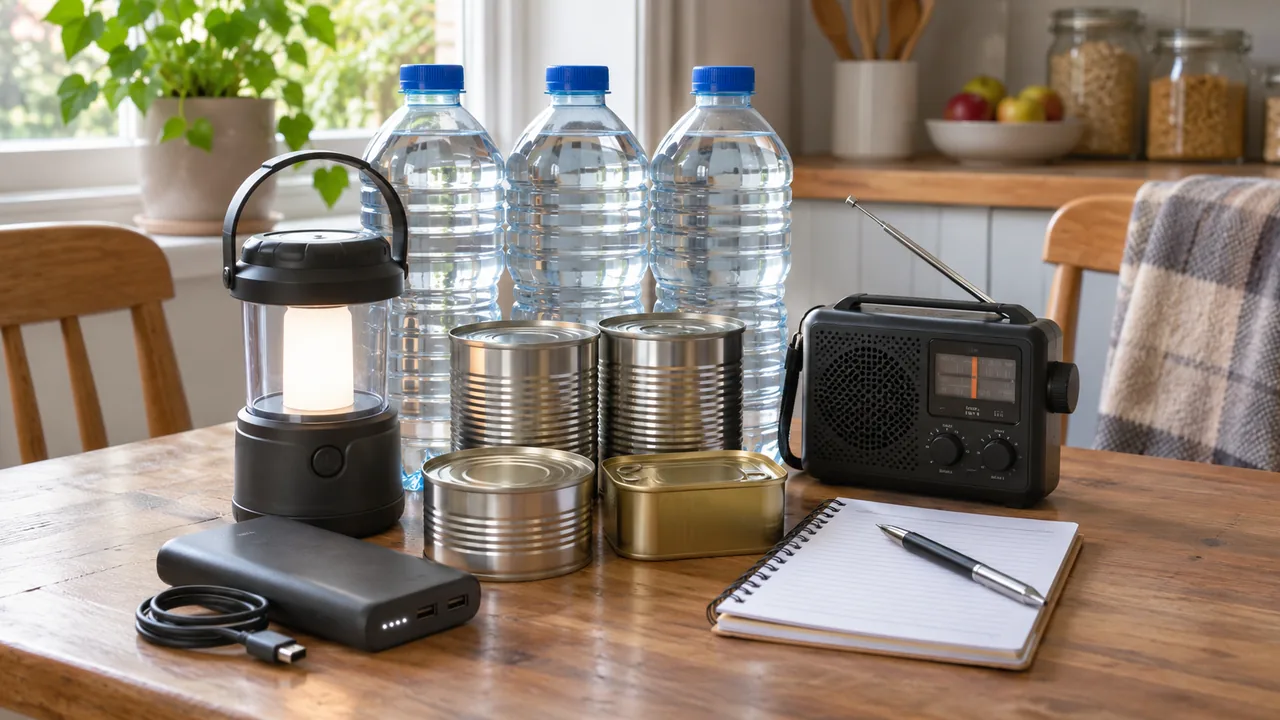
Suitable clothing, a charged phone, the correct cable, safe water, familiar snacks and essential personal items can make a delay easier. A torch may help where lighting is unavailable. Keep appropriate breakdown and emergency contacts accessible.
Pack according to the journey and season. Winter clothing may be important during cold disruption, while heat needs a different comfort plan. Do not assume a bag that remains in the vehicle all year is still suitable or that stored products tolerate every temperature.
Keep supplies secure so they do not obstruct driving or become hazards. Check the vehicle manufacturer's storage instructions where relevant and do not leave medicines or batteries in unsuitable conditions. Carrying essentials is useful only if they remain safe and usable.
Plan for public transport and accessibility
Ask the operator about disruption information, assistance and alternative arrangements relevant to your needs. A station being open does not mean every lift, entrance or service is working. Check the parts of the journey you depend on.
Keep ticket and contact information available offline where supported, but do not assume a saved screen replaces every ticketing requirement. Payment methods and access rules differ. Verify the actual alternative with the operator rather than relying on an old experience elsewhere.
If a service stops unexpectedly, use the operator's and emergency services' instructions. Do not walk onto tracks, use restricted routes or attempt an improvised exit. A household plan supports safer decisions; it does not make transport infrastructure safe to navigate independently.
Make childcare and caring arrangements before you need them
Keep an authorised alternative collector or carer where appropriate, with consent and current details. Know the school, childcare or care provider's procedure if the usual person is delayed. A transport disruption should not leave everyone assuming someone else has acted.
Tell the relevant people what is confirmed and the next check-in time. Avoid promising an arrival time that depends on an unverified route. A clear update allows the backup arrangement to work while you make a safe travel decision.
If a person's essential care is at risk, use the appropriate professional support route. Do not ask an untrained neighbour to improvise clinical or transfer tasks merely because the normal carer is stuck. The backup should fit the task, not just the availability of another adult.
Keep family communication short and useful
Agree one contact who can pass updates where possible. Send your location, whether you need help and what you plan to do next. A short message may be more useful than several calls repeating the same uncertainty.
Keep important numbers and addresses on paper. A damaged or discharged phone should not erase the contact route or waiting-place address. Protect private information, particularly if the bag may be lost in a public place.
If a message is delayed, do not assume it was received and acted on. Use the agreed alternative when appropriate. The family emergency plan helps connect transport decisions with meeting points and contact arrangements.
Use maps as tools, not guarantees
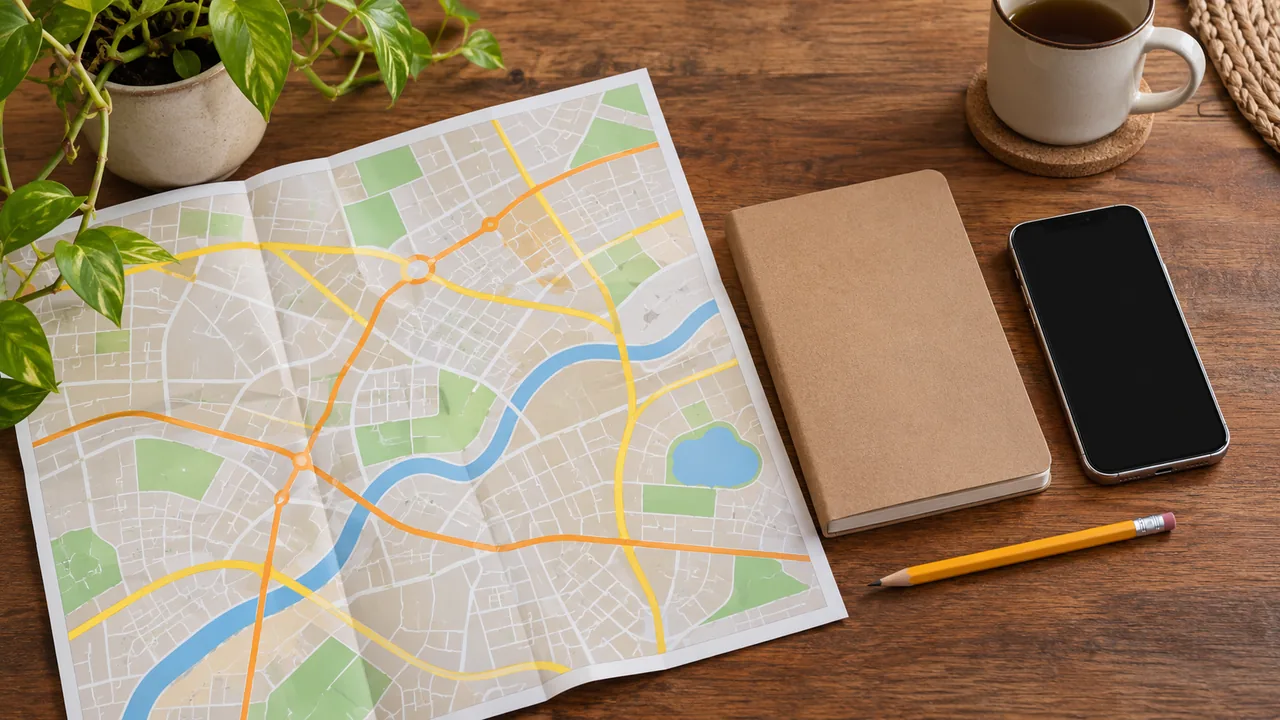
Save relevant map information for offline use where your device supports it, and learn the broad shape of the normal route. Include a paper note of important addresses and alternatives. These can help when data is unavailable.
A stored map cannot show every current closure, flooded section or emergency cordon. Check present conditions through official sources before relying on it. Avoid turning an unfamiliar minor road into a preferred diversion simply because the app calculates a shorter time.
If walking becomes an option, consider the actual distance, daylight, weather, footwear, access and health needs. Do not assume a long walk is safe because it avoids the main road problem. A suitable place to wait may be the better next step.
Example: a commuter with children to collect
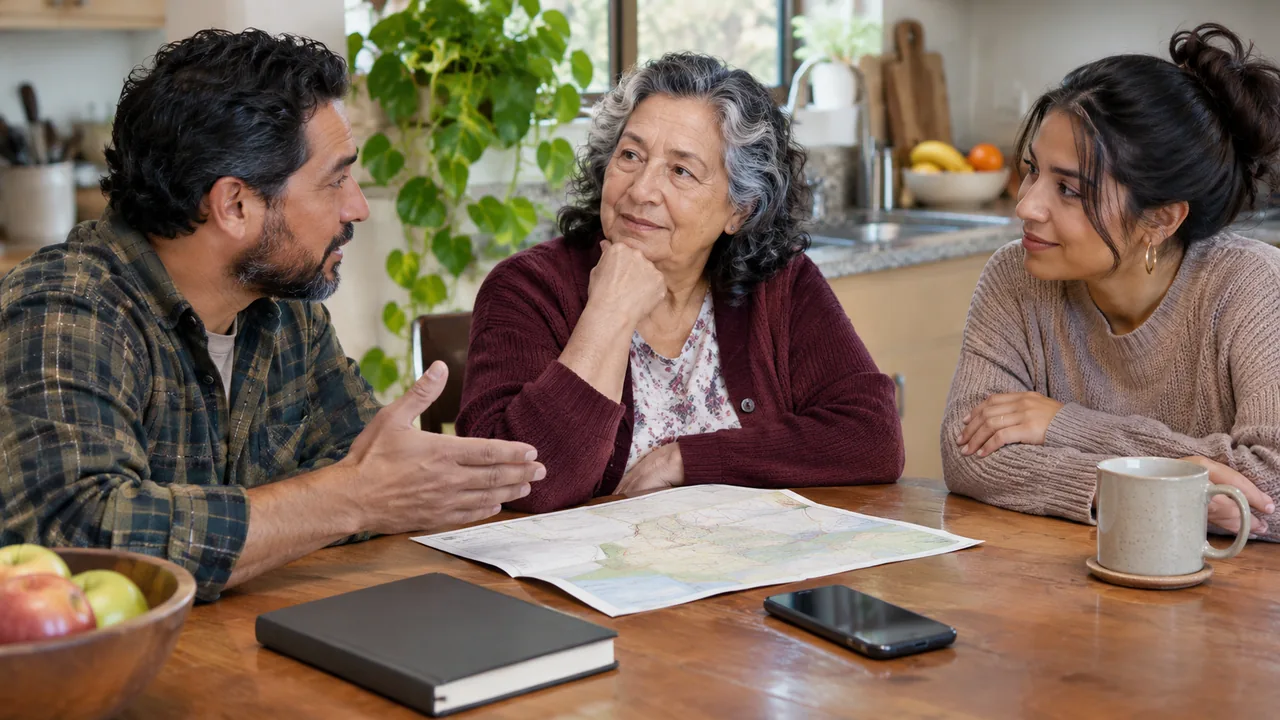
Imagine a train service is suspended before the evening journey home. The parent checks the operator's current information and contacts the authorised alternative collector rather than rushing towards an uncertain replacement service. The school receives a clear update through its usual process.
The parent then compares a confirmed alternative route with a suitable waiting option. They have essential contact information, a charged phone and a manageable food and water supply. They do not need to promise that the next train will run or ask a child to manage the problem.
The useful preparation is partly in the bag, but mostly in the agreed responsibilities. The same approach can support a person caring for an adult relative: establish the appropriate backup, share accurate information and make the journey decision through verified conditions.
Example: a driver faces a closed familiar road
Imagine the usual road home is closed during heavy rain. A navigation app offers a small-road diversion, but official information indicates flooding nearby. The driver does not treat the software suggestion or a stranger's reassurance as proof of safe passage.
They stop only in a safe lawful place, check reliable information and update the household. If no suitable route is confirmed, the waiting arrangement becomes useful. They avoid using fuel to test several unverified routes while conditions deteriorate.
This example does not prescribe one response for every road incident. It shows the value of a pause, current information and an alternative destination. The plan provides a next action without requiring the driver to improvise around a known hazard.
Review the arrangement after a disruption
Once travel is safe and the situation has settled, record what made the delay difficult. Perhaps the alternative collector's details were old, a station lift was essential or the bag lacked the correct charging cable. Fix those concrete gaps before adding more equipment.
Refresh seasonal supplies, contacts and route assumptions. Work, school and care arrangements change, and an alternative route can become unsuitable over time. Check the plan through ordinary safe journeys rather than waiting for another emergency.
A useful get-home plan is not a promise that you can always reach the front door immediately. It is a practical set of options that protects the people depending on you while you choose a journey or waiting place that fits the actual conditions.
Write a useful note for someone helping you travel
If a trusted person may collect you or assist the household, agree what information they need before an incident. A location, contact route, access requirement and suitable waiting place can be more useful than a vague promise to provide a lift. Keep the arrangement consensual and realistic about availability.
During disruption, confirm the actual pickup or destination rather than assuming the normal address remains appropriate. A station entrance may be closed, a road restricted or a building inside the affected area. Use current operator or authority information, and do not ask the helper to enter a hazard to preserve the original plan.
Explain relevant needs clearly, including child restraints, mobility equipment, pets or essential personal items. Do not leave the driver to discover a practical incompatibility on arrival. If the task requires specialist transport or care, use the appropriate professional arrangement rather than treating any available vehicle as suitable.
Keep messages brief and avoid distracting someone who is driving. Agree a safe time or method for updates. If plans change, state what is confirmed and what remains uncertain so that two people do not set off towards different locations based on old information.
Afterwards, review whether the helper arrangement genuinely provided an independent option. If the same route, working hours or outage affected both parties, a different backup may be needed. That lesson is about the practical dependency, not a criticism of someone who offered help. Clear limits and accurate details make the next request easier to assess and safer to carry out.
Frequently asked questions
Should I always start travelling home as soon as disruption is reported?
No. Check whether travel is necessary and safe, using current official advice and the needs at both ends. A suitable waiting place and agreed care backup may give you time to make a better decision. Do not enter a hazardous route simply because being home feels more reassuring.
Is an offline map enough for an emergency route?
It helps with geography, addresses and options, but it cannot confirm current closures, flooding or emergency instructions. Use it alongside reliable live information where available and follow road signs and responder directions. A saved route is a tool, not proof that the journey remains safe or accessible.
Should I keep extra fuel at home?
Do not improvise fuel storage as a response to rumours. Storage and handling have safety and local requirements that need proper assessment. Keep ordinary vehicle planning sensible, reduce unnecessary journeys during disruption and check actual availability. A household travel plan should not create a fire risk through unsuitable containers or locations.
What should I keep with me for a delay?
Consider suitable clothing, a charged phone and cable, safe water, familiar food, essential personal items and useful paper contacts. Adapt to season, journey and care needs. Store products appropriately and keep the load manageable. The supplies should support a safe wait or alternative journey, rather than encourage entering a hazardous route.
What if the usual person cannot collect my child?
Use the authorised backup arrangement agreed with the school or childcare provider. Keep details current and communicate through the normal process. Do not assume an informal message overrides safeguarding procedures. If you have not yet arranged a backup, contact the provider about a suitable plan before a transport disruption makes the question urgent.
Sources and further reading
Met Office: driving in severe weather